





Sensitivity in skin is defined by reactions to other substances, like skincare products or environmental aggressors, as opposed to its natural state. This can be vexing for skincare lovers who want to try different products or incorporate new steps into their routine. Meanwhile, their skin might overreact to even slight changes, or ingredients billed as non-irritating.
Some people are born with sensitive skin, and might not realize it until they get older and begin to expose their skin to different stimuli. Others may develop sensitive skin, or their skin may sensitize, over time and exposure to different irritants or allergens. But no matter what type it may be, your skin requires proper care, which can be a source of stress for the sensitive skinned among us. How do you navigate necessary skincare if your skin is wary of products at large?
The key to cracking sensitive skin is to learn what your skin needs, and the products and ingredients that can help it keep calm under pressure. But the best skincare for sensitive skin starts with education. Here’s what you need to know.
Before we start: What is sensitive skin?
Sensitive skin is reactive skin. Dermatologists often define sensitive skin simply as skin that is prone to more reactions than other skin types. These kinds of reactions express themselves in various ways, from dryness to redness to full-blown rashes.
If these sound like common issues, it doesn’t necessarily mean you have sensitive skin. The catalyst for these sorts of reactions are almost always outside stimuli, a broad category that includes everything from skincare products to the sun and wind outside your front door. If skin seems irritated on its own, it could be a sign of sensitive skin, but also may point to another skin type, or an issue like eczema.
Instead, if you notice your skin frequently reacting to certain products or ingredients, sensitive skin could be a likelier reason.
Step 1: Learn about your skin.
The skin is a magnificent organ, with many highly complex structures and functions included therein. Short of going to medical school, it can be difficult to wrap one’s head around skin and its needs. It’s much easier to study your own skin, and there are a few ways to do that.
Take notes. If you think you have sensitive skin, it could be beneficial to take a practical approach to documenting your skin habits. Make like a detective and solve it like a mystery: What ingredients did I put on my face today, and how did my skin react? What was the weather or climate like? Over time, you should be able to observe patterns in your skin reactions, and identify certain irritants.
Talk to an expert. It’s usually not too difficult to recognize if your skin is sensitive—Are you very cautious about trying new products? Does your skin break out with seemingly no effort at all?—but you should always ask your dermatologist or primary care physician for their opinion.
Research ingredients. There are plenty of skincare ingredients that are excellent on sensitive faces—and more that are being discovered and tested every day. For now, it’s easy to find formulas that are designed in accord with sensitive skin types, and are easier on faces than other, more abrasive skincare products.
Step 2. Cleanse your skin gently.
Dermatologists advise washing one’s face twice daily. But how does that figure square with those whose faces fear abrasive skincare?
A proper cleanse is an important part of your skincare routine, no matter your skin type. But some washes are better (read: less harsh) than others. The ingredients list is the first place to look for trouble. Is your face wash made with potentially irritating ingredients? For example, sulfates, which help cleansers remove dirt and impurities more effectively from skin and hair, can also dry out skin and potentially cause irritation, according to dermatologists. Sulfates aren’t bad for you, but they may not agree with reactive skin.
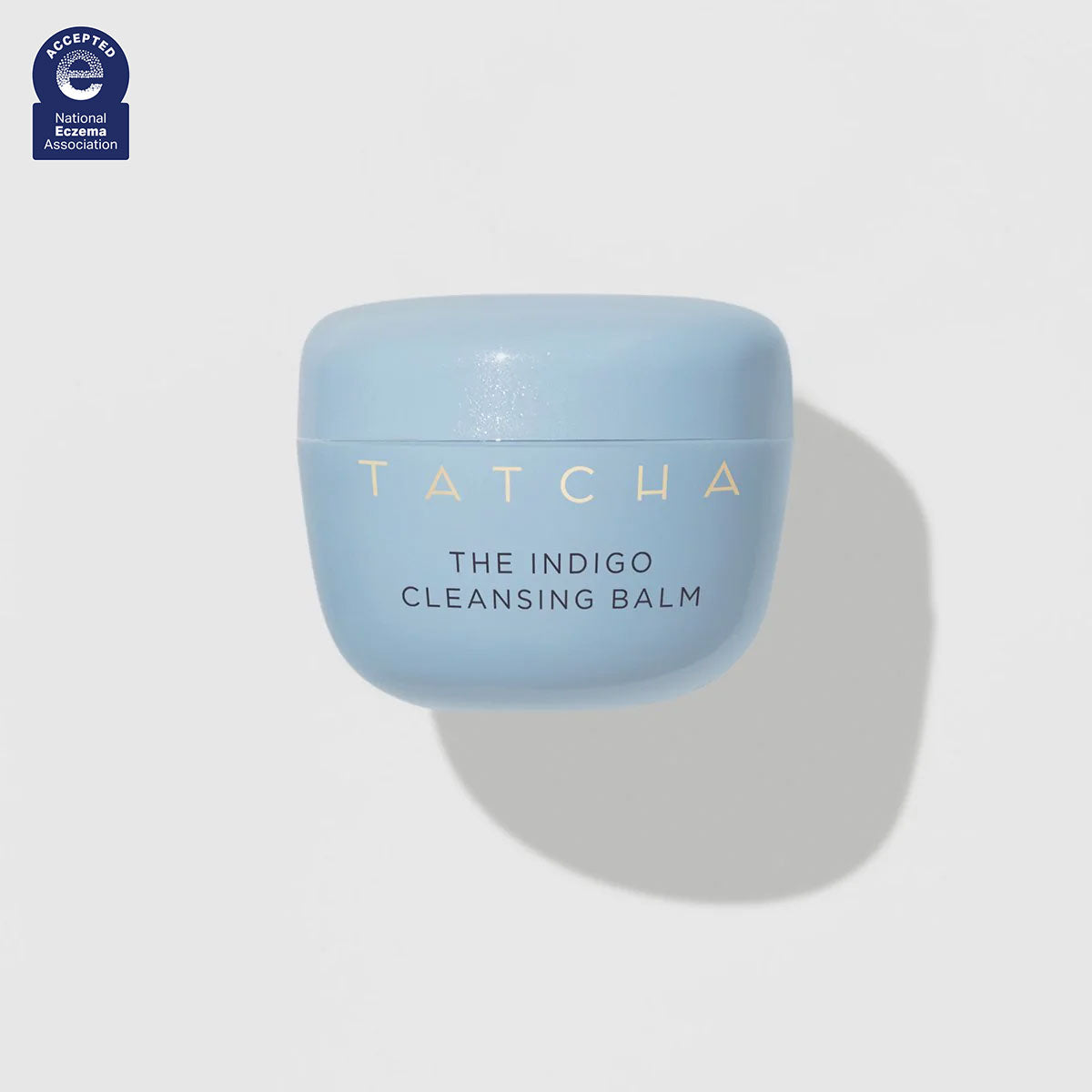
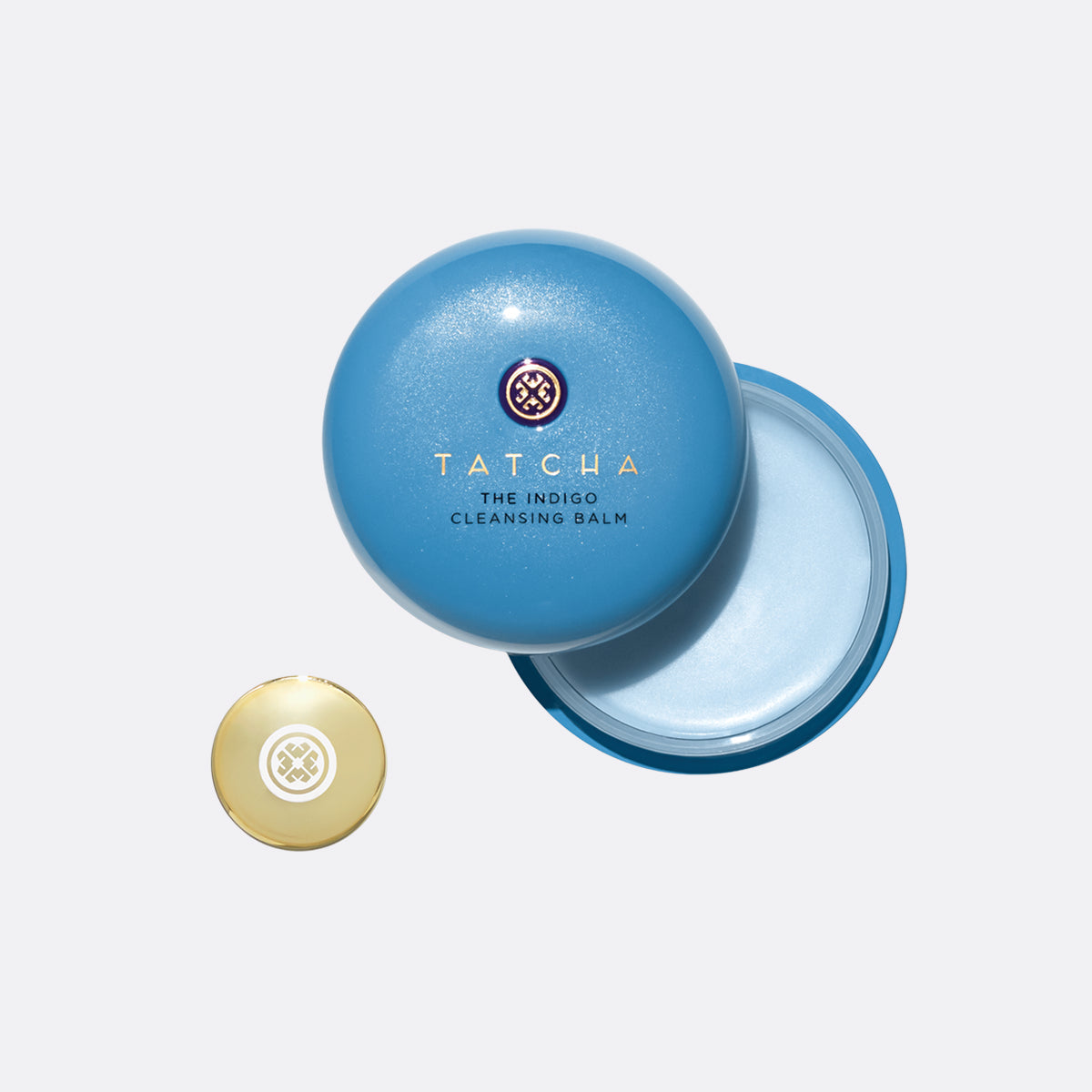
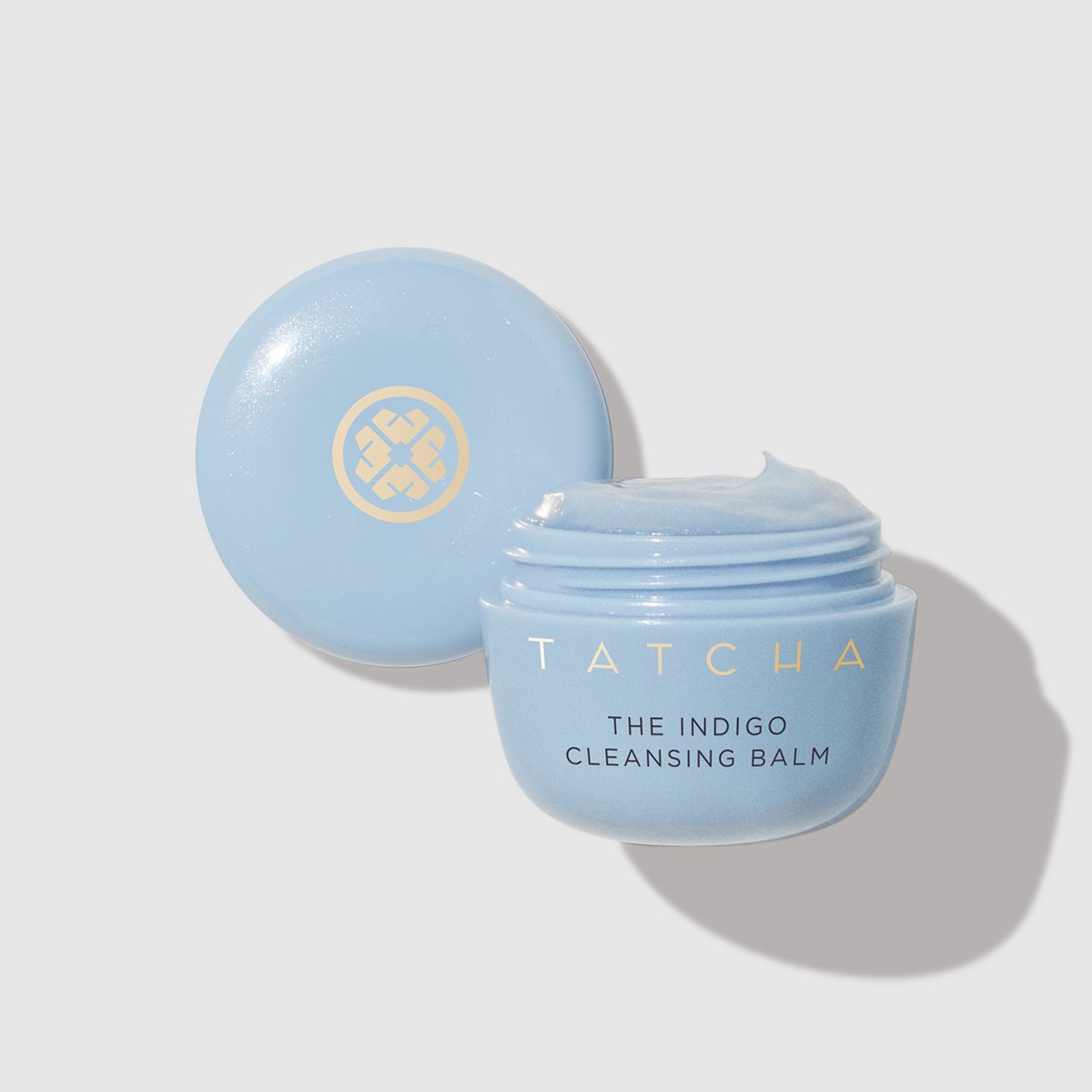
Tatcha’s Indigo Cleansing Balm is a gentle cleanse epitomized. It's plush at first lather, then emulsifies into a silky oil that melts away makeup, dirt, and the rest of the day. But the main attraction comes from Japanese indigo extract, a botanical prized for centuries for its anti-inflammatory benefits. (Did you know that samurai used to wear garments of indigo for their wound-healing properties?)
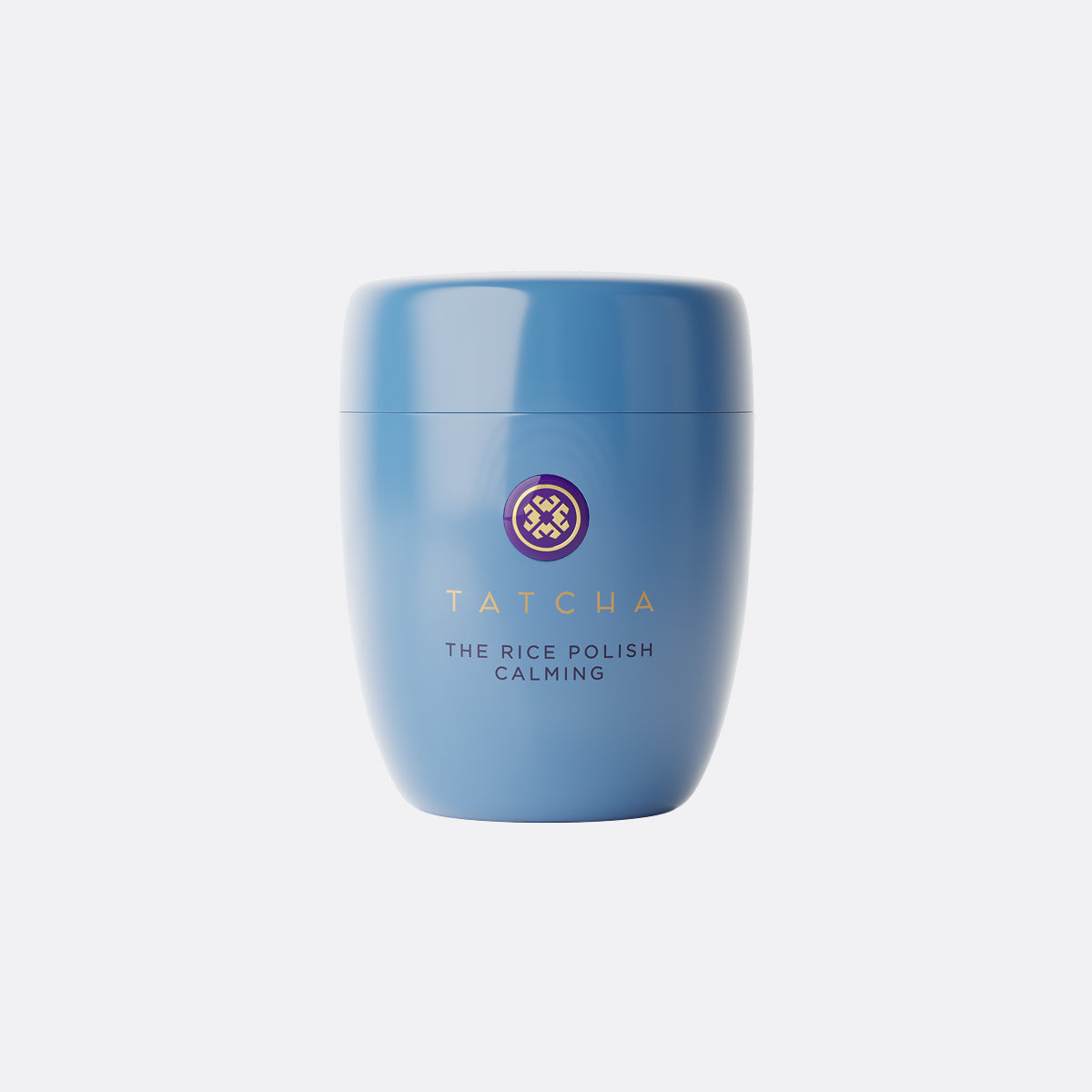
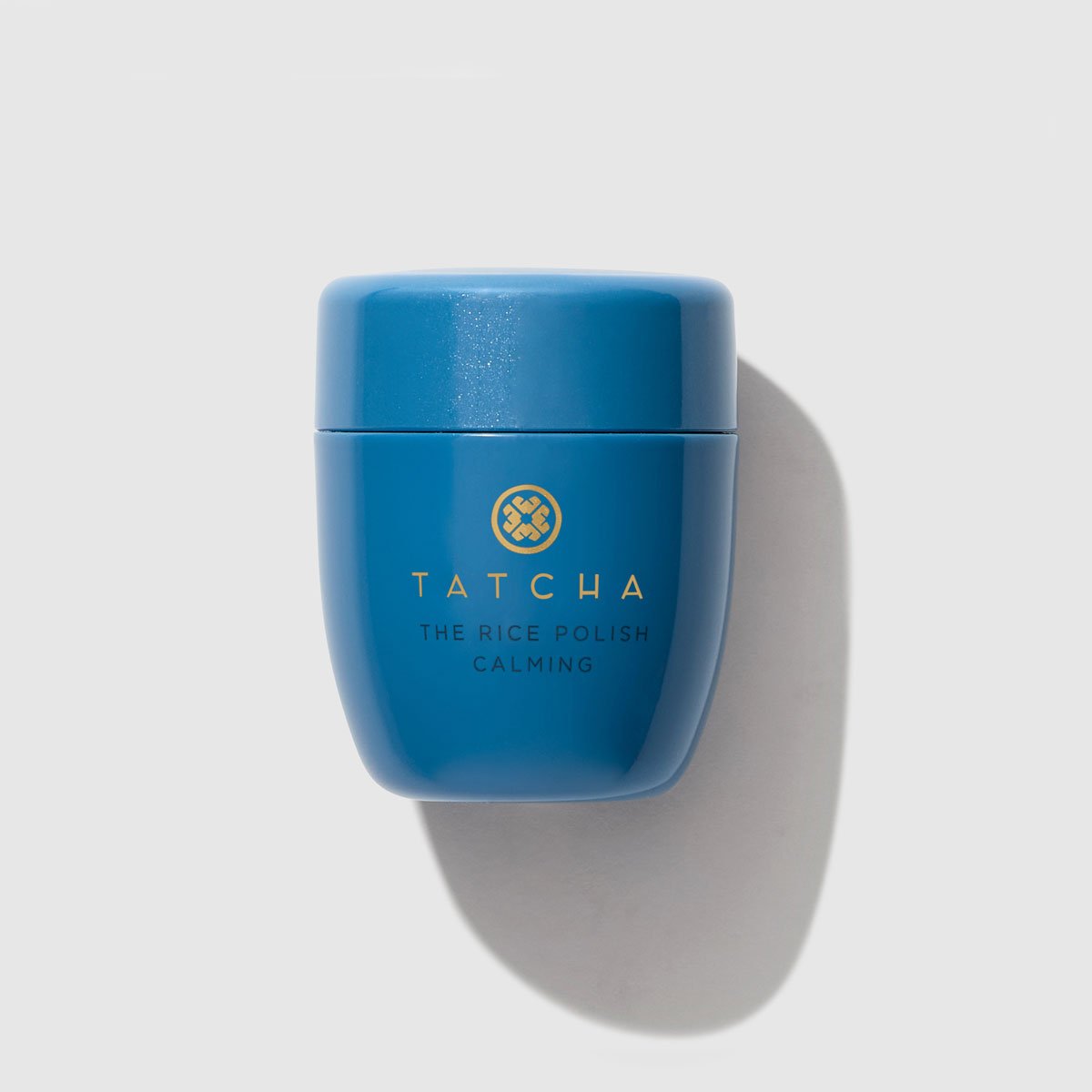
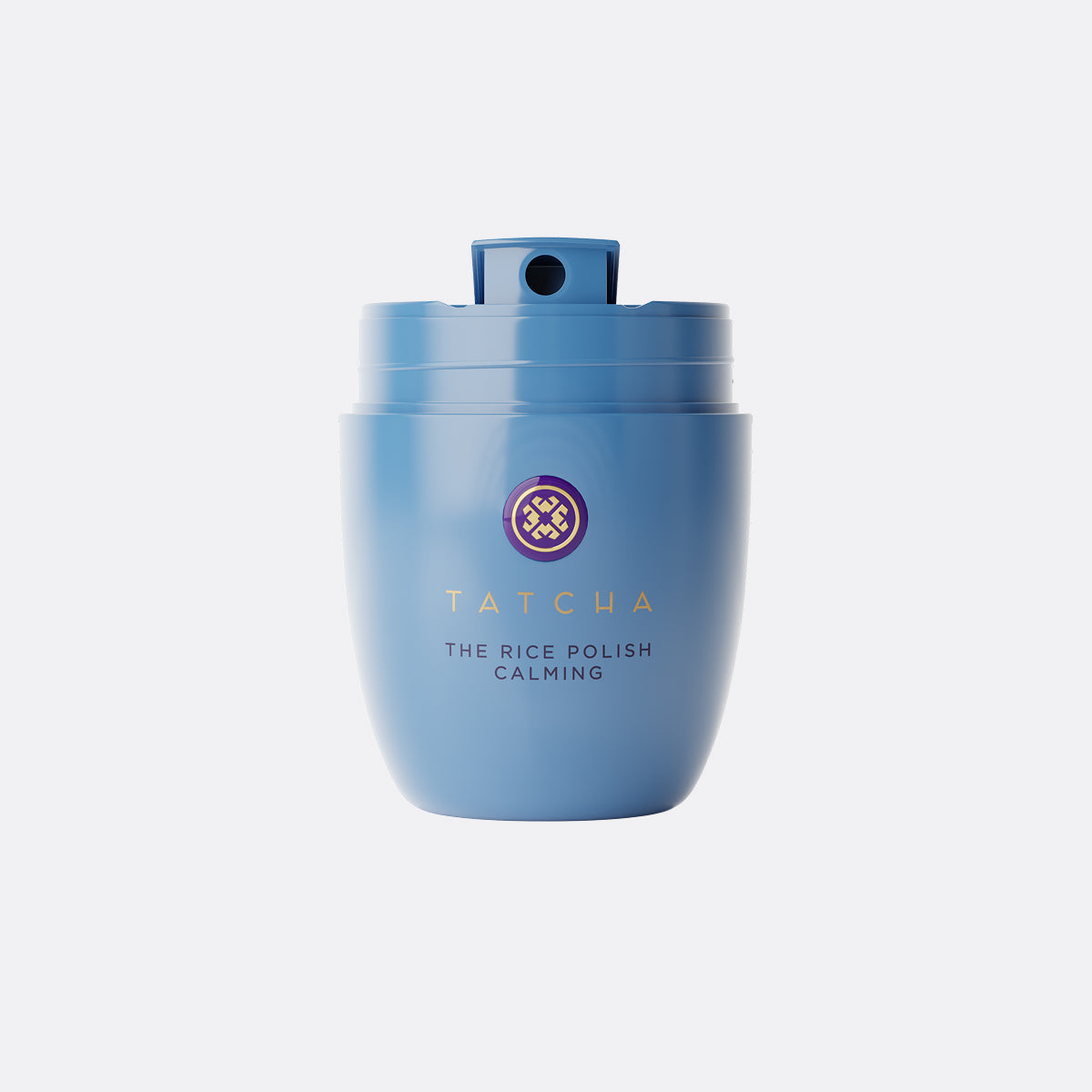
Another common ingredient that is known to be largely beneficial but can have adverse effects on sensitive faces: Exfoliating acids, like salicylic or glycolic acids. These ingredients are proven to help exfoliate the skin, by dissolving bonds between healthy skin cells and dead ones. Many exfoliants are useful and even necessary for exfoliating sensitive skin, but it’s advised to be wary of strong acids or scrubs, and run them by your dermatologist before you adopt them into your routine. Gentle acids, like lactic acid, or finely-milled scrubs, like Tatcha’s Calming Rice Polish, come recommended for reactive skin.
Step 3. Use calming products.
After cleansers come essences, serums, and moisturizers. Sensitive skin types are often careful not to overload their faces with substances that can potentially irritate, but they’ll be happy to know that many of these products include steps that can help soothe sensitive skin.
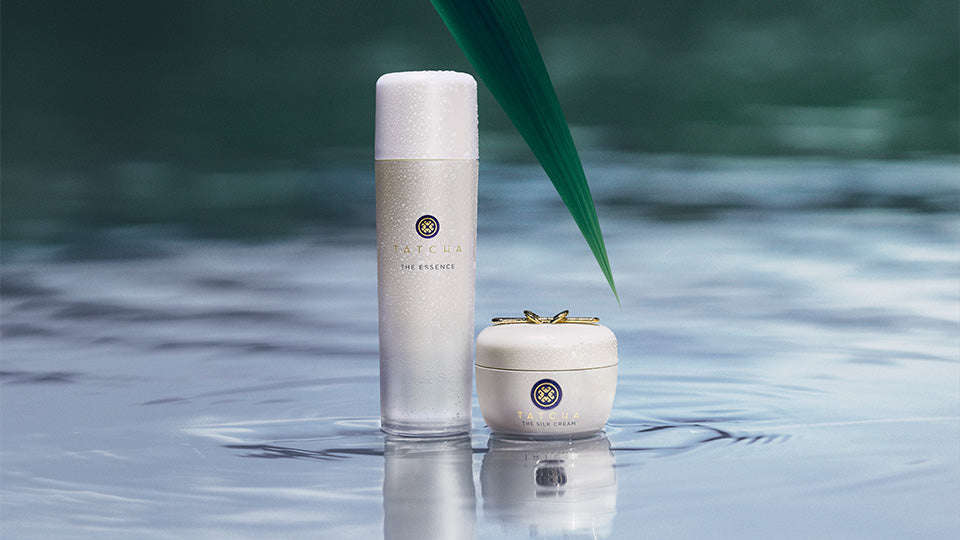
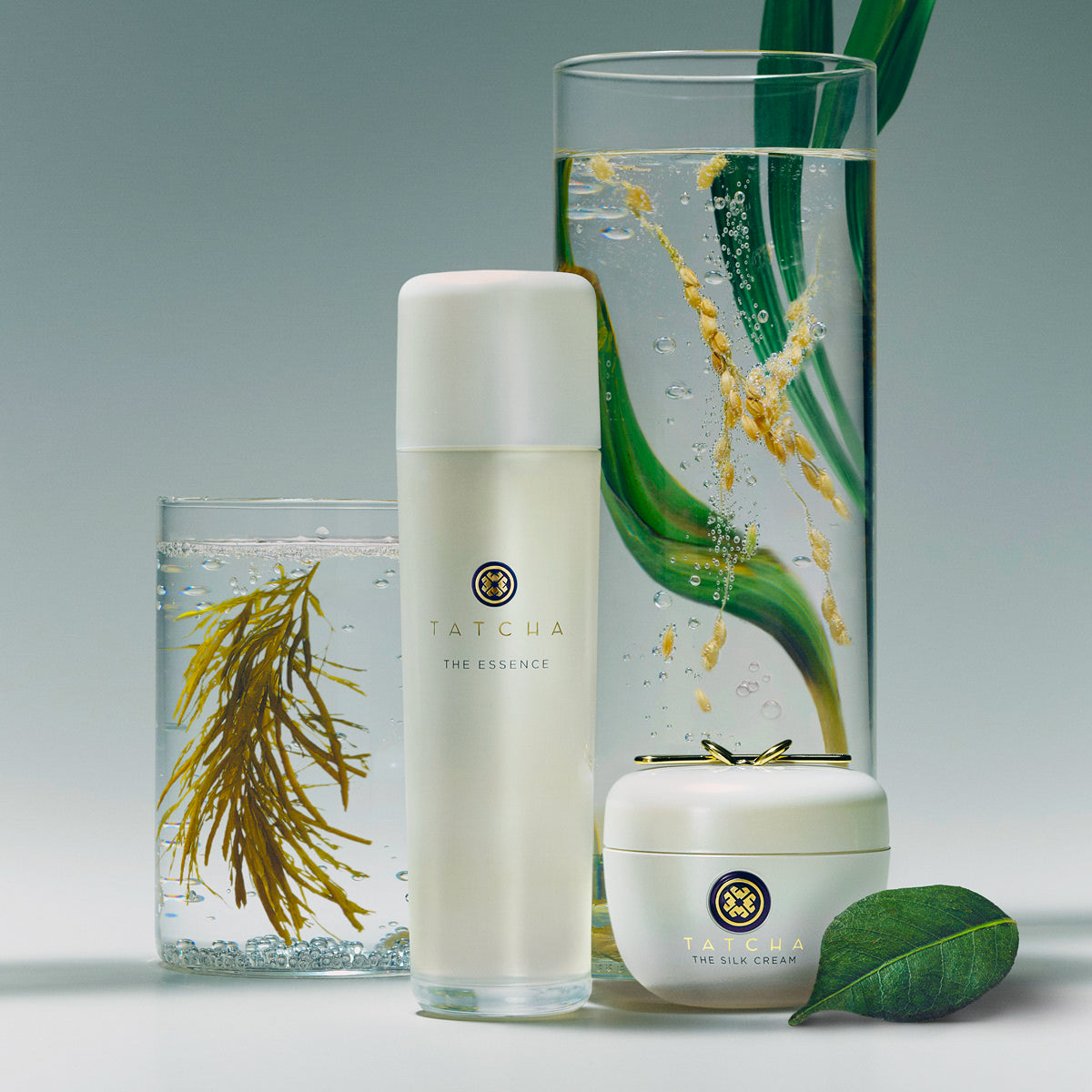
Think about your skincare order of operations as beginning with a proper cleanse, and then building up products by their textures, from most watery to most creamy or oily. Essences, lightweight hydrating formulas that follow washes but precede serums and moisturizers, can be hugely helpful with hydration—Tatcha’s Essence, for one, is made with a trio of Japanese superfoods that are fermented to produce amino acids (that support the skin barrier) and AHAs like lactic acid (that gently exfoliate).
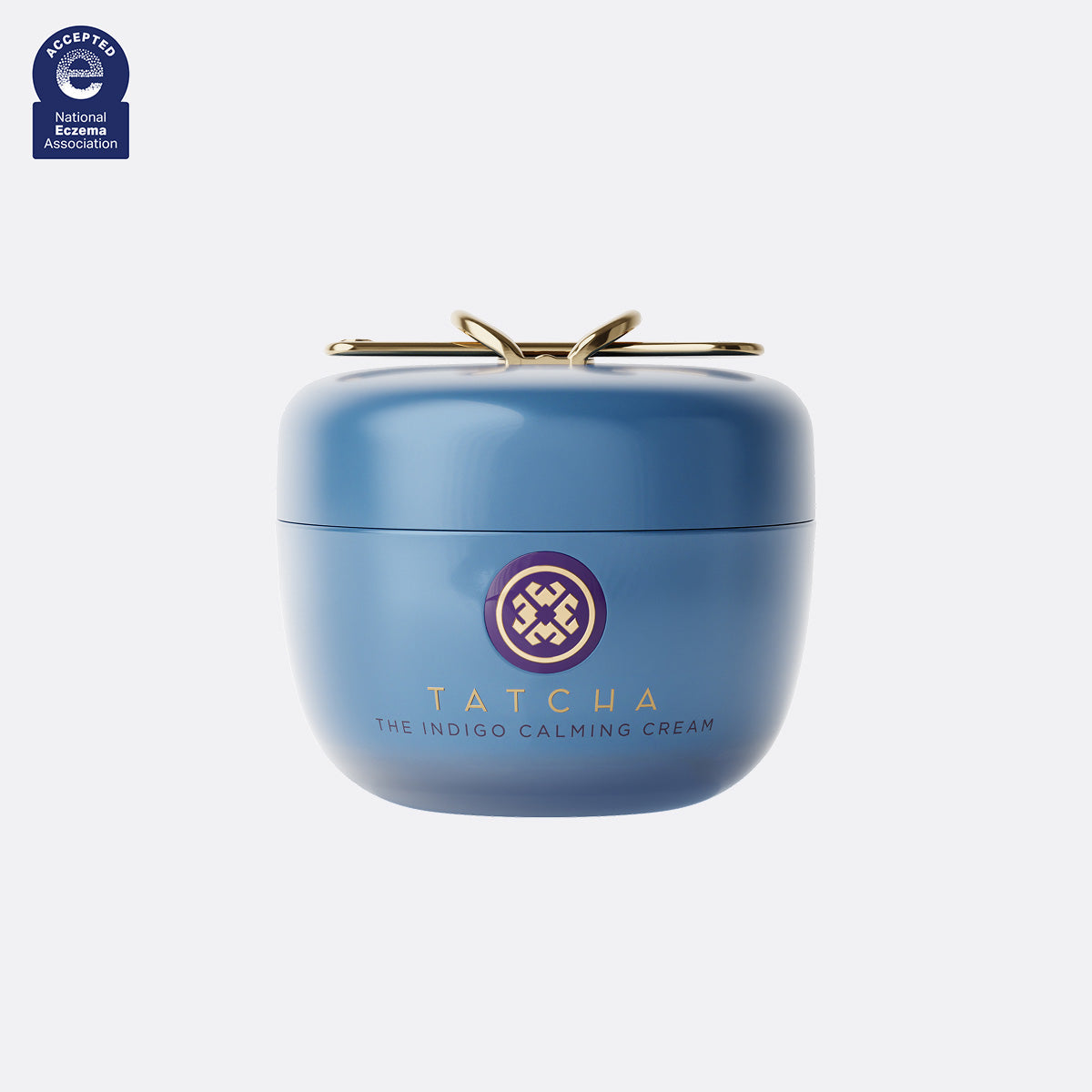
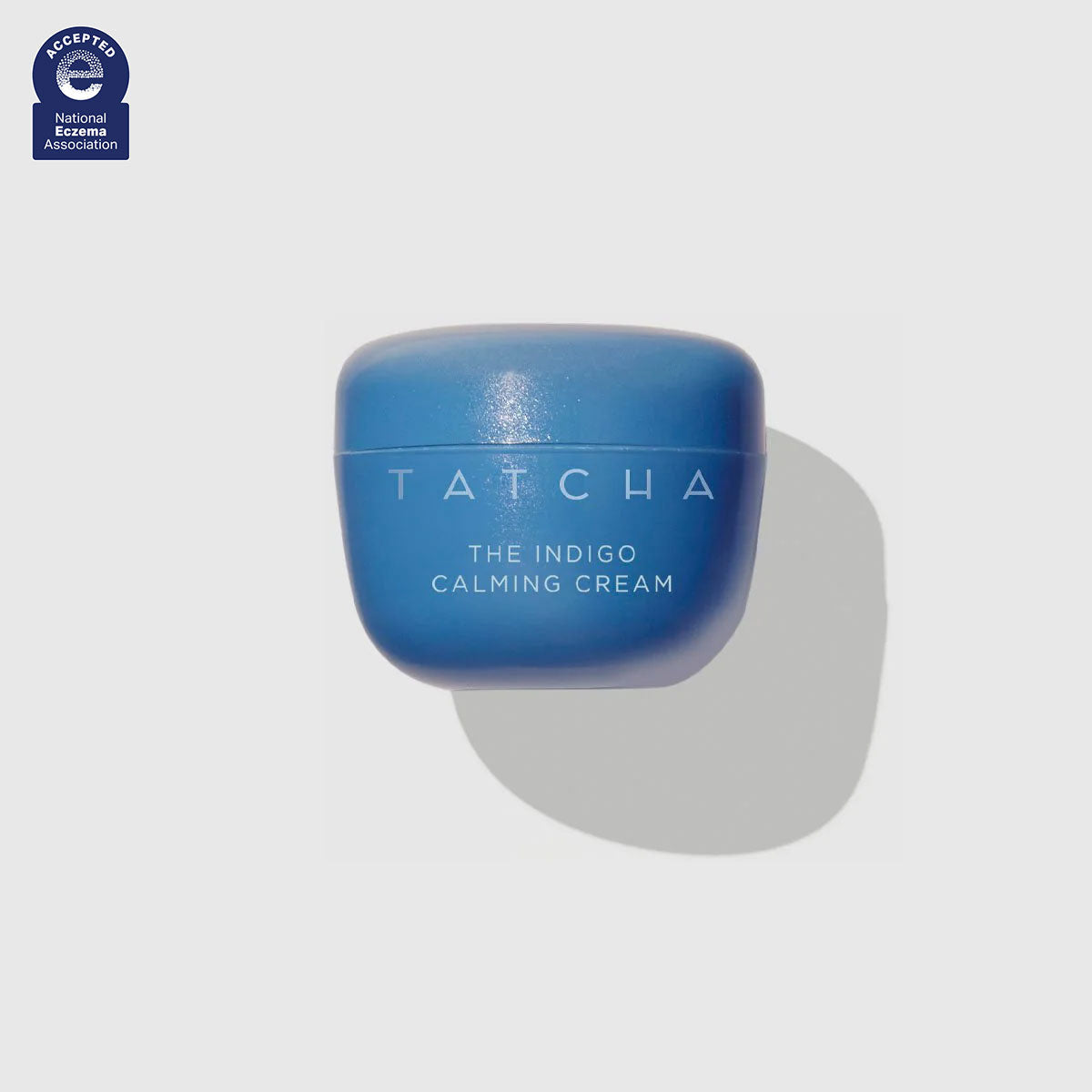
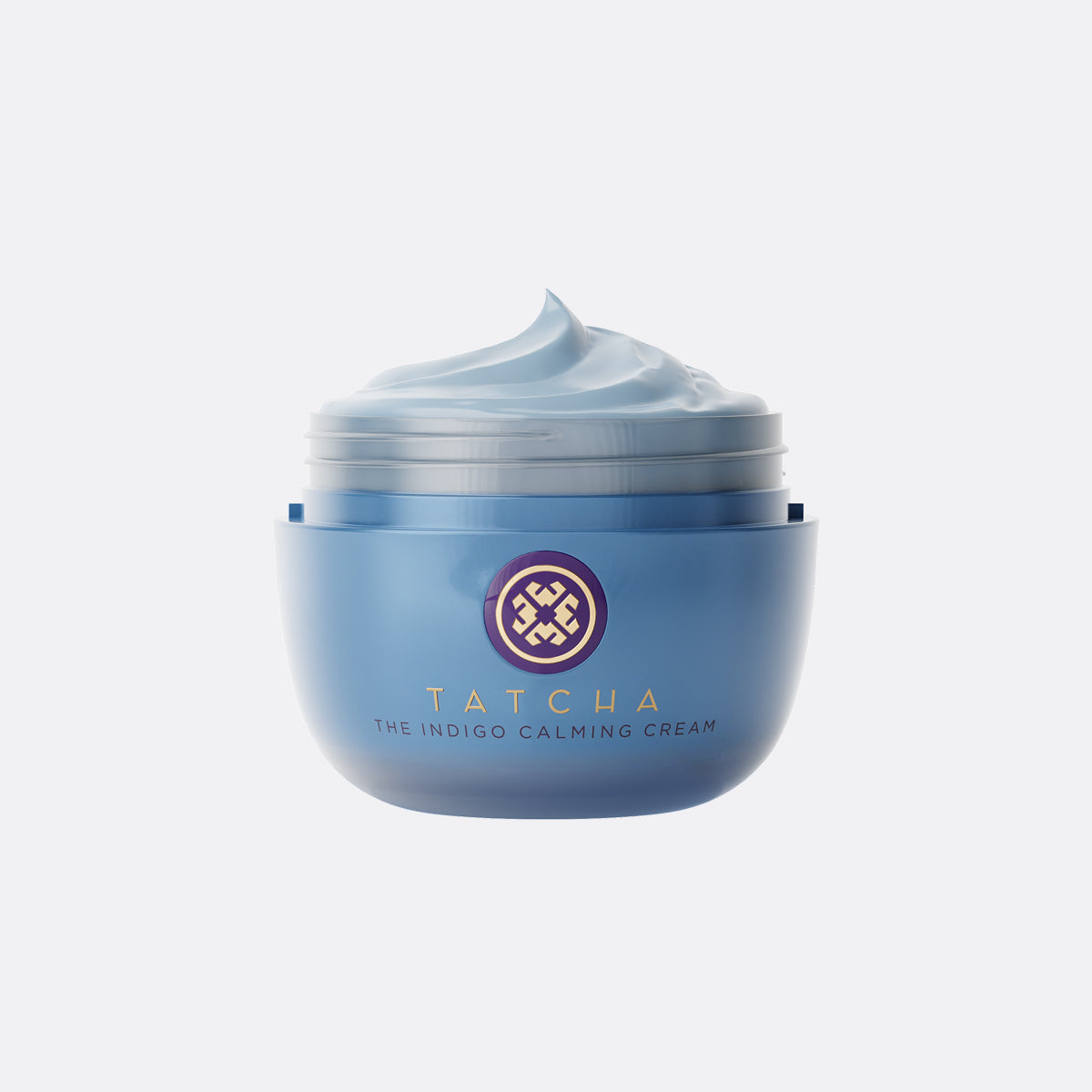
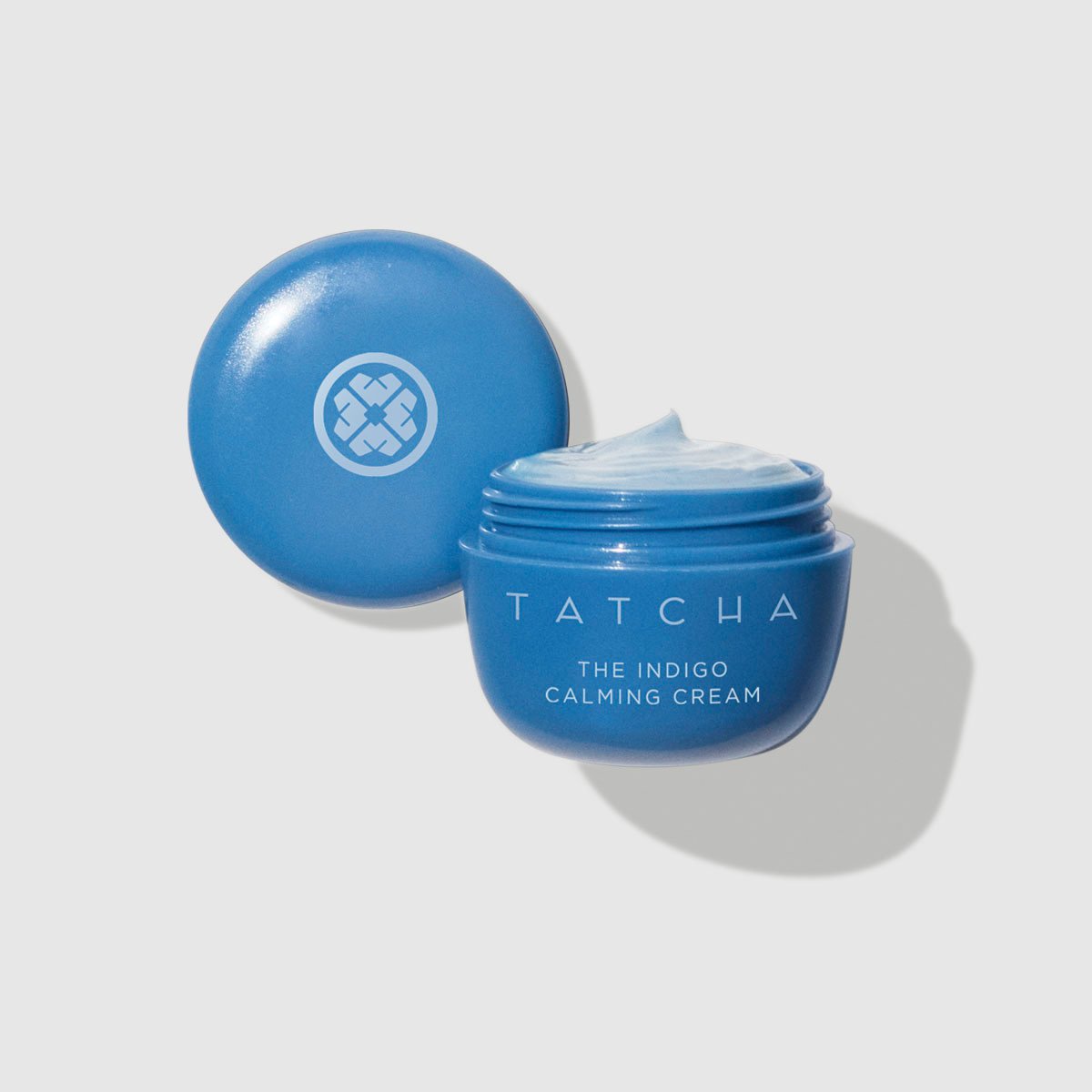
A daily cream can also help keep things calm, if that cream is made with soothing ingredients. Colloidal oatmeal is a popular choice for sensitive skin-inclined formulas—it helps skin rehydrate, and has demonstrated powerful anti-inflammatory benefits. It’s paired with Japanese indigo and other nourishing superplants in the Indigo Calming Cream, formulated to provide soothing relief of redness and itchiness with long-lasting hydration. (It’s also earned a coveted seal of acceptance from the National Eczema Association.)
Moisturizing is also an important step in shoring up your skin’s barrier function. Many experts believe that skin becomes more reactive as its lipid barrier weakens. With a weak barrier, skin can’t hold on to water as well, which leads to dryness, which can exacerbate acne or inflammation. An overnight treatment like the Indigo Overnight Repair, with its two-in-one serum-in-cream texture, can provide necessary nourishment to any skin type, even those prone to reactions.
Step 4. Always wear sunscreen.
Always! It’s one of the most important steps in your skincare routine. And this urgency only increases if you find your skin to be sensitive: Those with sensitive skin are at greater risk for environmental aggressors like ultraviolet light damage, according to some dermatologists.
But there are many, many sunscreens out there, and some do have the potential to irritate. Experts warn against the popular two-in-one moisturizer-with-SPF formulas by and large for sensitive skin—packing all of those ingredients into one formula might have a greater potential for irritation. And while chemical sunscreens can be very effective for many skin types, some experts prefer mineral sunscreens, made with zinc or titanium dioxide, for reactive skin. (Think of it this way: UV rays simply bounce off mineral filters, but with chemical filters, they react and are made inert. This reaction can spell trouble for sensitive skin types, but always talk to a doctor when choosing an SPF.)
Some prefer the texture of chemical SPFs to physical ones, which can be chalky and heavy, which is why Tatcha created the Silk Sunscreen, which is as smooth as it sounds: A feathery, floaty formula, fortified with a zinc filter and skin-soothing ingredients like hyaluronic acid and silk extract. Maybe the best thing for sensitive skin isn’t nothing, after all. It’s proper care and protection, and a little peace of mind.