






Sunscreen is an undebatable necessity in your daily regime. The American Academy of Dermatology suggests applying a broad-spectrum sunscreen with an SPF of 30 or higher and reapplying every two hours when outside. But if you have sensitive skin, sunscreen options can often be difficult to find, as many can trigger irritation. To uncover the best face sunscreen for sensitive skin, there are a few ingredients to look for—and a handful to avoid. Keep reading as we dive into the basics of sun protection, when to apply (and reapply) SPF, and the best sunscreen for sensitive skin.
Sunscreen 101
Before we uncover which facial sunscreen for sensitive skin is best, let’s first go over SPF basics.
Types Of Sun Rays
According to the Skin Cancer Foundation, there are two types of UV light: Ultraviolet A (UVA), which causes aging, and Ultraviolet B (UVB), which causes burning. UVA is sneaky and causes accelerated aging (like fine lines and sun spots), while UVB is the culprit behind sunburns. Protect against both types of rays with a broad-spectrum sunscreen (a sunscreen will proudly list its broad-spectrum coverage on the packaging).
Levels Of SPF
SPF stands for sun protection factor. The number tells you how long the sun’s UVB rays would take to redden your skin if you apply the sunscreen exactly as directed compared with the amount of time without sunscreen, says the Skin Cancer Foundation. So, if you use SPF 30 products properly, it would take you 30 times longer to burn than if you used no sunscreen. The Foundation suggests aiming for an SPF of at least 30, which deflects 96.7 percent of rays when applied successfully.
Application
The AAD suggests applying sunscreen generously and covering your face, neck, ears, lips, and hands. To take your sun protection a step further, borrow a page from Japan where individuals are so diligent about protecting their skin from the sun that they not only conscientiously reapply sunscreen often, but they also often wear sun-protective clothing and carry parasols (known as higasa). UV-treated clothes and oversized sunglasses also make perfect summer-safe accessories.
Types of SPF
There are two types of sunscreen: physical and chemical. Let’s dive into both and uncover which is best for sensitive skin.
Physical (Mineral) Sunscreen
Physical, also known as mineral, sunscreen has ingredients that block and scatter the rays (like a shield) before they penetrate your skin, notes the Skin Cancer Foundation. The formulas often include the minerals titanium dioxide and zinc oxide. It also protects your skin from the sun as soon as it’s applied – you do not need to wait for it to take effect.
Chemical Sunscreen
Chemical SPF works by absorbing UV rays (like a sponge) before they can damage the skin, says the Foundation. You’re likely to see ingredients like avobenzone and octisalate in a chemical formula. Additionally, chemical sunscreens need at least 10 to 15 minutes after application to achieve full protection. And it’s ideal to reapply frequently, as protection dwindles under direct UV light.
Chemical + Physical Sunscreen
For the best of both worlds, some SPFs combine both chemical and physical sunscreen in one product. The dual-coverage formula can allow for greater ease of application, longer-lasting wear, and stronger coverage.
What is the best sunscreen for sensitive skin?
“While physical sunscreens may be less likely to cause skin irritation than chemical sunscreens, both types have been tested as safe and effective,” says the Skin Cancer Foundation. In fact, many sun protection products available today combine both types of ingredients to provide stronger protection.
While we might be quick to feel strongly about chemical versus mineral sunscreens—all active ingredients in sunscreen are chemically derived, notes the Foundation. “Some people may think of physical sunscreens as more natural or even organic, but they’re actually inorganic mineral compounds,” says the Skin Cancer Foundation. The sunscreens many people call “chemical” are actually “UV organic filters,” they add.
But particular sunscreens do work better for certain skin types. For sensitive skin, avoid formulas that include added fragrances or dyes, both of which can be potentially irritating. For dry sensitive skin, seek out SPFs with hydrating ingredients, like niacinamide. And for oily or blemish-prone sensitive skin, look for non-comedogenic and lightweight formulas.
Best Mineral Sunscreen for Sensitive Skin
Looking for a silky, lightweight, invisible sunscreen with 50+ mineral coverage? Grab The Silk Sunscreen, a broad-spectrum formula that protects against UVA and UVB rays with 10 percent zinc oxide for a mineral, reef-safe filter. Not only does the new Silk Sunscreen feel impossibly light, but the invisible protection also impressively minimizes pollutant and allergen disruption—ideal for sensitive skin. And as the name suggests, the formula features silk proteins, which allows the silky liquid to provide a protective veil of hydration without weighing your sensitive skin down. In addition to silk extracts, niacinamide visibly evens skin tone, reduces redness, and visibly firms the look of pores. And hyaluronic acid helps to immediately boost skin’s natural moisture levels, softness, and skin tone. Basically, it makes your skin feel healthier, while also providing incredible sun protection.
Best Mineral and Chemical Sunscreen for Sensitive Skin
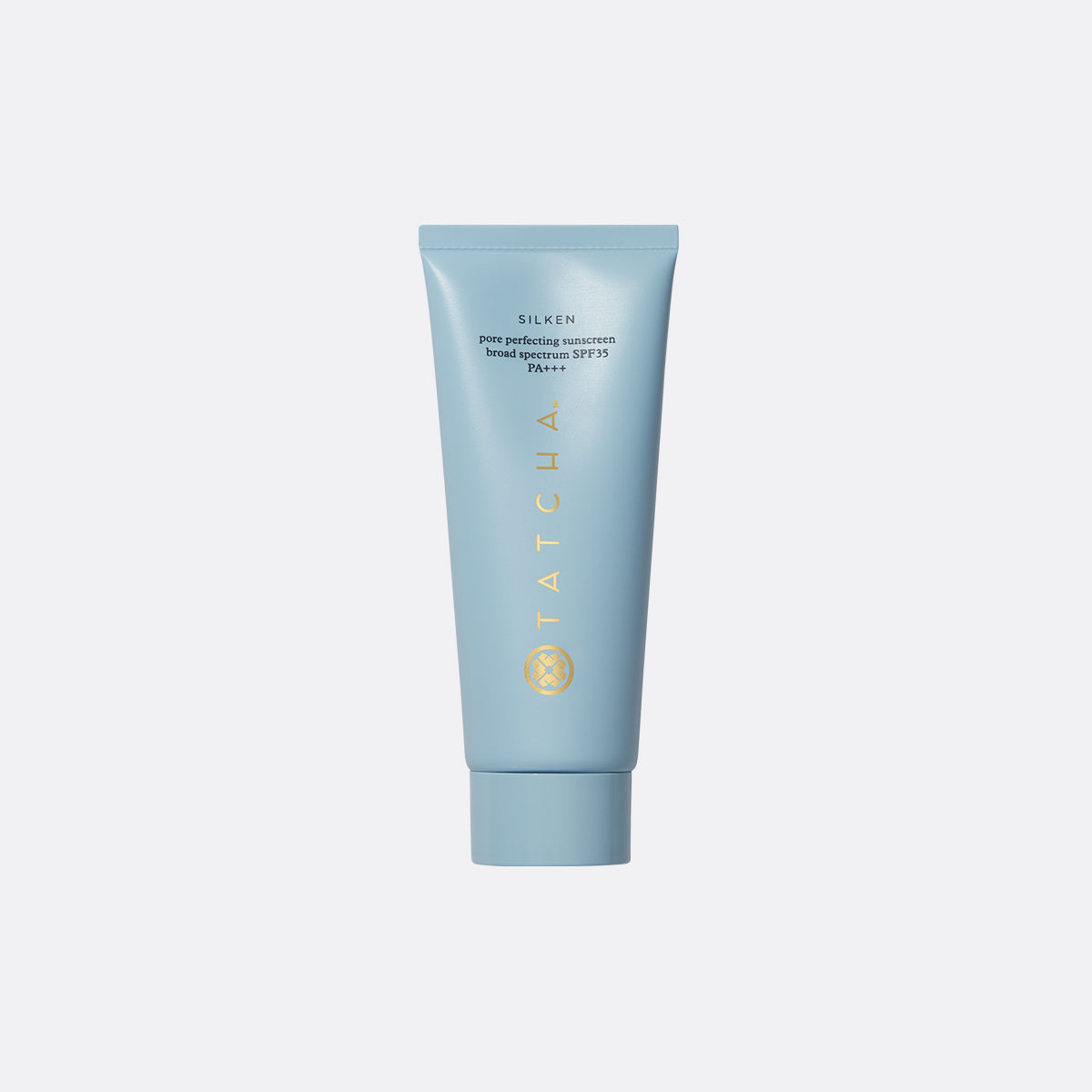
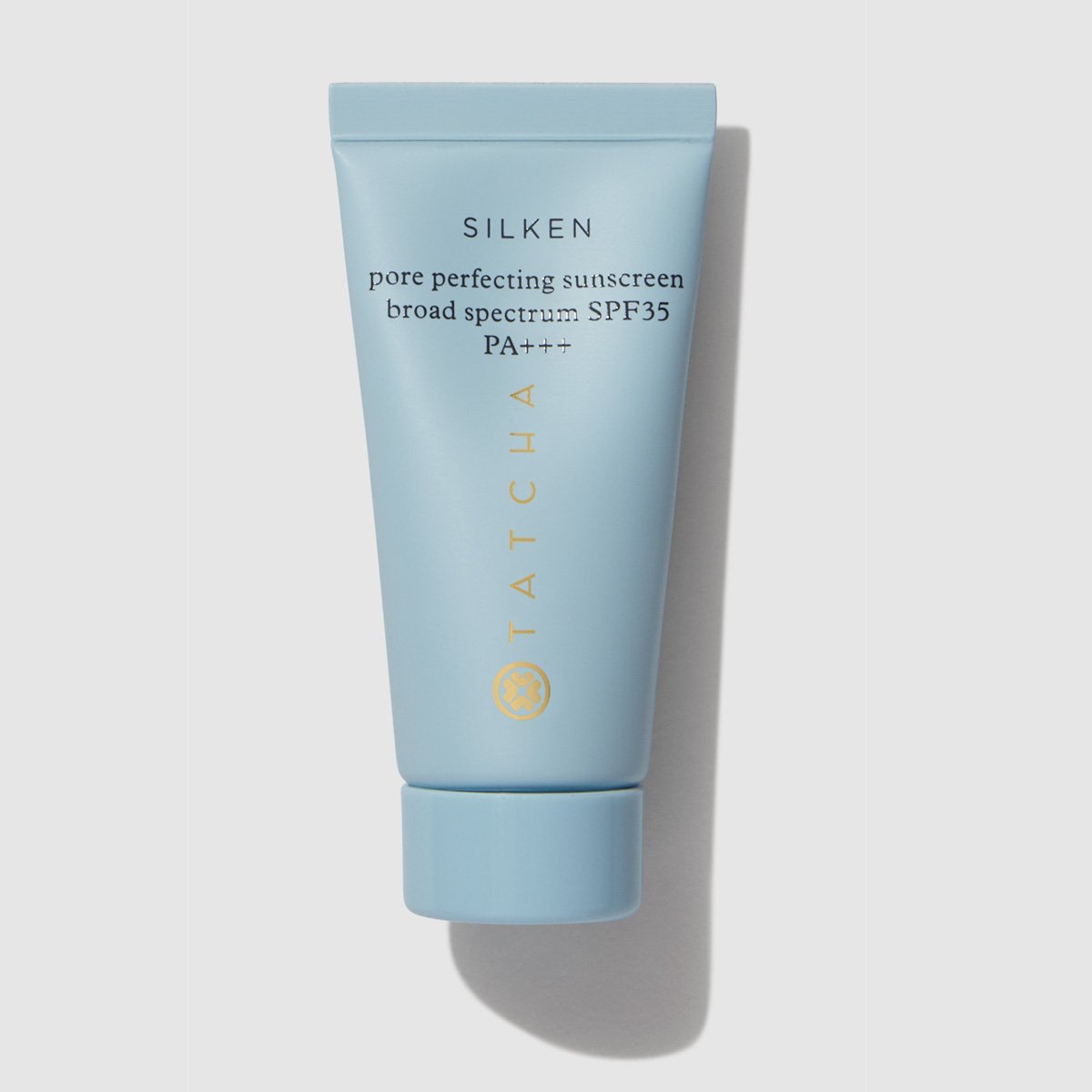
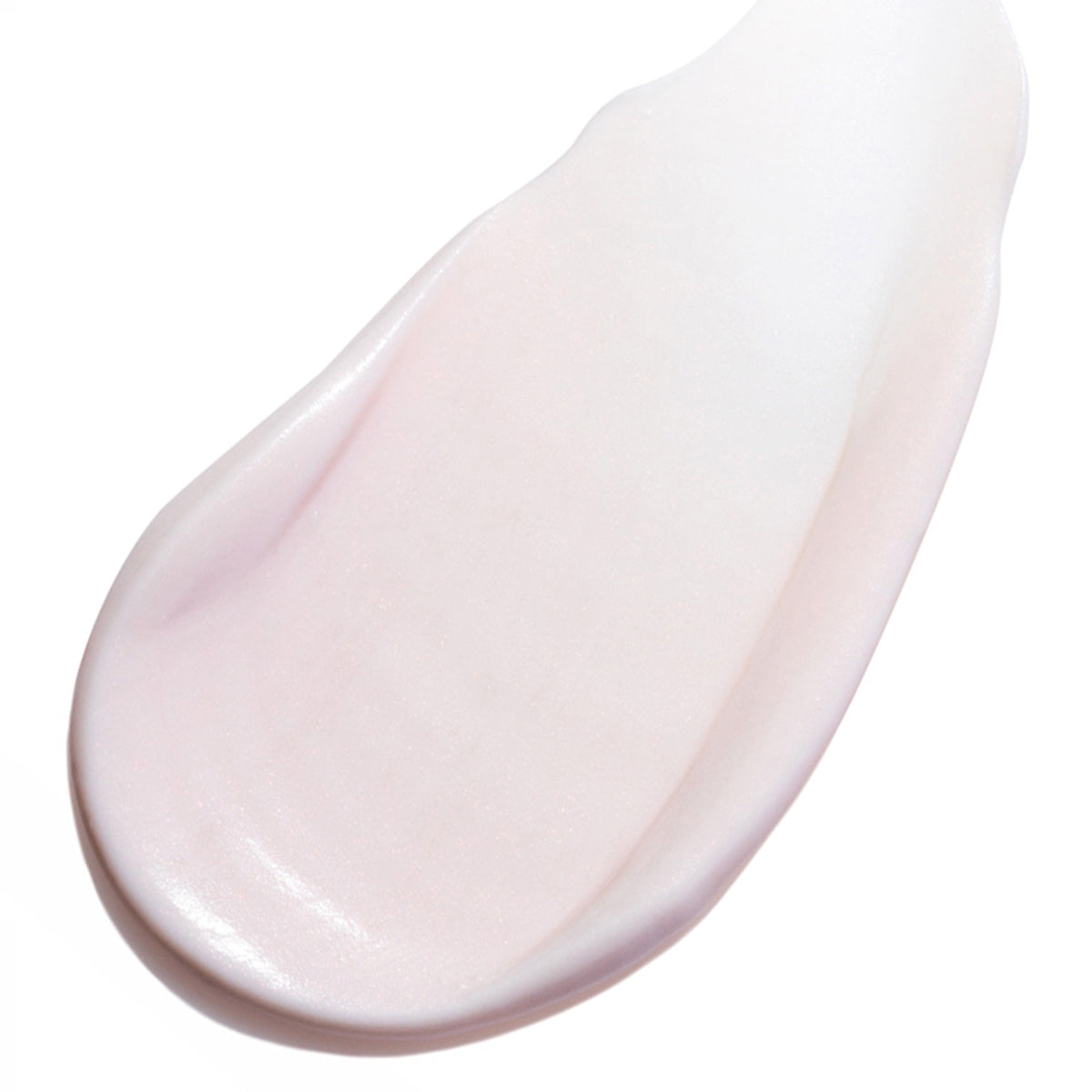
If you prefer a creamy sunscreen with both mineral and chemical protection, our bestselling Silken Pore Perfecting SPF 35 Sunscreen is a superb option. The non-comedogenic and non-irritating formula features skin-loving ingredients that not only protect the skin, but also help tighten the appearance of pores, smooth skin texture, and calm irritation. The Silken Pore SPF also features our beloved silk extract for a silky feel, allowing the sunscreen to apply flawlessly. Also, the formula doubles as a primer for makeup, allowing you to save time and effort.