






Summary
-
Dry skin is different from dehydrated skin. Dry skin is a skin type, while dehydrated skin is a skin condition that can occur in anyone and is based on a variety of factors.
-
Sources of dehydrated skin include UV exposure, daily habits (like stress, lack of sleep, and other lifestyle choices), and, of course, a chronic lack of hydrating skincare products.
- Caring for dehydrated skin takes consistency, in both personal wellness and skincare products. Reach for products that soothe, calm, and hydrate. And wear sunscreen daily to fight UV damage.
Dehydrated skin can sneak up on any of us. And the sources of this frustrating skin condition are plentiful: Aging, climate changes, dietary habits, and UV exposure can all leave skin struggling. Unexplained redness, tightness, and dullness might be your skin's way of saying 'help!' Dehydrated skin can be especially difficult to address, and it is not the same as dry skin. We break down how to treat dehydrated skin and explore what might be causing it.
Dry Skin vs. Dehydrated Skin
As we’ve uncovered in a past article, dry skin is different from dehydrated skin. Dry skin is a skin type, while dehydrated skin is a skin condition. In its simplest terms, you are naturally born with your skin type. Conversely, your skin condition, such as dehydration, is what occurs to your skin due to a variety of environmental and behavioral factors. Skin conditions can happen to anyone, at any time.
Signs of Dry Skin
People with dry skin types often find their skin lacking oil. Your skin produces less sebum than normal skin, which means it is without the lipids it needs to retain moisture. The dryness can occur all over your body, from your face and scalp to your hands and legs. While you drench your skin with moisture and hydration, those moisturizers and lotions tend to sink in and be soaked up quickly. Dry skin can also be accompanied by flaking, cracking, sensitivity, itchiness, or skin conditions like eczema.
Signs of Dehydrated Skin
Dehydrated skin means there is a lack of water in your skin. When your skin becomes dehydrated, it produces more oil to compensate and try to regain its lost water, which can lead to blemishes, irritation, and dry patches. Dehydration affects all skin types, including oily skin.
What Causes Dehydrated Skin?
While a lack of hydrating skincare products can certainly lead to skin becoming dehydrated over time, this skin condition is also influenced by many external and internal factors. Here are a few of the most common.
UV Exposure
The sun stresses our skin out! Too much exposure to UVB causes the outermost layers of our skin to become red and inflamed (including sunburn and dehydrated, flaky skin). At the same time, too much exposure to UVA damages the deeper layers of our skin (potentially causing wrinkles and sunspots). The accumulation of this sun stress on the skin leads to visible signs of skin aging. This becomes visible both by the end of summer (those extra sun spots you notice by fall), but also in the long term as we get older (larger, darker sun spots and more pronounced wrinkles). We’ll discuss skincare options below to counteract UV exposure, but proper repair treatments and daily SPF protection are also essential.
Daily Habits
Dietary choices, smoking, excessive alcohol, and a lack of sleep are all linked with stressed, dehydrated skin. In one study from 2019, researchers discovered that smoking “could affect the biophysical parameters of skin, especially thickness and density of dermis and epidermis, and also nasolabial folds.” Another study noted that smoking causes “systemic dehydration” in the body, including skin moisture.
Even if you eat a healthy diet and do not smoke or misuse alcohol, sleep troubles could be sabotaging your skin. Dehydrated, dull skin and reduced elasticity are direct results of sleep deprivation, which impairs the skin's barrier function, increases inflammation, and accelerates signs of aging, notes a 2022 study. (Alarmingly, these skin issues can become noticeable after just one night of deprivation…)
Climate Changes
Extreme cold and heat, low (or incredibly high) moisture levels, and increased pollution levels can wear on the skin. Increased oxidative stress, fluctuating weather, and poor air quality can directly contribute to dehydration, redness, blemishes, irritation, and even eczema. This is a frustrating factor because it is somewhat out of your control (and the stress can actually lead to more skin irritation). Skincare can help with many of these issues, though, helping to shield skin from future damage.
Skincare For Dehydrated Skin
Daily healthy habits will certainly help with chronic dehydration, but skincare is also a fantastic way to quickly address this issue. Remaining consistent with your ideal skincare routine as you are with your daily lifestyle habits is key, but so is choosing the right products and ingredients. Before we get into specific products for dehydrated skin, here are a few key ingredients to be on the lookout for.
Hydration Heroes
Seek out formulas that include hydrating ingredients such as hyaluronic acid, glycerin, and squalane. These are endlessly studied, proven, and reliable to flood skin with juicy hydration, restorative benefits, and soothing relief.
Aloe Vera
Once deemed only for the after-sun aisle, aloe vera has finally stepped into the reparative spotlight. While it’s fantastic at addressing sun stress, it also delivers soothing relief to dehydrated skin. Naturally rich in polysaccharides that have powerful hydrating and soothing properties, aloe vera is finally becoming a star in everyday skincare products. Aloe can rehydrate and retain water in dehydrated skin (whether the dehydration is from sun exposure or a lack of sleep), while also helping skin recover quickly by boosting cellular turnover — bringing new, healthy skin cells to the surface for healthier-looking skin.
Up-and-Coming Multitaskers
While worthy ingredients get much of the attention, there is also a new crop of exciting ingredients worth considering, including ectoin, apricot oil, and Tatcha’s proprietary Hadasei-3. Ectoin is quickly becoming a skincare must-have thanks to the antioxidant’s benefits, which include hydrating, soothing, pore-minimizing, and protective effects against oxidative damage.
Dehydrated Skin Treatments
It can feel frustrating to deal with chronically dehydrated skin. But with daily habits and selective skincare products, your skin can return to a thriving state. Here are a few skincare products that will help get your skin back on track.
Sun Protection that Repairs as it Protects
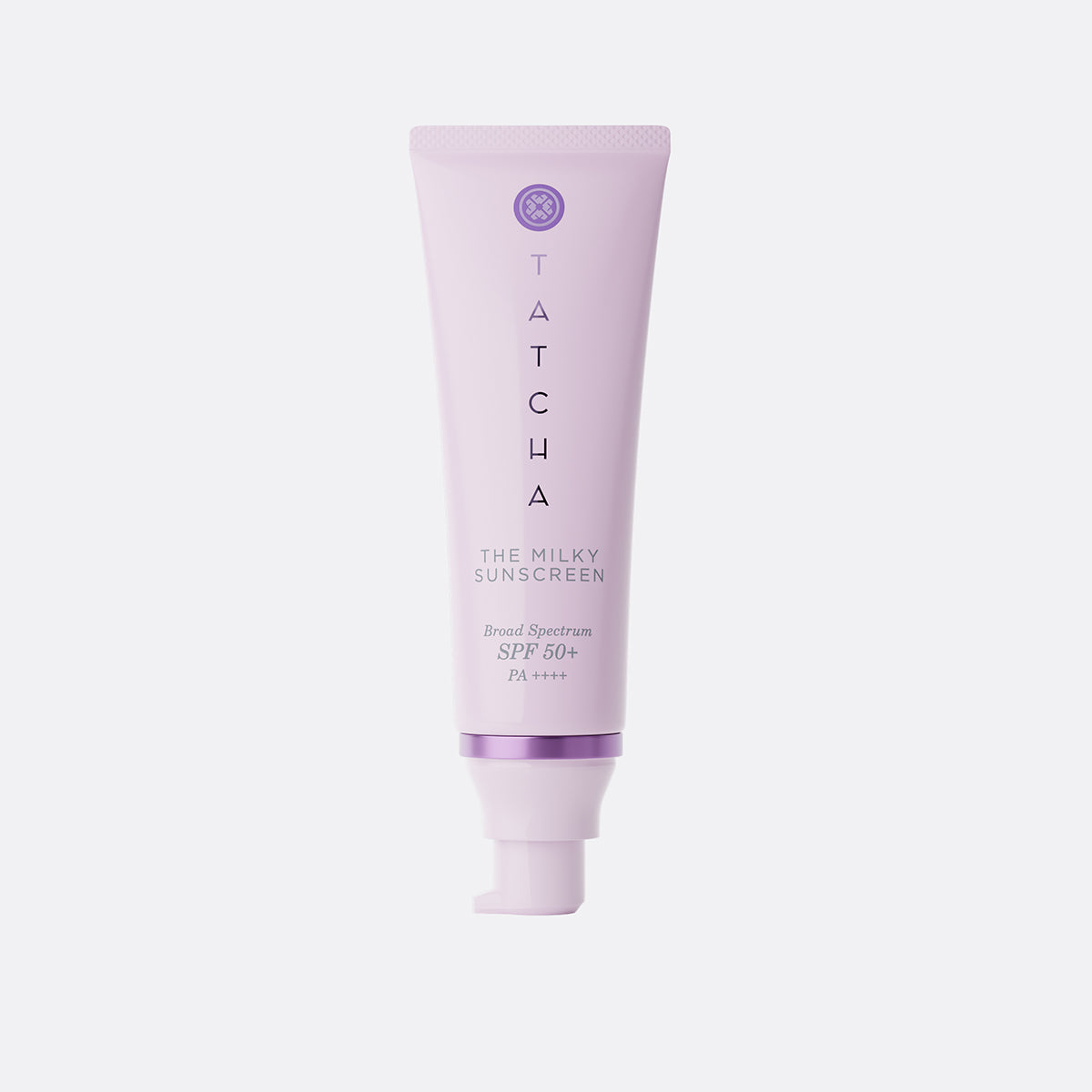
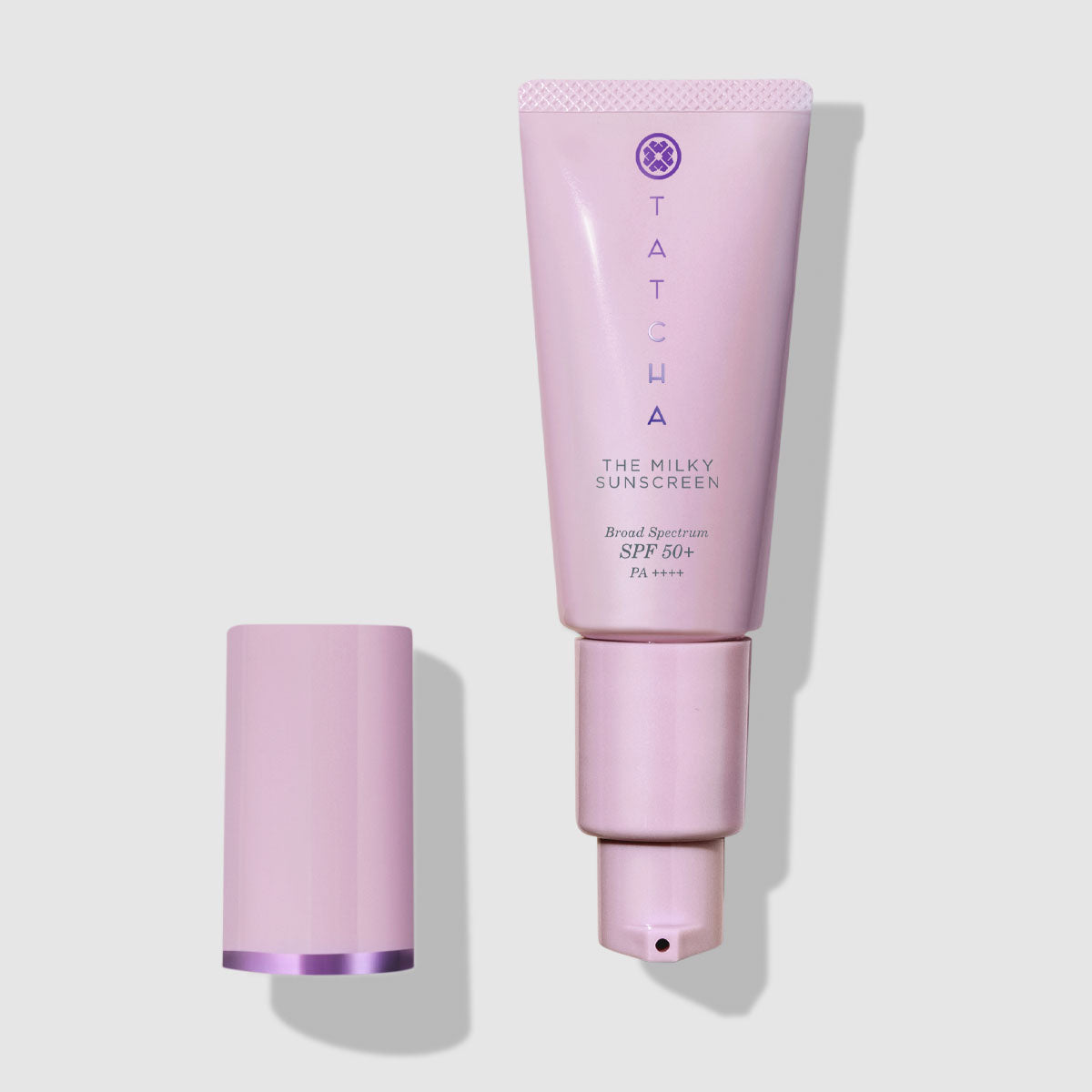
Can sunscreen help with dehydrated skin? Yes, particularly The Milky Sunscreen, which does more than just protect from UV rays with broad-spectrum SPF 50+; it also quenches skin with deep cellular hydration. Refreshingly lightweight, the milky formula absorbs quickly and addresses past UV-induced damage. It is also clinically proven to reduce redness and soothe — an added plus for dehydrated and sun-stressed skin.
Sunscreen should always be the last step in your morning skincare routine, no matter if your skin is dry or dehydrated. The Milky Sunscreen helps protect against harmful UVA and UVB rays that can dry out the skin and prevent future sun damage.
A Face Wash that Nourishes as it Cleanses
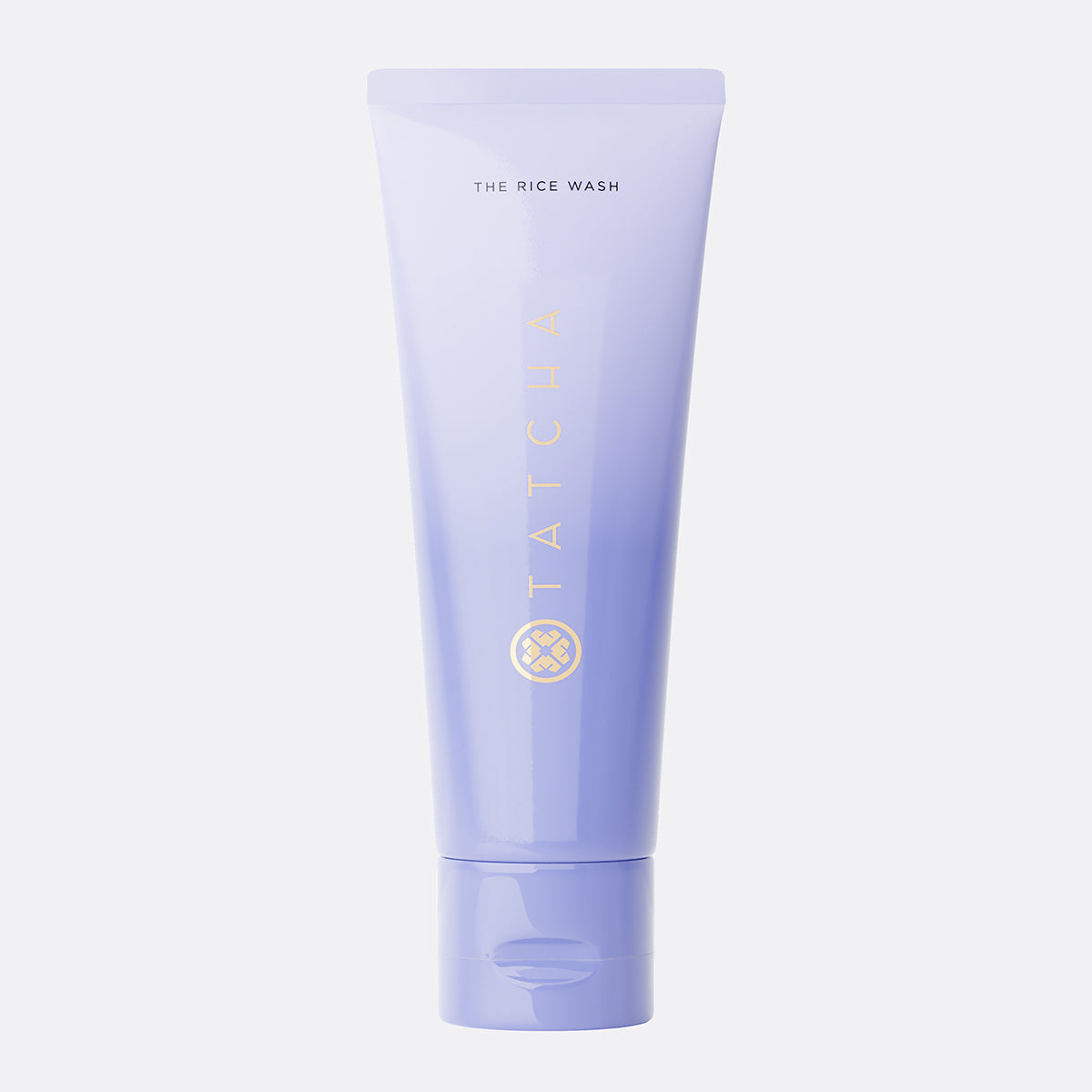
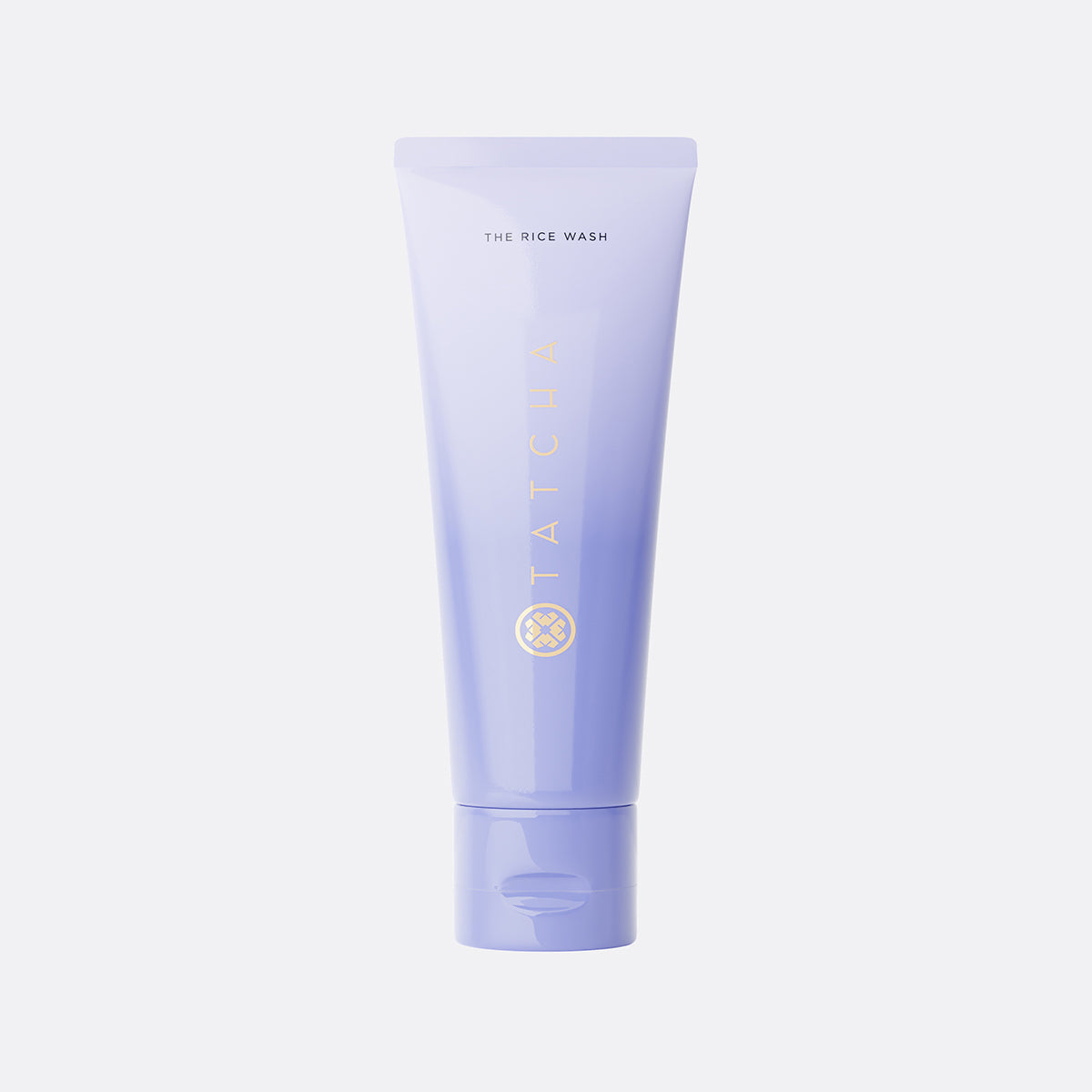
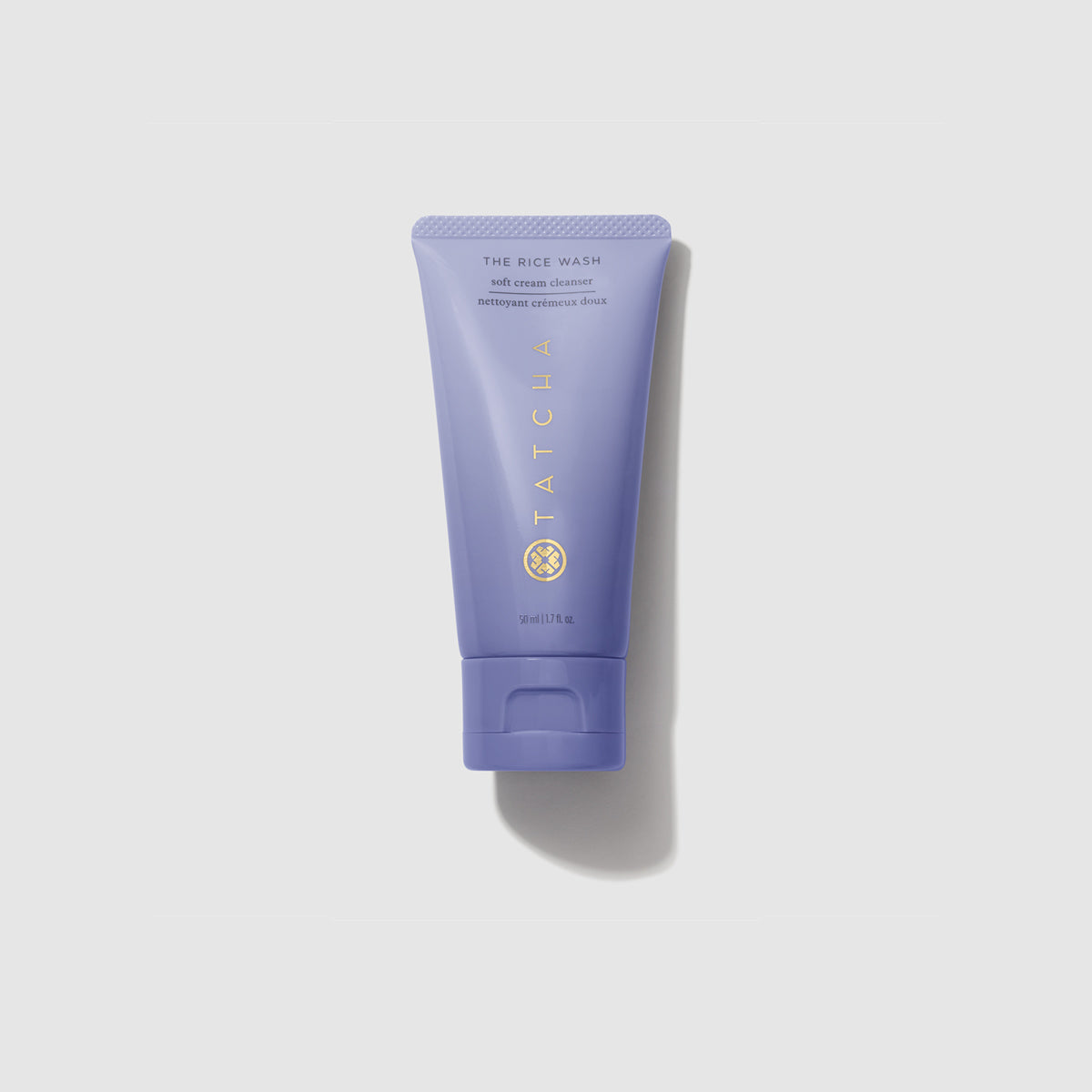
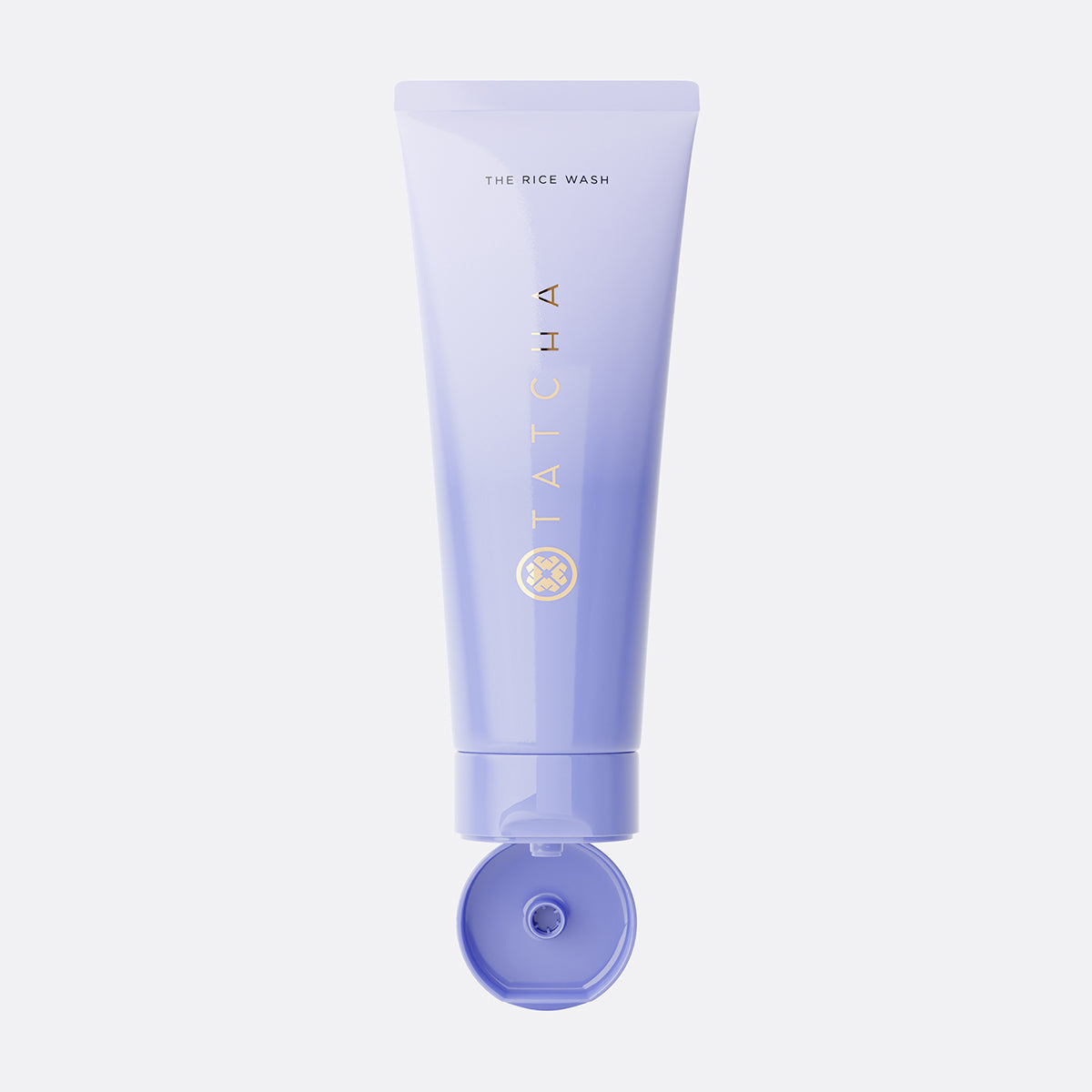
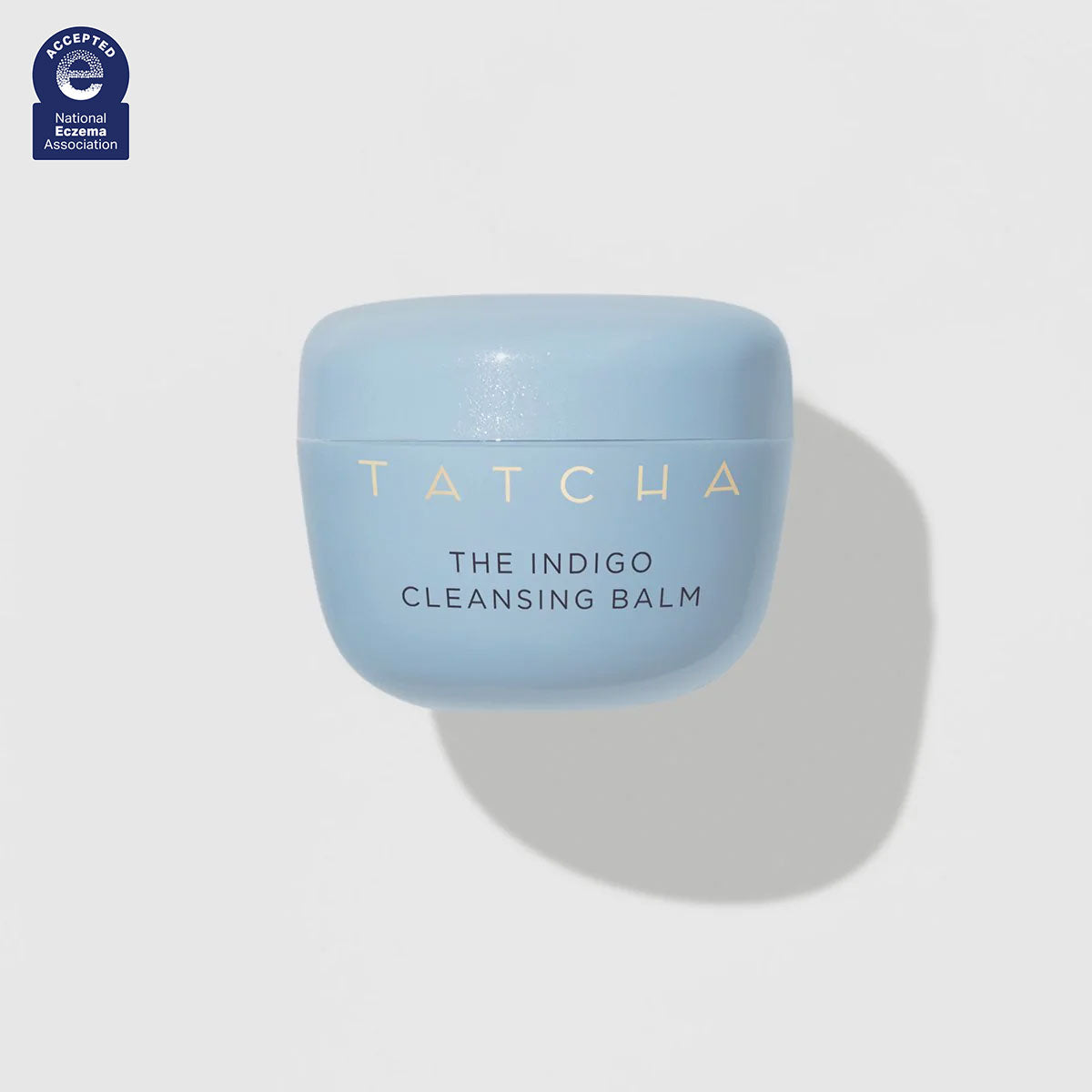
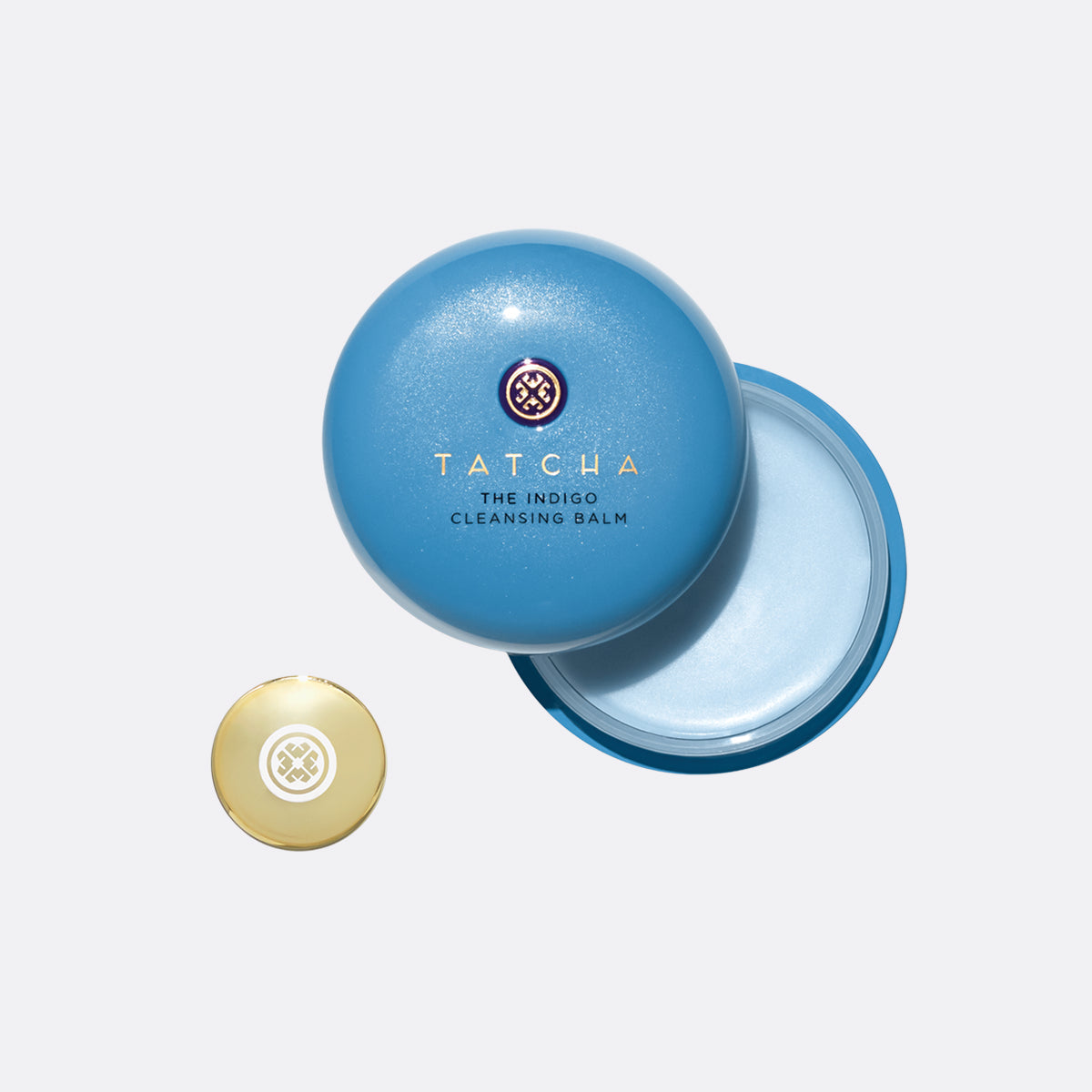
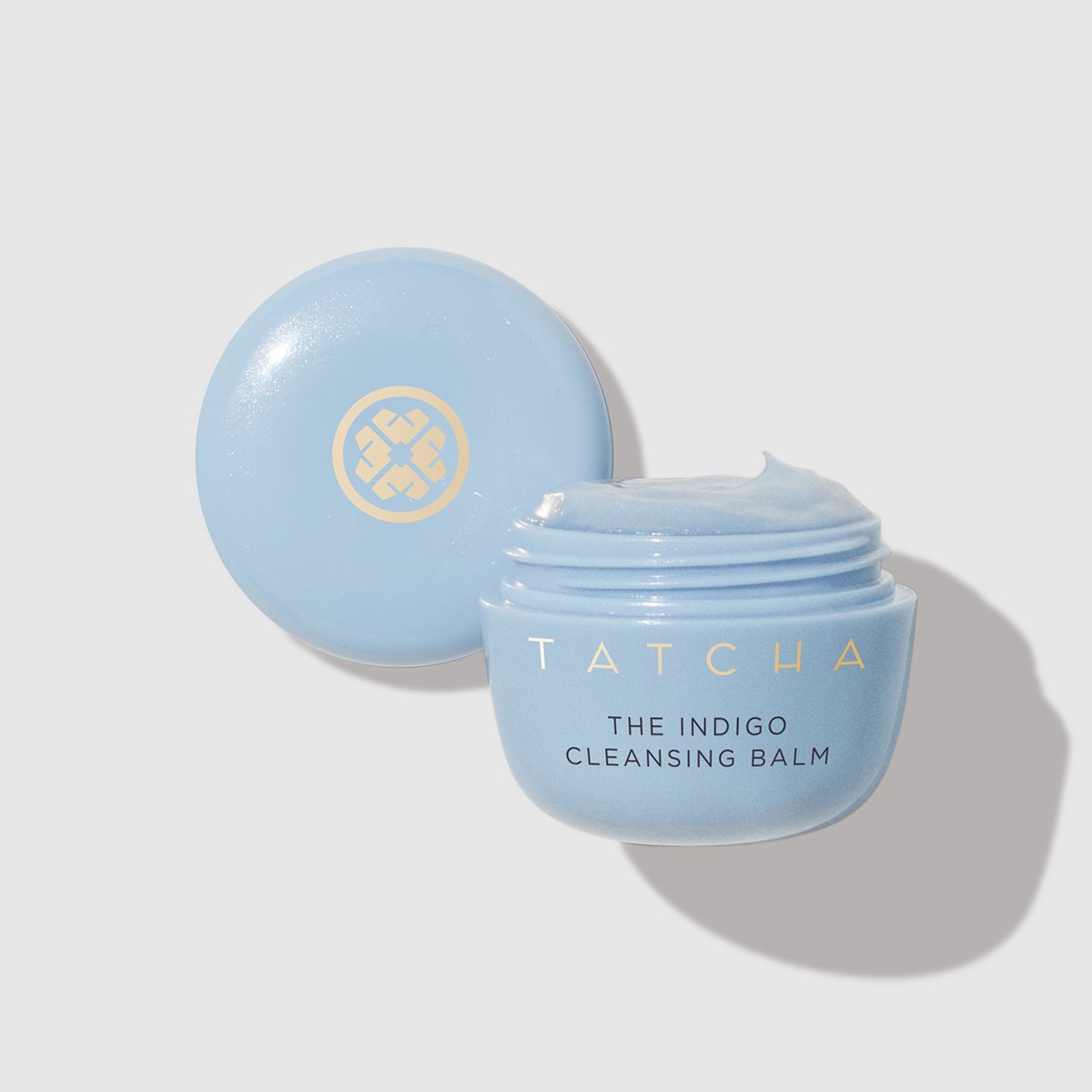
Cleansing is an important step, but it can also cause dehydration—blame harsh face washes. Grab a creamy cleanser, like The Rice Wash, or a soothing cleansing balm, like The Indigo Cleansing Balm, to wash away stubborn makeup and residue while restoring the skin’s moisture barrier, a key to addressing dehydration.
Flood the Skin with Hydrating Essentials
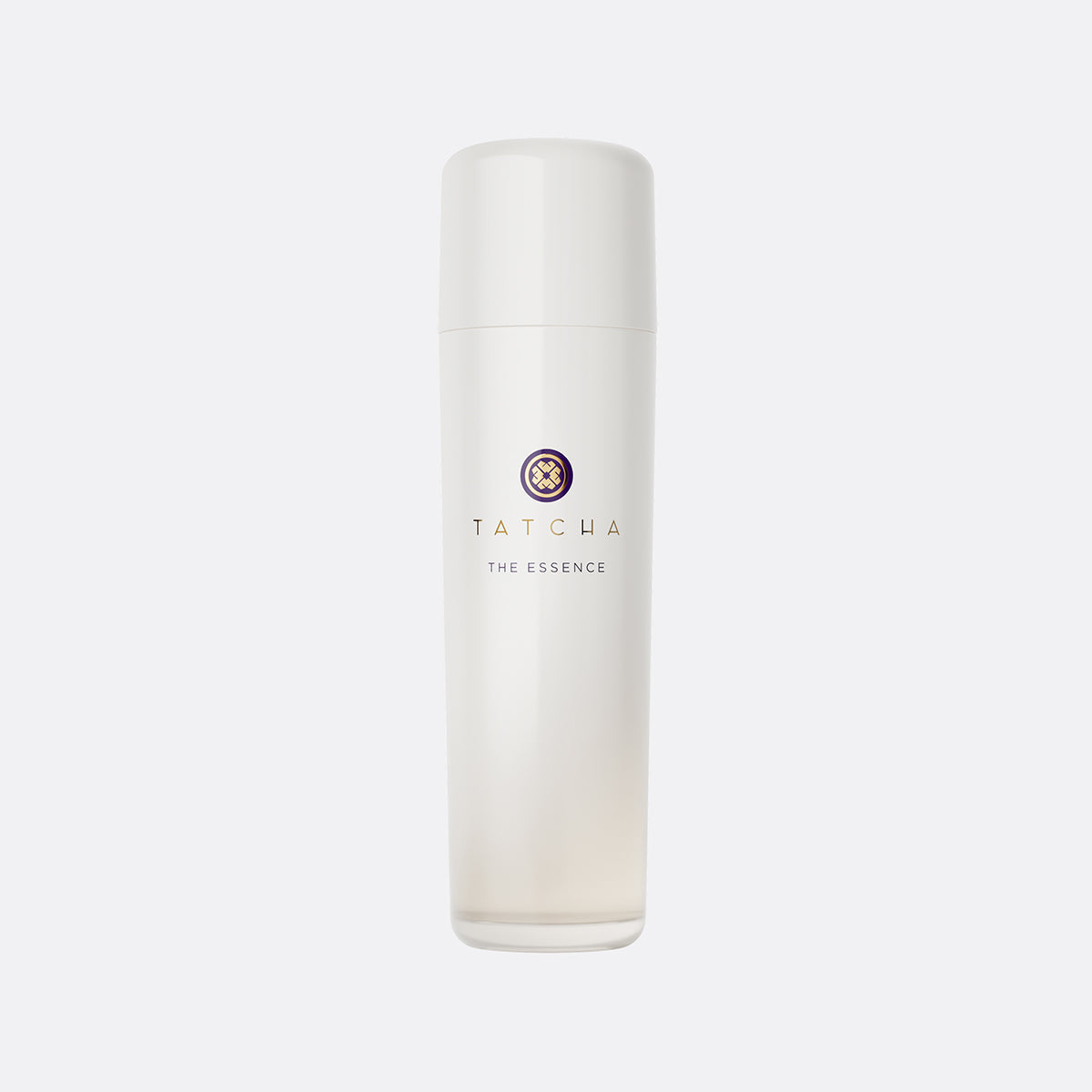
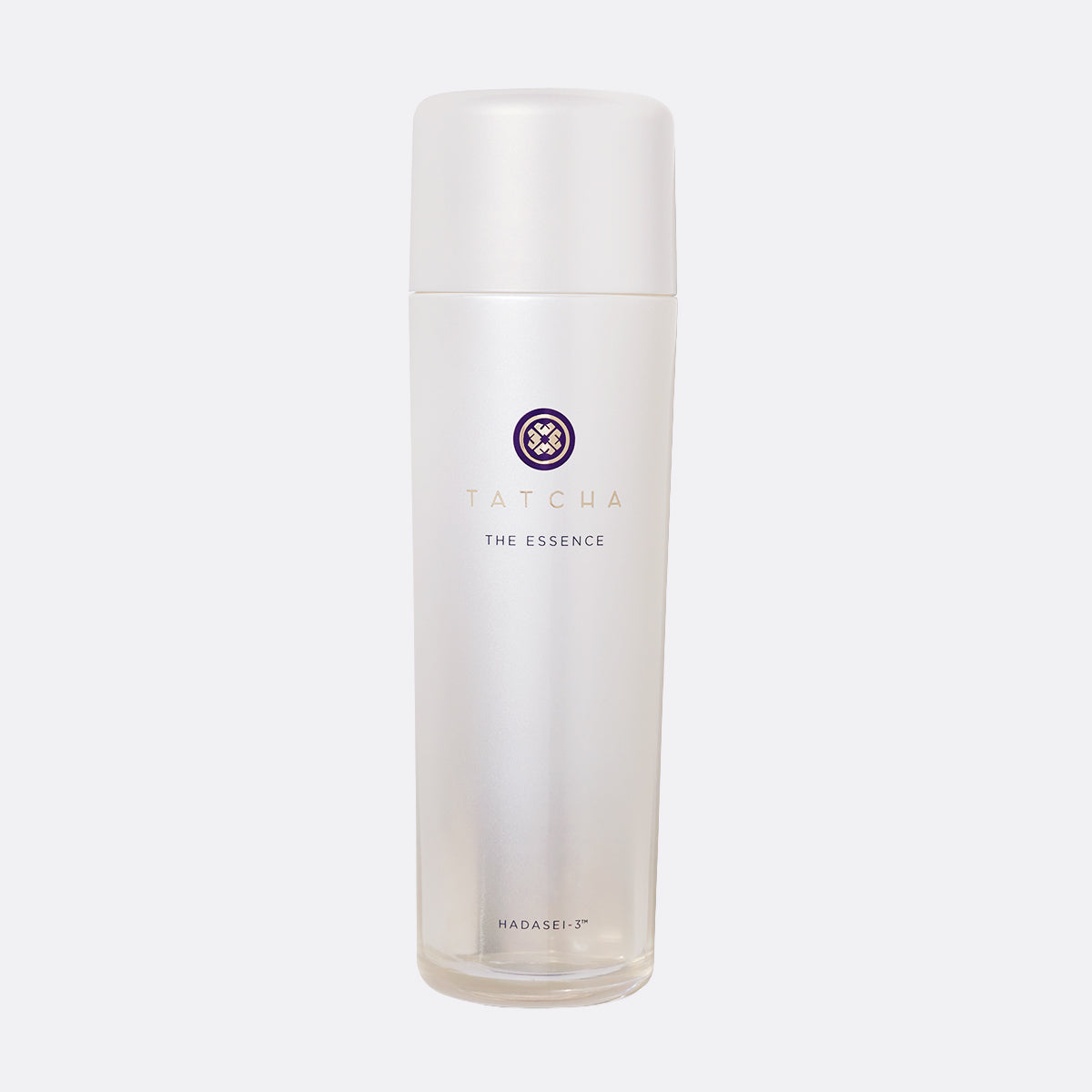
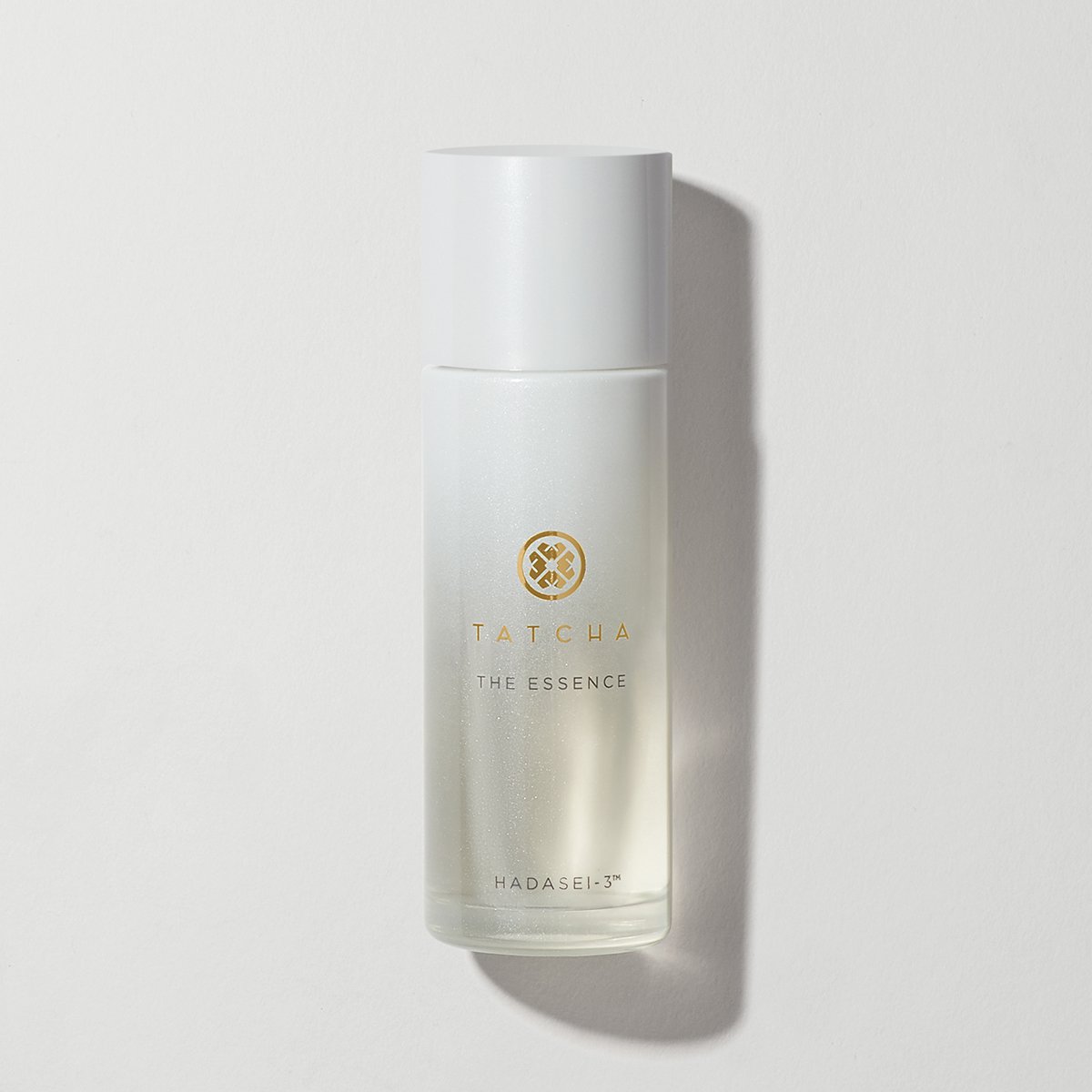
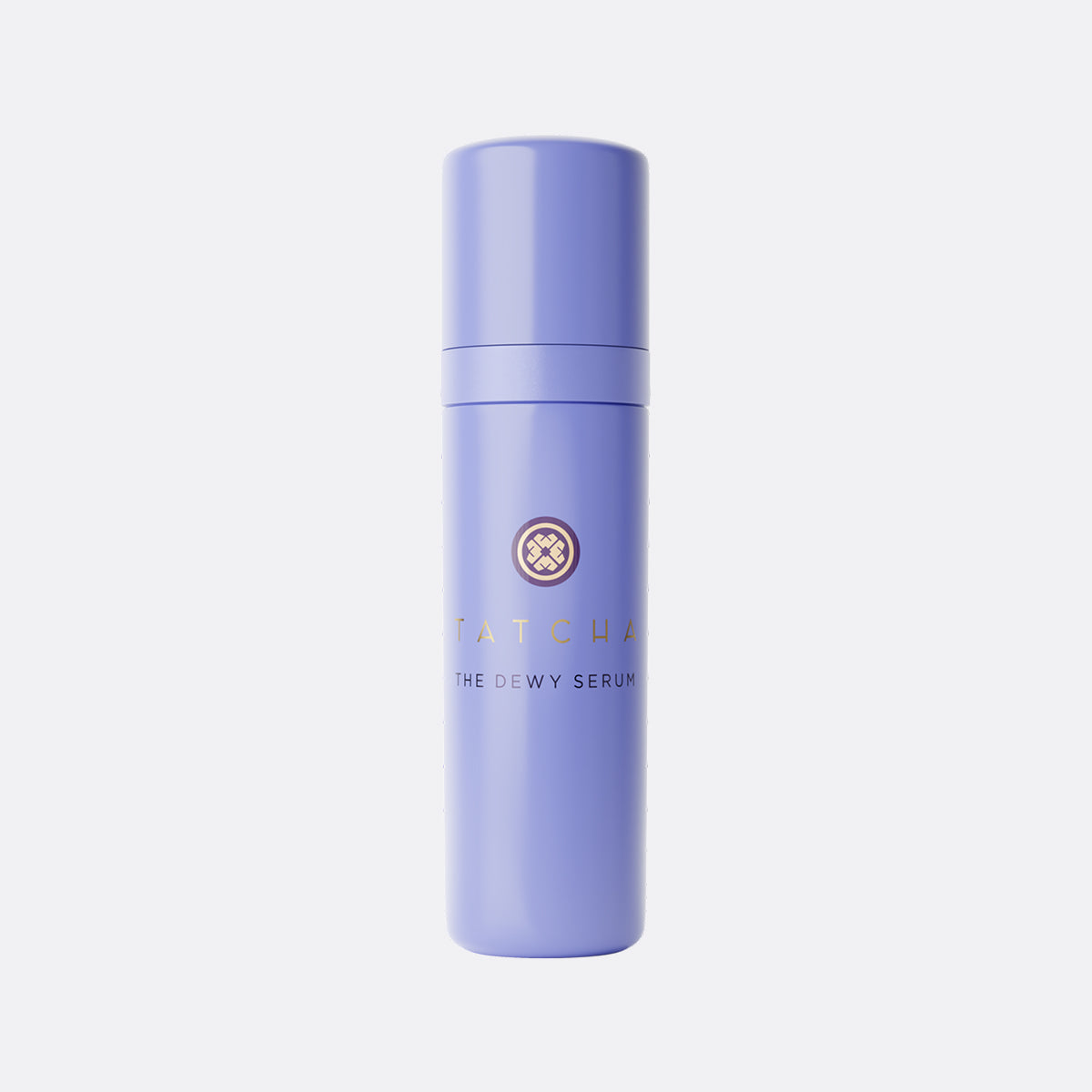
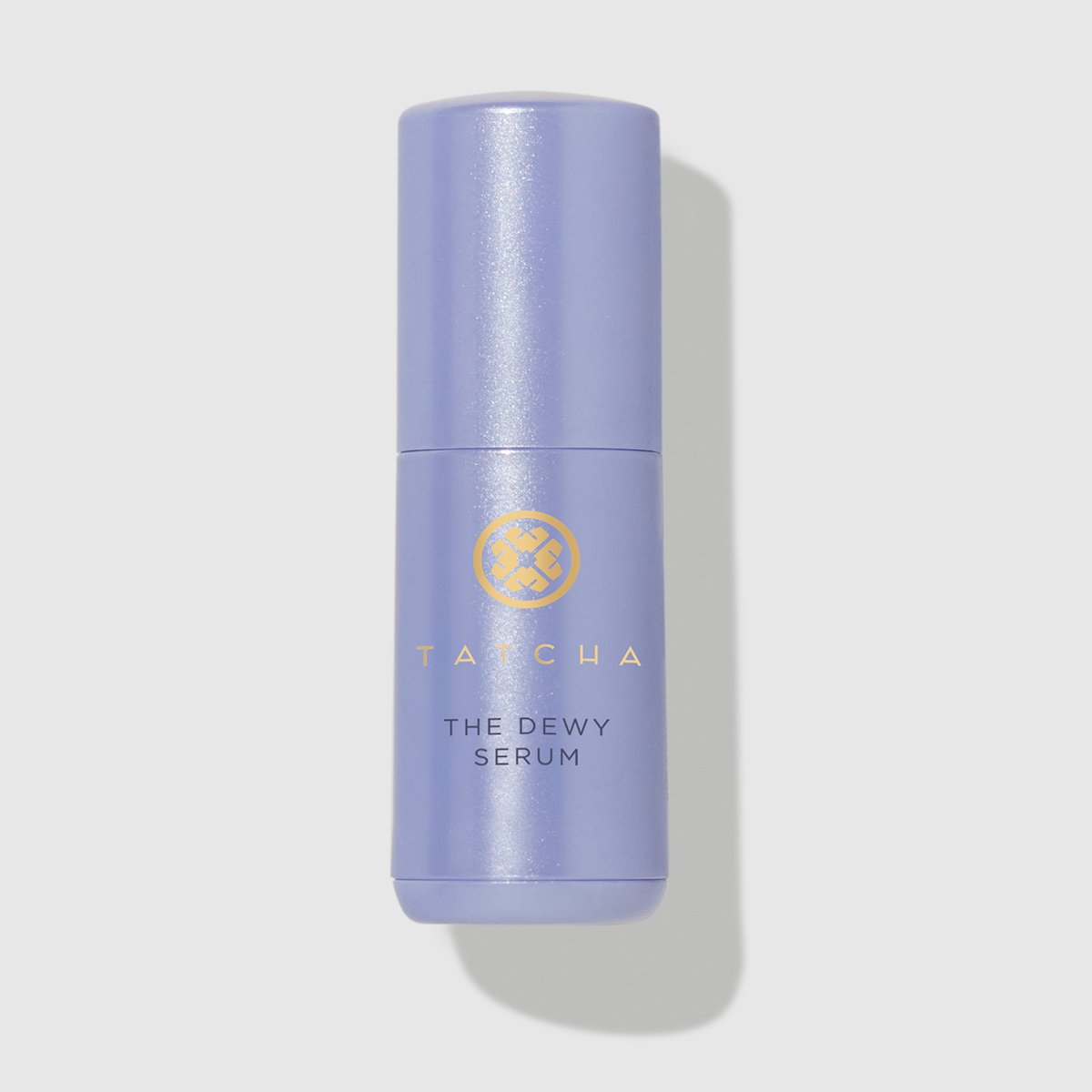
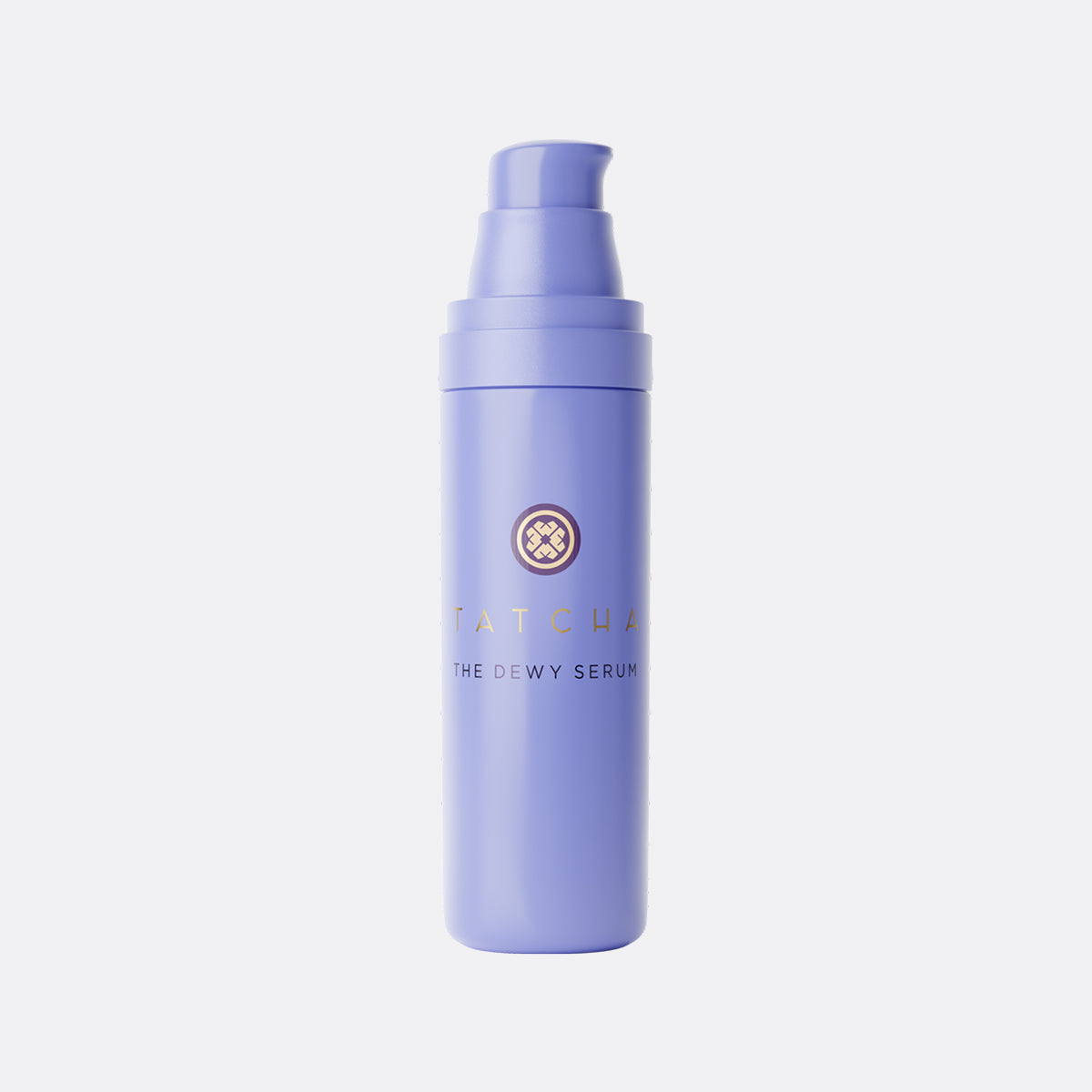
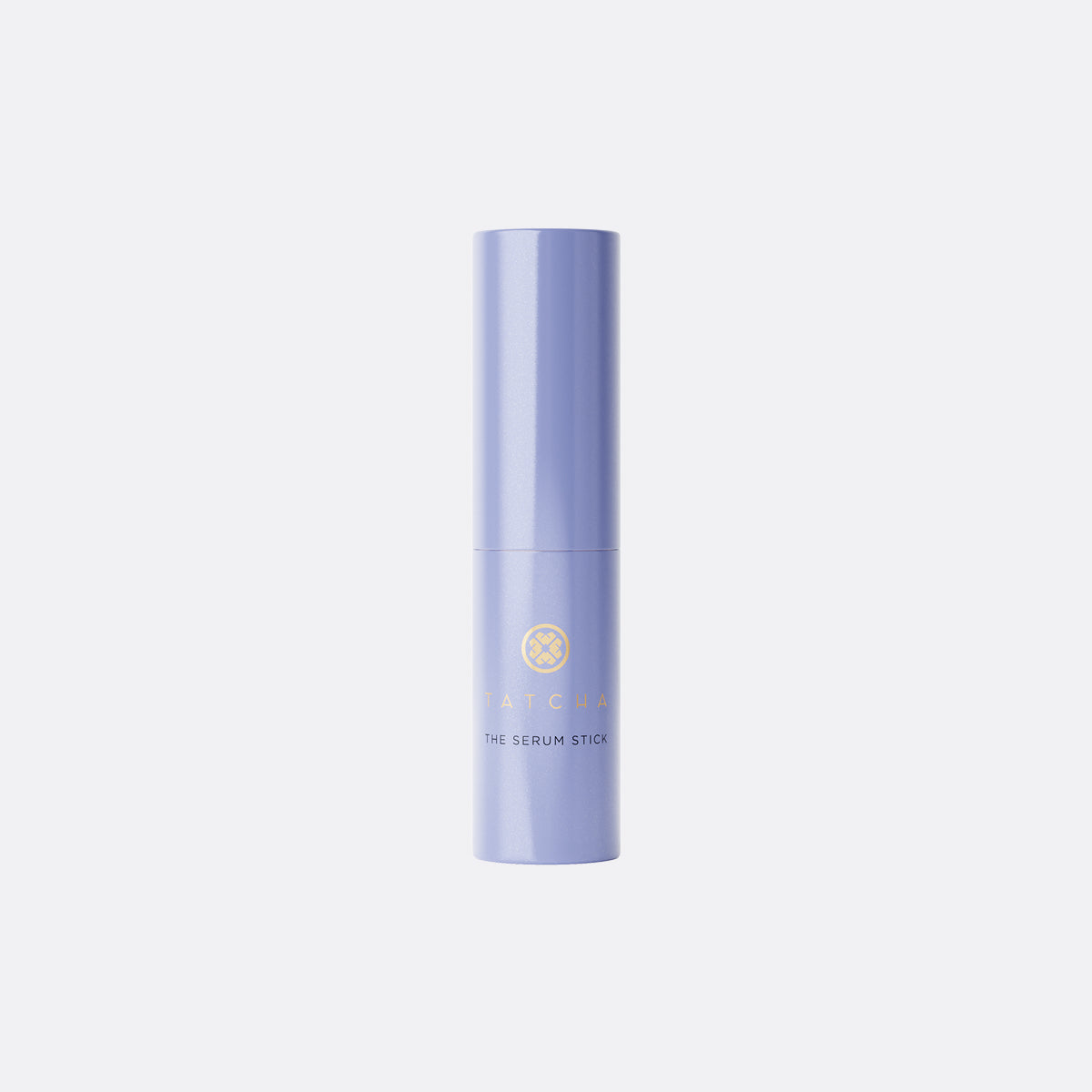
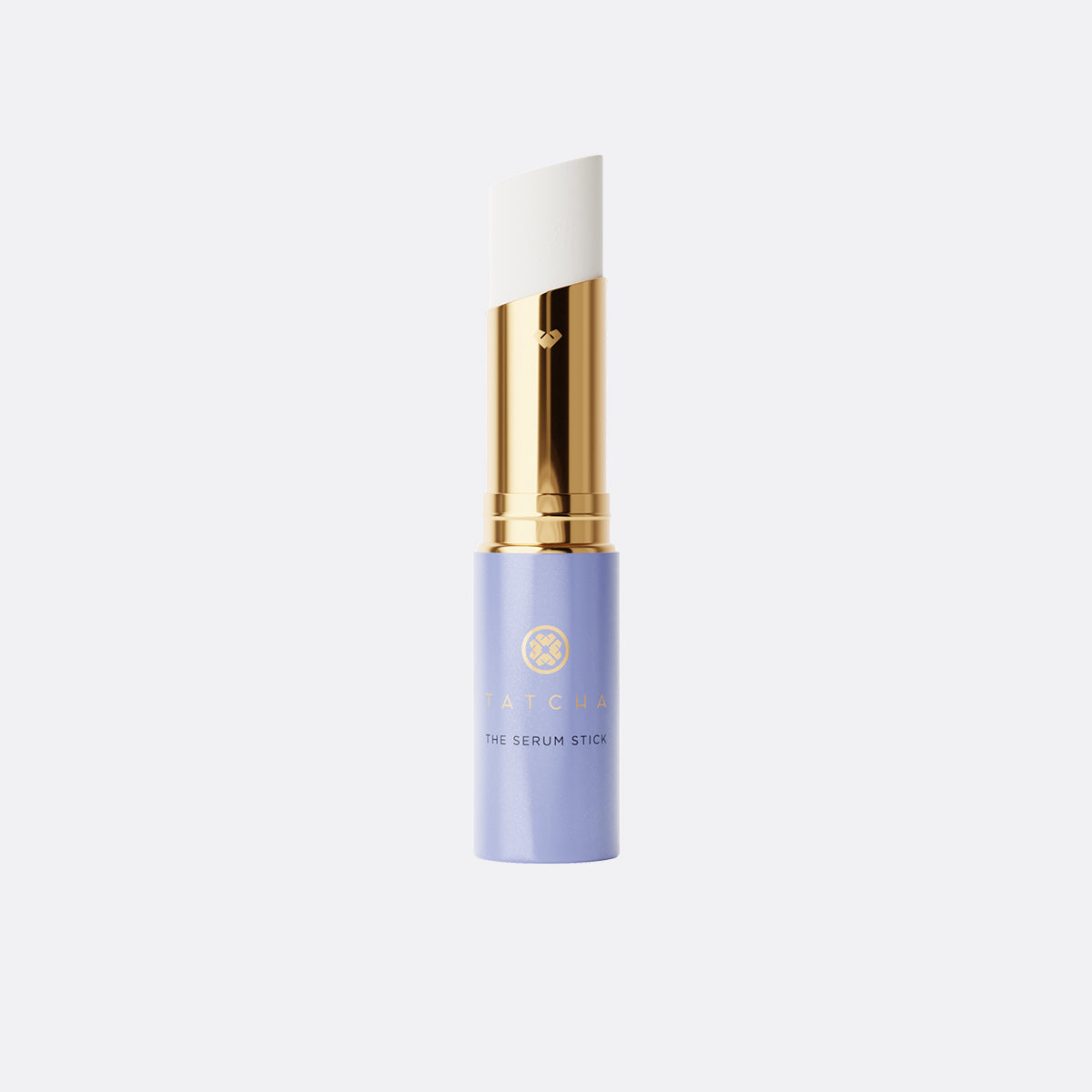
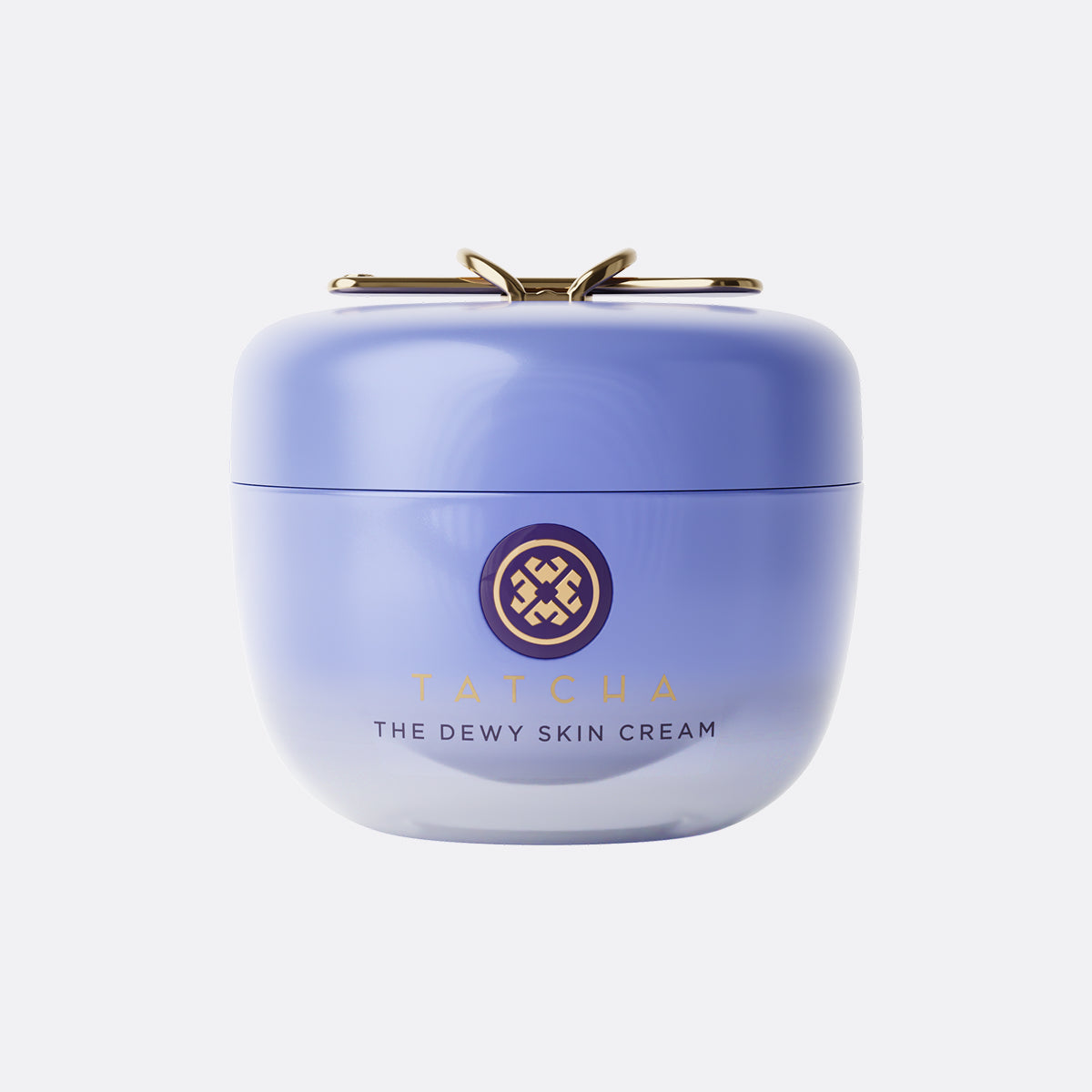
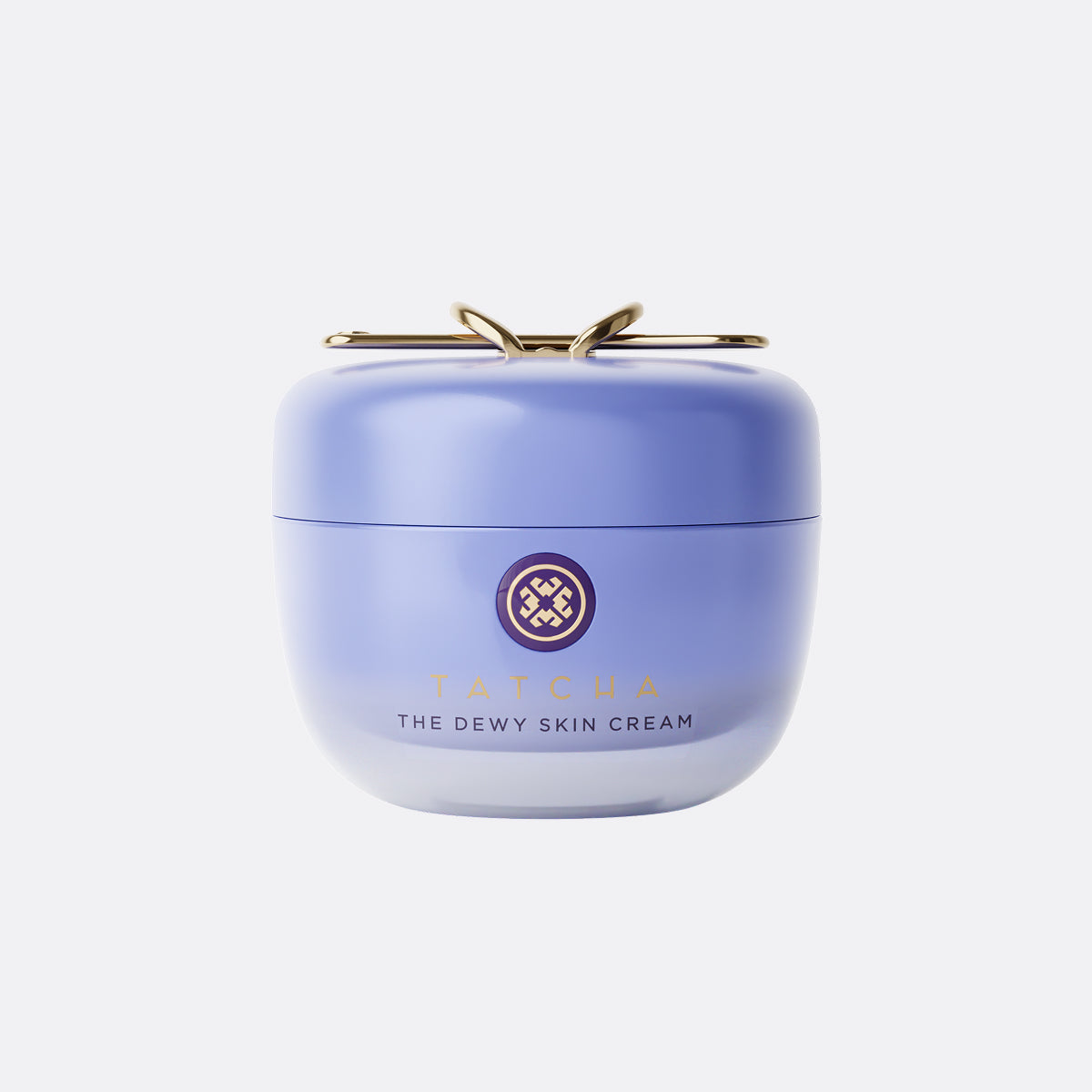
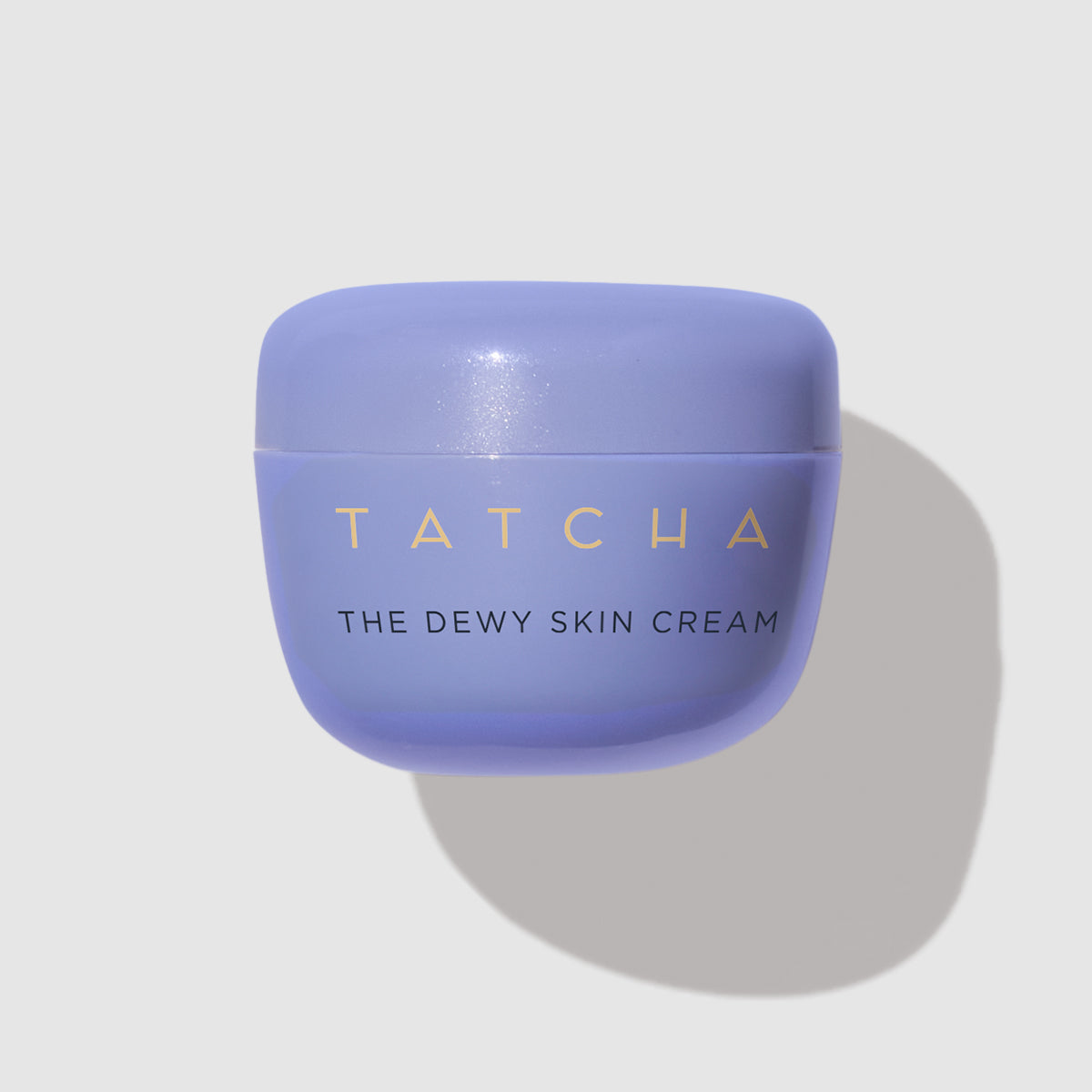
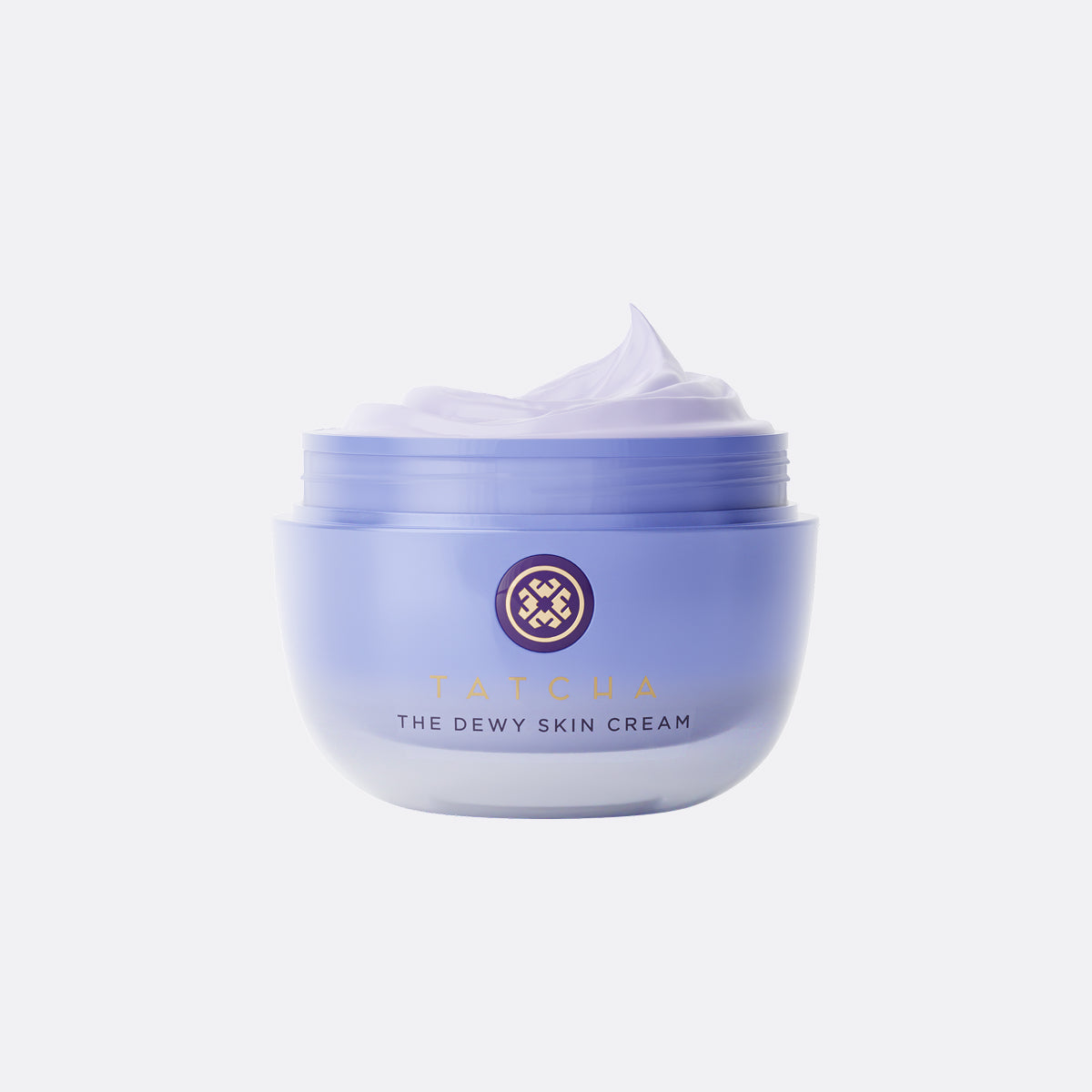
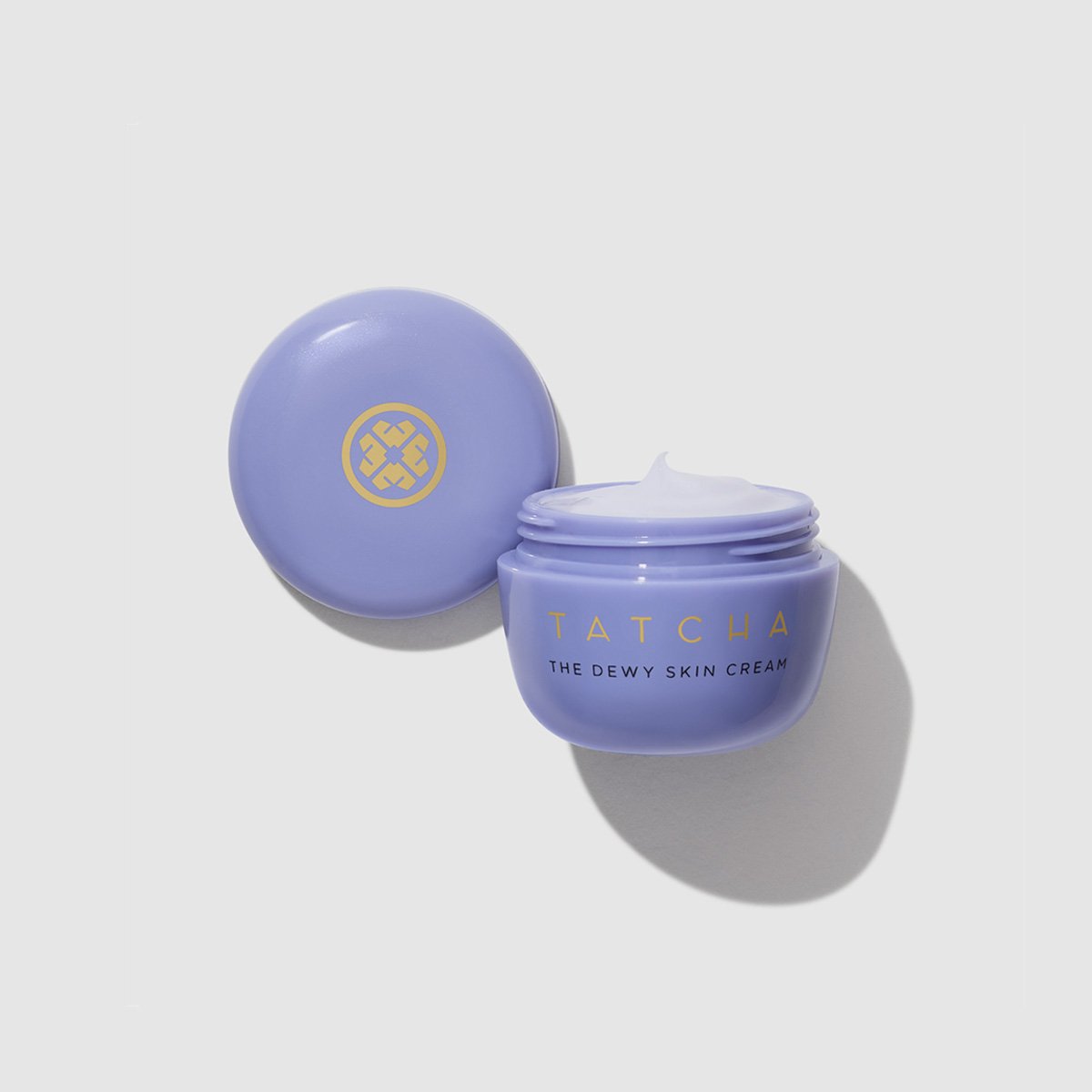
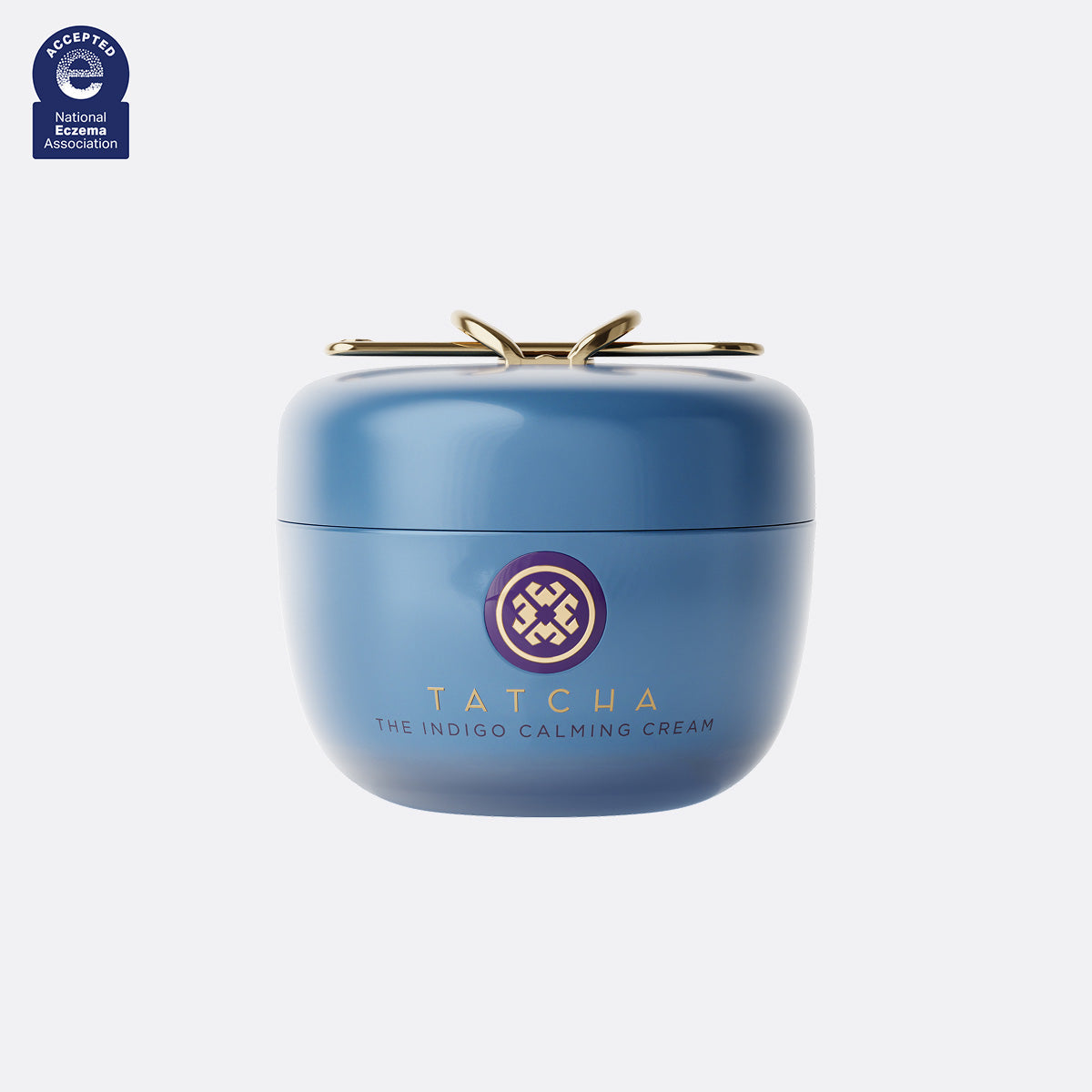
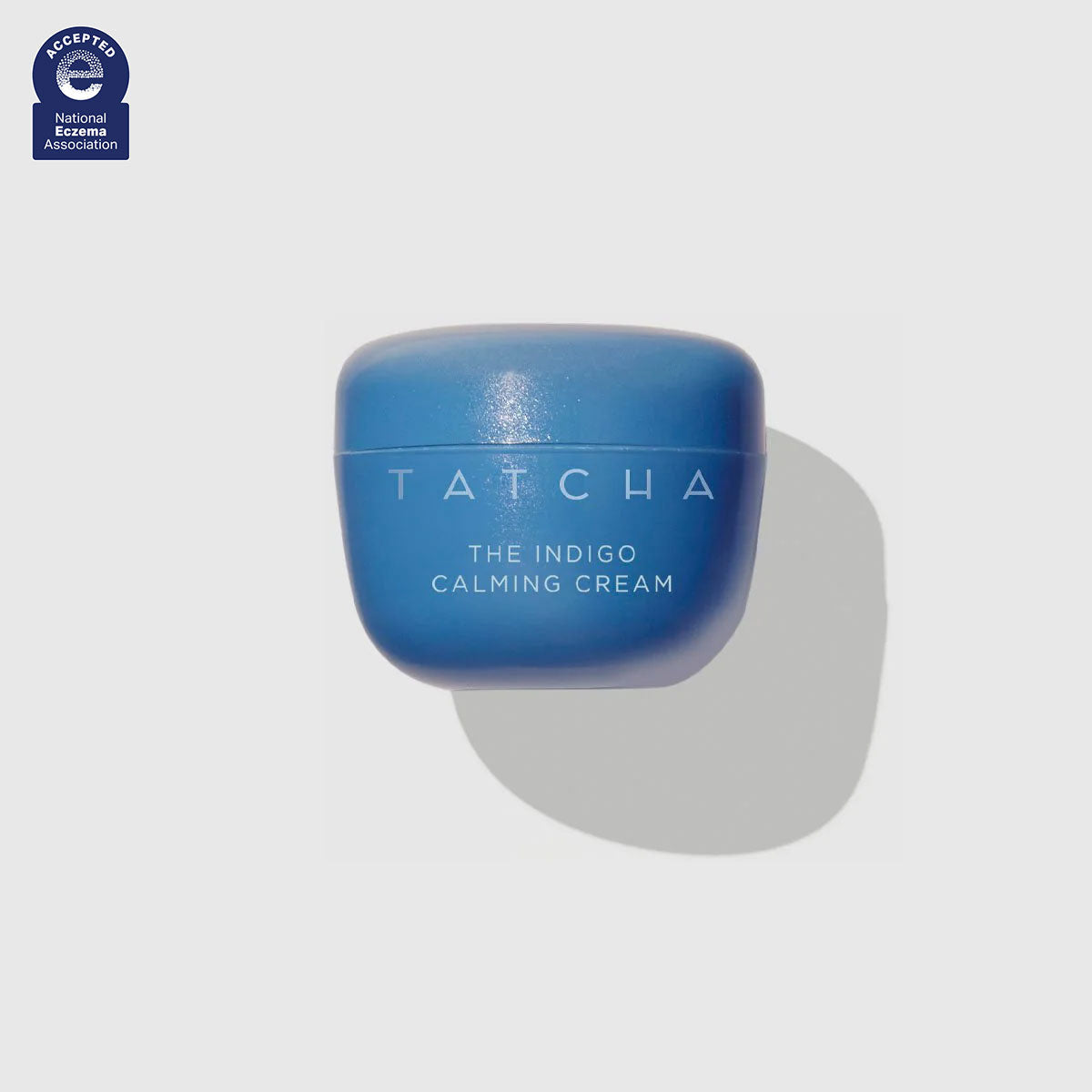
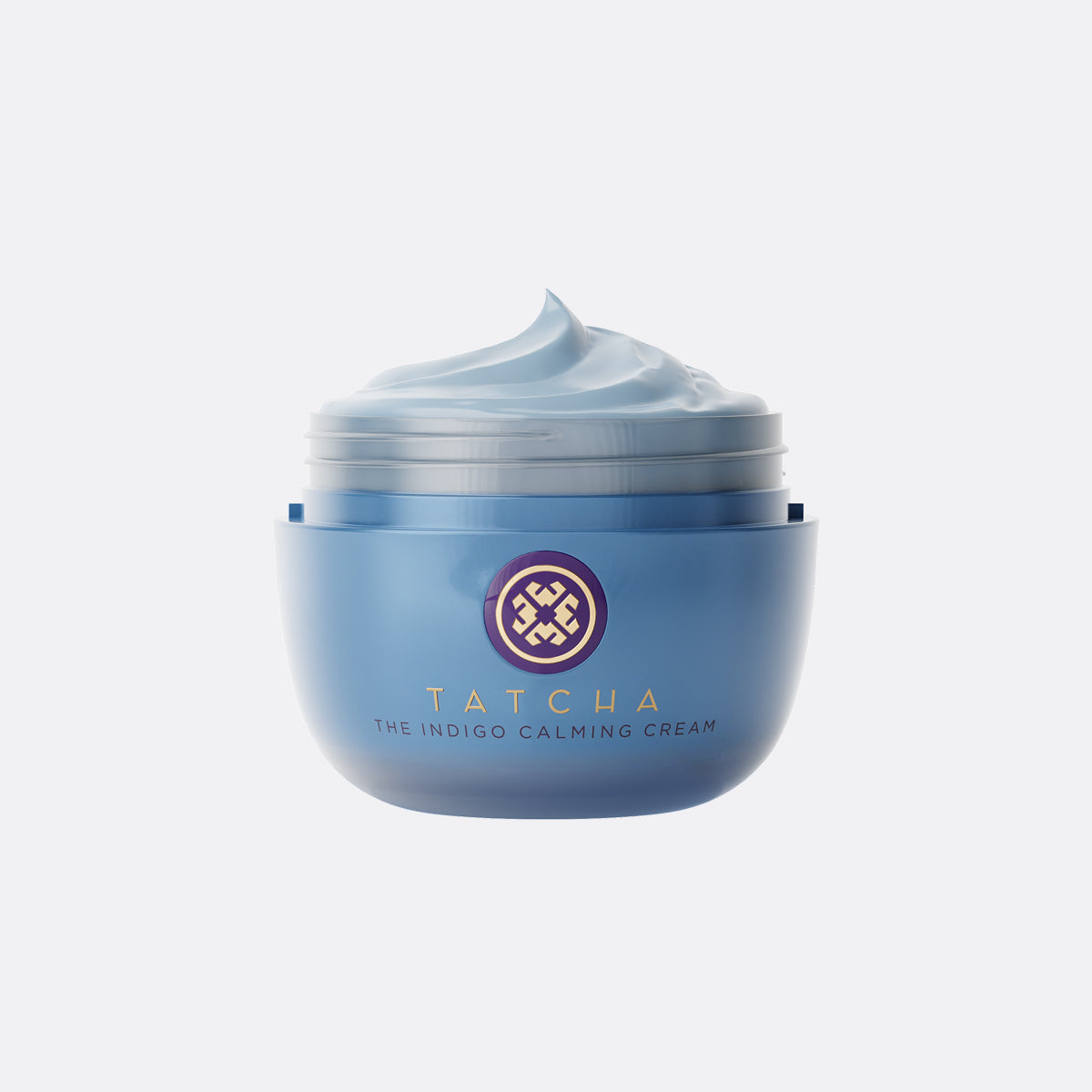
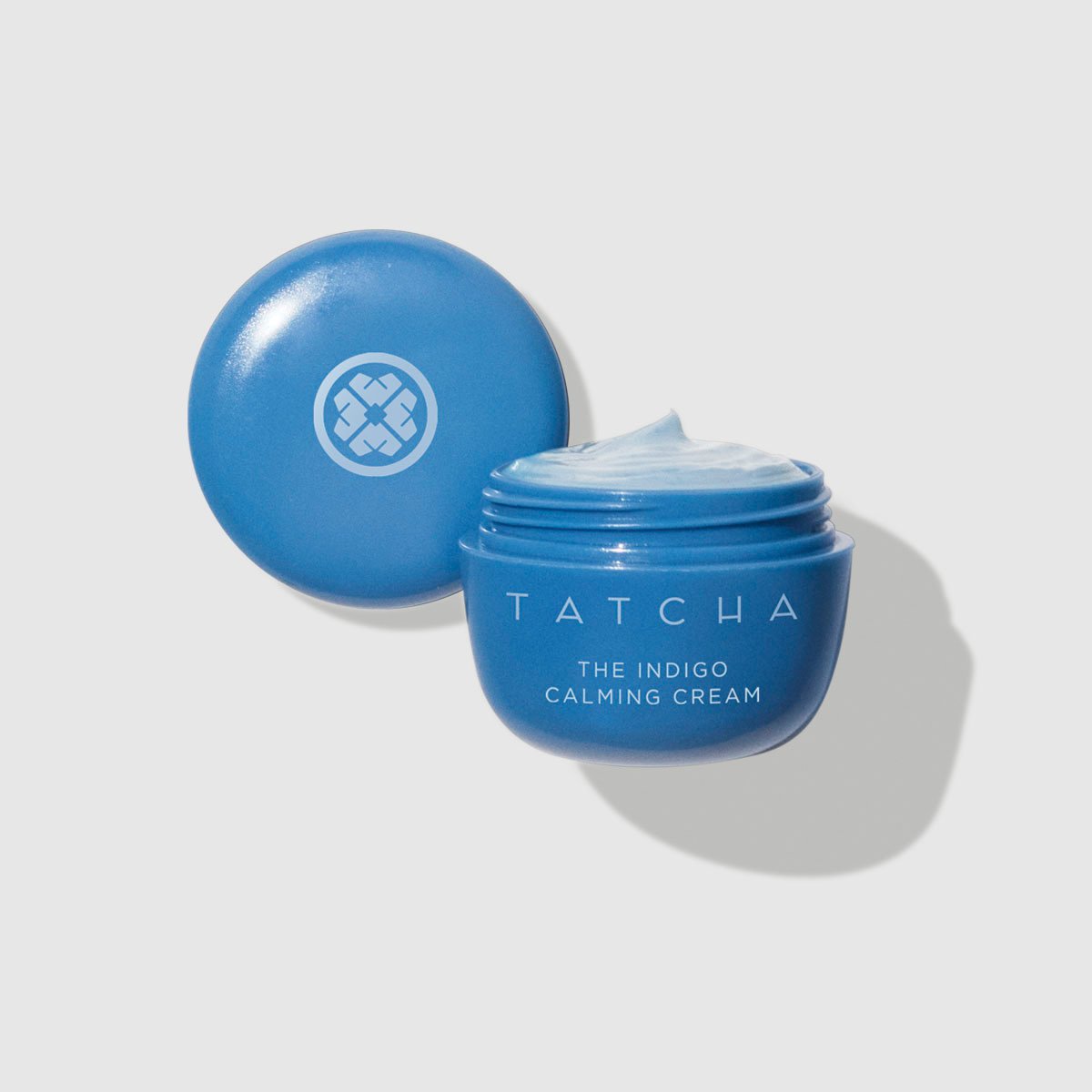
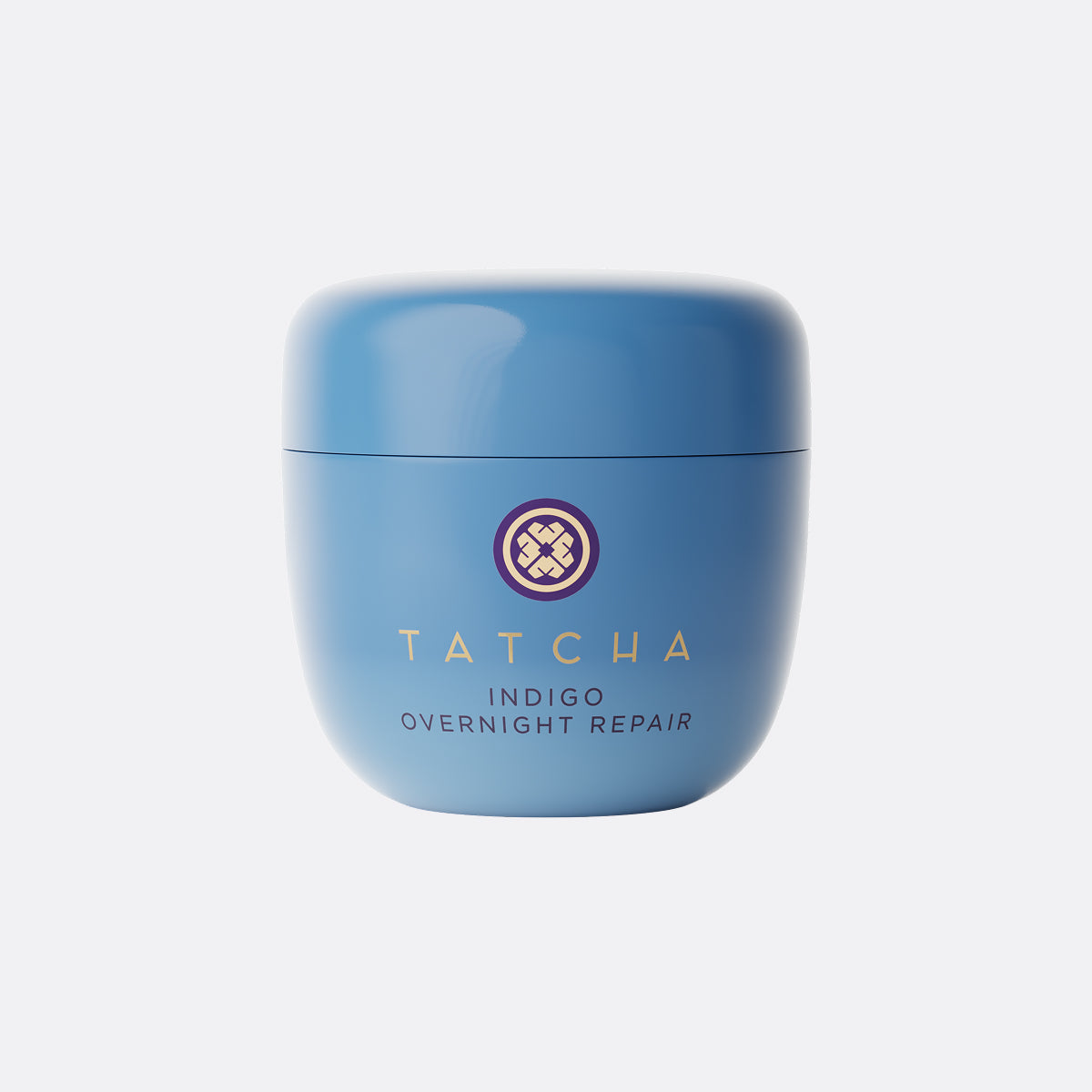
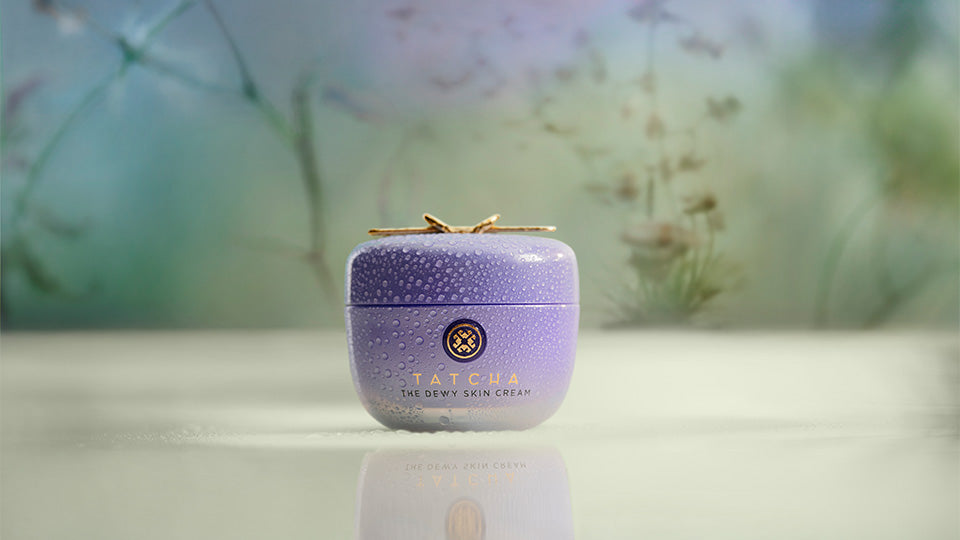
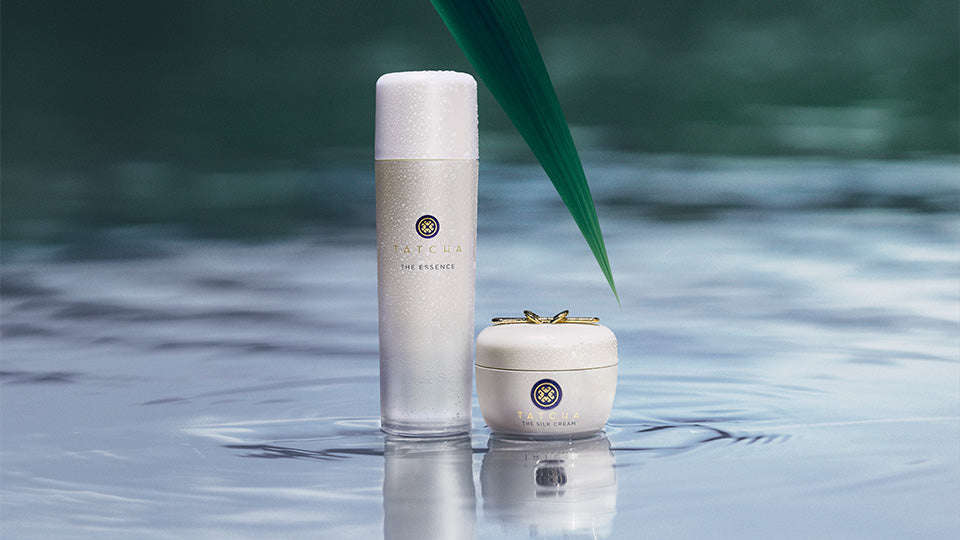
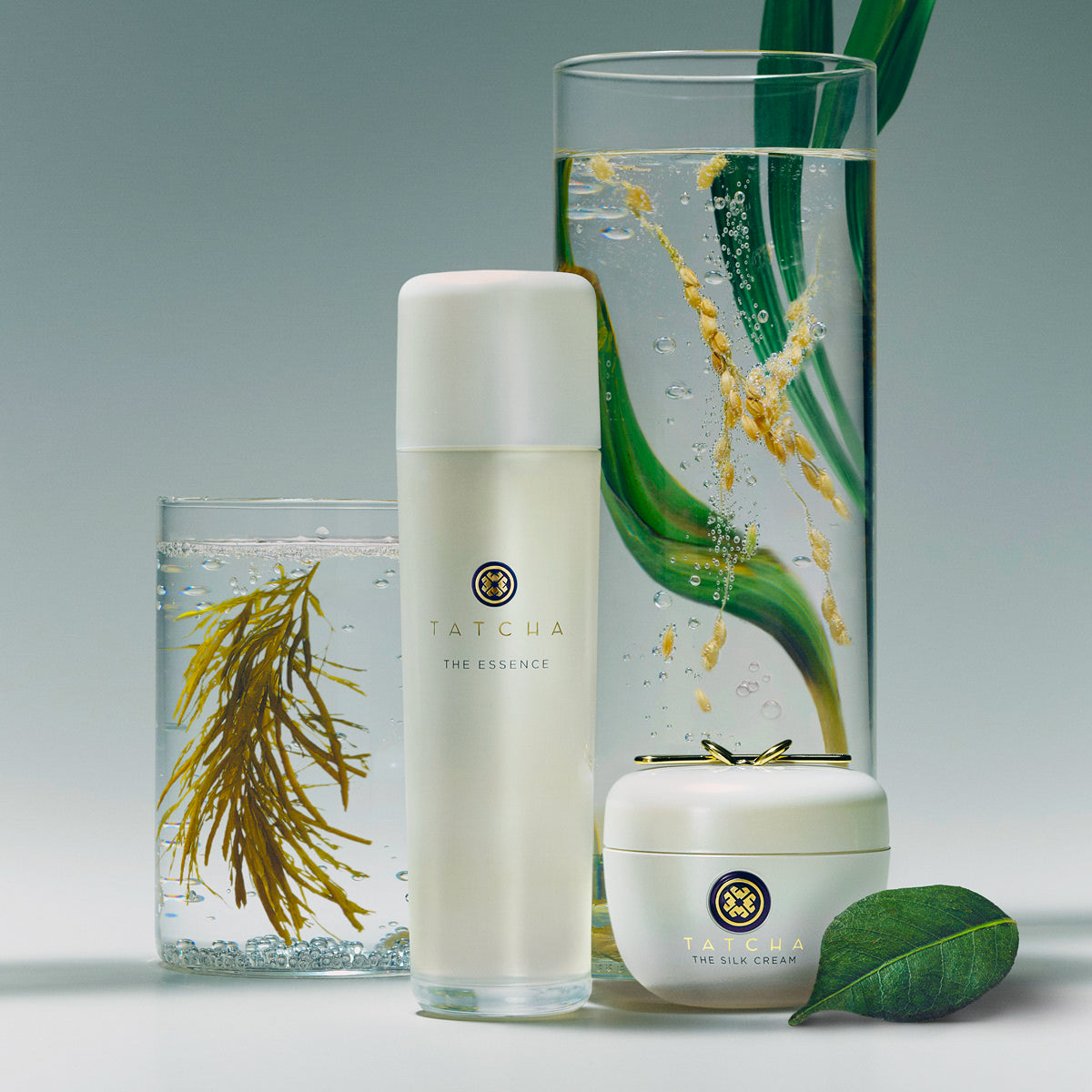
Layer on hydration staples like The Essence. This plumping skin treatment is a deeply hydrating and resurfacing step. It is formulated with 98.6 percent pure Japanese superfoods to maximize the performance of your skincare products and to enhance their effectiveness. Follow this with a potent serum, such as The Dewy Serum or The Serum Stick, to plump and moisturize. Lock in plumping hydration with a rich moisturizer, like the bestselling Dewy Skin Cream, the intensely hydrating Ageless Enriching Renewal Cream, the therapeutic Indigo Calming Cream, or the redness-reducing (and skin-strengthening) Indigo Overnight Repair.
Hydrate Deeply with a Sheet Mask
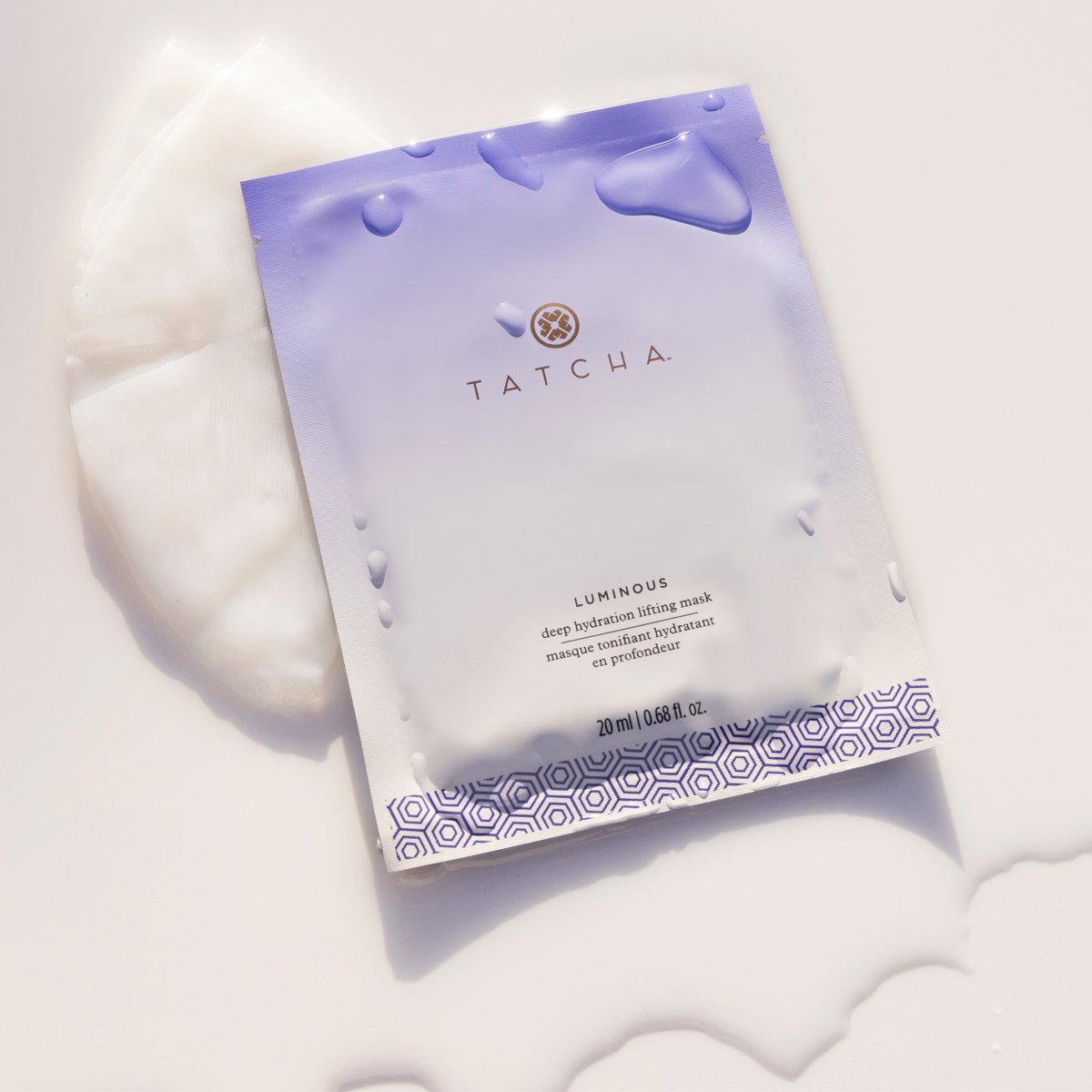
If skin is craving a little more TLC, try the Luminous Deep Hydration Lifting Mask. This unique, coconut-derived sheet mask boosts your skin's moisture content by up to 200 percent in just 15 minutes, leaving a plump, luminous complexion.
How to Fix Dehydrated Skin
It can take time to treat dehydrated skin, but with consistent skincare (and good habits), your skin can be as radiant and strong as you are.
Cleanse Intentionally
You might have the right cleanser, but it’s possible your cleansing techniques are sabotaging your skin. Knowing how to wash your face might seem intuitive, but it’s not always so obvious. Start with clean hands, gently massage into the skin (ideally for 30 seconds or so), rinse with lukewarm water (rather than hot water), and pat dry with a soft, clean towel.
Apply Skincare ASAP
Immediately after showering or cleansing, apply skincare. The skin is in a precarious position directly after cleansing, susceptible to transepidermal water loss, which can lead to further dehydration and irritation. Damp skin can absorb products more efficiently (much like a damp sponge versus a dry one), so take advantage of this by applying skincare directly after cleansing.
Seal In Moisture
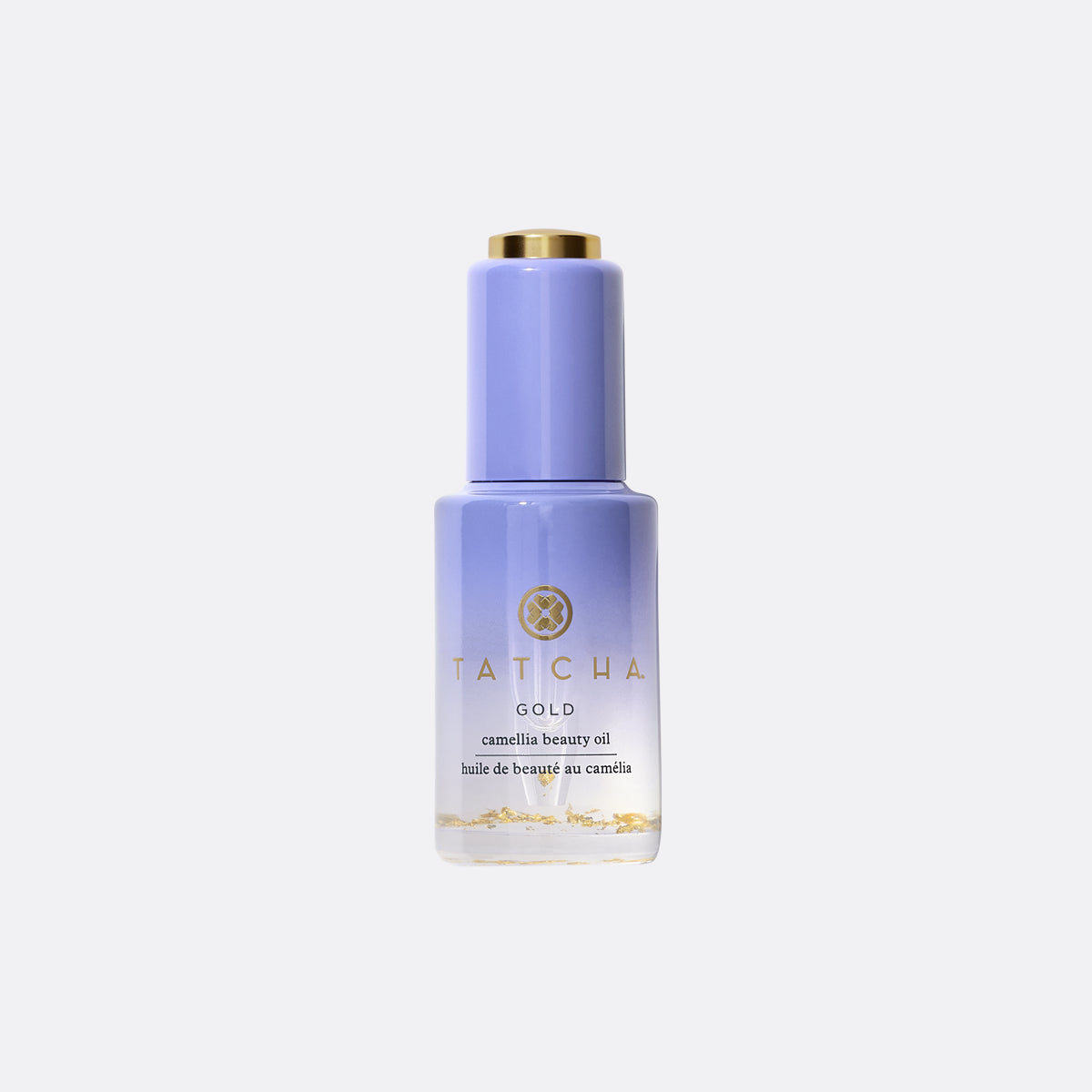
Layering skincare is a great way to address dehydrated skin, but one overlooked step is finishing off with a facial oil. A facial oil basically seals in the dewy moisture underneath it, locking it into place all day or night. Aim for an oil that feels lightweight, nourishes, and imparts a glowy radiance, like the Gold Camellia Beauty Oil. You can apply it after a moisturizer and before a sunscreen, if using it during the day.
Skincare Routine for Dehydrated Skin
Here’s a guide to supporting dehydrated skin, providing the exact order each product should be used.
Step 1: A Gentle Cleanse
Cleanse with a gentle, non-stripping face wash, and use lukewarm water. Hot water and harsh cleansers pull even more water from dehydrated skin.
Step 2: An Essence
Hydrate with an essence to instantly draw moisture back into the skin and prep it for the skincare steps that follow.
Step 3: A Hydrating Serum
Apply a hydrating serum with hyaluronic acid right after your essence, while skin is still damp. Humectants pull water in most effectively on damp skin.
Step 4: Moisturize
Seal everything in with your moisturizer; for dehydrated skin, its job is locking in the water the last two steps added. Follow with a facial oil at night if skin still feels thirsty.
Step 5: Protect
Sunscreen goes last in the daytime skincare routine, a must for all skin, but especially here: UV exposure is one of the causes of dehydration in the first place.