



Summary
- Broad-spectrum sunscreen is a certification that means it has been verified and approved by the FDA.
- In studies, it has been shown that consumers don’t understand the importance of broad-spectrum coverage, but the American Academy of Dermatology only recommends sunscreens with this certification.
- This term means it shields your skin from both UVA (which causes skin aging) and UVB rays (the rays responsible for sunburn).
- The AAD states that broad-spectrum sunscreen can help prevent skin cancer, premature skin aging (including sunspots and wrinkles), and, of course, sunburns.
Sunscreen is an everyday necessity—but not all sunscreens are equally protective. The best is broad-spectrum sunscreen, but what does the term mean, why is it important, and what are the best options? We explore all these answers and more.
Not all sunscreens are created equally. The alphabet soup of SPF terms can be wildly confusing, but it’s important to confirm a few labels are listed on your daily sunscreen—most importantly the phrase “broad-spectrum sunscreen”. But what is broad-spectrum sunscreen, why is it important, and what are the best sunscreens with the necessary certification? Keep reading to find out more.
What Is Broad-Spectrum Sunscreen?
According to the FDA, the term broad-spectrum sunscreen means a product that can protect from the sun’s harmful ultraviolet A (UVA) and ultraviolet B (UVB) rays. To be considered a broad-spectrum sunscreen, it must be FDA approved.
Importance of Broad-Spectrum Sunscreen
The American Academy of Dermatology recommends only using broad-spectrum sunscreen, as it protects skin more thoroughly, from both UVA (which ages skin) and UVB (the rays responsible for burning) rays. The AAD says broad-spectrum sunscreen can help prevent skin cancer, premature skin aging (including sun spots and wrinkles), and, of course, sunburns.
While the understanding of the importance of daily sunscreen has greatly risen, the recognition of the seriousness of broad-spectrum coverage is lacking. This is proven by one recent study, which showed that only 39 percent of consumers said that broad-spectrum protection was an influential factor in their sunscreen purchasing. Compared to 79 percent of consumers prioritizing sweat and water resistance. In the study, the researchers guessed this low statistic is because many individuals don’t know what broad-spectrum sunscreen is, so they don’t recognize its vital importance.
Other Important Sunscreen Terms
While broad-spectrum sunscreen is the most vital term to look for in an SPF, there are a handful of other common phrases that are important, too.
SPF
Speaking of misunderstood phrases, what does SPF mean? While it’s a commonly used term, its meaning is less understood. SPF stands for sun protection factor, notes the FDA. They identify the term as how well sunscreen can protect from a sunburn. The AAD recommends a sunscreen have an SPF of 30 or higher.
Water Resistant
The FDA classifies water resistant as how long a sunscreen will stay on wet skin. An important term to seek out, suggests the AAD. A sunscreen is rigorously tested by the FDA to earn its water-resistant designation.
UPF
Ultraviolet protection factor (UPF) is used with sun protective clothing. The UPF indicates how much UV radiation (both UVA and UVB) the fabric allows to reach your skin, says the Skin Cancer Foundation.
Best Broad-Spectrum Sunscreens
Now that we’ve got an understanding of what broad-spectrum sunscreen means, let’s uncover a few of the best options to protect your skin from both UVA and UVB rays.
Best Chemical Broad-Spectrum Sunscreen
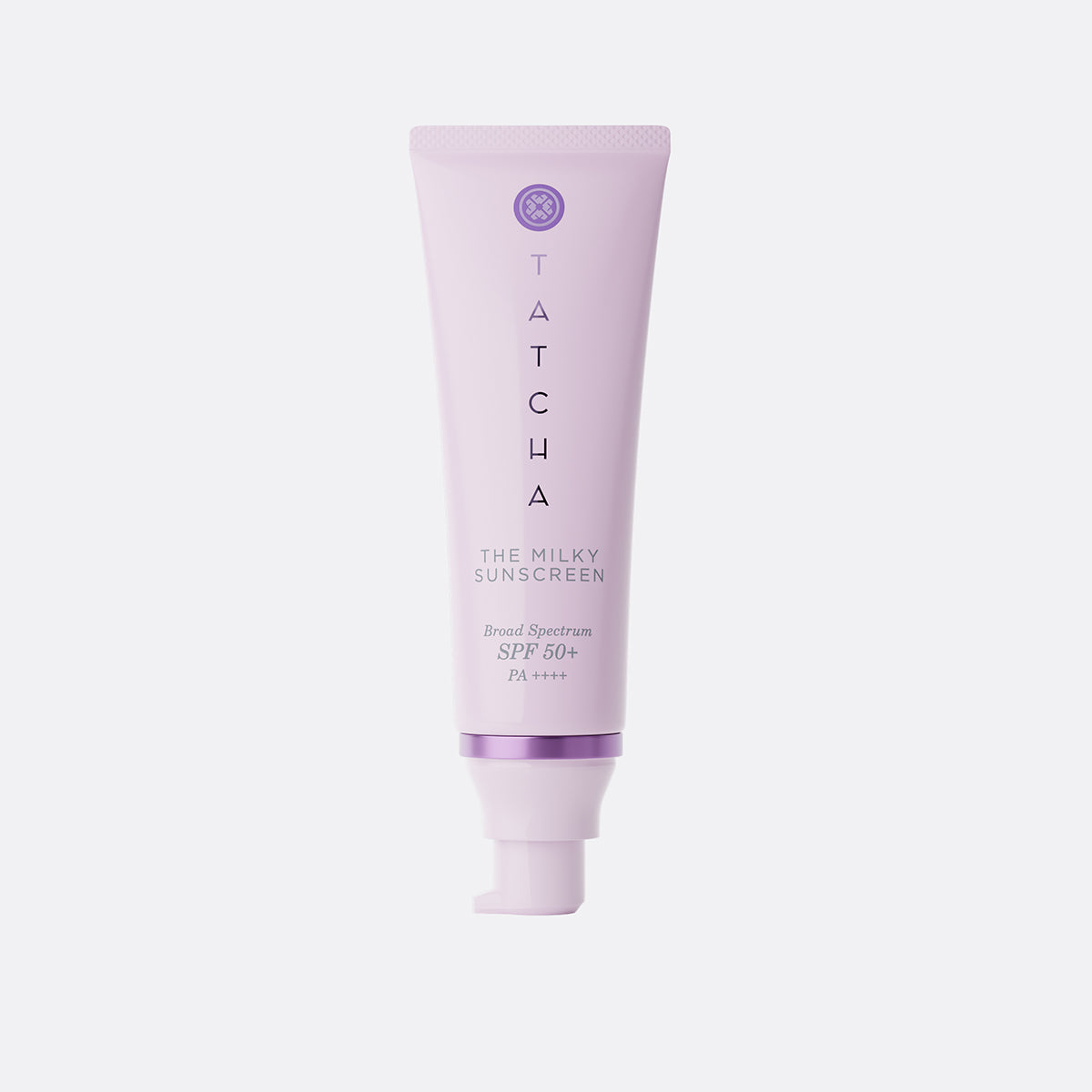
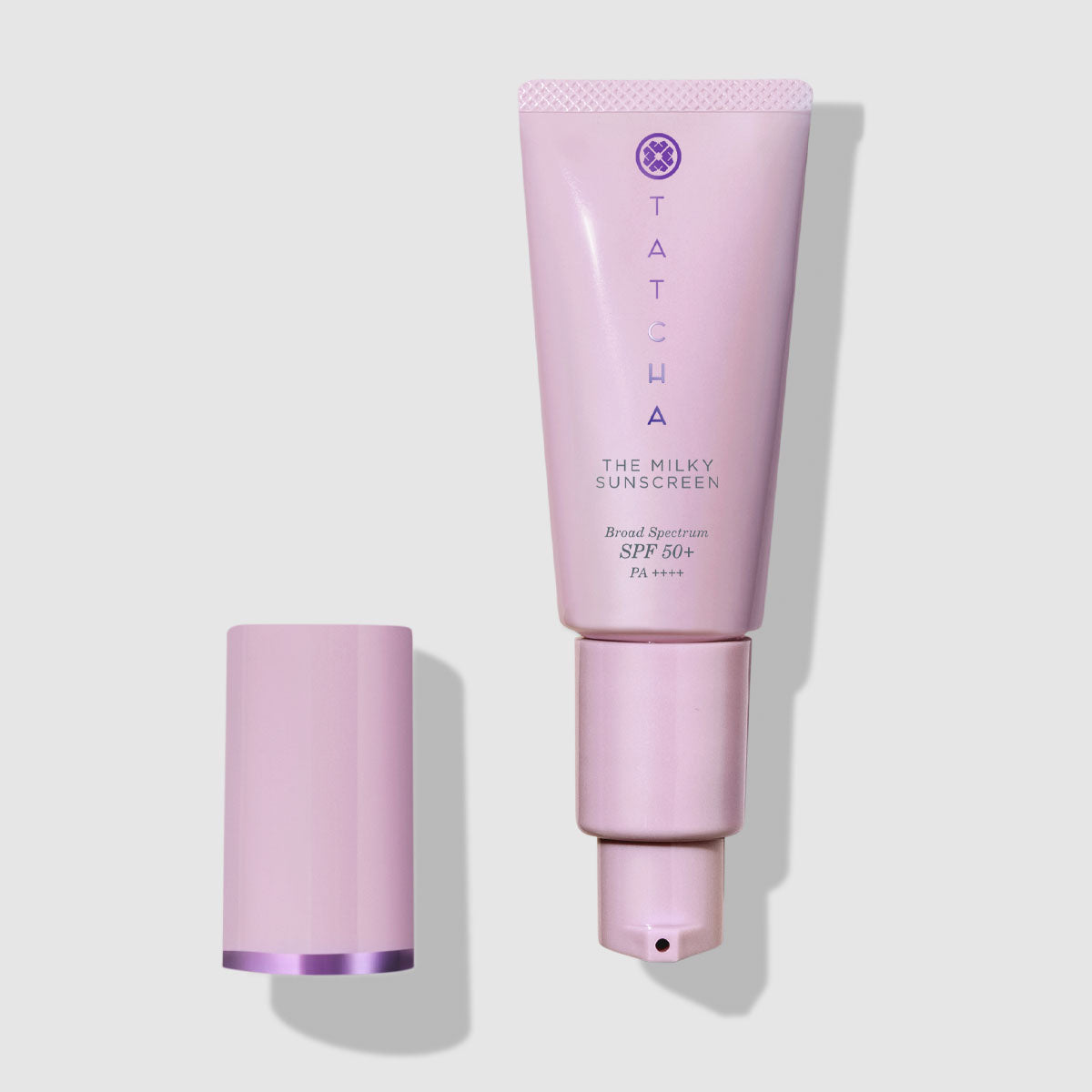
Delivering broad-spectrum UVA and UVB protection with SPF 50+, the new Milky Sunscreen is reimagining sunscreen in exciting new ways. Formulated with sensitive skin in mind, it protects from UV rays, of course, but it also absorbs on the skin quickly (which is important when layering your sunscreen within your skincare routine), diminishes UV-induced damage, hydrates skin at the cellular level, reduces redness, soothes, and visibly reduces sun spots, fine lines, and wrinkles. A sunscreen that can do it all, finally!
Best Mineral Broad-Spectrum Sunscreen
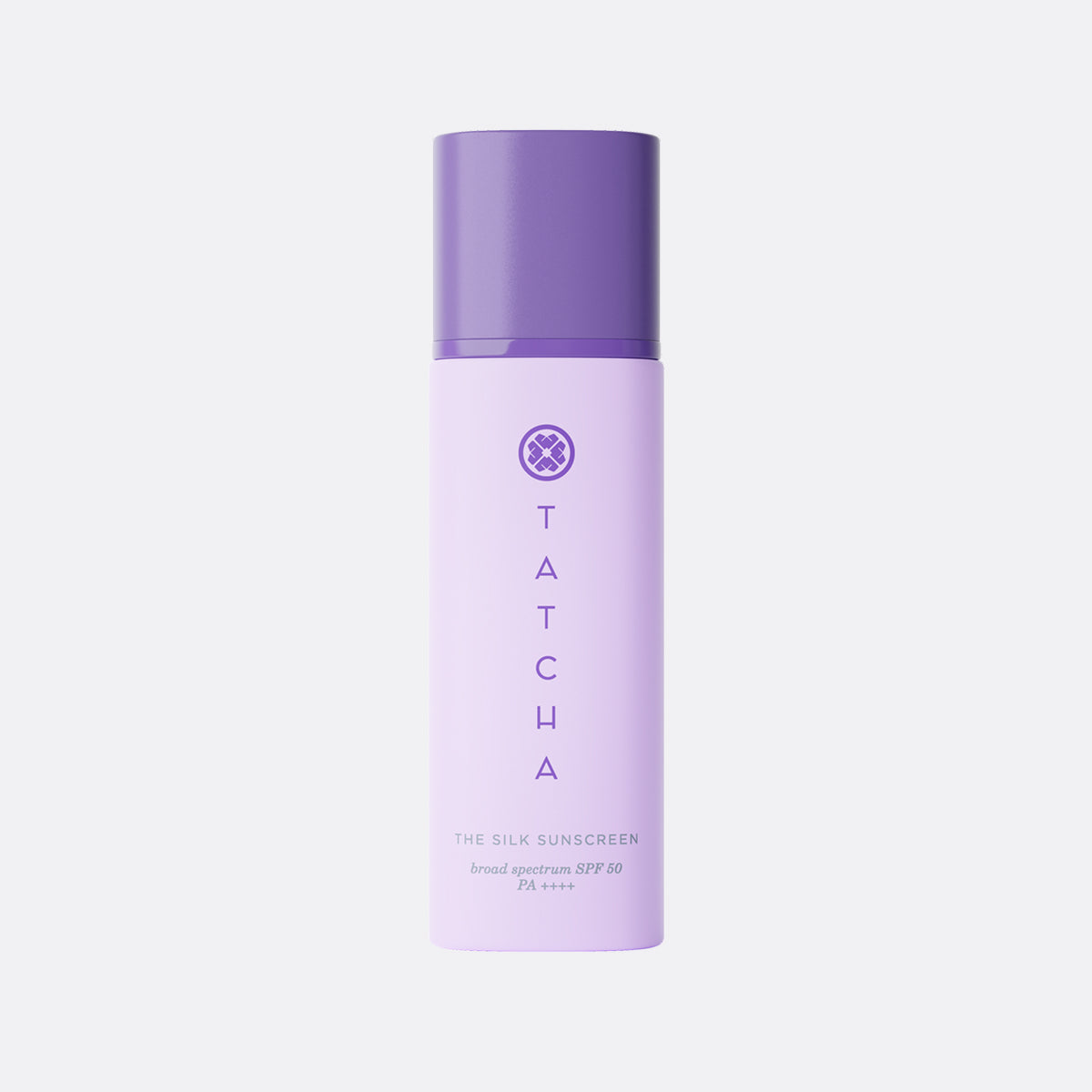
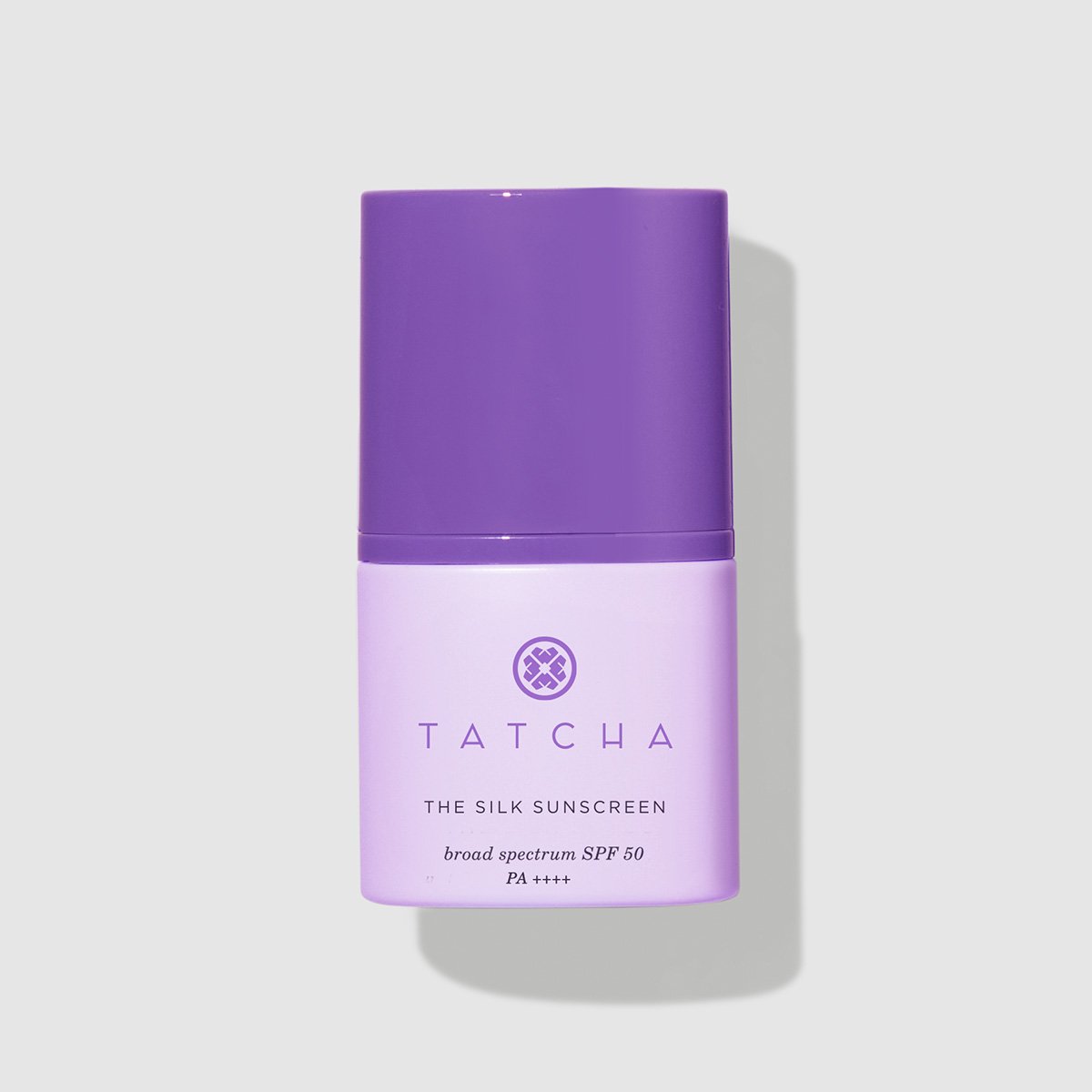
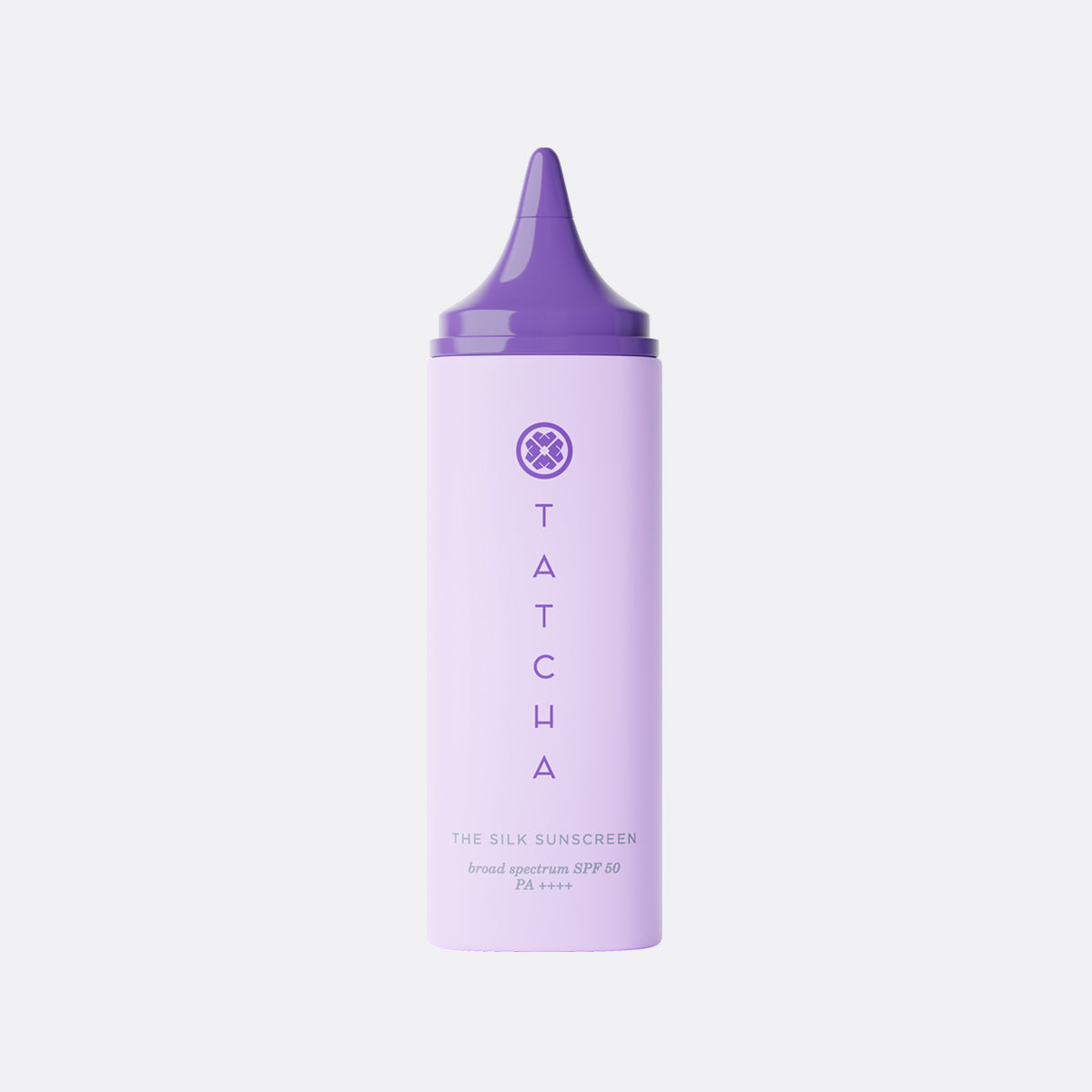
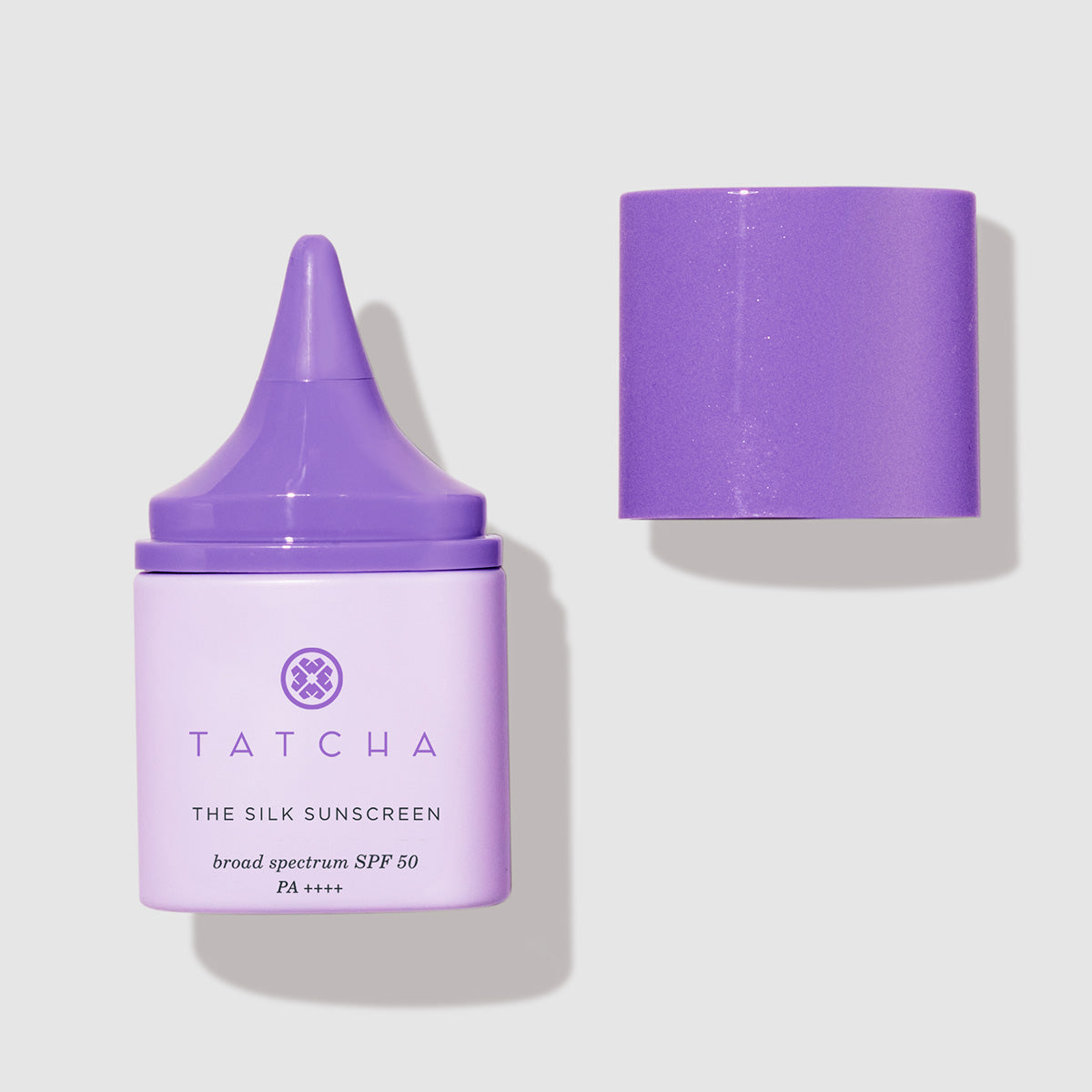
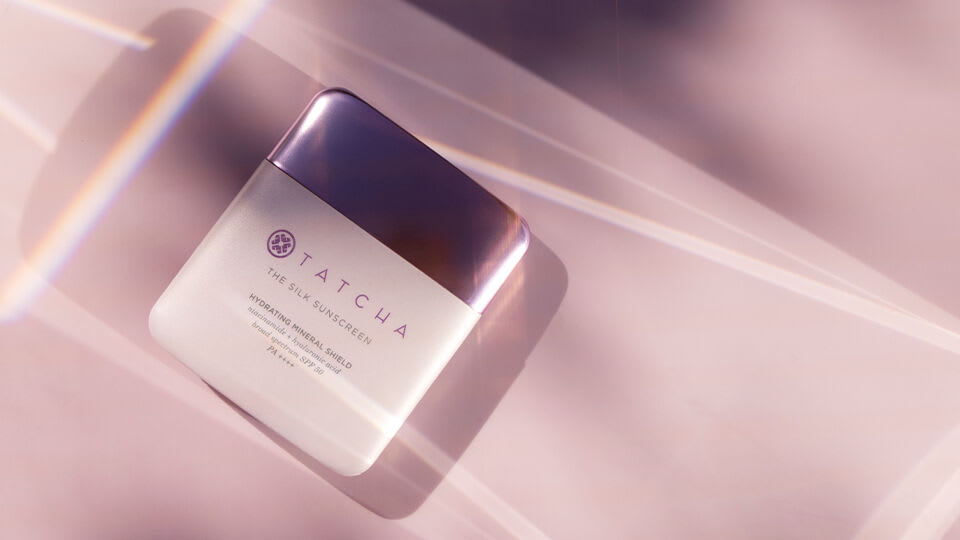
Looking for a silky, lightweight, invisible sunscreen with 50+ mineral coverage? Grab The Silk Sunscreen, a broad-spectrum formula that protects against UVA and UVB rays with 10 percent zinc oxide for a mineral, reef-safe filter. Not only does the Silk Sunscreen feel impossibly light, but the formula is ideal for all skin types, but especially those with skin sensitivity.
Best Mineral and Chemical Broad-Spectrum Sunscreen
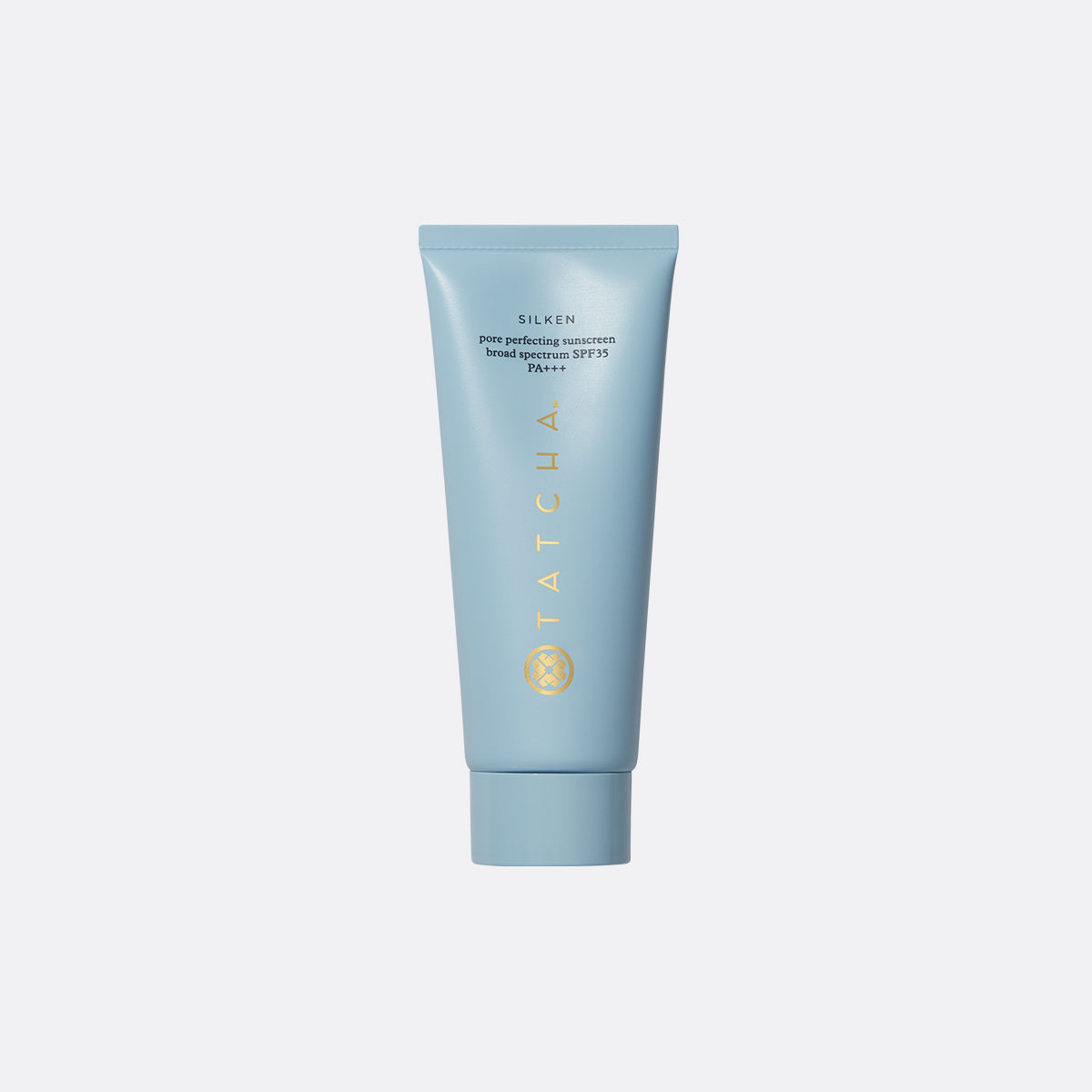
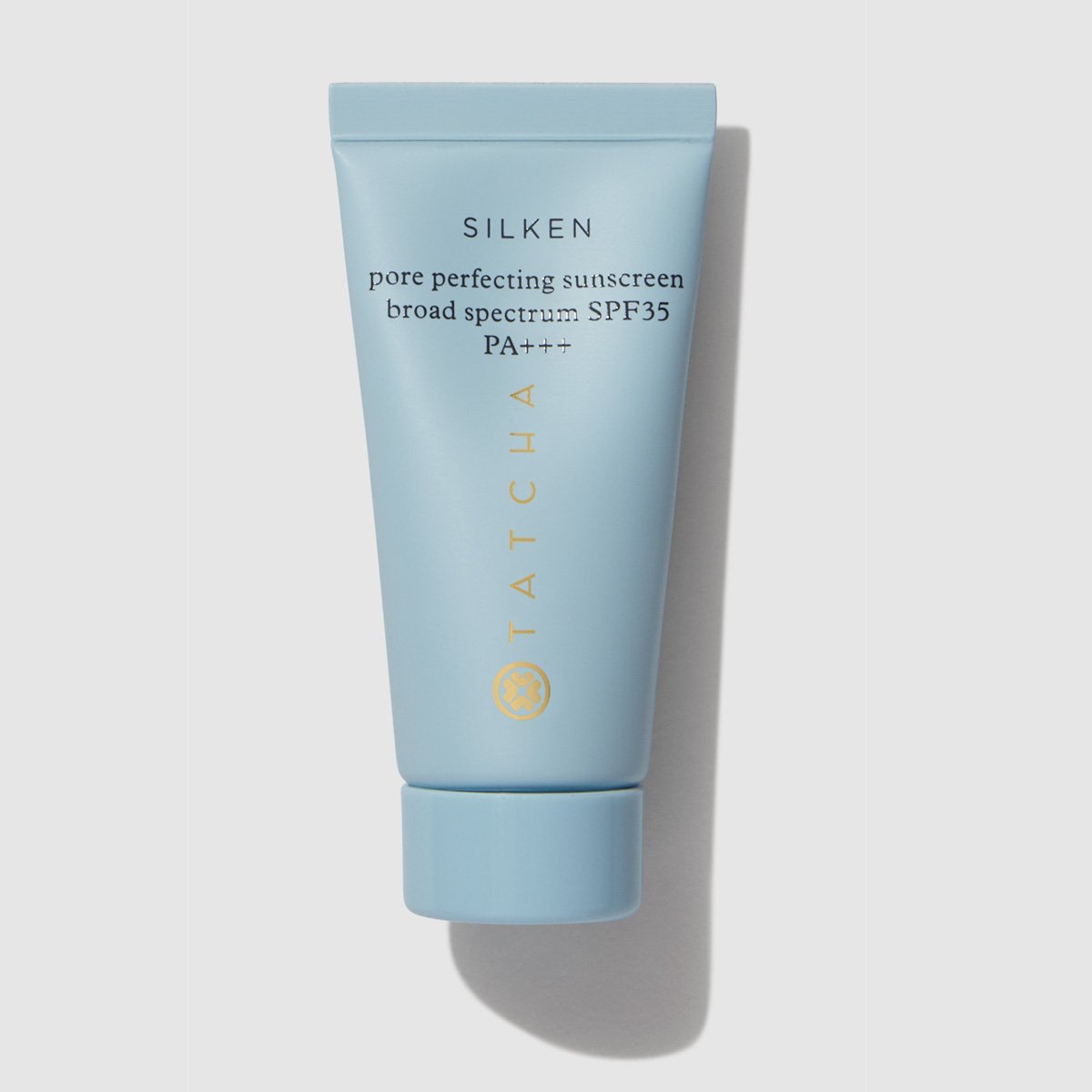
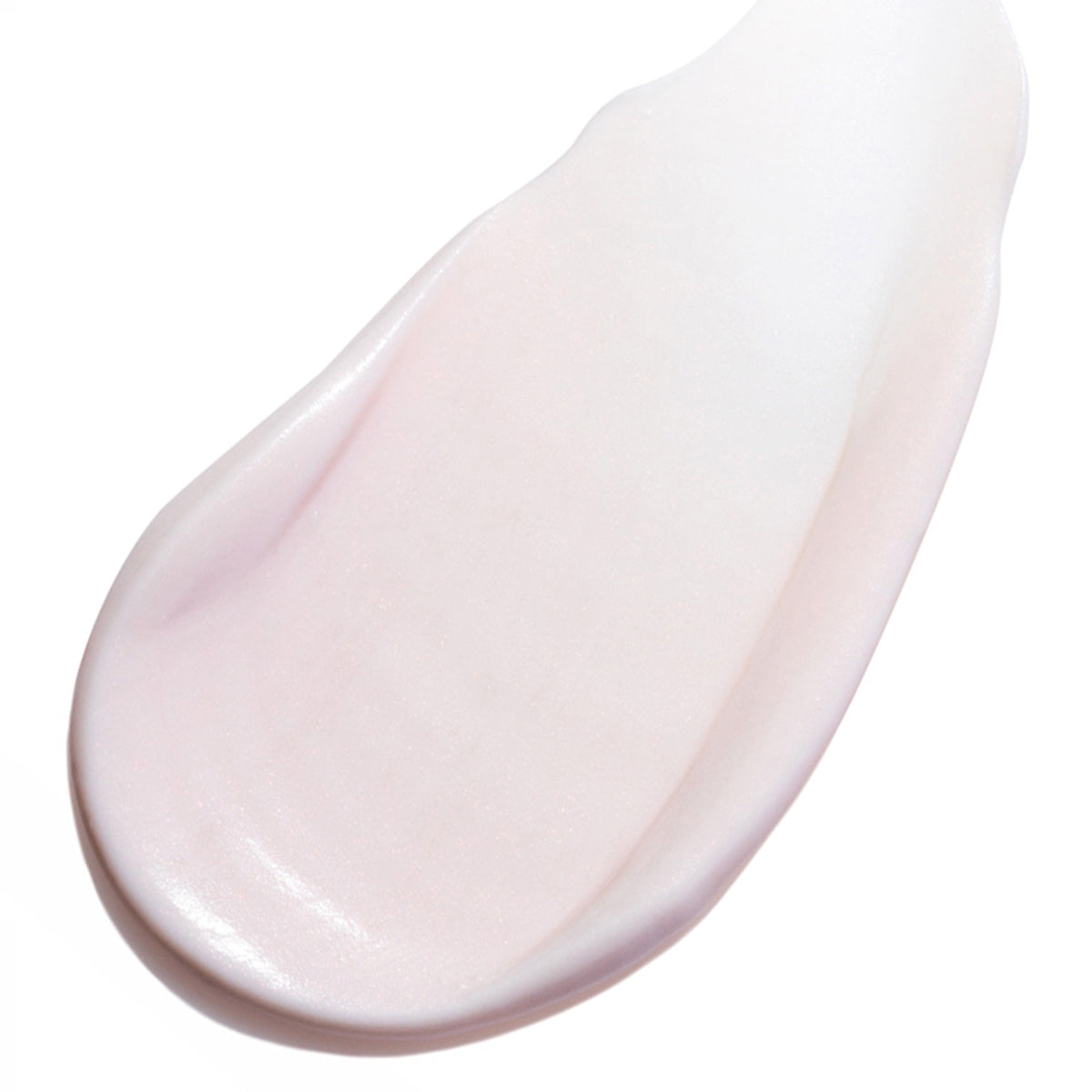
If you prefer a creamy sunscreen with both mineral and chemical protection, our bestselling Silken Pore Perfecting SPF 35 Sunscreen is a superb option. Of course, it's been certified as broad-spectrum, first and foremost. But also the non-comedogenic and non-irritating formula features skin-loving ingredients that not only protect the skin, but also help reduce the appearance of pores, smooth skin texture, and soothe skin. The Silken Pore Perfecting SPF also features our beloved silk extract for a silky feel, allowing the sunscreen to apply flawlessly.