




Cleansers are perhaps the most important tool in your daily skincare routine. They remove irritants, bacteria, sebum, oils, and everything else (including makeup, pollution, and sunscreen) from the skin, allowing for a clean base to absorb the powerful next ingredients and formulas in your ritual (like serums, moisturizers, and face oils). No longer are they one size fits all, facial cleansers have become, thankfully, hyper niche, allowing you to find the most ideal cleanser for your specific skin (and skin type).
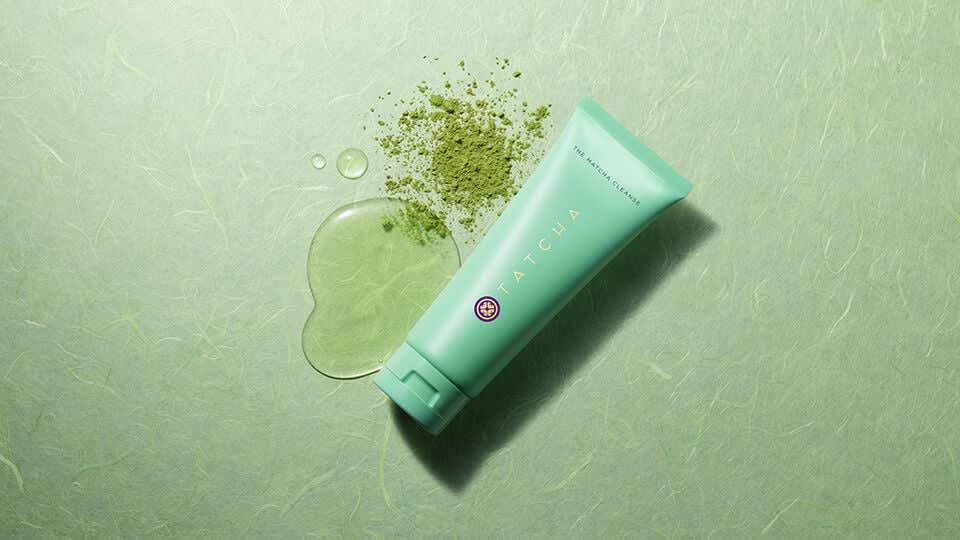
At Tatcha, we’re ever-innovating, and one of our newest and most exciting formulas is The Matcha Cleanse. This game-changing formula took years to perfect and is designed for a very specific type of skin. However, at first glance, it may look fairly similar to one of our bestselling cleansers, The Deep Cleanse. But the two formulas are vastly different. Keep reading to discover more about each facial cleanser and uncover which formula is right for you.
The Matcha Cleanse
We’ve listened to our beloved consumers' thoughts and suggestions since the origin of our brand and we’ve heard the same thing over and over again for years: It’s impossible to find a daily cleanser for oily and combination skin that doesn’t overstrip or make breakouts worse. Which is where The Matcha Cleanse steps in. The new formula is designed to purify, balance, and refine oily, combination, and breakout-prone skin—without stripping or irritating. With a unique watery-foam texture, the refreshing cleanser is gentle enough for daily use (even twice a day), helping to control oil and rebalance skin’s moisture level for a more hydrated complexion without makeup slipping or melting off during the day. Speaking of gentle, The Matcha Cleanse is fragrance-free and soap-free, so it can cleanse with unmatched pore-priming purification without irritating the skin.
The Matcha Cleanse Ingredients
The Matcha Cleanse’s ingredients are quite unusual and extraordinary, too, focused on celebrating the best of historic and time-tested Japanese ingredients, with a modern point of view. Here are a few of the ingredients that make The Matcha Cleanse stand out from the crowd.
Sourced directly from Uji Tahara in Kyoto, this premium powdered green tea is prized for its quality in Japan and is grown under cover for weeks prior to harvesting. Our matcha is also ceremonial grade, meaning it’s the highest quality of matcha made. To this day it’s an essential part of the Japanese diet and is believed to help you live longer. Also, matcha has been scientifically linked with a significant reduction in acne when applied topically, thanks to the tea’s anti-inflammatory and antioxidant properties.
A traditional cosmetic ingredient and superfood widely trusted in Japan, hatomugi, or coix seed, has been used in herbal medicines for centuries. Coix seed extract has potent anti-inflammatory properties, which are scientifically linked to reducing redness, swelling, and irritation. When used topically, coix seed can have a BHA-like effect, helping to decongest pores and support skin cell turnover. Additionally, the ingredient has double the protein of rice, is rich in vitamins B1 and B2, and is high in iron, calcium, fiber, and amino acids—making it a highly beneficial ingredient within your diet and skincare.
Willow bark has been used for medicinal purposes for over 3500 years, when individuals chew on the bark of the tree to reduce their fever and inflammation. When used topically, the natural beta hydroxy acid alternative is known to support the skin’s turnover cycle, revealing a smooth and more balanced complexion. Willow bark is also known to balance the complexion and oil production, as well as gently exfoliate and soothe irritation.
The beloved ancient medicinal herb known as the ‘Queen of Herbs’, yomogi, or Japanese mugwort, is a sacred botanical that has been used to treat both the skin and body for centuries. It’s also known for its effective healthy-aging properties and is used to calm and cleanse the skin.
Who Is The Matcha Cleanse Right For?
Searching for a daily cleanser for oily, acne-prone, and/or combination skin that won't overstrip or make breakouts worse? Traditional cleansers can strip too much moisture, causing the skin to overcompensate with excessive oil, leading to clogged pores and potential blemishes. Try The Matcha Cleanse, which cleanses and keeps skin hydrated without being oily. After just one use, users showed a visible reduction in the appearance of pores, a reduction in oil, and an improvement in moisturization instantly.*
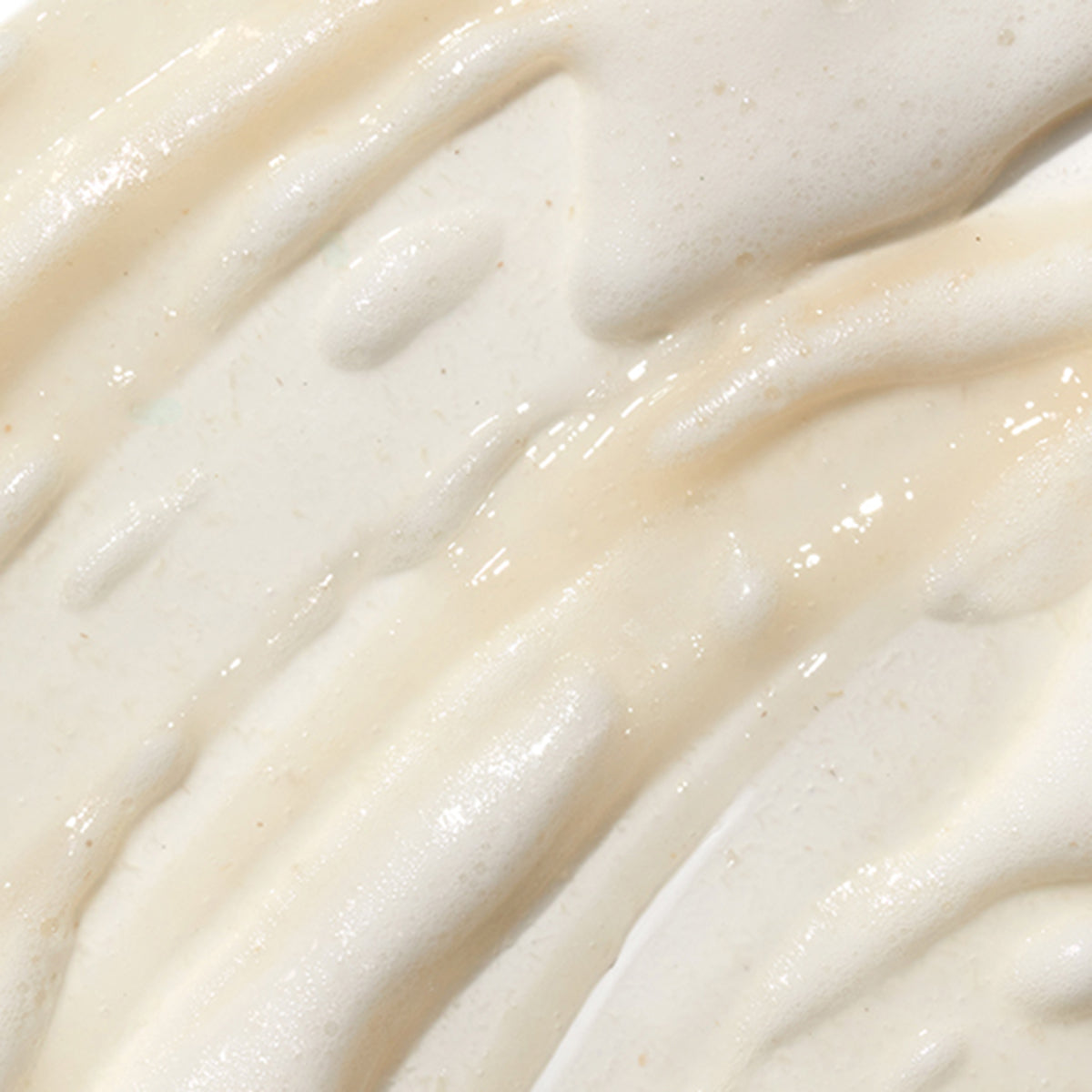
Tired of harsh ingredients? While potent ingredients might seem like the quickest way to target blemishes and oily skin, the harsh formulas can strip the delicate face, leading to long-term issues with excessive oil and dryness. Consider The Matcha Cleanse, which harnesses time-honored ingredients, including matcha, coix seed, and willow bark to decongest pores and support gentle surface turnover. The fragrance-free and soap-free formula has a gel texture that transforms to a refreshing watery foam to cut through excess oil and remove buildup but leaves skin feeling comfortably clean.
Sick of makeup slipping or melting off midday? Traditional formulas with unbalanced ingredients can make skin look and feel greasier and shinier, leading to makeup slip-off or separation. Reach for The Matcha Cleanse, which controls oil for better and longer makeup wear throughout the day. In clinical studies, 97 percent of users demonstrated better makeup wear even after 8 hours, while 91 percent noticed a continued visible reduction in pores and shine control.**
*Evaluated via bioinstrumentation on 40 panelists
**Evaluated via expert grading on 36 panelists
The Deep Cleanse
A bestseller for years, The Deep Cleanse is a face wash doing double duty, working on the skin as both a cleanser and physical exfoliant at the same time. Geared towards oily skin, the gel-to-creamy-foam formula includes natural luffa fruit for purifying and exfoliation, but also wild rose and leopard lily to minimize excess oil and visibly calm skin. While it is designed for oily skin that doesn’t mean it’s harsh or drying. The formula includes amino acids derived from silk extracts to balance, while also leaving skin comfortably hydrated.
The Deep Cleanse Ingredients
In traditional Eastern medicine, wild rose is used to bring the body back into balance, improve circulation, and even calm the spirit. In The Deep Cleanse, the antioxidant-rich fruits of this fragrant blossom can balance skin, reduce the appearance of pores, and also improve skin tone and texture.
- Leopard Lily
Found on the cool hillsides of Japan, this bright bloom has been prized for its numerous benefits for centuries. Used to decorate the streets of Kyoto’s geisha district during the Gion Festival, leopard lily has earned the name “the flower of Kyoto.” In skincare, the leopard lily can visibly calm skin, helping to soothe instantly.
- Luffa Fruit
Used for centuries as a natural beauty multitasker, the ground fibers of the luffa fruit help to exfoliate skin. Additionally, the powerhouse ingredient helps to delicately turn over dead skin cells, deeply purifying and decongesting pores.
Who Is The Deep Cleanse Right For?
Searching for a daily cleanser that improves skin’s texture, radiance, softness, and hydration? In clinical studies, 100 percent of users* showed improvements in all of these impressive and noticeable benefits after just one use of The Deep Cleanse. The same study found the cleanser also showed improvement in the appearance of pores, too.
Looking to exfoliate and cleanse in one single step? Reach for The Deep Cleanse, which sufficiently minimizes the daily skincare ritual, combining the purify and polish steps into one satisfying creamy foam experience.
Seeking a reduction of that midday oil slick feeling on your face? The Deep Cleanse has been shown to reduce excessive oils in 100 percent of users in a clinical study.** But compared to harsh cleansers, the cleanser leaves skin soft and hydrated with amino acids.
*Based on a clinical study of 25 women after one use
**Based on a bioinstrumentation study conducted on 25 people
The Matcha Cleanse vs. The Deep Cleanse
While we treasure all of our creations equally, there are reasons why you might prefer one cleanser over the other. Here is a quick way to assess which formula is best for your skin.
Use The Matcha Cleanse if…
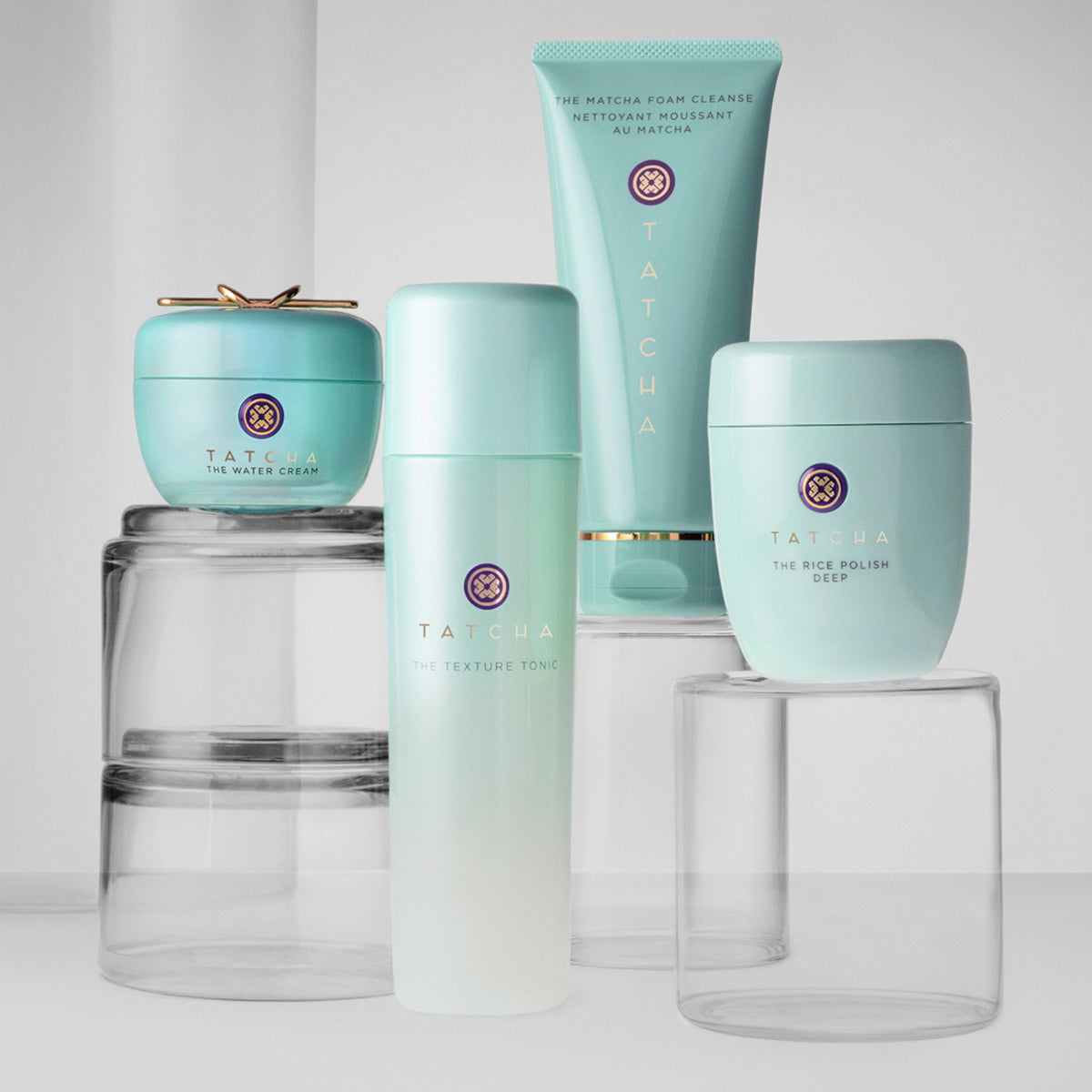
You don’t want to exfoliate with every face wash. The Deep Cleanse has a slight physical exfoliant to minimize steps, but for those seeking a gentle yet effective gel cleanser (sans exfoliation), reach for The Matcha Cleanse. This is particularly true if you are a fan of the award-winning Rice Polish: Deep. It’s ideal not to use The Rice Polish: Deep and The Deep Cleanse together, as that’s likely too much exfoliation for one ritual.
You prefer a non-exfoliating gel cleanser. The Matcha Cleanse is a gentle-yet-effective cleanser, which provides a transformative sensorial experience. The soap-free formula allows for a more gentle experience, while also targeting excessive oil and addressing the overall congestion of the skin and the pores. Additionally, if you’re a fan of fragrance-free formulas, you’ll love The Matcha Cleanse. The Deep Cleanse has a slight natural scent, which may be not ideal for some users.
You want a cleanser that’s ideal for all skin types. The Matcha Cleanse is perfect for oily, combination, and acne-prone skin, but it also is compatible with other skin types, too. The daily formula is specifically formulated to be gentle, yet effective—and that’s true for any skin type.
You live in a humid climate. Whether you live in a more humid climate year around, or just a few months out of the year, The Matcha Cleanse is right for you. The formula targets excessive oil production, helping to curb and manage oiliness that leads to that oil-slick feeling and look during the day.
No matter what cleanser you reach for, we’re always here to help you along the way in your skincare journey. Need help narrowing down your ideal ritual beyond a cleanser? Consult The Ritual Finder to uncover your perfect skincare ritual in mere moments.