



For centuries, this particular ingredient has given prismatic flavor to beers of all kinds. Now, it appears to have positive benefits for skin, too.
Skincare saviors can be found in the unlikeliest of places.
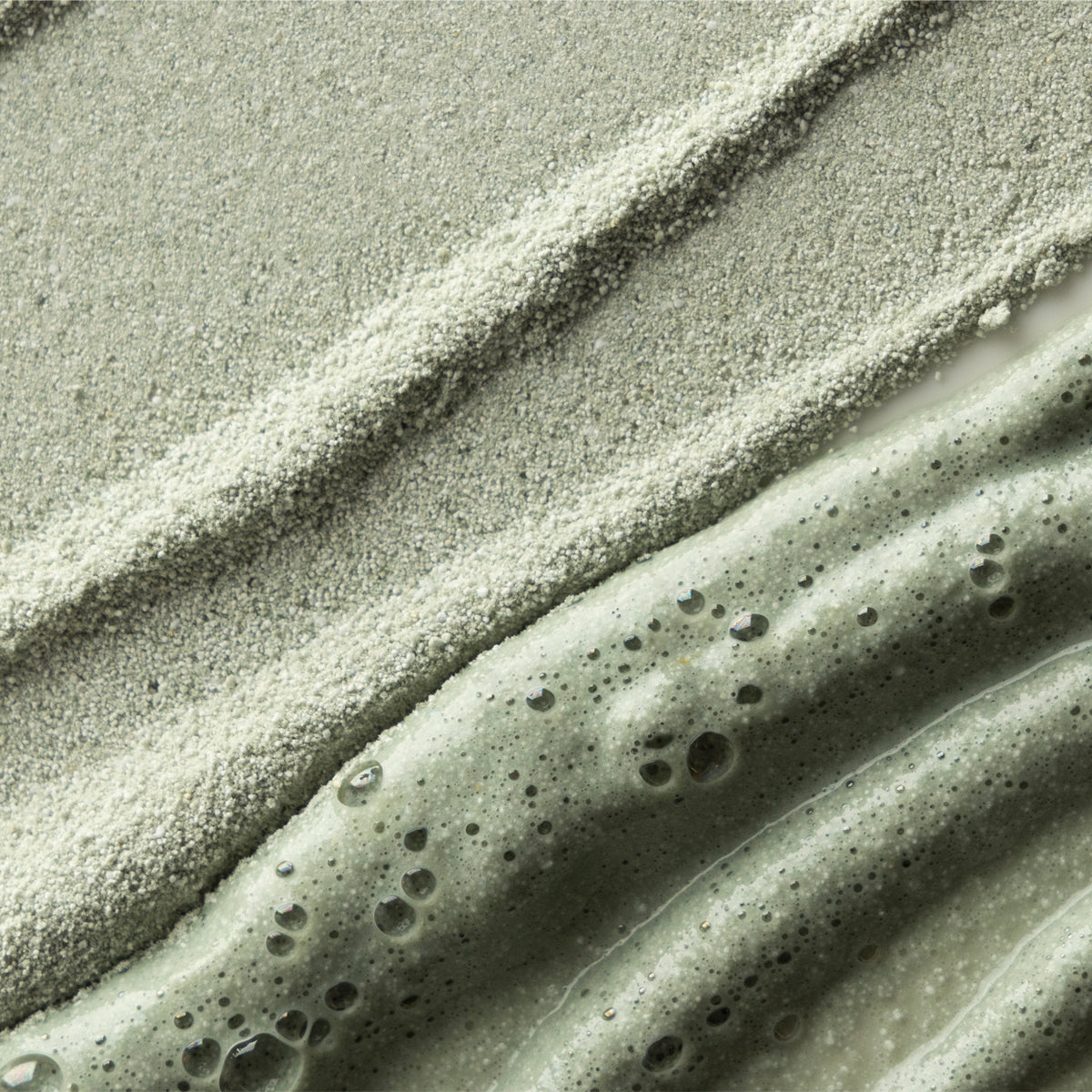
In fact, many of the skincare ingredients we use and love today were developed with other uses in mind, or have been applied to cosmetics through trial and error. One such ingredient is rice bran, a treasure of Tatcha skincare; used as a source of food and drink, it has been observed to also positively affect the appearance of skin—as noted by the occasional visitor to a sake factory, where workers toiled over vats of rice water with soft, supple hands. Then used as a cleansing powder in Japanese skincare routines by geisha performers, it now features in a number of skincare formulations designed to soften and improve the look of skin.
Many such ingredients are being discovered and reapplied nearly every day, now that our understanding of the biological mechanisms that power them has improved. When studied with modern science, medicinal herbs that have been used for centuries tell a story about how they function. Some of these stories are as old as time; others are less familiar.
In recent years, the grain known as hops—usually more germane to conversations about beer than ones about face cream—has been incorporated more and more in formulas that promise anti-aging skin benefits. Even if you previously knew hops as essential to beer making, or even as an herbal medicine, allow us to reintroduce it as a powerful skincare ingredient.
What is hops?
According to the venerated British Hop Association, the plant is almost as old as history itself. Hops was believed to be cultivated in Europe during the earliest centuries AD, by way of farther flung places like Egypt and China. But the plant was much more widespread by the 17th century, when ale as the English’s beverage of choice was superseded by beer made with hops.
Hops itself is the conical flower from the plant known as humulus lupulus, and it gives beer its particular aroma and taste. (Indeed, beer lovers often discuss brews in terms of their “hoppiness,” or flavor profile.) But they also have an antibacterial benefit that keeps beer fresher for longer, which is a big part of why hops-brewed beer with hops is the most widely popular application of the plant.
Hops also has a rich history in herbal medicine, and has been listed in popular pharmacopeias for as long as they’ve been around. This is thanks to a range of benefits that hops carry when ingested. These benefits, which span from the antibacterial to the anti-inflammatory to even the sedative (hops has been suggested as a treatment for insomnia) give this herb a reputation among experts as “a life-prolonging plant.” And, it turns out, it gives more than just life.
What are hops’ benefits for skin?
It’s difficult to pin down when, exactly, humulus lupulus flowers made their way into skincare formulas.
A 2017 safety assessment on humulus lupulus by the Cosmetic Ingredient Review cited studies that broke down the biological components of hops as far back as in the 70s and 80s, but studies of how hops interact with skin didn’t begin to appear until the mid 2010s. A closely-related ancestor, Japanese hops (humulus japonica) has been shown to have antioxidant powers that could repair free radical damage from aging or pollution. By 2017, less than 400 cosmetic formulations contained hops extract. The report also showed significant levels of compounds like polyphenols, acids, proteins, and essential oils. A 2022 study confirmed a high antioxidant content that, pending clinical trials, could lead to a range of other therapeutic benefits for hops.
An abundance of antioxidants, paired with antibacterial properties, makes hops extract an attractive ingredient for a number of skincare formulations. One study suggested that hops could be useful in managing the properties attendant to acne-prone skin, in addition to starting an acne skincare routine. Some Redditors have even drawn anecdotal lines between hops and clearing up redness. In any case, hops extracts now feature in the ingredient lists of all sorts of skincare formulations, but are commonly found in high-end serums that promise targeted effects on the skin.
How often to use hops
The answer to how often you’ll use hops extract on your skin depends on the formula you find it in. Some lighter-weight daily products, like cleansers or serums, can be used multiple times daily. Others such as night creams or treatment masks can be used more sparingly for the same results.
Given the powerhouse skin benefits of hops, it's natural to wonder whether it’s too strong for regular use. Always talk to your dermatologist or licensed aesthetician if you have concerns about your skin and how an ingredient might interact with it. Still, it may interest you to know that as recently as this year, the CIR has reviewed the safety of hops extract and concluded them to be totally safe in cosmetic formulas, as long as they’re used according to industry-wide concentration thresholds. Cheers!
Earth to face: The power of botanical skincare
More and more, skincare formulators of all kinds are blending the new with the old: Science-backed, high-tech new ingredients find themselves paired with tried-and-true superplants that have demonstrated benefits when applied to skin for centuries. Why would we stop using them now?
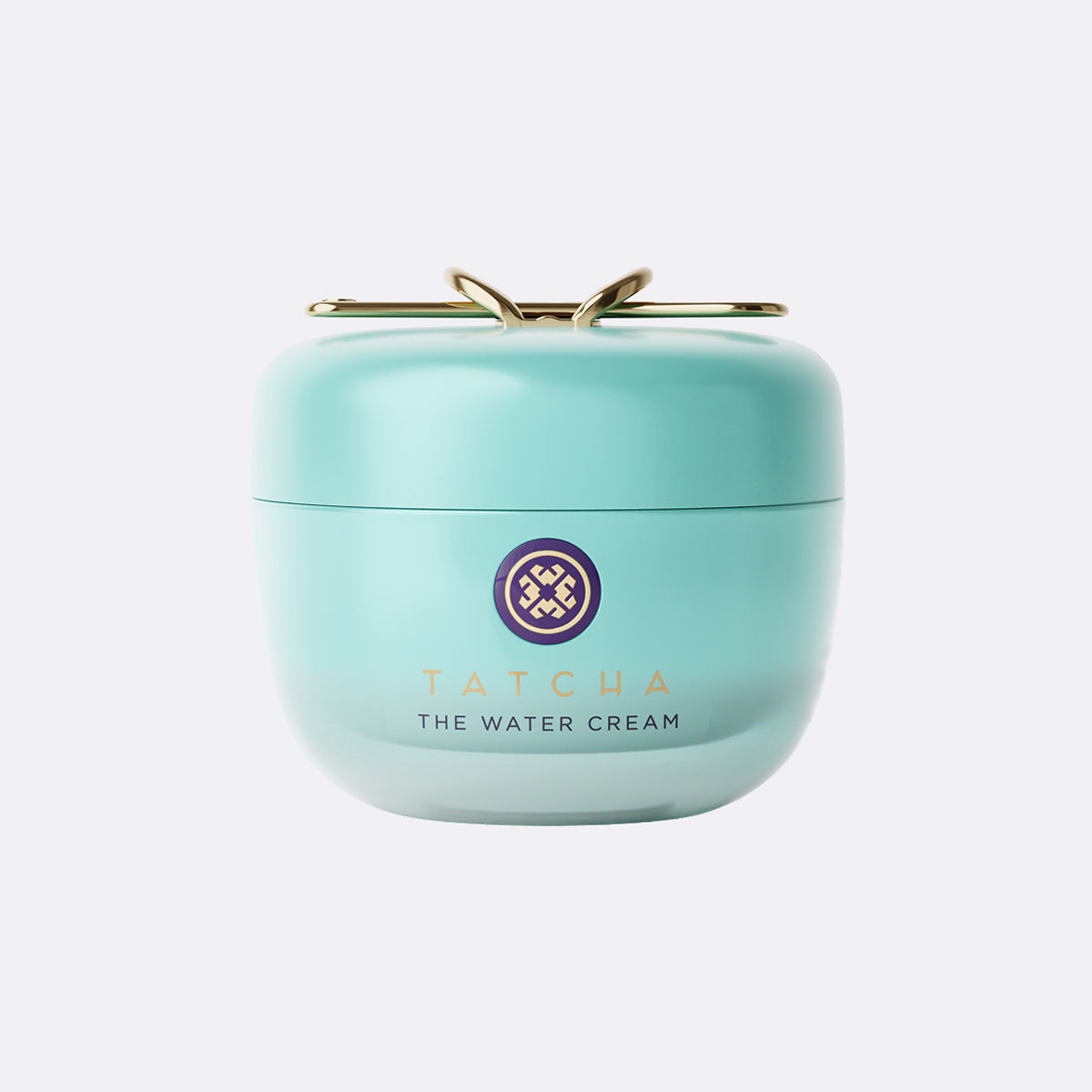
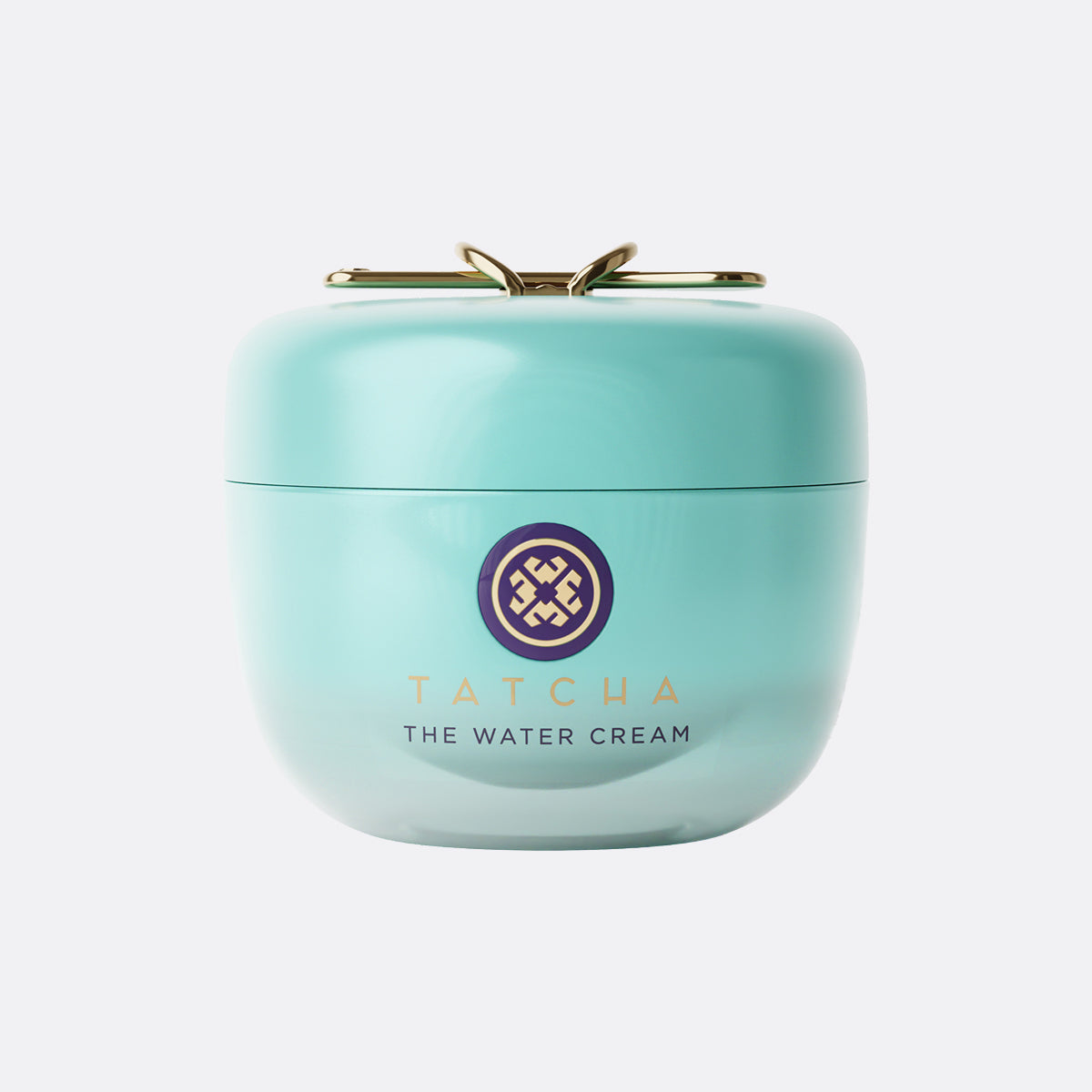
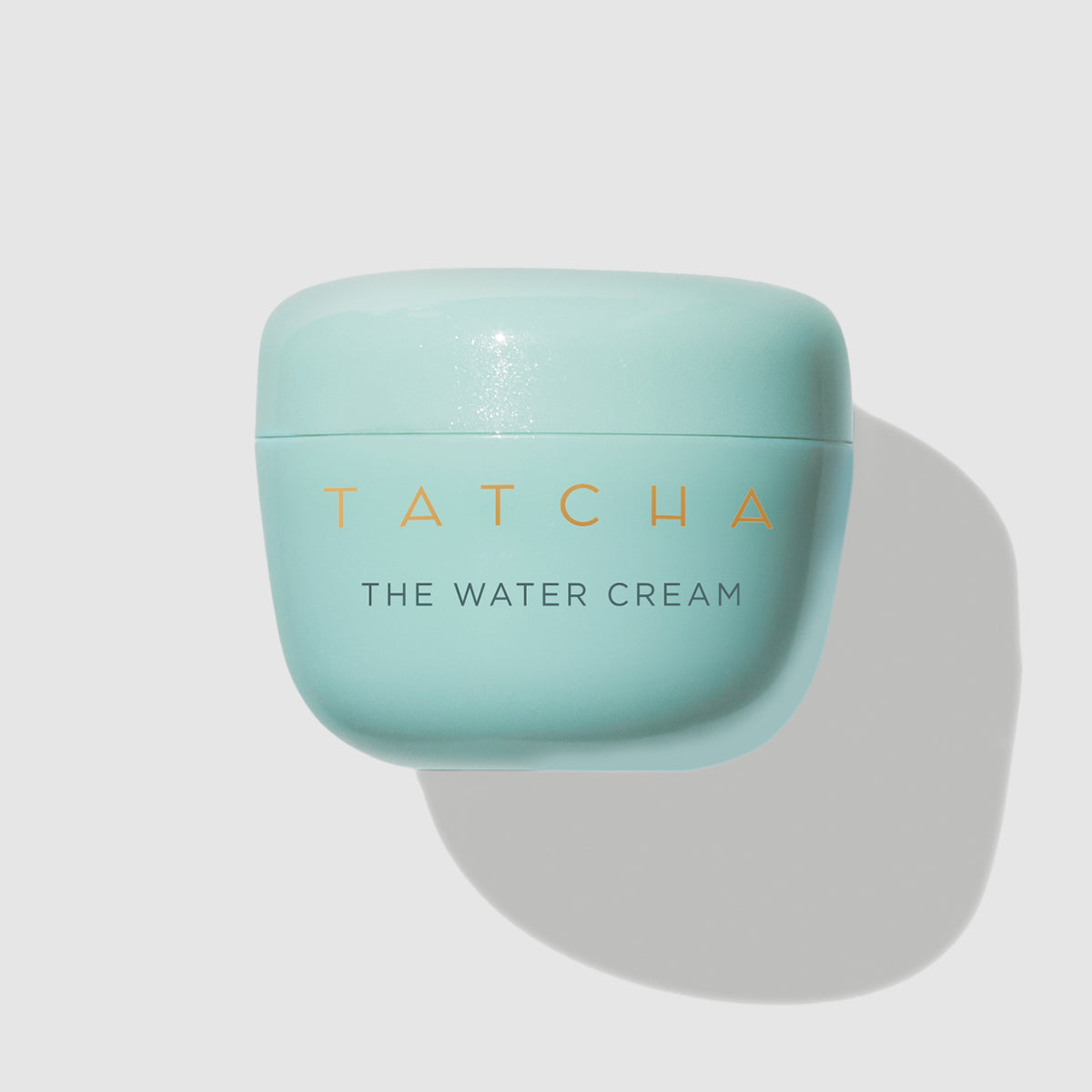
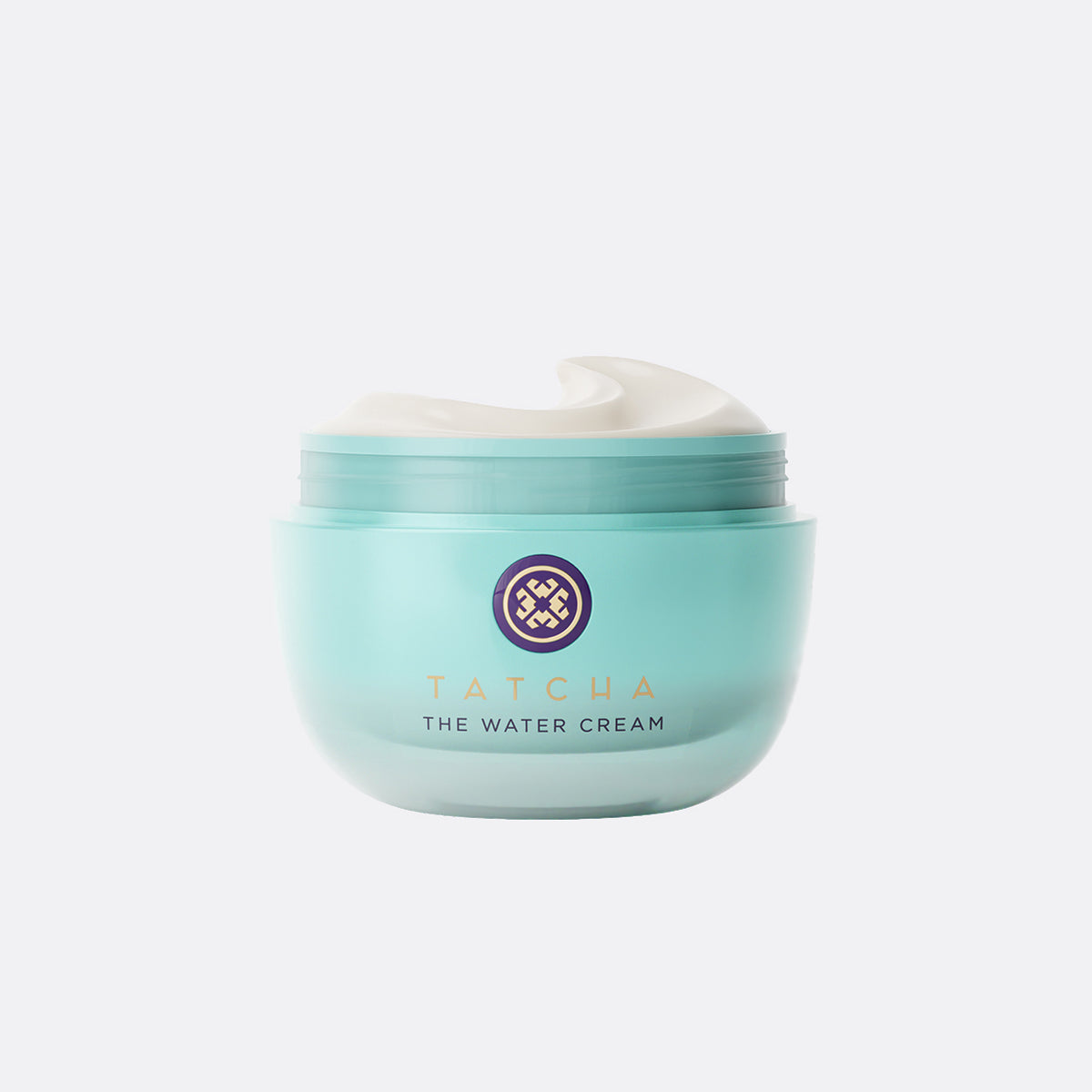
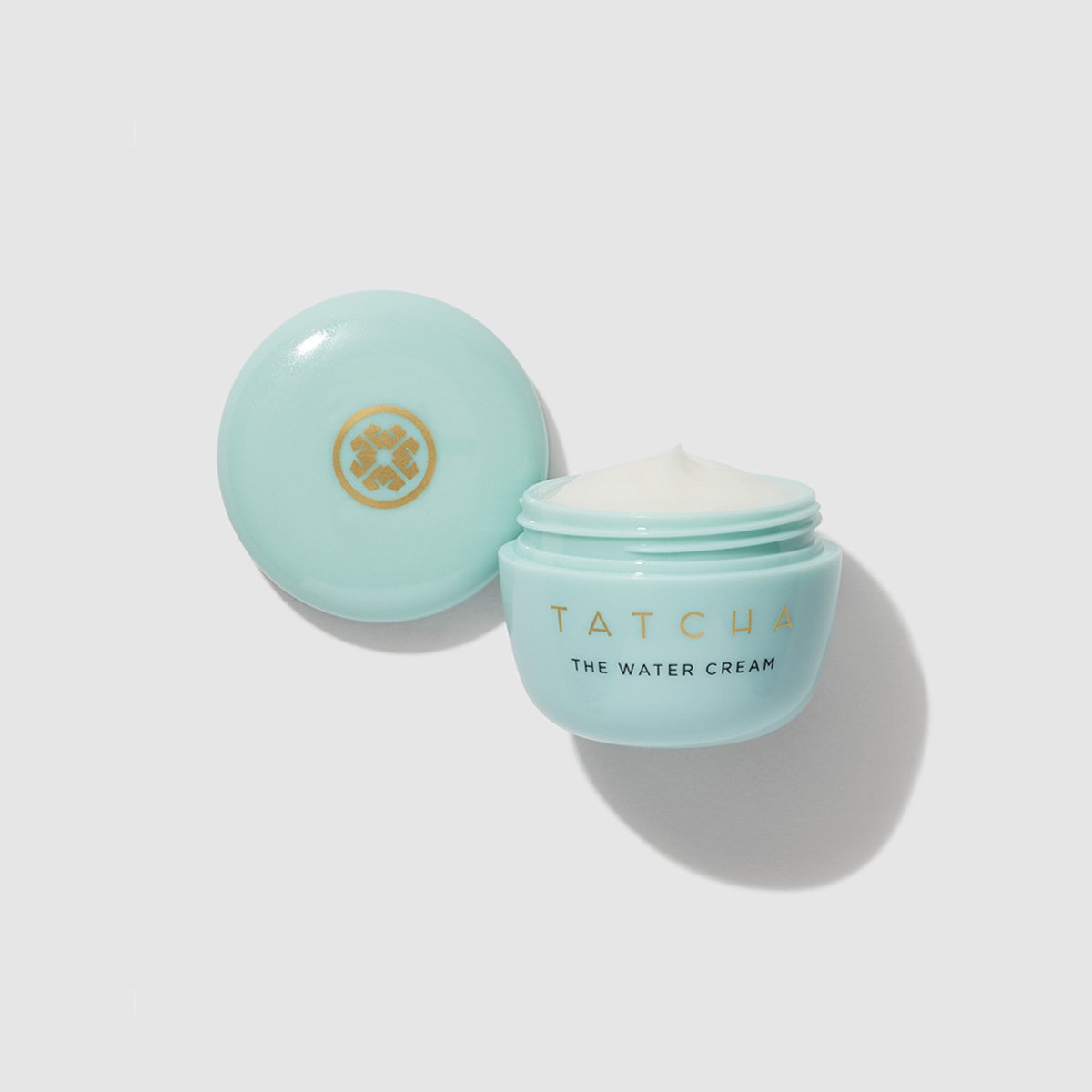
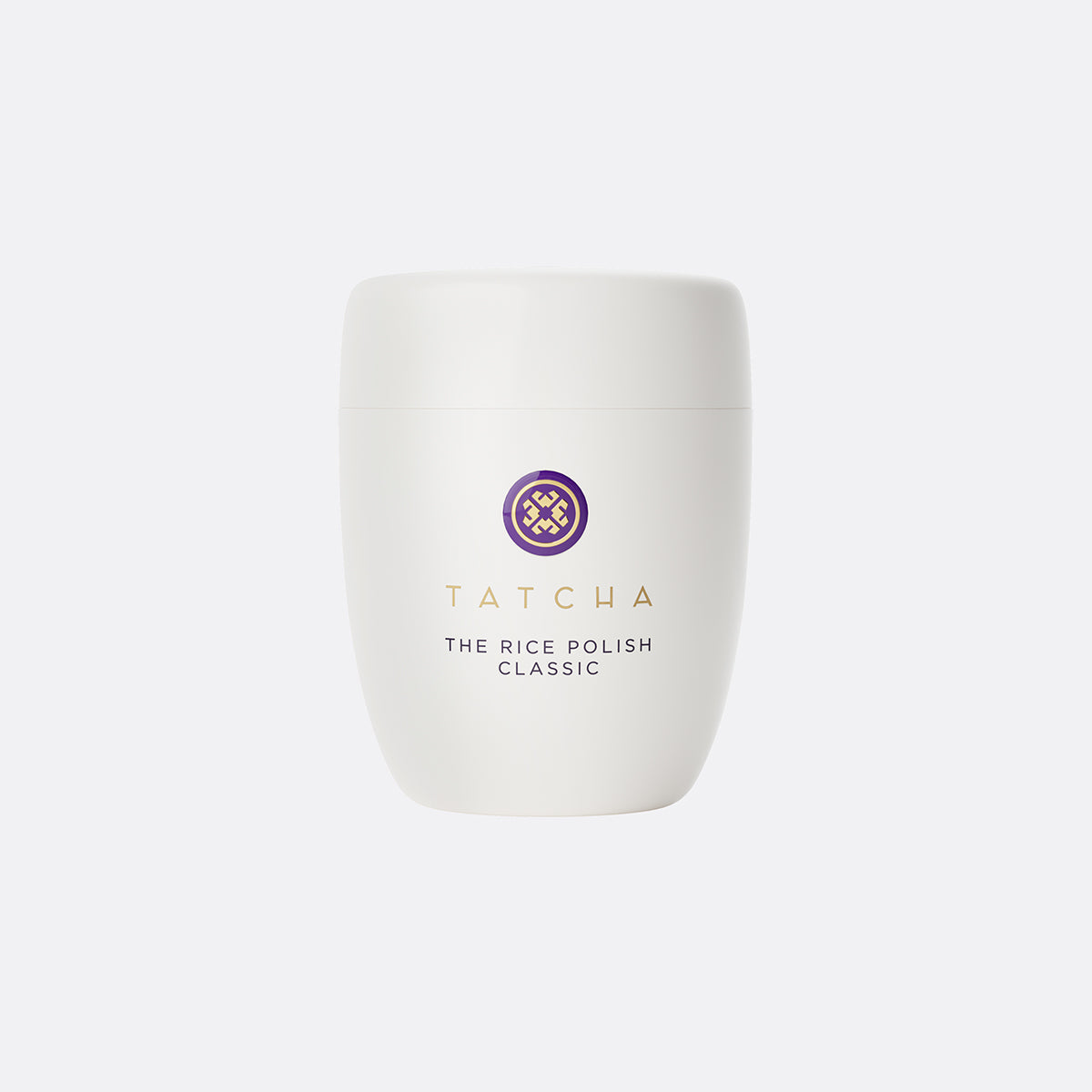
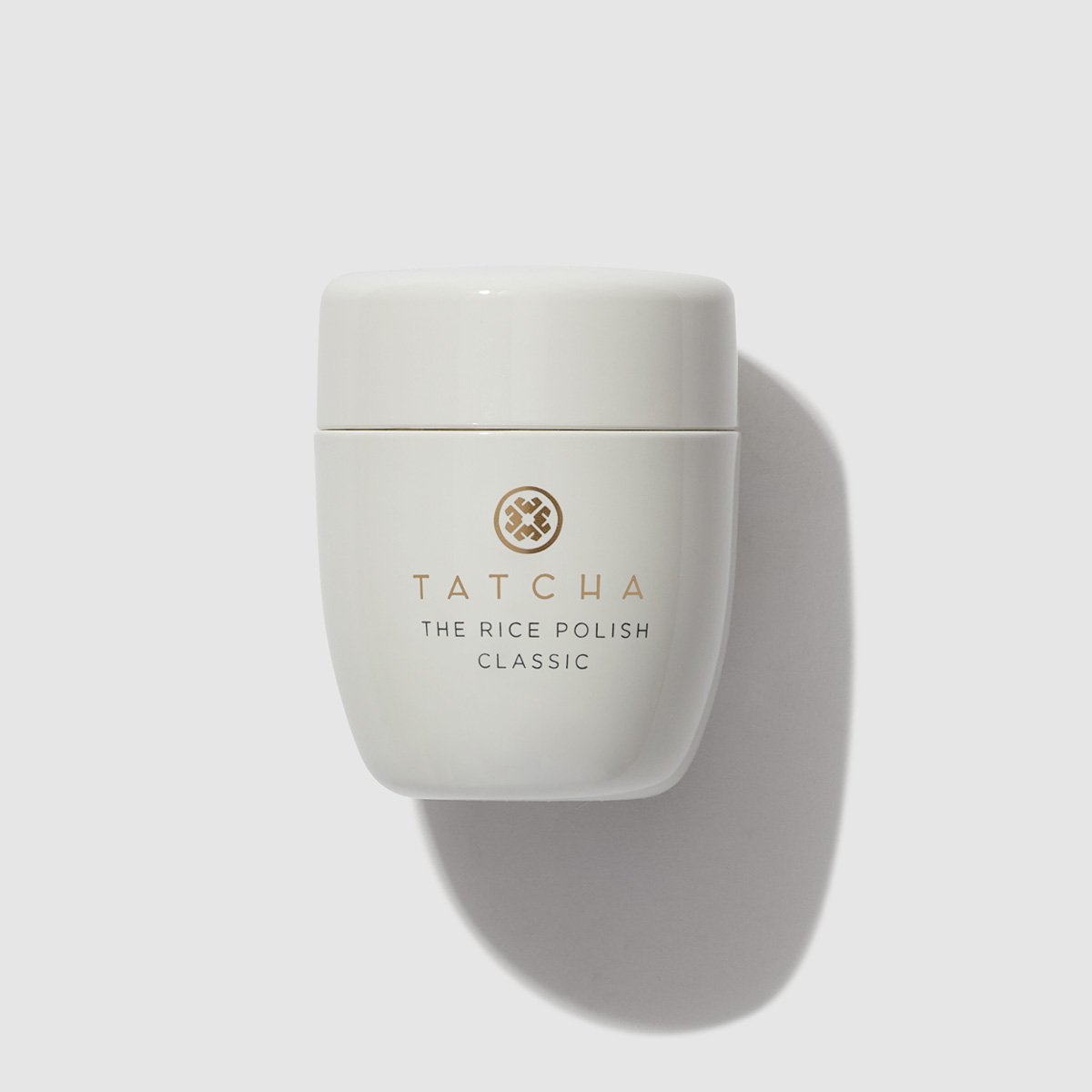
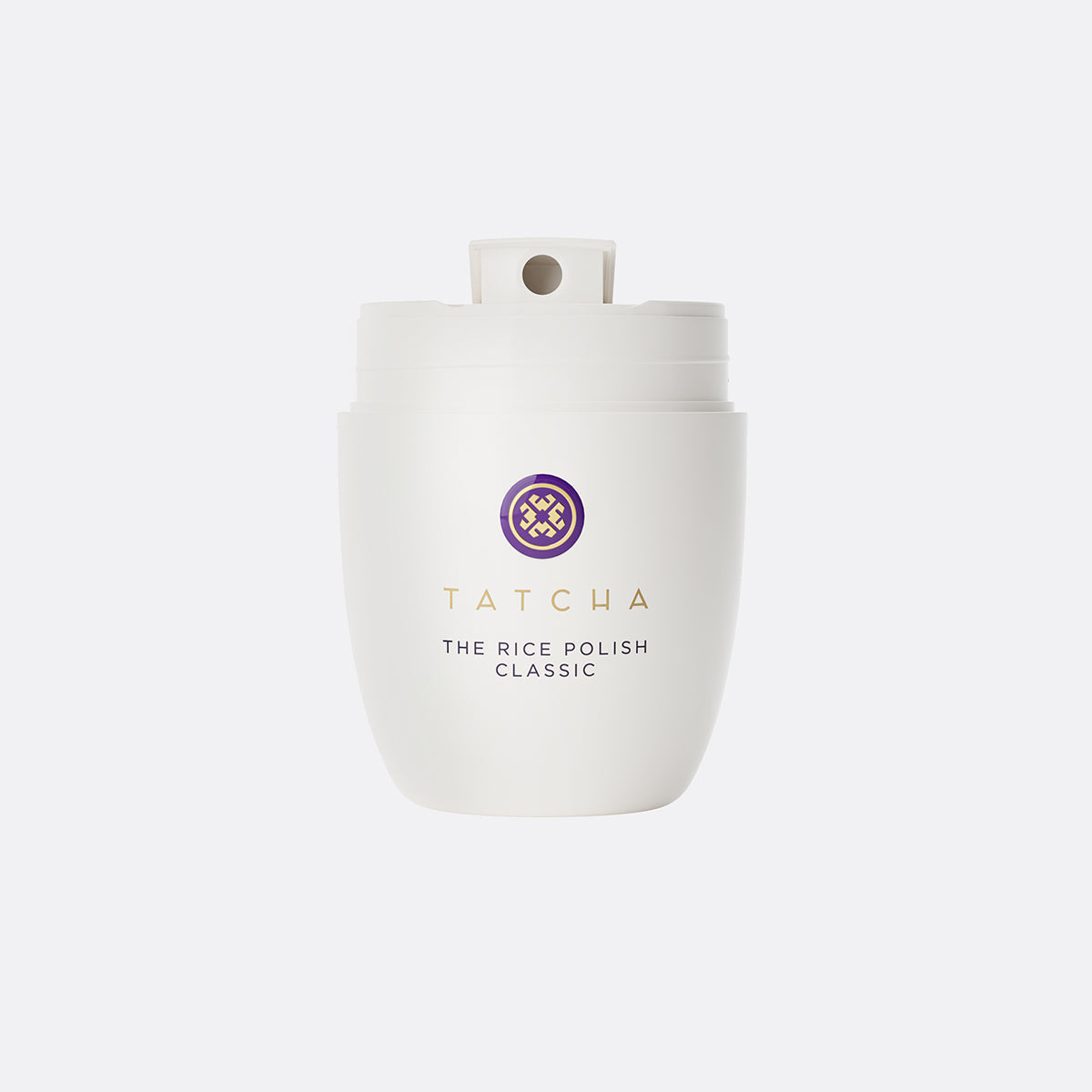
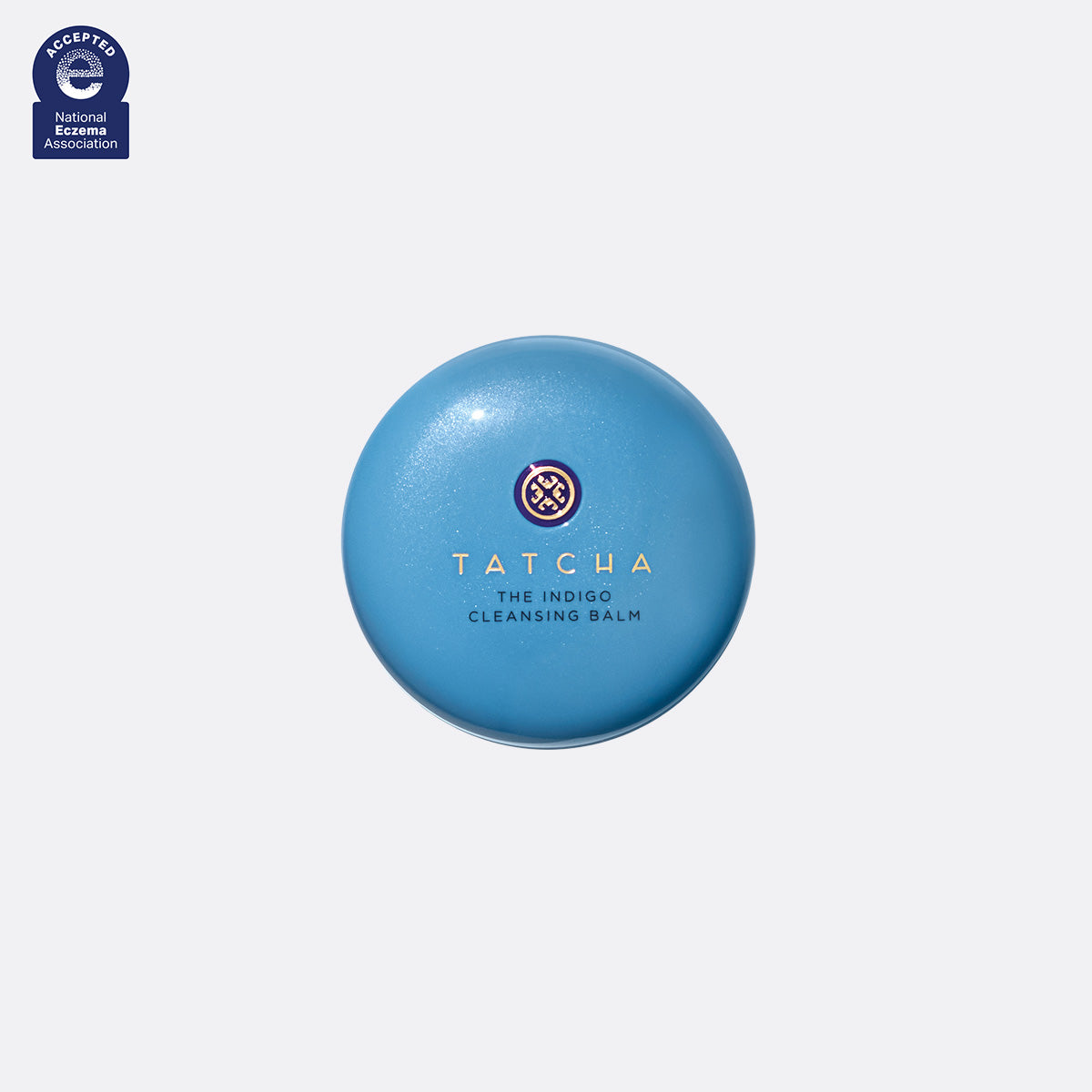
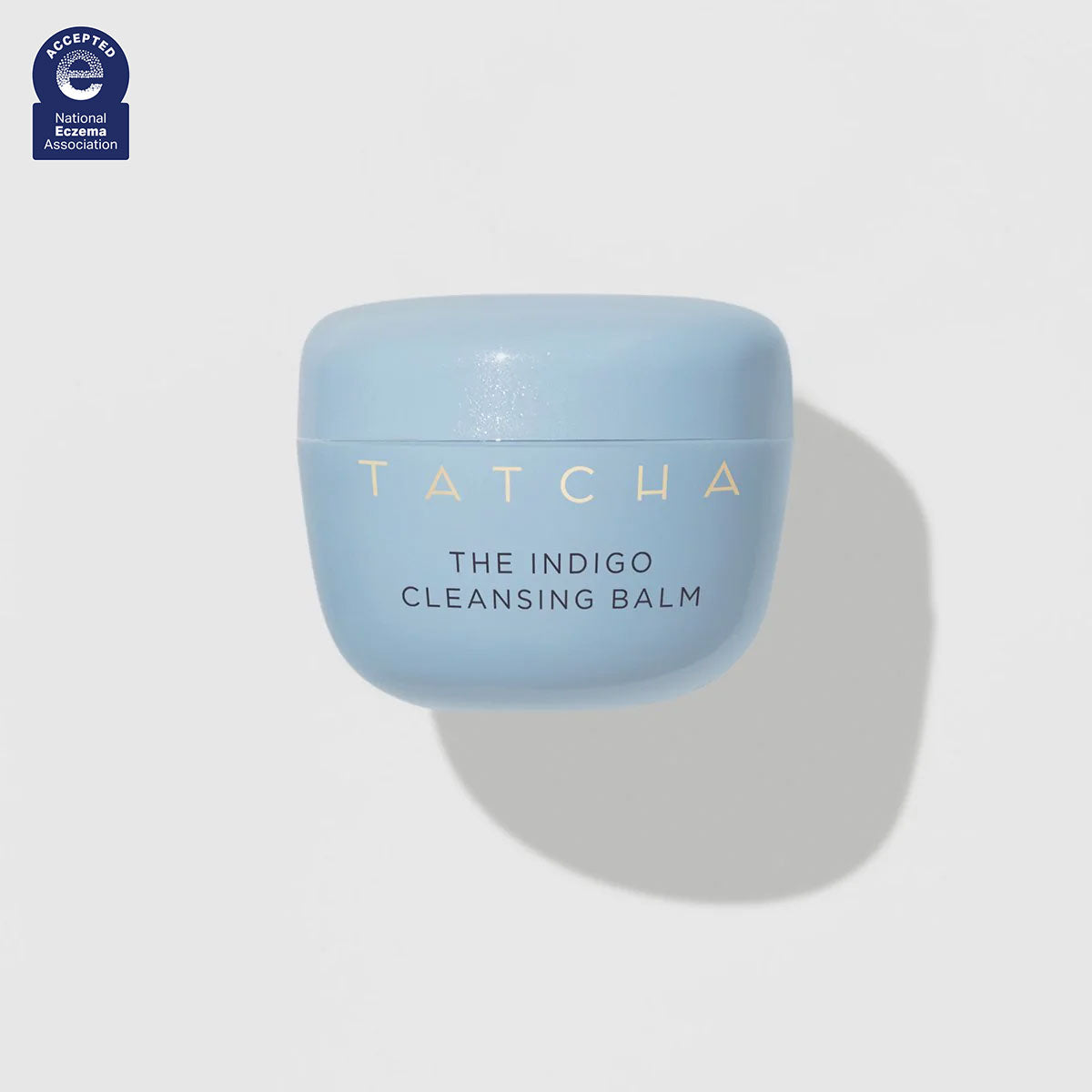
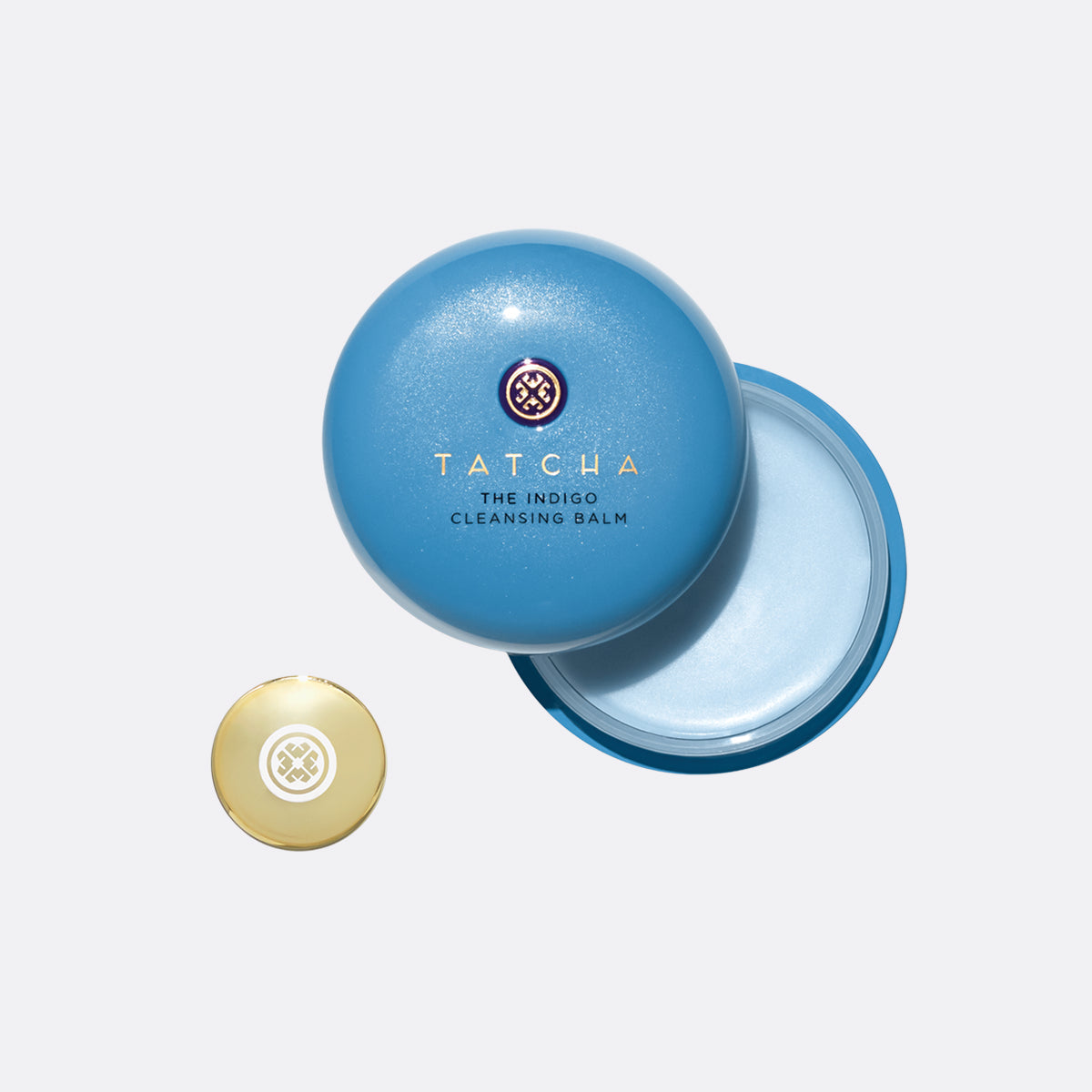
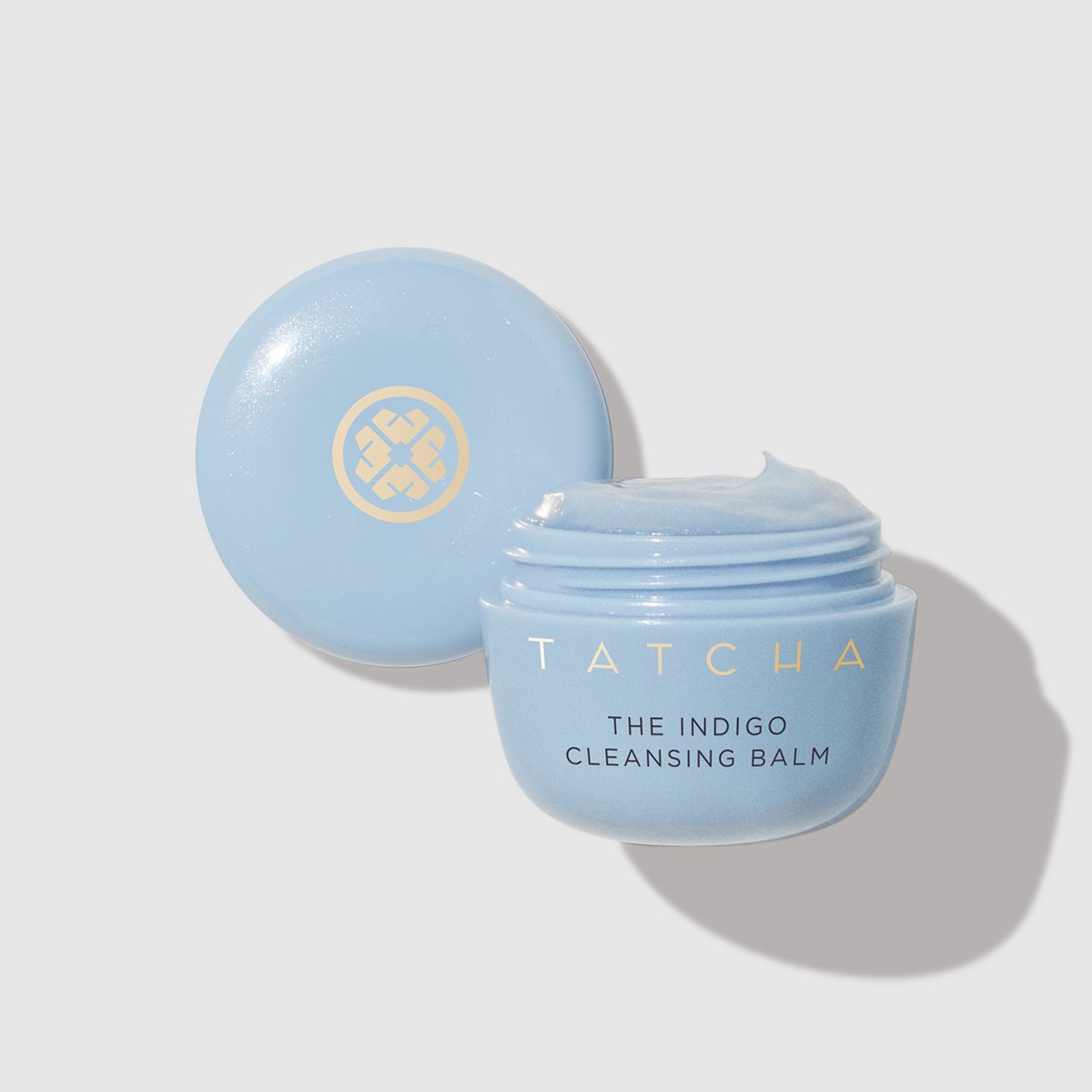
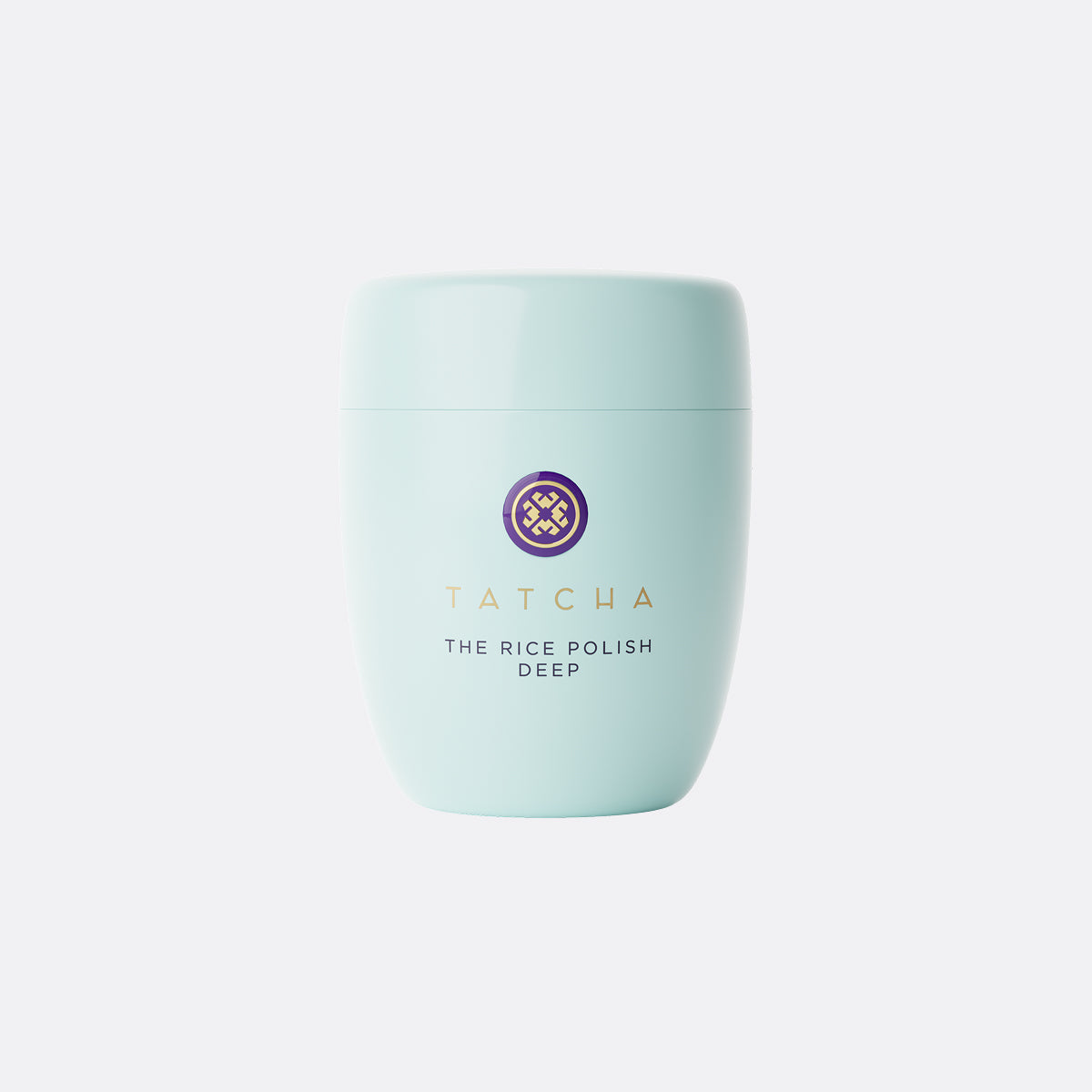
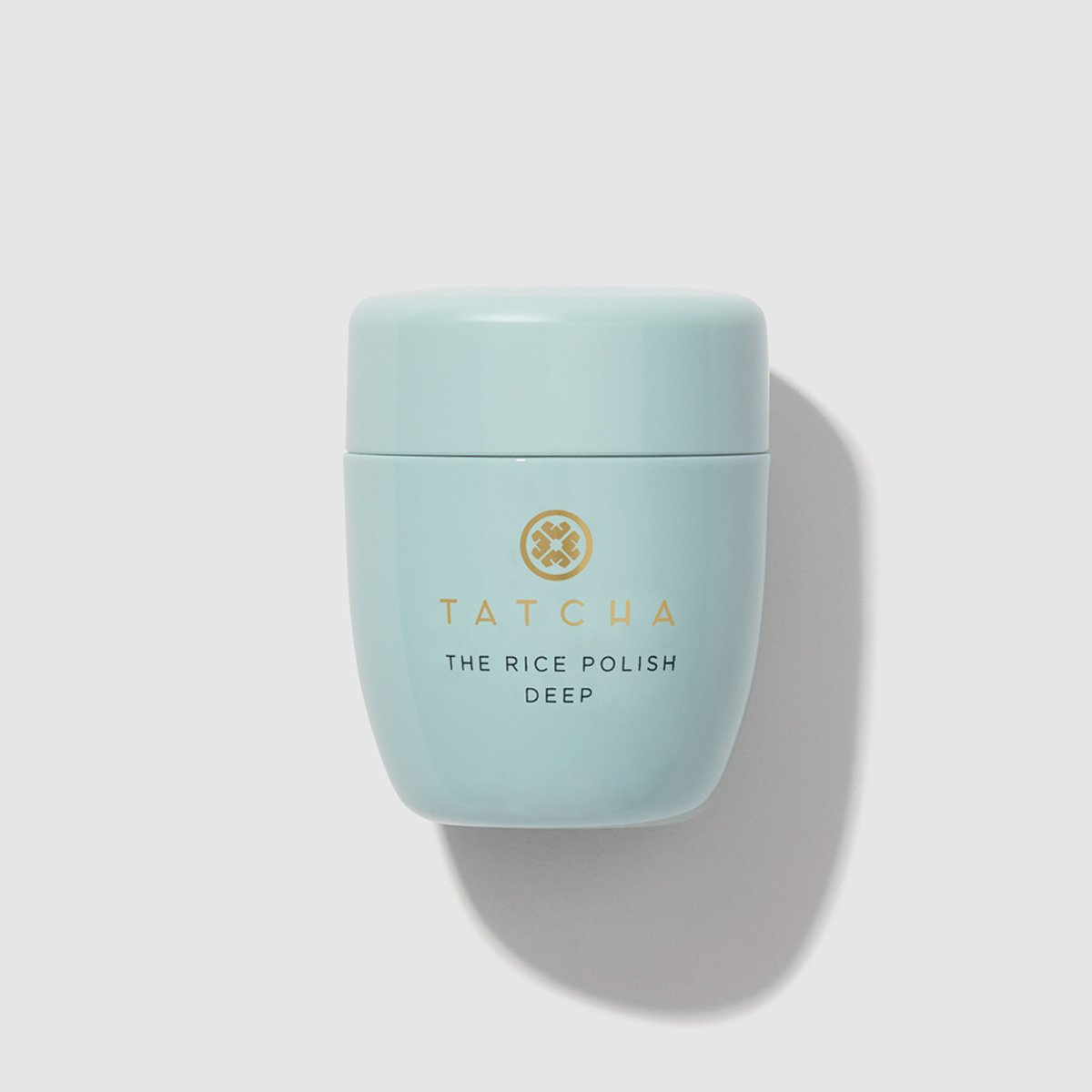
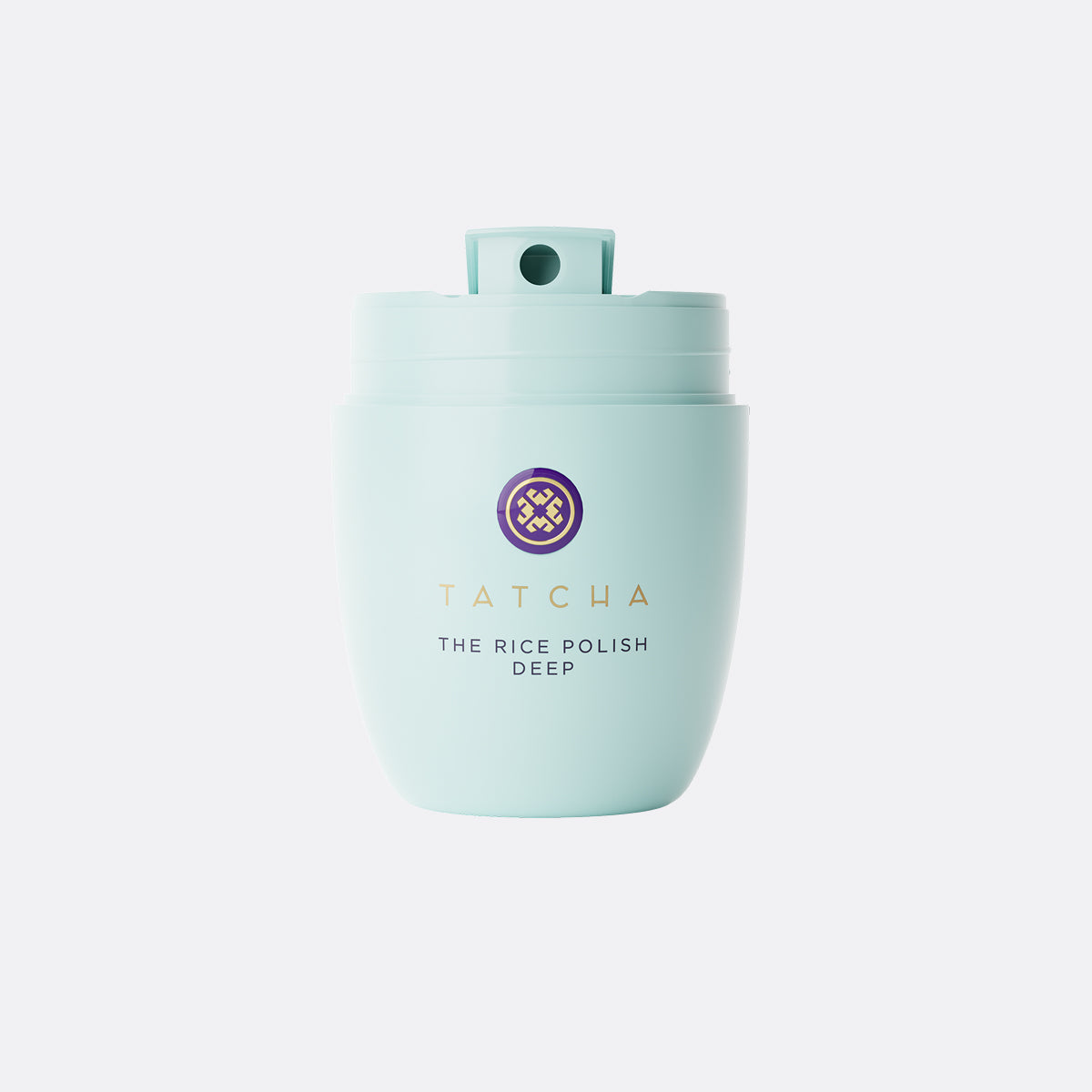
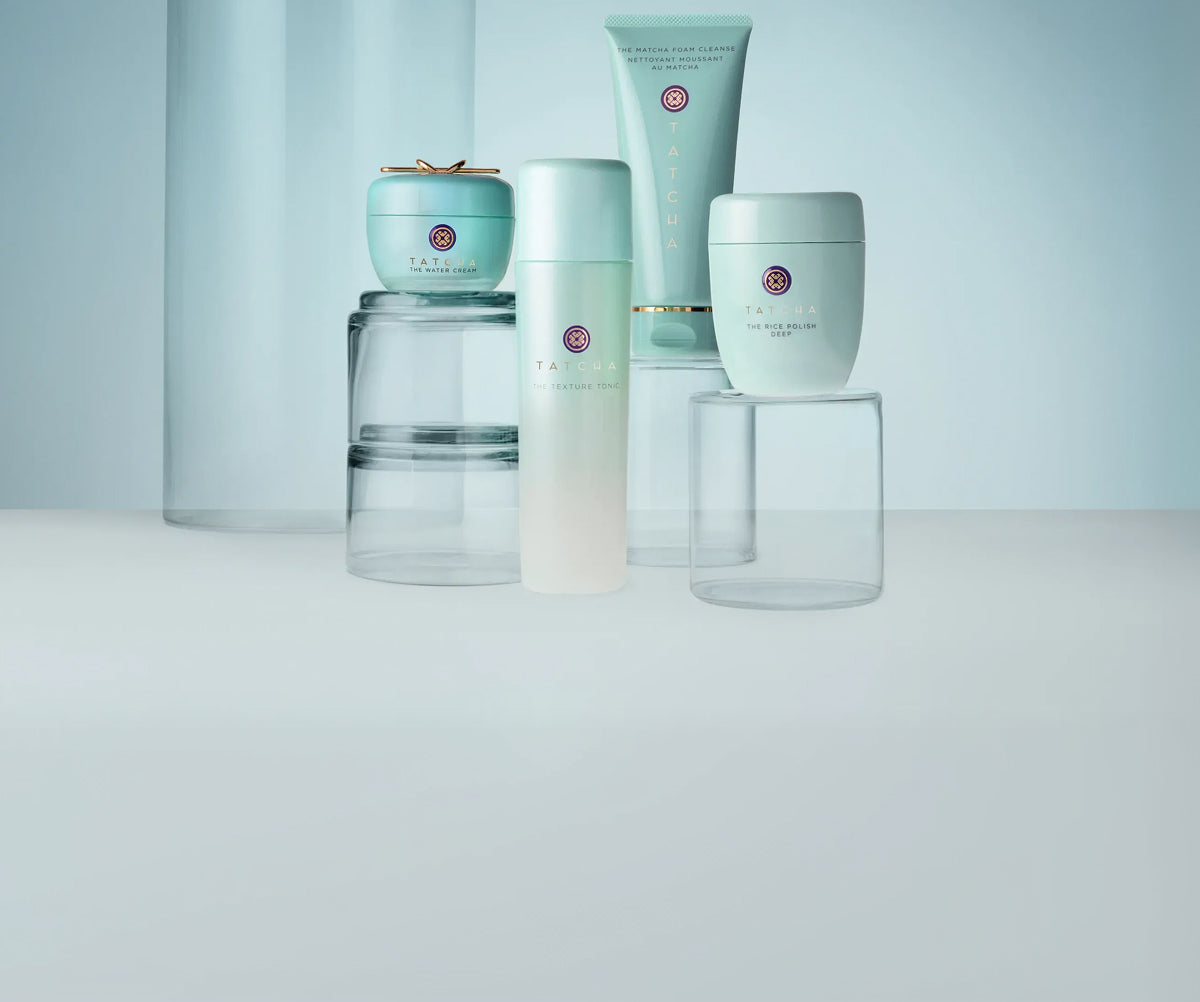
Each and every formula in Tatcha’s collection is the result of this harmony across time. Take the Water Cream, one of the brand’s bestselling moisturizers, made with a combination of heartleaf and wild rose that, together, provide a smoothing effect not dissimilar to the one hops extract is noted to provide. Or the Rice Polish, which is based on a rice bran inspired by the beauty routines of geisha performers and enhanced with the brand’s proprietary blend of healthy-aging actives, Hadasei-3. Or the Indigo Cleansing Balm, a velvet-soft solid oil that not only melts away makeup, dirt, and impurities, but also soothes skin using Japanese indigo extract. Centuries ago, indigo-dyed fabrics were used to dress wounds, or given to newborns, to symbolize protection. Now, distilled into a moisturizing cleanser, the humble plant continues to protect and soothe. Its legacy lives on, in a new way.