Summary
- Every time you go outdoors without sun protection, UV light damages your skin. This damage builds up, and you see noticeable changes to your skin, like wrinkles, fine lines, age spots, unexpected loose skin, and/or blotchy and uneven skin tone.
- This repeated sun exposure is called photoaging, and it isn’t just potentially unsightly, it can also be dangerous, leading to skin cancer.
- While sun damage can at times be more permanent at the cellular level, some products and treatments can help reduce some signs of sun damage. This includes exfoliants, vitamin C serums, and reparative sunscreens. It can also include more advanced treatments at the dermatologist's office, including lasers, peels, and microdermabrasion.
Skin damaged by repeated sun exposure can lead to a host of issues, including sun spots, wrinkles, and a blotchy appearance. But a handful of products and treatments can help lessen the effects and repair sun-damaged skin. Keep reading to find out more.
It is undeniable that the sun damages the skin. However, you might think that as a sunburn fades, the damage does too. But when UV rays penetrate the skin, they can cause lasting damage that may not be visible at first but can leave a long-term mark. While prevention is key, there are a handful of products that can address existing damage — here is the best advice on how to repair sun-damaged skin at home.
What Does Sun-Damaged Skin Look Like?
To effectively repair sun damage, you first have to identify what type of damage you might be experiencing. The American Academy of Dermatology says that every time you go outdoors without sun protection, UV light damages your skin. (Every single time — wow!) With time, the Academy notes, this damage builds up, and you see noticeable and visible changes to your skin. The medical term for these changes is “photoaging,” but you might also see it referred to as “premature aging” or “sun-damaged skin.” This sun damage can include wrinkles, fine lines, dark spots, unexpected loose skin, and/or blotchy and uneven skin tone. However, this photoaging isn’t just potentially unsightly, it can also be dangerous: The AAD says sun damage can also lead to skin cancer.
Can You Repair Sun-Damaged Skin?
You can repair the look of skin damaged by the sun…but you unfortunately might not be able to reverse the damage. According to the Cleveland Clinic, once UV radiation changes your skin cells’ DNA, the DNA damage can’t be reversed. (A good reason to be consistent with daily sunscreen is to prevent this damage from occurring in the first place.) However, plenty of treatments and products (see below) can help to reduce and repair the effects of sun-damaged skin, improving the look, tone, and quality of skin over time.
How to Repair Sun-Damaged Skin
While damage itself can be more permanent, says the AAD, some products and treatments can help reduce visible signs of sun damage. Here are a few of the most notable options, many of which work congruently.
Exfoliate
Exfoliants are designed to encourage cellular turnover, which allows skin cells to slough off so new cells come to the surface. They can also stimulate collagen production, helping skin to appear more youthful-looking.
Apply Vitamin C and Antioxidants
Antioxidants work on multiple levels. They help to slow skin aging by shielding it from environmental damage (aka free radicals) and decreasing the breakdown of collagen. Vitamin C is a powerful antioxidant, but it can take things a step further by helping to brighten the complexion and reduce the look of dark spots. On top of all that, antioxidants can also boost the efficiency of your sunscreen, helping it to work even better.
Try Up-and-Coming Ingredients
In the golden age of skincare, ingredients are getting more impressive by the day. This includes up-and-coming ingredients that are tied to slowing signs of skin aging and protecting skin, like ectoin and niacinamide. Ectoin is a potent hydrating, soothing, and pore-minimizing antioxidant. One paper discovered that ectoin can shield skin from “UVA, UVB, visible and infrared light, environmental pollution, and other potentially harmful factors” due to its anti-inflammatory and antioxidant properties. Another ingredient finally getting its due is niacinamide, which is known for its ability to visibly even skin tone. When added to skincare products, studies show that niacinamide can help minimize the appearance of sun spots.
Apply Daily Sun Protection
Without consistent daily protection from harmful UV rays, all these treatments are basically moot. Sun damage will continue to accumulate, and all the results from the above-mentioned products will be minimized without daily sunscreen. Plain and simple: sun protection can help prevent, slow down, and even reverse signs of sun damage, says the AAD. But to get these results, sunscreen must be used every day, even when it’s overcast or cold outside.
In addition to sunscreen, sun protection also includes clothing with UPF (ultraviolet protection factor), umbrellas or parasols to shield from the strongest rays of the day (usually between 10:00 am and 4:00 pm), wide-brimmed hats, and sunglasses with UV protection. Don’t forget about your lips, too, which can also get sun-damaged. Frequently apply lip balm with SPF and reapply after eating, drinking, or every few hours when spending extended amounts of time outdoors.
Opt for In-Office Treatments
For more severe sun damage, consult with a board-certified dermatologist. Treatments your derm might consider include lasers, peels, and microdermabrasion.
Products That Help Repair Sun-Damaged Skin
How do you repair sun-damaged skin? A handful of products are designed not only to shield the skin from the sun but also to help repair it. Here are a few of our favorite formulas to consider.
Exfoliants
If you love chemical exfoliants, try the liquid exfoliating The Texture Tonic, which removes dead skin cells and visibly evens skin tone with fruit AHAs, niacinamide, and Japanese mugwort. In addition to brightening the appearance of dark spots, the unique chemical exfoliant visibly tightens pores, reduces redness, and minimizes excess oil. 100 percent of users showed an improvement in skin clarity, smoothness, and radiance immediately after use.*
*Based on a clinical study of 40 panelists.
For those who prefer a physical exfoliant, consider The Rice Polish, a water-activated powder that transforms into a delightful creamy foam with just a few drops of water. In clinical studies, 100 percent of users showed improvement in skin texture, smoothness, and radiance.* The other wonderful thing about The Rice Polish is there’s a formula just for you, thanks to the many different types of Rice Polishes – including Gentle, Calming, and Deep – so you can find the polish that best suits your skin type.
*Based on an expert grading clinical study on 40 panelists.
Brightening Serums & Creams
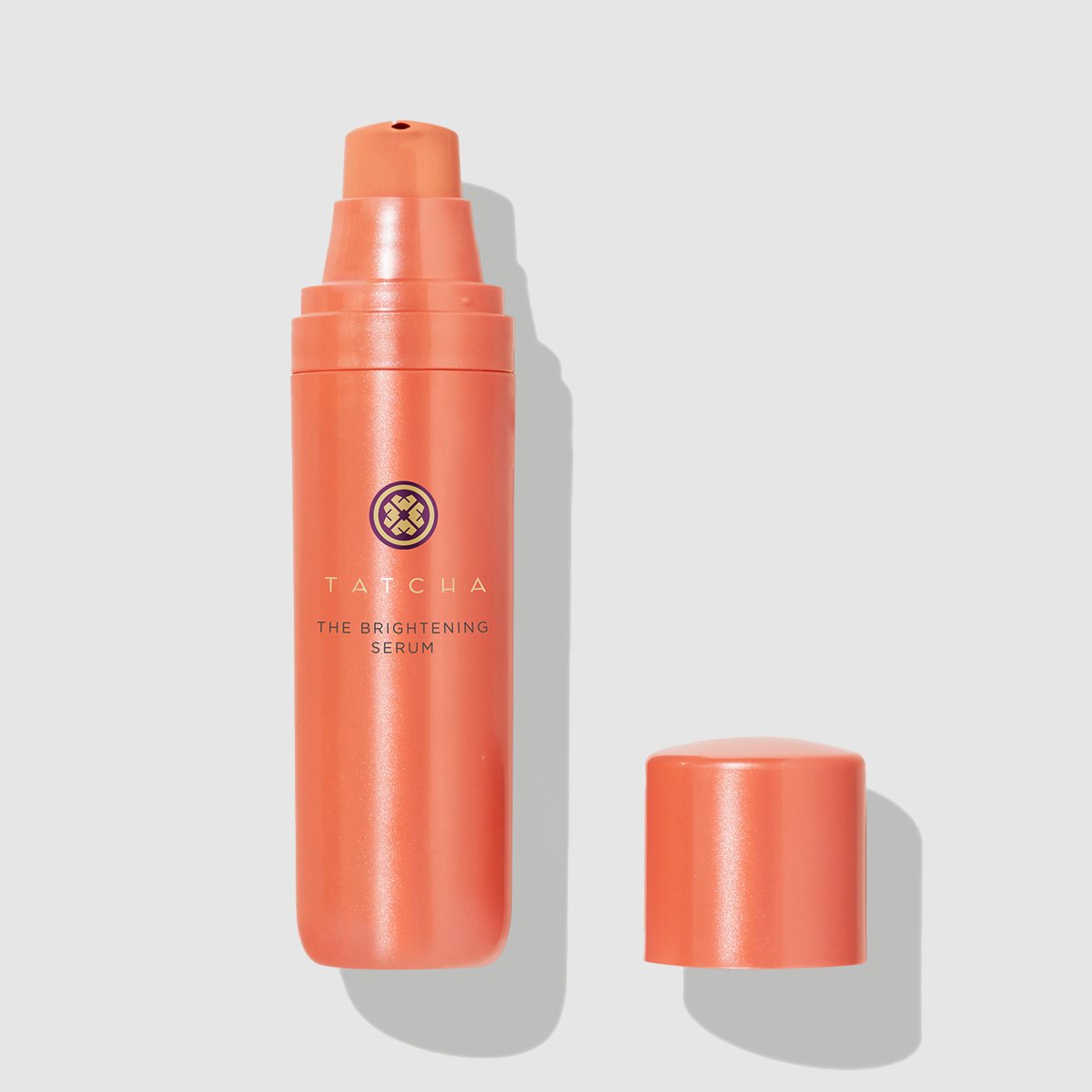
The Brightening Serum is designed to address dullness, dark spots, post-acne marks, and uneven skin, texture, and tone in one single product. Skin is clinically proven to look brighter and visibly firmer in just a single week,* featuring 12-hour time-release vitamin C, Japanese plum, ferulic acid, and glutathione. (The time-release vitamin C slowly releases the potent antioxidant over 12 hours, so it can brighten and visibly even tone while reducing the potential for irritation, which can occur easily with other formulas due to the sudden flood of active ingredients.)
*Based on a clinical study of 18 panelists.
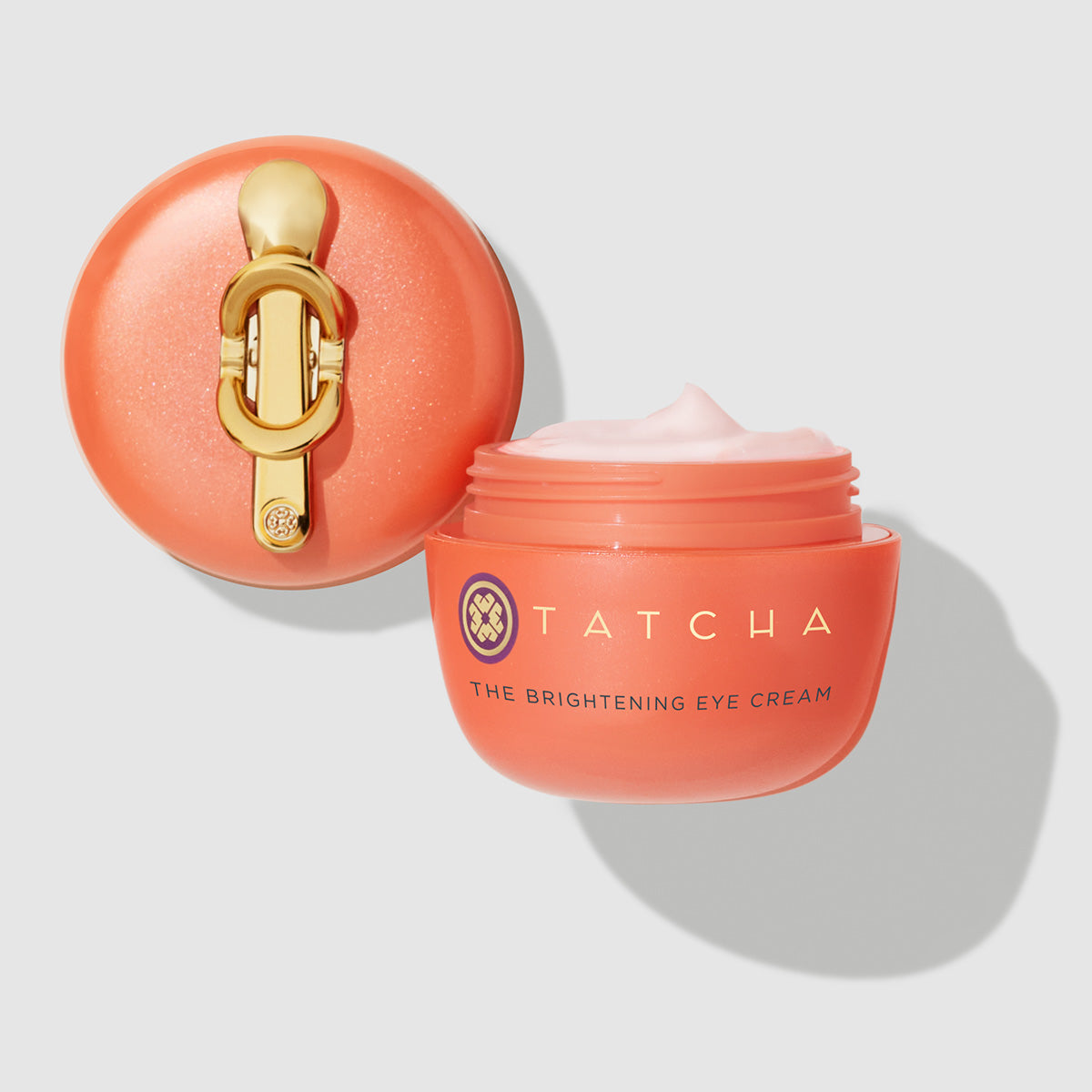
Tatcha knows that dark spots and sun damage don’t stop near the eye area, so we created The Brightening Eye Cream, a cream that depuffs, targets multiple types of dark circles, and visibly lifts for an instantly well-rested look. The lightweight, fast-absorbing, and non-sticky cream includes time-released vitamin C, encapsulated niacinamide (to target inflammation and improve the look of fine lines), and Japanese plum (to depuff, brighten, and lift the delicate area).
A Protective Sunscreen
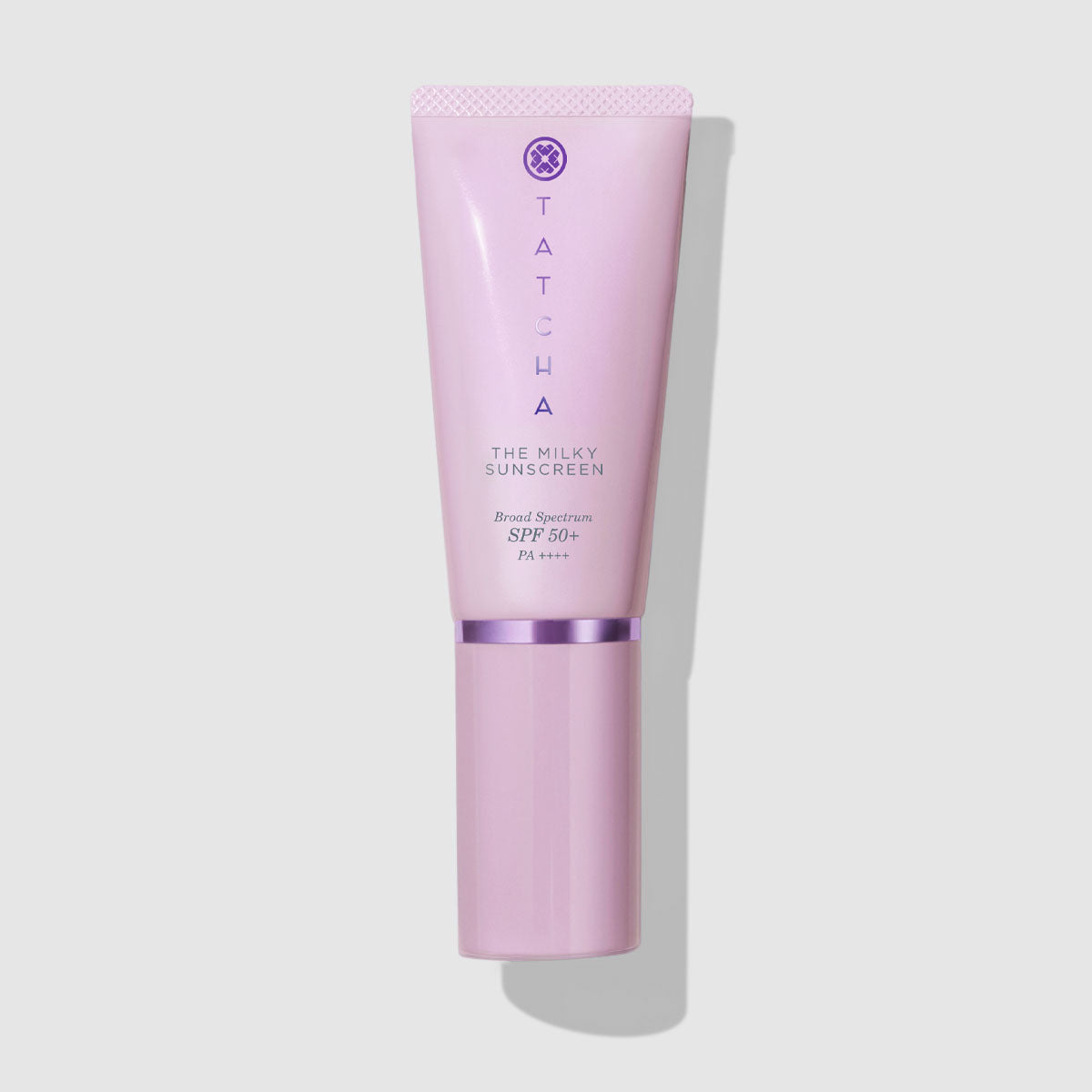
Sunscreen is a passion for Tatcha, so we’re always looking for up-and-coming and innovative ingredients to help boost our SPF formulas. Our newest sunscreen innovation, The Milky Sunscreen, features encapsulated ectoin, vitamin E, and Okinawa aloe to repair and diminish the look of previous UV damage. Shielding you from future damage while also addressing past UV damage is game-changing. But it feels fantastic too: The ultra-lightweight sunscreen also provides cellular-level hydration for deep moisture. Refreshingly light, it absorbs quickly and leaves skin feeling soft and smooth with a natural finish that works across skin tones and types. With 50+ broad-spectrum protection, The Milky Sunscreen is about to be your everyday sunscreen favorite.
In a clinical study of 30 panelists, 100% of users showed an immediate improvement in moisturization and skin barrier, and after two weeks of use, users showed visible improvements in fine lines, redness, and dark spots.
Sun damage can happen to anyone. The trick to protecting your skin is to empower yourself with these daily sun-safe practices. Longevity is the key with prevention, even if today is the day you start implementing them.