

What is a lip balm?
A lip balm contains waxes that help to provide hydration, as well as restore dry skin. The waxes, like beeswax, help to seal in moisture and prevent evaporation, protecting lips from dryness.
What is a lip mask?
Just like a face mask is a concentrated dose of hydration for skin, lip masks work similarly. A lip mask deeply replenishes hydration, softens the look and feel of the skin, and can oftentimes give lips a juicy, plumped appearance. The formula is usually comprised of rich butters, like cocoa butter, healing oils, and additional healing ingredients, like hyaluronic acid.
What are the benefits of a lip mask over a lip balm?
A lip mask has multiple benefits over a lip balm. From the texture to the effects, here are four reasons to consistently swipe on a lip mask.
- More Powerful Ingredients: A lip mask formula is a lip balm superpowered. Usually, a mask includes emollients, antioxidants, and occlusives to provide a trio of benefits. Emollients, like plant oils, smooth and soften the skin. Super-hydrating ingredients, like Vitamin E, squalane, and hyaluronic acid, achieve deeper levels of moisturizing for more effective healing. And occlusives, often a wax-like product like petroleum or beeswax, provide a protective barrier on the skin, sealing in moisture.
- Longer-Lasting Effects: A lip balm delivers moisture until it sinks into skin, usually within an hour or two, or as soon as you eat or drink something. But a lip mask is designed to last overnight (or all day long), softening skin for as long as eight to nine hours.
- Richer Texture: An overnight lip mask goes on thicker than a balm, allowing more emollient ingredients to sink into the skin. The prolonged skin contact allows a lip mask to work more effectively than a standard lip balm.
- Overnight Repairing: Did you know the skin repairs itself at night? The skin has its own circadian clock, repairing damage and rebuilding cells and tissues while you sleep. It’s ideal to enhance skin’s repairing process by providing it with healing nutrients (which is why it’s important to always go to bed with clean, hydrating skin). Help boost the lips’ repair process with a nurturing lip mask that supports your body’s natural healing.
How To Use A Lip Balm and A Lip Mask
It might seem as simple as dabbing on a sheer coating of a lip balm or lip mask – and it can be! But you can also help those deliciously rich ingredients work even better by prepping lips ahead of time.
Step One: Exfoliate
Exfoliating helps the lip product soak in deeper. But not all exfoliation is appropriate for the lips. Remember it’s some of the most sensitive skin on your body, so gentle is key. You can use a sensitive skin-friendly scrub, focusing on the lip area. Apply on dry lips, softly working in small circles. Next, get your fingers damp and keep massaging for an additional 15 to 30 seconds, then rinse off and dab dry.
Or, if you prefer, you can manually exfoliate lips with a soft washcloth, like this Kinu Pure Silk Polishing Face Cloth. Get the cloth slightly damp, then work it around lips in soft circles for 30 seconds.
Step Two: Hydrate
Time for the star of the show: your lip product.
Swipe on your lip balm for a healing experience.
If you’re using an overnight lip mask, apply a thick coating right before bedtime and catch some reparative zzz’s. Alternatively, many makeup artists and dermatologists love using a lip mask prior to makeup application. Apply a layer of the lip mask, letting it soak in for as long as possible. Then wipe away with your washcloth or cotton pad. Lipstick will apply much more flawlessly on lips with a hydrated base.
Which Is Best: Lip Mask vs. Lip Balm?
Lip balms and masks both have their place in a skin-softening, hydration-boosting routine. Whatever option you’re more likely to use is the best option for you. A lip balm has a lighter feel, which some users might prefer. While a lip mask has a richer, more luxurious feel on lips that heals as it soaks in.
Lip Balm and Lip Mask Recommendations
- Best Lip Balm: Camellia Goldspun Lip Balm
For a hydrating, richly comfortable, and even slightly decadent experience, massage on our beloved camellia oil-boosted lip balm. The antioxidant-enriched formula has 23-karat gold flakes for a luxurious and gleaming appearance.
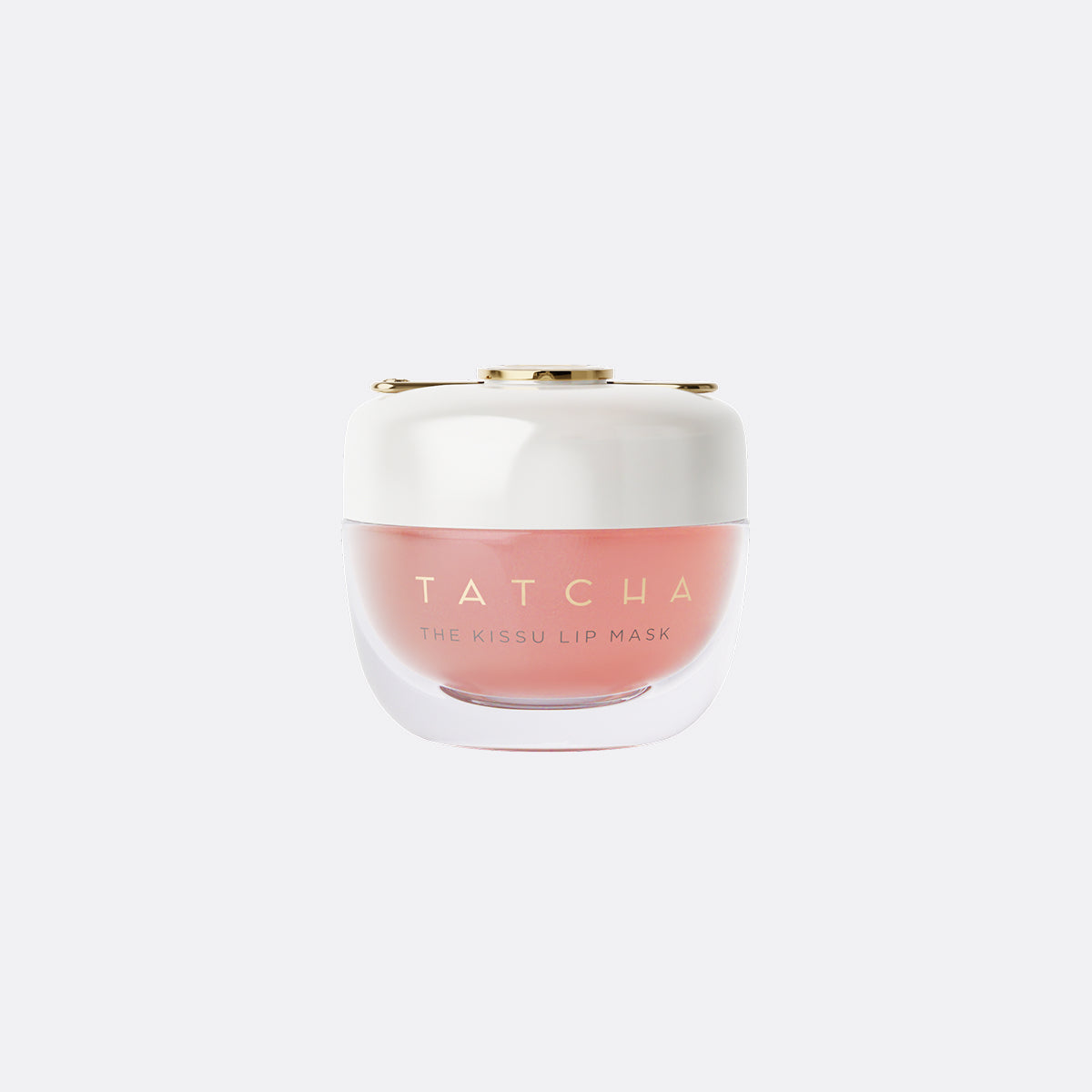
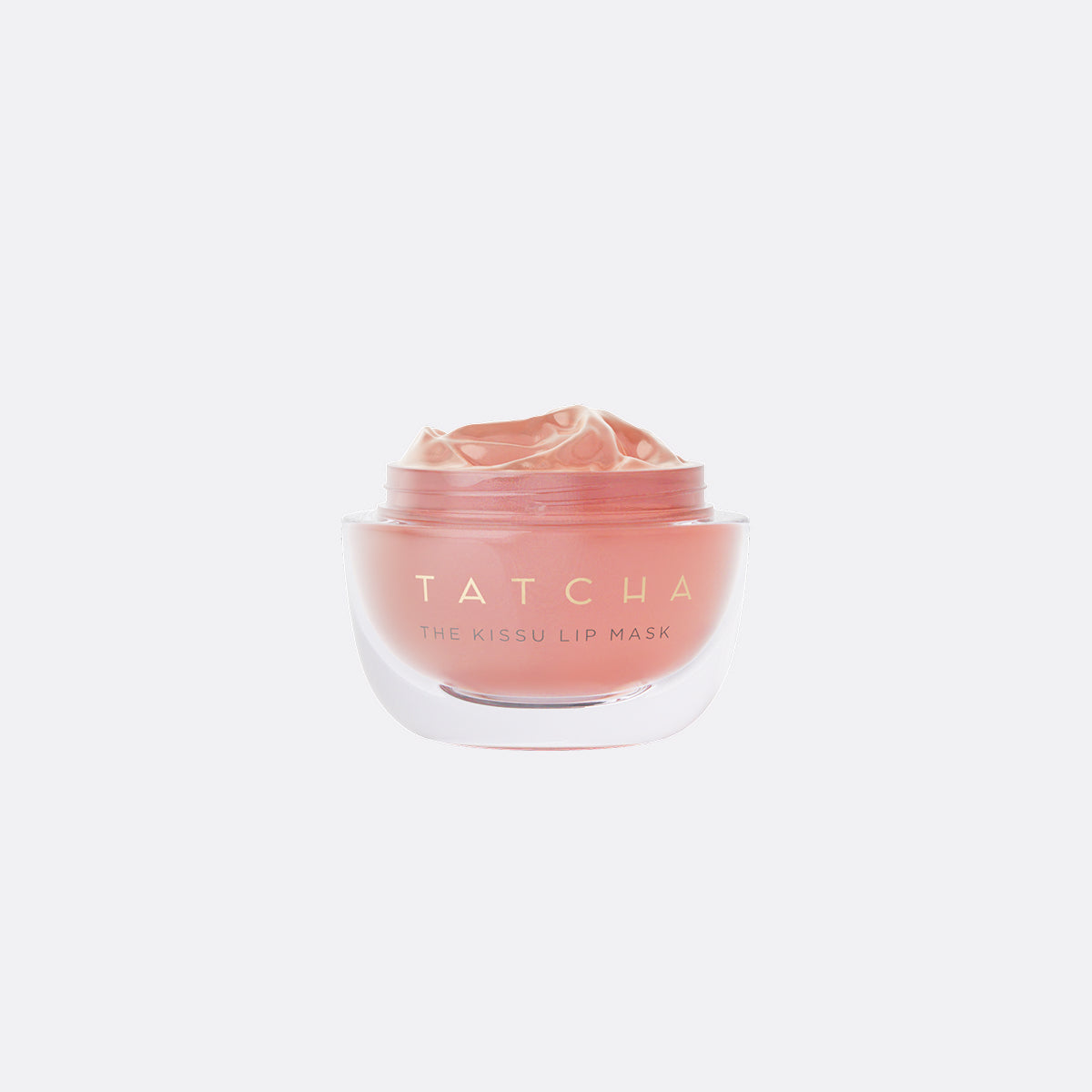
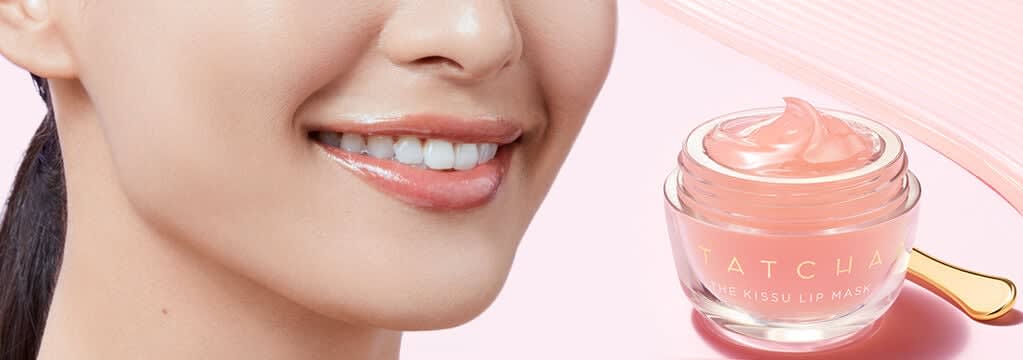
- Best Overnight Lip Mask: The Kissu Lip Mask
The lip mask that launched thousands of enthusiastic fans, this uniquely-textured jelly treatment melts into lips, locking in moisture and repairing parched lips overnight. The non-sticky and lush mask contains Japanese camellia oil, Japanese peach extract (for extra repair), and olive-based squalane for weightless moisture.
No matter your lip mask vs. lip balm preference, discovering a formula you not only will consistently use, but actually enjoy applying is vital. Massage onto lips and take a moment to appreciate the healing powers of your lip product.