






T-House


The Best Sunscreen for Dry Skin
Daily facial sunscreen is non-negotiable, but many conventional formulas leave dry skin feeling itchy or irritated. Fortunately, modern sunscreens are now crafted to hydrate as they protect. Use the tips below to find the perfect moisture-rich sunscreen for your dry complexion. We know daily sunscreen is non-negotiable, but those with dry skin can find many sunscreen formulas irritating and drying. This can lead individuals with dry or dehydrated skin to avoid sunscreen altogether—which is not a solution. But there are formulations specifically designed to soothe and hydrate, you just have to be on the lookout for certain ingredients and keywords. Keep reading to uncover the best face sunscreen for dry skin, plus other important details to consider.Why Sunscreen Feels DryingSlathering on sunscreen and immediately feeling dry, tight, or red? You’re not imagining things, it is certainly possible your sunscreen formula is to blame. Some sun filters naturally reduce or block the skin’s natural sebum production and absorb excess oil, which is fantastic for those with combination, acne, and oily skin. However this occurrence can possibly make dry and sensitive skin feel dehydrated or flaky, which is likely what you are experiencing. It’s also possible, but more rare, that you might have a negative reaction to certain SPF filters. If skin feels red, hot, itchy, and inflamed after application, you might have an allergy and, if so, please consult with your dermatologist.With all this in mind, it might feel tempting to skip sunblock altogether, but that is certainly not the answer. Remember that sunscreen is the single most important product you can apply to your skin—not only for fighting premature aging (including fine lines, wrinkles, and hyperpigmentation) but also dangerous illnesses (like skin cancer). Instead, grab a face sunscreen for dry skin that pairs mineral or chemical coverage with a creamy base and hydrating ingredients (keeping reading for specific ingredients to look out for!).What Makes a Sunscreen Good for Dry SkinThe best sunscreen for dry facial skin is one that you love to use everyday; that won’t cause further dryness, itching or irritation; applies easily within your overall skincare and beauty routine; and is easy to re-apply.How to Choose a Sunscreen For Dry SkinStruggling to choose the right sunscreen for your skin type? It can feel incredibly discouraging to continually test out sunscreen after sunscreen, only to feel the drying effects from each formula. However, not all sunscreens are created equal—in fact, there are specific sunscreens that are crafted with dry skin in mind. For those looking for a sunscreen for dry skin, seek out these specific qualities in your next sunscreen purchase. A Creamy TextureWe’re spoiled for choice when it comes to sunscreen formulas: creams, gels, sprays, and tints. While gels and sprays are a great sunscreen option for oily skin, creams and liquids are a fantastic choice for dry skin as they naturally feel more nourishing and hydrating. Look for a creamy and luxurious-feeling sunscreen that promotes its moisturizing benefits and ingredients. They also will make the application process easier and more soothing, which is always an added plus when it comes to dry and sensitive skin. Hydrating ProtectionAn effective sunscreen can work like a moisturizer booster, helping to increase hydration levels while also protecting from UVA and UVB rays. Look for hyaluronic acid, glycerin, squalane, peptides, and ceramides, all which help to replenish, nourish, and drench skin in hydration. Hyaluronic acid, squalane, and glycerin will specifically add hydration back into the skin, while peptides and ceramides boost hydration, inhibit further moisture loss, and strengthen and repair the skin barrier. The best face sunscreen formulas for dry skin will proudly state these revitalizing ingredients either on their description list or packaging. Any of these ingredients are a fantastic addition to your daily skincare routine, especially for a hydrating sunscreen. Other Skin-Benefiting IngredientsMake your sunscreen work overtime by using a formula that also includes additional skin-benefiting ingredients, like niacinamide. Niacinamide is a form of vitamin B3 that helps visibly reduce the appearance of enlarged pores and prevent oil and debris from getting backed up in the pores, which can lead to clogged and enlarged pores. Niacinamide is also anti-inflammatory, meaning it’s great for those that are acne-prone (skin can absolutely be both dry and acne prone). Plus, it’s been shown to improve the overall health of your skin, thanks to aiding in more ceramide production, which in turn increases the well-being of the skin barrier. All this means it’s a great boost to your sunscreen, no matter your skin type. Broad Spectrum CoverageIf it doesn’t proudly state its broad spectrum status, quite simply don’t use it. According to the FDA, the term broad-spectrum sunscreen means a product that can protect from the sun’s harmful ultraviolet A (UVA) and ultraviolet B (UVB) rays. For a sunscreen to receive the broad-spectrum label means it is FDA-tested and -approved. The American Academy of Dermatology recommends only using a broad-spectrum sunscreen, as it protects skin more thoroughly, from both UVA (which ages skin) and UVB (the rays responsible for burning) rays. SPF 30+ ProtectionSPF, which means sun protection factor, identifies how well sunscreen can protect from a sunburn, specifically by filtering out UVB rays. The AAD recommends a sunscreen have an SPF of 30 or higher. This ensures the sunscreen can shield you properly from the sun, providing UVB protection as promised. Anything lower cannot provide the full coverage needed and will need to be reapplied more often and thoroughly. Speaking of reapplication, if you find yourself out in the direct sun, aim to reapply sunscreen every two hours.The Best Sunscreens For Dry SkinYou’re mindful about how you cleanse, tone, exfoliate, and moisturize—and your sunscreen needs just as much thoughtfulness. At Tatcha, we’ve perfected two sunscreen products that are ideal for dry skin. Both are creamy, have broad-spectrum protection, and are boosted with skincare ingredients so they not only offer coverage but also feel great on your skin. Here are two of the best face sunscreens for dry skin. A Hydrating, Mineral SunscreenThe Silk Sunscreen. Tatcha’s newest sunscreen innovation is this silky, lightweight, and nearly invisible formula. The 50+ coverage protects with 10 percent zinc oxide (a soothing active ingredient) for a mineral, reef-safe filter. While the protection may feel impossibly light, it’s packed with skin-benefitting ingredients, like hyaluronic acid, squalane, niacinamide, and silk extract—designed to hydrate, soothe, and reduce redness (making it one of the best sunscreens for dry, sensitive skin, too). The addition of silk is unique because silk extract closely parallels the amino acid structure of human skin, which provides a smoothing, protective veil of hydration, almost like a second skin without weighing it down.The Silk Sunscreen is also the best mineral sunscreen for dry skin because it includes another rather rare and high-tech ingredient: the trademarked, high-transparency zinc oxide KLEAIR†. This reef-safe filter is proven to be over two times more effective at free-radical protection than regular zinc oxide. Plus, while mineral filters can be difficult to blend into all skin tones, the high transparency of this specific zinc oxide helps Tatcha’s formula blend into skin more easily. This special ingredient takes it to the next level, making it the best mineral sunscreen for dry skin.Don’t just take our word for it though. In clinical studies, 56 percent of users saw an immediate improvement in skin moisturization**, while 100 percent of participants demonstrated an improvement in skin softness and suppleness*. A Lux Hybrid SunscreenSilken Pore Perfecting SPF 35 Sunscreen. If you prefer a matte texture sunscreen, try our bestselling Silken Pore Perfecting sunscreen. With both mineral and chemical protection, this formula features skin-loving ingredients that not only protect the skin, but also help reduce the appearance of pores, smooth skin texture, and calm visible irritation. The multitasking dry skin sunscreen includes lightweight silk extract, as well as pore-minimizing wild rose for a hydrated, yet balanced feel. The fast-absorbing cream formula blurs pores with SPF 35 protection and dries down flawlessly, making it an ideal option for those with dry to combination skin that are looking for a matte finish.Which is Best for Dry-Sensitive Skin? For those that have dry skin that is also sensitive, finding a sunscreen that both hydrates and doesn’t irritate the skin can be a tall order. The best sunscreen for dry sensitive skin includes formulas that don’t include added fragrances or dyes, both of which can be potentially irritating. Also, for dry sensitive skin, seek out sunscreens with hydrating ingredients, like hyaluronic acid and niacinamide, and formulas that proudly tout their hydrating benefits. The Silk Sunscreen, which has hyaluronic acid, squalane, niacinamide, and silk extract, will be especially soothing and non-irritating for dry sensitive skin.*based on an expert grader study conducted on 40 panelists over 2 weeks**based on a bio-instrumentation study conducted on 40 panelists over 2 weeks†KLEAIR™ is under license from Solésence LLC
The Healthiest Anti-Aging Skincare Routine
Aging skin requires different formulas, geared towards nourishing, hydrating, and addressing early signs of fine lines and wrinkles. We dive into the best products for the most effective anti-aging skincare routine. In Japan, aging is viewed as a gift. The goal is not to look perpetually 20 years old, but rather to have the healthiest and best skin of your life, at any age. One of the most important elements of healthy skin? Embracing gentle skincare, along with everyday healthy living, including limiting sun and pollution exposure, not smoking, managing stress, and eating a skin-nourishing diet. But a proper skincare ritual is also vital. The best anti-aging skincare routine includes a particular set of skincare must-haves, like innovative serums, creamy moisturizers, and reparative overnight treatments. Read on to uncover the best tips to care for both your skin and self to promote lasting longevity. Tips to Maximize Your Healthy-Aging Skincare Routine Routines are important—but so is your general well-being. Before we dive into the best skincare routine for aging skin, there are also a few tips to improve the skin’s overall health. Prioritize Well-Being Our skin is a reflection of our inner health. There is a saying in Japanese, ‘hinou dokon’, which translates to ‘skin-mind same root'. “It comes from the belief that caring for the skin is caring for the mind,” says Tatcha founder Vicky Tsai. “This is biologically true: our skin and brain develop along the same stem cell line so that our skin both affects and reflects our internal state, even how we think and feel,” she adds. “From goosebumps and blushing to stress breakouts and eczema, our skin is constantly talking to us about what’s happening under the surface.” Reduce Stress Well-being also extends to our mental well-being—don’t underestimate the destructive powers of stress. A 2020 scientific study found that people exposed to chronic stress age more rapidly. This skin-to-soul connection emphasizes the importance of incorporating stress-reduction habits, well-being rituals, and mindfulness practices into your daily routine. As Tsai succinctly says, “Serums and creams can only go so far if you aren’t attentive to your well-being, because caring for your skin requires caring for all of you.” Practice Healthy Sleep Rituals Sleep is vital for every aspect of our bodies, but good-quality sleep is even linked to a stronger skin barrier, a healthier-looking appearance, and less wrinkles. In a 2015 study, participants classified as good sleepers had significantly lower intrinsic skin aging compared to poor sleepers. Individuals with consistent quality sleep even had greater skin hydration levels, too. Pair a good night’s sleep with a silk pillowcase, which is clinically shown to visibly improve skin hydration, radiance, texture, and smoothness.* Tatcha is such a fan of silk pillowcases that we created our own with Slip, in our signature hue, naturally. The Mind-Skin Connection In a 2022 Tatcha study on skincare and self-care, nearly 50 percent of those surveyed regarded their skincare routine as just another task in their day — or worse, a source of stress. Perhaps we can re-envision our daily skincare routine into a moment of mindfulness, taking inspiration from many of Japan’s centuries-old traditions, like ikebana and tea ceremonies, which take daily activities we think of as routine and turn them into meaningful rituals through intention and care. Skincare is necessary to keep your complexion looking healthy, but it doesn’t have to be a chore. When we reimagine that time to quiet our minds and reconnect with ourselves, we reclaim it from being a task to a moment of self-care and thoughtfulness. Aging Skincare Routine Aging is a privilege. Skincare can help support this journey, alleviating common woes that come with aging skin, like dehydration, fine lines, and a dull complexion. While aging is beautiful, it also doesn’t always stop your natural skin type from continuing, so you can still have oily, sensitive, or dry skin, too. Keep reading as we give the best anti-aging skincare routine, and specific products for each skin type—plus add-ons that can support specific skin needs. 1. Cleanse The first and arguably most vital part of any skincare routine, especially one for aging skin, is cleansing. In the morning, most skin can simply be cleansed with a gentle cleanser or splashed with water. For oily skin, it helps to understand the cause of your oily skin before proceeding, and then a clarifying cleanser that primes skin for the day ahead is a fantastic option, too. But in the evening, skin needs deep and thoughtful cleansing. We believe every skin type, especially aging skin, can benefit from the Kyoto Cleanse—also known as the Double Cleanse. It is the two-step protocol favored throughout Japan, beloved for its ability to help reduce the look of pore size, diminish the appearance of fine lines, refine surface texture, and prep skin for the next steps in your routine. It also is just one of the most effective ways to remove every stitch of makeup, sunscreen, and debris from the skin, too. To do this two-step process, first use an oil cleanser, like the Camellia Cleansing Oil, which gently melts away impurities, leaving behind pure, silky-soft skin. The key to using a cleansing oil effectively is to apply it with dry (clean!) hands onto a dry face. Massage the oil into skin with soft circular motions, then add a few drops of water and continue to dissolve makeup, sunscreen, and the day away. The second step in the Kyoto Cleanse allows for customization. Any type of cleanser or face polish will work beautifully, but choose a cleanser that best suits your skin type, as seen below. Best Cleansers for Aging Skin A cleanser can be used morning and night, although nighttime is particularly important. Here are the best cleanser options, based on your skin type. Dry/Mature: Dry skin can use The Rice Wash, which leaves skin feeling soft and nourished. The hydrating nature of this cleanser is equally beneficial for mature skin, as well. Sensitive: While cleansing sensitive skin can be an impossible task, The Indigo Cleansing Balm actually improves and repairs the skin barrier’s function for stronger skin over time. This is also a fantastic option for those who have aging skin and want to be ultra-gentle when cleansing. The Indigo Cleansing Balm can also be used as the first step in your Double Cleanse, in place of the Camellia Cleansing Oil, especially if you have dry skin or eczema. Oily: Oily and/or acne-prone skin will treasure The Matcha Cleanse, a formula that decongests pores and balances oil without stripping away essential moisture. This cleanser is particularly beneficial for aging skin that is oily, as the formula is designed to be as gentle as possible, while still addressing long-term oiliness. Best Exfoliants and Face Polishes for Aging Skin While some skin types need a stronger exfoliant like a scrub, maturing skin needs a gentler touch. Learning how to exfoliate your skin type is key. At the Tatcha Institute in Tokyo, our researchers have found that using the Kyoto Cleanse with the Camellia Cleansing Oil and then a face exfoliant or polish can provide some of the most benefits for skin, especially dry or oily aging skin. Face polishes, like our award-winning Rice Polish, are a unique water-activated exfoliant that gives your skin a fresh start through Japanese ingredients that transform into a creamy, cloud-like foam. The non-abrasive formula of The Rice Polish makes it safe to use in your daily skincare routine, even for aging skin. Finely ground rice bran and papaya enzymes promote natural skin turnover, while the pH-neutral, amino acid-base formula provides effective cleansing without stripping skin of essential moisture or breaking the skin barrier, leaving skin baby soft and supple. There are a few different iterations of the Rice Polish, designed for your specific skin type. Mature: When in doubt, grab the Gentle Rice Polish, which is perfect for mature skin that feels a bit more sensitive at times. Tatcha’s Gentle iteration of the Rice Polish includes licorice root, an ancient ingredient known as “the king of natural medicines” that helps prevent flakiness and tightness, while calming and evening skin tone. Dry/Combination: The Classic Rice Polish is ideal for mature faces with combination to dry skin. This Classic formula also includes silk proteins to condition and nourish, leaving skin more balanced. Sensitive: The Calming Rice Polish is ideal for exfoliating sensitive skin, thanks to Japanese indigo, a historic and powerful ingredient that is clinically proven to calm and soothe. It’s also formulated without papaya enzymes to make it even gentler. Oily: The Deep Rice Polish is a great fit for exfoliating combination to oily skin. The formula includes wild rose to help tighten the look of pores and clarify skin. 2. Plump The second step of your aging skincare routine is using a multi-purpose essence. Essences work to reveal softer, more healthy-looking skin, while also replenishing moisture, and increasing radiance. It is also proven to make the other products in your skincare routine more effective. (A miracle worker, right?) Best Essence for Aging Skin After cleansing, dab a few drops on the palm of your hands, then tap and press into the skin. It’s helpful to do this both morning and night. All skin types: Every type of skin will adore The Essence, a brilliant plumping, softening, and resurfacing liquid. This bestselling product is made entirely (100 percent!) from Tatcha’s proprietary Hadasei-3, a trio of fermented Japanese superfoods, including Akita rice, Uji green tea, and Okinawa algae. The three ingredients work synergistically to support the skin, while promoting natural skin surface turnover for brighter, beautiful skin at every age. 3. Serum One of the most common signs of aging is hyperpigmentation caused by sun damage, but aging can also show up as fine lines, increased dryness, and a loss of skin elasticity. Serums are particularly helpful at targeting these common aging signs because they are highly potent skincare solutions that work to increase the overall effectiveness of your entire skincare ritual. Using a serum is one of the best tricks to maintaining healthy-looking skin all day long, making it one of the most important tools in your aging skin arsenal. Best Serum for Aging Skin Mature skin will soak up a serum, so be sure to choose the right serum for your skin type and follow the package directions, as certain formulas can overwhelm or irritate aging skin. 4. Moisturize Moisturizers are the one step you should never skip. The right moisturizer for your skin type will work to help your skin attract and hold onto water, as well as repair the skin barrier to rejuvenate and restore hydration. A nourishing and intensely hydrating cream can even help boost healthy-aging. Those with aging skin should consider reaching for options packed with antioxidants and ceramides to protect, nourish, and support the skin’s barrier. Another common aging skin focus? The neck. Our necks work constantly throughout each and every day, commonly forgotten until they begin to show signs of aging. For an all-encompassing skincare routine for aging skin, you can grab a neck cream for a targeted treatment, or simply apply your face cream to your neck, too. Best Moisturizer for Aging Skin Apply a moisturizer morning and night, directly after a serum (or if keeping things minimal, after cleansing). Mature: Mature skin will drink up the intensely rich, hydrating Ageless Enriching Renewal Cream, which nourishes the skin with botanical extracts. This is our richest formula, which is ideal for addressing the advanced signs of aging. Dry: Visibly plump and seal in moisture with The Dewy Skin Cream, which has hyaluronic acid, red algae, and squalane. This formula has a more rich cream texture. Dry/Combination: The Silk Cream toes the line between deeply hydrating and balancing skin, thanks to its rich yet weightless gel-cream formula, featuring silk extract. The formula is designed for softer, smoother, and firmer-looking skin, but is lighter than The Dewy Skin Cream or the Ageless Enriching Renewal Cream. Sensitive: Colloidal oatmeal and Japanese indigo extract make The Indigo Calming Cream a soothing salve for sensitive skin. The cream provides visible redness and itchiness relief with lasting hydration. Oily: Many moisturizers can exacerbate oily skin, even with aging skin. In comparison to the Dewy Skin Cream, The Water Cream, a refreshing gel-cream, is clinically proven to refine pores, thoughtfully hydrate, and smooth skin’s texture. This water-based formula balances skin and imparts radiance with a lightweight feel. 5. Protect There are two types of sun rays: ultraviolet-A (UVA), which causes premature aging, and ultraviolet-B (UVB), which causes burning. Look for sunscreens that offer broad-spectrum coverage so you’re protected against both types of rays. You might find it beneficial to also wear a wide-brimmed hat, sun-protective clothing, and larger sunglasses if you’re anticipating extensive sun exposure, too. Best Sunscreen for Aging Skin UV rays and free radicals cause damage to the skin, leading to loss of skin elasticity, fine lines, and wrinkles. Fight signs of early aging by choosing the best sunscreen for your skin type and proceeding with daily SPF use, applying it every morning and reapplying every two hours while outside. All skin types: Our newly updated Silk Sunscreen features superior protection with broad-spectrum SPF 50, yet has a weightless feel and a sheer, radiant finish. It also features powerhouse ingredients, including niacinamide and hyaluronic acid, and a patented zinc oxide that is proven to be over two times more effective at protecting against free radicals than standard zinc oxide. For a matte, silky-smooth finish, grab the Silken Pore Perfecting Sunscreen, which provides broad-spectrum SPF 35 coverage and blends effortlessly and invisibly for a smooth, matte finish. Skincare Routine for Aging Skin Whether you’re a skincare novice or a master of a routine, a daily ritual will not only ease your skin, but also can help to ease your mind. But be realistic with your routine—if you're a minimalist, having a 10+ product regimen might feel overwhelming. Adversely, if a lengthy routine gives you peace of mind, shortening it to a few steps might leave you wanting more. Here are the best skincare routines for aging skin—bare minimum and maxed out. And a few products to add on to your ritual if you’re a maximalist. Morning Routine for Aging Skin – Minimalist Cleanse Essence Moisturize SPF Evening Routine for Aging Skin – Minimalist Double Cleanse Essence Moisturize Morning Routine for Aging Skin – Maximalist Cleanse Essence Serum Eye Cream Moisturize Seal with Face Oil SPF Evening Routine for Aging Skin – Maximalist Double Cleanse Essence Serum Eye Cream Moisturizer Seal with Face Oil Best Add-Ons for Aging Skin If you want to add a few additional beneficial ingredients and products to your routine, here are a few proven formulas that will boost your skin. Eye Cream Applying an eye cream both day and night is deeply helpful to maintain the health of your under-eye area and eyelids, which are one of the thinnest areas of skin on your body. Regular use of an eye cream will help keep this area looking firm and elastic over time. Best Eye Cream for Aging Skin Take care to tap it on gently with your ring finger, as this ensures you won’t pull the delicate skin too harshly while applying. Also, a rice grain-sized amount of product is plenty enough for most formulas. Apply an eye cream before or after your moisturizer. All skin types: Our richest eye cream is the Ageless Revitalizing Eye Cream, which is a velvety eye treatment packed with antioxidants. For a lighter formula that still deeply hydrates, grab the Silk Peony Melting Eye Cream, which melts into skin with moisture-locking silk protein and Japanese white peony. If puffiness is an issue, consider the Luminous Deep Hydration Firming Eye Serum, which visibly firms and reduces puffiness to diminish the look of fine lines. Face Oil Face oils seal in moisture, which means they work to keep in all of the prior products and ingredients in your skincare routine. A face oil also targets signs of aging and lends your skin a vibrant glow. As no products can penetrate an oil, they are ideal to be applied at the end of your routine both day and night. Best Face Oil for Aging Skin After applying a moisturizer (and before sunscreen during the day), apply two to three drops to the palm of the hand, massage together, and dab onto the face. All skin types: Try our Gold Camellia Beauty Oil for an instant boost in nourishment. Composed of extra virgin Japanese camellia oil, the formula not only locks in moisture, but also adds instant radiance thanks to the glow of the 23-karat gold flakes in the rich oil. Caring for yourself—body, mind, and soul—as well as your aging skin is a privilege, and part of promoting healthy longevity. Skin is first and foremost an organ that protects us, carries us through life, and connects our inner and outer worlds. The best skincare regimen for aging skin will treat skin kindly and attentively, working with the skin, never against it. *Based on a study (clinical grading and consumer perception) of over 100 women, aged 35-65, who were regular users of cotton or synthetic (non-silk) satin pillowcases. Clinical grading showed statistically significant improvement. Individual results may vary.

The Best Matte Sunscreen for Your Face
For those that have oily-prone skin (or just want a shine-free finish), matte sunscreens are a great choice. Learn what to look for when choosing a matte sunscreen and which option is the best. While the glowing, lit-from-within sheen from radiance-enhancing sunscreens is undeniably beautiful (and trendy), sometimes a matte finish sunscreen is more desired. Whether that interest springs from caring for oily-prone skin and just wanting to curb the inevitable shine that occurs midday or desiring the look of a flawless and poreless-looking face, matte sunscreens are rapidly gaining popularity. The best matte sunscreen can not only give a flawless appearance, but also provide a blurred finish, helping to shield imperfections while protecting from the sun’s harmful rays. Keep reading as we uncover what a matte sunscreen is, its benefits, how to find the ideal formula for your skin type, and the best mattifying sunscreen.What Is Matte Sunscreen?Matte sunscreen is a sunscreen formulated to absorb oil and provide a matte texture, in contrast to shine-enhancing sunscreen, which contains glowing ingredients, like mica or pearl powder. But for matte products, the formulas have a lot of ingenuity. Mattifying formulas aren’t just lacking sheen, they likely have oil-absorbing ingredients, like clay, powder, and rice starch, that work to attract the oil on the skin’s surface and absorb it. So your mattifying sunscreen not only provides a matte texture and finish, but it also likely contains an absorbent ingredient that minimizes oiliness on the skin altogether.This cleverness of matte sunscreen is beneficial for anyone seeking a flawless finish on their skin, but especially for those with oily skin. The best sunscreen for oily skin is matte because it can help minimize oil production, of course, but also usually feels more lotion-like when applied on the skin. This is important for some users as some sunscreens can have a sticky, oily, or greasy texture, which makes it less enjoyable to use and look more shiny, discouraging users from applying it altogether. The best matte sunscreen can not only help you achieve a shine-free appearance, but also makes protecting your skin from UVA and UVB rays enjoyable.Benefits of Matte SunscreenThe main benefit of any sunscreen is shielding the skin from sunburn, premature aging, and skin cancer. But matte sunscreen has a few added pros that make it a pleasure to slather on every single day (yes, you should wear sunscreen every day, even when it’s cloudy). Lightweight Texture Sunscreen is still shaking off the (outdated) reputation of being gloopy, sticky, thick, and potentially leaving a white cast. Today’s iterations, especially the best matte sunscreen for oily skin, are lightweight, high-tech, and packed with ingredients that improve the skin’s health and appearance. Matte sunscreens are particularly innovative in this category, giving skin a blurred, matte effect, while feeling light as air. This light-as-air texture not only feels satisfying instantly on the skin, but wears throughout the day with more comfort and longevity than some of its hydrating sunscreen counterparts. Innovative Ingredients Speaking of skin-bettering ingredients, many modern formulas have ingredients beyond sun protection that work to aid your skin while sitting atop of it. Whether it’s botanical ingredients that visibly minimize pores, like wild rose, to natural innovations that balance the skin, like niacinamide, SPF now can multitask while being born through each and every day. Seek out a matte finish sunscreen that touts benefits you’re looking for, whether that be all-day shine control or balancing pores. Non-ComedogenicWhile not every formula is ideal for acne-prone or oily skin, most matte sunscreens are made to be non-comedogenic, meaning they won’t clog pores. This is beneficial for all skin, but especially for oily and acne-prone skin because it will help reduce the chance of a sunscreen causing blemishes and excessive oiliness. While it’s less common today, previous versions of SPF had ingredients that triggered clogged pores (and thus potential acne), so seek a formula that proudly confirms its non-comedogenic status. At Tatcha, we proudly have an entire category dedicated to non-comedogenic formulas, which are made with gentle, natural ingredients that minimize clogged pores and reduce excess oil without over-drying skin.How To Choose the Best Matte SunscreenThere are many mattifying sunscreens, but not all are created equal. Here are a few key things to look for when considering a mattifying sunscreen.The Best Matte Sunscreen Is Broad Spectrum The absolute most important classification your sunscreen needs is the phrase ‘broad spectrum’. According to the FDA, the term broad-spectrum sunscreen means a product that can protect from the sun’s harmful ultraviolet A (UVA) and ultraviolet B (UVB) rays. UVA has a longer wavelength and is responsible for damaging skin’s DNA and aging the skin, while UVB affects the top layer of the skin, resulting in tanning or burning the skin and is most associated with skin cancer development. You want a sunscreen that shields from both forms of rays, so you are protected from DNA damage as well as sunburns and potential skin cancer. For a sunscreen to receive the broad-spectrum label means it is FDA-tested and -approved. Take it from the experts, aka American Academy of Dermatology, who recommend only using a broad-spectrum sunscreen, as it protects skin more thoroughly.The Best Matte Sunscreen Is SPF 30+SPF, which means sun protection factor, identifies how well sunscreen can protect from a sunburn, specifically by filtering out UVB rays. The AAD recommends a sunscreen have an SPF of 30 or higher. This ensures the sunscreen can shield you properly from the sun, providing UVB protection as promised. Anything lower cannot provide the full coverage needed and will need to be reapplied more often and thoroughly. However, some formulas with less SPF coverage, like certain SPF makeup products, are intentionally designed to be layered with other sunscreen products—like an SPF 25 lip tint, which can be reapplied often and layered atop a facial sunscreen on the lips. Last – but certainly not least – if you find yourself out in the direct sun, aim to reapply sunscreen every two hours and in the correct order within your overall skincare and beauty routine. The Best Matte Sunscreen Should Be Customized for Your NeedsExamine your top priorities for a matte sunscreen: Are you looking for a formula that doubles as a makeup primer or a sunscreen that has skin-bettering ingredients in it? Perhaps you’d like a silky Japanese sunscreen that hydrates while providing a matte finish? Anything is possible in today’s exciting field of sunscreen, the trick to narrowing down the search of finding your dream SPF is first identifying your needs.The Best Matte SunscreenThere are a bounty of mattifying sunscreen options, but only a handful are worthy of the title of the best matte face sunscreen. At Tatcha, we have one formula that is broad-spectrum, non-comedogenic, and mattifying. Here’s your perfect match. Silken Pore Perfecting SPF 35 SunscreenDreaming of a creamy, mattifying sunscreen with both physical and chemical sun protection? Try Tatcha’s bestselling option, the Silken Pore Perfecting SPF 35 Sunscreen. The non-comedogenic and non-irritating formula features skin-loving ingredients that not only protect the skin, but also help minimize the appearance of pores, smooth skin texture, and calm visible irritation. This is accomplished through a combination of botanical ingredients, including wild rose, that allow the formula to glide on and then multitask all day long. The Silken Pore Perfecting Sunscreen also features our beloved silk extract for a silky feel, allowing the sunscreen to apply flawlessly. If that wasn’t enough, the matte formula acts as an impeccable primer, refining and minimizing the look of pores and allowing any products applied afterward to stay on effortlessly and seamlessly.Aburatorigami Japanese Blotting Papers Find your skin a tad oily mid-day, no matter how selective your skincare and sunscreen choices are? Utilize a blotting paper, like our Aburatorigami Japanese Blotting Papers, which are made of 100 percent natural abaca leaf and gold flakes. The papers help to address unwanted oil production and absorb excess oil without disturbing the skin’s natural hydration. It’s a useful product for those with both oily and combination skin and perfect while on the go. (Fun fact: These sleek and versatile blotting papers were Tatcha’s first product!)
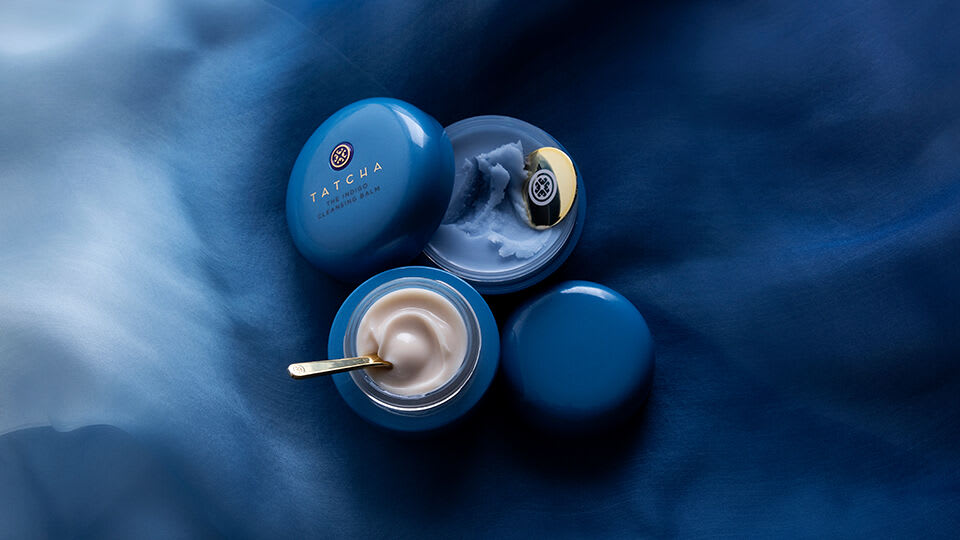
Our Top Skin Barrier Repair Products
A damaged skin barrier can lead to irritation, acne, redness, and discomfort (to name just a few issues). Thankfully, there are skin barrier repair products designed specifically to help support and care for this vital layer. Here is everything you need to know about products that repair the skin barrier. The skin barrier is a hot button topic right now—and rightfully so: a healthy skin barrier is vital for healthy skin. In other words, you cannot have one without the other. The skin barrier is your outer layer of skin, composed of dead cells, lipids, proteins, and fats. It’s crucial because it keeps harmful things (like chemicals, allergies, and bacteria) away from the delicate skin beneath the surface, while also maintaining the skin’s hydration levels. While it can be a complex topic, we’re making things simple by succinctly diving into everything you need to know about repairing your skin barrier and our top skin barrier repair products to start slathering on ASAP. Keep reading for the skinny on your skin barrier.What Skin Barrier Repair Products DoThere are a lot of specific genres in skincare. While many blur into one another, skin barrier repair products are not just hydrating products with the words “skin barrier products” stamped on the packaging. Rather, this category of products to repair the skin barrier are carefully and strategically crafted to heal, strengthen, and hydrate in one fell swoop. While hydrating products can just simply provide needed moisturization, skin barrier products take things a step further by also including ingredients proven to repair.Skin Barrier Repair IngredientsProducts formulated to repair the skin barrier include a combination of ceramides, squalane, niacinamide, glycerin, hyaluronic acid, and peptides. Peptides and ceramides are already present in our skin (but we lose both as we naturally age) and are also wonderfully beneficial when applied topically—both have been shown to strengthen the skin barrier and inhibit further damage and moisture loss. Hyaluronic acid, squalane, and glycerin are complex hydrators, known for deeply penetrating the skin with hydration for more long-lasting moisture, a key in products for skin barrier repair.Signs Of A Damaged Skin BarrierA damaged skin barrier can show up in a variety of ways, including acne, burning or stinging, itchiness, inflammation, hyperpigmentation, irritation, dryness or dehydrated skin, scaly/flaky/rough skin, or general tenderness and sensitivity. If you’re experiencing some sort of issue with your skin, your skin barrier has likely sustained some damage, says the Cleveland Clinic.Timeframe for Skin Barrier RepairFollow the directions of a skin barrier product and you’re likely to see results as soon as one week. As with anything, consistency is key. Signs that your skin barrier is improving can be subtle or immediately noticeable and include less redness and irritation, an improved texture, and resolved acne. For more extreme cases of damaged skin barrier, products may take upwards of months to see improvement. But remember that good things take time, and even if you’re only seeing slight improvements at first, the best skin barrier repair products are not only repairing, but they are also working on a molecular level to hydrate, nourish, and soothe skin daily.What Damages the Skin Barrier?Everyday factors, both external and internal, can drastically affect the skin’s barrier function. Skin conditions (like eczema and psoriasis or rosacea), environmental factors (including pollution, wind, extreme temperatures, and UV radiation), everyday stressors (smoking, lack of sleep, stress, and poor diet), and aggressive skincare products (including over-exfoliation and over use of products) can all contribute to barrier damage. While many of these factors are out of our control, reducing stressors and lessening the frequency of aggressive skincare products are easy and manageable ways to prevent barrier irritation.Skin Barrier Repair: Why It’s EssentialEvery one of us has a skin barrier, and it’s likely some of us will at some point in our lives accidentally damage it in some way. It’s good to know the common causes of the damage, signs to look out for, and also key ingredients to add to your skincare routine if irritation does occur. After all, a glowing and radiant face is only possible with a healthy skin barrier—and who doesn’t want that?The Best Skin Barrier Repair ProductsWhile a damaged barrier can be stressful – and even incredibly painful – there are science-backed skin barrier products that can help nourish and even repair damaged skin. Here are the best skin barrier repair products, designed to help support skin every step of the way.A Calming Cleanser A calming, nurturing cleanser (that still effectively cleanses) is necessary. We know harsh formulas can strip the barrier’s natural oils, leading to more damage, so a gentle cleanser is a crucial first step in your ‘skin barrier repair’ regime. This is why Tatcha is so excited to introduce you to one of our newest innovations in skin barrier repair products: The Indigo Cleansing Balm.This National Eczema Association approved skin-strengthening cleansing balm instantly calms visible irritation, while also supporting and transforming the barrier. The dermatologist-tested and fragrance-free formula was crafted with weakened, sensitized skin in mind, knowing traditional cleansing can be painful and damaging. This is why the balm is designed to reduce friction while cleansing, helping to soothe while cleansing. It still effectively cleanses though, efficiently removing even waterproof makeup. The formula includes Japanese indigo to calm visibly irritated skin, lipids, and ceramides to replenish the barrier, Japanese lotus root to soothe, and mondo grass root to balance the microbiome. The results are stunning, too: In clinical studies, 100 percent of participants demonstrated an improvement in barrier function after just one week of use.*But unlike harsh cleansers, the Indigo Cleansing Balm also soothes visible irritation and replenishes moisture—strengthening the skin barrier so it can prevent future damage for smooth, plump, and radiant-looking skin.*Based on bio-instrumentation (TEWL) clinical study on 40 panelists.A Uniquely Calming Exfoliant One of the most common ways to damage your skin barrier is through the overuse of aggressive exfoliants, which is why we’ve learned to embrace a gentle skincare routine. So it might seem strange for us to recommend an exfoliant as one of the best skin barrier repair products for sensitive skin—but The Rice Polish: Calming is no ordinary exfoliant. The calming iteration of Tatcha’s popular face polish includes Japanese indigo, clinically proven to calm and soothe while gently buffing away dead skin cells.Even compromised skin still needs exfoliation, the trick is learning how to exfoliate your face properly. Your exfoliant should be just effective enough to lightly buff away dryness, while also soothing visible irritation and redness. This delicate balance is impressively achieved with this extraordinary polish, designed specifically for ultra sensitive and barrier damaged skin.A Skin Barrier Repair Cream Not all moisturizers are created equally when it comes to barrier repair. A moisturizer rich in ceramides, lipids, and fatty acids (all of which are already present in the barrier) is superior. This is because it’s been scientifically shown that hydration is significantly increased when a moisturizer’s formulation mimics the skin’s natural barrier, helping to replace nutrients lost throughout the day. It’s also helpful if the moisturizer includes humectants and emollients, which address hydration levels.Years of research helped to inform and create Tatcha’s new and improved Indigo Calming Cream. The rich, fragrance-free cream provides soothing relief from redness and itchiness with long-lasting hydration. The luxe texture not only forms a protective barrier on the skin, but it also delivers therapeutic benefits thanks to calming Japanese indigo, therapeutic colloidal oatmeal, and our hydrating Hadasei-3.An Overnight Treatment To boost your skin’s repair potential, try a treatment or mask with supercharged ingredients. Consider Tatcha’s award-winning Indigo Overnight Repair, a fragrance-free soothing serum-in-moisturizer treatment. It’s earned the prestigious National Eczema Association seal of acceptance for its ability to soothe visibly irritated, eczema-prone skin. What truly sets the Overnight Repair apart from other treatments is the formula’s ability to balance the microbiome, helping to cultivate good bacteria so skin performs at its optimal, symbiotic level. The cushiony treatment is ideal for evening use, where the luxurious application can be used as an act of mindfulness and sensorial skincare moment, helping to bring comfort and peace to both the mind and face while unwinding at the end of the day.The formula includes Japanese indigo, red sage root, ceramides, hyaluronic acid, and mondo grass root for an immediate improvement in moisture, smoothness, and radiance. In clinical studies, 100 percent of users saw an improvement in their skin barrier strength within four weeks.****Based on a 4-week clinical study on 25 participants.A Soothing Sunscreen We know sun exposure is dangerous, but it’s also harmful to the barrier. Ensure that you’re always prioritizing UV protection with a broad-spectrum sunscreen every day. But if you have sensitive skin, sunscreen options can often be difficult to find, as many ingredients can trigger irritation. For barrier repair, avoid formulas that include added fragrances or dyes, both of which can be potentially irritating.Try The Silk Sunscreen, a broad-spectrum formula that protects against UVA and UVB rays with 10 percent zinc oxide for a mineral, reef-safe filter. Not only does the Silk Sunscreen feel impossibly light, but the invisible protection also impressively minimizes pollutant and allergen disruption—ideal for sensitive skin and barrier repair. The formula also includes niacinamide to reduce redness and visibly even skin tone and minimize pores. And hyaluronic acid helps to immediately boost skin’s natural moisture levels, softness, and skin tone.Experiencing a damaged skin barrier is incredibly common, but these products can help support the skin barrier effectively and efficiently. But keep in mind that this reparative process can take weeks, or even months, to treat damaged skin, so stick with it. Healthy-looking skin takes time, so be patient with yourself and your skin, too.
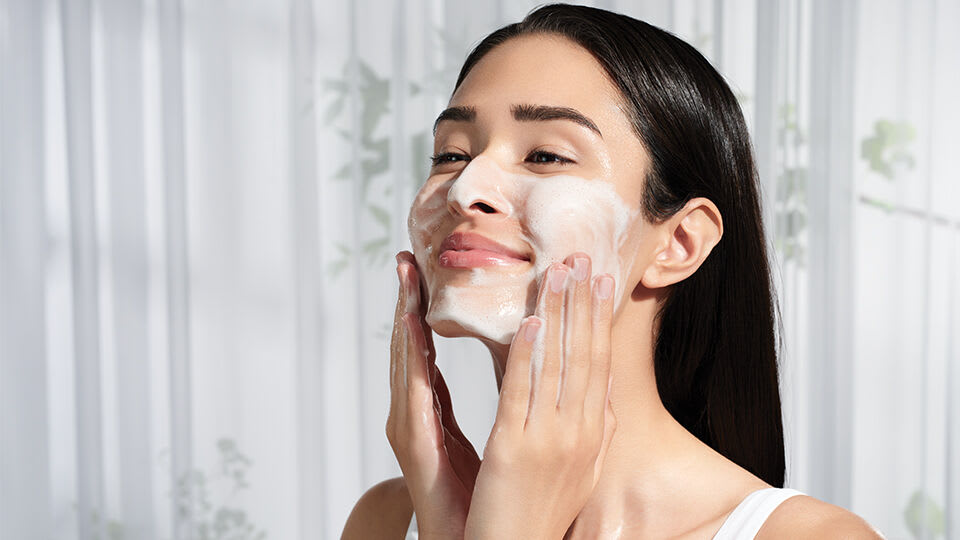
How to Properly Exfoliate Your Face
Learning how to exfoliate is a surprisingly complex topic. We simplify the important step, explaining how to do it safely and how to incorporate it into your daily routine. Enhanced radiance, smoother and more even-toned skin, and less visible fine lines—all are possible with exfoliation. While it might sound too good to be true, the method has decades of research and scientific studies to back up those major claims. However, knowing how to exfoliate your face can be a tad complicated – AHAs, BHAs, PHAs, polishes, scrubs, and also how much exfoliation is too much… – which is why we are here to help. Here is everything you need to know about how to exfoliate, from the difference between physical and chemical exfoliation and which method is best for you, to how often to exfoliate and incorporate it into your daily skincare routine. Consider this your go-to guide on how to properly exfoliate your face.How Exfoliation WorksFirst thing though, what actually happens when you exfoliate your skin? Skin is brilliant, constantly repairing and regenerating, which pushes old (aka dead) cells to the surface. This process of replacement leaves layers of dead skin cells on the surface of the skin, which can clog pores, give skin a dull appearance, and make skincare products unable to penetrate. This is where exfoliation steps in to save the day.Exfoliation is the process of removing these dead skin cells from the surface of the skin using a chemical or physical exfoliant. Chemical exfoliants are acids that dissolve the bonds that hold dead skin cells together. The most common types of chemical exfoliants are AHAs (alpha hydroxy acids) and BHAs (beta hydroxy acids). Physical exfoliants, or exfoliating scrubs, mechanically buff off dead skin cells. They often contain, as the name suggests, physical ingredients, like sugars or rice bran, to manually remove dead skin.How to ExfoliateThe first rule of exfoliation is to do no harm—be incredibly gentle to your skin. When adding an exfoliant to your skincare ritual, consult the product packaging for usage tips. Steps of Proper ExfoliationIn general, exfoliants are best used in this order: Cleanse (or double cleanse in the evening) Exfoliate (frequency depends on skin type and intensity of formula) Treat (with an Essence or Serum) Moisturize Protect with SPF (in the daytime ) Exfoliate on freshly cleansed skin, either morning or evening exfoliation is entirely up to you. After exfoliation, follow with the rest of your skincare routine, whether that’s an essence, a serum, or just a moisturizer. Exfoliation can sometimes be drying to the skin at first, says the AAD, so apply the best moisturizer for your skin type immediately after exfoliating to keep your skin healthy and hydrated.Here’s more information on how to properly use each type of exfoliant.How to Use a Face ScrubFor physical scrubs, use a dime-sized amount and apply it to the face using small, gentle, circular motions. To carefully exfoliate your face, keep your movements light—treat your skin to a beautiful caressing movement, similar to the care and preciousness of how you would cleanse a delicate silk garment. Rinse your skin with lukewarm water to avoid irritation.How to Use a Chemical ExfoliantWhen using chemical or liquid exfoliators, apply on freshly cleaned, dry skin. Dry skin absorbs less product than damp skin, making the dry-skin application more of a gentle and controlled process. To properly exfoliate your face, use a dime-size amount of product in the palm of your hand or apply it on a cotton round. Press onto the skin and allow it to dry, ideally 30 seconds.Do I Need to Exfoliate?The short answer is yes. While everyone’s skin is unique, exfoliation benefits every skin type. Which type of exfoliant and how often you use it will depend on your specific skin type. Which leads us to…How Often to Exfoliate Your FaceIncorporating regular exfoliation into your skincare ritual will assist you in maintaining healthy-looking and radiant skin. While exfoliating is an essential part of your skincare routine, if done too often, it can lead to irritation, noticeable dehydration, inflammatory breakouts, and a potentially compromised skin barrier. This is why finding the best type of exfoliation for your skin is not only important, but additionally, discovering the right schedule is also half of the battle. How often you exfoliate also depends on your skin type and texture, says the American Academy of Dermatology. But when in doubt, ease in slowly, consult the product’s guidance on frequency, and do a patch test first to ensure there’s no chance of irritation. Once a week is usually a good starting point, however, some individuals can tolerate more frequent exfoliation, but it’s best to start slowly and gauge your skin's tolerance. Here’s a general guide on how often to exfoliate the face, based on your skin type.Exfoliation Tips for Every Skin Type Exfoliating Sensitive & Mature Skin The best skincare routine for sensitive skin and aging or mature skin should include a mild exfoliation step. Ensure that you are extra gentle, exfoliating carefully with a wet, clean washcloth or mild exfoliant. Once a week is a good starting point, increasing frequency to potentially twice a week as skin adjusts and shows no sign of discomfort or irritation.Exfoliating Oily SkinThose who are prone to oily skin will bask in exfoliation's benefits. Adding an exfoliation step to your oily skin skincare routine will enhance your skin’s receptiveness to oil-controlling ingredients and minimize dulling skin cells, resulting in a clearer, more balanced appearance. Oily skin will likely be able to tolerate more exfoliation, depending on the formulation and product suggestion. Some formulas and products for oily skin thrive with daily use, while others (more intense versions) can happily be used three to five times per week, depending on how well the skin tolerates it. Exfoliating Combination Skin Combination skin can achieve a more balanced level with exfoliation, helping to address excessive dryness and oiliness. Some formulas can be used up to three times per week, but, of course, consult the product’s usage suggestions and assess how skin feels after each session.Exfoliating Dry SkinDry or dehydrated skin thrives with consistent exfoliation, ideally once or twice a week. The regular exfoliation of a skincare routine designed for dry skin will help slough off excessive dead skin cells, allowing skin to better absorb the skincare products formulated for dry skin and the beautifully hydrating ingredients that follow, including line-reducing serums and replenishing moisturizers.Benefits of Exfoliating Your FaceThe benefits of exfoliation are plentiful. When you exfoliate your skin, the process of desquamation—aka your skin’s natural exfoliation process—accelerates. By using an exfoliant to remove the dulling, dead skin cells, you remove the stubborn outer layer, thus allowing for a handful of scientifically proven benefits—here are a few of the most notable.Softer, Smoother Skin As we age, it’s been shown that the epidermal cellular turnover rate slows down, resulting in even more dead skin cell buildup, which can give skin the appearance of roughness, dryness, enlarged pores, and dullness. Sloughing off dull and rough skin via exfoliation promotes cellular renewal, notes one academic paper. This process naturally promotes softer, smoother, and even more “translucent” looking skin.Increased Hydration Aggressive exfoliation can damage the skin and its barrier. But thoughtful exfoliation actually can increase the skin’s hydration levels. Some exfoliants can even help to strengthen and repair the skin’s barrier function altogether.Reduction of Fine Lines & WrinklesIt’s been shown that exfoliation can help reduce the appearance of fine lines and wrinkles, too. Not only by eliminating layers of dead skin cells for a more rejuvenated appearance, but some exfoliants can stimulate elastin and collagen production, minimizing the appearance of fine lines and wrinkles. Brightening Exfoliation has been linked with an overall brighter complexion and a reduction of hyperpigmentation, but has even shown promise in more stubborn cases of melasma and post-inflammatory hyperpigmentation.Decreased Blemishes Chemical exfoliation has especially shown benefits in unclogging pores and addressing blemishes. They can be “very effective” at minimizing acne because, as research has shown, certain chemical exfoliants can weaken acne-causing bacteria by disrupting bacterial cell membranes. Some exfoliants can also help address the appearance of acne scars over time, too.Your Skincare Works BetterIf all of these benefits weren’t impressive enough, exfoliation also helps the active ingredients in the rest of your skincare routine to work more efficiently and penetrate the skin more deeply. This is because it clears away the debris and dead skin cells, allowing the formulas to be more readily absorbed.Finding Your Ideal Exfoliant Now that you’re practically a master at carefully incorporating exfoliants into your skincare regimen, learn which specific formulas are right for you. Whether that’s an AHA-powered liquid exfoliant, a rice bran-boosted powder, or a matcha-infused gel cleanser—your ideal exfoliant is waiting.
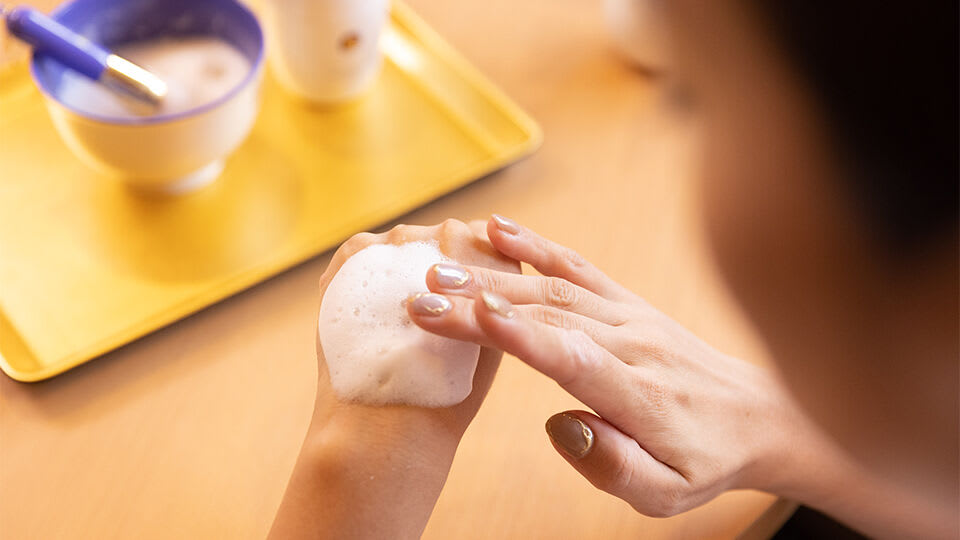
Physical Exfoliants vs. Chemical Exfoliants
Exfoliation is essential for smoother, clearer skin—but should you go chemical or physical? Here’s how they differ, which is best for your skin type, and the top products to try. Do you exfoliate? Due to its massive popularity, you’re likely either interested in chemical or physical exfoliants or already use them regularly. After all, the topic has been on a steady incline of interest in the last decade and shows no sign of slowing down. While exfoliation has been proven effective and beneficial, you might be torn on your preferred format: toners vs. liquid exfoliants and chemical exfoliants vs. physical. We explore the differences between the two, which is best for your skin, and the best products of each type.Why Should You Exfoliate?Exfoliation is the process of removing dead skin cells from the outer layer of your skin, says the American Academy of Dermatology. This removal of dead skin cells can have numerous benefits, including brighter and smoother-looking skin. Also, as we’ve clinically proven with The Essence, exfoliation can help your other skincare products work more effectively. The dead skin cells prevent some absorption of products and when those dead cells are removed, your serums and moisturizers can penetrate better. Additionally, there is a direct link between exfoliation and a reduction in acne. This is because, as noted in a 2023 study, exfoliation keeps pores clear. In clinical studies, exfoliation has been shown to improve skin texture, reduce the appearance of fine lines and wrinkles, and address mild acne. Chemical vs. Physical ExfoliantsThere are two main methods for at-home exfoliation: physical and chemical. Physical exfoliation products contain a scrub or polish to physically remove dead skin cells, or use a tool, such as a washcloth, brush, or sponge. Chemical exfoliants, also known as liquid exfoliants, use chemicals, such as alpha and beta hydroxy acids, to gently dissolve dead skin cells. Toners, on the other hand, range from gentle to astringent liquids that remove makeup, dirt, oil, and sebum after your cleansing step and rebalance the skin pH.The method you choose should be guided by your skin type, says the AAD. They suggest dry, sensitive, and acne-prone skin approach exfoliation gently, with a mild chemical or physical exfoliator. Those with oily and resilient skin may have success with stronger chemical and physical exfoliation, notes the AAD. However, no matter what skin type you have, exfoliate with a cautious approach first, assessing how skin reacts with either chemical or physical formats.Types of Exfoliants & How They Work Chemical ExfoliantsChemical exfoliants are beneficial because they help brighten the surface of the skin, eliminate dead skin cells, and curb excess oil for most skin types. The three most common forms of chemical exfoliation are AHA, BHA, and PHA. Here are a few differences between the three. AHAsAlpha hydroxy acids are mostly comprised of glycolic, citric, mandelic, and lactic acid. AHAs are proven to address the appearance of skin, targeting dark spots, acne scars, and any other form of hyperpigmentation. AHAs exfoliate the skin’s surface, but they also help ingredients applied afterward penetrate deeper into the layers of the skin (thus boosting the product’s overall effectiveness). This form of acid is great for almost any skin type, although any type of acid should be used cautiously at first.BHAsIn contrast to AHAs, Beta hydroxy acids are best known for their most popular iteration: salicylic acid. BHAs are synonymous with acne-fighting because they’re oil-soluble and incredibly small molecules, making them capable of penetrating inside the pore, addressing bacteria, sebum, and debris at the root of the problem. BHAs can be irritating for some because they work so deeply and effectively – so use caution when incorporating them into your regime, or consider incorporating products containing BHA alternatives into your skincare routine instead.PHAsPolyhydroxy acids are commonly seen as gluconolactone, galactose, and lactobionic acid. While those acid names don’t have quite the star-following of AHAs or BHAs, PHAs have a major benefit over their cousins: less irritation. The molecular size of PHAs is quite large compared to the other acids, making them ideal for sensitive skin. PHAs work very similarly to AHAs, addressing the surface of the skin for a more even-toned appearance.Physical ExfoliantsPhysical exfoliants manually remove dead skin cells and have been shown to stimulate collagen production, unveil smoother skin, and create a luminous, healthy glow. However, they’re often associated with the harsh physical exfoliants of yesteryear that would tear up the skin, leaving it raw, red, and damaged. But not all physical exfoliants are bad. When a formula is approached with expertise and care, a physical exfoliant can be wonderful for all skin types, from sensitive to oily.Polishes & Manual ScrubsPolishes, scrubs, exfoliating beads, and more are a few of the most notable physical scrubs available on the market. Ensure you grab an option that’s not irritating, which can be assessed by testing it on the back of the hands first, assessing whether it is irritating or not.Tools A physical exfoliation tool can be as simple as a washcloth or as complex as a battery-powered brush with countless exchangeable heads. Whatever option you’re considering, make sure it’s clean. A dirty tool, even a silk washcloth, needs to be freshly cleaned before it touches skin to not add additional bacteria to the skin’s surface.The Best Way to ExfoliateThe first rule of proper exfoliation is to do no harm—be incredibly gentle to your skin. Exfoliate on freshly cleansed skin, ideally right after you wash the skin (or double cleanse).Using Physical ExfoliantsFor physical exfoliants, use a dime-sized amount and apply it to the face using small, gentle, circular motions. To gently exfoliate your face, keep your movements light—treat your skin to a beautiful caressing movement, similar to the care and preciousness of how you would cleanse a delicate silk garment. Rinse your skin with lukewarm water to avoid irritation. Using Chemical Exfoliants When using chemical exfoliators, apply on freshly cleaned, dry skin. Dry skin absorbs less product than damp skin, making the dry-skin application more of a gentle and controlled process. To properly exfoliate your face, use a dime-size amount of product in the palm of your hand or apply it on a cotton round. Press onto the skin and allow it to dry, ideally 30 seconds.AftercareFor either method, follow with the rest of your skincare routine, whether that’s an essence, a serum, or just a moisturizer. Exfoliation can be drying to the skin, says the AAD, so apply the best moisturizer for your skin type immediately after exfoliating to keep your skin healthy and hydrated.How Often to ExfoliateBeyond finding the best type of exfoliation for you, discovering the right schedule is also half of the battle. How often you exfoliate depends on your skin type and exfoliation method, says the AAD. “Generally, the more aggressive the exfoliation, the less often it needs to be done,” they say. However, it’s vital not to over-exfoliate, as this could lead to red, irritated skin and a potentially compromised skin barrier in need of repair. Chemical Exfoliant Frequency Once a week is a good starting point for chemical exfoliation. Some individuals can tolerate more frequent exfoliation, but it’s best to start slowly and gauge your skin's tolerance. If you notice redness or irritation, pause using your chemical exfoliant until your issues subside, and then start with even less product.Physical Exfoliant Frequency As with chemical exfoliation, start using physical exfoliants once per week and assess for redness and irritation.Exfoliation Frequency By Skin TypeAs a general guide, here’s how often to exfoliate, depending on your skin type. Sensitive skin or aging/mature skin: Ensure that you are extra gentle, exfoliating with a warm, wet (clean!) washcloth or mild chemical exfoliant once a week. Oily skin: Those with oily skin will see added benefits of exfoliation. Exfoliation will enhance your skin’s receptiveness to oil-controlling ingredients and banish dulling skin cells, resulting in a clearer, more balanced appearance. Your skin likely will be able to tolerate more exfoliation, perhaps three to five times per week, depending on the intensity of the exfoliant. Combination skin: Achieve optimal results by exfoliating your skin two to three times per week. Dry skin: Dry and dehydrated skin thrives with consistent exfoliation, ideally one to two times a week. Regular exfoliation will help slough off excessive dead skin cells, allowing the skin to better absorb the beautifully hydrating ingredients that follow, including serums and moisturizers. Top Chemical & Physical Exfoliants Choosing a Chemical ExfoliantChemical exfoliants are wonderful for almost all skin types and can be more gentle than harsh physical exfoliants. Stick to low-percentage AHA, BHA, or PHA products when first incorporating them into your routine.The Texture Tonic The AHA-powered formula was designed for all skin types and is gentle enough to be used daily. It’s specifically formulated to reduce excess oil and sebum, while also improving skin’s moisture levels. The formula has niacinamide to visibly even skin tone and Japanese mugwort to calm visible redness and irritation.Choosing a Physical ExfoliantPhysical exfoliants famously have a reputation for being harsh and unpredictable. But if using a product with gentle ingredients, like Japanese rice bran, the scrub can be wonderfully gentle yet effective.The Rice Polish This water-activated exfoliant with Japanese ingredients transforms into a creamy, cloud-like foam. While it is generally recommended to use physical exfoliators less often, the non-abrasive formula of The Rice Polishes makes them safe to use daily. Finely ground rice bran and papaya enzymes promote natural skin turnover, while the amino acid-base formula provides effective cleansing without stripping skin of essential moisture or disrupting the skin’s barrier function. This natural exfoliant leaves the skin soft and supple.Our four different exfoliating formulations will appease a variety of skin types—or you can mix and match, depending on how deep of a scrub you need. Here are our recommendations for the best exfoliating scrub for your skin type. Classic Rice Polish: Silk proteins condition and nourish, making the Classic formula ideal for combination to dry skin. Calming Rice Polish: Natural Japanese indigo soothes visible irritation, and is perfect for exfoliating sensitive and mature skin. Deep Rice Polish: Wild rose helps tighten the look of pores and clarify skin, making it a great fit for exfoliating combination to oily skin. Gentle Rice Polish: Licorice root extract prevents flakiness and tightness, and is great for exfoliating dry skin. Kinu Pure Silk Polishing Face Cloth Take things ultra gentle with this wonderfully delicate face cloth made of 100 percent pure silk. Made for the most sensitive and precious of skin, it smooths away dull surface cells and leaves skin smooth and lustrous. This luxurious cloth is inspired by the generations of individuals in Japan who would polish their skin with swatches of silk to reveal a lustrous glow.Physical vs. Chemical Exfoliants: Can You Use Both?Another thing to consider when it comes to physical vs. chemical exfoliants? They don’t have to be pitted against one another. They both can happily coexist together when starting a skincare routine. A combination of both physical and chemical exfoliation can make your complexion radiant, clearer, and remarkably smoother. Once you find the exfoliation sweet spot between the two, your skin won’t stop glowing.

The Best Japanese Skincare Products
In Japan, some skincare traditions are centuries-old, dating back to the heyday of samurai and geisha. These traditions and their time-honored ingredients and formulations continue to this day. By square mileage, the archipelago of Japan occupies far less than a tenth of a percent of the Earth’s surface. And yet almost everywhere else on the globe, the cultural influence of the relatively small nation can be seen—in electronics and fashion—or heard—in contemporary pop and karaoke—or tasted—in sushi and ramen—or otherwise felt. One of Japan’s many contributions is its highest-quality skincare ingredients and formulations, which can be found all over the world. Some of them have long histories, and all of them have particular relevance to Japanese culture. The Best Japanese SkincareThe importance of taking care of one’s appearance as a matter of health has been long ingrained in the Japanese cultural imagination—and been a source of inspiration around the world—at least as far back as 1813, when a nameless scribe recorded the Japanese skincare and beauty fashions of the time in a three-volume tome known as Miyakofuzoku Kewaiden, or Capital Beauty and Style Handbook. Some of the book’s recommendations are dated, like using lead in face makeup; others are timeless, and include advice on contouring and cat eyes.Vicky Tsai, who founded the Japanese skincare brand Tatcha, glimpsed the storied tome on a research trip to Japan, and has consulted the translation countless times when seeking inspiration for her own skincare formulations. Some of the ingredients mentioned therein, like camellia oil and rice bran, are still used today, and have even found their way into some of Tatcha’s skincare formulations. Not only do these tried and true botanicals have powerful therapeutic applications, but they also have deep cultural significance to the land and people of Japan. It’s a beauty that goes deeper than skin.The Best Japanese Skincare for AcneOne of the most important steps of any skincare routine is a proper cleanse. This is true of all types of skin, but particularly for those who are acne-prone. Acne begins in pores, and occurs when the pore’s opening becomes blocked, allowing oil, dirt, and dead skin to fester below. Some acne is caused by bacterial infections that occur in the pores. The best Japanese skincare routine helps to ensure skin remains clean, hydrated, and healthy, so acne is less likely to occur. But it’s in the cleansing step that the real work happens, as pores are cleared out of anything that would later become acne. Acne is a skin concern for people all over the world, including in Japan, where convenience marts and department stores alike carry a range of solutions. Some ingredients of particular significance to Japanese culture have proven incredible for acne-prone skin. Tatcha recently unveiled their Matcha Cleanse, a plush gel cleanser powered by antioxidant-rich green tea. Other botanicals, like coix seed and willow bark, help to decongest pores, acting similarly to beta hydroxy acids (BHAs); Japanese mugwort, a leafy herb, also lends ceramides that strengthen and even repair the skin barrier even during a deep cleanse. A cleanser is just the first step, but for deeper pore purification, you can use an exfoliating toner like the Texture Tonic. This water weight solution aims to resurface and clarify the skin, reaching into pores with the help of fruit-derived alpha hydroxy acids. (Japanese mugwort is also invited to this party.) If you already have a cleanser and moisturizer you love, but notice that congestion is still an issue, this unique kind of product can help you keep acne away. The Best Japanese Skincare for Sensitive SkinSome Japanese skincare ingredients have been prized for centuries, and have found similar applications back then as well as in this day and age. One prominent example is indigo, that thick, smelly dye we associate with denim, but has use-cases from art to medicine. During the Edo Period in Japan, samurai warriors wore a layer of indigo-dyed cloth purported to heal injuries quicker; babies were also wrapped in indigo-dyed blankets, symbolic of protection. On a deeper level, indigo dye is rich in anti-inflammatory and antibacterial ingredients, which gives indigo’s healing power a scientific basis. It’s this exact power that inspired some of Tatcha’s most beloved skincare formulas for sensitive skin. The Indigo Calming Cream, for one, is a moisturizer designed to relieve irritation while it forms a layer of sealing moisture. When Tatcha brand tested the cream among 30 panelists in a clinical and bio-instrumentation study, they found the vast majority—up to 100%—noticed an improvement in visible redness, softness, and overall skin quality. A richer cream, the Indigo Overnight Repair, puts indigo in a dense serum-to-cream formulation designed to be worn while you sleep. A ceramide blend helps fortify the skin barrier, while indigo does its soothing work, so you wake up with calm, clear, soft skin.The Best Japanese Skincare for Mature, Aging SkinDifferent cultures around the world consider aging differently. In Japan, the ability to get older is cherished as a gift, rather than dreaded as something to fear. It’s not about looking young, but having healthy skin at any—and every—age. Some of the most salient Japanese beauty advice has nothing to do with creams and lotions: refraining from smoking, minimizing stress, eating a nourishing whole-foods diet. But this doesn’t change the fact that mature skin has its own unique needs, and different Japanese skincare formulations can help those needs get met. For one example, water retention tends to decrease as we get older, and we begin to see the changes in our skin, from dry patches to fine lines. The Tatcha Ageless Enriching Renewal Cream is blended with extracts shown to help counteract some of aging’s effects on skin, including gardenia fruit (to address elasticity) and peony (to minimize fine lines). The latter includes an active ingredient, known as paeoniflorin, that has been shown to not only have an effect on wrinkles but also calms the skin and protects it from UV-related damage. Other Japanese-inspired formulas in Tatcha’s Ageless collection help bring these targeted benefits to other areas where they’re needed. The Ageless Revitalizing Eye Cream and Neck Cream both incorporate peony, and other superpowered Japanese plants, alongside Tatcha’s proprietary anti-aging complex, Hadasei-3. Applied together, these ingredients help to nourish and firm, facilitating your best skin at any age. The Best Japanese Skincare for Dry SkinThe simple act of moisturization is a skincare staple everywhere, but especially in Japan, whose most popular skincare category is that of lotion. Be they actual lotions, or rich creams, or watery gels, these formulas are designed to apply a seal over your skin barrier that keeps essential moisture from escaping. All the better if said seal also contains ingredients that benefit the skin in areas like calming, brightening, or hydrating. Japanese skincare technology varies enough to offer every face a moisturizer that feels tailor-made for their skin type. So what’ll it be? Those who worry about oil on their cheeks and in their T-zone might enjoy a texture like that of the Water Cream; a lightweight layer of pore-refining hydration. Or you can amp up the hydration with the Dewy Cream, which is richer in consistency and boosted by Japanese purple rice. This variety of the superfood is rich in anthocyanin, an antioxidant that helps restore skin and protect against stress and pollution.But there are other ways to care for dry skin, too. Moisturizing is one thing, but if you suffer from dry skin, you may want to ensure all of the steps of your dry skincare routine are as hydrating and moisturizing as they can be. This is important to remember when choosing a cleanser. Some formulas cleanse extremely well, rinsing to leave behind squeaky-clean skin, but these don’t generally come recommended for dry skin. In fact, by drying out skin further, they can make things worse. Oil-based cleansers make great options for dry skin, because they’re regarded to be effective at rinsing everything from makeup to skin-grime off without leaving dryness or tightness behind. The Camellia Cleansing Oil, based in featherweight tsubaki, was even inspired by the centuries-old rituals geisha performers used to wash their faces. (Some of their routines were detailed in the Capital Style and Beauty Handbook.) For those who prefer a different but equally moisturizing sensation, the Rice Wash is a cream cleanser made with Japanese rice powder (another geisha beauty secret). The Best Japanese Skincare for Oily SkinContrary to its terminology, skin doesn't produce oil. It does produce sebum, which is secreted by sebaceous glands stashed deep within hair follicles and pores. If our outermost layer of skin is made of a brick-like matrix of dead skin cells, sebum is the caulk that keeps them together. But too much of a good thing can be a bad thing, and those who experience oiler-than-normal skin might also be more prone to acne and breakouts. Chances are, your skincare routine for oily skin has been built with the goal of keeping your oil levels balanced. Some products help, like gel cleansers that not only reach deep into pores but are made with ingredients that can cut oil. The Matcha Cleanse is rich in antioxidants, thanks to a particularly nourishing form of green tea grown in Japan, but also incorporates pore-purifying Japanese botanicals, coix seed and willow bark, which exfoliate like beta hydroxy acids. Choosing a Japanese moisturizer that’s designed for oily skin is also crucial. Something too heavy may contribute to that slick, uncomfortable feeling, while something too light simply won’t get the job done. The platonic ideal is a lightweight formula with ingredients that are shown to regulate skin’s oil content. In other words, it’s The Water Cream, a gel-cream formulated with oil-controlling floral extracts from wild rose and leopard lily.The Best Japanese Skincare EssenceJapanese women are acutely aware of the fact that their skin is a reflection of their health, which is why they know to avoid certain foods and embrace others for their skin. (They know better than many of us that what is healthy for their body is also healthy for their skin.) The basis of the Japanese diet—rice, seaweed, and green tea—are beloved ingredients in some modern skin care formulas. Indeed, they make up Tatcha’s proprietary skin complex, Hadasei-3, reinforcing the skin barrier with proteins and antioxidants. Hadasei-3, in turn, makes up The Essence. An essence is a Japanese skincare formula with the weight of water, splashed on and pat into skin. Now popular all over the world, some of the first essences were made in Japan. Tatcha’s Essence resurfaces, softens, and plumps skin after cleansing, but it also preps and primes the skin so you can get more out of your moisturizer. It’s a super easy step that can add serious benefits to your skincare routine while maximizing the benefits of your other Japanese skincare products. The Best Japanese Skincare MaskIn general, the Japanese skincare ritual isn’t about overnight transformations or aggressive treatments, but rather about attending to your skin—and to yourself—every day. The mind-body connection is powerful, and few cultures know this better than the Japanese, who often refer to kokoro—that kanji character meaning heart, but which translates closer to single mind, body, soul.One way to reflect this sensibility in your own life is to use your skincare routine as a means of meditation. Face masks offer a perfect opportunity. They’re best applied regularly, and each application requires a short time period while you let the mask work. If nothing else, use a mask as an excuse for three 20-minute relaxation breaks throughout the week. But you’d also be wise to pick one that will help your skin. There’s an amazing Japanese skincare mask for you, whatever you’re looking for. Tatcha’s offerings span every skin type. For sensitive and reactive skin there’s the Indigo Overnight Repair dosed with Japanese indigo; for oily skin, the pore-perfecting Clarifying Clay Mask for dullness, and the Violet-C Radiance Mask with glow-inducing antioxidants and alpha hydroxy acids (AHAs). But whatever mask you choose, make sure to choose one. You owe yourself the downtime. The Best Japanese Lip Care ProductsMany Japanese customs emphasize a rigorous attention to detail. Why would Japanese skincare products and beauty regimens be an exception? Good skincare is about not only the skin on our face but also the delicate skin found under our eyes and lips that require a targeted approach. Tatcha’s collection of Japanese-inspired lip products is renowned, and built off the success of one tiny but mighty jar: The Kissu Lip Mask. As cosmetic legend has it, women in ancient Japan used an extract of peach kernel to keep their lips soft; in a contemporary update, the Kissu Mask gets its moisturizing power from a juicy peach extract, plus bonafide hydrators like squalane and camellia oil. The love for Kissu has expanded the range to include a plumping serum, as well as a day-wear version in three shades. Enter the Kissu Lip Tint, which is also blessed with sun protection—and the cushiony finish of silk protein and lanolin. The Best Japanese SunscreenSunscreens are particularly exciting Japanese skincare products. Protection from the sun is important for every human, every day, regardless of where they live.Yet in Japan, it’s taken especially seriously. It’s not unusual to see a woman wearing long gloves on a sunny summer day, or a child using a parasol during a rainless walk to school—and in both cases, they’re probably wearing an invisible layer of sunscreen, too. Japan’s emphasis on sun protection is perhaps why the nation’s sunscreens are highly coveted for their elegant textures, advanced protection, and comfortable wearability, especially when applied correctly within your overall skincare and beauty routine. There are Japanese sunscreens for whatever you’re looking for. Want something that will smooth over pores and prime the skin for flawless makeup? The Silken Pore Perfecting Sunscreen SPF 35 does just that, and adds antioxidants that can help protect and repair skin from environmental damage, including from the sun. For a little more protection, check out the SPF 50 Silk Sunscreen, which is actually formulated with silk extract for a finish that is virtually weightless. (Tatcha likes to say that it feels like nothing except peace of mind.) Whichever you choose, make sure to wear your sunscreen, and don’t leave home without it.

How to Choose the Best Moisturizer for Your Sensitive Skin
Retaining moisture is necessary for your skin’s overall health, and creams and moisturizers help. Even the most sensitive skin can benefit from the right choice of moisturizer. Consider sensitive skin, a skin type defined less by how it inherently is—like oily, dry, or combination types that describe skin texture—than by how it externally reacts. It’s more of an observation than a diagnosis. Sensitive skin is more reactive than other skin types, and can be more prone to irritation from the elements (sun, wind, weather) and other irritants (products, materials). Skin becomes sensitive as nerve endings in the top layer of skin become irritated, which happens when the skin barrier is damaged.Skin can become sensitive, or sensitized, over time. It happened to Tatcha Founder Vicky Tsai: After decades of mostly problem-free skin, she noticed the back of her neck was red, bumpy, and stinging. It was no wonder her skin had become sensitized; Working in consumer product goods, she had been treating her skin like a science experiment, trying everything and anything she could find. After a certain point, it crossed a threshold. The experience inspired her to formulate skincare products with non-sensitizing ingredients that were gentle but effective enough to work on any face—even a reactive one.She understood quickly what dermatologists and experts have been teaching us for years: Proper skin maintenance is important for all skin types, including sensitive ones. The basic steps of a skincare routine, including cleansing and moisturizing, are more than necessary for overall skin health: They shore up the skin barrier, and could keep your skin from sensitizing further. Cleansers and makeup removers are essentials for sensitive skin, and so are moisturizers, which may be some of the most crucial products of all. How to Choose a Moisturizer for Sensitive Skin As anyone with sensitive skin knows, choosing moisturizers can be a problem, because testing them can so often be fraught. Most dermatologists recommend a simple, consistent skincare routine for sensitive skin, since sensitive skin can react to the slightest of provocations. So how do you test new formulas and ingredients?You can do so by patch testing, or testing a small amount of moisturizer on a small area of skin, like on the neck or beneath the arms. The key is to choose an area where the moisturizer won’t be accidentally rinsed or wiped away. Not all ingredients will work for your sensitive skin. Even a tried-and-true ingredient can cause a sensitive skin reaction. (If you are somebody who avoids ingredients more than they embrace new ones for fear of breaking out, there’s a good chance you might have sensitive skin.) If your skin tends toward the reactive, make sure you always patch test new moisturizers, and talk to your dermatologist about the moisturizer you use. A designated notebook can also help you keep track of reactions as they occur—and what might cause them—so you can easily reference what stimuli might cause you to break out. Then, take your list to a brand that stocks a range of sensitive skin-friendly moisturizers. And then comes the fun part.The Best Sensitive Skin Moisturizers for:Very Sensitive SkinIf you’re prone to turning red or breaking out in eczema, it can add a heightened layer of frustration to the task of choosing a moisturizer. One wrong move, and…! The task becomes much easier when you factor in a number of plant extracts proven to soothe skin, like colloidal oatmeal, or aloe vera. Indigo extract is another soothing ingredient with a long history of medicinal use. It’s said that during the Edo period in Japan, samurai wore a layer of indigo-dyed cotton beneath their armor to help heal injuries. Today, it's still prized for its calming effects, and forms the ingredient centerpiece for Tatcha’s sensitive skin formulas. The Indigo Calming Cream blends indigo extract with colloidal oatmeal and other skin-nourishing superplants in a velvet-rich cream. It works as a daily moisturizer or as a spot treatment for dry, irritated skin, and it holds a seal of approval from the National Eczema Association. For sensitive faces seeking even more moisture, there’s the Indigo Overnight Repair, which mixes the calming power of indigo into a unique serum-in-cream formula. Lipids are replenished and lines are smoothed with a healthy helping of ceramides, while mondo grass root helps to balance the skin’s microbiome. As the name suggests, this moisturizer for sensitive skin works best when worn to sleep—and according to clinical trials, it’s proven to reduce redness & improve the skin barrier in 1 night.* For highly reactive sensitive skin, it can be a balm—in more ways than one.Dry Sensitive SkinIt’s true that all face creams offer a little moisture. After all, it’s right there in the product name. But the primary function of a moisturizer isn’t to hydrate the skin as much as it’s to create a hydrating barrier on top of skin. For extra hydration, you’re going to need an ingredient capable of going deep, and accessing the thirstiest parts of your skin barrier.This is part of the reason why hyaluronic acid is such a powerfully effective moisturizing ingredient. Not only is it already abundant in the body—it helps our joints work and our eyes maintain their round shape – but the small molecule size helps it penetrate beneath the outermost layer of skin, even when applied topically. Hyaluronic acid is a humectant, meaning it binds with water, and makes for an excellent hydrator. (The ingredient is also rarely, if ever, known to cause reactions.) It’s found in Tatcha’s best-selling Dewy Skin Cream, which is basically hydration distilled in a jar. Together with a blend of algaes, it’s able to replenish both the skin’s moisture reserves as well as its ceramide content, both of which aid in preventing future water loss. Oily or Acne-Prone Sensitive SkinOn the other end of the hydration spectrum, skin can be sensitive while also overproducing oily sebum, making the skin more prone to acne and breakouts. When our sebaceous glands overproduce oil, it may increase our chances that some of this extra oil will get trapped in pores, causing acne to form. Dermatologists advise those with acne-prone skin to regularly wash their face at least twice a day, but frequent face washing can also upset sensitive skin. Luckily, you can get oily and acne-prone skin support from your moisturizer. In fact, Tatcha’s best-selling Water Cream was designed with these skin types in mind. The supremely lightweight cream offers a burst of moisture to skin, thanks to high-quality ingredients like multi-weight glycerin, but also smooths and refines pores, thanks to an exfoliating BHA alternative. “So hydrating, with no breakouts or clogged pores,” said one commenter, in a popular refrain. Others call out how the formula glides over pores, providing a seamless and even canvas on which to apply makeup.Healthy-Aging Sensitive SkinNot everybody has oily skin or dry skin or sensitive skin, but everybody has aging skin. As time passes, the elastin and collagen in our skin breaks down, and the cells that have continuously replaced them start to die off, too. It’s natural, and nothing to be afraid of. Wrinkles, fine lines, texture changes, and all other symptoms of aging skin are simply evidence of a life well lived. The process cannot be stopped, but it can be slowed by using a moisturizer that increases cell turnover. In other words, these ingredients can help your skin’s complex systems work a little better. Tatcha’s Ageless Enriching Renewal Cream assembles a garden of gentle but powerful botanicals that work at the cellular level to add elasticity and minimize fine lines and wrinkles. But perhaps its star ingredient is Hadasei-3, Tatcha’s proprietary blend of Japanese superplants, which supplies a symphony of amino acids to promote natural skin surface turnover.It’s not only the function of our skin that changes as we age, but the structure as well. When collagen and elastin, the main structural proteins that give our skin its bouncy texture, begin to break down, it results in a loss of volume, causing skin to sag or droop in places. If this is a top skin concern, you might be interested to learn about firming moisturizers, which work by using ingredients like peptides, strings of amino acids, to plump the top layer of skin. Take Tatcha’s The Silk Cream, a lightweight gel-cream with silk extracts that mimic the amino acid structure of skin. Applied topically, they help to restore essential moisture and volume. Meanwhile, Hadasei-3 gently exfoliates skin while adding another helping of amino acids. Sensitive Combination SkinCaring for Combination skin is a balancing act. This unique type can exhibit the entire skin spectrum, from parched and dry to slick and oily, in one face. Many of the preferred routines and ingredients of combination skin-havers try to bring these poles a little closer together. Add reactivity to the mix, and it can throw things way off.Combination skin manifests in different ways. The most common is to have localized areas of oiliness, like in the T-zone, and dry spots elsewhere, like on the cheeks. Others report overall oiliness, but a persistent feeling of tightness that may indicate dehydration. It would be inefficient, and is not recommended, to develop two completely different skincare routines for one face. The best way to handle combination skin is to talk to your dermatologist and get their observations as to what the underlying causes might be—anything from overwashing to a damaged skin barrier. Once you get some feedback on your unique skin, then you can choose a moisturizer that’ll soothe, hydrate, and balance. Some moisturizers are developed specifically for combination skin, although none are one-size-fits-all. Instead, think about how much moisture you need, how much dryness you have versus oiliness, and go from there. Two of Tatcha’s most popular moisturizers, the Dewy Cream and the Water Cream, are both beloved by combination faces, for different reasons—the first offers a little more hydration, while the second helps neutralize oil—and for the same, too—to restore the skin barrier and bring things closer into balance.The Best Body Moisturizers for Sensitive SkinIf you have sensitive skin, odds are high it doesn’t stop at your chin, and you may be looking for moisture that can quench even sensitive body skin. Skin that is particularly dry, reactive, or eczematic may also benefit from indigo extract, which Tatcha has distilled into two body-loving formulas. The Indigo Soothing Body Butter and Hand Cream combine the healing power of indigo with the moisturizing power of colloidal oatmeal, an ingredient prized for its nourishing properties, especially on reactive skin. These two formulas help bring a little calm to wherever you need it. Keeping Sensitive Skin HydratedIt’s more than just moisturizer. If you have sensitive skin, it’s critical to keep it hydrated and moisturized, to protect the integrity of your skin barrier. Here are a few considerations to keep in mind for how to hold on to hydration. Wash your face regularly with lukewarm water Apply moisturizer twice a day Try a serum that binds water to the skin Wear sunscreen and protective clothing and accessories when outside Use a humidifier at the office or while you sleep Be careful of potential irritants, like actives or fragrance Drink water and eat greens Moisturizer: A Pillar of Sensitive Skin CareIf you have skin, you need to moisturize it. Plain and simple. Think of your skin as a complex system, not unlike its own entire assembly line. Cells in the dermis reproduce to create a matrix that makes up your skin barrier, composed of water, proteins like collagen, fats like lipids, and trace minerals. Some of the fuel for this system comes from water, which our skin can have a tough time holding on to. So we use creams or lotions that “moisturize” the skin, by introducing water-binding ingredients into the skin, and forming a moisture layer over our skin barriers.When it comes to sensitive skin, the idea of trying new products or ingredients can seem at odds with keeping reactions at bay. But moisturizers have shown to be effective in treating a variety of skin reactions, from inflammation to wound healing. They’re increasingly made with ingredients shown to bolster the skin barrier, making skin not only look good in the moment, but stronger over time. This is what makes cleansing and moisturizing, along with sunscreen, some of the building blocks not only of a skincare routine but of continued skin health.Moisturizers are alike in function, but differ in texture. The more water is in a particular formula, the lighter and more lotion-like it’ll be; add lipids and fatty acids, and the moisturizer will take on a thicker consistency, like a cream or a balm. For many, a moisturizer’s texture is a good indication of whether or not it will work for their skin type. Someone with dry skin might, for example, prefer a thicker moisturizer for the added hydration; Someone who is prone to redness might choose a cream with calming ingredients like colloidal oatmeal. Whatever other skin goals you might have—firming, hydrating, anti-aging—there’s surely a sensitive skin moisturizer out there for you.*Based on bio-instrumentation of 40 panelists.