


T-House


The Best Japanese Pore Primer
We’re all looking for multipurpose products. Like a serum that addresses fine lines and visibly firms the skin (aka The Silk Serum) or a treatment that visibly calms irritation, strengthens the skin’s barrier, and balances the microbiome (like the Indigo Overnight Repair). If you’re investing time and money into beauty products, you’d like it to be beneficial in numerous ways. This is where choosing the best primer for your skin type comes into play. Keep reading to discover what makes an effective primer and how to best use them. What Is A Japanese Pore Primer?In general, a primer is designed to be applied underneath makeup. However, the best Japanese pore primer is crafted to create a base for long-lasting makeup, act as a barrier between the skin and pore-clogging makeup formulations, and add skin-benefiting boosts (like hydration). Primers can not only extend the look of your makeup products, especially for those with oily skin, but also support the overall appearance of your skin, too.The History of Japanese PrimersFor hundreds of years, the Geisha skincare routine has included the use of Japanese pore primers, notes Tatcha’s founder Vicky Tsai in her bestselling book Pure Skin. “Before geisha apply their signature white base—which can highlight, rather than conceal, any skin imperfections—they must create the perfect canvas by pressing a light layer of wax known as bintsuke-abura onto their skin,” she writes. In addition to creating a smooth, poreless canvas to help their makeup last all day, their primer protects the skin from makeup and pollution while holding moisture in, all at once. In essence, geisha have used face primers for hundreds of years. The Best Japanese Pore PrimersThe Tatcha Institute has worked tirelessly to perfect the best Japanese pore primers. With a nod to tradition (inspired by bintsuke) and supplemented with modern ingredients and technology, Tatcha is proud to have two primers—each with a specific focus.Liquid Silk Canvas This light-as-silk formula feels weightless on the skin, gliding on seamlessly to help makeup look more flawless and last longer. The primer is designed to create a skin-benefiting barrier that shields skin from makeup, helping to minimize clogged pores. Additionally, the oil-free formula leaves a soft-focus finish that diminishes the appearance of pores and fine lines, while also enhancing skin with a slight pink pearlescent hue. While many skin types will enjoy this liquid formula, oily or combination skin might particularly find it beneficial. In a clinical study, 100 percent of users demonstrated an improvement in skin texture, tone, radiant, and the appearance of pores in just seven days, and 98 percent demonstrated an improvement in the appearance of fine lines after two weeks.*The Silk Canvas Shield skin from pollutants while allowing makeup to apply better and last longer with The Silk Canvas. The rich balm has a unique velvety soft feel on the skin, making it one of the best skincare products for dry skin and combination skin. It inherently acts as a barrier between makeup and skin, but also impressively leaves behind a flattering blurred, soft-focus finish, which instantly diminishes the look of pores and fine lines. Plus the flattering, pearlescent formula leaves skin with a healthy glow, making it ideal for makeup-less days, too. In consumer studies, 100 percent of subjects agreed that the satin finish primer made their skin feel soft, fresh, more even-toned, younger, and healthier after two weeks of use.***Based on once-daily use in a clinical study of 40 women.**Based on a consumer study of 20 women.How to Apply a Japanese Pore PrimerWhile the benefits of a Japanese pore primer are impressive, they won’t work as clinically studied if applied incorrectly. The trick to using a primer is to sandwich it between skincare and makeup. Apply your skincare routine as usual, finishing with a moisturizer and then sunscreen (if using the primer during the day). Then apply your primer, ideally in the areas you’d like to focus on most (like the T-zone). As discovered in The Best Primers for Sensitive Skin article, you only need a small amount of primer, about a “pumpkin seed-sized” dollop. When it comes to primer, a little goes a very long way. While fancy makeup tools can be beneficial for makeup applications, your fingers are the best tools when it comes to applying primer. Allow the primer to set for a few minutes to ensure it’s fully dry before applying makeup—or perhaps you’re going makeup-free today, in which case, you now have a pearlescent, radiant glow to take on the day.

The Best Primers for Sensitive Skin
A primer acts as a barrier between the skin and makeup, making it invaluable for sensitive skin types—and the right one can mean the difference between a good skin day and a bad one. Your sensitive skincare routine has just been completed—you’ve cleansed, treated, moisturized, and, of course, sun-screened—and you’re on to the next part of your beauty regimen: Makeup. But before you grab your favorite foundation, are you possibly missing something?At the transition from skincare to makeup lies a crucial step: Priming the skin. Not a moisturizer, but not quite makeup either, the aim of primer is simply to “prime,” or prepare your skin for foundation, blush, and other coverage or color products. While not often seen as an essential step, the use of a primer can vastly improve the quality of the makeup that follows—in more than a few substantial ways. The logic is not limited to cosmetics, either: Would you paint a wall before you primed it?By effectively separating your skincare and makeup with a fine layer, primer can also boost any daily skincare routine. And many primers on the market today offer benefits beyond merely preparing skin for the ‘paint’ to follow. Some help add a matte or glow look to the skin, allowing its wearer to go makeup-free; others are made with ingredients that can hydrate or nourish the skin below. Primers are difficult to categorize, but their benefits extend to almost every part of one’s getting-ready routine.There’s a lot of promise in a little primer. And while some, especially those with sensitive or reactive skin, might be cautious about adding an additional product to their routines, there’s reason to believe that a primer can benefit every face, including sensitive ones. Keep reading to learn more about this underrated product’s benefits, how to best use a primer, and the best primer for sensitive skin.What Is a Primer?A primer is a liquid or solid formula, usually based in water or silicone, that is applied to the skin before makeup. All of them provide a smooth canvas on which makeup can be applied.And that is where the similarities between primers end. There are a dizzying number of primers available for purchase: for faces, for lips, for eyelids, for nails, and even some for spray tans. If there’s a color cosmetic on the market, there is probably a corresponding primer that helps it perform at its highest function. The formulas between primers are likely to differ between the area they’re intended for and the benefits they seek to provide, but the main goal is the same: To improve the application of whatever may follow.Benefits of Using a PrimerImagine two individuals of similar skin tone applying the same foundation. What are the odds that the finished coverage will look exactly the same? They’re low, because everybody’s skin differs in variable ways, from skin type to texture to tone. Even though the particular foundation was likely formulated with one payoff in mind, it adapts to the skin of the wearer, and may express itself very differently. A primer can help the product perform as intended.This is one example that illustrates the use of primer, but there are many reasons you may be inclined to try one. Here are a few reasons you should seek out the best makeup primer for sensitive skin.Protects Delicate Skin While extending the life of your makeup and a smoother base is an added bonus, the true benefit of using the best primer for sensitive skin is it acts like a shield between potentially irritating makeup products and your delicate skin. The base of a primer can quite literally defend and safeguard your skin, keeping the skincare applied underneath intact and the makeup and pollutants applied atop the primer away from absorbing into the skin.Better Color PayoffThis is true of coverage products like foundations, but perhaps even more true of color products, like eyeshadows, which are shown to be much more vibrant when a primer is applied beneath them. (That’s one of the reasons why they’re a staple in makeup artists’ kits.)Smooth Makeup ApplicationMany primer formulas are designed with slicker textures that pave over even rough skin texture and provide a smooth base for makeup. Because of this, makeup is often much easier to apply and blend.Longer Wearing MakeupIt’s true that primers can extend the life of your makeup. (That may be a reason why they’re a popular first step for makeup vloggers on YouTube and TikTok.) With the right primer, any foundation can be made into a long-wear formula—even when the weather is hot and humid.How & When to Apply a PrimerA primer’s place is after skincare, including sunscreen, and before makeup. But how much should you use, and where is it best applied? By virtue of its primary function, primers spread easily. When it comes to primer, a little goes a very long way. Follow the primer’s unique instructions, e.g. a rice-grain sized amount for priming balms or one pump for liquid primers.Makeup artists also recommend skipping brushes for this step, simply because there’s no need. Fingers are the best tools with which to apply primer, though you’ll want to be extremely gentle when applying to thin-skinned areas like around the eyes. If you have an area in mind where you need some extra smoothness, like on particularly porous cheeks, it’s OK to place your primer only where you need it. Just make sure you spread it pretty thin. Poorly applied primer can only lead to poorly applied makeup.Why Sensitive Skin Needs a PrimerSensitive skin is a term applied to skin that is prone to reactions from various factors—everything from certain weather conditions to fabrics, detergents, or skincare products—that don’t typically cause reactions in non-sensitive skin types. Those with sensitive skin are usually, (and rightly) wary of adding new products into their routine. Some are aware of their skin’s unique trigger factors, but many are not, which is why it can be helpful to keep a record of skin’s reactions and to talk to a dermatologist if you think you may have sensitive skin.Sensitive skin is a common concern. And if it’s one of yours, you may be pleased to know that primer can actually help keep your sensitive skin protected from potential triggers, by forming a shield between your skin and the makeup that sits atop it. As long as you can avoid primer ingredients that you know your skin may not agree with, you should easily be able to find one that works for your skin type.The Best Primers for Sensitive SkinThe best primer for sensitive skin is one that is made free of any potentially irritating ingredients, and also one that protects your skin, rather than just sits on top of it. Tatcha has perfected two formulas that are similar but vary based on your skin type and individual preferences. Both formulas help support the skin while also boosting the payoff, application, look and feel of any makeup applied over top—they’re also rich in antioxidants that can help neutralize pollutants in the air before they cause reactions in the skin. Prime, indeed.The Liquid Silk Canvas The Liquid Silk Canvas combines a smoothing silicone base with silk powder for a consistently flawless finish. The weightless liquid seamlessly blends into skin and is fortified with skincare benefits—courtesy of Japanese superplants chock full of nourishing amino acids—that make it easy to wear with no makeup on at all. In fact, in a clinical study, users saw 100 percent improvement in their skin’s texture, tone, and radiance—after just seven days of use*.The Silk Canvas The Silk Canvas provides all of the same benefits of The Liquid Silk Canvas but in a slightly denser formula that glides over top of skin, forming a protective barrier that hydrates and nourishes. This decadent formula was inspired by bintsuke, the thin layer of soft wax geisha used to create a smooth canvas on the skin that helped their makeup last all day. This modern iteration has been updated with innovative ingredients that help to protect, moisturize, and nourish the skin all day long.Which Primer Is Right for Your Sensitive Skin?While sensitive skin is a vital classification, you likely have other skin types as well. To make things as easy as possible, we’ve broken down the most common skin types and which primer for sensitive skin is best for you.For Dry Sensitive SkinDry and sensitive skin seeks out comforting hydration. Make sure you utilize skincare hero products, like an Essence and a moisturizer designed for dry skin that is packed with notable hydrating ingredients. For the best primer for dry sensitive skin, try The Silk Canvas. The balm nourishes and moisturizes while also extending the life of makeup—ideal for those with dry and sensitive skin. Also, as an added bonus, the primer adds a soft filter finish, which blurs pores and smooths texture for a finished look even sans makeup. For Sensitive Acneic SkinSensitive and acne-prone? This can be a very tricky combination to manage, as acne-prone skin loves frequent exfoliation and sensitive skin famously does not. But with the right skincare products (like The Matcha Cleanse, the Rice Polish: Calming, and The Indigo Calming Cream), the two can cohabitate peacefully. Another vital product? The best primer for sensitive acne-prone skin, which is The Liquid Silk Canvas. In clinical studies, users who applied The Liquid Silk Canvas noted a reduction in oil production, an improvement in the appearance of pores, and a notable improvement in skin texture and smoothness**. For Redness & IrritationIs redness a constant for your sensitive skin? Consider incorporating products that soothe and heal first and foremost. That can include The Indigo Cleansing Balm, Indigo Overnight Repair, and weekly treatments with The Luminous Deep Hydration Lifting Mask. A primer will also be beneficial, helping to create a barrier between the redness-prone skin and external factors, like makeup, pollutants, and weather. The rich balmy texture of The Silk Canvas will cocoon skin, helping to shield while also providing an added dose of hydration. For Mature Sensitive SkinAt Tatcha, we believe aging is a gift and a privilege. Unlike the other skin types here, we’ll all eventually have mature skin. For those experiencing sensitive skin and are at a mature stage, skin will love nourishing and soothing formulas, like The Indigo Cleansing Balm, the Essence, and The Indigo Calming Cream. This combination skin type will also love a primer, helping to impart more moisture while also protecting the delicate skin underneath. Consider The Silk Canvas for a hydrating and smoothing experience. For an added bonus, the balmy texture provides a soft filter finish, blurring any imperfections while also cocooning skin away from pollutants and potential irritants. For Oily Sensitive SkinManaging oil while also managing reactive flare-ups can be difficult. Aim for products that boost their ability to both soothe and curb oil products. That includes The Matcha Cleanse and the pore-refining Water Cream. That also includes incorporating the best primer for oily sensitive skin, which is The Liquid Silk Canvas. The featherweight and silky smooth primer has impressive and proven clinical results, including a notable reduction in oil immediately**. Additionally, 97 percent of users demonstrated an improvement in their skin barrier** and agreed that their T-zone areas (forehead, nose, and chin) were less oily and shiny after one week of use***. Of course, primers, as with many skincare products, are a personal preference. Perhaps you prefer the silkier texture of The Liquid Silk Canvas or the rich balm experience of The Silk Canvas (or even a different primer altogether). Supporting sensitive skin is all about finding the products that first and foremost don’t trigger a reaction and then, secondarily, you enjoy using. On the journey to finding the best skincare products for sensitive skin, we hope you’ll consider one of these beloved and best face primers for sensitive skin.*Based on a clinical study of 40 women. Individual results may vary.**Based on a clinical study of 37 women. Individual results may vary.***Based on a self-assessment clinical study of 37 panelists.

Hops Skincare: Hops’ Many Benefits for Skin
For centuries, this particular ingredient has given prismatic flavor to beers of all kinds. Now, it appears to have positive benefits for skin, too. Skincare saviors can be found in the unlikeliest of places.In fact, many of the skincare ingredients we use and love today were developed with other uses in mind, or have been applied to cosmetics through trial and error. One such ingredient is rice bran, a treasure of Tatcha skincare; used as a source of food and drink, it has been observed to also positively affect the appearance of skin—as noted by the occasional visitor to a sake factory, where workers toiled over vats of rice water with soft, supple hands. Then used as a cleansing powder in Japanese skincare routines by geisha performers, it now features in a number of skincare formulations designed to soften and improve the look of skin.Many such ingredients are being discovered and reapplied nearly every day, now that our understanding of the biological mechanisms that power them has improved. When studied with modern science, medicinal herbs that have been used for centuries tell a story about how they function. Some of these stories are as old as time; others are less familiar.In recent years, the grain known as hops—usually more germane to conversations about beer than ones about face cream—has been incorporated more and more in formulas that promise anti-aging skin benefits. Even if you previously knew hops as essential to beer making, or even as an herbal medicine, allow us to reintroduce it as a powerful skincare ingredient.What is hops?According to the venerated British Hop Association, the plant is almost as old as history itself. Hops was believed to be cultivated in Europe during the earliest centuries AD, by way of farther flung places like Egypt and China. But the plant was much more widespread by the 17th century, when ale as the English’s beverage of choice was superseded by beer made with hops.Hops itself is the conical flower from the plant known as humulus lupulus, and it gives beer its particular aroma and taste. (Indeed, beer lovers often discuss brews in terms of their “hoppiness,” or flavor profile.) But they also have an antibacterial benefit that keeps beer fresher for longer, which is a big part of why hops-brewed beer with hops is the most widely popular application of the plant.Hops also has a rich history in herbal medicine, and has been listed in popular pharmacopeias for as long as they’ve been around. This is thanks to a range of benefits that hops carry when ingested. These benefits, which span from the antibacterial to the anti-inflammatory to even the sedative (hops has been suggested as a treatment for insomnia) give this herb a reputation among experts as “a life-prolonging plant.” And, it turns out, it gives more than just life. What are hops’ benefits for skin?It’s difficult to pin down when, exactly, humulus lupulus flowers made their way into skincare formulas.A 2017 safety assessment on humulus lupulus by the Cosmetic Ingredient Review cited studies that broke down the biological components of hops as far back as in the 70s and 80s, but studies of how hops interact with skin didn’t begin to appear until the mid 2010s. A closely-related ancestor, Japanese hops (humulus japonica) has been shown to have antioxidant powers that could repair free radical damage from aging or pollution. By 2017, less than 400 cosmetic formulations contained hops extract. The report also showed significant levels of compounds like polyphenols, acids, proteins, and essential oils. A 2022 study confirmed a high antioxidant content that, pending clinical trials, could lead to a range of other therapeutic benefits for hops.An abundance of antioxidants, paired with antibacterial properties, makes hops extract an attractive ingredient for a number of skincare formulations. One study suggested that hops could be useful in managing the properties attendant to acne-prone skin, in addition to starting an acne skincare routine. Some Redditors have even drawn anecdotal lines between hops and clearing up redness. In any case, hops extracts now feature in the ingredient lists of all sorts of skincare formulations, but are commonly found in high-end serums that promise targeted effects on the skin. How often to use hopsThe answer to how often you’ll use hops extract on your skin depends on the formula you find it in. Some lighter-weight daily products, like cleansers or serums, can be used multiple times daily. Others such as night creams or treatment masks can be used more sparingly for the same results.Given the powerhouse skin benefits of hops, it's natural to wonder whether it’s too strong for regular use. Always talk to your dermatologist or licensed aesthetician if you have concerns about your skin and how an ingredient might interact with it. Still, it may interest you to know that as recently as this year, the CIR has reviewed the safety of hops extract and concluded them to be totally safe in cosmetic formulas, as long as they’re used according to industry-wide concentration thresholds. Cheers!Earth to face: The power of botanical skincareMore and more, skincare formulators of all kinds are blending the new with the old: Science-backed, high-tech new ingredients find themselves paired with tried-and-true superplants that have demonstrated benefits when applied to skin for centuries. Why would we stop using them now? Each and every formula in Tatcha’s collection is the result of this harmony across time. Take the Water Cream, one of the brand’s bestselling moisturizers, made with a combination of heartleaf and wild rose that, together, provide a smoothing effect not dissimilar to the one hops extract is noted to provide. Or the Rice Polish, which is based on a rice bran inspired by the beauty routines of geisha performers and enhanced with the brand’s proprietary blend of healthy-aging actives, Hadasei-3. Or the Indigo Cleansing Balm, a velvet-soft solid oil that not only melts away makeup, dirt, and impurities, but also soothes skin using Japanese indigo extract. Centuries ago, indigo-dyed fabrics were used to dress wounds, or given to newborns, to symbolize protection. Now, distilled into a moisturizing cleanser, the humble plant continues to protect and soothe. Its legacy lives on, in a new way.

The Best Skincare Products for Oily Skin
It can be confusing to find products that support oily skin, which is why we’ve compiled the best skincare products for oily skin into one helpful guide. From cleansers to exfoliators to moisturizers, here are all the products that will not only support skin, but also balance the face and curb excessive oil production. Got oily skin? Experiencing it on your face can be a defeating experience—constantly and chronically managing excessive oiliness can feel like a full-time job. But utilizing the best skincare products for oily skin can take the guesswork out of a daily skincare routine, helping to curb oil production, balance the skin, and soothe facial woes. From the best cleansers to balancing moisturizers—and everything in between—here are all the best skincare products for oily skin.What Causes Oily Skin?Oily skin has many causes, including genetics, diet, and hormones. Before we dive into the best products for oily skin, let’s first understand what might be triggering your excessively oily skin.Genetics Like many of the traits you have, your skin type is maybe due to genetics. If one or both of your parents have oily skin, it’s likely you might also have this skin type. If this is the case, you probably have had oily skin all your life and there’s not much you can do to reverse it. But you can start using some of the best products for oily skin in the hopes of managing excessive oiliness.Environmental Factors Weather (especially high humidity and extreme heat), pollution, and excessive sun exposure can all trigger oily skin. While we can’t do anything to change these conditions, we can ensure we’re protecting our skin with our skincare products, like those included in a routine for humid environments, for example. The best products for oily skin can help not only manage excessive oil production, but also help absorb oil when it's produced.Improper Skincare Routines Face oil out of control? It might feel tempting to apply harsh astringent products that strip oil from the skin, thinking it will eradicate the sebum production. But it can do quite the opposite. When the skin is stripped of its necessary oils, it can produce even more oil to compensate, leading to an even greater production of oil. The trick to controlling oily skin naturally is using products that balance the skin, leaving it properly cleansed, hydrated, and protected.Oily Skin Best PracticesThe best products for oily skin are key, but there are also a few tricks while using them that ensure you’re getting their full benefit.Do Cleanse – Mindfully – Twice A Day Morning and night are the perfect times to cleanse oily skin. Use a gentle, foaming cleanser, as too harsh of a formula can irritate the skin and trigger an increase in oil production. This gentle mantra also applies to how you cleanse. Resist the temptation to harshly scrub the skin, which only irritates, and instead aim for a light, soft pressure while touching the face.Do Moisturize After CleansingIt might feel okay to skip a moisturizer altogether because oily skin already has enough moisture, right? Wrong, skip the temptation. Oily skin needs hydration just as much as any other skin type, albeit a version that only has a lightweight texture so it doesn’t weigh the skin down or clog pores. (We have a few of our favorite picks below.)Do Use Blotting PapersWhile they’re incredibly popular in Japan, blotting papers are still a little under the radar in other parts of the world. The AAD is even a fan, noting that they’re a brilliant way to absorb excess oil, without absorbing skin’s natural hydration (or disturbing makeup).Don’t Skip SunscreenNo matter the weather, season, or day’s activities (even just short excursions outside for a quick tea), don’t skip your daily sunscreen designed for oily skin. Everyday usage of sunscreen can help shield from the damaging effects of longterm sun damage, which can lead to wrinkles, hyperpigmentation, and even skin cancer. For starters, the AAD suggests looking for sunscreens that have broad spectrum protection (meaning they shield from both UVA and UVB rays) and have at least an SPF of 30 or higher. Additionally, seek out formulas that both don’t trigger a breakout and are enjoyable to wear (Tatcha has two beloved sunscreens, detailed below, that are both ideal for oily skin.)Best Products for Oily SkinNow that you’re familiar with the causes of oily skin and the best practices, let’s get to the fun part: the best skincare products for oily skin. From cleansers to masks to sunscreens, here’s everything you need to know about managing oily skin.Best Cleanser for Oily Skin The Matcha Cleanse. Those with oily and combination skin often believe they need to over-wash their faces to rid themselves of excessive oil and prevent breakouts—but this skin-stripping step can actually do the opposite, causing skin to produce even more oil and potentially breakouts. Instead, choose a cleanser designed with oily skin in mind. This is where The Matcha Cleanse steps in to save the day. The daily clarifying gel cleanser purifies and decongests pores without stripping skin, while also rebalancing skin’s natural oil production. The refreshing foam texture smooths the skin while also addressing oil for better makeup wear. The formula includes premium matcha (sourced directly from Uji Tahara in Kyoto), powerhouse coix seed (used in herbal medicines for centuries to detox pores), and Japanese mugwort (to support barrier function).Best Liquid Exfoliating Treatment for Oily Skin The Texture Tonic. This AHA-powered liquid exfoliating formula was designed to be used daily, helps reduce excess oil and sebum, and can help improve skin’s moisture levels. The formula has niacinamide and Japanese mugwort to visibly even skin tone, while also calming visible redness and irritation. But the formula doesn’t just work wonders on the skin, it also has emotional benefits, too. The liquid exfoliant is scented with a functional fragrance blend of sweet fennel and rosemary – two botanicals known to increase focus and mental clarity.Best Face Mask for Oily Skin The Clarifying Clay Mask. The pore-targeting mask pairs Japanese konjac (for gentle exfoliation) with Okinawa Kucha clay and volcanic ash to minimize excess oil and sebum for smoother and clearer skin in mere minutes. In clinical studies, 100 percent of users noticed a reduction in sebum and noted that skin felt less oily after just a single week of usage.**Based on a clinical study & bio-instrumentation study conducted on 40 panelists after 3 applications over 1 week.Best Exfoliator for Oily Skin The Rice Polish: Deep. The Rice Polish exfoliator is a one-of-a-kind experience. The water-activated exfoliating scrub has a handful of multitasking Japanese ingredients that transform into a creamy, cloud-like foam with just a few drops of water. Finely ground rice bran and papaya enzymes promote natural skin turnover, while the amino acid-base of the formula provides effective cleansing without stripping the skin of essential moisture or breaking the skin’s barrier function. Plus, the Deep iteration has the potent powers of wild rose to help tighten the look of pores and clarify skin, making it a great fit for exfoliating and purifying oily skin.Best Moisturizer for Oily Skin The Water Cream. Choosing the right moisturizer for oily skin is one of the most difficult tasks for those with oily skin. Too occlusive and it drowns skin in hydration, too light and it might cause skin to produce excess sebum. But this lightweight, clarifying, water-based moisturizer was specifically designed for oily skin. The gel cream releases a burst of hydrating nutrients and pore-refining botanicals for healthy-looking, balanced skin. The unique formula delivers hydration, without leaving skin sticky or greasy. And the cream employs a few powerful botanicals, including wild rose (to minimize the look of pores) and leopard lily (to calm).Best SPF for Oily Skin For a more matte appearance, grab the Silken Pore-Perfecting Sunscreen SPF 35. The non-comedogenic and non-irritating sunscreen features skin-loving ingredients that not only protect the skin, but also help improve the appearance of pores, smooth skin texture, and calm visible irritation—making it one of the best sunscreens for oily and acne-prone skin. The Silken Pore Perfecting SPF also features our beloved silk extract for a silky feel, allowing the sunscreen to apply flawlessly.If you prefer a silky, lightweight sunscreen with 50+ mineral coverage, consider The Silk Sunscreen SPF 50. This formula provides physical sun protection with 10 percent zinc oxide for a mineral, reef-safe filter. Not only does the Silk Sunscreen feel impossibly light (ideal for oily skin), but the formula also soothes skin—ideal for all skin, but especially those with sensitivity (making it one of the best skincare products for oily sensitive skin).Best Primer for Oily Skin The Liquid Silk Canvas. While a makeup primer can often be overlooked, the right kind of primer can be endlessly beneficial for every skin type. The right primer for oily skin, in particular, can instantly diminish the look of pores, fine lines, and texture so makeup applies better and lasts longer, while also shielding skin from makeup and pollutants that clog pores, leading to acne and breakouts.Best Setting Powder for Oily Skin The Silk Powder. This talc-free, protective setting powder isn’t just helping makeup last longer. The multipurpose powder also blurs pores, cocoons skin against pollution, and provides a translucent, soft-radiant finish. Plus, the powder has been clinically shown to help makeup last eight hours**, while also helping to instantly improve the appearance of pores, fine lines, and texture***.**Based on a clinical study of 26 women using a long-wear foundation and the Silk Powder for a duration of 8 hours.***Based on a clinical study of 41 subjects, using The Silk Powder on bare skin.Best Oil-Absorbing Tool Aburatorigami Blotting Papers. Japan has been singing the praises of abaca leaf papers for centuries. In Kyoto centuries ago, gold artisans used the soft, strong, and absorbent paper to protect their gold leaf. Geishas discovered the papers were brilliant at wicking away traces of oil without stripping moisture from the skin or disturbing their intricate makeup. The wonderfully absorbent and strong paper is just as effective at absorbing excess oil today, without irritating skin or disturbing makeup.Skincare Routine for Oily SkinOne product can be wonderfully helpful, but true change comes from the collective whole of a skincare routine specifically designed for oily skin. Here are a few small tips that can make a big impact for oily skin.For an AM oily skincare routine, choose products that will control oil and provide mattifying coverage, allowing you to conquer the day without an excessive amount of oil. An ideal morning oily skincare routine includes cleansers that balance the skin, moisturizers that provide lightweight (but sufficient) hydration, and sunscreens that both protect from UVA and UVB rays and also feel light as air.For a PM oily skincare routine, choose products that will unclog pores and exfoliate. This is also the perfect time to utilize serums and moisturizers that will heal and repair the skin. The best evening oily skincare routine includes a cleanser that removes makeup and sunscreen (but doesn’t strip the skin), an exfoliant that helps balance the skin and address the appearance of pores and breakouts, and a moisturizer that feels nourishing. (Anything else that’s added to this routine is just a cherry on top of the ‘best skincare products for oily skin’ sundae.)Best Ritual Set for Oily Skin Starter Ritual for Oily Skin. Take the guesswork out of planning a ritual with this perfected set of products ideal for combo to oily skin. This two-week introductory set helps visibly tighten and minimize pores for smooth, balanced skin. To start, the collection includes the perfect pairing for the Kyoto Double Cleanse—The Camellia Cleansing Oil and The Rice Polish: Deep—so you can gently remove makeup and debris while also polishing skin to a healthy glow. Then, follow up with our famed Essence, made entirely from our proprietary Hadasei-3 complex, which is proven to resurface, soften, and plump skin instantly. For moisture, flood skin with our award-winning Water Cream, a weightless gel cream that was formulated for combo to oily skin—providing the perfect blend of balanced hydration to the skin. Finish off skin with The Silk Peony, an eye cream that locks in moisture around the delicate eye area for radiant, hydrated skin.Oily Skin Products for Acne Oily skin doesn’t always equate to acne-prone skin, but for those that are prone to blemishes, there are a handful of products that can help keep pores clear. Grab the Matcha Cleanse, which targets excess oil production, helping to clear pores over time. Consider incorporating The Texture Tonic into your daily skincare routine as well, thanks to its notable benefits in reducing excess oil and sebum. Finish with the award-winning Water Cream, which won’t clog your pores, feel sticky, or weigh the skin down.Oily Skin Products for Large Pores Enlarged pores are famously finicky, requiring a regimen of skincare products that work together to minimize their appearance. Start and end the day with The Matcha Cleanse to help purify and decongest pores, which accomplishes this impressive task without harsh scrubs or ingredients. Incorporate The Rice Polish: Deep into your routine, too (but assess how often is ideal for your skin). This deeply clarifying exfoliant is clinically proven to visibly tighten pores, as well as improve skin texture and smoothness.** Finish with the beloved Water Cream for a lightweight, nourishing, and hydrating experience.**Based on an expert grading clinical study on 40 panelists.Oily Skin Products for Sensitive Skin Oily and sensitive are a tricky pair. Standard oily skin responds well to frequent exfoliation, while sensitive skin loves to be pampered—the two don’t always see eye to eye. But, all hope is not lost. The trick to finding the best skincare products for oily sensitive skin is to cleanse effectively and then moisturize with calming ingredients. Try the Matcha Cleanse, which purifies and decongests pores—but also calms and soothes. Then add the Rice Polish: Calming exfoliant into your routine (experiment to uncover the frequency that’s right for your skin). This will properly exfoliate, ideal for oily skin, but do so in a gentle and calming manner, ideal for sensitive skin. Then follow up with The Indigo Calming Cream, a game-changing therapeutic cream that relieves redness, itchiness, and visible irritation.Wanna learn more about oily skin? We have everything you need to know, from the best skincare routine for oily skin to the basics of learning to love your oily skin. Or, if you’d like help customizing your daily ritual for your specific skin type, consult our Ritual Finder.
How to Build a Skincare Routine
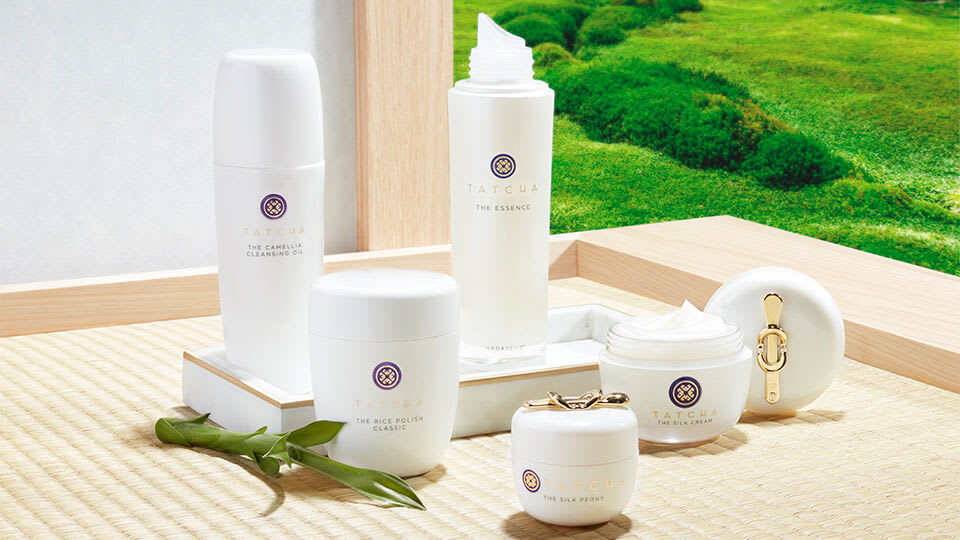
Not sure where to start with skincare? We’ve simplified everything you need to know to build a routine that works. While genetics play a big part in healthy skin, the products you place on your face are just as important—if not more so. But which skincare formulas are important and right for you? To uncover the answers to these questions, we compiled this know-all guide on how to build a skincare routine. From identifying your skin type and the most vital skincare steps to the products and techniques to elevate your daily routine, here’s everything you need to know about building your perfect skincare routine.Building Blocks of a Skincare RoutineComplicated multi-step skincare regimens have been in vogue for over a decade now, but recently there has been a focus on getting back to the basics. After all, you truly need just a few products to create an effective skincare routine. We believe in the ancient art of purifying, polishing, plumping, nourishing, and protecting your happiest, healthiest-looking skin—no matter your skin type. When building a skincare routine, start with these 5 components.PurifyArguably, the most important step in building your skincare ritual is cleansing with the best cleanser for your skin type. This vital step is not just about rushing through the purification process, but actually taking the time to carefully and thoroughly cleanse for cleaner, healthier-looking skin. The trick to learning to love cleansing and transforming the mundane cleanse into a mindfulness ritual is to embrace the Japanese concept of kiyome, which translates to purification. This belief can act as not only a physical cleanse, but also an emotional one, allowing the cleansing process to be an act of letting go.PolishChoosing the best exfoliator is another crucial step in building your skincare routine. While exfoliation may seem like a modern technique, geishas have been using komenuka, known as Japanese rice bran, to polish the skin for centuries.The main benefit of exfoliating is to remove dead skin cells from the surface of your skin, which can be accomplished by using a physical or chemical exfoliant and helps the rest of your products achieve their maximum potential. Chemical exfoliants are acids that dissolve the bonds that hold dead skin cells together and the most common forms are AHA and BHA. Physical exfoliants, or exfoliating scrubs, mechanically buff off dead skin cells. They often contain, as the name suggests, physical ingredients, like rice bran, to buff skin.PlumpWhen simplifying or building a routine, choosing products that have multiple uses is helpful. One of the most multi-use arsenals in your skincare ritual is an essence. A classic Japanese skincare ritual has long featured these “beauty waters”, known for their ability to soften and brighten the complexion. The humble liquid can resurface, soften, plump, and boost the effects of skincare in a single step. To use, simply splash a palmful of essence into your hand after cleansing and gently press it into the skin. This plumping step can also include the addition of a serum, which helps to address your skin’s additional needs (from hydration to fine lines).NourishSeal in hydration with the best moisturizer for your skin type. A moisturizer is not one-size-fits-all, instead it can come in several different formats, including lotions, gels, thick creams, or ointments. Whether it be a richly hydrating cream or a light, gel-based moisturizer, your ideal moisturizer should, on the most basic level, accomplish two major goals: prevent water from leaving the skin and deliver an optimal level of moisture for your healthiest-looking complexion.ProtectDon’t skip the sunscreen! While it might be tempting to consider an SPF simply just a summer must-have, sun protection is a daily, year-round necessity. Apply a broad-spectrum sunscreen with an SPF of 30 or higher every single day. Some sunscreen formulas are perfected for every skin type now, too, helping to support the face by including skin-bettering ingredients, like hyaluronic acid (for hydration) or niacinamide (to visibly firm and even skin tone).Building a Custom Skincare RoutineUnderstanding the basics is important, but knowing your skin type so you customize these steps to your specific skin is vital. This takes the process from just ‘using products’ to a full-fledged ‘skincare routine’.Skin Type First and foremost, determine your skin type. This will help you to understand and choose the right products for you that will balance skin, resulting in a healthier, more radiant complexion. If your skin type leads to any type of discomfort, whether that be too much oil production or extremely dry skin, focus on supporting your skin type with each step of the purify, polish, plump, nourish, and protect journey.Skin Concerns Secondly, consider if you have any skin concerns, which are issues that can be potentially improved with the right products. These can include common woes, like dehydration, enlarged pores, sensitized skin, redness, and dullness. Look for products within each step of your routine that can target your skin concerns, like a skin barrier-improving cleanser for sensitized skin or a brightening vitamin C serum for pigmentation.Skincare Routine OrderEven if you have the best products for your skin type and concerns, you’re not getting the most out of them if you’re not following the correct skincare routine order. Applying and layering your skincare products in the correct order means that you are encouraging them to work to their most effective levels, allowing you to transform your daily ritual.Weekly Treatments While consistency is key, adding a weekly treatment can give a much-needed TLC boost. This can include a hydrating sheet mask to give an extra dose of moisture, a clarifying clay mask to draw out excess oil and balance, or a brightening vitamin C mask to address dullness and dark spots. Choose a treatment that helps you address either your current concern or your overall skin type. Just make sure you follow the product’s recommended use guidelines, as some treatments are designed to sit on the skin for just a few minutes—or a few hours.Daily Skincare Add-OnsAlthough the five steps of purify, polish, plump, nourish, and protect are all you need when building your skincare routine, sometimes your skin craves a few additional steps, depending on your skin type. Here are a handful of popular products that might be a great addition to your morning and/or evening ritual.Eye Cream The eye area features our most delicate skin, leading to a handful of common skin issues, like dryness, puffiness, and fine lines. While it’s not needed, a daily eye cream can effectively help target these woes when used consistently. While some eye creams are multipurpose, many focus on just a few products, like, for example, a weightless gel that instantly sinks into skin, visibly firming and reducing puffiness.Face Oil You could easily have a successful daily ritual without a face oil, but it is a soothing and welcome addition to a skincare routine for dry skin, as well as mature skin types. When used in conjunction with a moisturizer, it can help seal in moisture and act as a barrier. The trick is to use it as the last step in your routine, right after a moisturizer (or second to last step during the day, after a moisturizer and before SPF).Makeup Primer You might not require a makeup primer, but you’ll notice the difference when not wearing one. Primers can not only allow makeup to last longer, but they can also act as a ‘shield’ of sorts, giving skin a barrier between daily irritants and pollutants. Most formulas are universal, but a few primers are tweaked to skin type, helping to absorb excess oil for oily skin or adding hydration for those that suffer from dryness.Blotting Papers Almost every professional makeup artist has a secret in their makeup kit: blotting papers. This humble tool can instantly absorb excess oil without altering makeup or the skin’s natural hydration. Many can be made of various ingredients, but look for a natural option, like papers made from abaca leaf.Whether you're wondering how to build a skincare routine for beginners or you’re a seasoned pro, considering and perfecting your daily ritual is always beneficial. But first and foremost, aim to nourish and protect your skin, which is the basis of a healthy complexion. At Tatcha, we believe in putting the ‘care’ back into your ‘skincare’ ritual–one product at a time.

The Japanese Superfood Skincare Diet
Some of the superfoods common in the Japanese diet, like rice bran and green tea, provide benefits beyond nourishment—even when applied to skin. Food plays a large role in every world culture, not only as a means of sustenance, but as a way to convene together, to share, and to preserve traditions. In fact, foods are some of the first ways we experience other cultures. It’s one of many ways we connect the peoples of the world, and one of the most powerful. After all, we all have to eat.If you’ve been to Japan, or eaten in a Japanese restaurant, you’ve probably had your own taste of the nation’s rich and flavorful food tradition. The food in Japan is closely tied to the country’s natural landscape, often incorporating local and seasonal ingredients. No meal puts this on display better than kaiseki-ryouri, a form of haute cuisine consisting of small, local dishes prepared in a variety of ways—pickled vegetables, steamed fish, and a healthy bowl of white rice. Through the simple act of eating, you can do more than learn about the flora and fauna of a place—you can taste it for yourself.The global popularity of Japanese food allows Japan’s unique culture to be shared all over the world, and it reverberates in areas outside the kitchen, too. Western societies have adopted a number of Japanese concepts, from dining to cleaning to caring for our skin. Of course, in Japanese culture, all of these acts of living are interconnected and inform one another in a variety of ways. Would it surprise you to learn that you can learn a lot about skincare through looking at the Japanese diet? We’ll look at a few ingredients and how they show up in Japanese skincare rituals.Serving the world: Japanese food goes globalThroughout its history, Japanese people preferred largely vegetarian diets; this was due in part to the nation’s dominant religions, Shintoism and Buddhism, and the focus they placed on environmental respect. Buddhism particularly forbade the consumption of animals, leading to mostly meat-free diets. Some emperors even banned fishing during their reigns. The 19th century’s Meiji restoration, in which Japan quickly modernized, saw many changes to the Japanese diet, including the end of a prohibition on red meat. Western and Eastern palates slowly began to meld.It was later in the 20th century when Japan began exporting its cuisine to the rest of the world. New inventions in refrigeration, around the 1970s, allowed businesses to ship their wares abroad. Around that time, the first sushi bar opened in Los Angeles, leading to a craze for Japanese restaurants all over the United States. A half-century or so later, it’s easy to find all sorts of Japanese diet staples—from sushi to ramen, even sticky natto—in America. These dishes are some of the first experiences Americans will have with Japanese tradition. Eating pretty: Japanese diet staples Certain foods are more prevalent than others in the Japanese diet, and when you look a little closer, you can see why. All offer benefits beyond mere sustenance. There’s a reason they recur not only in many areas of Japanese cuisine, but also throughout other cultural products.Green tea. The popular tea is impressively rich in polyphenols, which are known to have strong antioxidant and anti-inflammatory properties. Matcha, in particular, is thought to extend one’s longevity, and plays a role in the sacred Japanese tea ceremony—matcha has been scientifically proven to have significantly higher concentrations of antioxidants compared to conventional green tea thanks to the unique growing and consumption processes.Mugwort. Japanese mugwort, or yomogi, has been used as an all-purpose medicine for centuries, said to have antibacterial properties The wonder plant was also beloved by Empress Suiko, Japan's first female monarch in the 7th century. Her passion for herbal cures led her to decree the 5th day of the 5th month of every year to be a day for collecting irises and mugwort leaves, a tradition known as the Medicine Hunt (or kusuri-gari in Japanese), which is still observed every year on May 5th. This, and its amazing benefits, may be why mugwort is called the “Queen of Herbs.”Rice. Many Japanese dishes come alongside or on top of a bed of fluffy, white rice. Rice bran, or komenuka, is chock full of vitamins A, B, and E, as well as over 100 antioxidant compounds, including omegas 3 and 6, proteins and fats. It’s often referred to as skin softening, too, because rice bran naturally contains squalene and tocotrienols—this is perhaps why it’s shown up in centuries of Japanese cosmetic formulations.Seaweed. This briny botanical adds a marine flavor to sushi and soups, but it’s also a rich source of natural polysaccharides, protein, and fiber. In Japan, red algae in particular has been incorporated into bathing practices, including hair washing and special occasion body rituals, and is known as the “treasure from the god of the sea” by Okinawa residents. When consumed regularly, this superfood has been linked with numerous health benefits, from reduced cholesterol levels to healthier thyroid function.Food for face: Japanese diet staples in skin careThe vitamin and mineral richness of many Japanese foods make them excellent for use in skin care — as is evidenced by centuries-old beauty secrets passed down through generations. An 1813 text known as the Miyakofuzoku Kewaiden, or Capital Beauty and Style Handbook, reveals many such pieces of advice, from using rice bran as an exfoliant to camellia oil as a face cleanser. Japanese women are aware of the fact that their skin is a reflection of their health, which is why so many of the ingredients that are commonly found in their diet are also in their skin care; it stands to reason that what is healthy for their body is also healthy for their skin.Though the idea of a diet-skin connection is still a relatively new concept in the Western world, many skincare consumers are choosing to incorporate superfoods in more than just their diets. Eating well is the key to inside-out health. Here are a few skincare suggestions for some skin-deep benefits. A cleanser with gentle power: The Matcha Cleanse Made with: Kyo-Matcha, imported from Kyoto and rich in antioxidants. Formulated for oily skin, and made with kind-to-skin BHA alternatives Japanese coix seed and willow bark, this gel cleanser decongests pores for smooth, refined skin. An exfoliant that renews skin: The Rice Polish Made with: Finely-ground rice bran and papaya enzymes that promote natural skin turnover to instantly reveal a smooth, makeup-ready canvas. The Rice Polish collection uses whole rice grains to maintain all of its benefits, and finely mills it so it gently exfoliates, softening and smoothing skin. A moisturizer with added protection: The Dewy Skin Cream Made with: Japanese purple rice, a time-honored grain that provides pollution protection from free radical damage like fine lines and wrinkles (thanks to an abundance of antioxidants like anthocyanin). It’s included in Tatcha’s best-selling moisturizer, proven to visibly plump fine lines, seal in moisture, and protect skin from oxidative stress for smoother, more supple skin. An essence that does everything: The Essence Made with: Fermented Akita rice, moisture-retaining Okinawa algae, and antioxidant-rich Uji green tea. This harmonious trio of superfoods is fermented once more, boosting the benefits of the transformative superfoods and producing amino acids and alpha hydroxy acids like lactic acid, which support natural surface cell turnover for smooth skin.

The Best Japanese Beauty Products
Many of the best Japanese beauty products available today incorporate time-tested ingredients into modern formulations, for skincare solutions that seamlessly blend old and new. One of the most distinct elements of Japanese culture—one that can be seen, touched, tasted, and felt from the Arrivals terminal at Haneda airport to the mist-soaked streets of Kyoto’s Higashiyama—is the harmonious balance between the old and new.The nation’s unique history offers clues as to why. Once an archipelago of different native tribes, the country began to unify some four-hundred years BC, and over the course of centuries would coalesce into a country with its own language, customs, and practices. Modern Japan even saw a period of sakoku, or closed borders, in which the country only traded with China and a select group of Dutch traders for some two hundred years. After sakoku, Japan would begin to export aspects of its culture to the Western at large, sparking a vogue for distinctly Japanese products—from art to pottery to clothing—which much of the world had never seen before.In fact, many of these products have roots in traditions that span entire generations. Take green tea, for one. It’s believed that Buddhist monks traveled to China and brought the first green tea seeds back to Japan, planting them in the then-capital city of Kyoto. First noted for its medicinal properties, it was eventually enshrined in a highly respectful ceremony between hosts and guests in Japanese temples and palaces: the tea ceremony.Now, green tea is drunk all over the country, and Japanese green tea is drunk all over the world. You can also find the ingredient dusted into face creams and serums, since green tea supplies antioxidant benefits that help repair cellular damage. If that sounds surprising, then you may be curious to learn about all sorts of other Japanese beauty products and tools that not only have long histories in Japanese culture but have found new, contemporary, and science-backed uses. A geisha beauty secret: Camellia oilCamellia oil, or tsubaki, is a lightweight oil pressed from the seeds of the camellia flower, and has been popularly used in cooking. But it also has beauty applications since camellia oil is so beneficial for skin. According to texts that documented the routines of geisha performers, camellia oil was also used to remove thick stage makeup and moisturize skin. Its feather-light texture made it easy to mix with other ingredients, and its high vitamin content made skin luminous—a beautifying treat, inside and out. An inside-out superfood: Rice branRice is a Japanese diet staple. And when you look under the grain, you can see why: Komenuka, or rice bran, is a vital source of vitamins A, B, and E, as well as a complex blend of over a hundred antioxidant compounds—omegas 3 and 6, proteins, fats, fibers, ferulic acid, and minerals. Rice bran is also beneficial for the skin and has been used for centuries as a key ingredient in cleansers, masks, and bathing powders. Try it in: The Rice Polish: ClassicIt’s one of Tatcha’s most iconic products for a reason: The Rice Polish draws directly on the geisha beauty ritual of using rice bran as a gentle skin exfoliant. The nutrient-rich grain is finely milled suds into a soft cleansing cloud once mixed with water. A forest, bottled: Hinoki woodEver heard of “forest bathing”? Also known as shinrin-yoku, it’s a modern Japanese practice with ancient Shinto roots, and it may sound familiar: Being surrounded by nature makes us feel good. Scientists have hypothesized that this is due to benefits from the natural oils secreted by trees. But even without scientific explanation, the practice highlights the Japanese philosophy of living in harmony with nature. It’s good for us, in more ways than one. Try it in: Forest Awakening Hinoki Body MilkFormulated with the wood oils known to contain organic compounds proven to reduce stress, lift mood, and help improve well-being—including cedar, hiba, and hinoki—this lightweight moisturizing treatment helps relax the mind while it soothes the body. Try it in: Hinoki Massage SetHinoki has been the chosen building material for sacred temples and soaking tubs alike. Its scent is embedded in the bathing rituals of Japan. This massage set of ergonomic massage balls and tray, crafted in untreated hinoki, brings a spa-like touch to your at-home body rituals. A superlative softener: Silk proteinGeisha saw the great value in silk for their skin early on, and would use the fabric to “wash” their faces and bodies. It’s no wonder that silk is good for skin: Both are delicate, water-binding fabrics. Silk’s benefits for skin come from proteins including fibroin, the inner part of silk that nourishes and balances skin, and sericin, the outer part of silk that hydrates and veils skin with moisture. Tatcha’s silk-infused formulas are made using these liquid proteins, which are extracted from natural silk. Try it in: The Silk SerumRetinol is a tried-and-true skincare ingredient that helps promote cell turnover, but it can be harsh on all skin types. In Tatcha’s The Silk Serum, natural retinol alternatives—from cranberry extract and sea fennel—meet moisture-binding silk proteins to visibly firm, smooth, and reduce the look of deep wrinkles while reducing visible redness; or, in other words, turn skin to silk. Try it in: The Liquid Silk CanvasTatcha’s bestselling Japanese pore primer renders the softness of silk into a weightless primer. The easily-absorbed silk proteins pave a smooth “canvas” onto which you can apply makeup for all-day or all-night wear.An everything essential: MatchaMatcha, a form of powdered green tea, is an excellent source of antioxidants, which prevent and repair oxidative stress—otherwise known as the denaturing reactions between our inner skin cells and outer pollutants. But not all green teas are created equal. Some of the best in the world is still grown in Kyoto, where it was planted thousands of years ago. Tatcha’s matcha comes from here, and is grown under a parasol for a few weeks before harvest to increase its amino acid content—a practice which has earned Kyo-matcha the cheeky moniker of “princess of green tea.” Try it in: The Matcha Cleanse Formulated for oily skin, this gel suds into a soft foam that decongests pores and balances oil without stripping moisture away. Green tea lends its antioxidant content, but also has been known to soothe visible redness. BHA alternatives, meanwhile, work to refine pores and keep skin looking clean and clear. Try it in: The EssenceGreen tea also helps form Hadasei-3, Tatcha’s proprietary complex of botanically-derived actives. The Essence is made of 100% Hadasei-3, and works to help nourish the skin while boosting the efficacy of other applied skincare products—and, like a cup of tea, gives a little health to your overall ritual.
Best Moisturizer for Dry Skin
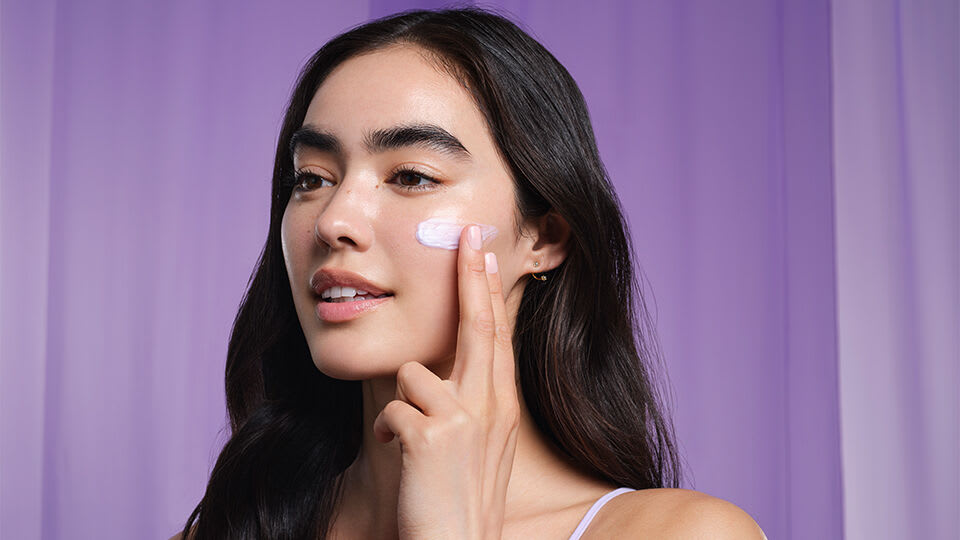
When it comes to dry skin, not all moisturizers are created equal. Read on as we discover the most effective creams to quench dryness and irritation. Skin yearning for hydration and occasionally feeling tight? You likely have dry skin. The great news is that for most people, dry skin can be easily remedied by adjusting their moisturizing routine, says the American Academy of Dermatology. But dry skin requires specific needs to feel quenched. Keep reading as we uncover the best moisturizer for dry skin.Moisturizer BasicsWhile dry skin isn’t a medical issue, dryness left untreated can lead to discomfort, irritation, redness, flaky or rough texture, and itchiness. A moisturizer works by simply putting moisture into the skin and preventing water from leaving the skin, notes the AAD. A moisturizer comes in a variety of options, including gels, lotions, creams, and ointments. A gel is often water-based and tends to feel lighter on the skin than a lotion, adds the AAD. A cream is thicker and has higher oil content than a lotion and gel, making it more hydrating. An ointment is the thickest of all, which can be helpful at creating a barrier on the skin to fight extreme temperatures or dryness.Those with dry skin have particular hydration needs, so look for moisturizers that include extra emollients, ceramides, and peptides to soften the skin’s surface and drench it with hydration.Dry Skin Hydration Do’s and Don’ts Do Hydrate on Damp Skin Putting a moisturizer on damp skin helps the product trap water in the skin and keep it from evaporating, says the AAD. Plus, a moisturizer will slide onto the skin more easily and absorb better when the skin is damp. Dry skin’s best friend? An essence, which can help prep skin and make a moisturizer hydrate more effectively. Do Inspect Skin Regularly What might be beneficial for skin one day or week, might not be as effective the following day or week. Skin is ever-evolving and adapting to its surroundings, and so should your skincare ritual. While a lightweight cream might be soothing majority of the time, extreme temperatures might leave skin in need of a rich cream. Analyze skin after cleansing regularly to assess its baseline.Don’t Do Too Much Introducing too many products or changes at once can be a surefire way to inflame dry skin. Test one product at a time and allow skin to adjust before considering another formula. If reactiveness is a common occurrence, spot test on an inconspicuous area first, like the neck or behind the ear to ensure there’s zero irritation.Best Face Moisturizer For Dry SkinDry skin loves pampering, so restore it with hydrating moisturizers, rich creams, and protective treatments. The best facial moisturizer for dry skin is The Dewy Skin Cream. The rich, moisturizing cream plumps skin for a dewy, healthy-looking glow—thanks to the antioxidant-packed Japanese purple rice, algae, hyaluronic acid, and our superpowered Hadasei-3 Complex (a trinity of Japanese superfoods that restore healthy radiance). The rich texture increases hydration, radiance, plumpness, and overall texture and firmness—perfect for dry skin. Best Face Cream For Extremely Dry SkinFor those who need to address both dehydration and irritation, grab the game-changing Indigo Overnight Repair. It’s one of the best face creams for very dry skin—although it’s technically a serum-in-a-cream—because it not only keeps moisture in, but it also is clinically shown to improve the strength of the skin barrier*, which can improve skin’s overall health and appearance. *Based on a 4-week clinical study on 25 participants.Best Non-Comedogenic Moisturizer For Dry SkinThe best face cream for dry skin can often be a cream or ointment—but that’s not always the best fit for acne-prone skin. Consider The Water Cream, which addresses both hydration and excessive oil in a single lightweight, clarifying cream. In a consumer study, 95 percent of users noted their skin looked brighter and more moisturized and 85 percent of users noted their pores appeared smaller.* *Based on a twice daily use for four weeks, in an independent consumer study of 20 women.No matter which moisturizer for dry skin you choose, be patient and diligent. While a moisturizer can instantly soothe skin, addressing dryness can be long-term. Follow a hydrating daily routine with love and care and your skin’s overall health is likely to follow.