






Sensitive skin is very common, yet identifying it isn’t always easy. Here is everything you need to know about skin sensitivity, what causes it, and how to manage it.
What is Sensitive Skin?
Sensitive skin is skin in a heightened state of reactiveness, most often on the face. It's characterized by unpleasant sensations like burning, stinging, itching, and tightness in response to everyday triggers, from skincare products to environmental and even emotional stress, that wouldn't typically bother other skin. Visible signs such as redness may or may not appear, which is why sensitivity can be hard to identify.
What Causes Sensitive Skin?
Many issues can cause skin sensitivity. Here are a few of the most common.
Aggressive Skincare Products
Intense acid treatments, retinols, and aggressive cleansers can all contribute to skin sensitivity. This is likely caused by stripping away the top protective layer of skin, known as your skin barrier.
Weakened Skin Barrier
A damaged skin barrier can lead to a host of problems, including excessive dryness, irritation, acne, and sensitivity, notes the Cleveland Clinic. This is because our skin barrier guards and protects skin from irritants and toxins, while also protecting the moisture levels. When the barrier is compromised, irritants can penetrate the skin and moisture disappears, leading to dehydration, redness, itching, and other sensitivity issues.
Chronic Skin Conditions
Allergies, contact dermatitis, eczema, and psoriasis can naturally compromise the skin barrier, leading to more sensitivity. Working with a dermatologist to understand your skin conditions and triggers is an important step to treat and prevent excess sensitivity.
Treating Sensitive Skin
As mentioned above, understanding your skin triggers is an important first step in treating sensitive skin. Tracking products, foods, or allergies that cause a reaction in the skin is important. It’s also helpful to remove known irritants from your regime, like acids (and other intense exfoliants), aggressive cleansers, and retinol. Focus on sensitive skincare products formulated to soothe and calm skin. Simplify and ‘gentle-fy’ your skincare ritual first and foremost. Reach for products and brands that avoid allergens and irritants and tout soothing ingredients.
Ingredients to Look For
Here are a few gentle ingredients to consider adding to your skincare routine.
Colloidal Oatmeal
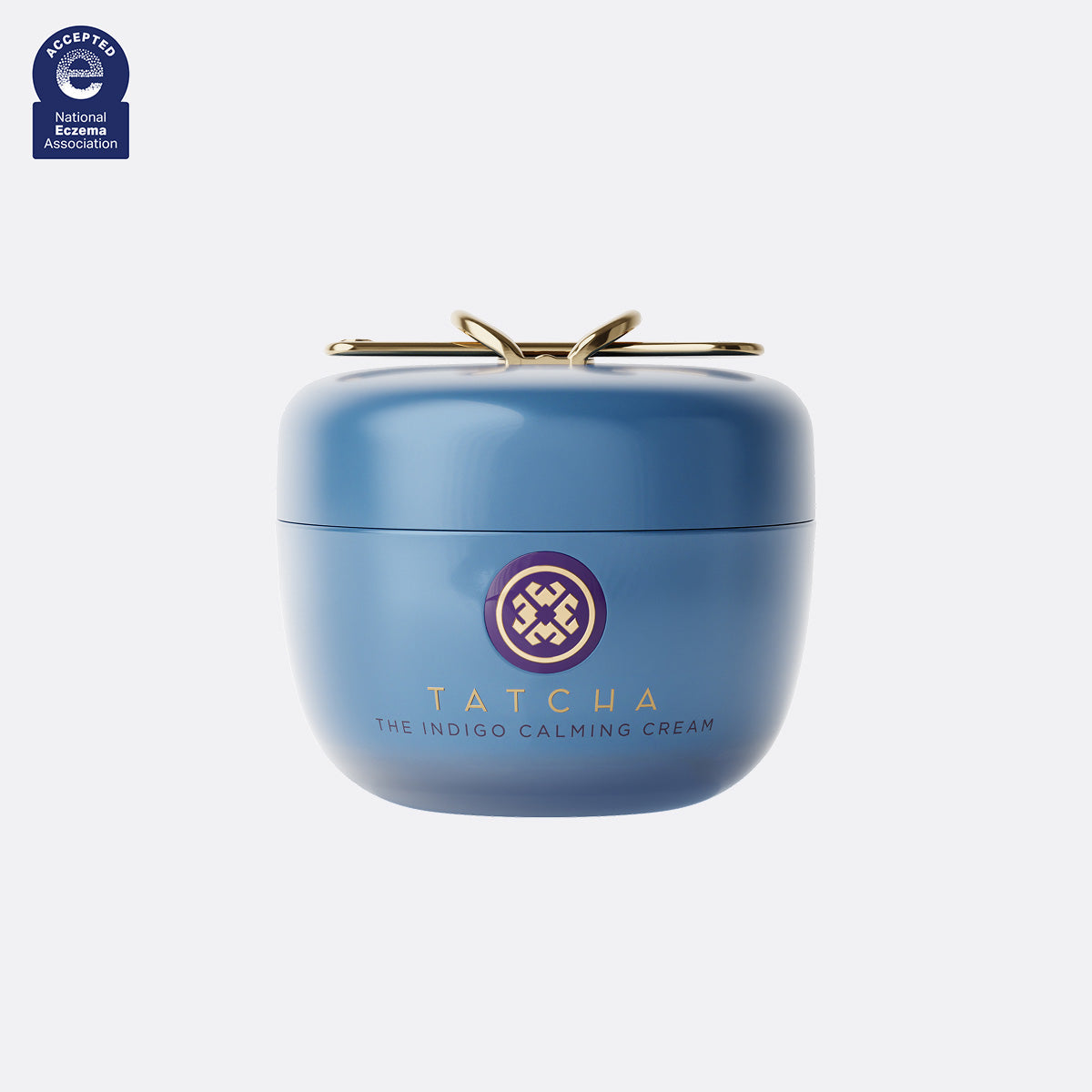
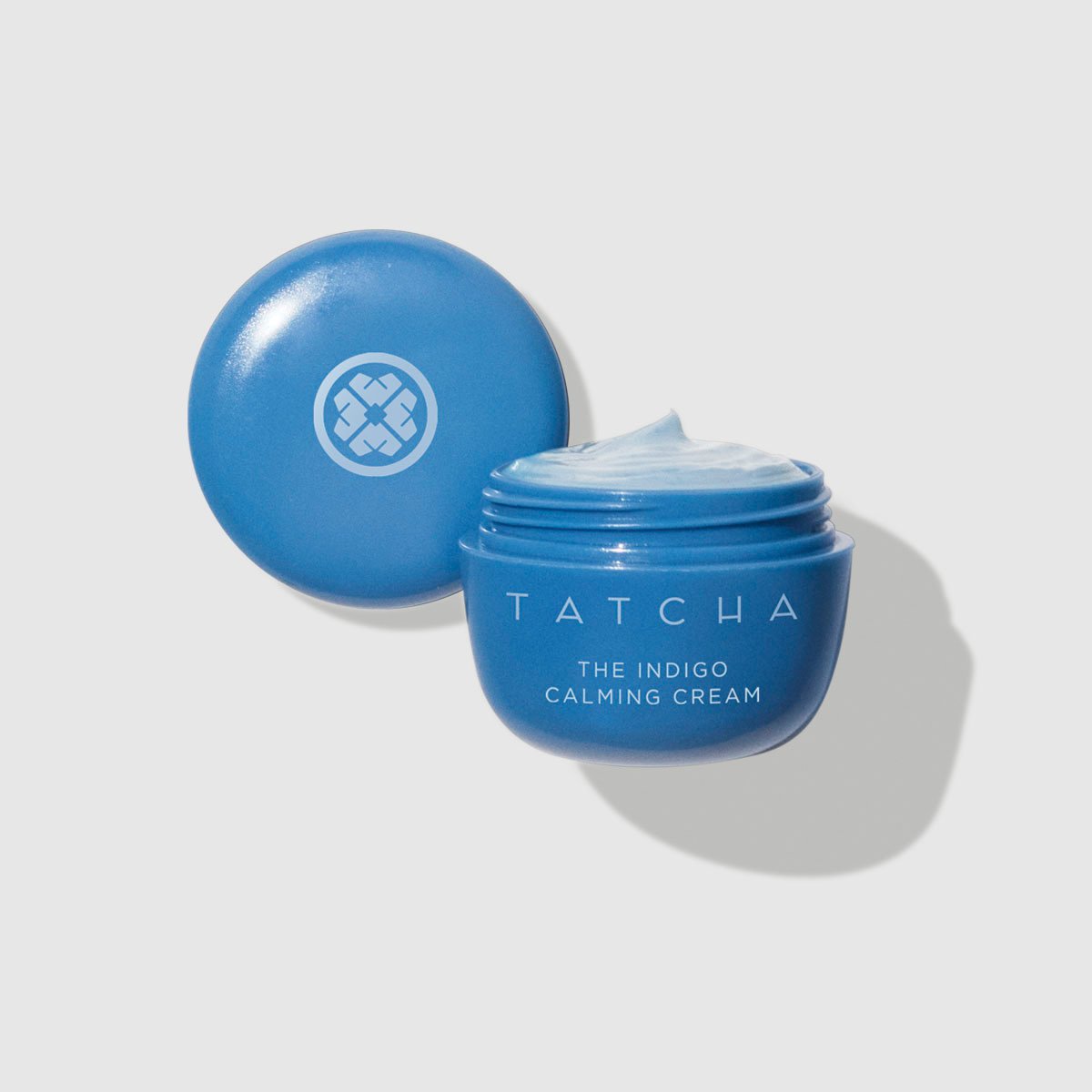
Colloidal oatmeal is treasured for its therapeutic results and powerful relief. This ingredient can be found in The Indigo Calming Cream, which was awarded the National Eczema Association Seal of Acceptance, classifying it as safe for even the most sensitive skin.
Licorice
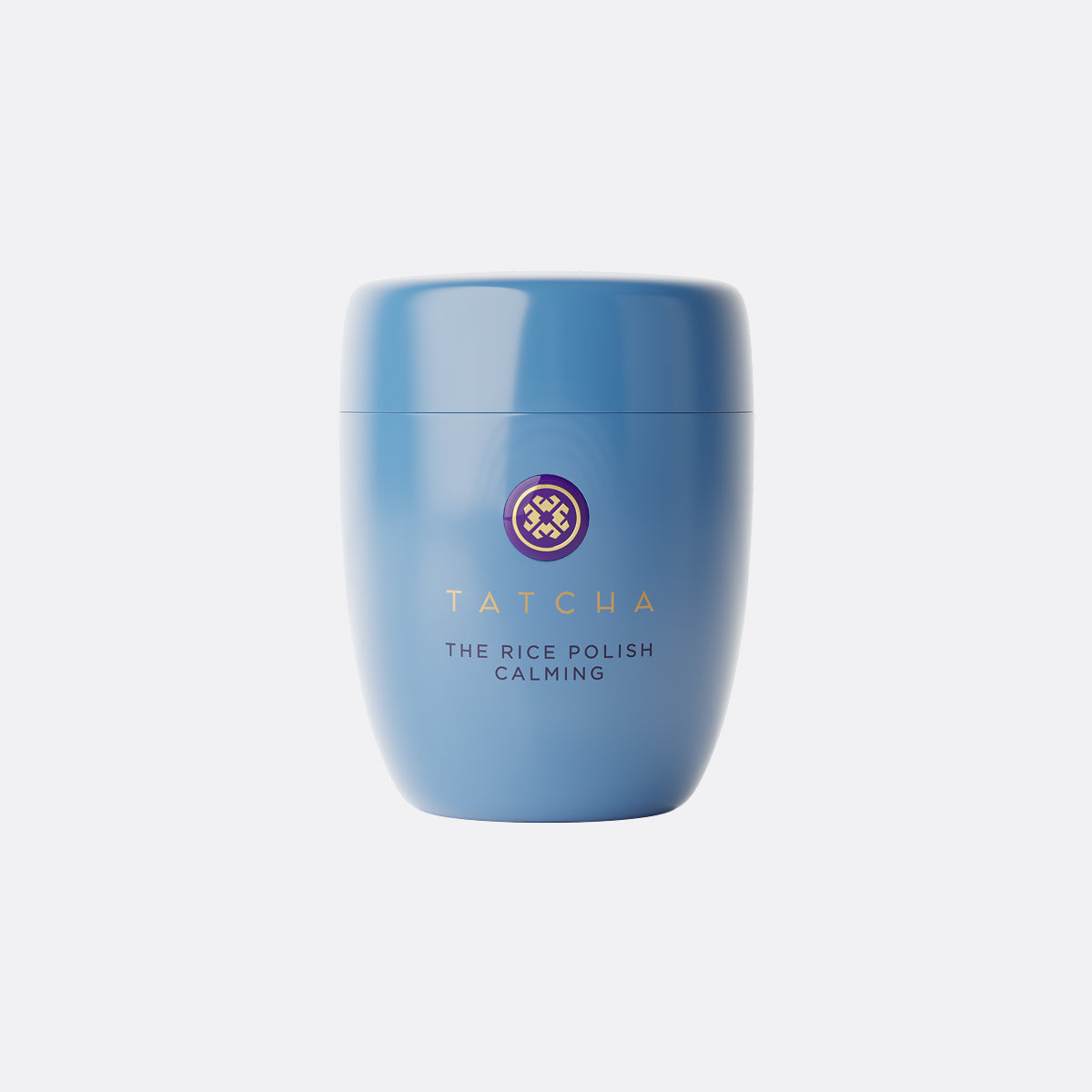
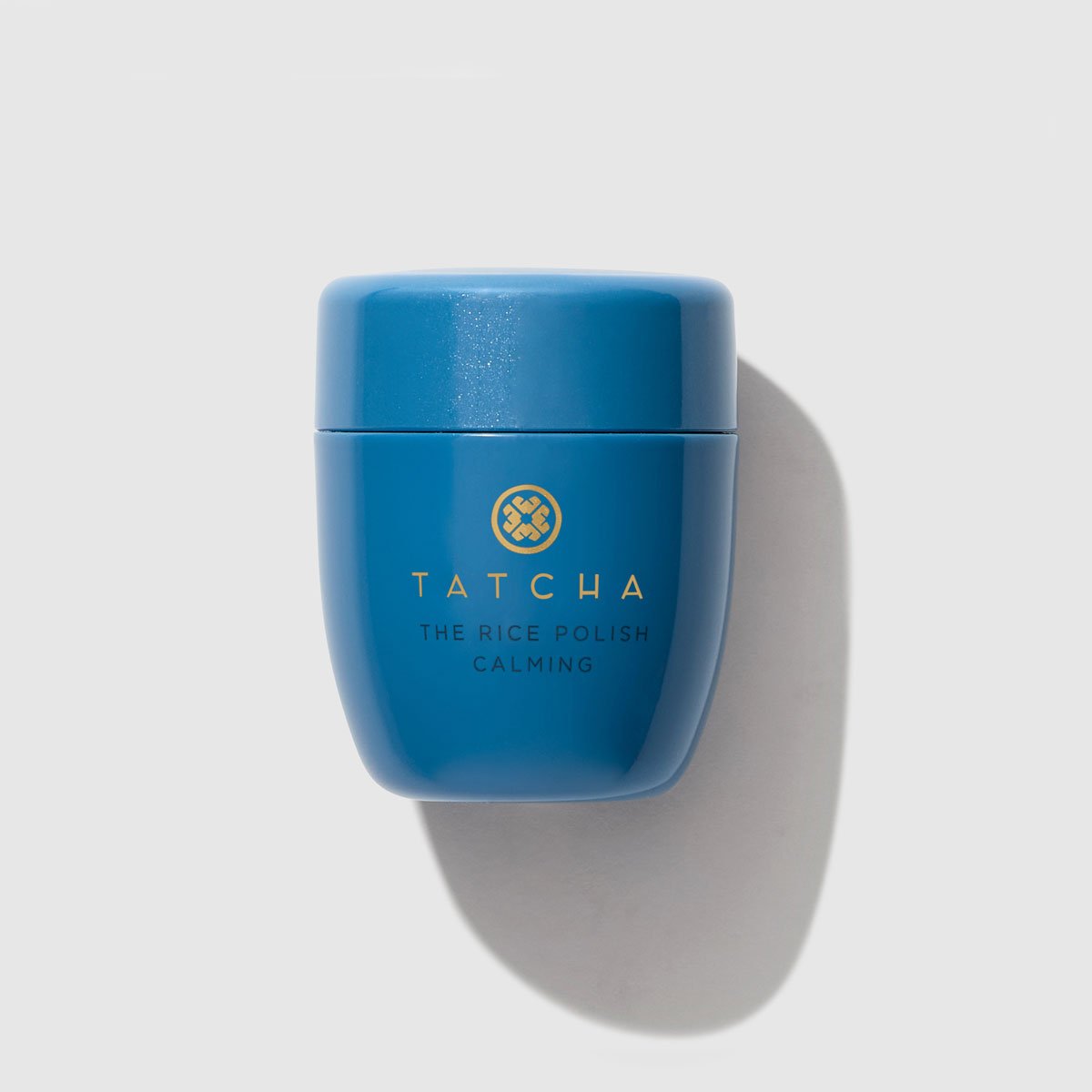
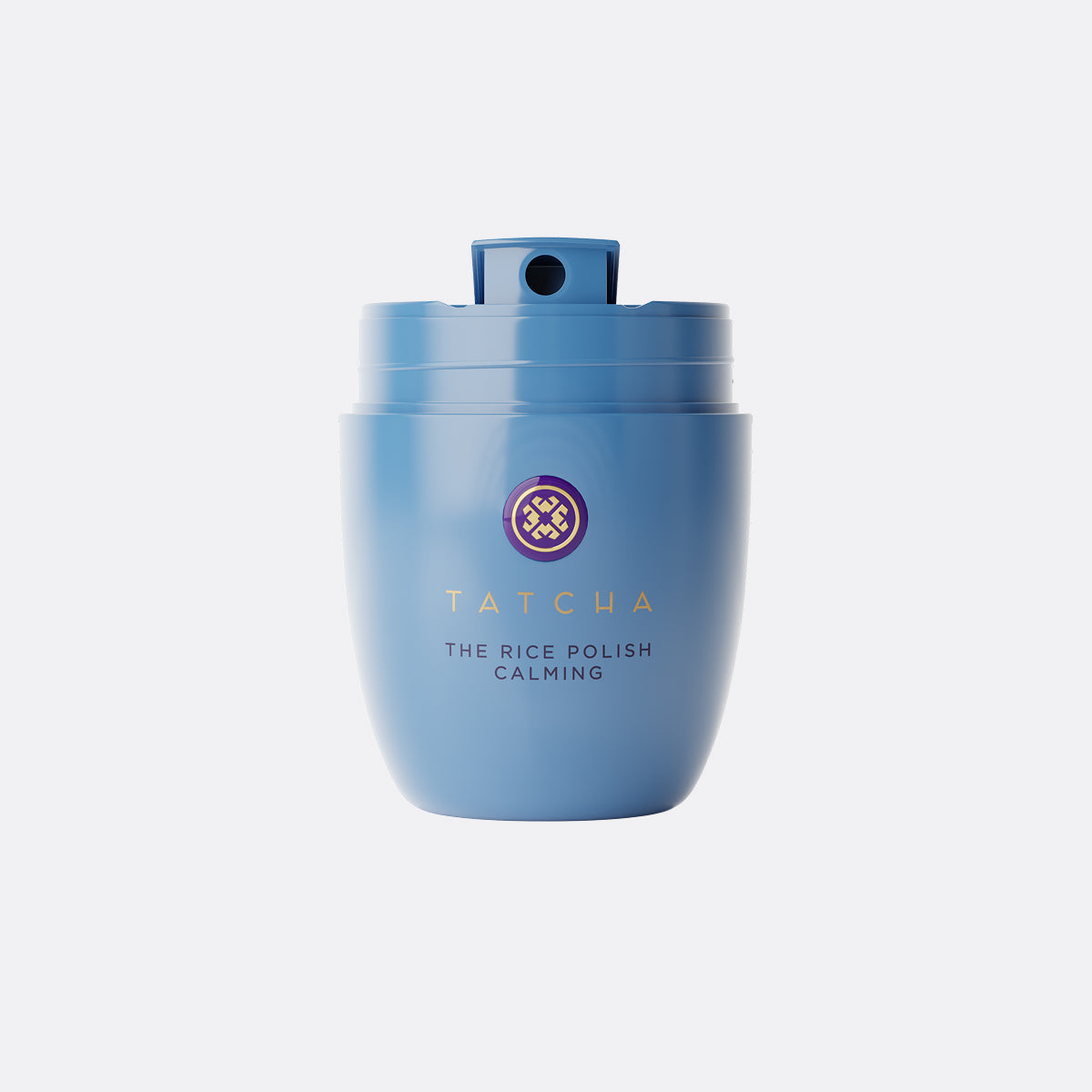
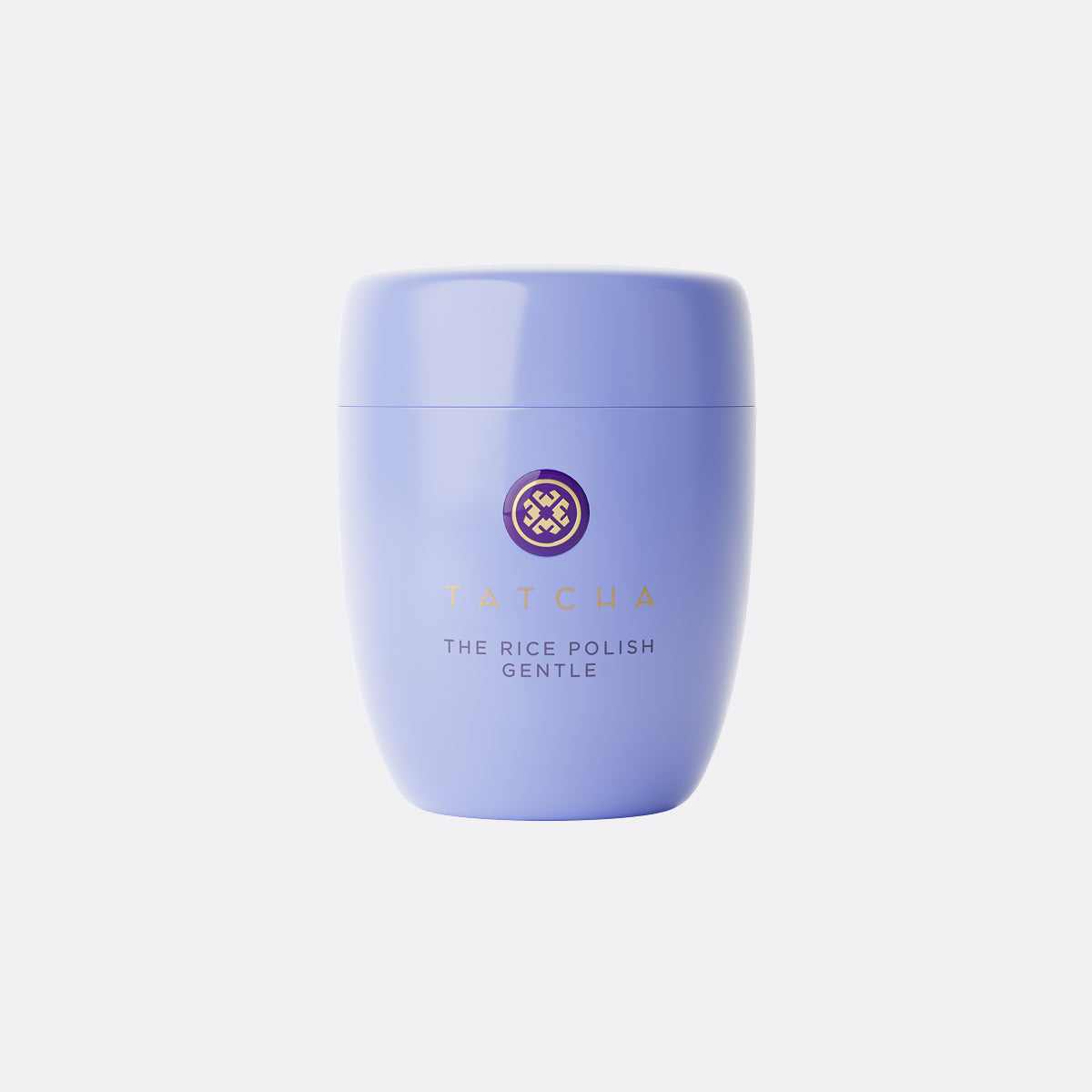
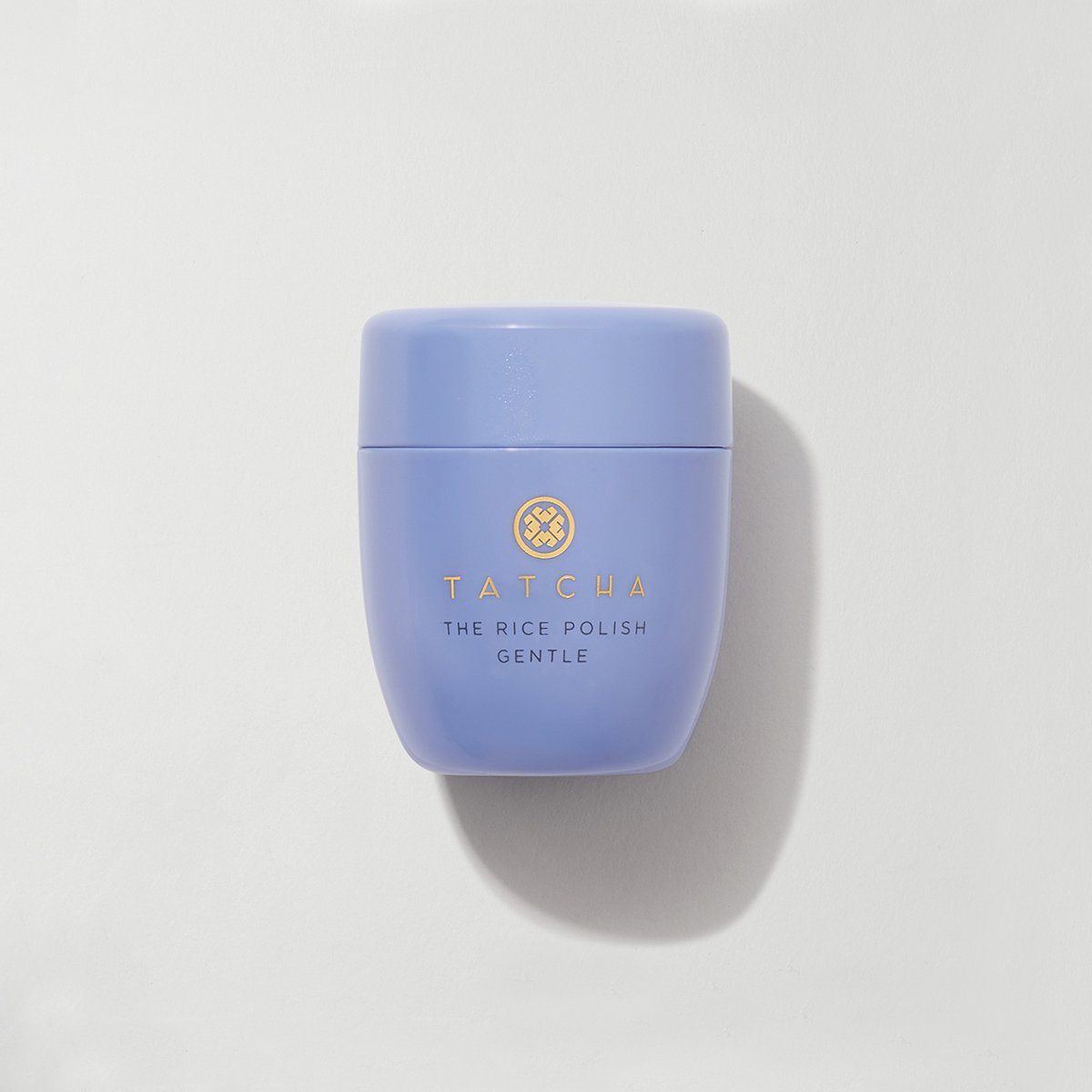
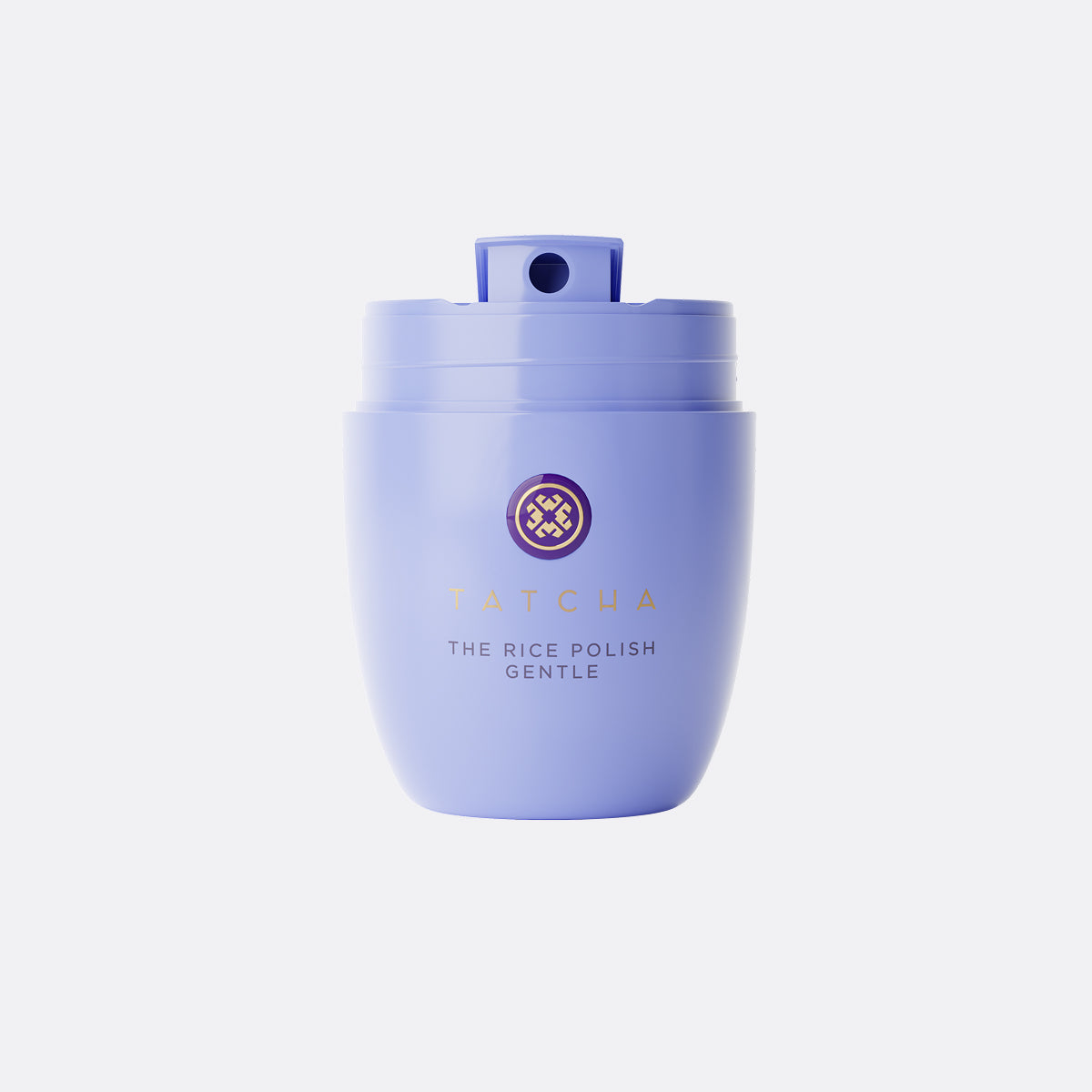
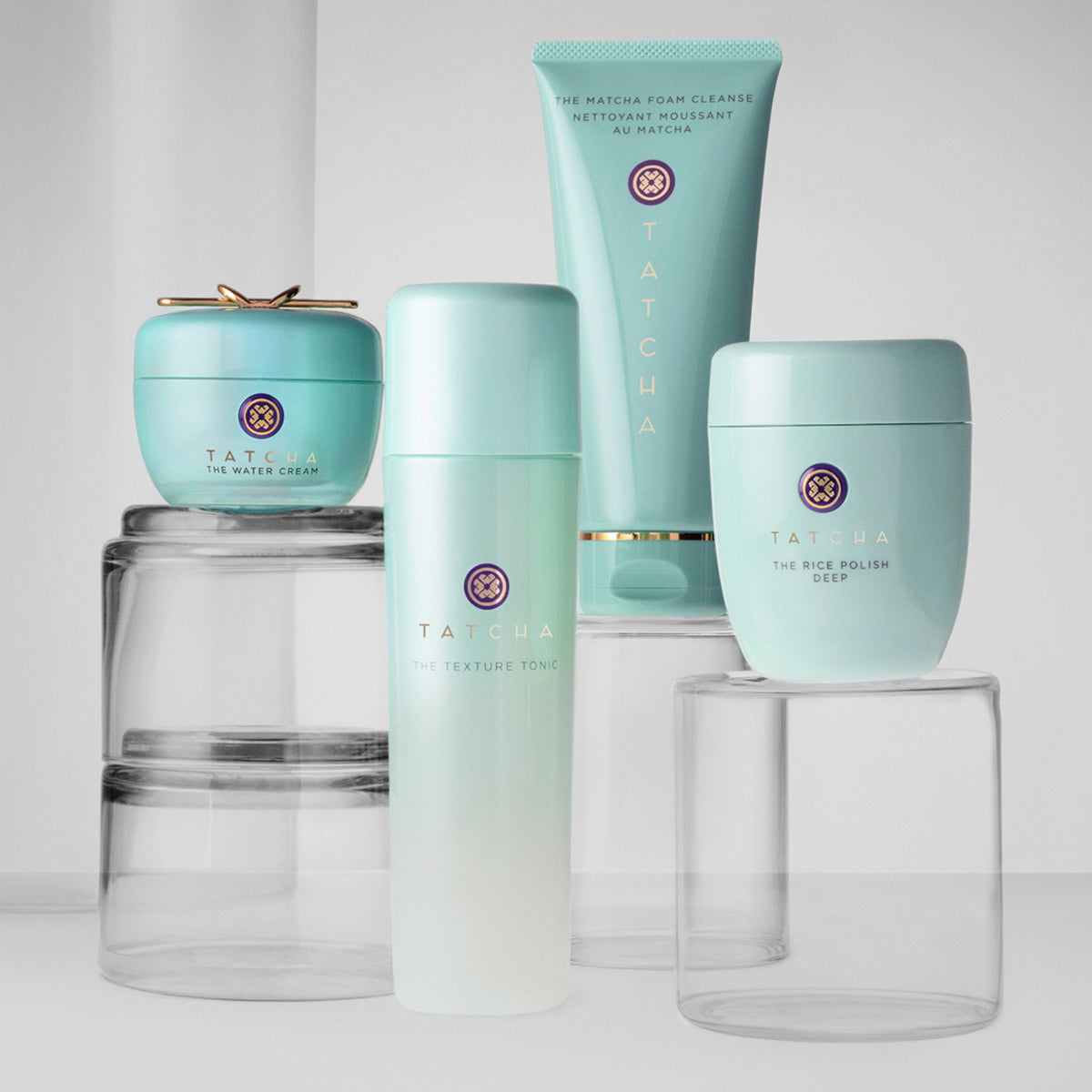
Licorice root is not only brightening but it’s also known to calm sensitive skin. The botanical is naturally antibacterial and anti-inflammatory, providing a gentle and soothing experience for most skin types. Licorice root extract can be found in one of Tatcha’s prized calming products: The Rice Polish: Gentle. An exfoliating product is rarely geared toward sensitive skin, but this Japanese-inspired polish was crafted specifically for gentle cleansing and exfoliation.
Algae
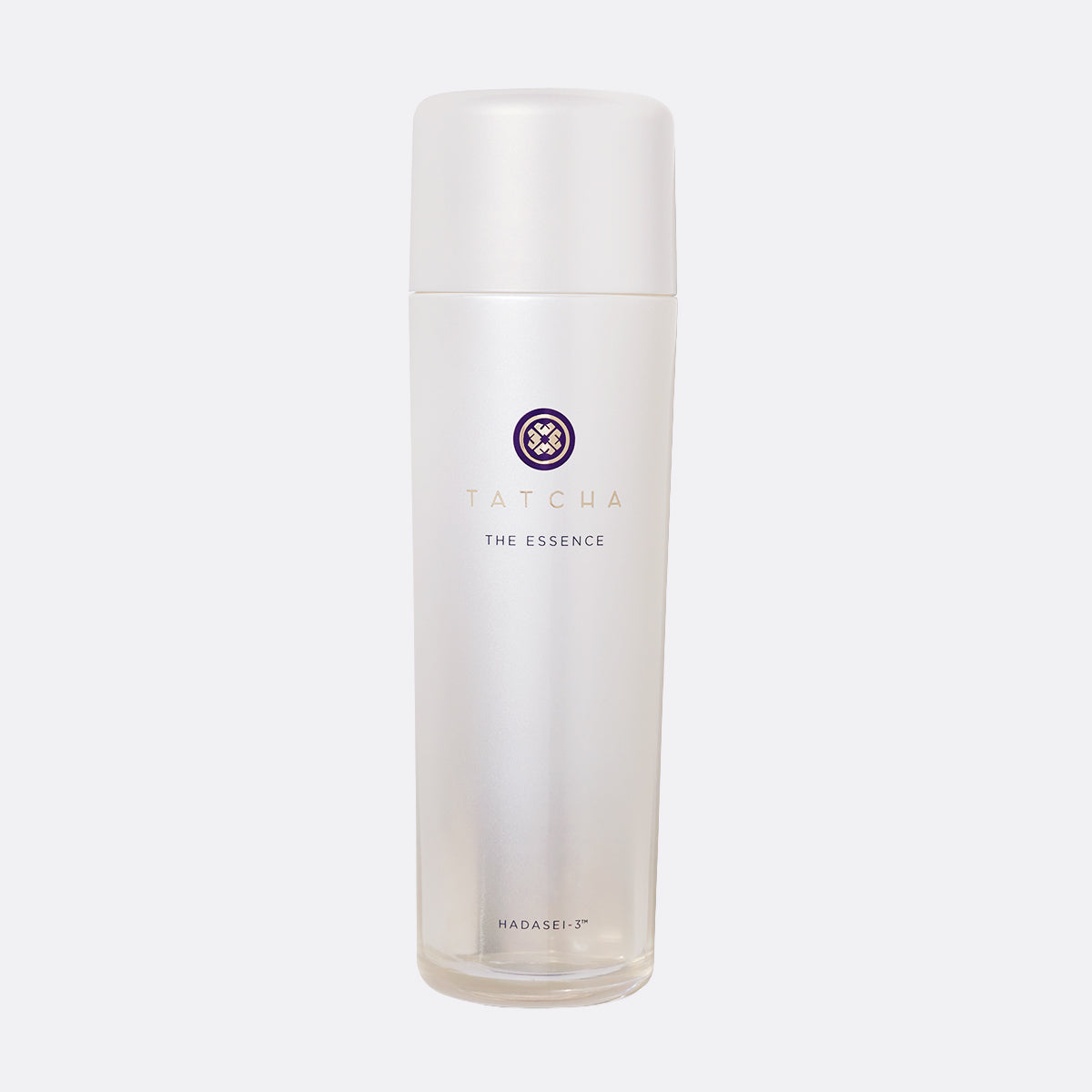
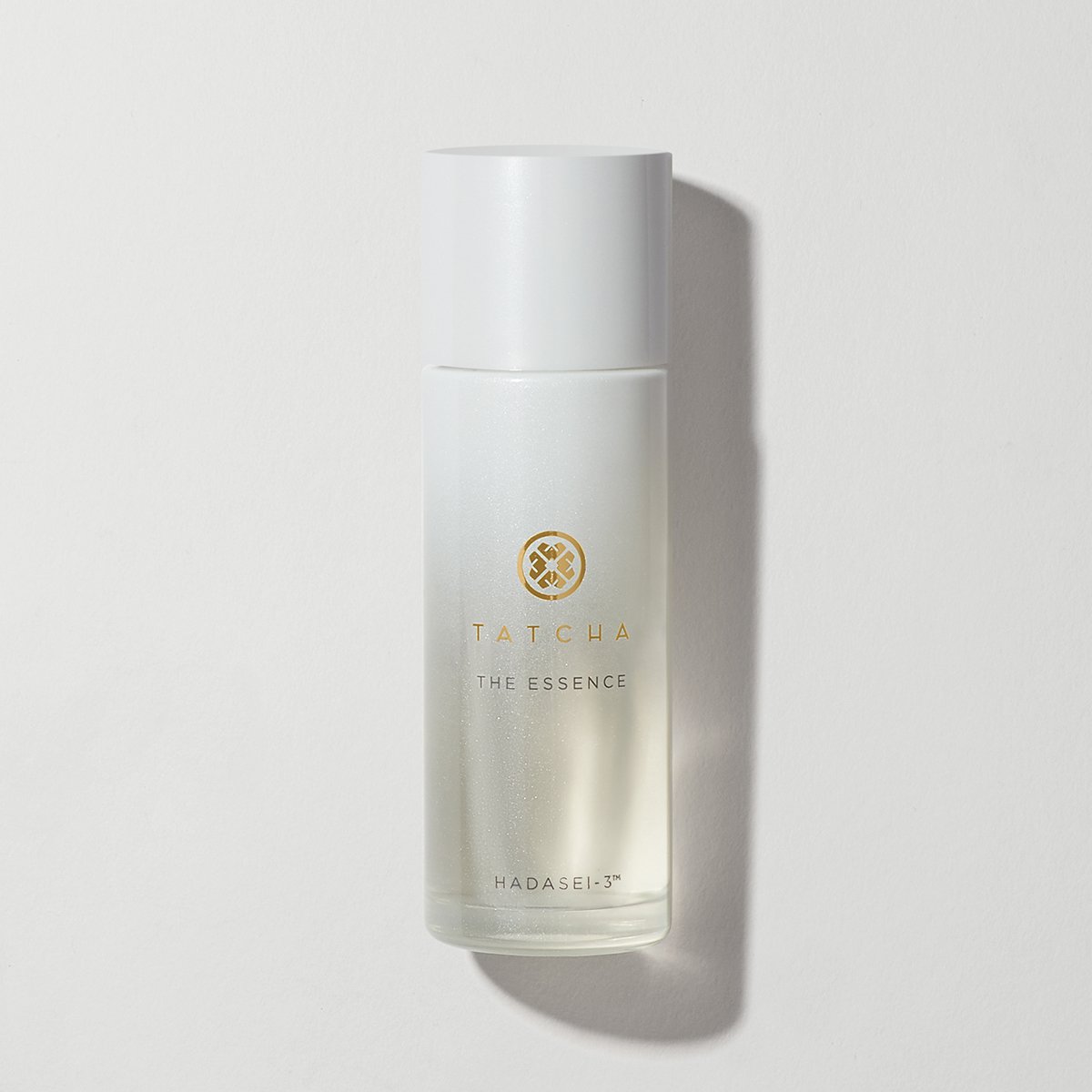
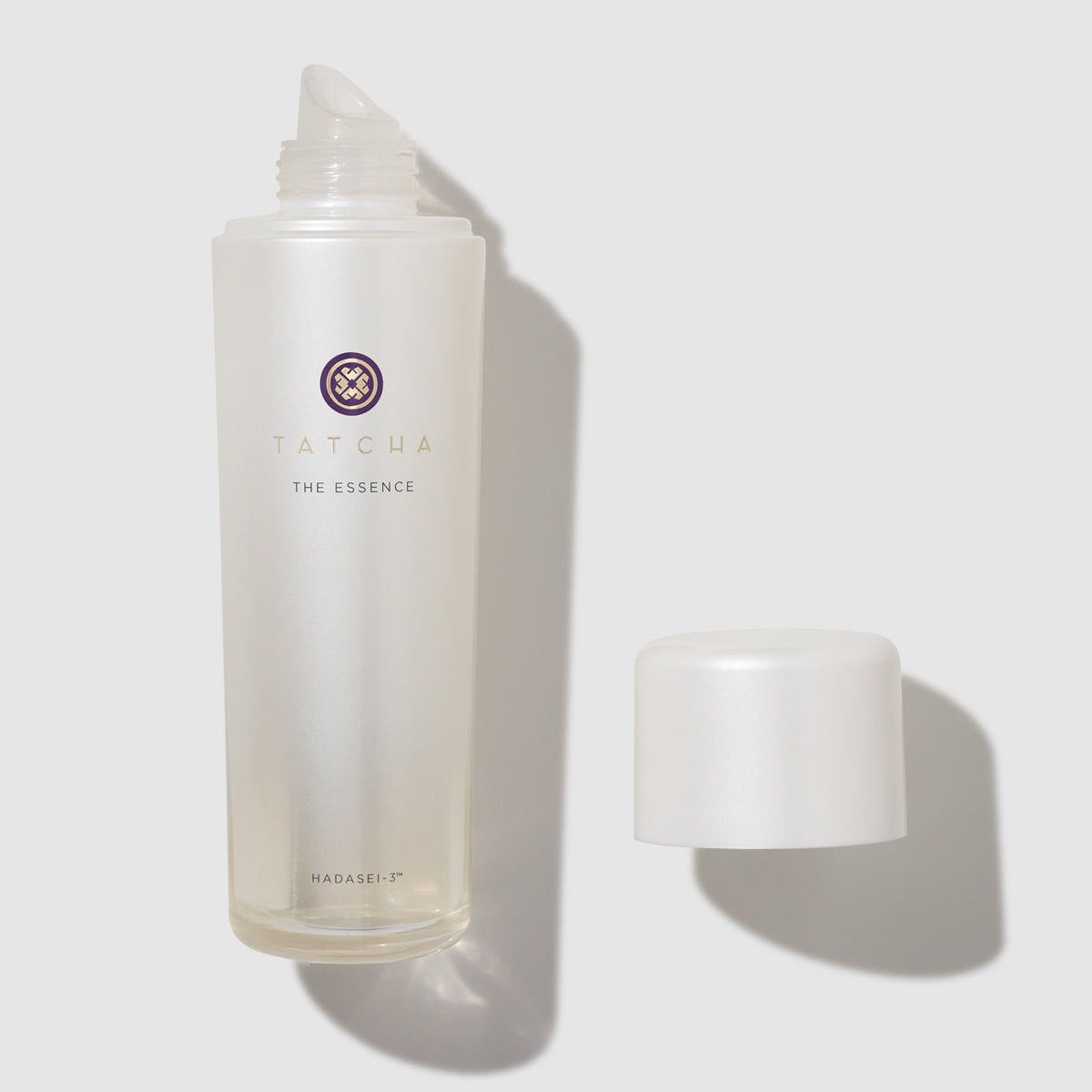
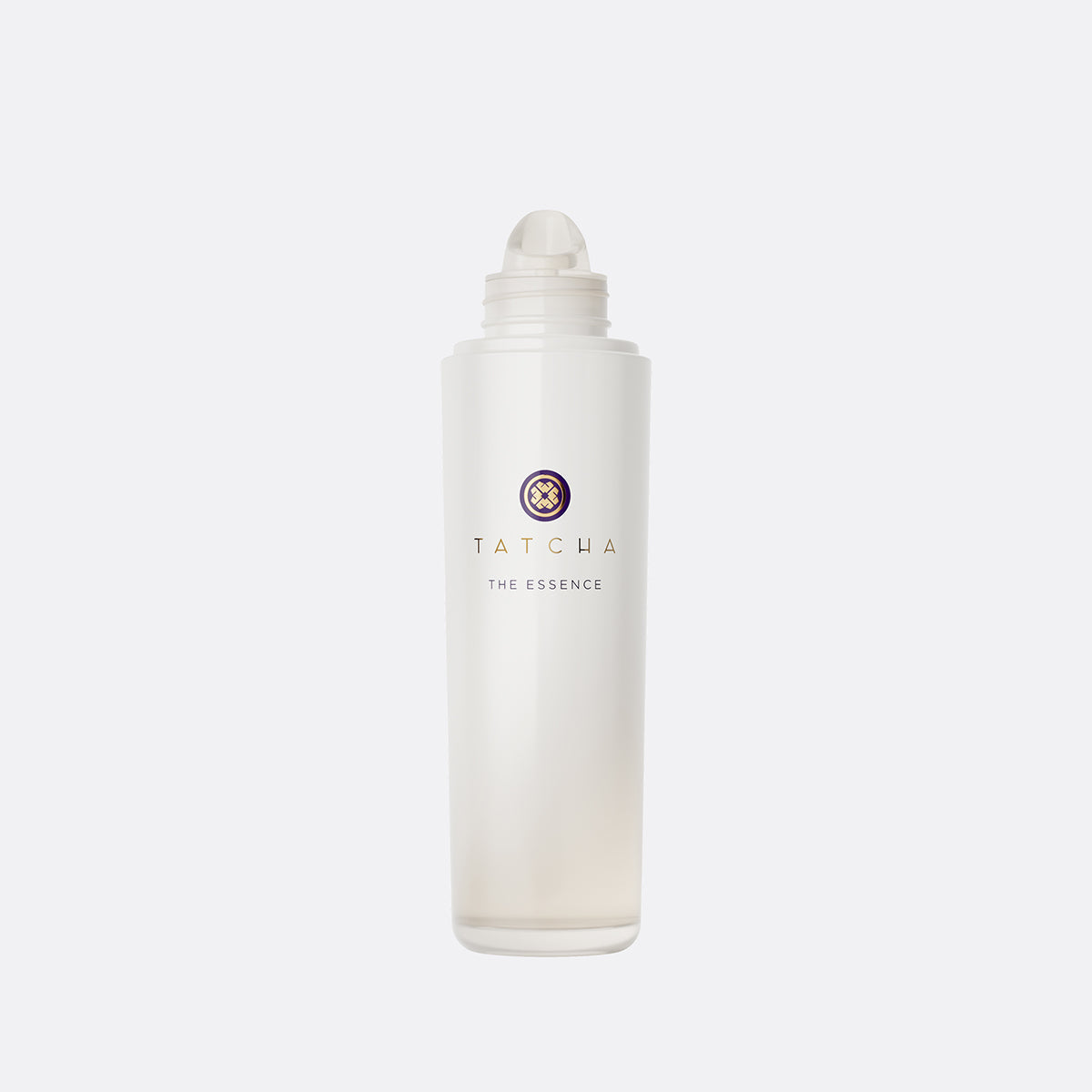
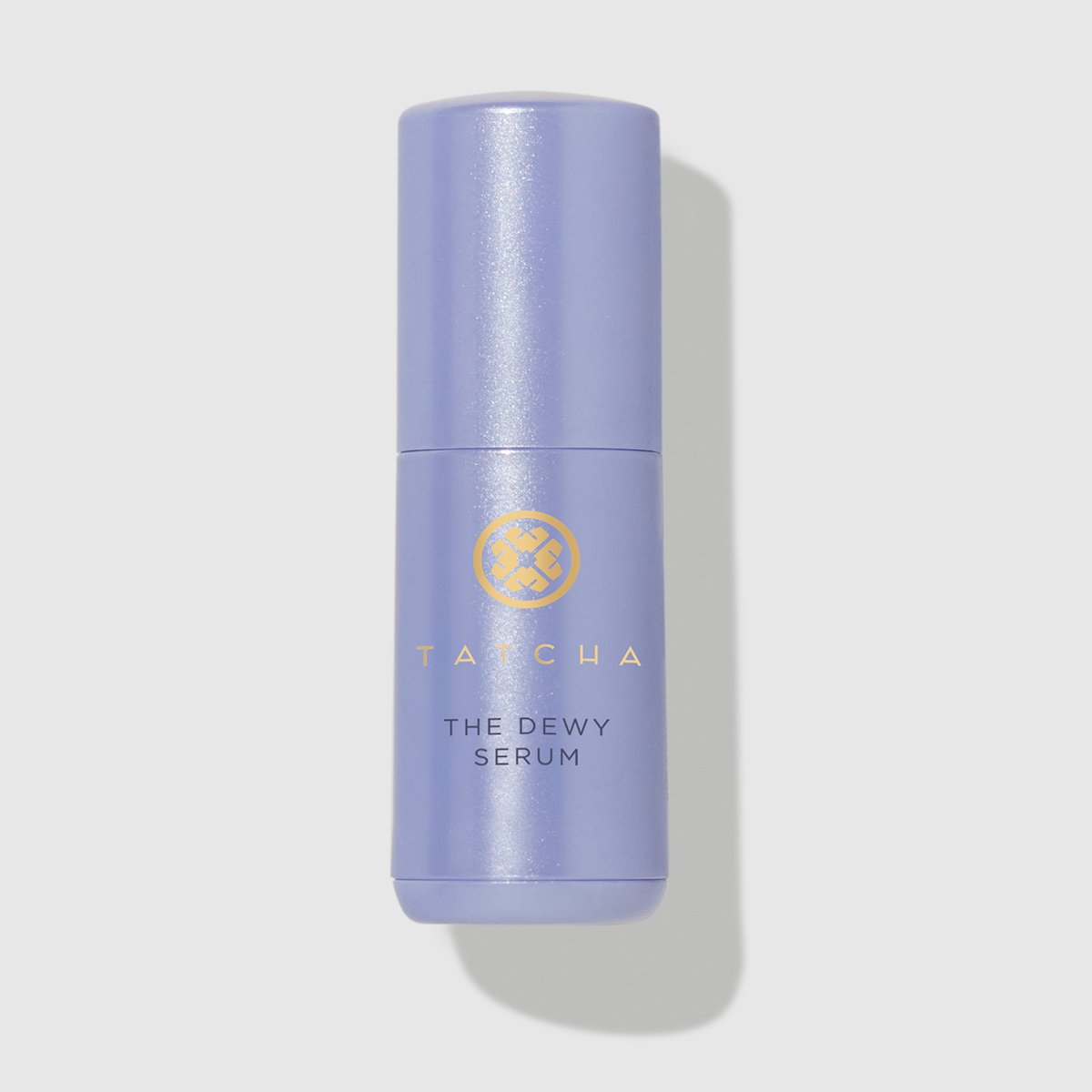
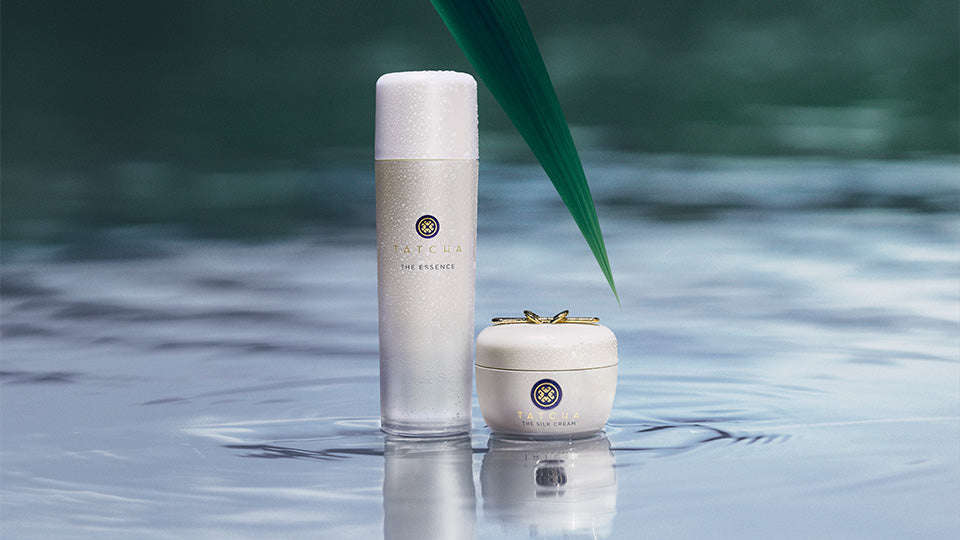
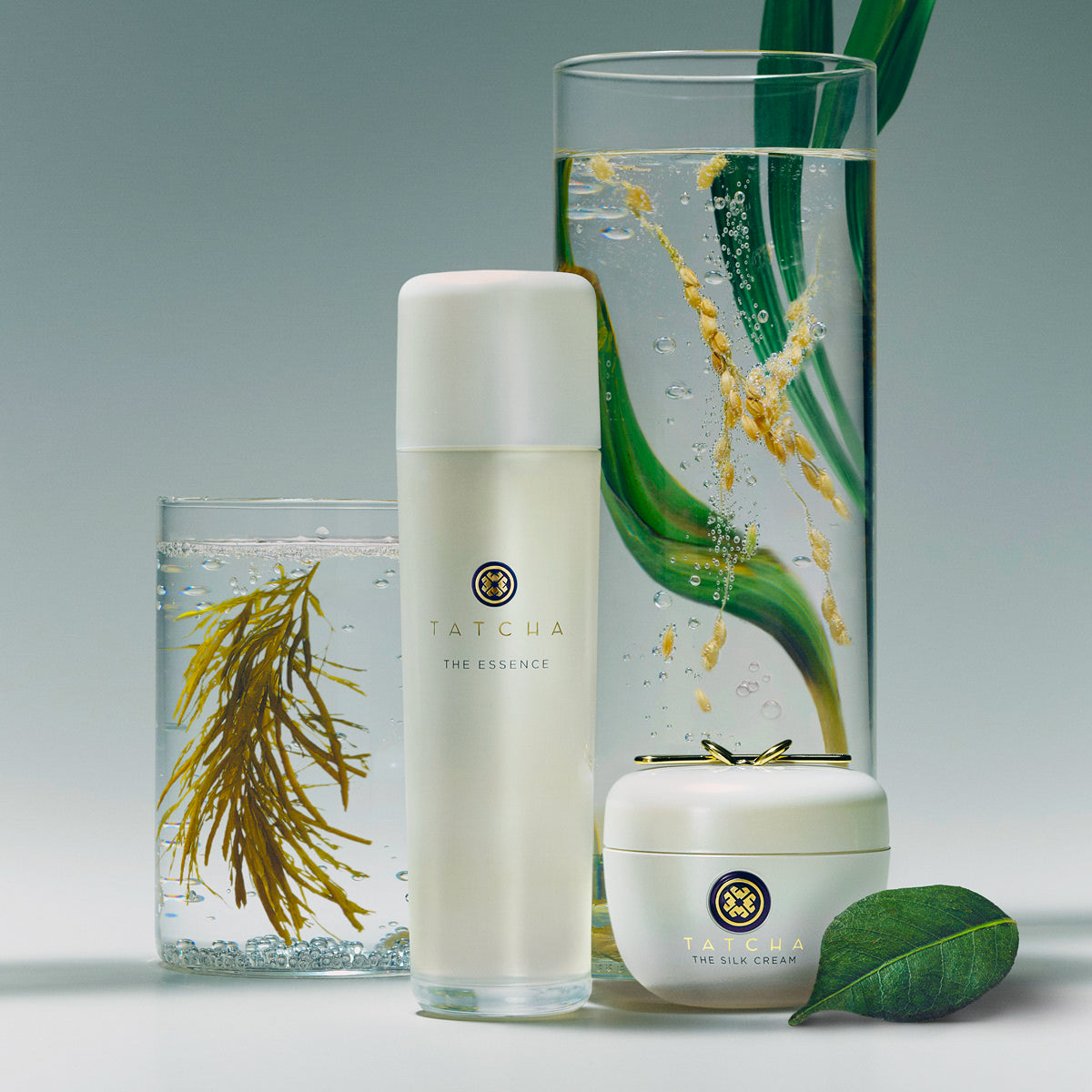
Algae revitalizes and leaves skin feeling soft, dewy, and refreshed. The superfood also contains humectant properties, allowing it to thoroughly lock in moisture and keep skin hydrated for longer. Additionally, this marine botanical is shown to cocoon skin from pollution and blue light (commonly emitted from digital screens) by intercepting free radicals. In total, algae simultaneously hydrates, restores, and shields the skin. This antioxidant-rich plant is an integral part of Tatcha’s proprietary Hadasei-3 complex that is composed of a trinity of time-tested ingredients that work in harmony to deliver radiant, healthy-looking skin. Our prized Hadasei-3 complex can be found in a variety of Tatcha’s products, including The Essence and The Dewy Serum, which are wonderful for sensitive skin.
Indigo
The botanical is regarded for its deeply soothing, restorative, and calming powers, as well as supporting the skin barrier. We are so inspired by Japanese indigo extract that we harnessed the powers (and name) of the therapeutic ingredient into our treasured Calming Collection.
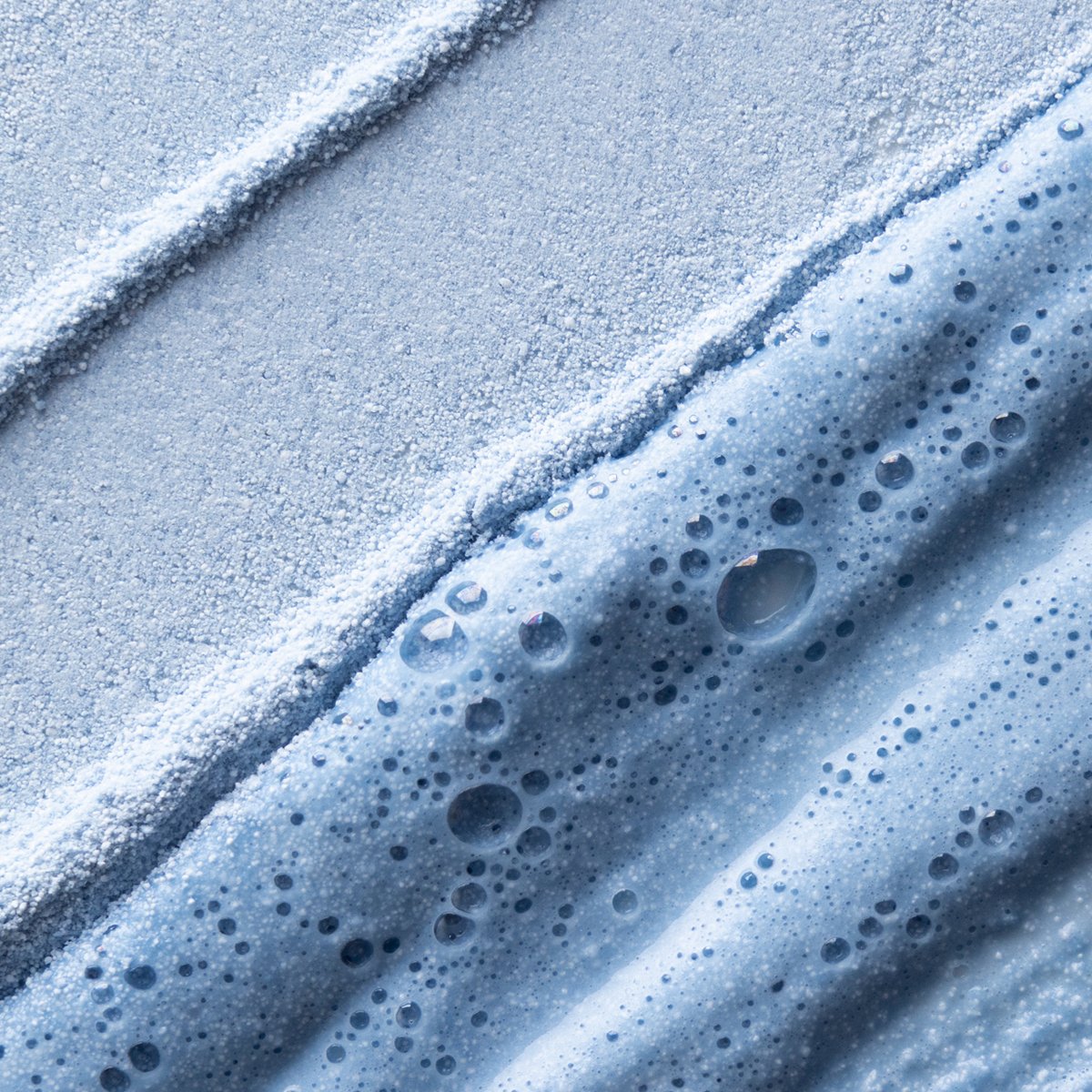
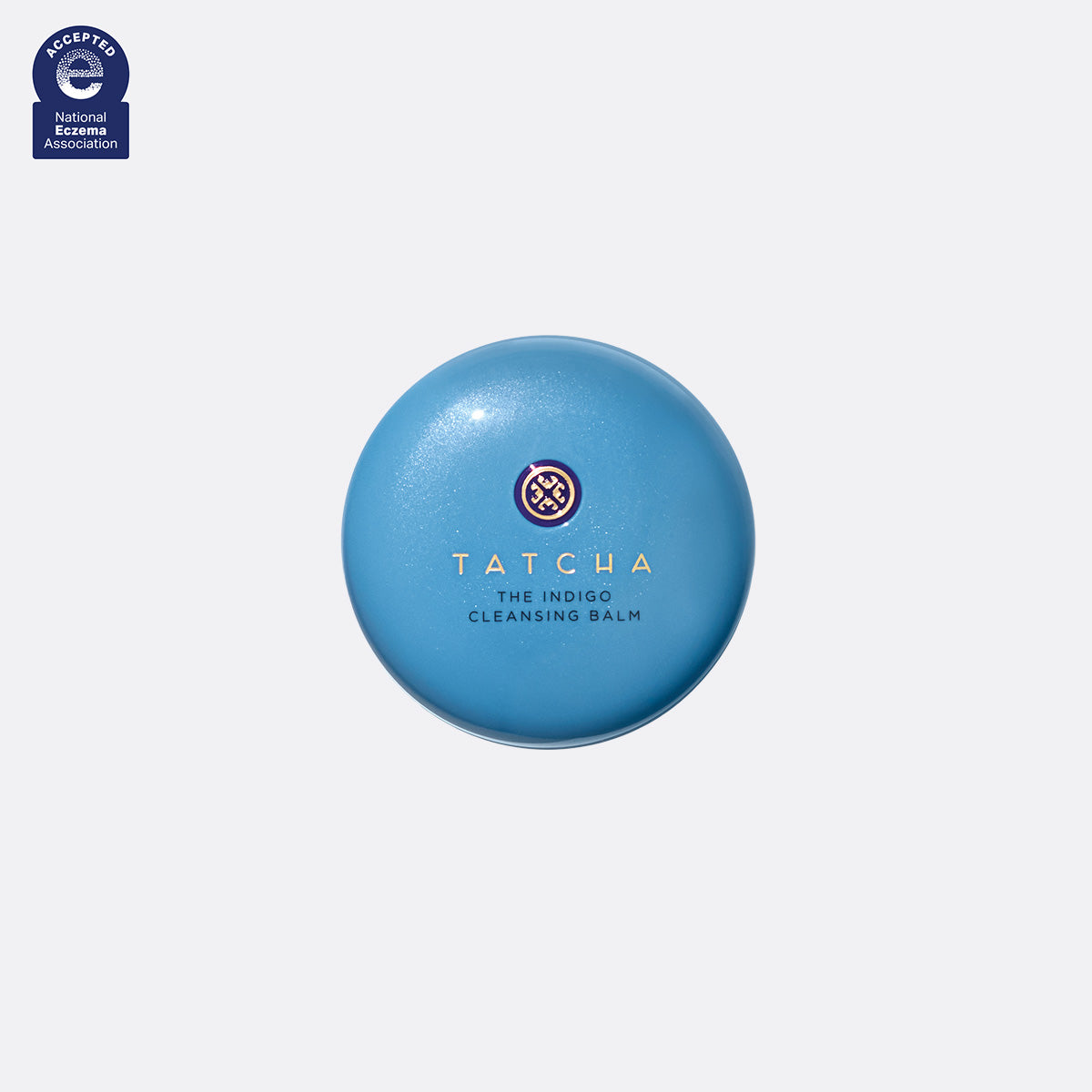
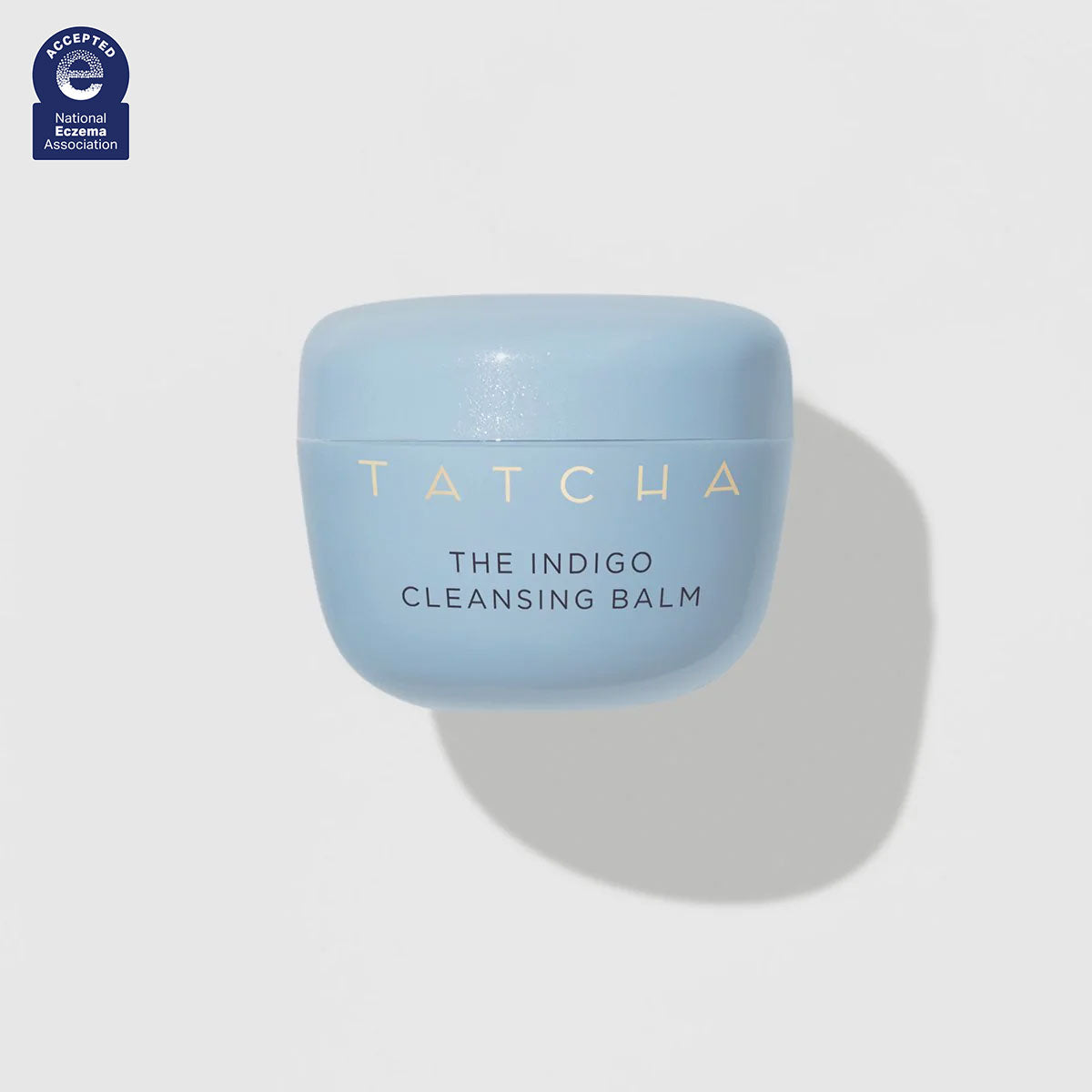
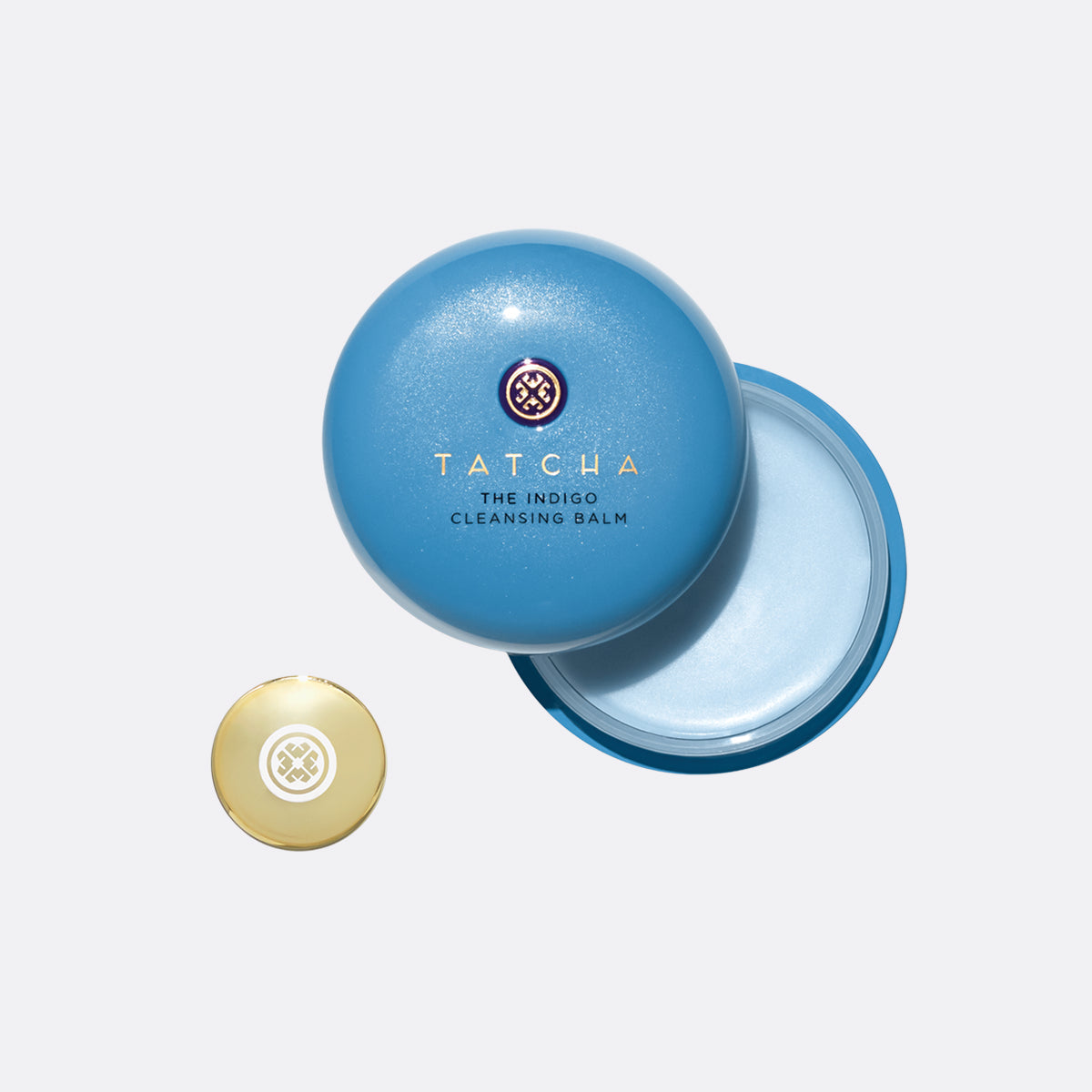
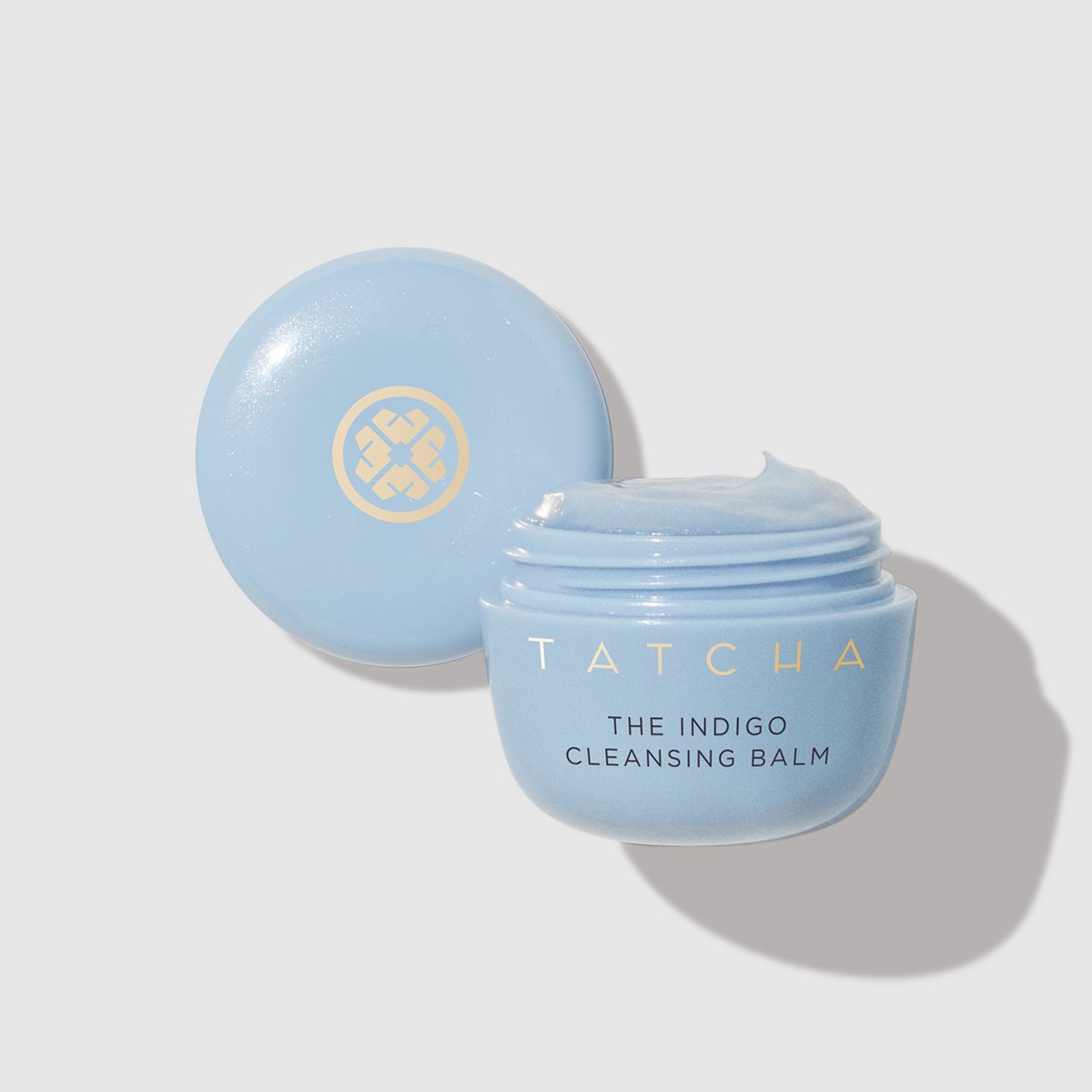
For cleansing, try our newest innovation: The Indigo Cleansing Balm. This skin-strengthening formula instantly calms visible irritation, while also supporting and transforming the barrier. The dermatologist-tested and fragrance-free formula was crafted with weakened, sensitized skin in mind, knowing traditional cleansing can be painful and damaging. This is why the balm is designed to reduce friction while cleansing, helping to soothe while cleansing. It still effectively cleanses though, efficiently removing even waterproof makeup. The formula includes Japanese indigo to calm visibly irritated skin, lipids, and ceramides to replenish the barrier, Japanese lotus root to soothe, and mondo grass root to balance the microbiome. The results are stunning, too: In clinical studies, 100 percent of participants demonstrated an improvement in barrier function after just one week of use.*
But unlike harsh cleansers, the Indigo Cleansing Balm also soothes visible irritation and replenishes moisture—strengthening the skin barrier so it can prevent future damage for smooth, plump, and radiant-looking skin.
*Based on bio-instrumentation (TEWL) clinical study on 40 panelists.
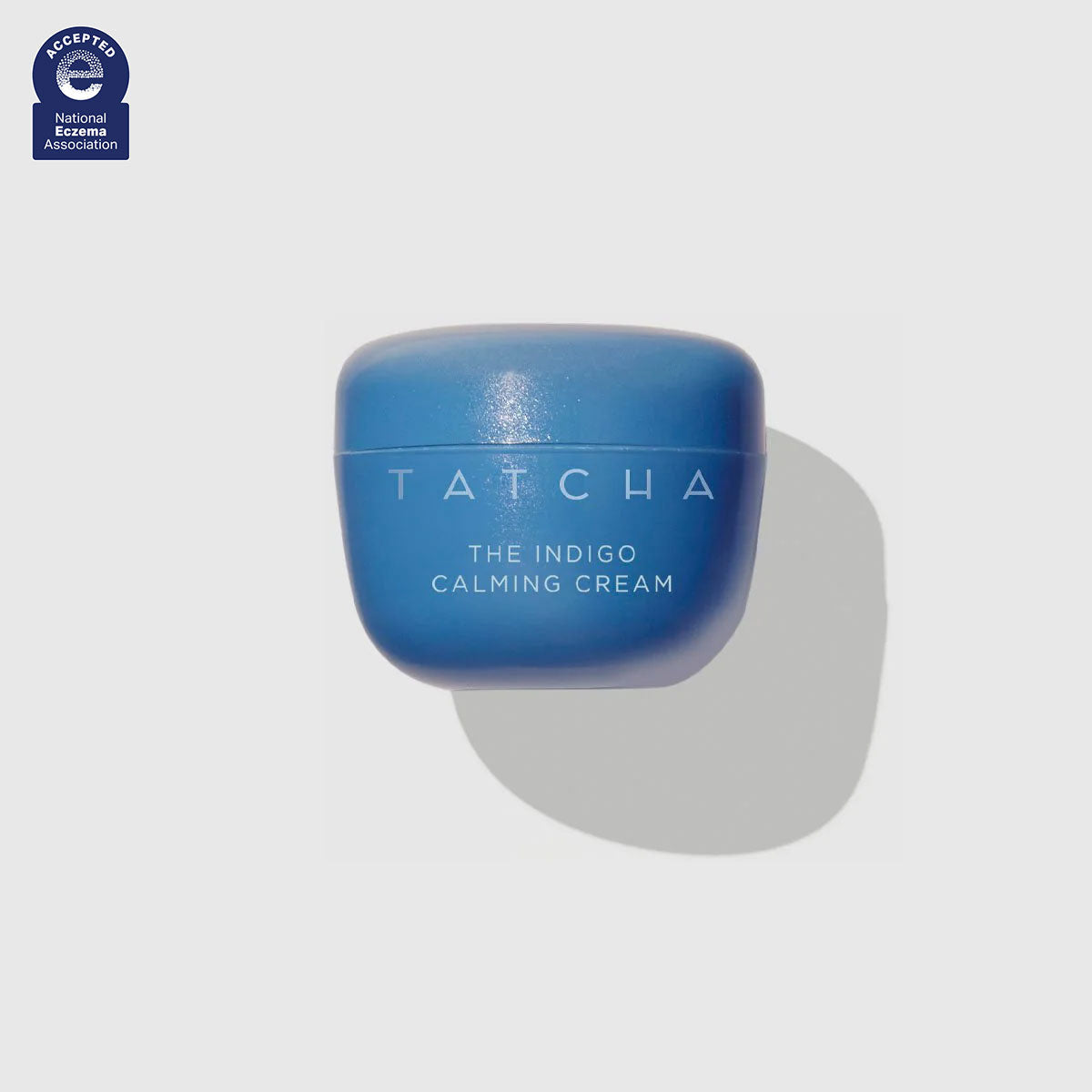
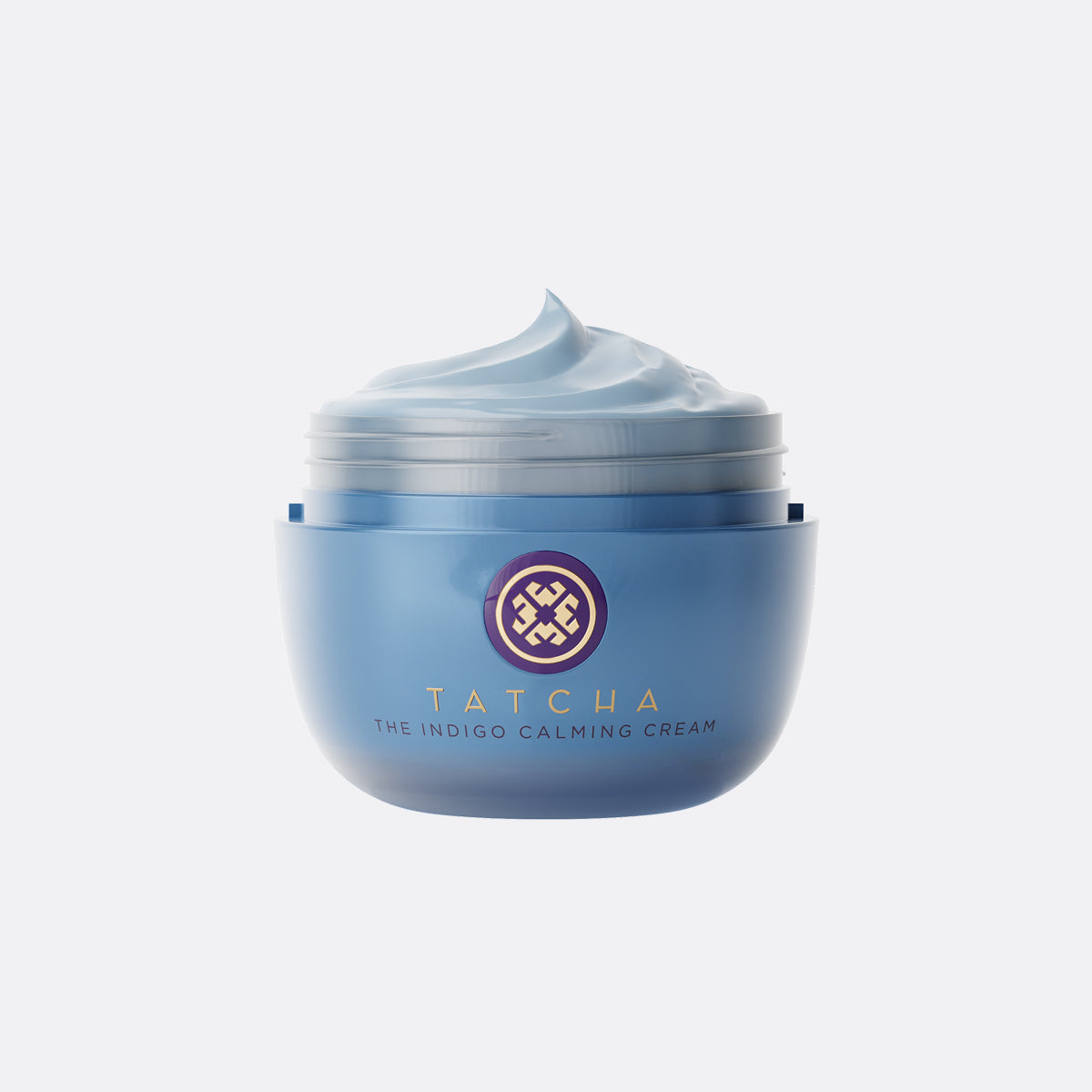
To hydrate (and soothe), grab our newly updated Indigo Calming Cream. The fragrance-free cream has been proven to calm visible irritation and relieve itchy skin, thanks to Japanese indigo and colloidal oatmeal (an FDA-designated skin protectant). What sets this innovative cream apart from others is the addition of colloidal oatmeal, which has helped earn it the coveted National Eczema Association seal of approval for its ability to soothe irritated, eczema-prone skin on the face and beyond. Whether as a face cream or spot treatment, The Indigo Calming Cream offers a luxurious way to heal visibly stressed or eczema-prone skin for a calmer, stronger skin barrier.
100 percent of panelists in a clinical study saw an improvement in softness and suppleness immediately, an improvement in the appearance of the skin barrier after one week, and an improvement in visible redness and evenness of skin tone after four weeks. The emotional benefits of using the new Indigo Calming Cream are worth noting, too. In a clinical study self-assessment questionnaire, 86 percent of panelists noted that the product left them feeling like their skin was healthier after just one week.
Or for a nighttime deeply hydrating experience, try the Indigo Overnight Repair for healthier-looking and calmer skin when you awake.
Calm the body with our Indigo Soothing Body Butter, which features indigo, squalane, and colloidal oatmeal to heal and hydrate. And for hands, grab the Indigo Soothing Hand Cream, which is a concentrated dose of indigo, silk extracts, and squalane for a restorative, softening treatment.