







T-House

How to Choose a Face Cleanser
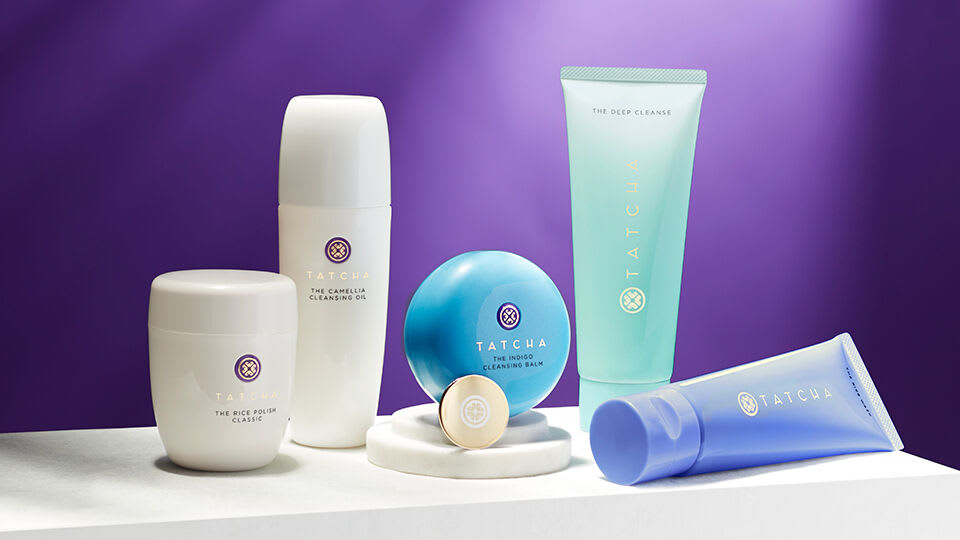
There are many ways to wash your face and just as many cleansers. But not all cleansers are created equally. Here’s how to choose a facial cleanser. Facial cleansers are undisputedly important. Cleansing removes dirt, oil, makeup, sweat, debris, and dead skin cells from the face and helps to maintain the overall health and appearance of skin. However, there are numerous methods to cleanse the face and countless cleansers to do so. We break down the best cleanser for you, helping to understand how to choose a face cleanser.What Is A Cleanser?As we dove into in The Best Japanese Facial Cleansers and Exfoliators, facial cleansers come in many different textures, from balms and creams to oils and lightweight foams. They work—quite literally—at the molecular level, encasing dirt, debris, and other build-up and allowing them to be washed off the skin’s surface. They are the first step in any skincare routine and arguably the most important, too.Cleansing in JapanWhile America might not prioritize cleansing, choosing to focus on complicated serums and moisturizers instead, it’s emphasized as the key to healthy skin in Japan. “Cleansing is key to a clear, radiant complexion,” noted Tatcha’s founder Vicky Tsai in her book Pure Skin. The right cleanser can not only clean the skin but prepare it for the next steps in your skincare routine, making it one of the most vital products you can use. How To Choose A CleanserWithout consistent cleansing, skin can get a buildup of debris that can clog pores, leading to potential acne, irritation, dryness, and dullness. But how do you know how to choose a facial cleanser that’s right for you? Consider your skin type, which will help you discover your ideal face wash. (If you’re not quite sure about your skin type, consult this article, which will help you narrow it down.)Best Cleanser for Dry SkinWhile it might seem tempting to limit the amount of cleansing performed on dry skin, that can only exacerbate dryness further. Instead, reach for a gentle cleanser, which can softly cleanse while also nourishing skin and helping to prep for the following skincare steps. If an oil cleanser is preferred, reach for The Camellia Cleansing Oil, which is particularly wonderful for dry skin. It gently melts away impurities, while also leaving behind pure, silky-soft skin. This versatile cleansing oil is ideal for mature and sensitive skin, as well. For more of a foaming experience, consider The Rice Wash, which has a creamy texture that gently smooths and washes away buildup without stripping skin for a soft, luminous complexion. Combination skin that errs on the side of dryness will love this creamy foam cleanser, too. These two products can be used in tandem, helping to remove stubborn makeup and debris, in a two-step process called double cleansing or the Kyoto Cleanse.Best Cleanser for Sensitive SkinA calming, nourishing cleanser (that still effectively cleanses) is necessary for sensitive skin. We know harsh formulas can strip the barrier’s natural oils, leading to more damage and dryness, so a gentle cleanser is a crucial first step in your skin-healing regime. Consider one of Tatcha’s newest innovations: The Indigo Cleansing Balm. This skin-strengthening formula instantly calms visible irritation, while also supporting and transforming the barrier. The dermatologist-tested and fragrance-free formula was crafted with weakened, sensitized skin in mind, knowing traditional cleansing can be painful and damaging. The formula includes Japanese indigo to calm visibly irritated skin; lipids and ceramides to replenish the barrier; Japanese lotus root to soothe; and mondo grass root to balance the microbiome. In clinical studies, 100 percent of participants demonstrated an improvement in barrier function after just one week of use.* But unlike harsh cleansers, the Indigo Cleansing Balm also soothes visible irritation and replenishes moisture—strengthening the skin barrier for smooth, visibly calm, and radiant-looking skin.*Based on bio-instrumentation (TEWL) clinical study on 40 panelists.Best Cleanser for Oily SkinOily skin naturally produces more sebum than other skin types and might enjoy a daily (gentle!) exfoliating cleanser, which helps promote cell turnover and prevent buildup in pores. Consider The Deep Cleanse, whose gel formula both cleanses and exfoliates, carefully lifting dirt and oil to leave skin soft and balanced. The cleanser includes luffa fruit (a natural physical exfoliant beloved by Japanese skincare aficionados for centuries) to help turn over dead skin cells, wild rose (to visibly reduce pores and minimize excess oil), and leopard lily (to soothe skin). Best Cleanser for Oily and Combination SkinThose with oily and combination skin often believe they need to over-wash their faces to rid themselves of excessive oil and prevent breakouts—but this skin-stripping step can actually do the opposite, causing the skin to produce even more oil and potentially lead to more breakouts. This is where The Matcha Cleanse steps in to save the day. The daily clarifying gel cleanser decongests pores without stripping skin, while also rebalancing skin’s natural oil production for smoother skin and reduced makeup slip-off. The refreshing watery-foam balances skin pH and addresses the skin’s texture for better makeup wear. The formula includes premium Kyo-matcha (sourced directly from the famed Uji region in Kyoto), powerhouse coix seed (used in herbal medicines for centuries to purify pores), and Japanese mugwort (to support barrier function).
The Best Makeup for Oily Skin
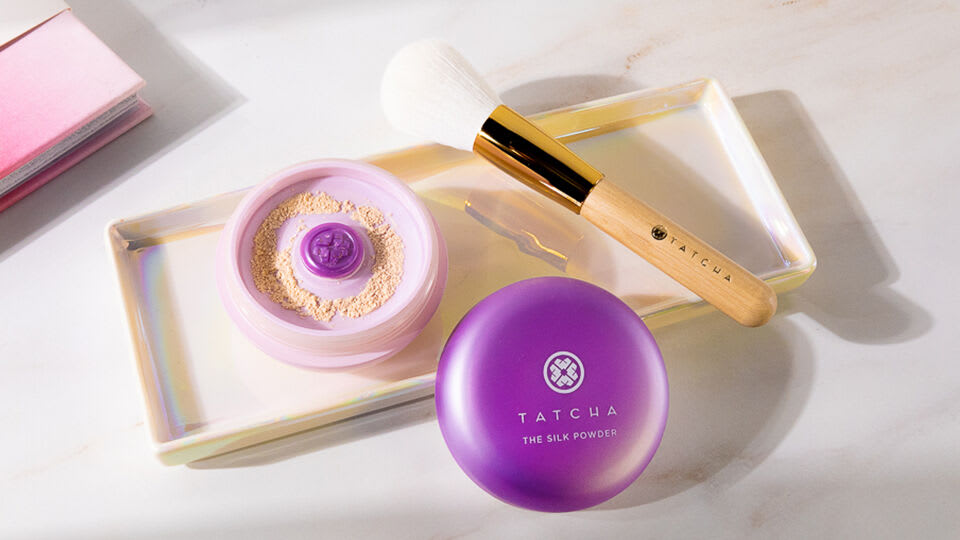
There are many benefits to having oily skin—but applying makeup on this complexion takes a greater level of care and planning. We uncover the most important tips and tricks, plus the best makeup products for oily skin. Oily skin is common and has many benefits, says the American Academy of Dermatology, which includes fewer wrinkles over time. But oily skin can also lead to clogged pores and an increase in acne. The key is to strike a balance between having too much oil and maintaining your skin’s natural moisture, says the AAD. Part of that balancing act includes makeup products, which can potentially worsen breakouts if formulas are irritating or pore-clogging. Below we uncover the most important terms to look out for, tips to apply makeup without triggering irritation, and the best makeup for oily skin.Oily Skin-Approved Makeup TermsWhile these terms aren't regulated by the Food and Drug Administration (FDA), it’s helpful to be on the lookout for a handful of phrases. These can help you avoid pore-clogging ingredients and won't leave you looking excessively shiny.Non-ComedogenicNon-comedogenic means it won't clog pores, reducing your risk of triggering breakouts. This classification, which can be found on skincare and makeup labels, is beneficial for those with oily, combination, and acne-prone skin. The AAD advises looking for makeup that includes one of the following terms on its label: "Oil-free," "won't clog pores," or "non-comedogenic", as these are less likely to trigger oil production or cause breakouts. Hypoallergenic You’ll see the word “hypoallergenic” frequently on makeup, as it’s geared toward sensitive skin. However, the AAD notes that acne is a form of sensitivity, so taking steps to avoid further irritants is always helpful if blemishes are a common occurrence for your oily skin. It’s not a guarantee that the formula is safe for acne-prone or sensitive skin, but it likely doesn’t include common irritants, like fragrances, dyes, or alcohol. Many traditional formulas are packed with these irritating ingredients that can cause painful flare-ups or unpleasant sensations or reactiveness, like redness, itching, discomfort, burning, and swelling for sensitive skin.Dermatologist Tested Another term to seek out on makeup packaging is dermatologist tested, which (just like hypoallergenic) is not a regulated term, but means it’s been tested by a dermatologist for tolerance and possible irritation.Fragrance-FreeFragrance-free is another tag that’s helpful for all skin types. Fragrances are one of the most common irritants so a product that proudly states it’s free from fragrances is a great starting point.Oily Skin Makeup TipsThe key to discovering the best makeup for oily skin is choosing products that are specifically formulated with non-comedogenic ingredients. But there are a few other things to keep in mind when preparing oily skin for makeup. Skincare as MakeupOne of the best tips for successfully using makeup for oily skin is investing in a skincare routine. Prepping the skin with a nourishing cleanser, exfoliant, and moisturizer is the best way to ensure skin remains balanced all day long. Yes, a moisturizer is vital for an oily complexion, notes the AAD. To begin your ritual, consider utilizing an effective cleanser that can remove debris, dirt, and excessive sebum, like The Deep Cleanse. Then, follow up with an exfoliant, which is especially helpful for oily skin. Try a liquid exfoliant, like The Texture Tonic (designed to clarify skin daily), or a water-activated exfoliant, like The Rice Polish: Deep, which instantly reveals smoother skin—perfect before makeup. Follow up with a lightweight, clarifying moisturizer, like The Water Cream, which helps control excess oil and smoothes skin. Additionally, makeup is ideally applied over broad-spectrum sunscreen, which should be used every day. Consider the Silken Sunscreen SPF 35, which acts like a primer and blurs the look of pores for matte, silky-smooth skin. Start Clean It’s always a good idea to start with clean skin, clean hands, and clean makeup brushes. The AAD says dirty makeup brushes are a breeding ground for bacteria, which cause acne, rashes, and even fungal infections in extreme cases. They recommend washing brushes every week. Also, ensure makeup products are not expired. Additionally, make sure you're the only one who uses your makeup brushes—sharing is not caring when it comes to makeup tools. “While acne isn’t contagious, acne-causing bacteria, dead skin cells, and oil from other people’s skin can stick to your makeup, makeup brushes, and applicators,” says the AAD.Apply with CareApply makeup gently, says the AAD. Your touch should be feather light—at Tatcha we like to envision caring for skin as if it’s a delicate piece of silk—approach it with loving care and a gentle touch. Utilizing makeup brushes gently can help you avoid irritation.Remove DailyMakeup should always be washed off at the end of the day, suggests the AAD—and this daily ritual is absolutely vital for oily and acne-prone skin. Look for makeup removers that are formulated with gentle ingredients so they don’t irritate the skin. Or opt for an oil cleanser, which can be a more gentle process, as part of a double cleanse. The AAD recommends washing your face with a gentle cleanser after makeup removal, so a double cleanse is not only effective but also dermatologist-approved.Best Makeup for Sensitive SkinHere are a few makeup essentials that leave skin smooth and balanced.Best Makeup Primer for Oily Skin Liquid Silk Canvas A makeup primer can be endlessly beneficial for oily skin, while also helping to shield skin from pollutants and allowing makeup to apply better and last longer. The Liquid Silk Canvas is a weightless liquid primer with a soft, silky feel, providing a poreless appearance and minimizing excess shine with a soft focus finish.Best Setting Powder for Oily Skin The Silk Powder This talc-free, protective setting powder helps makeup last longer, blurs pores, cocoons skin against blue light and pollution, and provides a translucent, soft-radiant finish. The powder has been clinically shown to help makeup last eight hours, while also helping to instantly improve the appearance of pores, fine lines, and texture. It also provides instant and all day shine control.**Based on a clinical study of 41 subjects, using The Silk Powder on bare skin.Best Oil-Absorbing Tool for Oily SkinAburatorigami Japanese Blotting Papers The AAD recommends using blotting papers throughout the day. “Gently press the paper against your face and leave it on for a few seconds to absorb the oil,” they note. “Don’t rub the paper on your face, as this will spread the oil to other areas.” Our abaca leaf fiber blotting papers absorb excess oil without disturbing makeup or stripping skin of essential moisture.Best Makeup Tool for Oily Skin The Powder Brush A soft, carefully crafted makeup brush might feel like a luxury (and it is!) but it’s also a necessity for oily skin. As stated above, a makeup brush is ideal for applying makeup, notes the AAD, and especially one with gentle bristles that won’t irritate the skin. This animal-free synthetic brush seamlessly hugs the skin for a flawless appearance. Crafted by the famed Kashoen artisans in Kumano, Japan, the luxurious brushes have been handmade utilizing techniques established since 1883.

The Meaning of Our Fukubukuro Lucky Bag Event
Dear Friend, Every January at Tatcha, we begin the new year with two traditions: self-reflection by way of a gorgeous photo of the year's first sunrise, and participating in the time-honored Japanese practice of Fukubukuro. But what is Fukubukuro, exactly? We can trace this concept back to Japan’s Edo period, during which the nation enjoyed massive economic growth and a veritable commercial renaissance. As popular demand for shoppable goods increased, specialized retailers blossomed throughout highly populated Japanese cities like Kyoto and Osaka, with merchants experiencing booming business selling their wares. These newly prosperous merchants and retailers launched an annual event to honor one of Japan’s Shichi Fukujin (Seven Lucky Gods).Inspired by Daikoku, the God of Good Fortune, the new Fukubukuro event served as the first sale of the new year, offering customers a chance to enjoy good fortune for themselves. It’s this same tradition that we honor today.During Fukubukuro, stores offer “lucky bags” to clients. These mystery bags are a stupendous deal for customers, typically containing surprise goods worth significantly more than the bag’s sticker price. As a symbol of good fortune, Fukubukuro sets the tone for the rest of the year; by beginning the year with luck and prosperity, shoppers hope to enjoy similar fortune all year long.Tatcha participates in Fukubukuro at the start of each new year as a gesture of our wishes for you, our client friends. We deeply hope that you will enjoy luck, joy, and prosperity in the months ahead, ushered in by the beauty and skincare treasures we’re so honored to share with you.Wishing you good fortune this year and in all of those to come,The Tatcha Familyand

How to Prevent (and Eliminate) Sun Spots
Sun spots can be incredibly frustrating to experience. But the most effective treatment for sun spots is preventing them in the first place. Here is everything you need to know about how to prevent sun spots—but also tips on eliminating them, too. There are many things to love about summer, like warm breezes, riotous bursts of colorful flowers, and sundresses – but the dazzling summer sun also has a serious downside: potential sun damage to skin. A beach day can quickly lead to sun spots, also known as hyperpigmentation and age spots, a common condition that the Cleveland Clinic classifies as areas of darkened skin. Keep reading for everything you need to know about how to prevent sun spots. What Are Sun Spots? Sun spots can occur on anyone’s skin. Beneath our skin are melanocytes, which create melanin to protect our skin, says the Mayo Clinic. These protective cells can be damaged by sun exposure and overproduce melanin, resulting in sun spots. The Cleveland Clinic notes that sun spots can affect people of any race or ethnicity and they can occur in one concentrated area or all over the body. The Clinic adds that sun spots can look like spots or patches, are usually not raised from the skin, and can appear brown, black, gray, red, or pink. They’re also not painful or itchy and are not dangerous. But if the hyperpigmentation is uncomfortable or changes in appearance, it’s best to consult with a board-certified dermatologist. How to Prevent Sun Spots The easiest way to treat sun spots or dark spots on your face is to prevent them in the first place. Here are the best methods and tips to prevent sun spots. Avoid Sun Exposure The best way to avoid sun spots is also the least popular: stay out of the sun to avoid sunburn. While that’s highly unrealistic, at least try to limit sun exposure when it is at its hottest, between 10:00 a.m. and 4:00 p.m., says the CDC. It’s a good idea to seek shade and be extra cautious during these peak sun hours, adds John Hopkins Hospital. You can also consult the UV Index, which explains how strong the UV light is in your area on any given day, on a scale from 1 to 11+. A higher number means a greater risk of exposure to UV rays and a higher chance of sun spots and skin damage. Sunscreen The second best preventative measure after limiting sun exposure is sunscreen. Daily and consistent sunscreen is one of the most important defenses against sun spots, and there are sunscreens available for every skin type, even for those with sensitive skin. Incorporating a broad-spectrum, SPF 30+ sunscreen into your daily skincare ritual is the perfect morning routine, just apply right after your daily moisturizer. If spending any additional time in the sun, reapply sunscreen every two hours. Sun-Protective Clothing Sunscreen is a daily must, but it works even better when combined with other protective options, like a wide-brimmed hat, UV-protective clothing, UV-protected sunglasses, and sun protection parasols or umbrellas. When it comes to sun-protective clothing, the American Academy of Dermatology says not all sun-protective clothing is created equal. Look for clothing that lists an ultraviolet protection factor (UPF) number on the label. Or if you’re using non-UPF clothing, aim for dark colors with tightly-woven fabrics. For example, a long-sleeved denim shirt provides an SPF of about 1,700, while a white t-shirt has only an SPF of 7, says the AAD. In-Office Procedures No matter your preferred method of prevention, it’s always a good idea to consult with your doctor first. There are a handful of in-office procedures they might recommend, too. According to the AAD, that can include laser treatments, cryosurgery, microdermabrasion, or chemical peels. However, no one should feel that in-office procedures are the only or best option for eliminating sun spots. Products that Help Prevent (and Eliminate) Sun Spots Sun spots are not harmful or embarrassing and they don't need to be treated. But if you do decide you want to address the appearance of them, here are the best products to help you prevent and eliminate sun spots in your own home. Brighten and Resurface A brightening or resurfacing product can help calm overactive melanocytes, which can prevent future sun spots. Be careful though, as many brightening products, like serums, can contain ingredients that will increase your sensitivity to the sun. The Silk Serum The AAD suggests utilizing retinol to resurface skin and reduce the appearance of sun spots. Retinol is not for everyone, though, and retinol alternatives are gaining in popularity. At Tatcha, we’ve formulated the Silk Serum to include cranberry extract and sea fennel, which work as effectively as retinol, but without any of the complications famous with retinol usage (including perplexing schedules and frustrating redness and irritation). Brightening Serum How to best eliminate sun spots? Nary an ingredient is more effective at potentially preventing hyperpigmentation than vitamin C. The antioxidant-boosted product has decades of clinical research praising its effectiveness. Try the bestselling Violet-C Brightening Serum, which contains two forms of vitamin C, helping to reveal brighter skin and a more translucent, youthful glow. Violet-C Radiance Mask For an extra boost of brightness, consider the Violet-C Radiance Mask. The creamy, hydrating treatment brightens, resurfaces, and plumps in just 15 to 20 minutes. Apply two to three times a week for radiant and healthy-looking skin. Exfoliate Visible sun spots reside in the outer layers of the skin, which is why gentle, daily exfoliation is so effective. This consistent exfoliation will help increase cell turnover, gradually shedding the layers of skin with excess melanin. The Texture Tonic This ingenious exfoliating treatment works effectively to gently resurface skin for smoother and more balanced skin. Yet it also visibly evens skin tone, calms, reduces redness, and boosts skin’s moisturization. The formula includes a clever mix of fruit AHAs, niacinamide, Japanese Mugwort, and wild rose for an exfoliating experience that is ideal for even sensitive skin. The Rice Polish If you prefer a foaming polish exfoliation experience, grab The Rice Polish (available in Classic, Deep, Calming, and Gentle). The water-activated exfoliant includes Japanese rice bran, papaya enzymes, and silk protein for an experience that both polishes and nourishes. Prevent Discover a sunscreen you actually enjoy using. At Tatcha, we’ve perfected two broad-spectrum sunscreen products that are boosted with skincare ingredients that feel great on your skin. The Silk Sunscreen is hydrating and soothing 50+ coverage protects with 10 percent zinc oxide for a mineral, reef-safe filter. The lightweight and invisible coverage is packed with skin-benefitting ingredients, like hyaluronic acid, niacinamide, and silk extract. The inclusion of niacinamide is particularly helpful for addressing the appearance of uneven skin tone, pore size, and redness. Silken Pore Perfecting SPF 35 Sunscreen If seeking a blend of mineral and chemical protection, grab our bestselling Silken Pore Perfecting sunscreen. The formula features skin-loving ingredients that not only protect the skin, but also help tighten the appearance of pores, smooth skin texture, and calm irritation.
Best Moisturizer for Oily Skin
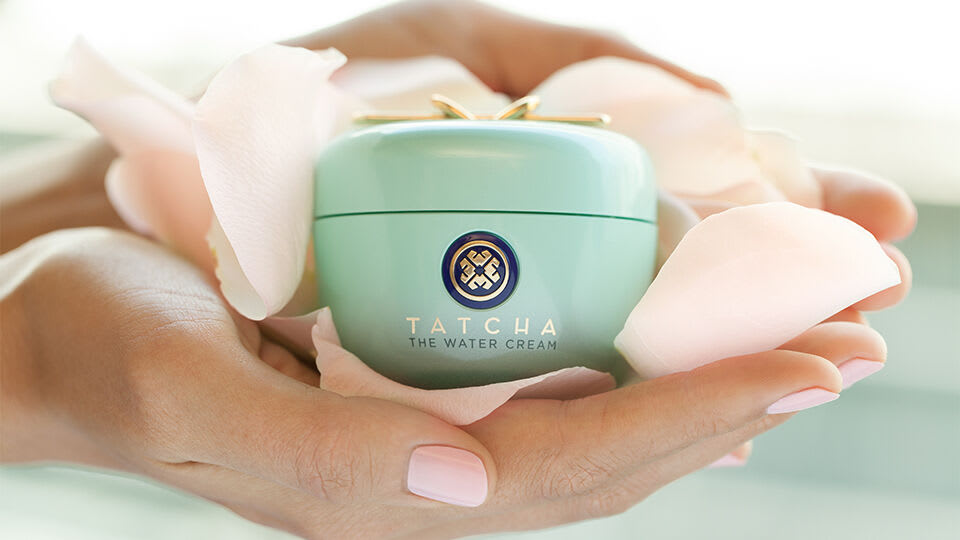
The key to treating oily skin is the perfect finishing face cream—one with half the weight of your regular cream, but with double the hydration potential along with oil-controlling ingredients. The term skincare refers to a vast assortment of options, but there are only a few things skin truly needs. One of those things is a moisturizer or a face cream. At the microscopic level, a moisturizer helps form a seal that replenishes skin’s natural barrier and retains moisture. At the visual level, it plumps, smooths, and softens. Most moisturizers are creams, but come in other textures, like rich oils or plush gels. They’re one of the most important parts of anyone’s skincare routine.This is true for all major skin types; a dry face needs to moisturize as much as a combination face does. Even those with oily skin (who may feel moist enough already) require this step. Choosing the right formula is another matter entirely. But understanding your own skin’s needs, and some ingredients that can benefit your skin type, will lead you to the best moisturizer for oily skin. Why is my skin so oily?When people talk about oil on their face, they’re talking about sebum, a waxy substance stored just beneath the skin’s surface. Sebum is a waxy substance secreted to help our skin retain moisture, according to the Cleveland Clinic. Sebum comes from sebaceous glands, which are found usually tucked into hair follicles. You can imagine sebum traveling up the base of a strand of hair or climbing the inside of a pore until it reaches the skin’s surface.Sebum itself is composed of a complex matrix of lipids, including some not found elsewhere in the body, like wax esters and squalanes. Dermatologists know that it's a protective substance, but lack a full and complete understanding of sebum’s purpose. They also know that increased sebum production is one of the main events involved in the formation of acne.Some people produce more sebum than others, and are described as having oily skin. Surveys of skin types found that those who experience oily skin tend to skew younger. While having oily skin is not a prerequisite for acne, increased sebum production is associated with higher rates of breakout. Is my oily skin acne-prone?The answer is yes and no. Yes, it’s true that oily skin can lead to the development of acne, but just because your skin is oily doesn’t necessarily mean it's acne-prone.Acne is the most common skin condition in the world, and we all deal with it from time to time. But if we find ourselves dealing with it frequently—or constantly, our breakouts never seeming to leave—then it could be a sign of acne-prone skin. Skin that is acne-prone can be dry or combination. It’s believed that oily faces are likelier to be acne-prone than drier ones, because increased sebum can result in breakouts, but the two categories don’t always go hand in hand.According to the American Academy of Dermatology Association, increased sebum can lead to healthier skin overall by thickening skin and delaying wrinkles. Rest assured, if you have oily skin, it can also be a gift. But this gift comes with its own instruction manual. If you want to treat it right, you’ll have to pay attention. Can skincare products help oily or acne-prone skin?There are a few products that can be supremely helpful in caring for oily skin.The most obvious choice is a cleanser. Imagine a surface slick with oil, and try to resist the urge to clean it up. Gel face washes that leave squeaky-clean feelings in their wake have long been marketed to those with oily skin. But Cleveland Clinic actually warns against harsh cleansers or detergent-like face washes: “Products that dry out your skin too much will actually stimulate oil production.” So it’s wiser to use something mild that will respect the integrity of your skin’s moisture barrier. The Clinic also recommends toners, lightweight emulsions that follow cleansers and precede moisturizers, to soothe over-oiled skin.A moisturizer may be a counterintuitive choice to save your oily skin, but it’s true: A moisturizer will help keep sebum production under control, according to Allure magazine. The key is in understanding how oil and water are balanced in the skin, and how adding and preserving skin hydration using a moisturizer can balance out oily skin.There are other useful tools that every oily face should have on hand, like blotting papers. Tatcha’s Aburatorigami Japanese Blotting Papers are made from abaca leaf, which drinks up sebum, leaving skin mostly matte. Which skincare ingredients help oily skin?There are many ingredients that have unique benefits for oily skin, from mopping up excess sebum to strengthening slick skin barriers. A few notables include:Abaca leaf fiber. These fibers come from the leaves of the abaca, a banana tree native to tropical Asia. Paper made from abaca leaf fiber lifts away excess oil gently and instantly. Aburatorigami, or ‘oil removal paper’ in Japanese, has historically been made from the finest grade abaca leaf fibers. Geishas and Kabuki performers have used the thin sheets to keep their makeup in place and fresh throughout performances.Beta hydroxy acids. While alpha hydroxy acids are water-soluble, beta hydroxy acids are oil-soluble; they’re able to sink down into pores and dissolve excess sebum, which is why doctors recommend them for oily and acne-prone skin types.Camellia oil. Word to the wise: Fight oil with oil. Camellia oil is rich in oleic acid and vitamins A, B, D, and E as well as nourishing Omega 3, 6, and 9. The molecular weight of the oil is an almost identical match for skin, allowing it to absorb quickly and thoroughly. These kinds of lightweight oils can be very beneficial for balancing out oily skin, according to some dermatologists.Leopard lily. True to its name, this plant has spots everywhere, from its dark sage leaves to its molten orange flower petals. It can also be spotted along the streets of Kyoto’s geisha district during the Gion Festival. (Japanese Leopard Lily has earned the name “the flower of Kyoto.”) It’s also known to minimize excess oil production.Kucha clay. Clays of all kinds can help draw oil out of the skin. Tatcha’s Clarifying Clay Mask, recommended for oily skin types, makes use of Kucha clay from Okinawa, a mineral-rich clay that absorbs excess oil, sebum, and dirt from the pores and helps to detox skin. Wild rose. Wild rose, a time-tested ingredient used throughout history, is known for its ability to minimize excess oil. In Eastern medicine, Japanese wild roses are used to bring the body back into balance, improve circulation, and even calm the spirit.What is the best moisturizer for oily skin?Every face needs a good moisturizer. But when your skin tends toward the oily side, you might find creams that are heavy in texture to feel oppressive. Something lightweight that is formulated with oil-controlling ingredients but still provides that necessary seal to the skin barrier is going to suit you better.It’s a unique request of your moisturizer: all the rich benefits of a heavy cream without the heft. Innovations in skincare technology have made this possible with a product called The Water Cream. The lighter-than-cream gel texture ferries oil-controlling botanicals from wild rose and leopard lily directly to where they’re needed. The unique technology breaks upon application to refresh, treat, and hydrate skin. The Water Cream has won Allure magazine’s prestigious Reader’s Choice Award three times. “Few moisturizers delight both those with oily skin and those with dry skin the way The Water Cream does,” read this year’s review. “Skin is left glowy—not shiny.”
The Many Benefits of Facial Masks
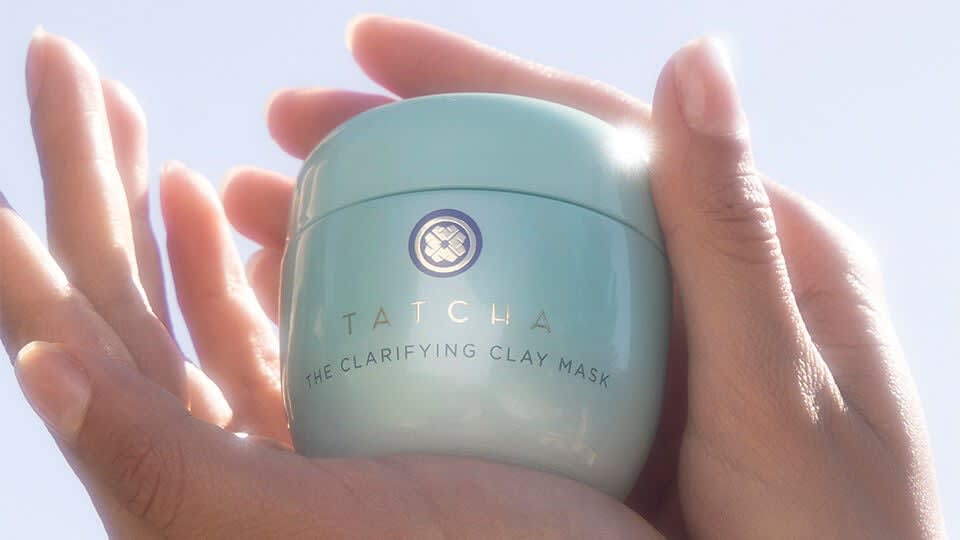
Masks have been beloved beauty products for centuries upon centuries. Even today, this category can provide all sorts of benefits to your skin, from hydrating to brightening to clarifying. When you think of face masks, it’s possible that the mind conjures a dated image of a face covered with green gloop, cucumber slices set atop closed eyes. The picture feels old fashioned, but only because we’ve been using masks for a long time.For example, masks made with clay have always been popular choices among those with oily skin, for how they can effectively clean deep within pores. They’re popular today, and were popular decades ago, but their history stretches back thousands of years. In ancient India, face and body masks called ubtan were made using Ayurvedic recipes and ingredients. Along Japan’s Okinawa islands, women used a seaborne soil known as Kucha clay for their own cosmetic preparations—it was said to be enriched with millions of years of marine nutrients.At Tatcha, all of our skincare is inspired by these centuries-old ingredients, and the timeless care that they offer, placing them in formulas that pair these powerful superfoods with the skincare technology of today. Each of Tatcha’s products is designed to support healthy skin, but masks may be some of the most useful in the lineup because of how they limited exposure to alternatingly rich, or potent, or intensely repairing skin care. Most masks are designed to be used a few times a week, instead of daily. (If you have sensitive skin, once a week might be enough.) That makes them easy to add on to whatever your current routine might be. Figure out your skincare goals, and which benefits of face masks can help them. Then it’s time to mask up. What is a face mask? A face mask is a treatment for the face that is left on the skin for a short period of time. Masks come in different sizes, shapes, colors, consistencies, materials, and models. According to a blog from Penn Medicine, a mask traps moisture “and creates [a] film that helps to either hydrate, moisturize, dry or exfoliate the skin depending on the ingredients used and its purpose.”The mechanisms by which masks operate can be different, but a commonality is their thickness, or their ability to seal over the skin. Some are made with thick emollients (perfect for those with eczema), while others use materials, like biocellulose, to create that occlusive effect. What a mask is made of will ultimately tell you how it works—and if it’s the best face mask for your skin type. What are the types of face masks? You can categorize face masks by the stuff they’re made of. Some of the most popular kinds include the following.Gel-cream masks. Masks that are creamy in texture, based in shea butter or watery gel, fall into this broad mask category. Many of these treatments are hydrating, and use their thickness to trap moisture in the skin. If your dry skin needs a little love, look for masks that are rich in humectants (which draw moisture from the environment into the skin) or lipids and ceramides (that compose the skin barrier).Clay masks. Remember the long history of clay and skincare? That’s because of clay’s unique cleansing ability. A dermatologist explained to Self how it works: The dryness of the clay sucks up excess oil and impurities from the skin like a sponge. This makes them popular choices for faces that produce more than the average amount of oil, like those with the oily skin type. Sheet masks. We tend to associate sheet masks with the Korean beauty trend, and that’s because it’s widely thought that the product category was invented long ago in South Korea, by dipping a cloth into a skincare serum and applying it to the face. The fabric of the mask itself acts as the occlusive layer. Now sheet masks can be found all over the world, with other countries, like Japan, lending their skincare expertise to infuse them with even more potent formulations. Tatcha’s Luminous Deep Hydration Lifting Masks are made from coconut-derived biocellulose drenched in hyaluronic acid and red algae to visibly firm and lift skin with hydration. Overnight masks. Some masks are brief affairs, but overnight masks can go the distance. These formulas, often creamy or jelly, function like heavy-duty moisturizers, and are meant to work while you sleep and your skin is in a reparative state. One of Tatcha’s best-sellers, the Indigo Overnight Repair, is a serum-cream treatment that functions like a night mask, maximizing skin smoothing and plumping. Body masks. Not just for the face, there are hosts of masks that are made to target your other parts, like the neck, even the butt. One of Tatcha’s best-selling masks isn’t for your face at all, but your lips—the Kissu leave-on jelly treatment. What are the benefits of face masks?A different question might read: Is there anything face masks can’t do? And the answer is, well, no. At least in the realm of skincare, there is no goal that a well-selected face mask can’t support. All you have to do is find the right one and figure out how it fits into your overall routine. But even before that, you might want to think about the benefits of face masks you’d like to receive.1. Masks can purge pores. Washing your face daily takes care of a lot of dirt, grime, and impurities—but every once in a while a deeper clean is necessary. For thousands of years, those who have been looking for this type of squeaky skin-cleanliness have turned to formulations like the Clarifying Clay Mask, which combines clay with volcanic ash and Japanese konjac root to fully resurface, exfoliate, and expunge. 2. Masks can boost your barrier. You can think of your skin barrier as the outermost layer of your skin. The Cleveland Clinic tells us that this layer is composed of dead cells, lipids, fats, and proteins, and benefits greatly from moisturization, especially when you can seal that moisture in with a mask. Sheet masks are superb choices for this task, especially when they’re made of materials that maximize their occlusive effects. Tatcha’s Luminous Deep Hydration Masks are made of biocellulose derived from an entire coconut, allowing for more efficient penetration of its serum than paper masks. 3. Masks can add glow. The extended application time of masks makes them particularly well-suited to carry potent active ingredients, like antioxidants that fight and repair free radical damage, or acids that exfoliate and resurface the skin’s outer layers. Something like the Vitamin C Radiance Mask includes both: A creamy, hydrating mask packed with two types of vitamin C and 10% alpha hydroxy acid content to improve skin texture, brighten skin tone, and unveil a soft, dewy glow—all because you took some time for yourself.

The Best Face Mask for Every Skin Type
Within the face mask category lies a vast range of options, from sheets to creams, from peel-offs to leave-ons. Which one is right for your skin type? A skincare routine happens daily. Most of the basic steps of that routine, from cleansing to moisturizing, are designed to maintain skin on a day-to-day basis. Washing off the day’s makeup, or the dirt that has accumulated throughout the day, and applying a layer of moisture that seals and shores up your skin barrier. But there are some products that are meant to be used more infrequently than that. Unlike some cleanser, they’re not rinsed immediately, and they’re usually packaged with more potent ingredients than you might find in a moisturizer. We sometimes call these products “treatments”, but we usually call them face masks.Face masks come in a wide assortment that vary by the materials they’re made up of, the ingredients they contain, or the specific skin goals they target. Some are made of paper soaked in serum, and others come distilled in thick creams. A few contemporary masks even use electricity. But how these products are used tends to look the same across their many varieties: Face masks need a short period of time to work after they’re applied to the skin. For this reason, we tend to use them weekly or every few days.Besides the downtime they offer by design, one advantage of masks is how they work on all skin types and fit into all routines. The best mask for you is within reach—but first, it’s a good idea to consider what you’re looking to get out of the masking process. What is a face mask, and how does it work?Here is how a recent article in an academic journal defines face masks: “Facial masks are the most prevalent cosmetic products utilized for skin rejuvenation… [with] some advantages for specific skin types based on the ingredients used.” Masks are divided into different categories. There are sheet masks, which are fabric or biocellulose soaked in potent serum. There are cream masks, which are like heavy-duty moisturizers used sparingly. There are masks that you leave on and others that you peel off. Some even work better when used in tandem.Due to the infrequency with which you apply them, face masks can contain a higher concentration of active ingredients that you might find in a daily serum or moisturizer. The key to reaping the benefits of the best face masks is understanding which ingredients are likely to be found in which formulas—and which skin type they’re tailored to. When should you apply a face mask?Here’s the fun part: The best time to apply a mask is when you’ve got nothing else going on. If you can find a spare 20 to 30 minutes in your day, you might enjoy devoting one or two of them to applying a face mask, and the rest to relaxing while it works. If nothing else, it’s a good time to center yourself in the current moment of wherever you are. The Japanese term teinei loosely describes a state of mindfulness achieved by putting another person first—but for a brief few moments each week, why not practice a little self-teinei?Depending on the sensitivity of your skin, you may be able to mask up to a few times each week. The mask’s directions should tell you how much to apply, and how long it should remain for—but the best advice will come from your dermatologist or licensed aesthetician. Before you incorporate a new product into your routine, it’s a good idea to run the idea by an expert, first.What is the best face mask for oily skin?Everybody’s skin produces oil—or, more accurately, sebum, a waxy substance secreted from our pores that protects and moisturizes our skin. But some people’s skin produces more sebum than others, and are typically categorized as oily skin types.Managing oily skin is a balancing act, making sure that skin’s oil and water levels are in proportion. The American Academy of Dermatology Association has a few everyday tips for achieving this: Yes to frequent face washing and oil-free formulas, no to touching your face or sleeping in makeup.There are also skincare products, like face masks, that are known to help oily skin in particular. Many of these formulas are based in clay, which may be the oldest skincare ingredient in human history, with some of the first appearing in ayurveda, or ancient Indian medicine. Tatcha’s Clarifying Clay Mask, perfectly suited for oily skin, is made with Kucha clay, a mineral-enriched marine soil from Okinawa. It naturally absorbs excess sebum and dirt from the pores, and minimizes those pores in the process. What is the best face mask for dry skin? In contrast to oily skin, dry skin might produce markedly less sebum. Sebum comes from sebaceous glands, according to the Cleveland Clinic, and one of its chief functions is as a lubricant that guards against moisture loss. Skin that has less sebum can be more prone to giving up its necessary moisture, and going dry as a result.Skin that is properly hydrated looks bouncy and plump, but skin that is dry could be rough, flaky, or scaly. Untreated dry skin can break open, making things markedly more complicated. For that reason alone, it’s important to have the right skincare on hand for dry skin.Sheet masks are particularly good for hydrating and moisturizing the skin. The “sheet” itself creates an occlusive seal that allows the skincare product to soak into skin—a greenhouse effect, but for nourishing skincare. Tatcha’s Luminous Hydrating Sheet Mask is made from a coconut-derived biocellulose, and infused with the brand’s proprietary blend of anti-aging superfoods. (We found that it boosts skin’s moisture content by up to 200% in 15 minutes.) What is the best face mask for sensitive skin?When it comes to sensitive skin, the idea of adding another product to one’s routine seems counterproductive. When a new interaction between skincare ingredients creates a possibility for a skin reaction, why try anything new? But the truth is that some skincare formulas can actually help with sensitive skin, if you know what ingredients you can use.At Tatcha, we’ve long praised the healing powers of Japanese indigo extract, more commonly associated with a deep blue dye. But the plant has a long medicinal history. Centuries ago, in Japan’s Edo era, it’s said that samurai wore undergarments dyed with indigo to speed the healing of their injuries. The dye was also used for traditional firefighter uniforms to protect against burns, and many of these indigo pieces have been preserved as museum artifacts.Indigo also forms one of the key ingredients of Tatcha’s sensitive skin care range, which includes a unique face mask called the Indigo Overnight Repair. This serum-cream has the density of a heavy moisturizer but functions like a mask that you can wear nightly to soothe even irritated, sensitive skin. The formula also includes ceramides that replenish lipids to keep moisture in and pollutants out, and Mondo grass root, which cultivates good bacteria, helping the skin perform at its optimal level and relieving irritation and dryness. What is the best face mask for dull skin? In short, dull skin suffers from a lack of light, but the dermatological truth is a little more complicated.Dull skin can occur due to a lack of collagen and elastin, structural proteins that give skin its plumpness and bounce. It can also be due to a buildup of dead skin, owing to how cell turnover slows with age, according to dermatologists. A damaged skin barrier might also lead to roughness, cracking, or dryness that can contribute to dimming one’s light. With so many mechanisms contributing to this one skin type, how can you treat all of them with one skincare step?The answer, which might be obvious by now, is a good face mask. To treat dullness, you will want to look for a product that promises radiance but includes more than one active ingredient to provide it. Antioxidants, which help repair environmental damage within the skin, are hugely helpful for dullness—especially vitamin C, one of skincare’s most potent and popular antioxidants. It’s the star of Tatcha’s Violet-C Radiance Mask, which is also dosed with alpha hydroxy acids. These acids will help loosen the bonds between living and dead skin cells, resurfacing the face in the process. It’s a great way to turn on your light—and get some R&R in the process.
The Best Skincare Routine for Your 50s & Beyond
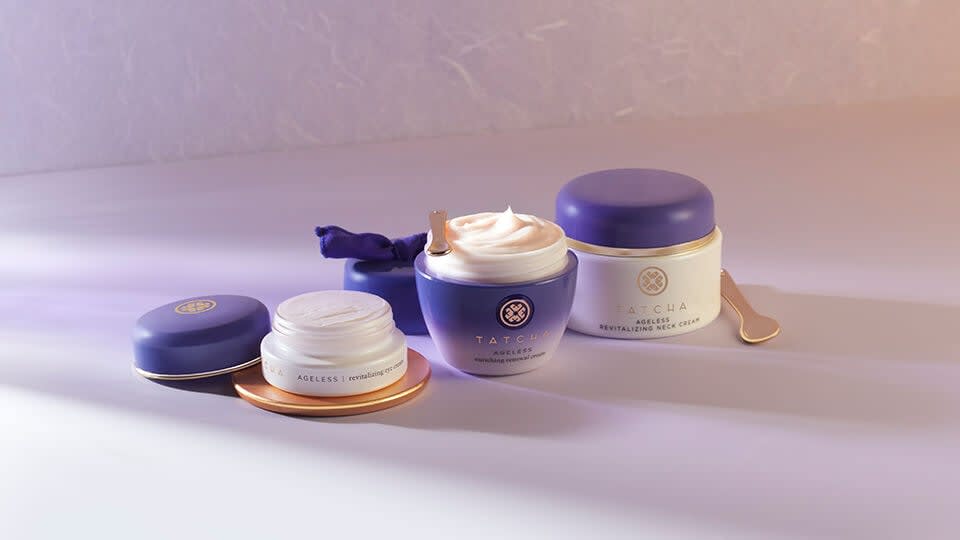
Aging comes with its blessings along with mature skin. But caring for skin in your 50s, 60s, 70s, and beyond is just a matter of education—and the right routine. A birthday always offers an opportunity to reflect on our life and the choices that brought us here. At the turn of the decade especially, when the passage of time feels more pronounced, the urge to examine your life, down to the routines that make up the day, is irresistible. If you’re wondering if now is a good time to update your skincare, the answer is: Very likely. Why? Because the needs of your skin change. Most women begin experiencing menopause by the age of 55, and the attendant changes in the body manifest all over, including in the skin. One study from India on how menopause affects the skin recognized a dropoff in collagen metabolism. Owing to this change, postmenopausal skin can appear less elastic or supple than it used to be. Even men who don’t experience menopause will see a kind of transition in their skin at this time. If your 40s are characterized by the beginning of your skin maturing, the process may be well under way by the time you are 50. This guide will help you understand the finer points of how to care for mature skin in your 50s and beyond, as well as how to adapt it to your personal skin goals. Be sun-smart Protecting your skin from the sun is something you should be doing every day, whether you’re 8 or 88 years old. The reason for doing so becomes more urgent with age. UV radiation, caused primarily by sun overexposure, can have deleterious effects on every layer of the skin, from the outer layer where it causes burns to the inner living layers where it can attack cells and genes directly. UV exposure from the sun is also the primary cause of skin cancer. Most skin cancer cases are diagnosed in people aged 65 and older. Men older than 50 have a much higher incidence of melanoma than women, and men are twice as likely than women to die of melanoma at any age. These statistics are not intended to frighten, but to demonstrate the importance of defending skin against UV radiation. This happens by exercising proper sun hygiene, which starts with a good sunscreen. (We’ll have some recommendations later, but the best sunscreen for your skin is the one you’ll use every day—choose wisely but pragmatically.) Good sun hygiene doesn’t end there, though: You can also strengthen your sun protection with Ultraviolet Protection Factor accessories or clothes, and by staying indoors when exposure is harsh. The Skin Cancer Foundation recommends a three-pronged defense for seniors: One: Stay out of tanning beds. Two: Use protection whenever you’re in the sun. Three: Get your skin checked by a dermatologist. Don’t neglect the neck Often, the target of our creams and balms is the skin on our face. But if you haven’t started already, your 50s are a good time to start thinking below the chin. After all, the skin on our neck and decolletage—that large plane of skin between our jaw and breast bones—is subject to aging just like the rest of our skin. In fact, a dermatologist recently explained to The New York Times how the skin on the neck ages faster than any other place on the body, citing how “poor posture, insufficient skin care, sun exposure, and the natural weakening and decline of your neck muscles” can all speed up the process. Not only should the neck and decolletage be cleansed and moisturized, but they can also benefit from more potent ingredients, like retinols or exfoliators that encourage cell turnover. Go heavy with hydration Perhaps one of the most critical needs of aging skin is hydration. Mature skin often tends toward the drier side. As we age, our skin loses viable blood vessels, as well as collagen and elastin; our skin barrier weakens and holds on to less water than it once could. Coupled with other biological processes, like menopause, your 50s and beyond are a dry time for your skin. There are, however, plenty of products and potions that help hydrate skin. Hydration is distinct from moisturization, another necessary skin step that has to do with the water content of your skin. But while moisturizers seal moisture in, hydrators help actually bring water into the skin cells. The best skincare routine for your 50s and beyond should address both moisturization and hydration, with special consideration toward keeping skin hydrated with water-binding ingredients and skincare layering. A Skincare Routine for Your 50s and Beyond Above all, your skincare should be gentle but effective. You can design a multi-step routine where each step helps set up the next, creating a cascade of replenishing, firming skincare. But remember that the best ingredient for any skin type is consistency. Try to build a regimen you know you can stick to with these essentials: 1. A gentle but effective cleanser. You should be kind to your skin—you’ve been through a lot together, after all—and that kindness should begin at the very first step of your routine. The Camellia Cleansing Oil, a two-in-one makeup remover and face cleanser, gently melts away even stubborn waterproof mascara, plus dirt and impurities. The oil is also made with Hadasei-3, Tatcha’s proprietary complex of Japanese superfoods that plump and hydrate skin. It starts your skincare off on a gentle note. 2. A hydrating essence and serum. If your mature skin could use a boost in hydration, a product like The Essence will become an immediate mainstay in your routine. The waterweight texture can be softly pat into skin after cleansing for a dose of skin nourishment: The Essence delivers Tatcha’s skin-refining complex to plump skin and prepare for better serum absorption. Then follow it with a potent serum like The Silk Serum to amplify skin’s hydration. 3. A wardrobe of moisturizers. Your face moisturizer is coming soon, but for now, we’re tackling other areas: Namely, the eyes and neck. The delicate skin of these two zones is prone to aging at the same rate (or even quicker) than the skin on our face, but is so often ignored. You’ve probably already adopted an eye cream, but it’s wise to consider a neck cream, too. Tatcha’s Ageless Revitalizing Neck Cream is made with botanical actives and antioxidants that have shown powerful skin-firming properties: When 20 consumers were polled after a four week study, 100% experienced an improvement in skin texture and appearance of wrinkles on their necks.* 4. A cream that seals it all in. At this point, you’re probably committed to your moisturizer—keep on using it! But if we can make a suggestion, the Ageless Enriching Renewal Cream is an intensely rich cream that renews and firms the look of skin. The Hadasei-3 complex supplies amino acids that promote natural skin surface turnover, while peony flower and gardenia fruit extracts lend antioxidant benefits that fight free radicals. 5. A glow-boosting mask. In addition to your daily routines, a regular treatment step can help deliver potent ingredients to your skin in short, super effective bursts. The Violet-C Radiance Mask is designed for use up to three times a week after cleansing. This vitamin C mask is a powerhouse of ingredients, including two types of pure vitamin C and Japanese beautyberry. (Among other properties, beautyberry’s antioxidant activity helps to stabilize vitamin C.) Used before events, or whenever you need some extra glow, this step could become something you look forward to. 6. A daily sunscreen. Everyone needs a daily sunscreen, but especially those with mature skin. The higher the protection, the better. An SPF 50 should do the trick. And bonus points if it also contains skin-smoothing ingredients, like The Silk Sunscreen does. Zinc oxide provides broad spectrum protection, while niacinamide and hyaluronic acid plump and hydrate. It’s your best defense against UV radiation and skin cancer—iit just happens to make you look good, too. *Individual results may vary.