







T-House

The Best Hydrating Face Cream
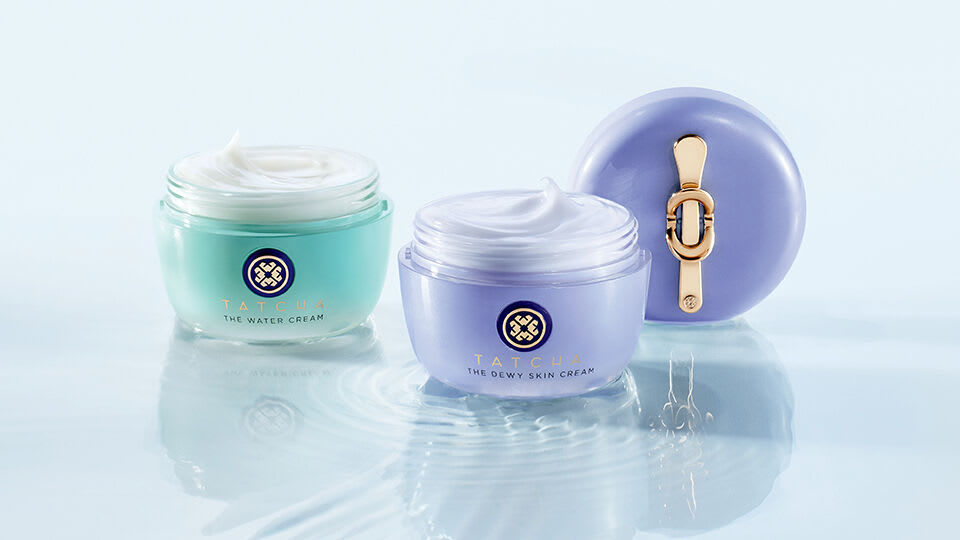
A good face cream reinforces your skin’s moisture barrier, but a great face cream will contribute hydration that helps your skin health improve over time. People are mostly made of water. The chemical comprises about 50 to 60% of our bodies, and is an ingredient in just about every metabolic process we have. Some parts of us have much higher water contents than others—for example, our organs are more aqueous than our bones, but not nearly as aqueous as our blood. Our skin is about 70% water, or more water than not, which is perhaps why so many of our skincare attentions come down to the simple act of keeping as much water in our skin as possible. Hydration is almost synonymous with skin’s most treasured qualities: Its luminosity, its softness, its bounce. And there is not a single skin type on Earth that does not benefit from more hydration, just as there is no dermatologist who would advise you hydrate yourself less. Water is the stuff of life. It’s also the stuff of skin health. For as long as we’ve been chasing glow, we’ve been embracing cream, which helps our skin boost its natural hydration-retention properties. The amount of moisturizer out there in the world is enough to fill an ocean, or at least the Great Lakes. Which face cream is the best at hydrating skin? To find out, you’ll have to learn a little bit about what that means. What does water do for skin? Water is one chemical that is essential to human function. A steady supply of water ensures that our bodies can regulate our temperatures, lubricate our joints, and keep our various internal systems working. Among these critical tasks, water also is a major vehicle by which nutrients and oxygen reach our cells. Hydrated skin is healthy skin. When the skin’s layers are drenched in water, they are less likely to break open and let in potential irritants. Some studies even support the conjecture that drinking adequate water has other health benefits for the skin, like increasing blood flow, although the research isn’t so clear on if these benefits extend to the appearance. Anecdotally, however, you can usually spot the signs of hydration: Skin looks brighter, and plumper. Of course, our bodies require a steady supply of water to keep these processes working—at every biological level. What’s the difference between dehydrated & dry skin? Skin that is dehydrated and skin that is dry can look quite similar: Flakes, cracks, and uncomfortable patches. But each is the result of a specific skin mechanism gone awry. Here’s an easy way to think of skin: When it’s dehydrated, you need water. When it’s dry, you need oil. Dry skin is one of the major skin types, and is defined by lower-than-average sebum production. Sebum, colloquially “oil”, is a natural waxy substance we produce that helps “caulk” our skin barriers. Dry skin is also something that can happen to you sporadically, due to environmental factors like wind or sun overexposure, but it’s important to distinguish between having a bout of dry skin versus the dry skin type. Dehydration isn’t a skin type, in large part because it doesn’t describe an intrinsic quality of the skin. All faces need hydration for the same reason that all bodies need water. For many, effective skincare means keeping the oil and water of one’s skin in check. Any imbalances may give you a clue as to what your unique skin type is, but whatever the answer may be, it’s safe to say that keeping your water levels up should be a priority. How do I know if I have dehydrated skin? Dehydrated skin can occur when too much water is lost, and can be observed by pinching a small area of skin: If skin bounces back, it’s hydrated, but if the wrinkle is slow to smooth out, it may be a sign of skin dehydration. By contrast, dry skin results from a lack of skin-sealing sebum. The problem is not necessarily in the water content of your skin, but in the barrier that is supposed to keep water from escaping. When the skin barrier is weak, it’s only a short leap from dry skin to dehydrated skin as water is lost. The best and most efficient way to find out if you have dry skin is to ask your dermatologist or a licensed aesthetician. An expert will be able to identify your skin type on sight. The American Academy of Dermatologists Association recommends looking for visual signs (roughness, peeling, cracking, flaking) and symptoms (itching, pain, irritation) when assessing the dryness of your skin. Left untreated, dryness can lead to openings in the skin, which can invite a host of other problems. Keep skin moisturized and hydrated to ensure its health. Which skincare ingredients hydrate skin? There are tons of ingredients that hydrate skin, primarily by attracting water into skin cells, but also by nourishing your skin barrier to guard against water loss. Some common hydrators too look out for include: Alpha hydroxy acid. Put simply, these acids, known as AHAs, increase the rate of cell renewal. Some AHAs, like lactic acid, are shown to be highly effective hydrators and moisturizers. Camellia oil. Feather-light and fast-absorbing, camellia oil benefits the skin in numerous ways and is a treasured secret in Japanese skincare. Colloidal oatmeal. The calming variant of oatmeal has been used for centuries to relieve the painful itch and irritation common with sensitive skin. Cranberry extract. Full of antioxidants, collagen, and elastin, this extract supports the skin’s healthy appearance, radiance, and barrier function. Hyaluronic acid. This substance occurs in the fluids surrounding cells and tissues, but depletes with age. In skincare formulations, it is unparalleled in both attracting and binding humectants and moisture to the skin. Peony. The blossom moisturizes, soothes, and provides superior antioxidant benefits, thanks to a natural active ingredient: paeoniflorin. Red algae. This type of seaweed is a rich source of natural polysaccharides, lending water-binding properties that deeply hydrate the skin for a healthy-looking appearance. Rice bran. A true superfood, and a source of vitamins, antioxidant compounds, proteins, fats, fibers, ferulic acid, and minerals. Also contains squalene and tocotrienols, compounds known to hydrate and repair skin. Silk. Or liquid silk protein. It’s easily absorbed when infused into skincare and helps skin to look healthier, smoother, and plumper. Squalane. This botanical lipid occurs naturally in the skin's sebum. The ingredient version, isolated from olives, absorbs effortlessly and deeply into the skin to nourish and moisturize skin. What is the best hydrating face cream? A good face cream reinforces your skin’s moisture barrier, but a great face cream will contribute nourishment that helps your skin improve over time. Based on your skin type, this could mean putting oil and water levels in balance. The best hydrating face cream will help draw water into the skin, but also include ingredients that help shore up the skin barrier. Hydration is a core value to Tatcha, which is why the brand’s two best-selling creams both address skin’s water content. The Water Cream features wild rose and leopard lily to balance the skin, unclog pores, and minimize excess oil production. Plus the water-burst cream formula also includes our Hadasei-3 Complex, which includes Uji green tea to detoxify and prevent premature aging, Okinawa red algae to seal in moisture, and Akita rice to nourish and hydrate. It’s a superb hydrating cream for all skin types. Next is the emollient-rich Dewy Skin Cream, launched specifically to give skin a natural glow and pair beautifully under makeup. The rich, moisturizing cream plumps skin for a dewy, healthy-looking appearance – thanks to antioxidant-packed Japanese purple rice, hyaluronic acid, and Hadasei-3. Dewy is recommended for drier skin but also works for all skin types. Remember that a good face cream is like a glass of water: Glow soon follows.

The Many Benefits of Heartleaf for Skincare
Though you may not have heard of it, heartleaf is trending up in the world of beauty. But before you dive into heartleaf skincare, you may be curious about the ingredient’s benefits—and whether or not it’s right for you. Heard of heartleaf? The name evokes a perfect image: A long, leafy stem ending in a lovely-shaped frond, rounded on one end and pointed at the other.In its native southeast Asia, carpets of heartleaf spread across forest floors. But this plant can be found all over the world, and even makes a common houseplant that is popular for its low maintenance. In Japan, these heart shaped leaves are called dokudami; their white blooms in May foretell of the coming rainy season. Dokudami leaves have been used to brew palliative teas, as well as ground up to treat burns. Even today, it’s one of the top three folk medicines listed in the Japanese Pharmacopoeia.The skincare brand Tatcha, which takes much of its inspiration from time-honored Japanese botanicals, has taken note of heartleaf benefits when applied to skin. More and more, these leaves are being used for topical formulations. But what, exactly, do they do? What is heartleaf?The long name for heartleaf is heartleaf philodendron, and the long and Latin name for it is Houttuynia cordata. These are resilient vines—tolerant of low light, but preferring sunny, moist climes. With a little water and light, a planted heartleaf vine could produce great lengths—and broad bouquets of its signature heart-shaped leaves.According to houseplant experts, they are some of the easiest plants to take care of. But they’re popular home decor for another important reason: A hardworking, healthy philodendron can remove gaseous toxicants, such as formaldehyde, from an enclosed space. But perhaps because of this, these bitter leaves contain a poisonous sap. Ingestion isn’t lethal, but it’s still recommended to keep heartleaves out of the mouths of children, pets, or yourself. Applied to skin, however, this plant can do more good than harm. What does heartleaf do?The benefits of heartleaf are well documented, and appear in traditions all over the world. Houttuynia cordata herb has been used in ancient Chinese medicine for centuries, and some records even indicate Native Americans once used a heart-shaped leaf in some medicines. In Japan, they were even applied topically, to soothe angry skin; In Korea, heartleaf comprised an acne treatment.According to the INCI Decoder, an online database for cosmetic ingredients, heartleaf is rich in flavonoids, a class of phytochemical compound that has been shown to have “anti-inflammatory, antioxidant, and antibacterial” benefits for skin. Heartleaf is also rich in more than a few polysaccharides, which help bind water to the skin. It’s also been shown to boost collagen production. At least one study has also shown promise against atopic dermatitis. In other words, it’s a powerhouse ingredient that can help moisturize skin while defending it against aggressors from oxidative stress, inflammation, and bacteria. Benefits of heartleaf for skinHeartleaf is a powerhouse skincare ingredient, and as a result, it’s frequently found in a variety of different skincare formulations. Its specific benefits may depend on where it winds up in your routine. A few common products containing heartleaf may be:Cleansers. When used as a key ingredient for a face cleanser, heartleaf works to keep oil in check—making it attractive for those with oily skin—so the rest of the cleanser can do its job. You can also be assured that a cleanser formulated with heartleaf will be gentle on skin.Toners. Commenters on the r/AsianBeauty subreddit extol the virtues of heartleaf toners, not only for their ability to balance oily skin, but also to quell redness and irritation. Some users have noted a cooling sensation, like that of aloe.Moisturizers. Heartleaf’s history as a sunburn healing botanical demonstrates the ingredient’s powerful soothing ability. Skin that is angry—sensitive, prone to redness, or otherwise reacting—may benefit from a moisturizer infused with heartleaf. Its high content of water-binding polysaccharides also makes it an excellent hydrator, and a welcome addition to any moisturizer’s ingredient list. How often to use heartleafThe average skincare routine occurs twice a day, and most skincare products are formulated for this kind of frequency. But some high-performing ingredients work best when they’re used more less frequently; about every other routine, or less often, depending on your unique skin type. (And when introducing a new ingredient into your routine, it’s a good idea to talk to your dermatologist or licensed aesthetician first.)With all of heartleaf’s skincare benefits, it’s natural to wonder if it’s too powerful for daily use. As a skincare ingredient, however, heartleaf is perfectly gentle. How often you apply heartleaf may depend on the skincare product it appears in—a moisturizer is best used more than a mask, for example. A recommendation will usually appear in the product’s directions. The best heartleaf skincareSoon after it launched in 2017, The Water Cream quickly became one of the best-selling moisturizers in Tatcha’s skincare collection. Its unique, water-burst texture is beloved by many skin types, but especially those with oily skin, who can feel trapped under thick moisturizers. By contrast, The Water Cream provides a veil of all-day moisture—and is clinically proven to refine pores, thanks to Japanese wild rose, a key ingredient. But one of The Water Cream’s less known powerhouse ingredients is Houttuynia cordata, or heartleaf extract. It’s this ingredient that helps make the moisturizer; its antioxidant power acts like azelaic acid to protect from free radicals, helping to brighten and even tone. Its collagen boosting power, plus its calming effect, means it smooths and soothes. And it’s all thanks to the heartleaf; a plant that’s easy to love.

Daniel Martins' pro pampering tips
As celebrity makeup artist Daniel Martin says, “your self-care ritual is the one moment you have all to yourself.” Read on for his self-care tips & picks for red carpet radiance from skin to soul. What does it look like to commit to a skincare ritual? It takes intention and time to appreciate one's cleansing ritual and when you do, it doesn't seem like a chore but rather a meditation at the beginning or ending of your day. How do you recommend your clients get started? Start by identifying what's the most important to you with your skincare at the beginning of your day. Start there and add as you see fit. As you build your skincare wardrobe, you're also adding more intentional time for yourself and your ritual. Why's it so important to commit to your own self-care? It's the one thing that you have all to yourself to appreciate and take care of. We forget our skin is our largest organ and we overlook its appreciation because we're constantly moving and on the go. So taking the time to respect it and show it love, you'll see a difference in your skin. What's your advice for falling in love with your skin? Be patient and appreciate yourself. When you are at peace within, it truly reflects on the outside as well. What are ways you invest in yourself? I've learned that I have to move my body as I've gotten older so going to the gym and doing pilates is my way of investing in my health and wellness. What products would you recommend to "plump and protect for ever after"? Essence, Dewy Serum, Dewy Skin and Dewy Skin Mist.
What Is a pH Balanced Cleanser & Why Should You Use One?
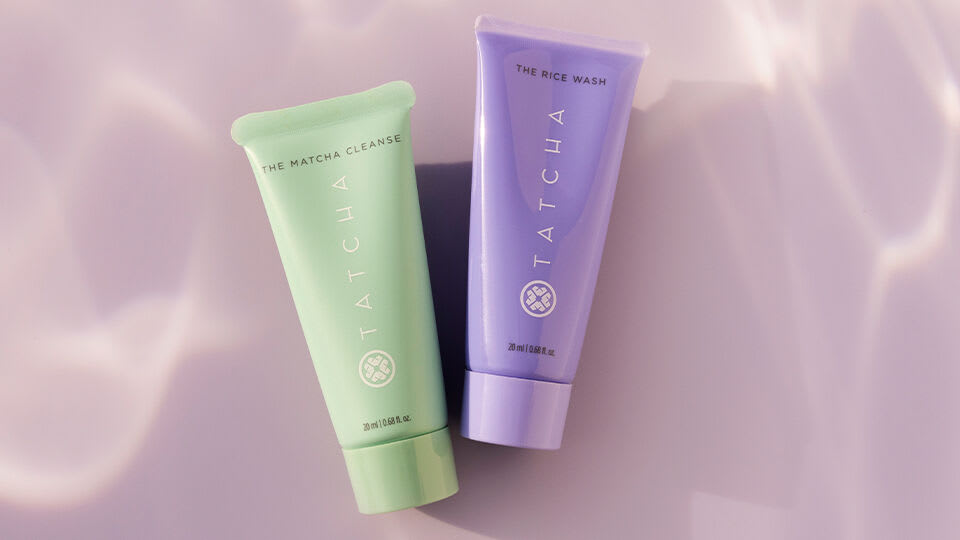
The best place to consider your skincare’s pH levels is at the outset of your skincare routine. “pH” is a fairly young beauty buzzword. (Or buzz “term”, as pH stands for “potential hydrogen” or “power of hydrogen.”) For about a century, physicians have studied how this property supports and facilitates the function of skin. There are many unknowns about the complex mechanisms that make up our cutaneous system, but unlocking pH has helped the field of dermatology deepen its understanding of skin. For example: Did you know that conditions caused by inflammation, from acne to eczema, are associated with a high pH level? In fact, once you understand how integral maintaining a balanced pH is for the skin, you may find yourself paying a lot more attention to the pH values of your skincare products, especially when it comes to your cleansers. Your skin’s pH level is influenced by a variety of factors, from genetics to skin type to sweat production, but according to dermatologists, it can also be affected by the use of alkaline soaps and other high pH products. If there’s one simple strategic skincare step that can keep your skin’s pH in check, it’s the first one in your routine. This is what a pH-balanced cleanser can do for you. What Is Skin pH? Put simply, pH measures the concentration of hydrogen ions in a given substance. An acidic solution has a higher concentration of hydrogen ions and a lower pH, while a basic, or alkaline, solution has a smaller concentration and a higher pH. Pure water maintains an elegant balance of ions in equal concentration, and sits at the dead center of the scale, with a pH of 7. On average, the human body is 60% water, but our skin is a slightly higher percentage; it follows that our skin has a pH close to that of water. Some parts of our skin system are more basic than others, but the outermost layer of our skin has been observed to sit on the acidic side of the scale, with an average pH of 5.5, according to a dermatologist at the Cleveland Clinic. This thin layer responsible for separating the delicate, intricate epidermis from bacteria, environmental pollutants, microbes, ultraviolet light and more is referred to as the “acid mantle.” As such, it’s the first stop for all of our skincare efforts—and should be first in mind when thinking about the pH of our beauty products. Why Does My Skin’s pH Matter? Your skin is used to operating within a certain pH range. But when that range is thrown out of balance, things can start to go awry on the surface. Studies have shown that higher-than-normal pH tends to be a commonality of skin disorders caused by inflammation, like acne and eczema. This very well may have to do with the fact that a balanced, slightly-acidic pH provides the conditions for many of the skin’s basic metabolic functions—shoring up its defenses with structural lipids, keeping hydration in and infection out. Meanwhile, we know that our skin’s pH is also affected by the liquids we wash, tone, exfoliate, and moisturize with. Many of our beloved face cleansers—the ones that leave us feeling squeaky clean, primed, and ready for the day or for bed—have a high pH level, and are generally considered not great for skin. Even a different country’s tap water, which may have a different pH than the one you’re used to, can affect skin’s pH. Which is not to suggest that you avoid washing your face with water, but merely that you take into consideration how all substances we apply to our skin interact with its basic properties. How Do I Balance My Skin’s pH? Luckily for all of us, our skin has a built-in system for regulating its pH; these are referred to as buffer systems. These systems help keep our mantles on the acidic side of neutral, and they’re highly sophisticated; they’re also prone to wear and tear, just like all of the other systems that make up our skin. You can imagine a buffer system kicking into gear when the slightly acidic skin comes in contact with a more acidic or basic substance, and working to neutralize it. You can also imagine some of the following pH-balancing steps as opportunities to give these buffer systems a rest—or, at least, take most of the work out of balancing your skin’s pH. Don’t: Overdo the exfoliation. You probably heard of exfoliating acids before you thought about how acids and bases factor into skin. In fact, our skin loves these acids because of its own inherent acidity. But too much exfoliation can throw the switch in the wrong direction, which is why you should stick to the recommended schedule—and chat with your dermatologist, first. Do: Commit to moisturizing. When it comes to maintaining our skin barrier, there are a lot of things we can do, but none help quite like old-fashioned moisturization. (And when it comes to maintaining pH balance, according to some dermatologists, the more emollient, the better.) Don’t: Opt for harsh cleansers. This is one area where people regularly expose their skin to high-pH products. One dermatologist advised readers of Real Simple: “Stick to non-soap cleansers that are more pH-balanced” for our precious acid mantles. Do: Try pH-balanced skincare. A substance that is pH balanced isn’t pH neutral—that would be water—but is instead within a range close to skin’s inherent, slightly-acidic pH. Over time it’s natural to adopt products that are more acidic for some uses and more basic for others, but to maintain balance, it’s a good idea to adopt skincare that is pH balanced. What Is a Good pH-Balanced Cleanser? Start your skincare routine off with the right step. A pH-balanced cleanser is a great option for any skin type, but especially those who deal with oily skin (and may be more prone to acne). The perfect formula will effectively cleanse without stripping skin of essential moisture and nourishment; it’ll also clock in at a pH between 4 and 6. Our skincare brand, founded on using ingredients that maintain the skin barrier's integrity, has the perfect thing: The Rice Wash, a soft cream cleanser whose pH-neutral amino acid base removes dirt without stripping, while Japanese rice powder gently cleanses and hyaluronic acid and red algae replenish moisture. Your skin already works hard to keep its pH in balance. The kindest thing a cleanser can do is stay out of the way: washing off the day without pushing your acid mantle off its mark, so the rest of your ritual starts on steady ground. Begin there, and balance mostly takes care of itself.

The Best Skincare Routine for Oily Skin
Oily skin is often maligned, but there are a handful of benefits with additional oil production. The trick to managing oiliness is utilizing a skincare routine specifically optimized for oily skin. This guide explores the most effective oily skincare routine for more balanced skin. Oily skin is one of the most common skin types, yet the emotional and social impact of having oil-prone skin can be debilitating. One study found that participants with oily skin reported feelings of “unattractiveness, self-consciousness, embarrassment, irritation, and frustration.” Additional research has shown that those with oily skin can feel “uncomfortable or unkempt and annoyed” by the skin type. As devastating as that is, having oily skin is perfectly normal and perhaps even beneficial—some experts believe the excess oil and sebum lubricate the skin, allowing the face to age with less visible fine lines and wrinkles (although more research needs to be completed to solidify this belief). That said, oily skin unmanaged with an effective regime can exacerbate excess oil, potentially leading to clogged pores. Looking for tips to curb the skin’s natural oil production? When we support the skin’s natural processes through cleansing, exfoliation, and hydration, a reduction in congestion, breakouts, and hyperpigmentation can naturally occur. Keep reading to understand more about excessive oil consumption and the most effective skincare routine for oily skin.Oily Skin ExplainedAccording to the American Academy of Dermatology, oily skin is one of the five skin types (with the others being sensitive, normal, dry, and combination skin). What causes oily skin in the first place? It’s often due to genetics, so you can thank your parents for your naturally supple skin. It can also be caused by heightened hormone levels. What’s happening under the skin is sebaceous glands are secreting sebum, which naturally lubricates the skin, protecting it from drying out. But sometimes sebaceous glands can produce excess sebum, causing the skin to look excessively shiny or pores to become clogged.Skincare Routine For Oily SkinIf you have oily skin or an oily T-zone area, your skin produces extra sebum that can lead to clogged pores and potentially breakouts. Utilizing the following oily skincare routine helps bring harmony back to the skin with just a few simple steps.Step One: CleanseThe first, and perhaps most important, step in your ritual is to purify your complexion with a facial cleanser. From starting the morning fresh to unburdening the skin at the end of the day, cleansing helps wash away impurities, dirt, and other buildup accumulated throughout the day and night. Whether it's indulging in a double cleanse or an exfoliating cleanser, the right face wash can minimize excess oil, unclog and minimize the appearance of pores, and leave skin soft and ready for the next steps in your oily skincare routine.Step Two: ExfoliateAfter cleansing, oily skin will love exfoliation. Why? Exfoliating can make pores less noticeable, says the AAD. This is because when pores are clogged, they look more noticeable, and effective exfoliation basically ‘cleans out’ pores, helping to eliminate excess oil, sebum, and dead skin cells while visibly tightening the appearance of pores. This can be accomplished with physical exfoliation (scrubs or washcloths) or liquid exfoliating treatments (formulas with AHAs and/or BHAs). Check the product’s packaging to get the recommended usage tips, as some exfoliants are designed to be used nightly or twice a day (or only a few times a week).Step Three: TreatSerums are a great follow-up step after exfoliation, as they’ll be able to absorb beautifully. Serums are highly potent skincare solutions that work to increase the overall effectiveness of a skincare ritual. They tend to zero in on one focus, like brightening, hydrating, or clarifying pores. Some serums can even multitask, targeting multiple concerns at once, like brightening and exfoliating. Consider what you’d like a serum to help you accomplish and seek out one with proven ingredients and clinical results.Step Four: MoisturizeYou might be tempted to forgo a moisturizer completely due to excessive oiliness, but skipping a face lotion can backfire, causing the skin to produce even more sebum to make up for the dryness—after all, even oily skin can quickly become dehydrated. That said, an effective moisturizer is one of the most difficult products to discover for oily skin. A moisturizer is not a one-size-fits-all product, notes the AAD. They note that a moisturizer can come in several different formats, including lotions, gels, thick creams, or ointments. For oily skin, consider a lightweight, clarifying moisturizer for morning and night usage, right after a serum (or cleansing, if you’re skipping a serum).Step Five: ProtectSunscreen often has the reputation of thick, pore-clogging formulas, so much so that you might be tempted to skip SPF altogether to spare your oily skin–but don’t. Modern sunscreen iterations are brilliantly lightweight and soothing. Some can even include pore-refining ingredients, like niacinamide, that have the ability to minimize the size of pores, reduce redness, and even skin tone. Ensure that you follow the FDA guidelines on how to apply sunscreen and what to look for in SPF packaging.For a deep dive into the best products for oily skin, we’ve compiled an extensive guide here, analyzing every product that can help oily skin become more balanced and soothed. As always, if you’d like help customizing your daily ritual for your specific skin, consult our Ritual Finder.

Why the Matcha Cleanse Is the Best Balancing Cleanser
Before you learn about the benefits of a pH balancing cleanser, it’s crucial to understand the importance of skin pH—and what happens when imbalances occur. It’s as if the world runs on an endless series of balancing acts. The expansive universe, of which we are just a microscopic particle of a particle, expands and contracts constantly, maintaining its density while growing infinitely. Inside of our bodies, a complex array of systems run to keep us in homeostasis, our lives dependent on their balance.Indeed, balance might be at the heart of everything we do. Shintoism, Japan’s national religion, emphasizes the quality of balance through its rituals and teachings. Harmony staves off chaos. You can see reverberations of this philosophy through many facets of Japanese culture, from ritual acts of bathing to mindful skincare practices.When it comes to washing one’s face, balance takes on a special meaning. Not only do we want to keep oil and water in check, or cleanse and moisturize at the same time, but we also want to keep our skin’s pH balanced. Some ingredients are better at balancing skin than others. Read on to find out about the best pH balancing cleanser for your skin—but first, in an effort to achieve some balance in your own understanding, we’ll provide a little background on what pH is, and how it affects the ecosystem of our skin. The meaning of skin pHFor centuries, scientists have known about the chemical composition of liquids, and that hydrogen in particular plays an important role in understanding the properties of those liquids. But it wasn’t until the beginning of the 20th century that a Danish scientist condensed this understanding into a simple scale, in which each liquid can be categorized with a pH—or potential hydrogen—value. The pH scale ranges from 0 to 14, with water representing the dead center of the scale, at 7. Any value lower is considered acidic, and anything higher is considered basic, or alkaline.pH is important because it helps us to understand how a liquid behaves, and how it may interact with other liquids or substances. The United States Geological Survey takes a measurement of pH any time water is studied. If you work in a chemistry lab, you probably hear the term pH uttered multiple times daily. Otherwise, it’s possible that the last time you heard the term was in high school science class. But knowing that our bodies are made up mostly of water, it should come as no surprise that pH levels exist throughout the systems of our body—including in our skin. (After all, our skin is mostly water—about 64%.)Skin’s average pH is between 4 and 6, on the acidic side of things. It can be slightly higher in different areas of the body, such as in the groin and armpit, where microbial activity is distinct from, say, the skin on the chest or back of the calves. The average pH of the skin on the face is 5.5, according to The Cleveland Clinic. But it’s important to note how these values can fluctuate from person to person due to genetics, environmental factors, and even the skincare we apply to our faces. Your skin’s pH is not fixed. This is where the quality of balance enters the picture. The purpose of pH balancing skincareWhat happens when our skin’s pH goes out of whack?Think of the world’s ecosystems, from arid deserts to drenched rainforests. All have unique flora and fauna that depend on the climate of the region to allow them to live. Change in those weather systems can cause life to die out and the ecosystem to change. In a way, this is how pH functions in the body: By providing location-specific conditions for a particular system to work. You can see how balance is critical to maintaining these systems.Our skin’s pH can and will change depending on what we apply to it. Even washing one’s face with alkaline tap water is shown to increase pH up to six hours after application before things start returning to normal. Balance means staying acidic—but not too acidic. As Dr. Oz explained to Good Housekeeping, "the skin’s pH maintains the balance of acidity and alkalinity that protects us from germs, the elements, and toxic substances while keeping us hydrated and storing nutrients and minerals." When pH goes too acidic or too alkaline, you can see it in your skin via dryness, or roughness, or the surfacing of inflammatory skin issues like eczema.The skin barrier, often the target of our skincare attention, is sometimes called the acid mantle, reflecting its acidic nature. Keeping it in this balanced zone is critical for maintaining skin health. But it’s easier said than done—unless you know about pH balancing skincare. The difference between pH balanced and pH neutral While the terms pH balanced vs. pH neutral sound similar, they are critically different. The latter term, pH neutral, refers specifically to water, which has a pH of 7—the midpoint of the pH scale. Washing your face with pure water is beauty advice as old as time. But keep in mind that water is more basic than your skin. The term pH balanced, when applied in a skincare context, usually means keeping skin’s pH near its slightly acidic baseline.Our skin remains balanced thanks to the work of buffers, which are found throughout the body and help keep pH at the right functional level. Generally, being gentle with your skin, avoiding over-washing or extra exfoliation, is good for maintaining pH balance. But a good skincare formula can also help keep things under control—especially when it comes to cleansing your face. The best pH balancing cleanserAll of this is why Tatcha formulated the Matcha Cleanse—the newest addition to its bestselling face wash lineup. Soaps and harsh detergents can be disruptive to your pH level, which is why dermatologists and other experts alike recommend gentle formulas that cleanse skin without stripping. Products that work with skin, not against it, is the philosophy behind all of Tatcha’s products, and is achieved using a combination of centuries-old Japanese botanicals and contemporary skincare technology. Enter the Matcha Cleanse, a soft gel cleanser that lathers into a cloud of foam—made with a combination of BHA alternatives, as well as kyo-matcha and Japanese mugwort—time-tested ingredients that have been used to balance body and mind, inside and out.The Matcha Cleanse is particularly good for oily skin types. Maybe they’ve overwashed their skin and dried it out, leading to bouts of over-oiliness. But in essence, they’re looking for balance in their daily skincare routines. Regular use of the Matcha Cleanse, along with proper exfoliation and moisturization, can help achieve the skin balance you seek. With both a balanced complexion and mind, it’s hard not to feel peace radiate from within.

Top Beauty Trends of 2024
From ‘skinimalism’ and skincare-infused makeup to products with innovative ingredients (like upcycling), here are the top beauty trends for 2024. Healthy-looking, nourished, and radiant skin never goes out of style. But there are beauty trends, specifically centered around skin, that are worth having fun with and learning about. From ‘skinimalism’ to innovative ingredients, here are the top beauty trends for 2024.Barefaced—Skincare as Makeup‘No-makeup makeup’ has been a trending topic for years. The focus is on natural makeup that allows dewy, fresh-looking skin to be the star of the show. 2024 is no exception and the year will perhaps take the trend even further. That means leaning deeper into fresh-faced skin and simply enhancing skin with the lightest touch of makeup where desired. Makeup—But Actually SkincareIn the same vein as the skin-first trend, makeup is becoming more like skincare in 2024. That means makeup products, like concealer, foundation, and blush, now have skincare ingredients (like hyaluronic acid and niacinamide) infused into the formula. These skincare-makeup hybrids are not only more comfortable to wear, but also better for the health of the skin.Skin Barrier Focus2024 beauty trends will continue to focus on the health of the skin barrier. The topic has rapidly risen in popularity in the last few years and this year will further its stance as one of the most important new beauty trends. The skin barrier is your outer layer of skin, made of cells, lipids, proteins, and fats that help protect your skin from the environment. Think of it like armor, protecting the skin just beneath the surface, says the Cleveland Clinic. The integrity of the skin barrier is vital for healthy skin and when it’s damaged (oftentimes from aggressive products), the protective shield can’t thoroughly do its job, allowing extreme dryness, breakouts, and inflammation to take over. #SkinBarrier content has been watched 3.7 billion times on TikTok, as people will continue to learn how to nourish and focus on the health of their skin barrier in 2024.The microbiome—another big trend for 2024—goes hand-in-hand with the skin barrier, too. The skin’s microbiome is a collection of healthy bacteria that is a crucial aspect of our skin barrier. The Google search for “what is skin microbiome” has increased by 70% in the last year, with people wanting to learn more about how to best support their skin health. Consider Tatcha’s Indigo Overnight Repair, a serum-in-a-cream treatment that strengthens the skin barrier, hydrates, and balances the microbiome. 100 percent of users in a clinical study showed improvement in their skin barrier strength after just four weeks of use. Innovative IngredientsAs skincare becomes more high-tech, the demand for innovative ingredients will continue to rise. In 2024, you’ll see more of a celebration of inventive products and ingredients. Like Tatcha’s new Silk Serum, which contains the highly effective duo of plant-based retinol alternatives: upcycled cranberry extract and sea fennel. The innovative pair acts on the same factors as retinol to support natural skin turnover and give the look of collagen-rich skin.This also includes a focus on more sustainable ingredients in 2024, like upcycled ingredients (which are also featured in The Silk Serum) and sourcing transparency. Skinimalism or Skin MinimalismOnce upon a time, skincare regimens were 10+ steps long. While nourishing the skin is a positive thing, the multiple products that solely did one task was time-consuming and unnecessary. In 2024, you’ll continue to see a rise in products that can do multiple things in one step, helping to simplify your routine and keep your skin looking and feeling healthy.Take Tatcha’s Hinoki Body Wash, which cleanses skin while also thoroughly exfoliating in one single step. It doesn’t just focus on the skin though, the Forest Awakening Essential Oil Blend, which includes cedar, hiba, and hinoki oils, in the Hinoki Body Wash is proven to reduce stress, lift mood, and help improve well-being. (And the formula includes innovative ingredients, like cellulose as the physical exfoliant for an eco-friendly alternative to standard microplastic beads.) Sunscreen as a Permanent StaplePerhaps the most interesting and important trend for 2024 is sunscreen. This rising beauty movement, much to the delight of every dermatologist, is moving away from a ‘trend’ and into a ‘standard necessity’ category. According to a recent Instagram report, two out of three Gen-Z surveyed said they plan to buy skincare or beauty products that protect against the sun and extreme weather. This change is potentially made possible by the rise of innovative sunscreens. Many modern-day SPFs are lightweight, better at protecting from UV rays, and include skincare ingredients, like Tatcha’s new Silk Sunscreen. The silky, lightweight, and invisible sunscreen with 50+ mineral coverage contains 10 percent zinc oxide for a mineral, reef-safe filter. The formula features silk proteins, niacinamide, and hyaluronic acid for an SPF experience that makes your skin feel healthier, while also providing incredible sun protection. Afterall, the ultimate and timeless trend is always a great SPF.

How to Balance Skin pH
All liquids have a “potential hydrogen” value, and since humans are mostly water, it follows that pH plays a role in many of our biological systems—including, if not especially, our skincare. At the beginning of the 20th century, a Danish scientist coined the term pH, meaning “potential hydrogen”, to express the acidity of a liquid. A substance’s pH reflects many of its chemical traits, and the discovery gave scientists a way to represent this value using a simple and streamlined scale.Before this, human skin was observed to have totally acidic layers and totally basic ones. Two decades after the establishment of the pH scale, a team of dermatologists found the average pH level of the skin to be about 5.5, which would put it on the slightly more acidic side of pH balance. Over time, studies have been done on pH levels local to different parts of the body, and found slight variation in places like the hands, those frequent targets of soaps and detergents.For some of us, the letters pH evoke distant memories of chemistry class, and conjure the imagery of beakers and test tubes, not creams and lotions. But pH level is an important trait of your skin, and should be an important consideration in your skincare. Skin is, after all, mostly water; here’s how to care for it with pH in mind. Your skin’s pHPut basically, pH measures the concentration of hydrogen ions in a particular substance. (Another term you’ll hear for pH is “power of hydrogen.”) Pure water has a neutral pH of 7.0. An acidic solution has a larger concentration of hydrogen ions than water, while a basic, or alkaline, solution has a smaller one.Throughout the human body, pH level varies—between 1 and 8, in human organs. In the skin, the range seems to be between 5.0 and 5.5, on the acidic side of things. This is why the outermost layer of skin is referred to as the “acid mantle.” Specific skin pH will vary between individuals (and is also likely to vary on different parts of the body) but typically stays within an acidic range. Physicians have known about the acid mantle for a long time, but have only recently begun to study how pH level affects—and facilitates—skin order and disorder.A fun fact: Our skin’s pH is close to that of a medium-strong cup of black coffee. Why it mattersWe know two very important things about our skin’s pH. The first is that pH has an effect on all sorts of skin mechanisms, like the creation of lipids, and the regulation of barrier function. You can almost think of it like a temperature setting; there’s an optimal range for skin’s metabolism to function at its best, but outside of that range, disruptions can occur. A report published by the Japanese Dermatological Association correlated a high pH and disrupted barrier function in skin affected by an inflammatory disorder like eczema.The other important thing to keep in mind is that skin’s pH is not fixed, and can change when it comes into contact with other substances. According to a 2006 article in the International Journal of Cosmetic Science, “not only prior use of cosmetic products, especially soaps, have profound influence on skin surface pH, but the use of plain tap water, in Europe with a pH value generally around 8.0, will increase skin pH up to 6 [hours] after application before returning to its 'natural' value.” Genetics, as well as environmental factors, can also have an impact on skin’s baseline pH. Balancing skin pH levelWhat we don’t want to do is alkalize our skin. Raising skin’s pH inhibits its ability to do things like create structural proteins. Maintaining skin’s acid balance is the role of buffers, which operate throughout the body’s various systems. But when those buffers need help—in aging skin, or during an inflammatory response—you can assist with a few pH balancing skincare tips.Never over-exfoliate. All beauty lovers have been tempted by the promises of acids. But even though our skin is slightly acidic, using too many acids at once can not only cause a reaction, but can also throw off your skin’s pH balance. An exfoliating mask once in a while is always a good idea, but not at the expense of your acid mantle.Always moisturize. Physicians have observed that emollient products, like skin-mimicking squalane, can help maintain skin’s healthy acidity; another reason never to skip on your moisturizer.Try a pH-balanced cleanser. Because soaps and face washes are typically more basic, it’s important to keep their pH figure in mind when choosing your face cleanser. A substance that is pH balanced isn’t pH neutral—that would be water—but is instead within a range close to skin’s inherent, slightly-acidic pH. The best skincare for skin pH balanceThe best skincare for maintaining the pH balance of your skin sits, unsurprisingly, toward the acidic side of the pH spectrum. One Allure report spoke to dermatologists and composed an effective skincare spectrum of between a pH of 4 (acidic) and 7 (neutral).The best place to manage your skincare’s pH balance is in the cleanser category. Nowadays, as our understanding of how pH affects our skin has increased, so has the number of formulations designed to work with our acid mantles. Tatcha’s brand-new Matcha Cleanse is one such formula. The gel rubs into a lightweight foam that comfortably cleanses skin, keeping skin pH (and sebum) balanced in the process. The Matcha Cleanse is formulated in particular to honor oily skin, with Kyo-matcha and BHA alternatives. (It also leaves a priming effect in its wake.) The Rice Wash, a creamy cleanser, which imbues a pH-neutral amino acid base with a finely milled Japanese rice powder. Unlike other pH-neutral cleansers, it foams into a lather, leaving skin silky, smooth, well-moisturized, and—most importantly—properly pH-balanced. Tatcha also offers The Rice Wash, a creamy cleanser, which imbues a pH-neutral amino acid base with a finely milled Japanese rice powder. Unlike other pH-neutral cleansers, it foams into a lather, leaving skin silky, smooth, well-moisturized, and—most importantly—properly pH-balanced.