Summary
-
Layering skincare products helps you maximize your daily skincare routine, allowing you to boost your formulas with products that work well with one another (and your skin).
-
Cleansers, exfoliants, serums, moisturizers, and more can all be layered — albeit strategically and intentionally.
- We help you learn how to layer which products below, but when in doubt, aim for the thinnest to the thickest texture and water-based products before oil-based formulas.
Take your skincare routine to the next level by layering skincare products. From cleansers to serums to moisturizers, here’s the correct way to layer skincare.
So, you’ve invested in skincare products that are ideal for your skin type. Congrats! But you unfortunately won’t get the most out of each formula if you aren’t layering them correctly on your skin. At Tatcha, we’re passionate about educating you on how to best use our products, and that is particularly true when it comes to how to layer skincare. Each of our product pages proudly displays how to use the formula on your journey to building a skincare routine. But we’re going to take things even further today, explaining how to layer skincare products, especially if you use multiple products in one category, like serums. Here’s everything you need to know about how to layer skincare.
Skincare Layering Best Practices
Layering skincare is different from the correct order of skincare products. Layering takes things to the next level, especially when you are incorporating several products from one category, like multiple serums. At first glance, all serums, moisturizers, and cleansers might look interchangeable, but they are not. There is an ideal way to apply them, and we’re going to help you uncover the (until now) unspoken layering tricks and tips. But here are a few best practices when it comes to layering skincare products.
Apply From Thinnest to Thickest Textures
It is always best to apply your products from the thinnest to the thickest texture. For example, essences, chemical exfoliants, and toners have a liquid, water-like texture; thus, they’re applied after cleansing and before serums; serums are applied after essences because they tend to have a slightly thicker, more viscous feel. Moisturizers usually have a more significant and thicker texture than serums, and thus are applied afterwards. Moisturizing facial oils buck this trend, though, but only because of the next rule…
Apply Water-Based Products Before Oil-Based
Any water-based products should be applied before those with an oil base. While a face oil might have a liquid-like texture, it’s (obviously!) an oil, and oils prevent the absorption of products applied afterward. Think of oil as a very effective (and moisturizing) barrier, blocking products from penetrating it. This is beneficial to maintain moisture and protect skin, but any serums or moisturizers applied atop an oil won’t be able to penetrate the skin’s surface. This is why we always recommend applying a face oil as one of the last steps, after moisturizer and before sunscreen.
How to Layer Cleansers
Cleansing in the morning requires just a quick splash of water or a mindful flash of cleanser. But in the evening, cleansing needs to be thorough and multilayered.
An evening cleansing ritual allows you to wash away makeup and impurities, restore balance, and condition the skin. Cleansing is important, but properly cleansing is absolutely vital. At Tatcha, we believe in the timeless art of double cleansing which is an incredibly effective way to cleanse. The first step will remove makeup, sunscreen, and oils, and the second step will cleanse the skin. Double cleansing involves two products: an oil cleanser (which is different from a face oil) and a foaming cleanser (any type of cleanser you enjoy using).
Layering your cleansers in the correct order is absolutely vital; otherwise, skin will not be properly cleaned. Start with your cleansing oil or balm, apply a few pumps and begin massaging it onto dry skin with clean, dry hands. Massage in circular motions, then add a few drops of water and continue to massage the milky elixir into the skin. This will ensure you remove every ounce of sunscreen, debris, and makeup from the day. Wash away and then use whatever cleanser you’d like, making sure you gently but effectively work it into the skin.
1st Layer: An Oil-Based Cleanser
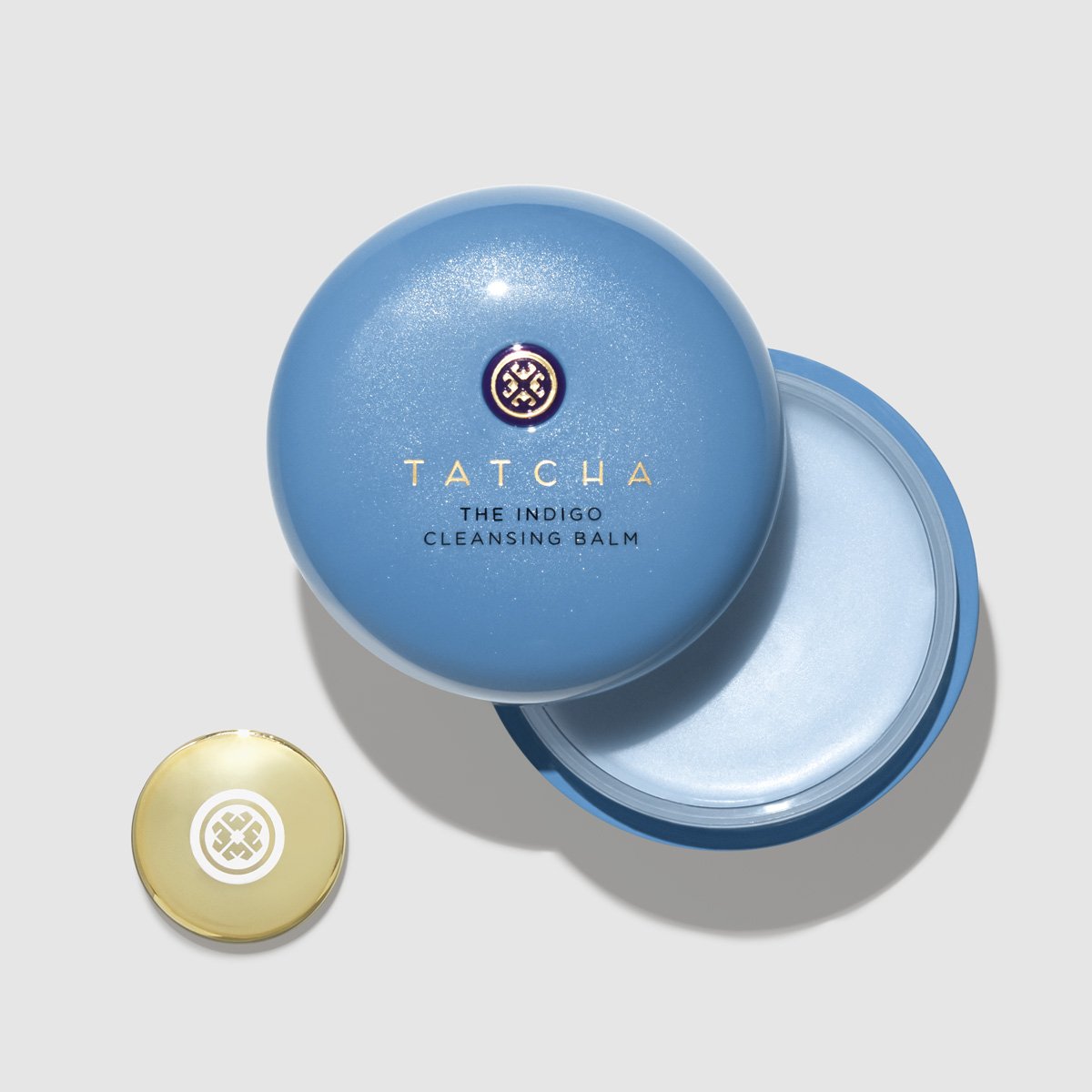
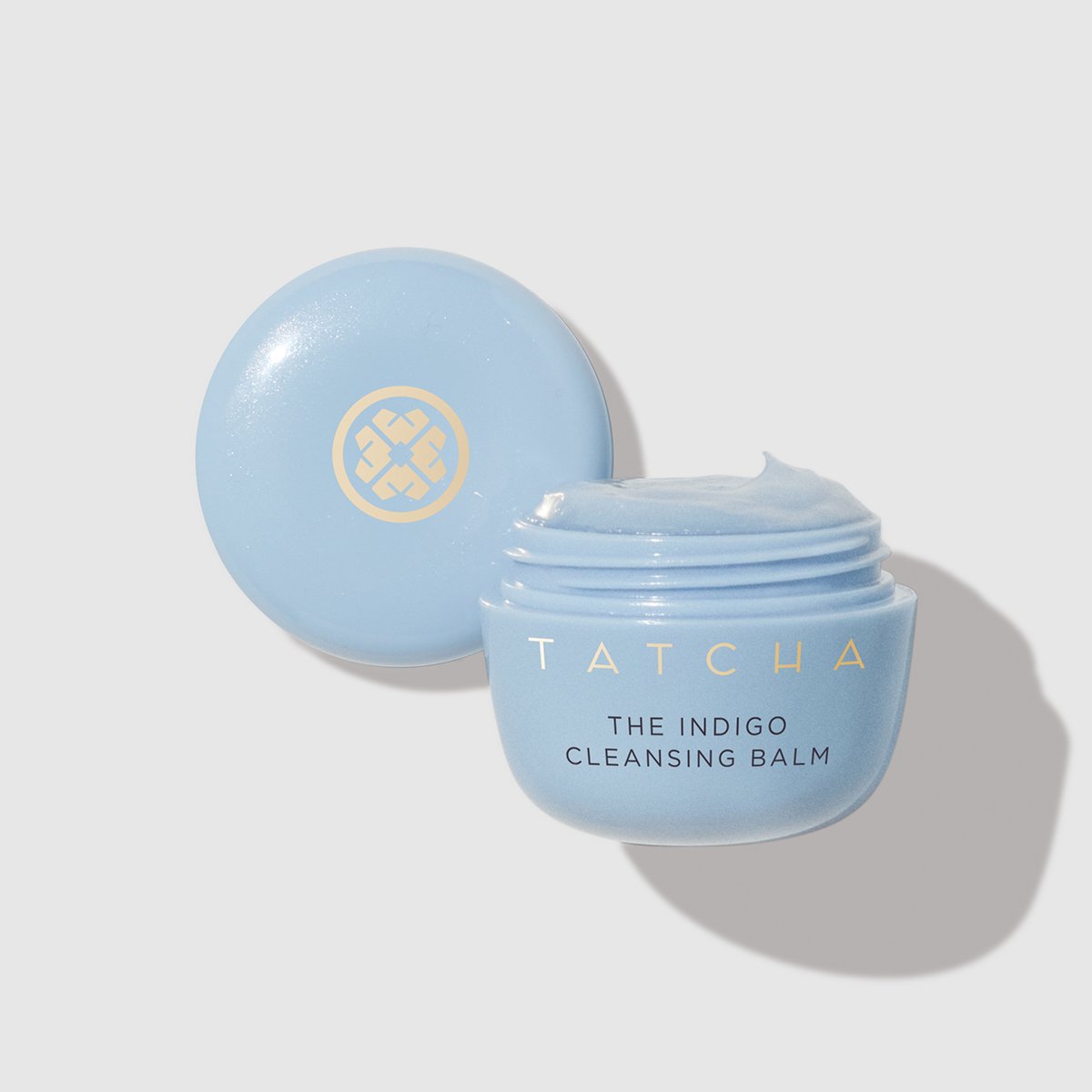
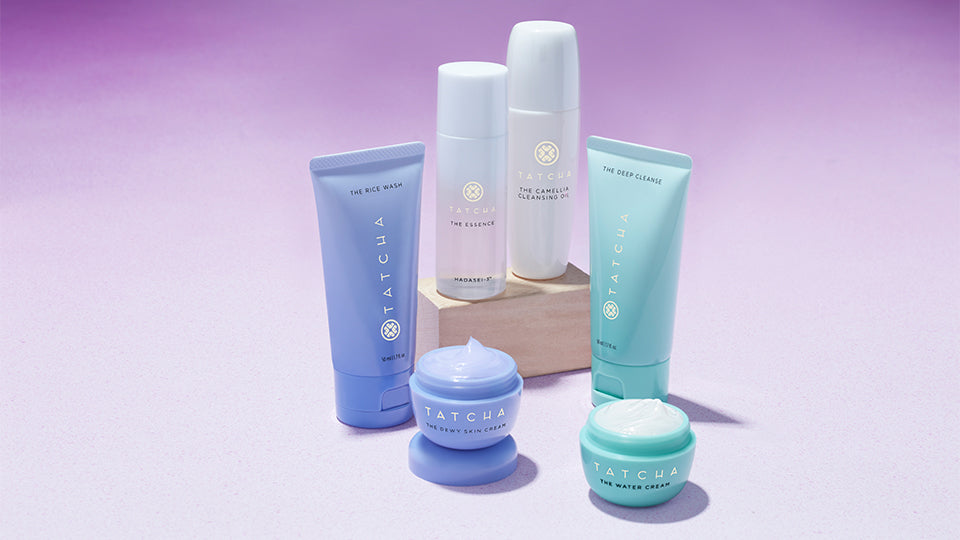
Use a cleansing oil, like The Camellia Cleansing Oil, to start your double cleanse. This formula is gentle enough for any skin type and effective enough to melt away the most stubborn makeup. However, if you prefer a balm or have sensitive skin, reach for The Indigo Cleansing Balm, which restores the skin’s moisture barrier for stronger skin over time.
2nd Layer: Your Ideal Cleanser
For the second step cleanser, choose a formula that corresponds with your skin type and preferences. For oily skin or those seeking to balance their skin’s oil production, try The Matcha Cleanse, a formula that decongests pores and balances oil without stripping away essential moisture. Dry and combination skin will adore The Rice Wash, which leaves skin feeling soft and nourished.
How to Layer Toners, Liquid Exfoliants, and Essences
A lot of that natural, radiant glow can come from exfoliating, whether that be with chemical or physical exfoliants (or a combination of both). Scrubs and liquid exfoliators work to remove dead skin cells and impurities from the outermost layer of your skin’s surface, stimulating collagen production to reveal smoother skin and create a luminous, healthy-looking glow. While we can recommend an exfoliation frequency, choosing an exfoliant is a very personal matter, based on skin type, skin barrier health, and other factors. But beware, exfoliating too often can lead to irritation. It’s best to ease into the use of an exfoliator by incorporating it into your skincare ritual slowly, and increasing as your skin becomes more accustomed to its use. This will help minimize irritation, which is the goal of any and all skincare products.
1st Layer: A Physical or Chemical Exfoliant
Now, to the layering part: Pick either a chemical or physical exfoliant (and choose both and start by using each once a week, a few days apart from one another). Both are beneficial, it’s just a personal preference whether you enjoy the foaming and textured feel of a rice bran exfoliant or the balancing and pore-reducing benefits of a liquid exfoliating treatment.
The beauty of The Rice Polish is how customizable it is, with four different exfoliant powders based on your skin type (choose between Classic, Deep, Gentle, and Calming). All are powder-based formulas that spring to a cloud-like foam with just a few drops of water. However, each iteration has its own specific ingredients that are customized to the formula: Deep has wild rose to help tighten the look of pores and clarify skin (ideal for oily skin); Classic has silk proteins to condition and nourish (perfect for combination and mature skin); Calming has Japanese indigo to visibly calm and soothe (ideal for sensitive skin); and Gentle features licorice root to address flakiness and uneven skin tone (perfect for dry skin).
The Texture Tonic is a liquid treatment that has AHAs to address dead skin cells and clogged pores, as well as niacinamide, Japanese mugwort, and wild rose to visibly even skin tone and texture, without stripping skin’s essential moisture.
2nd Layer: An Essence
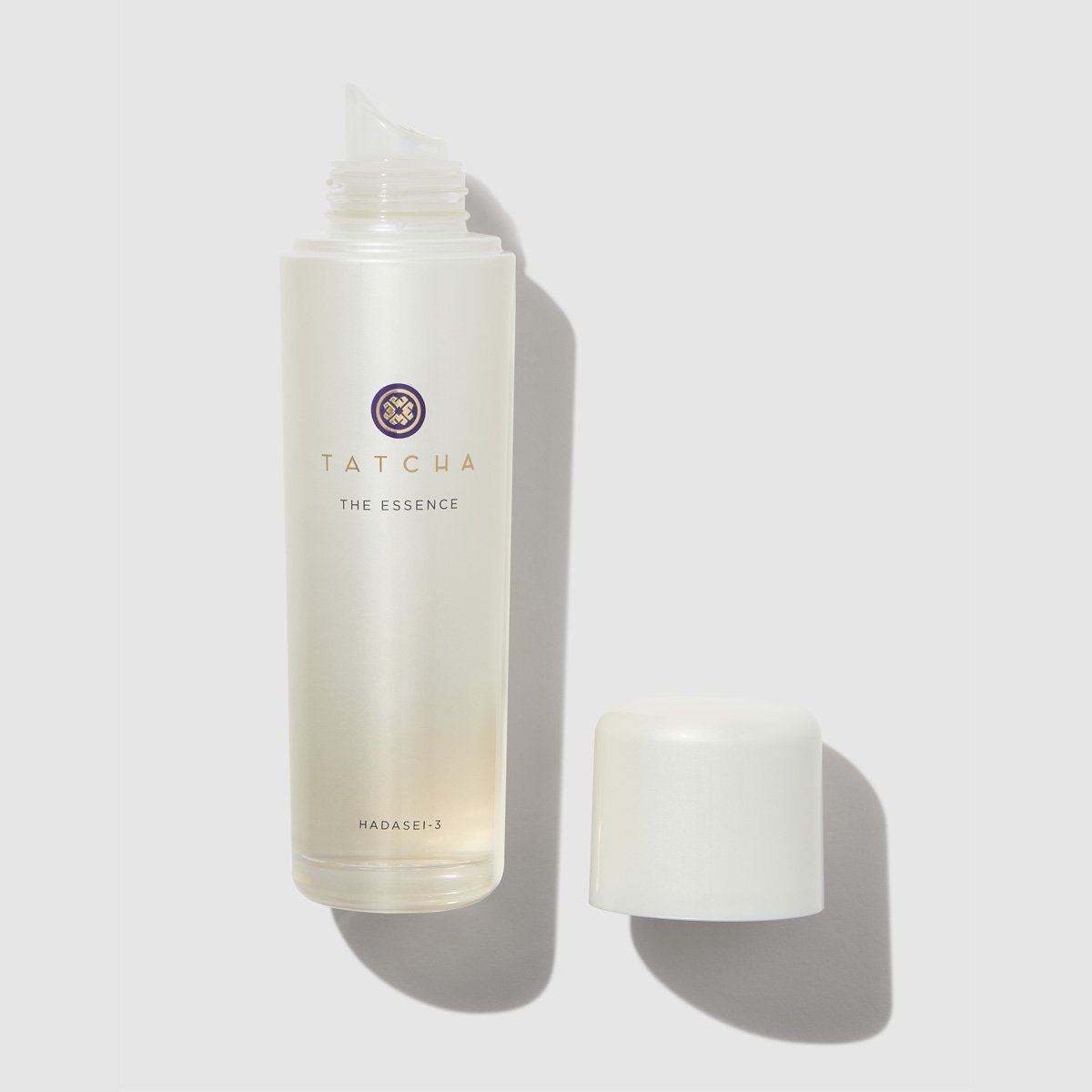
Once you're done exfoliating (either with The Rice Polish or Texture Tonic), consider using an essence. The Essence works to restore moisture, deliver antioxidants, and target premature aging. Think of it as a tall drink of water for your skin. While it does have gentle resurfacing benefits, The Essence can be used morning and night, every day to soften, moisturize, and plump skin instantly. It is also proven to make the other products in your skincare routine more effective, so it works wonders when layered with other products, whether that’s directly after cleansing or exfoliating. It’s ideal to use right after these steps and before serums or moisturizers.
How to Layer Serums
The beauty of a serum is that it can be tailored to your skin’s needs, whether that be skin longevity, hydrating, brightening, or addressing fine lines. But did you know you can layer serums too to maximize multiple benefits at once? For example, a hydrating hyaluronic serum can be used in conjunction with a brightening vitamin C serum. However, double-check before using that the ingredients don’t interfere, which can irritate skin. (All of Tatcha’s serums are designed to play nice with one another, so worry not.)
As mentioned above, if confused about how to layer serums, apply the thinnest to the thickest in viscosity. Here’s the order Tatcha serums could be used — but you do not need to use each of these treatments every day. In fact, it’s ideal to just pick one or two to not overcomplicate or confuse the skin.
1st Layer: Thinnest Serum
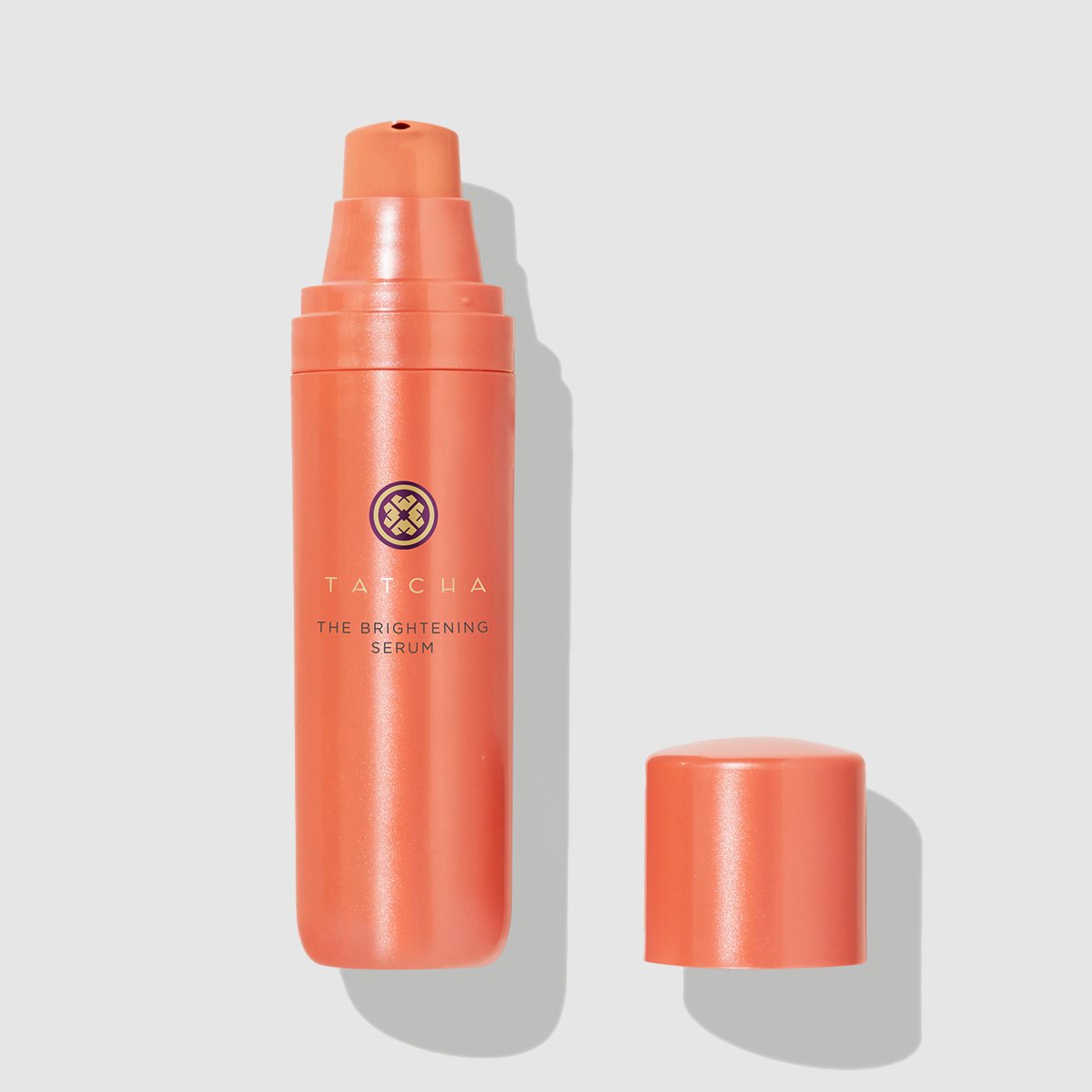
The Brightening Serum is our thinnest formula and should be applied first (either morning and/or night), intentionally designed to absorb quickly. (Some vitamin C formulas have a sticky feeling, so The Tatcha Institute created this brightening formula to absorb quickly and fully into the skin sans stickiness.) The formula has 12-hour time-release vitamin C, Japanese plum, and ferulic acid to brighten, visibly firm, and support elasticity while boosting antioxidant protection.
2nd Layer Option 1: Everyday, Preventive Serum
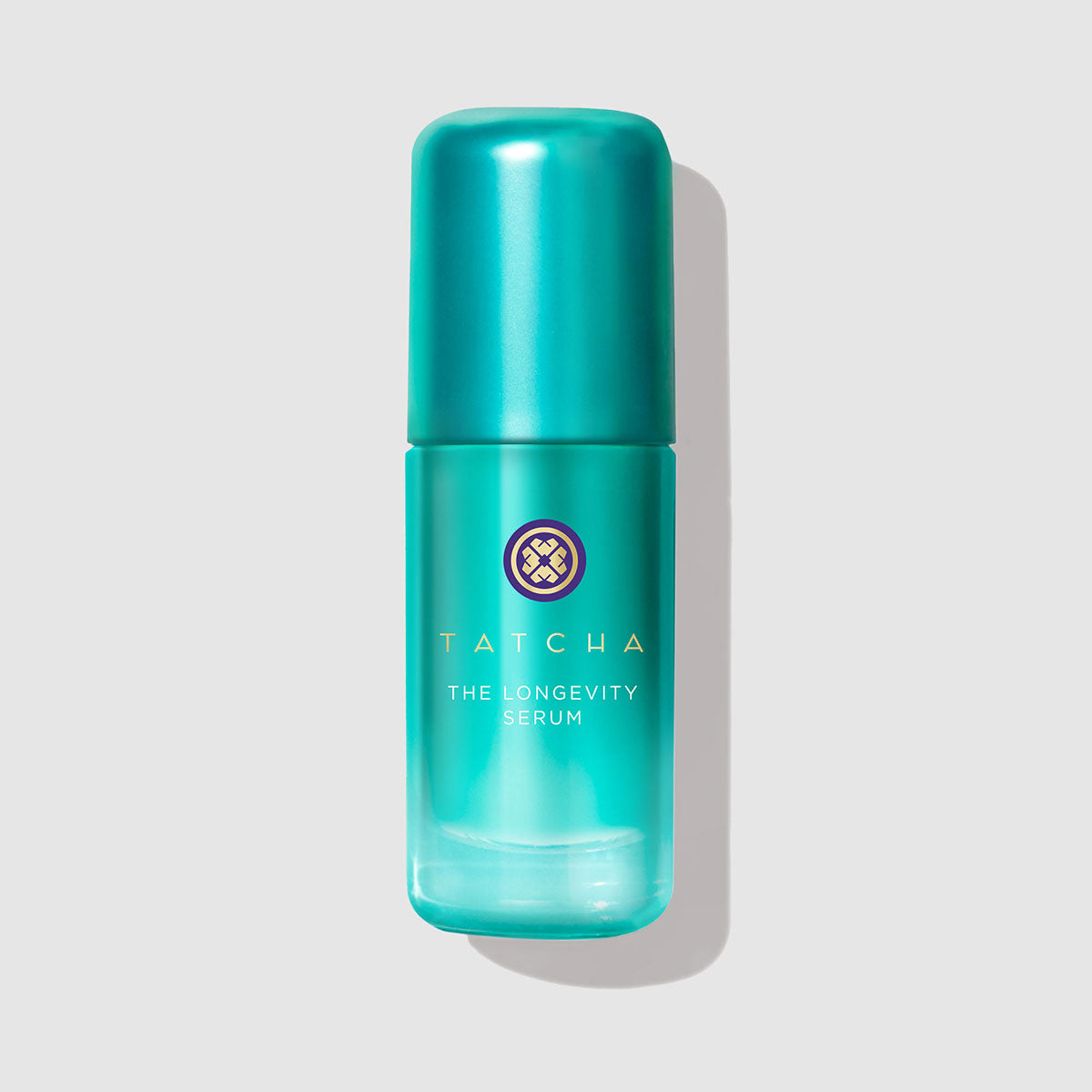
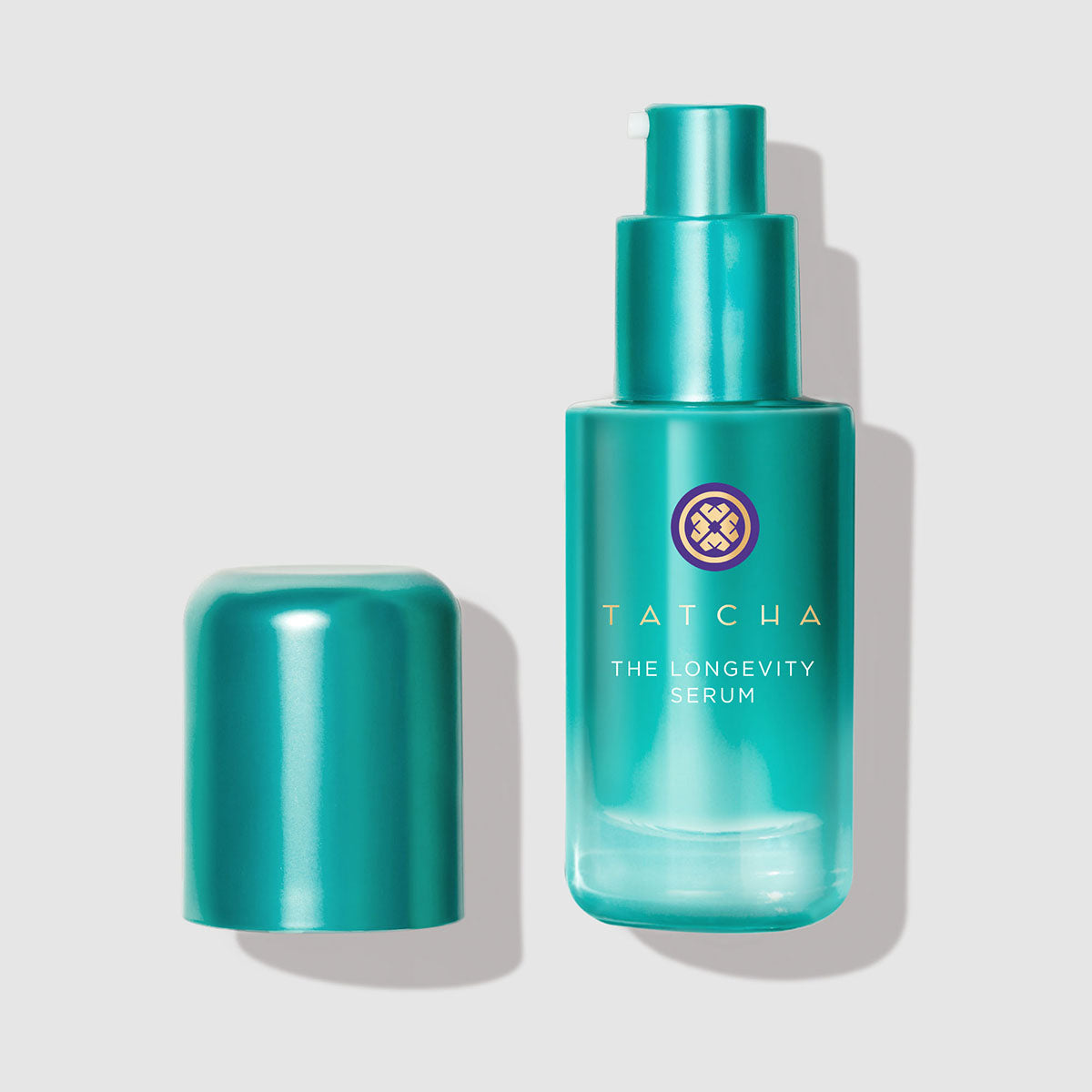
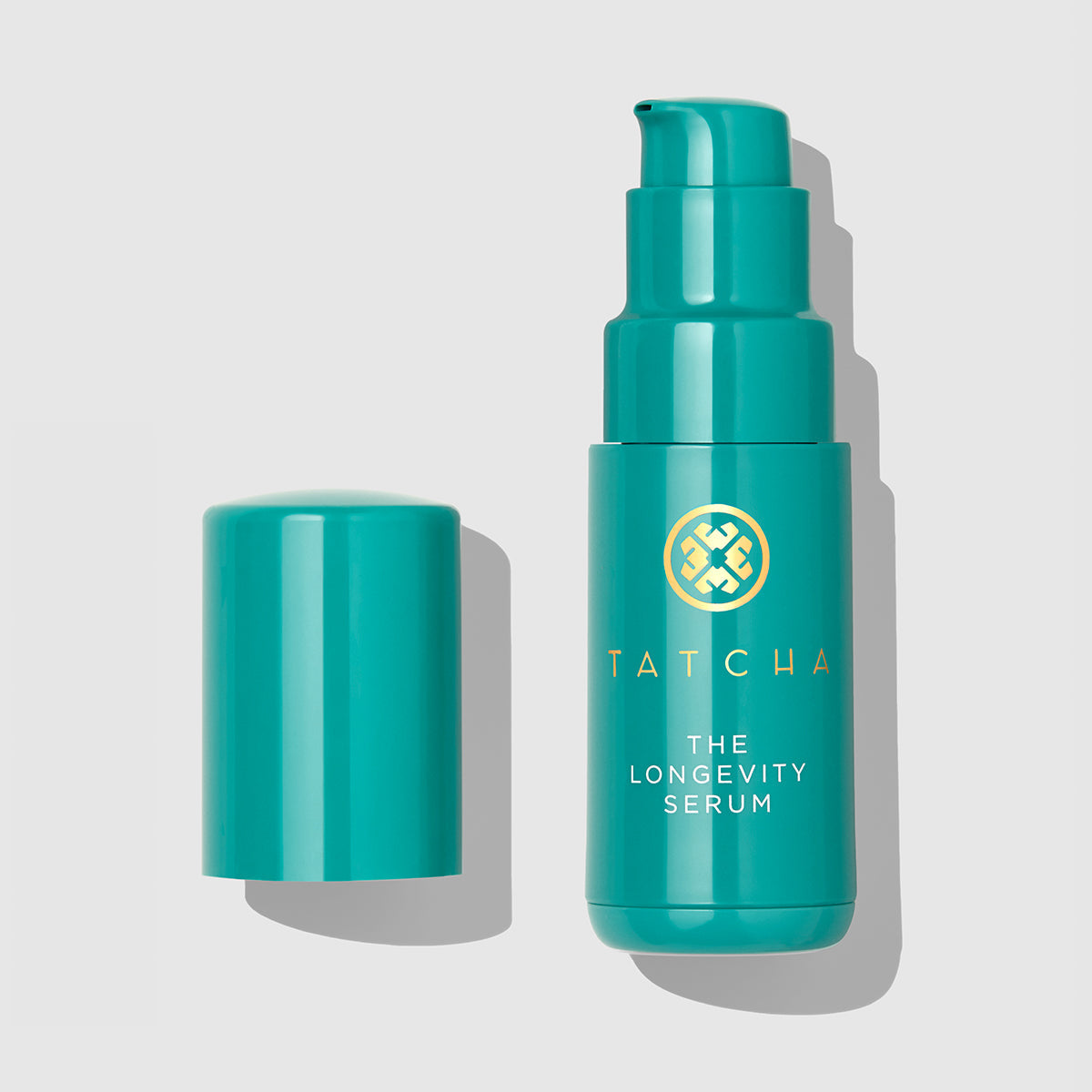
The Longevity Serum is our innovative, everyday preventative serum, which can be applied after The Brightening Serum — if you’d like to boost radiance and skin longevity. You can also just apply The Longevity Serum first if brightening is not a focus for you. In contrast to our other serums, The Longevity Serum is focused on skin longevity – delaying visible signs of skin aging while also boosting skin’s strength. This serum can be used morning and/or night.
2nd Layer Option 2: A Fine Line-Reducing Serum
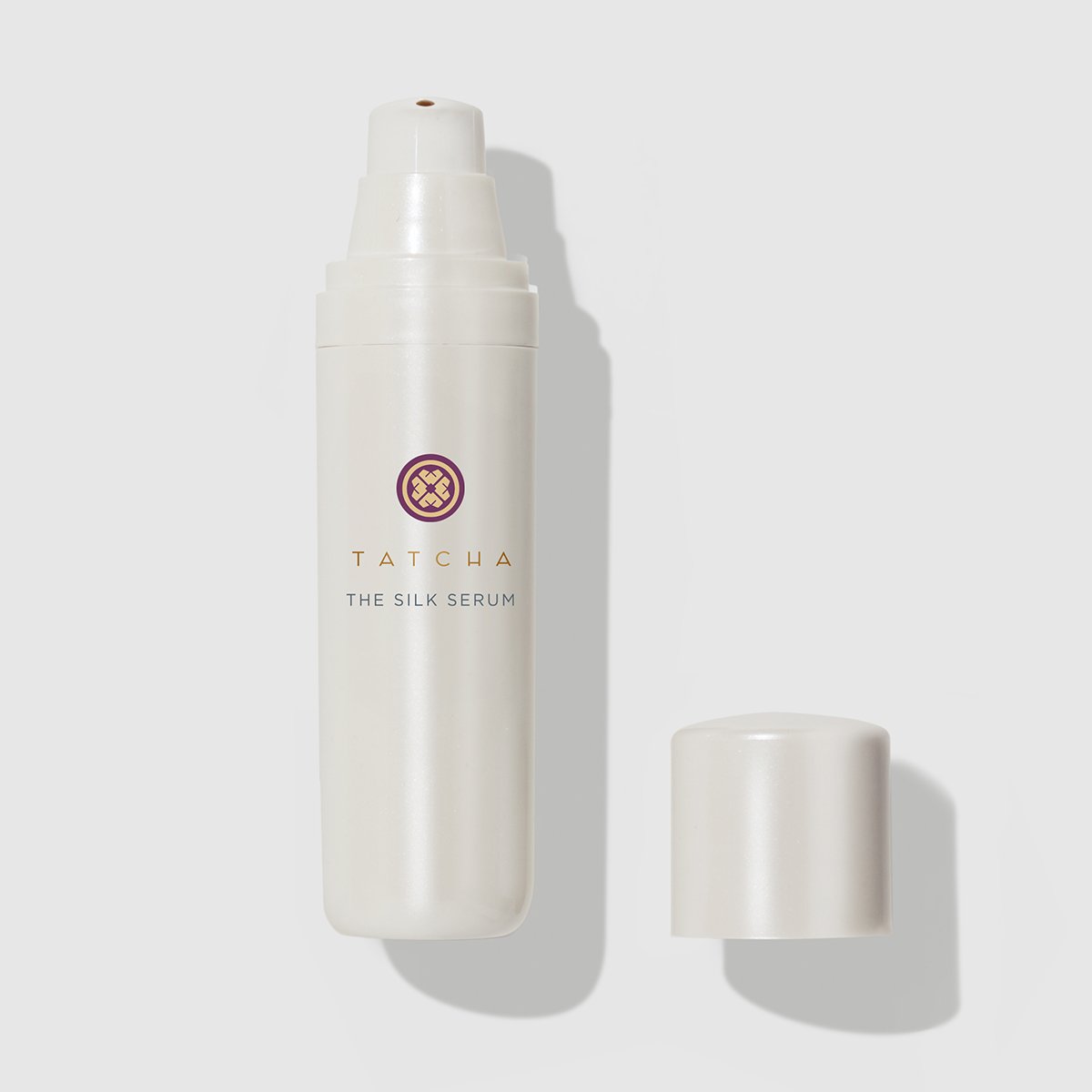
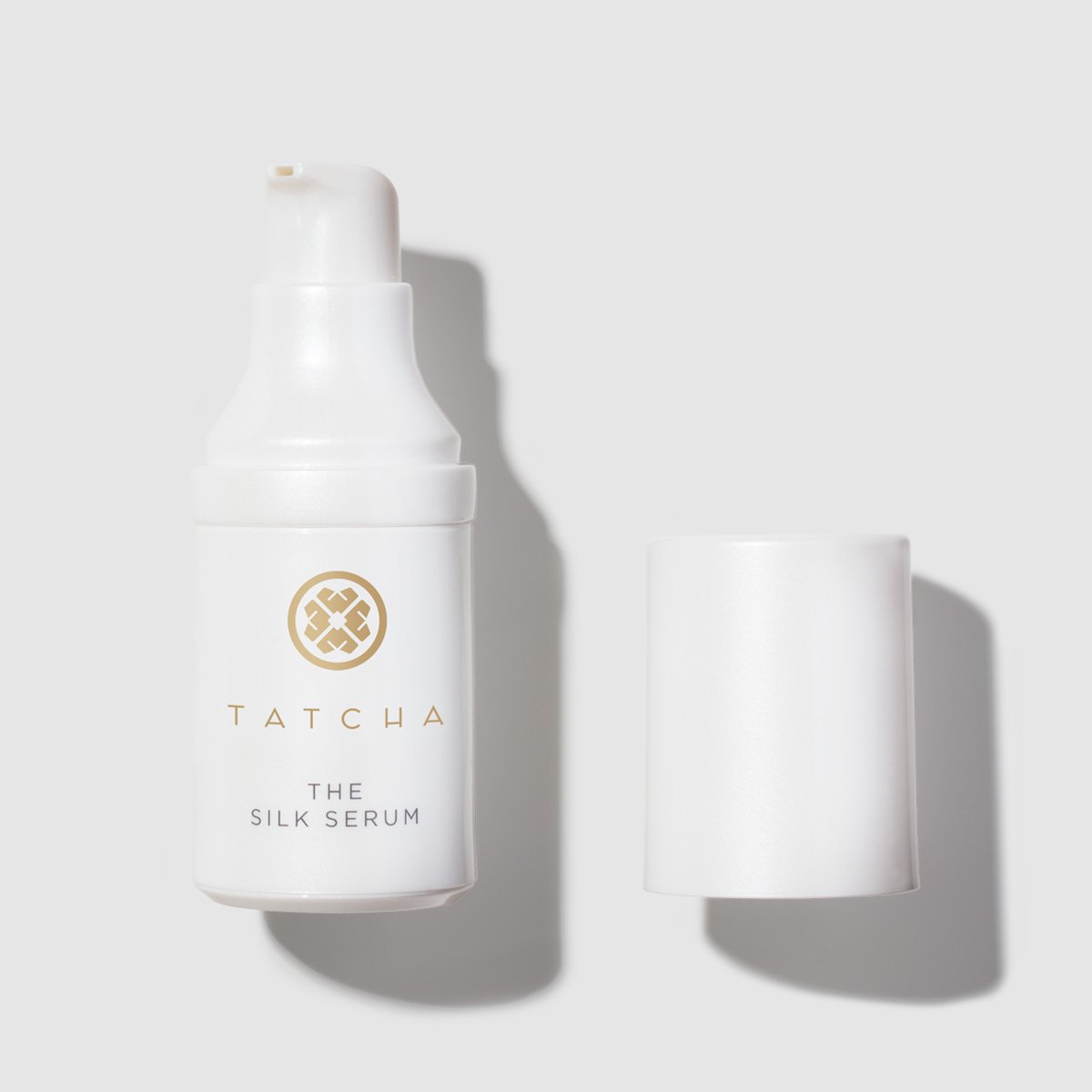
The Silk Serum could be applied after The Longevity Serum if you’d like to address skin aging and fine lines that are already present. Or you can apply The Silk Serum alone (or after The Brightening Serum to address radiance and fine lines). Formulated with gentle, retinol alternatives, this serum visibly firms and smooths the look of fine lines and wrinkles – without the visible irritation often associated with retinol. This can also be used morning and/or night with any skin type.
2nd Layer Option 3: A Hydrating Serum
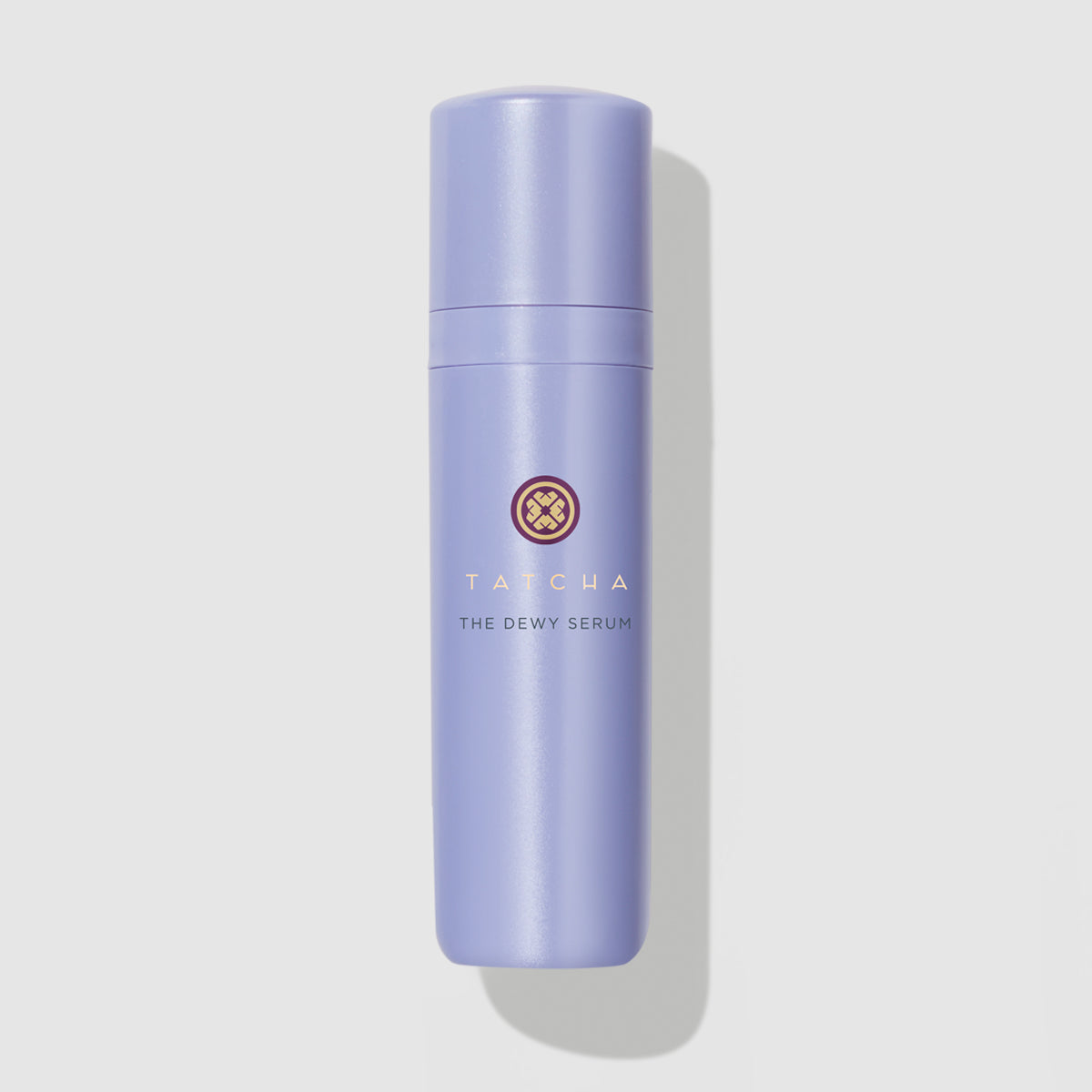
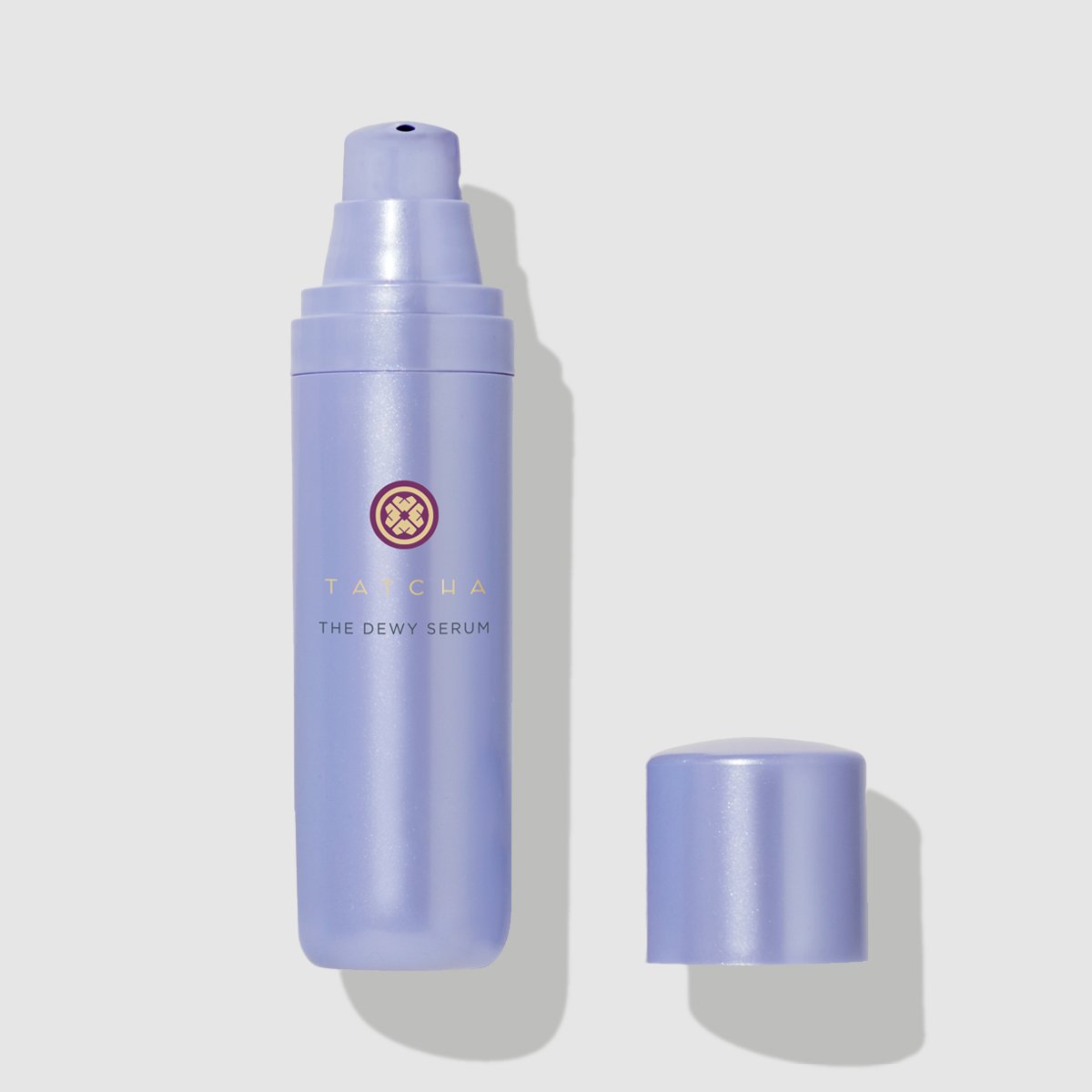
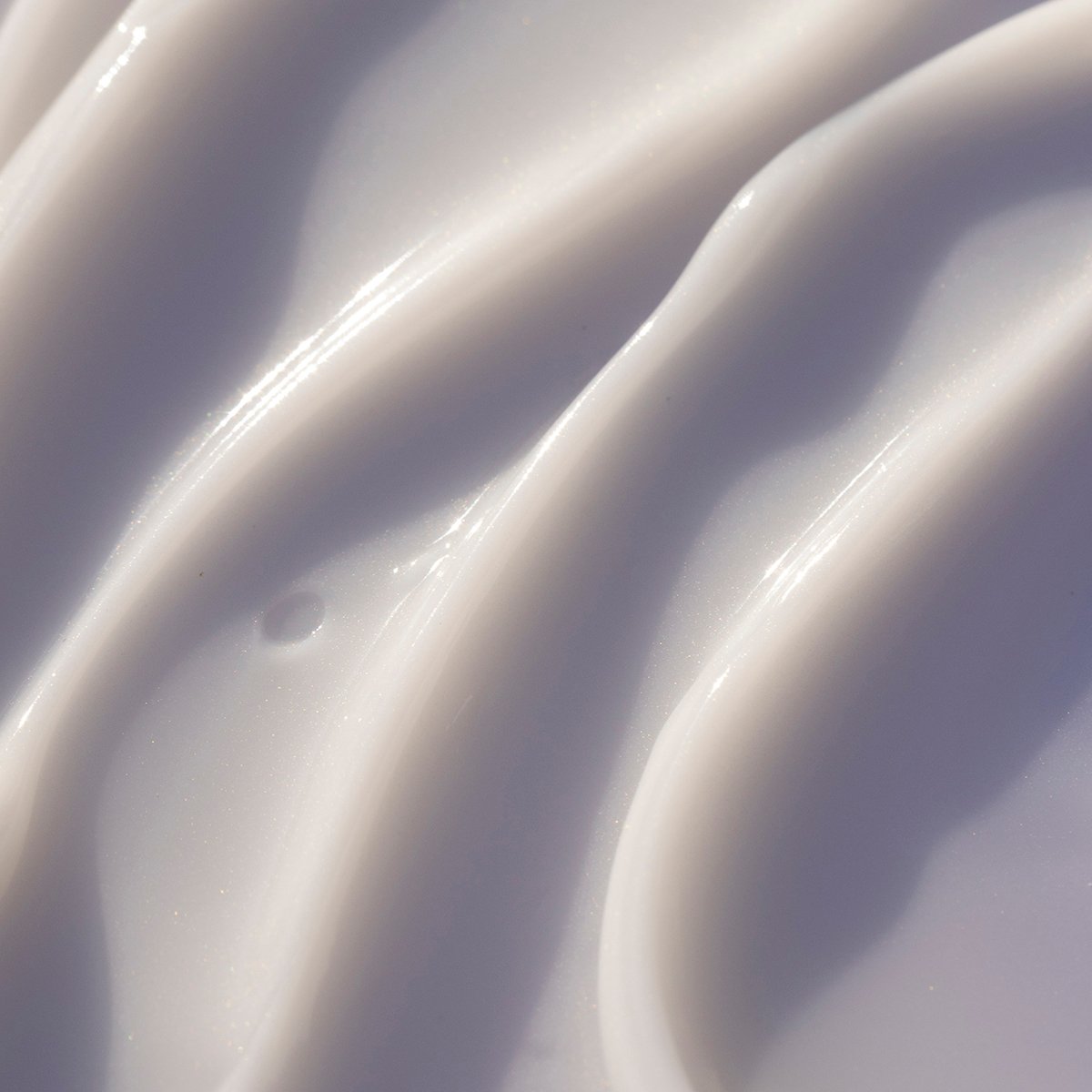
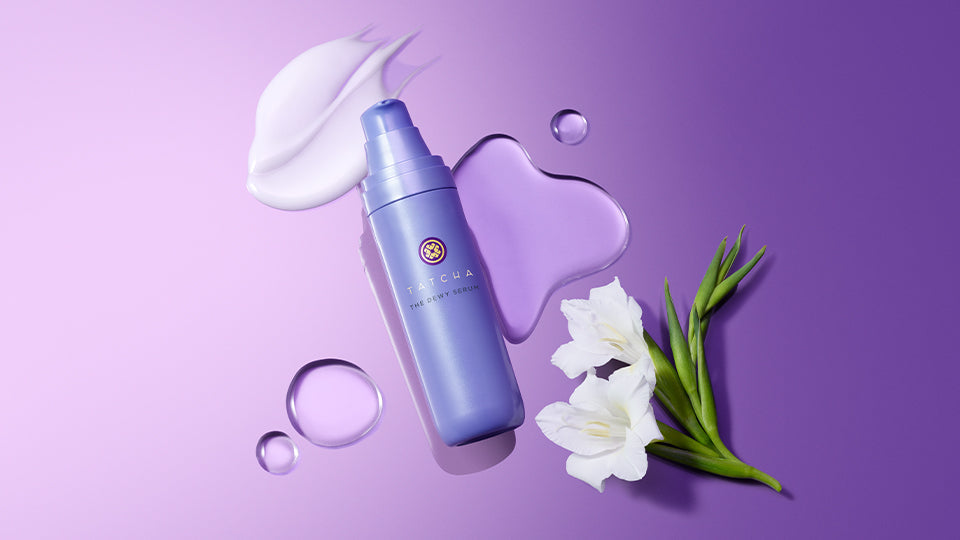
The Dewy Serum is the thickest serum, designed to nourish and plump with juicy squalane and hyaluronic acid. This hydrating serum can be applied atop any treatment, morning and night. It can also be used alone if hydrating or boosting skin elasticity is your main focus.
How to Layer Moisturizers
Moisturizing can be a simple step, massaging in a single formula after a serum(s). But there is also a time and place for stepping things up and layering moisturizers. Skin changes daily, whether that’s from external factors (like weather and pollution) or internal factors (like dehydration, sleep, and hormones), and the moisturizer that feels perfectly hydrating one day may not be enough the next day. This is precisely where moisturizer layering comes in. Yes, you could just apply a thicker, more hydrating moisturizer on days when you need it, but sometimes you’d simply like to target a few drier areas on the face with a thicker cream and keep the rest of the skin moisturized with your daily moisturizer. That’s called moisturizer layering. Here are our favorite moisturizers and how they feel on the skin, so you can decide which formulas are right for you.
For Oily Skin
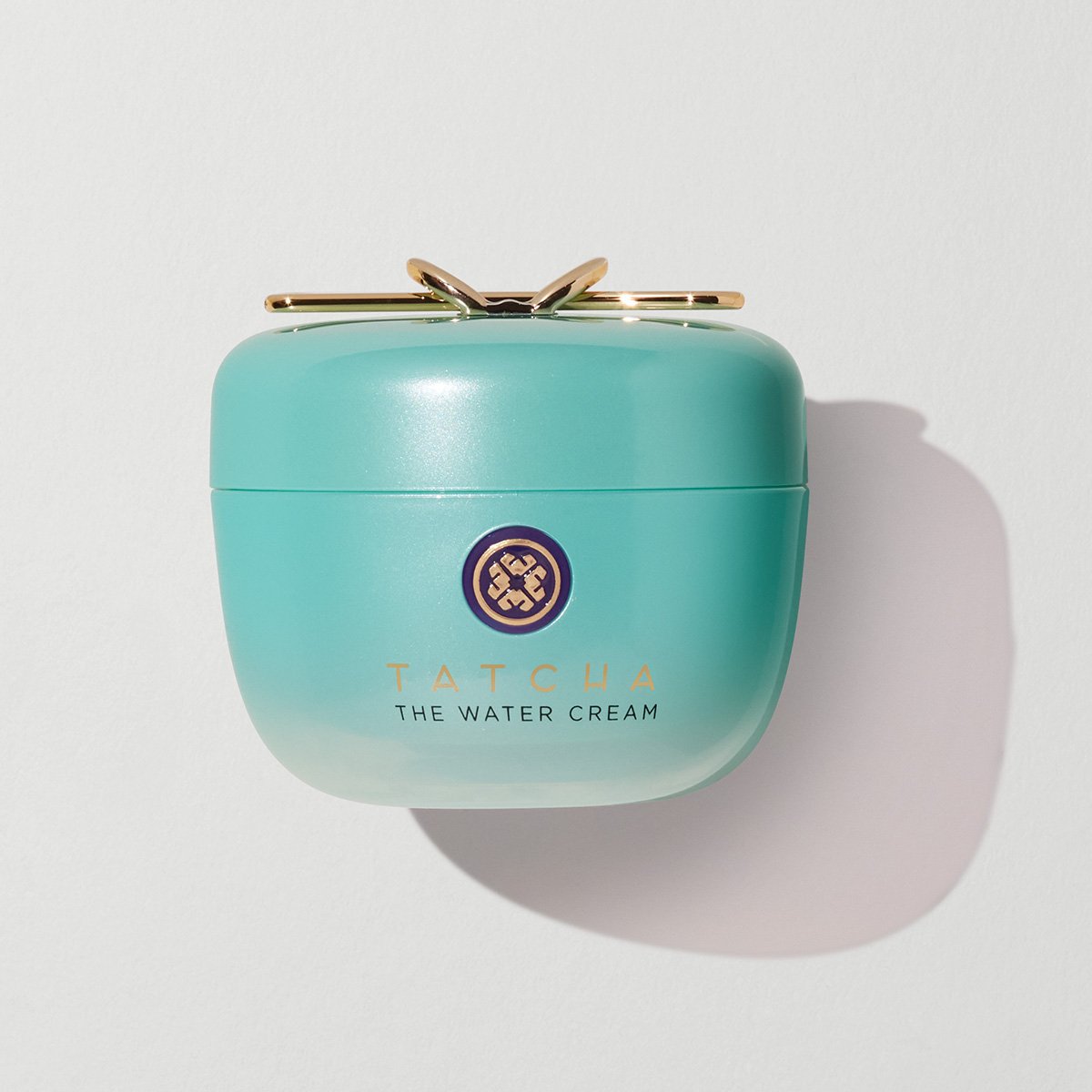
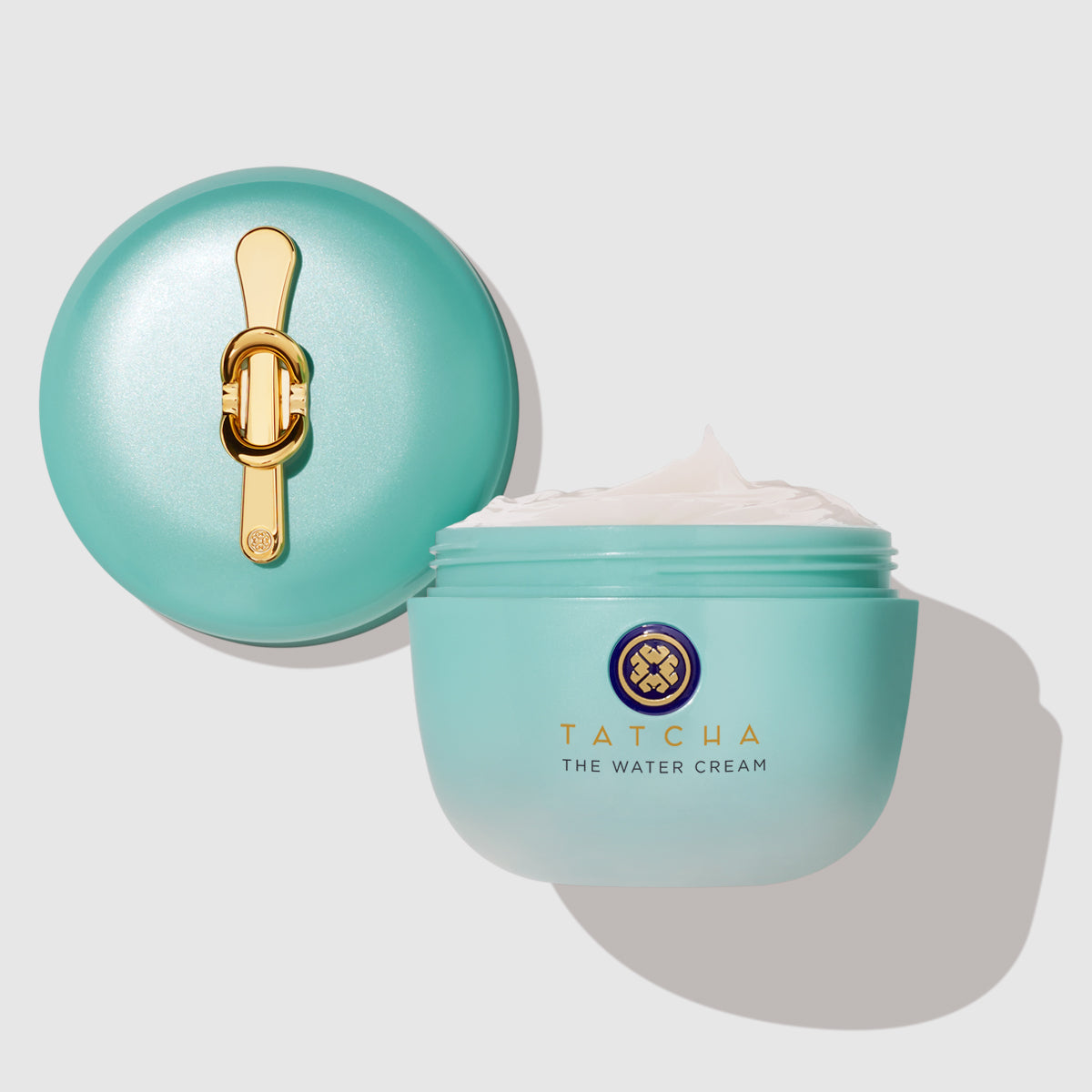
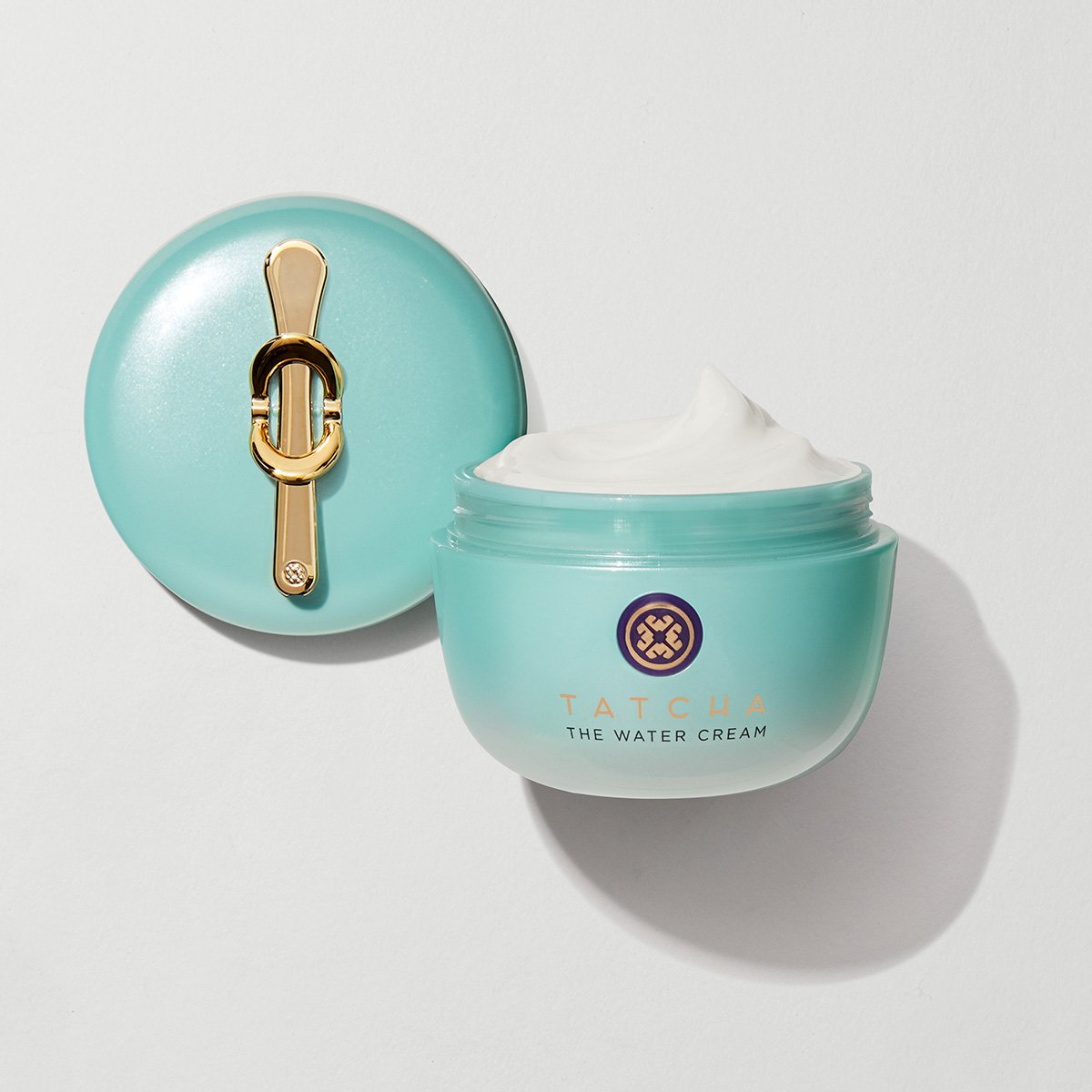
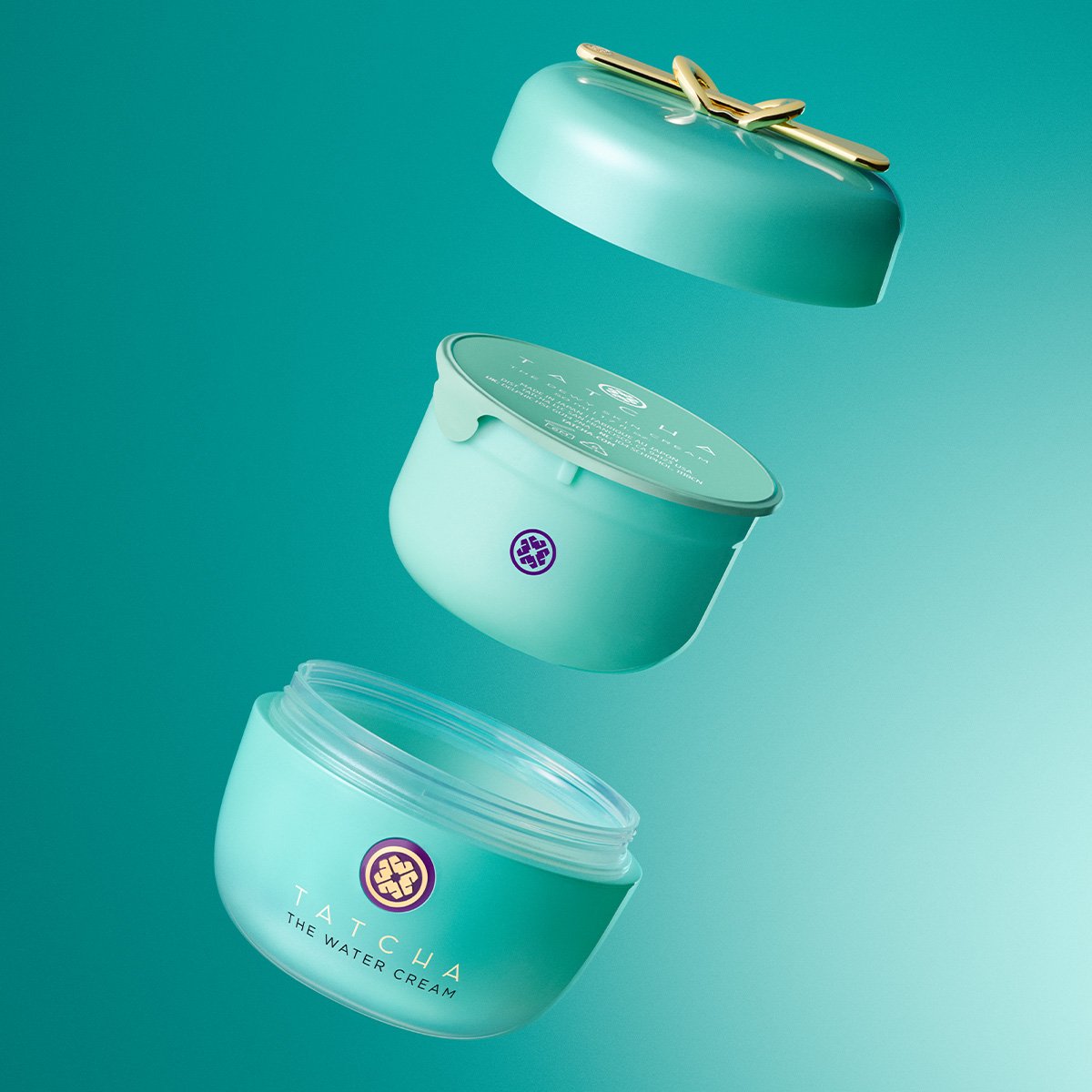
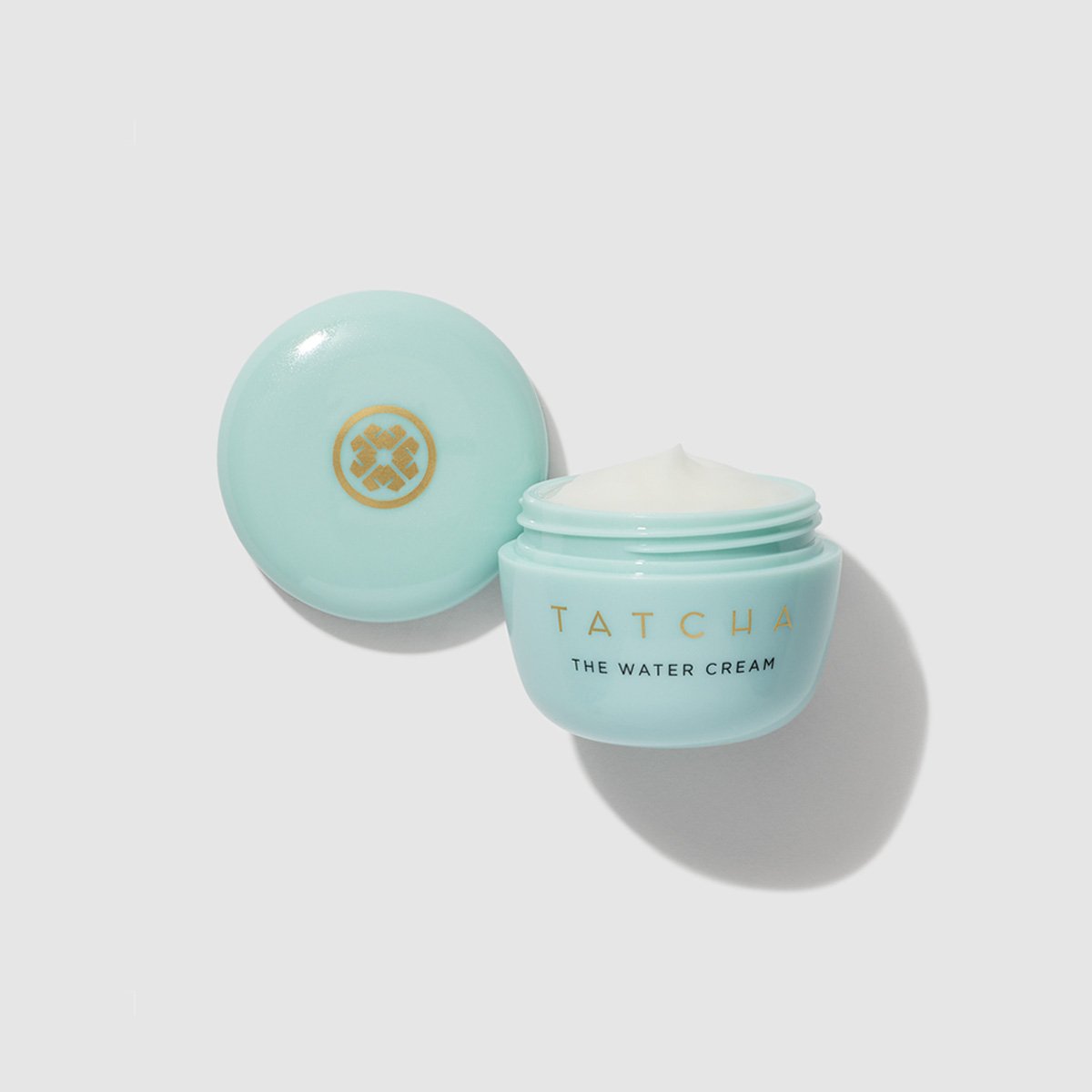
For oily skin, try The Water Cream, a refreshing gel-cream. It is clinically proven to refine pores, thoughtfully hydrate, and smooth skin’s texture. This is also a great base for any skin type, even drier skin in humid weather, and then a slightly more viscous moisturizer can be applied in chronically dry spots atop this water cream.
For Combo to Oily Skin
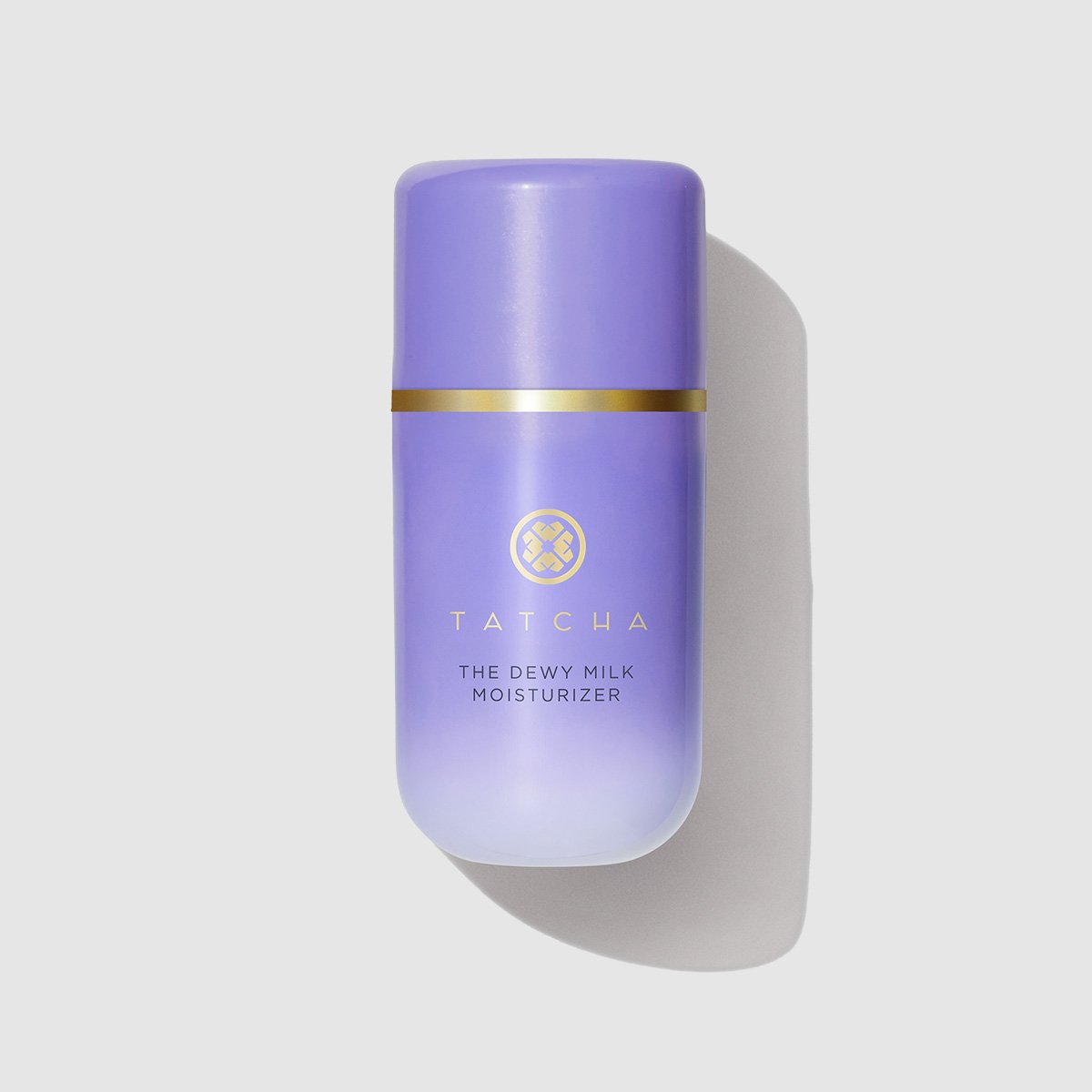
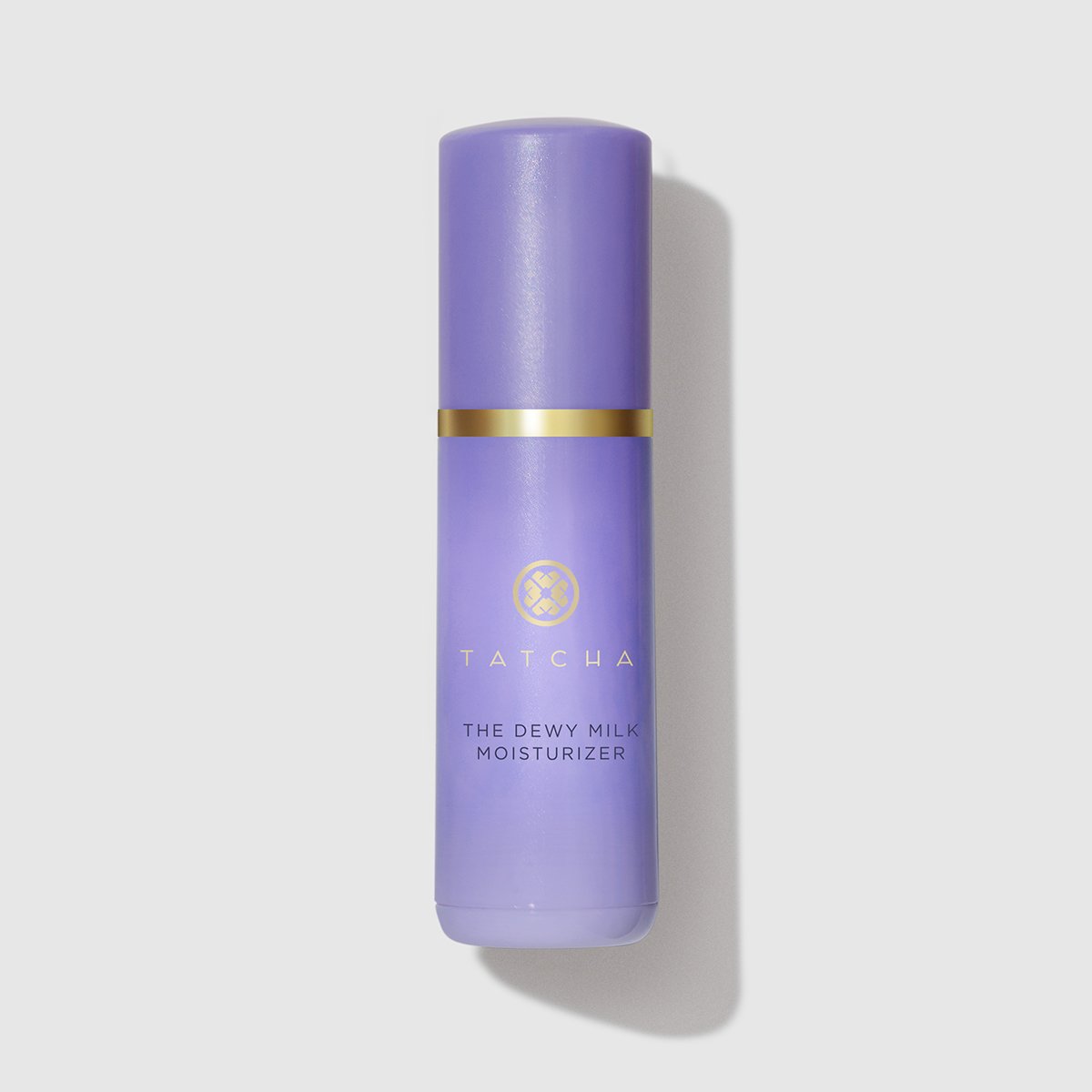
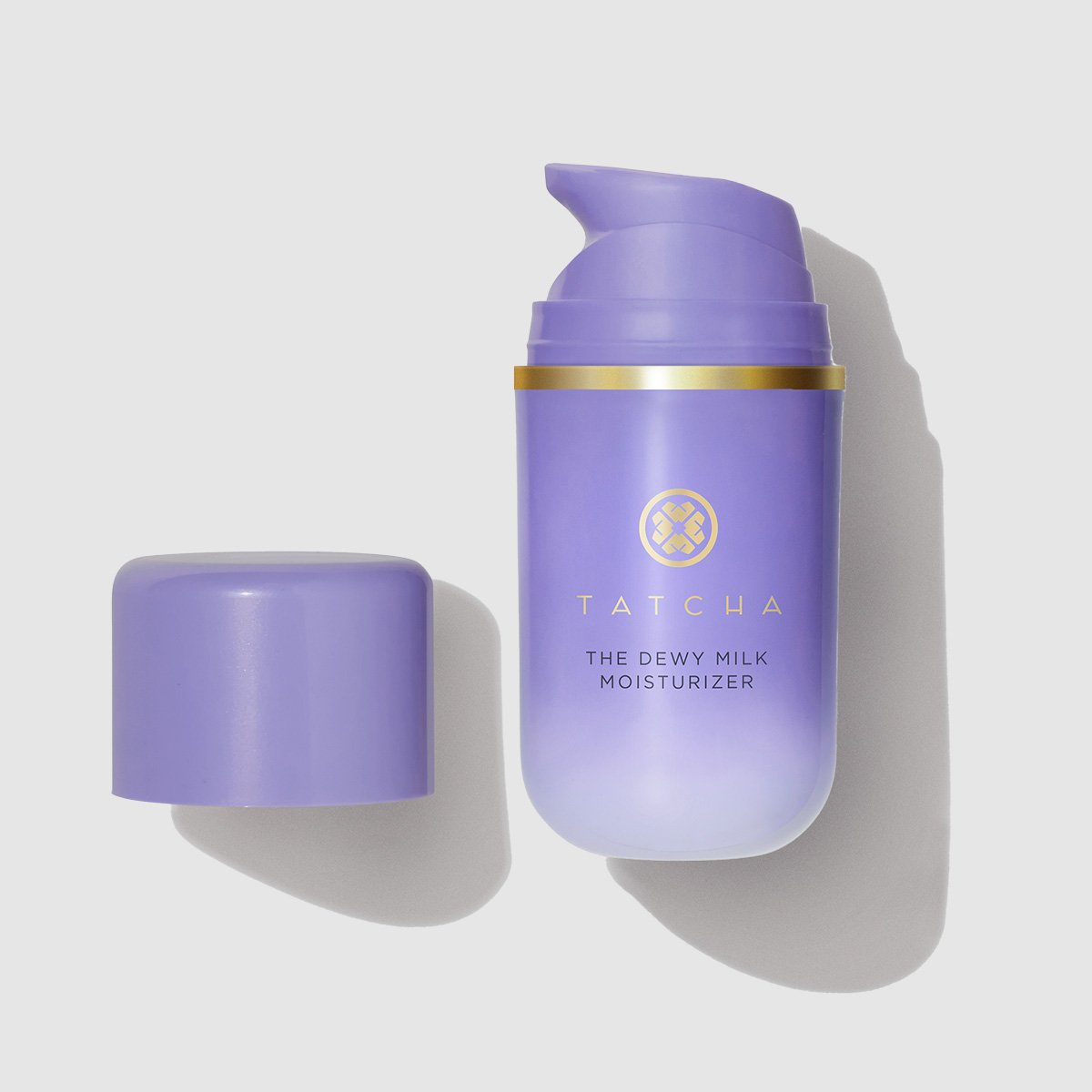
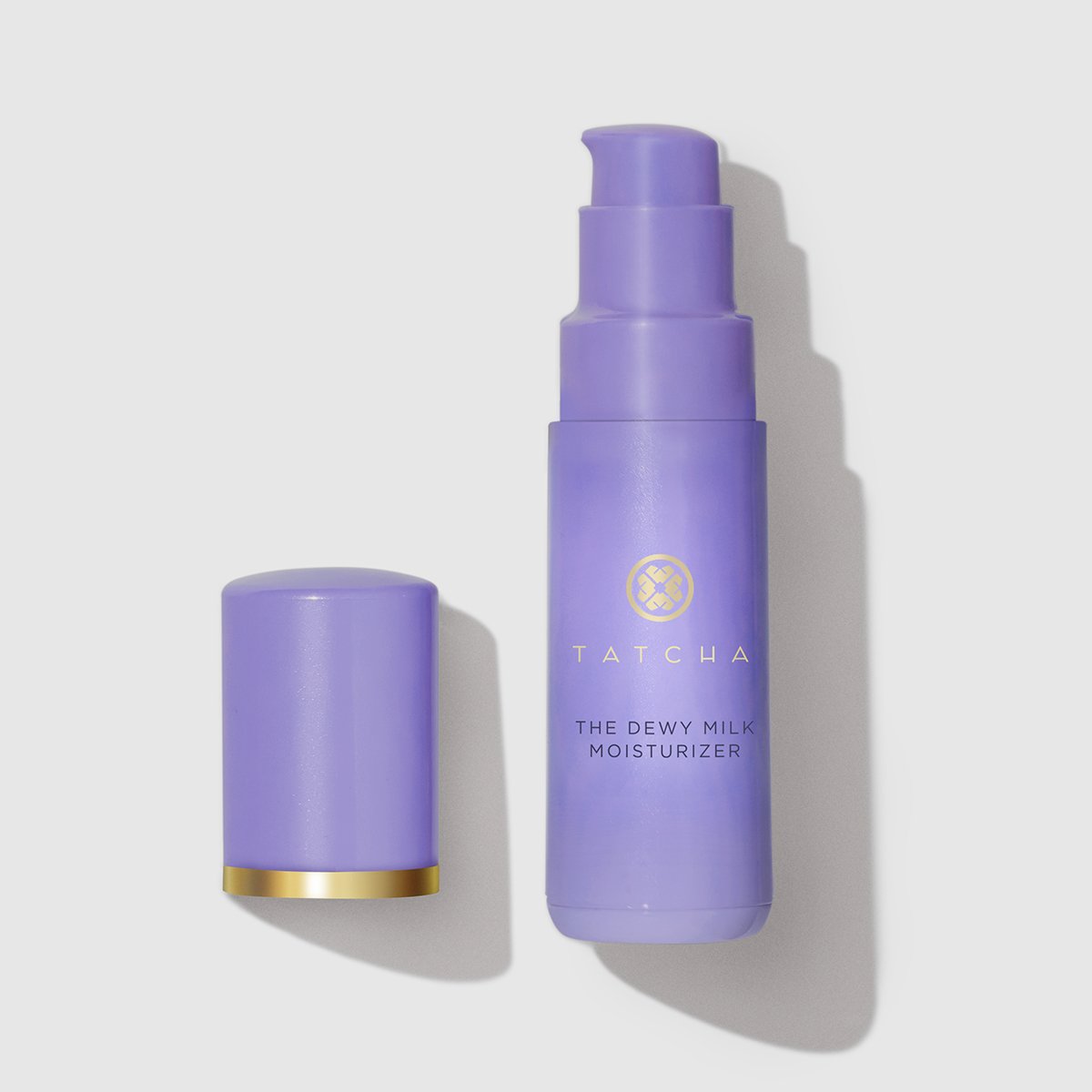
Looking for a lightweight, creamy moisturizer that delivers a dewy glow? The Dewy Milk Moisturizer balances excess oil and reveals dewy, bouncy skin. It’s ideal for combo to oily skin, but can be layered atop The Water Cream for a dewy, radiant finish. Or use it as a moisturizer base for those that want glowing skin, and then layer another moisturizer atop it in areas that crave a tad more hydration.
For Combination Skin
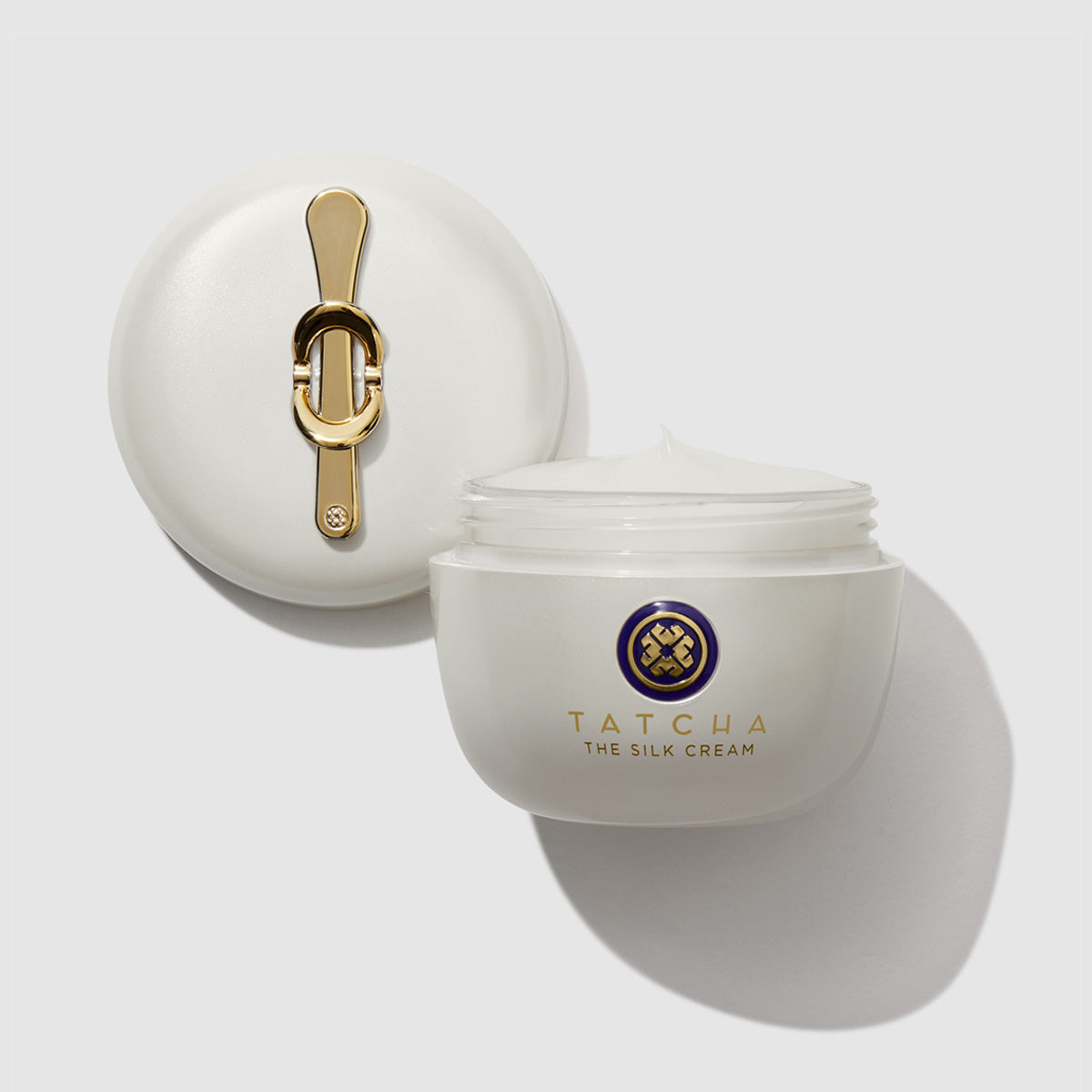
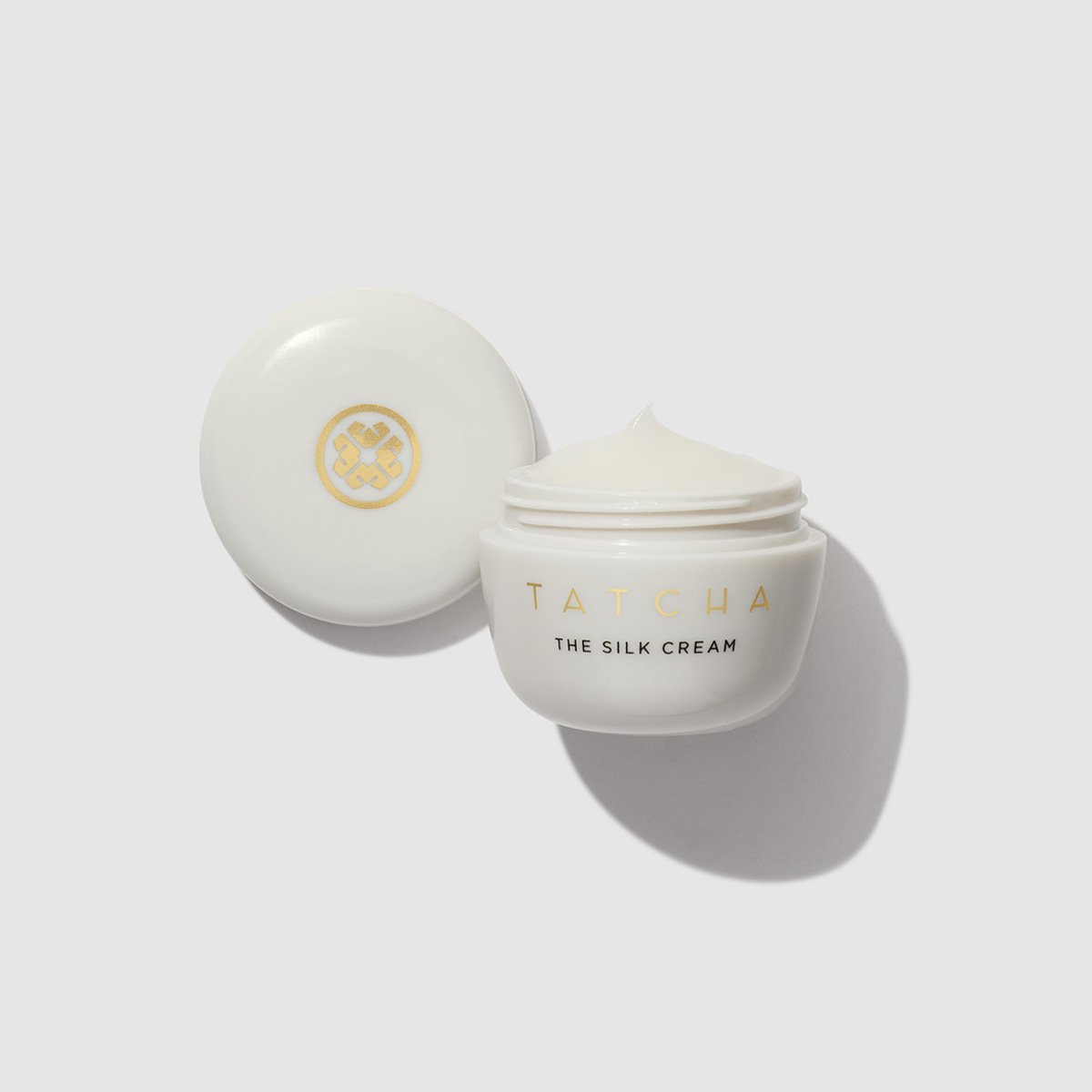
For combination skin, consider the slightly more hydrating Silk Cream, which toes the line between deeply hydrating and balancing skin, thanks to its rich yet weightless gel-cream formula, featuring silk extract. This beloved moisturizer could also act as a great base for drier skin types as well, paired with deeper hydrating products where needed.
For Dry Skin
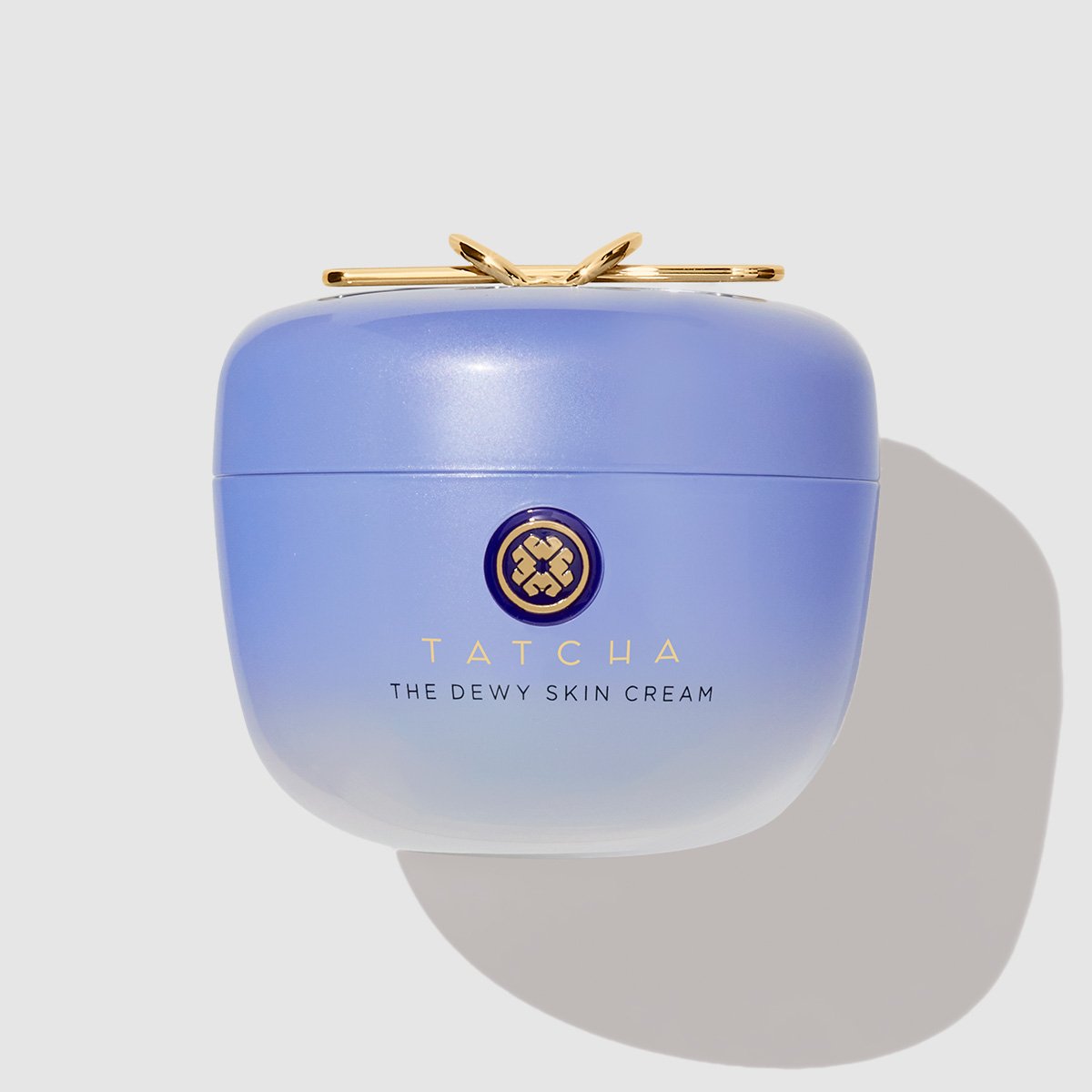
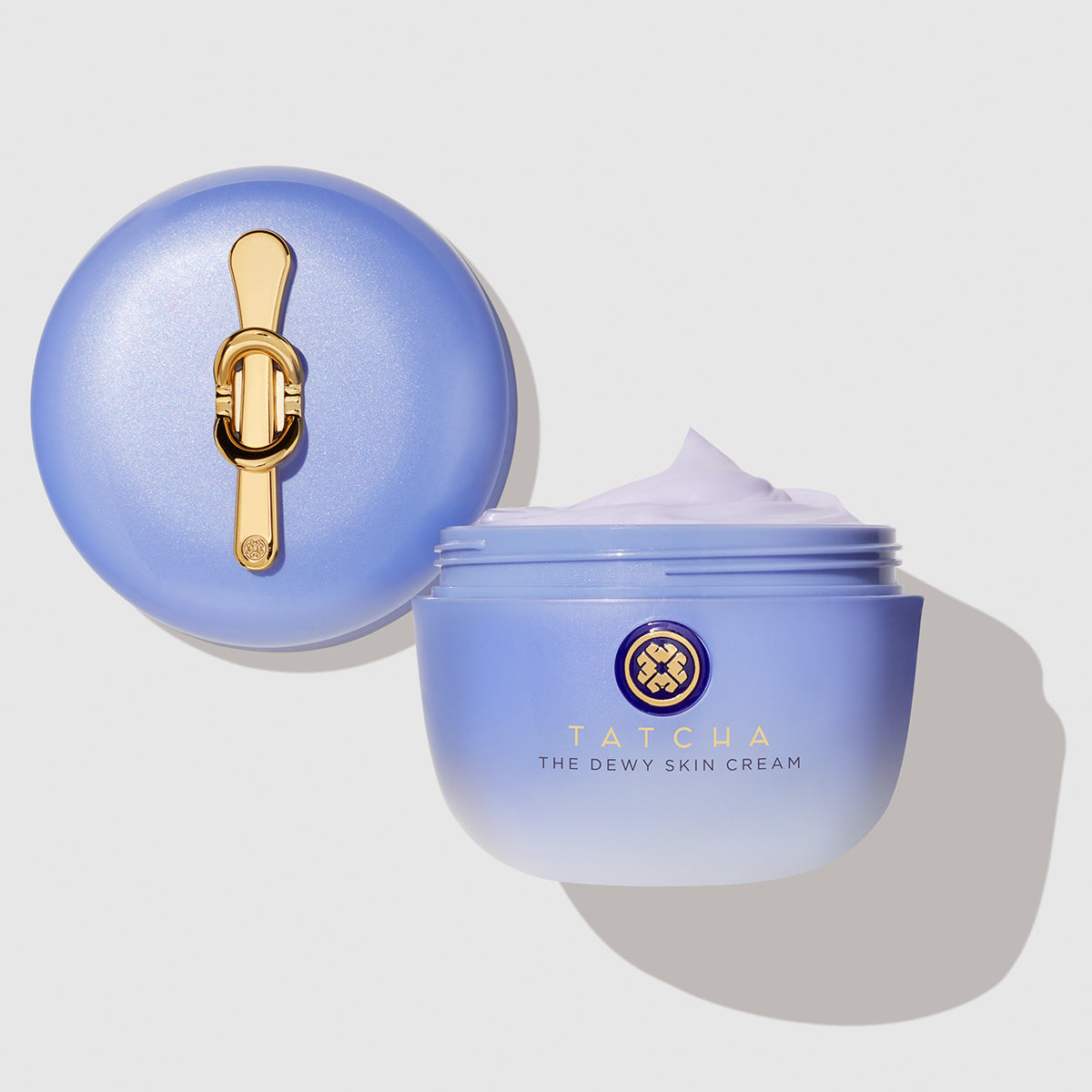
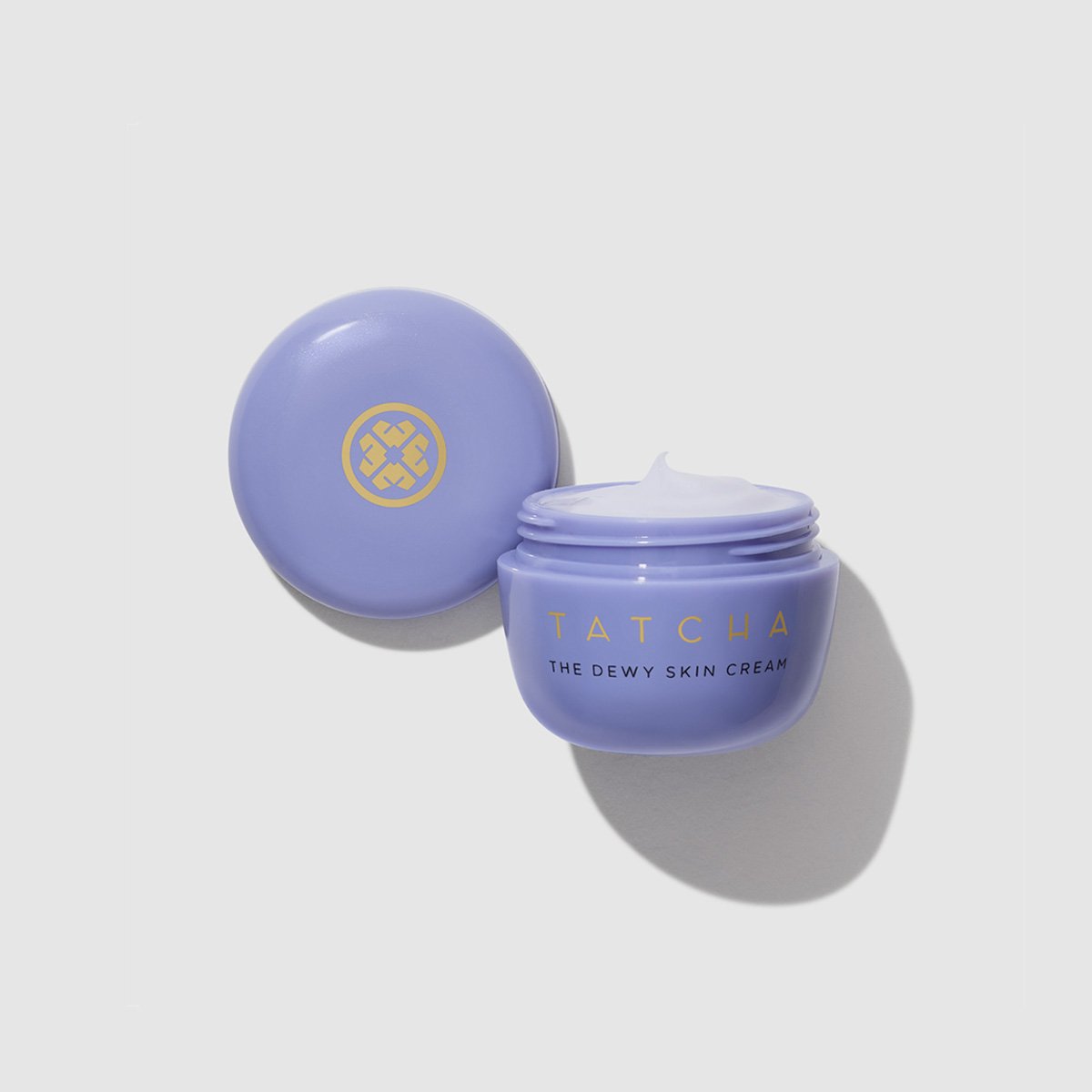
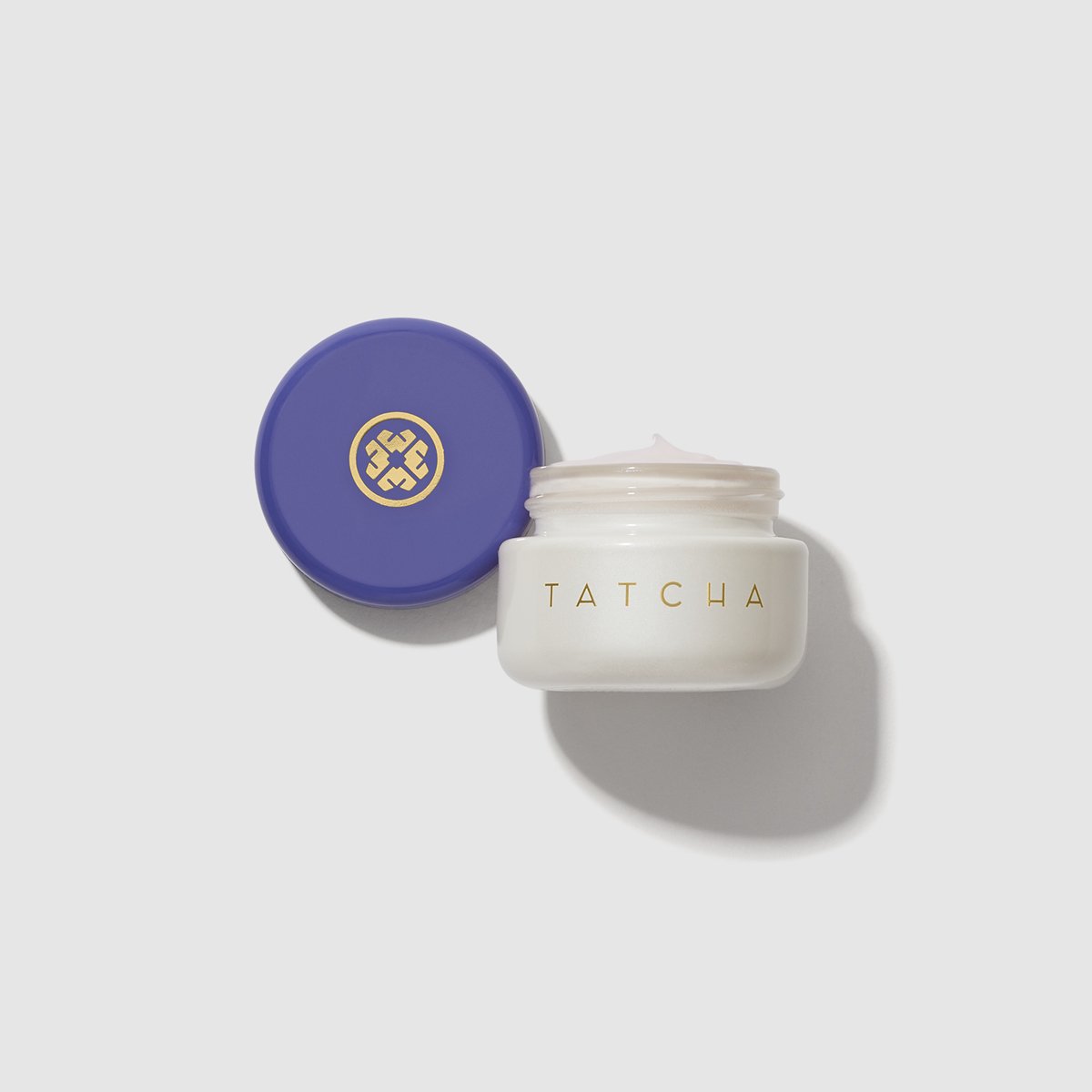
Dry skin will adore the bestselling The Dewy Skin Cream, which visibly plumps and seals in moisture with hyaluronic acid, red algae, and squalane. This rich, decadent formula can be layered atop any moisturizer for an added light dose of hydration, or can be used as a base for thicker creams, too.
For Sensitive Skin
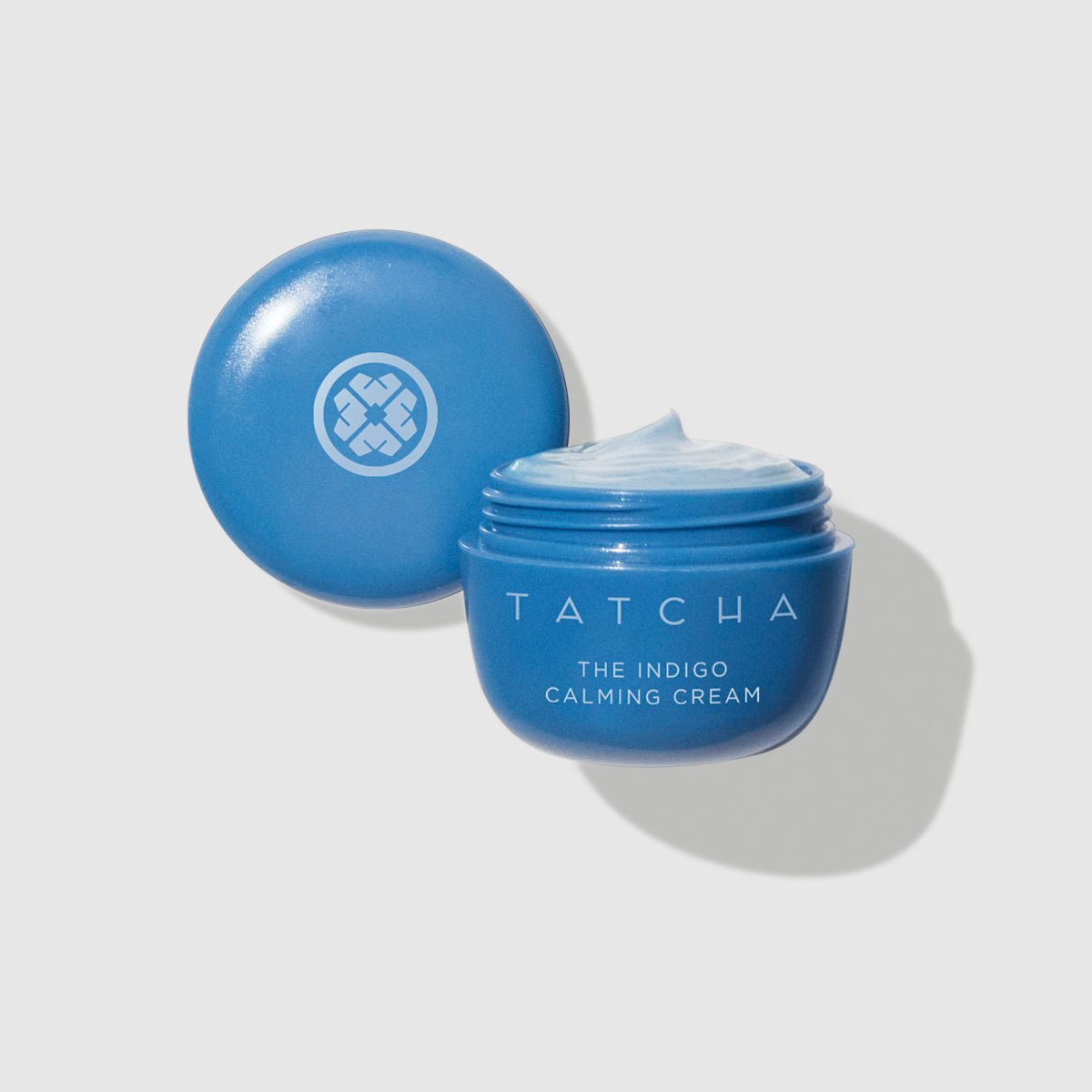
Sensitive skin will treasure The Indigo Calming Cream, which acts as a soothing salve for sensitive skin. Featuring colloidal oatmeal and Japanese indigo extract, this rich and calming cream provides visible redness and itchiness relief with lasting hydration. As with all Tatcha moisturizers, this can be layered and is particularly ideal as a spot treatment for areas of the skin with sensitivity.
For Mature or Aging Skin
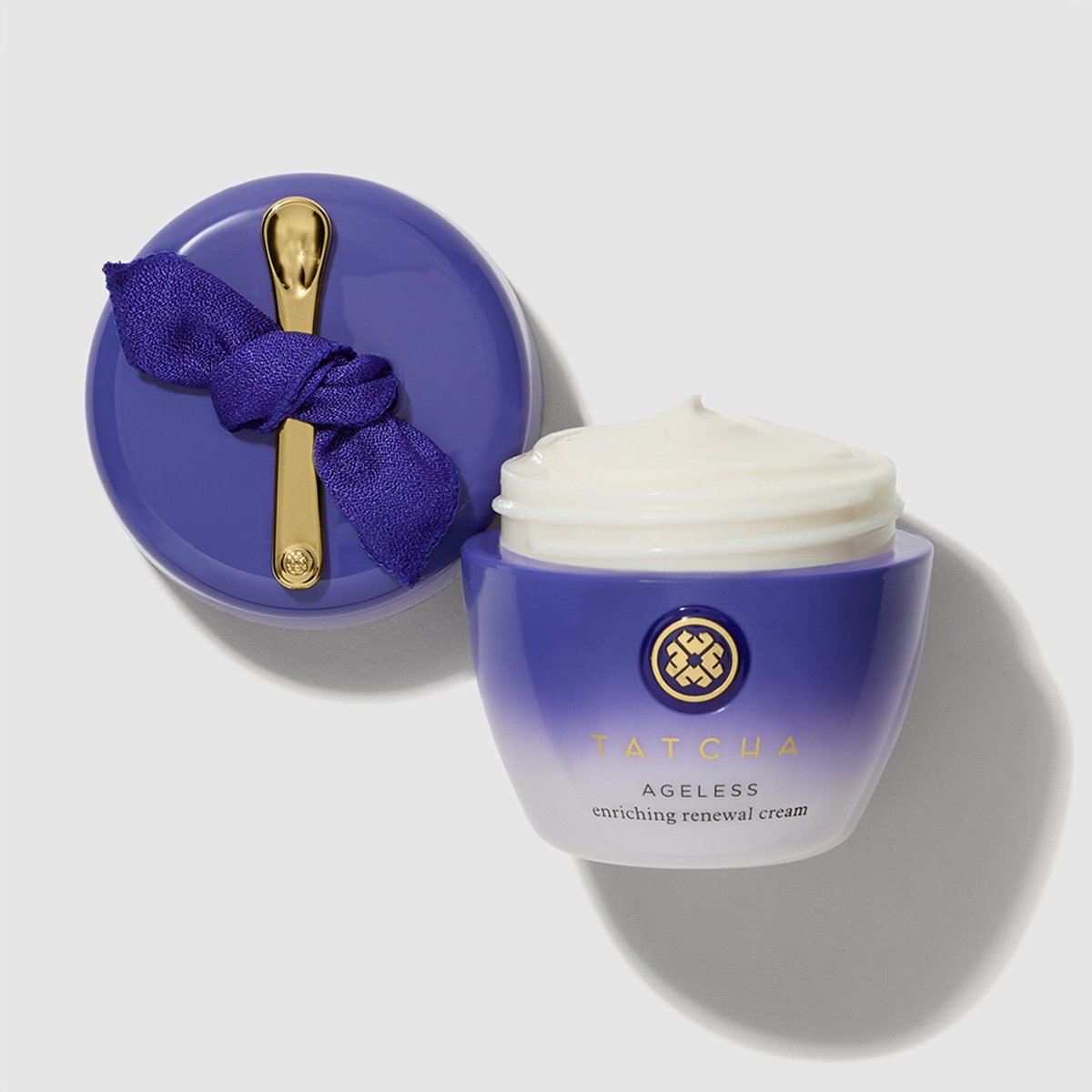
Our richest cream, the Ageless Enriching Renewal Cream, has an intensely rich, hydrating feel that nourishes the skin and addresses the advanced signs of aging. It’s more ideal for mature skin or skin that is in extreme weather conditions, like a winter vacation in the icy mountain tops. It is also ideal to layer atop dry spots for those with chronically dehydrated skin.
How to Layer Facial Oils
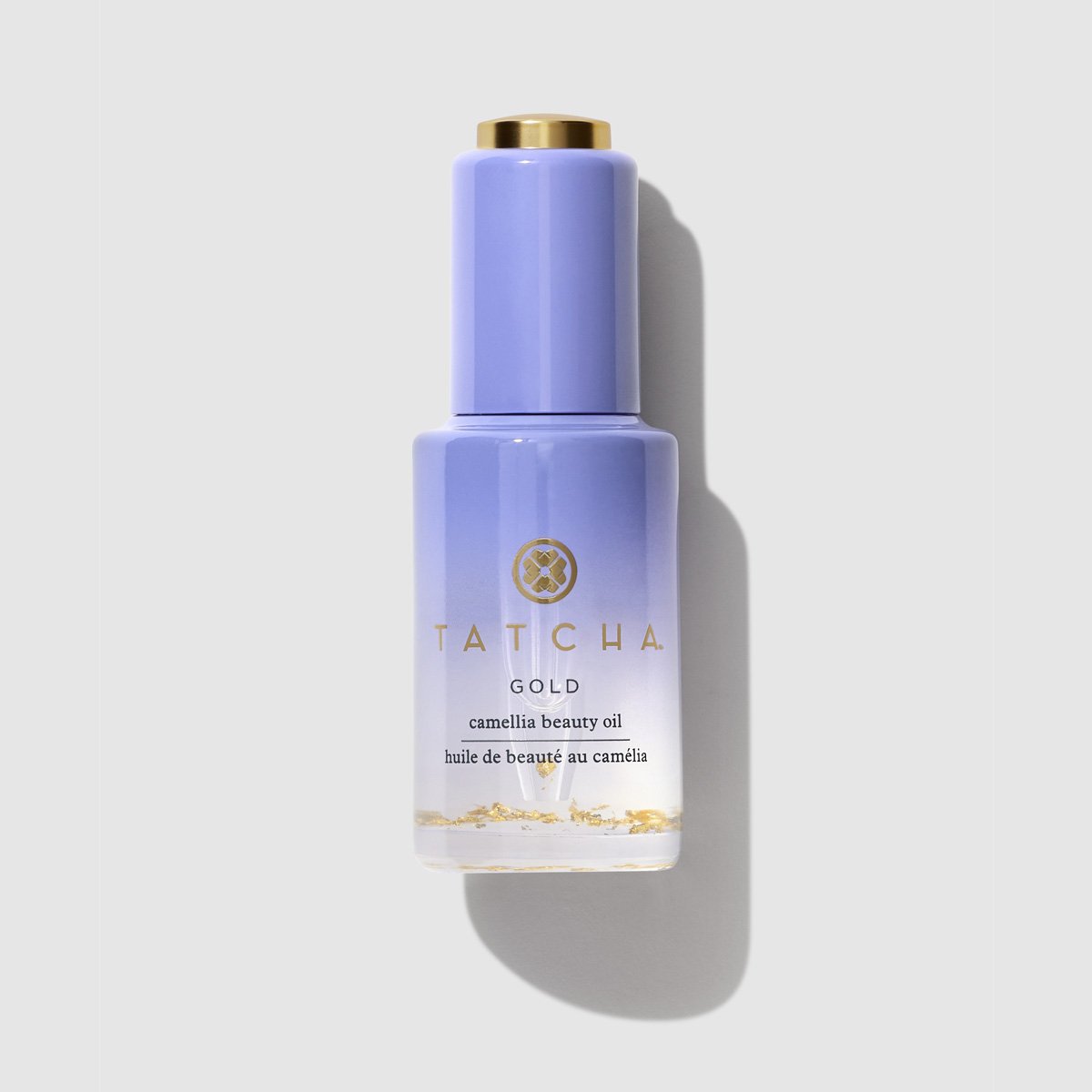
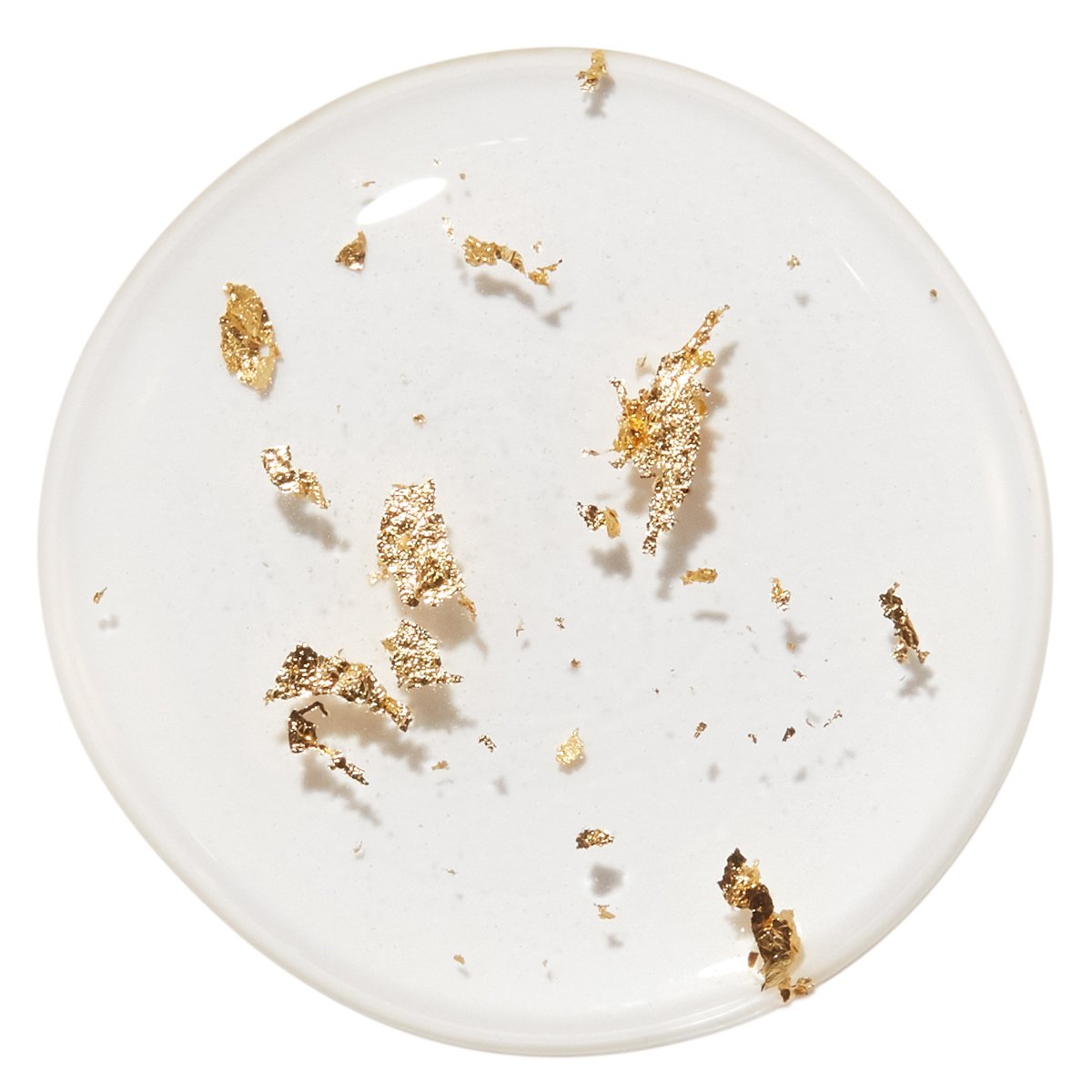
One of the ultimate beauty tricks is using a face oil after a moisturizer to help seal in hydration. It’s not necessary for all skin types, but those seeking hydration will love this tip (it’s especially wonderful in an evening routine, allowing the protection of a face oil to seal in all the hydrating products applied beforehand). Try the Gold Camellia Beauty Oil, made from extra-virgin Japanese camellia oil, which hydrates and adds a radiant glow.
How to Layer Sunscreens
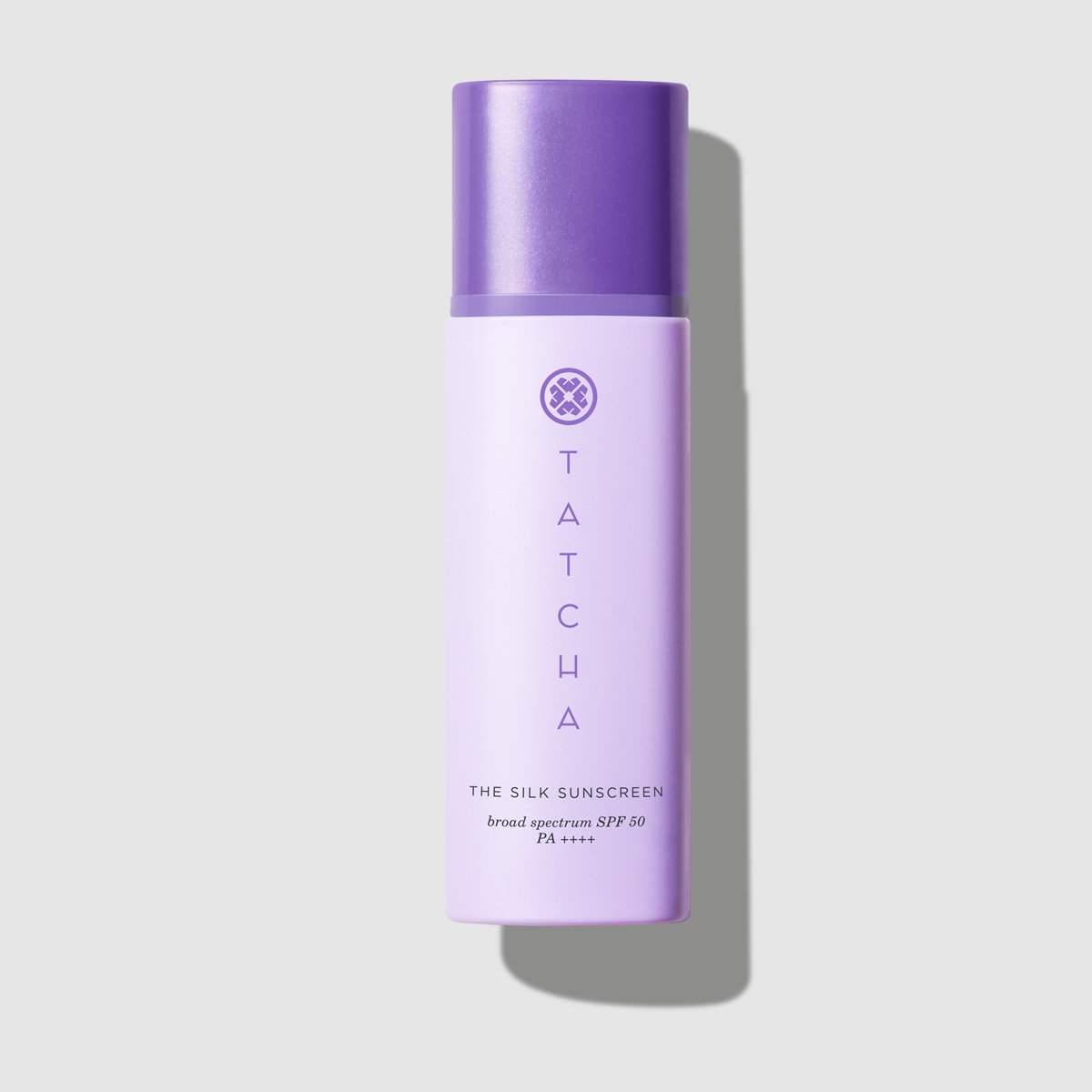
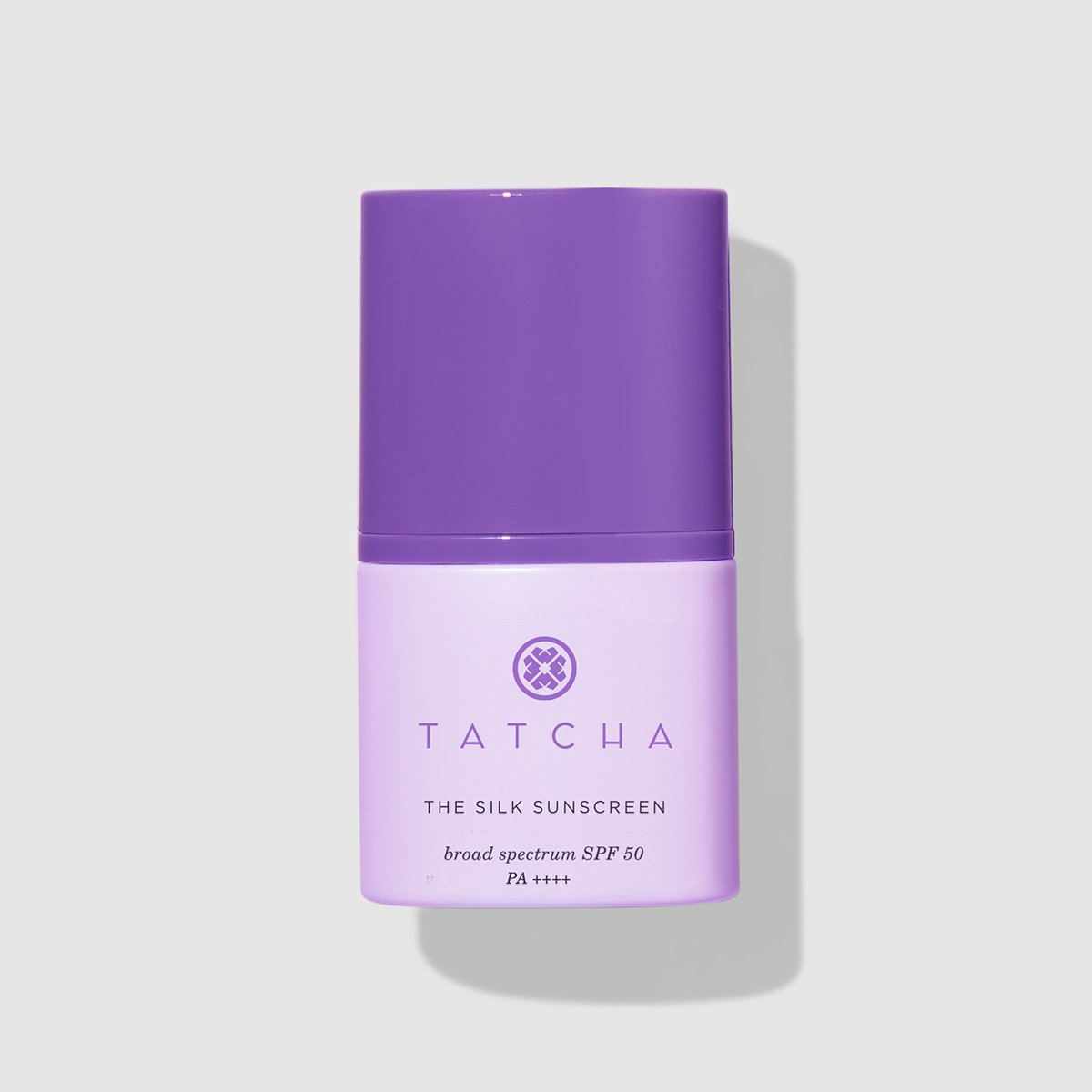
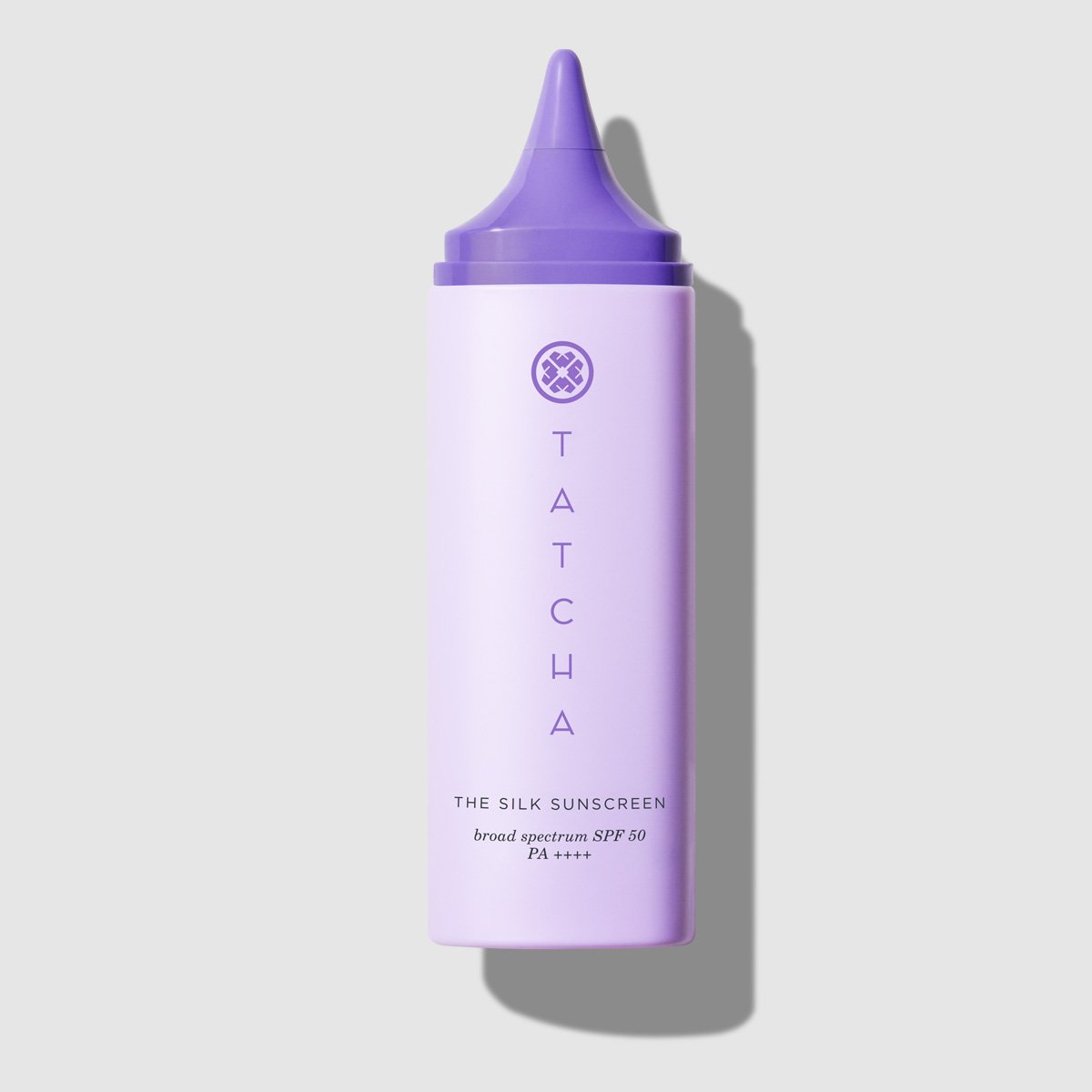
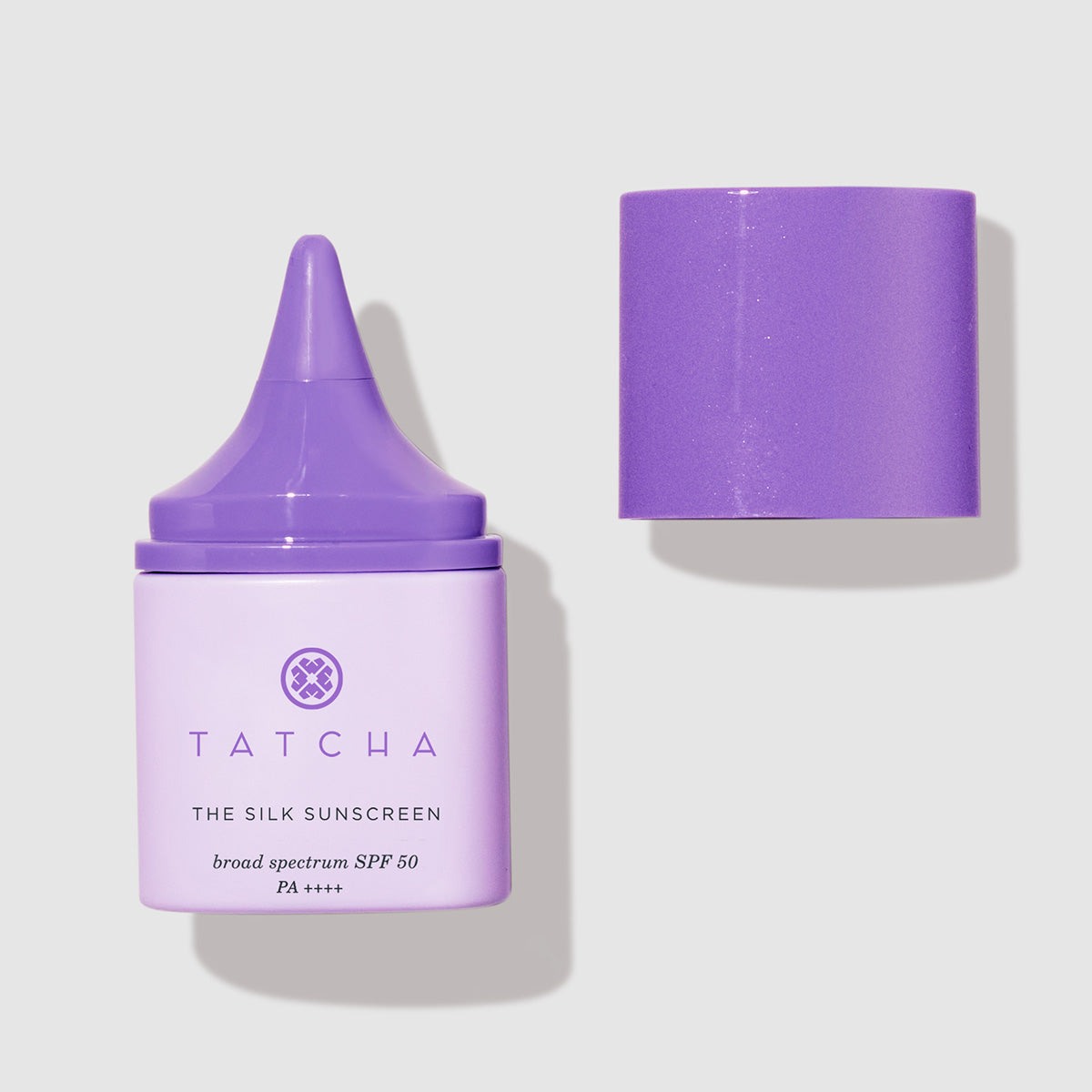
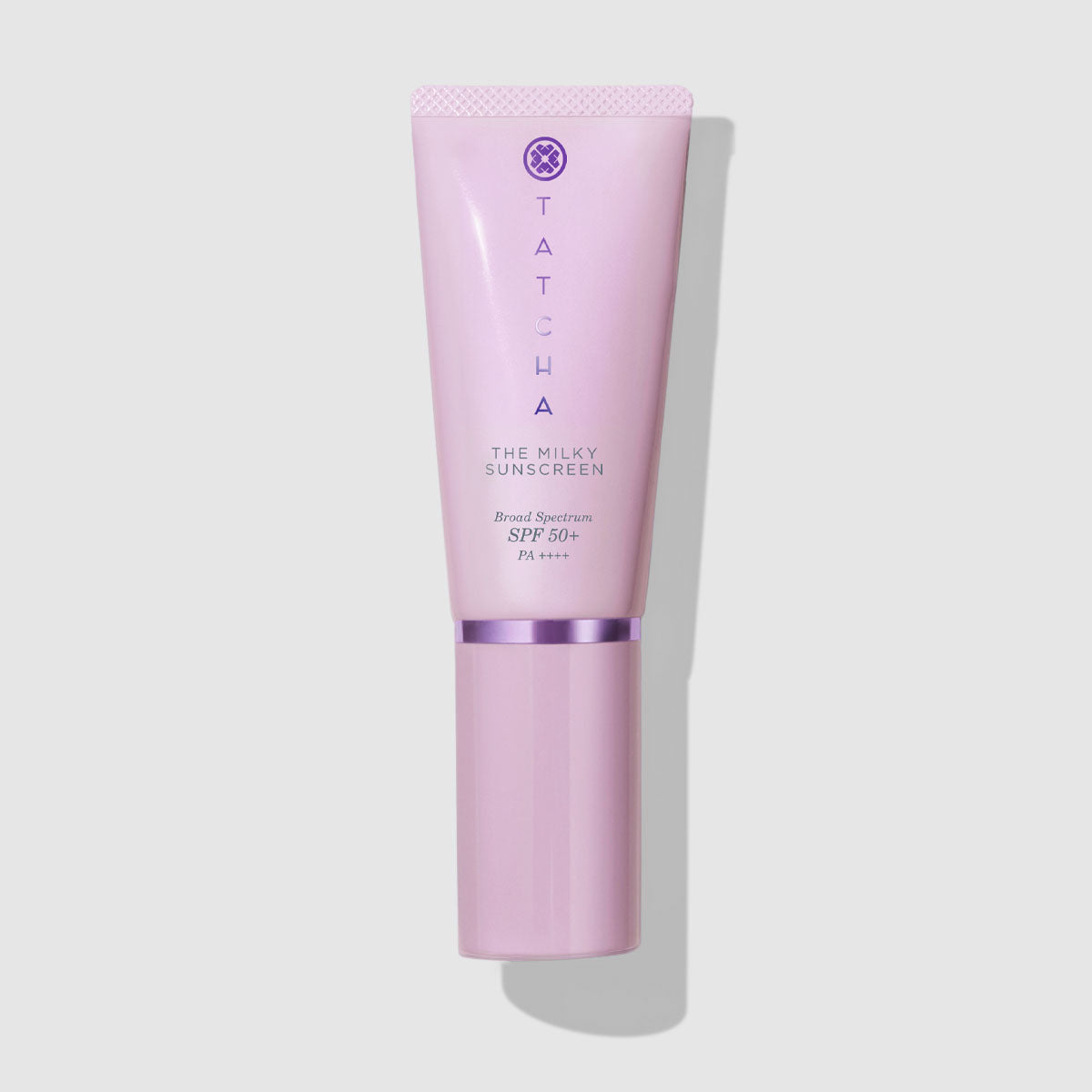
The key to effective sun protection is daily use, especially if you’re prone to forgetting to apply sunscreen before you head outside. Make it part of your daily skincare routine, directly after your morning moisturizer (or face oil, if using), no matter the weather outside or your plans. This ensures you never venture outdoors without sunscreen protection. However, if you’re planning on spending a fair amount of time outside, come prepared with additional sunscreen, whether that be the same formula you applied in the morning, layering another round of sunscreen on top, or a different version, like a handy spray option, which is intentionally designed to provide sun protection without disturbing skincare or makeup. Whatever sunscreen you choose, make sure you always have it in your bag so you’re ready to go, wherever the day takes you.