







T-House


How to Get Rid of Under Eye Wrinkles
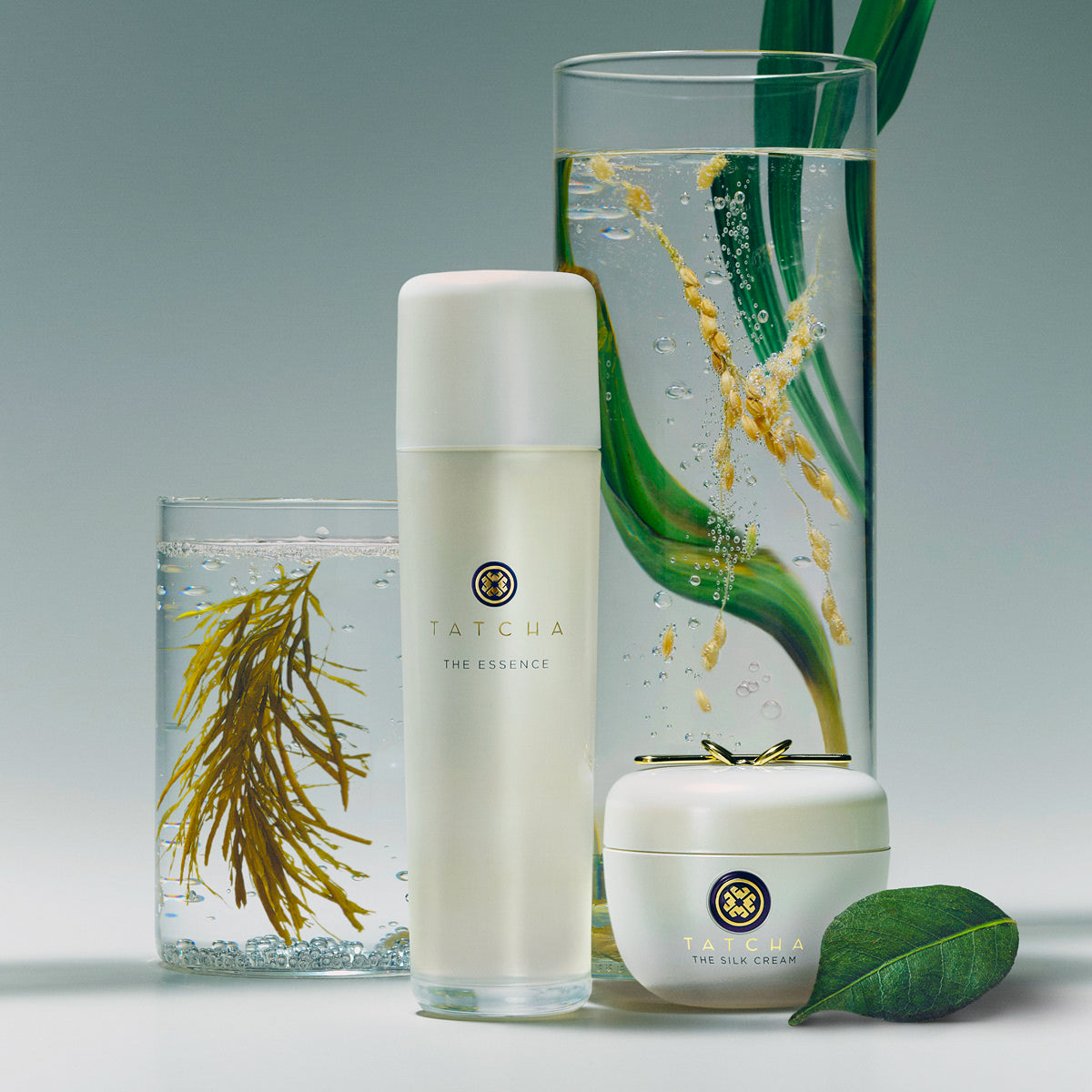
Under eye wrinkles are perfectly common and a normal part of aging, but that doesn’t mean there aren’t tips, tricks, and products that will help you ease their appearance. We’ve got all the info you need on how to get rid of under eye wrinkles. Aging is a privilege and a gift. Every line and wrinkle is a result of decades of laughter, smiling, and expression. There’s nothing unsightly about wrinkles or fine lines and no need to cover up or disguise them. But, if you were wanting to lessen their appearance (or perhaps they are showing up prematurely), there are a handful of options. This is especially true of the eye area, which is one of the first places to show aging, due to its incredibly delicate skin and frequency of movement with everyday motions (including talking, eating, and smiling). Wondering how to get rid of under eye wrinkles? Wonder no more, we’re uncovering everything you need to know about wrinkles under the eyes. What Causes Under Eye Wrinkles? Wrinkles under the eyes are so common because their causes are plentiful. Here are a few of the most prevalent reasons why most people experience under-eye wrinkles. Delicate Skin The skin around the eyes is thinner than the skin on the rest of your face. It also has less fat, oil glands, and collagen than other areas of the face. This creates the perfect environment for fine lines, wrinkles, and dark circles to show up first in this delicate area. Lack of Sleep Beauty sleep isn’t just a phrase, it is proven that the body produces collagen during sleep to help repair and regenerate skin cells. When not achieving your body’s preferred hours of sleep (it’s different for everyone, but in general anywhere from seven to 10 hours), you won’t produce enough collagen and elastin, which will show on your skin and especially your eye area (ahem, under eye wrinkles and dark circles). Aging As we mentioned earlier, aging is a gift! But it can do a few things that naturally cause your body and face to show signs of aging. As we age, we produce less collagen and elastin, which helps keep our skin looking smooth and elastic. This reduction in vital proteins leads our skin to become thinner and more fragile (and thus wrinkles are more visibly apparent). Staring at Screens Sorry…but staring at computer, phone, or tablet screens can contribute to under eye wrinkles. This is mostly from the blue light emitted from these screens, which can damage skin cells, potentially increase hyperpigmentation, and suppress our melatonin production leading to sleep disruption (which brings us back to ‘Lack of Sleep’ above). Additionally, straining our eyes to view the screen is a direct contributor of under eye wrinkles. How to get rid of under eye wrinkles and bags? One easy fix is reducing your screen time at night. Sun Exposure The sun’s damage affects nearly every aspect of our skin, and the under eye area is no exception. The accelerated aging caused by UVA and UVB rays can absolutely lead to under eye wrinkles. Even if you’re diligent with sunscreen usage, applying it around the eye area can be trickier and less common. A good reminder to remain mindful and cautious when applying sunscreen every single day. Lifestyle Choices Our skin reflects our overall wellbeing. If we eat unhealthy food constantly, drink alcohol and smoke frequently, and live a stressful lifestyle, it’s likely to be apparent not only on our face, but especially around the eye area. How To Get Rid Of Under Eye Wrinkles Now that we know the most common causes of wrinkles under the eyes, here’s how to prevent or how to get rid of under eye wrinkles naturally. From lifestyle choices to skincare products, there are a plethora of wrinkle-fighting options available. Wear Sunscreen We cannot overestimate how important daily sunscreen usage is in your life. It can not only help prevent serious issues (like skin cancer), but it can also help reduce the potential of severe wrinkles, hyperpigmentation, and so much more. Choose the right sunscreen for your skin type, one with broad-spectrum coverage and then use it every day, even if it’s cloudy or cold outside. Additionally, large sunglasses that shield the eyes area can also be an additional defense from sun interactions. It will also help prevent eyes from straining in the sun, which can cause eye wrinkles. Live a Healthy Lifestyle Sleeping well, drinking enough water, adopting a Japanese skincare diet full of antioxidant-rich foods, avoiding smoking, and minimizing excessive alcohol are all lifestyle choices that will not only make you feel great, but will also make your skin look great. Also consider transforming your skincare routine into a mindfulness ritual, which can reduce stress and elevate your sense of well-being. Be Cautious When Touching Eyes (Including Removing Makeup) The frequency with which we touch or rub our eyes may surprise you. From tired eyes that feel soothed when we rub them with our knuckles to eye makeup that needs a hefty tug to be removed, the wear and tear the eyes go through daily without us being aware of it can be shocking. It can be especially helpful to find a makeup remover that effectively yet gently removes stubborn eye makeup without tugging on the area. Use Products that Stimulate Collagen Production As mentioned before, our collagen production naturally decreases as we age (and other factors can reduce its production too, like lack of sleep, smoking, and more). There are a few products that are proven to boost collagen production though and they are vitamin C, retinol alternatives, and peptides. Using these skincare ingredients can minimize the appearance of under eye wrinkles remarkably well. Use Vitamin C Daily Vitamin C is no new, buzzy ingredient (but that doesn’t mean it’s any less exciting). It is tremendously beneficial for skin and has been clinically studied and proven to improve the appearance of fine lines and wrinkles for decades. For example, one 2017 study, consistent and daily use of vitamin C noticeably improved the look of fine lines and wrinkles on the face and neck. If that wasn’t impressive enough, it’s been clinically proven in a double-blind study to increase collagen production and improve hydration. Use Retinol Alternatives Daily Retinol is one of the most studied and proven ingredients in skincare…but it’s also infamous for its harsh reactions, complicated application steps (which include how often it can be used), and frequent irritation. Retinol alternatives though, thanks to modern breakthroughs, can work just as effectively as retinol, but without any of the complicated schedules, irritation, or severe reactions. In fact, many retinol alternatives can be used daily to address fine lines and wrinkles, without a worry of any form of a negative flare up. Use Peptides Daily Peptides are so effective in skincare products because our skin easily recognizes them, which makes sense because peptides are naturally occurring in our skin. There are numerous different types of peptides, but they can accomplish anything from increasing collagen and elastin production to addressing the appearance of fine lines and wrinkles. Consult your product care instructions, but many peptide-boosted formulas are designed for daily use because peptides have such a beneficial effect on skin. The Best Products to Get Rid of Under Eye Wrinkles Now that we’ve learned the common causes and how to get rid of under eye wrinkles, let’s discover products that will accelerate this process. Best Makeup Remover The Indigo Cleansing Balm Minimize all unnecessary disruptions and irritations to the eyes, which includes harsh makeup removers that require scrubbing and rubbing the delicate skin. Reach for a product that delicately – yet effectively – removes stubborn eye makeup, but doesn’t tug at the skin, like The Indigo Cleansing Balm. This National Eczema Association approved skin-strengthening cleansing balm calms visible irritation, while also supporting and transforming the skin barrier. The balm is designed to reduce friction while cleansing, helping to soothe while cleansing. It still effectively cleanses though, efficiently removing even waterproof makeup. The formula includes Japanese indigo to calm visibly irritated skin, lipids and ceramides to replenish the barrier, Japanese lotus root to soothe, and mondo grass root to balance the microbiome. Unlike harsh cleansers, the Indigo Cleansing Balm also soothes visible irritation and replenishes moisture—strengthening the skin barrier so it can prevent future damage for smooth, plump, and radiant-looking skin (always an added bonus around the eye area). Best Vitamin C Product The Brightening Eye Cream The delicate eye area requires innovative products that are both gentle yet brilliantly effective. An eye cream that addresses visible dark circles, evens skin tone, reduces redness and irritation, and improves the look of lines? Well, we’d call that a revolutionary product indeed. Say hello to your new best friend: The Brightening Eye Cream. Tatcha’s newest innovation is a brightening eye cream that targets multiple types of dark circles, depuffs, and visibly lifts for a well-rested look. Creamy, lightweight, fast-absorbing, and non-sticky, The Brightening Eye Cream was designed to reimagine the eye area. The formula includes vitamin C, but not just any type, a special 12-hr time-release vitamin C to extend the potency on skin and lessen the potential for irritation. The Brightening Eye Cream also includes encapsulated niacinamide to help improve the look of lines and improve the skin barrier, and Japanese plum to noticeably brighten the under eye area. If an extra cherry on the wrinkle-fighting sundae, The Brightening Eye Cream also illuminates the eye area with a soft-focus finish that improves concealer application and wear. We really can have it all when it comes to eye cream, apparently. Best Retinol-Alternative Product The Silk Serum Retinol may be powerful, but it’s not for everyone. Which is exactly why The Tatcha Institute in Tokyo created The Silk Serum. The milky serum delivers the wrinkle-smoothing power of retinol in a potent, yet foolproof alternative. Unlike Vitamin A derivatives, which must be started slowly to build up a tolerance, The Silk Serum is made to use when you want, up to two times daily starting day one. No ramp-up time or complicated skin-cycling is necessary. The Silk Serum includes the highly effective duo of plant-based alternatives: upcycled cranberry extract and sea fennel. Together, the duo acts on the same factors as retinol to support natural skin turnover, minimize the appearance of fine lines and wrinkles, and give the look of collagen-rich skin. The formula is also boosted with silk extract, which nourishes and softens for a healthy-looking complexion, as well as our beloved Hadasei-3 proprietary complex to hydrate and support the skin barrier. Together, the serum delivers the power of retinol—without compromising. In fact, in testing, The Silk Serum has been shown to be two times more effective at firming and reducing the look of lines and wrinkles than retinol.* Wrinkles and fine lines where?! Also, remember our dear friends peptides? They are also readily available in The Silk Serum. The peptide-boosted formula contains biomimetic tetrapeptide, which mimics peptides in the skin to visibly firm while reducing the look of lines and wrinkles. *Results based on cranberry-derived biopeptide from an in-vivo test with image analysis
The Best Night Serum for Your Age & Skin Type
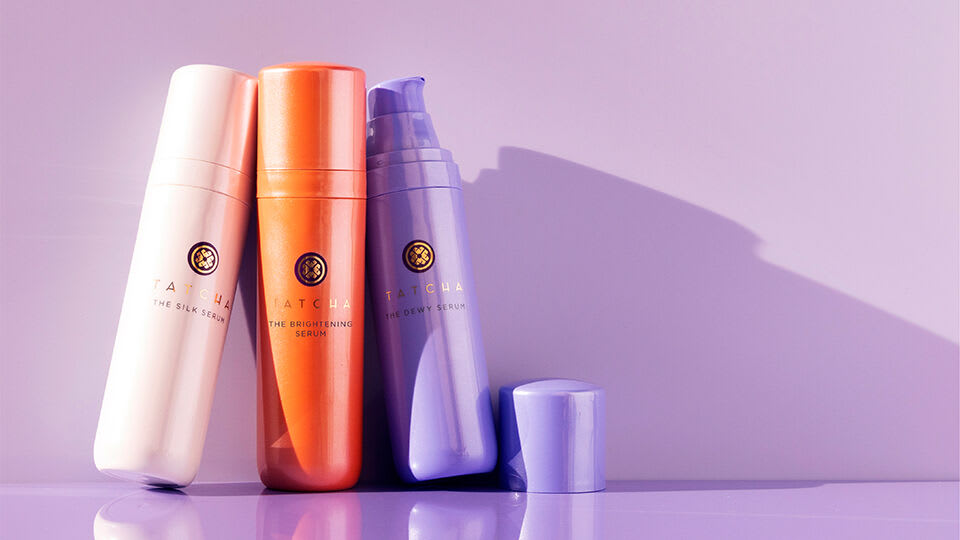
Nighttime is when our skin repairs itself—and a good serum helps the job along. Your skin type, age, and general skin goals are the three important things to keep in mind when choosing the best night serum for you. A lot can happen in a night. Those dark hours before day breaks provide cover for all sorts of activities, from the seedy to the secret. Mostly, we use them to sleep.Sleep is one of the most important parts of human health. Survivalists believe that we can do up to three weeks without consuming food, but the longest that a person has stayed awake is just over 11 days. When we sleep, our body enters a reparative state that allows its various systems to rest and reorient for the coming day.Skin is no exception, which is why the topic of nighttime skin care is a big one. While it’s often necessary to exercise morning skin care, including moisturization and daily sun protection, the night provides an even more critical opportunity to help boost the skin’s natural regenerative properties. This is why we see so many different skincare routines for the morning and night. Many night creams, night serums, and even lip balms intended to be worn at night are often heavier-duty formulas than their daytime correspondents. These are uniquely suited to do the extra work necessary to repair your skin barrier while our brains drift to some other place.A relatively newcomer to the evening lineup, night serums supply skin with concentrated active ingredients capable of maximizing your routine’s morning-after benefits—and your skin’s health over time. So what, exactly, are they? The role of a serumYou have your lightweight, slippery cleansers, and your thicker, creamier moisturizers. But where do serums fit? The answer is: Right in the middle.Some serums may take on lighter or heavier textures, but their purpose is not to act as the beginning or end of your skincare routine. According to one dermatology instructor at Harvard Medical School, these oil- or water-based liquids are designed to sink quickly into skin, where they dispense more potent concentrations of targeted skincare ingredients. They live in your routine after a cleanser and toner, but before a moisturizer and sunscreen.Here, the word “targeted” doesn’t suggest an actual bullseye, but rather a specific skincare concern. While many moisturizers, for one example, support the main shared skin goal of retaining hydration, the best serums are designed for each skin type and promise unique solutions to things like redness, or wrinkles, or hyperpigmentation. This makes them an exciting category, but a difficult one to shop. Not only do you have to choose the right ingredients for the right effect, but you also have to choose the right one for your age and skin type. The options are almost too plentiful. But keeping the traits of your skin in mind can help you narrow things down. Your skin at nightThis is your skin on sleep: Healthy, happy, and hydrated.This is because our body undergoes a series of reparative processes, all working in harmony, when we sleep. Our brains cycle through the sleep stages that enhance our ability to think when we’re awake, and our bodies deploy various hormones, including those that help our bones and muscles repair. You can imagine your body without sleep like a computer without energy, with less capacity to perform its necessary functions.Unlike computers, we don’t shut down when our battery is sapped, but many of our body’s processes may be slowed or impaired. Some experts claim that skin “rebuilds” itself at night. One 2015 study drew a direct correlation between poor sleep and high rates of trans-epidermal water loss and decreased skin barrier integrity. But there’s something else that happens when we sleep: Our circulation increases, which is believed can lead to better absorption of skincare products. This has led all kinds of skincare experts, from dermatologists to beauty editors, to extol the virtues of nighttime skincare—and it's why night serums, one of the most potent categories of nighttime skincare, can be especially helpful in reaching your skin goals. How do I choose a night serum?You’ll want to talk to your dermatologist or a licensed aesthetician before switching up your routine—they can help diagnose your unique needs beyond your skin type, and point you in the right direction. Your skin type, age, and general skin goals are the three important things to keep in mind when choosing the best night serum for you (though all of us can use these tips to prevent sleep wrinkles from forming). Different ages, for one, typically have different skin properties, which may beg the use of different ingredients. Here’s how to find the best night serum for your age and skin type:The best night serum for your 20s: Hydrating and moisturizingIn the earliest steps of our skincare journey, we want hydration. Hydration is one of the main building blocks of good skincare, and is typically supported by the use of moisturizers, which create a seal that retains precious water. Many serums carry a hydrating benefit, and are good choices for those who are younger and may not have the specific skincare concerns that come with aging. Some, like Tatcha’s Dewy Serum, are chock full of water-binding hyaluronic acid and provide a plumping effect that makes skin look (and feel) extra juicy. (A dusting of lactic acid also provides a light chemical exfoliation for gentle smoothing.) The best night serum for your 30s + 40s: Photodamage correctingThe Brightening Serum is a powerhouse product for a few reasons. Not only does it contain a vitamin C derivative shown to fight premature aging and support surface cell turnover, but it also contains exfoliating alpha hydroxy acids from a cornucopia of fruits. Many dermatologists consider one’s 30s to be a transitional period, skin-wise. This is when some signs of aging, from wrinkles to hyperpigmentation, slowly and then all at once begin to show themselves. Much of these symptoms are known as “photoaging,” or aging from UV radiation due to sun exposure. (This is one of the reasons why sunscreen, in addition to being an essential at any age, is one of the best anti-aging products out there.) The best night serum for your 50s + up: Smoothing and anti-agingWrinkles deepen with age, a fact we’re grateful for: It’s a privilege to get older, after all. But for those who wish to impede the process, retinol is a familiar friend. This ingredient, a pure form of vitamin A, is famous for its ability to smooth skin texture and even out skin tone. But retinol also has a reputation for its harshness, which has led to the rise of retinol alternatives like bakuchiol, which carry the same benefits but are gentler on skin. These alternatives inspired The Silk Serum, which draws its power from a combination of cranberry extract and sea fennel that acts on the same factors as retinol to support collagen-depleted skin without the use of drying and irritating vitamin A derivatives. (This duo was proven to act as well as the stabilized retinol on the same biomarkers which help to reduce the appearance of wrinkles and to improve visible firmness by an in-vitro test.*) It’s great for mature skin, but also a lifelong friend that works for any skin type. Don’t forget to bring it to bed. *Based on biomarkers COL1A1, COL3A1, and ELN
How to Unclog Pores: The Best Clogged Pore Treatment
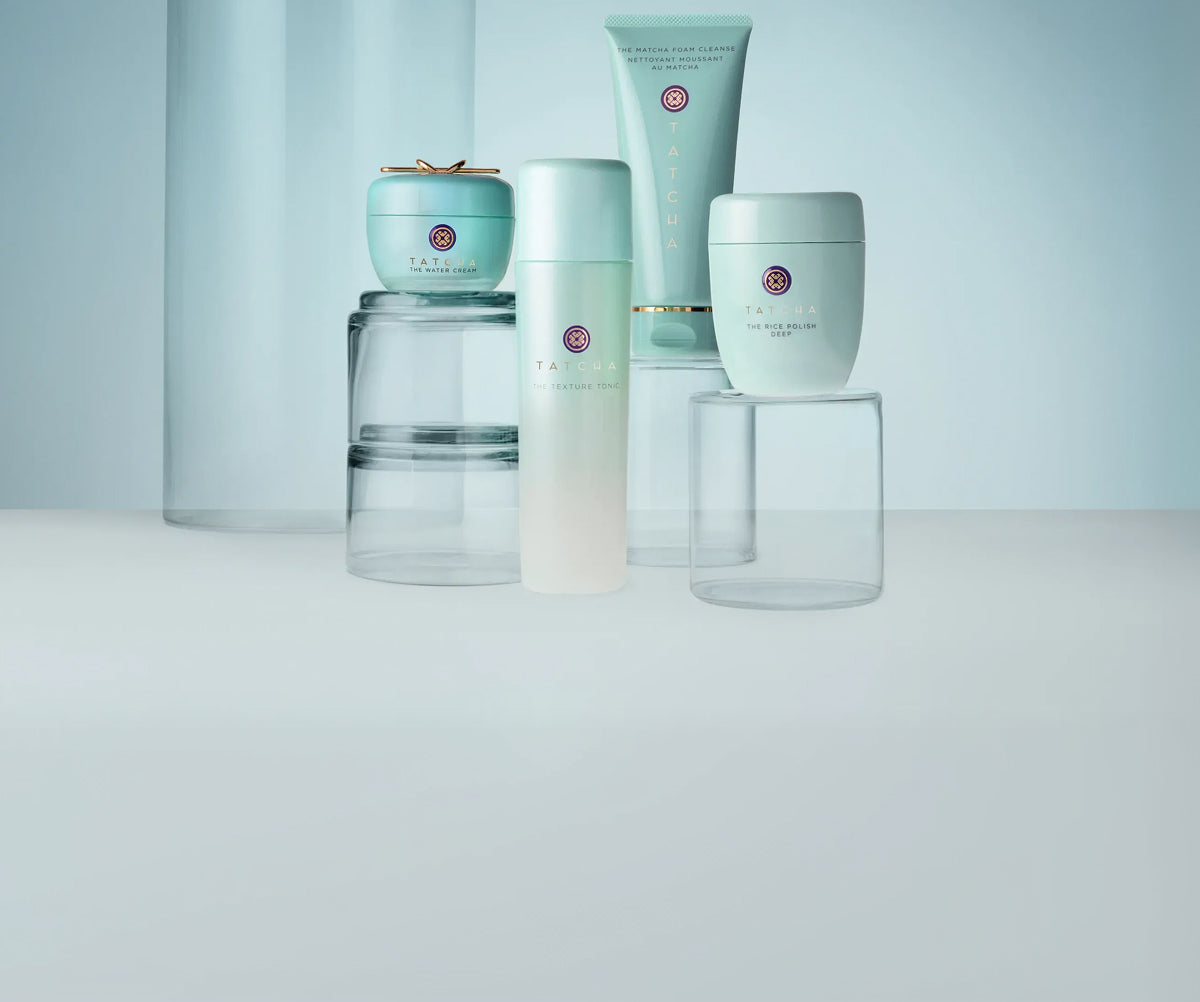
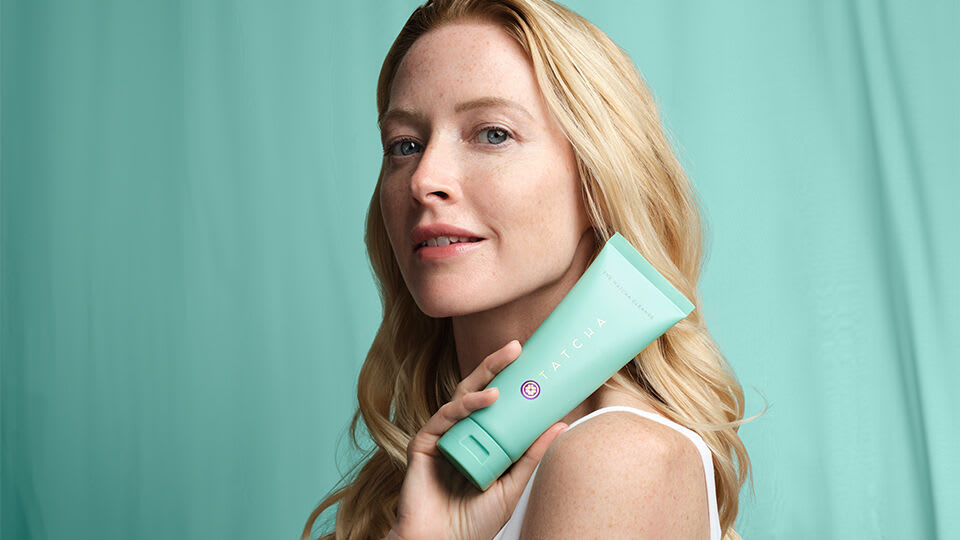
At this very moment, your skin is hard at work. It interacts with pollution, sweat, makeup, and bacteria daily. Even when we are taking the time to care for our skin, our surrounding environment can rest heavy on our faces, resulting in clogged pores. This frustrating experience can leave you feeling defeated—but worry not. There are proven tips and products that help target clogged pores. Here is everything you need to know about how to unclog pores. Clogged Pores 101 Pores are the small openings on the top layer of your skin that release sweat and oil, and they tend to be most visible on the oiliest areas of your face, like your T-zone (forehead, nose, and chin). Clogged pores can occur for several reasons. One of the most common is the natural renewal process of generating new skin cells. This can lead dead skin cells to become trapped on the surface of your skin, leading to not only an excess of dead skin cells but also an increase and buildup of oil production, dirt, and makeup. Soon, pores can become clogged. Clogged pores can also be caused by a variety of other factors including bacteria, sweat, hormones, irritating makeup, or incorrect skincare products. Genetics is also a major factor, leading you to have skin that is more prone to excessive oil and sebum, which in turn might cause clogged pores if not regularly exfoliated with the right exfoliator for your skin’s needs. While there is nothing unsightly about clogged pores, and treating them is a personal preference, clogged pores can lead to other occurrences when left to their own devices. These dead skin cells, dirt, debris, and sebum can clog pores, which can result in the appearance of enlarged pores, blackheads, and blemishes. How do you know if you have clogged pores? The pores themselves tend to become enlarged and appear more visible. Additionally, you might see a buildup of dryness around the skin, as well as blackheads and blemishes. Overall, skin may also appear rough or dull looking. If any of these qualities fit your skin, you might have clogged pores. How to Unclog Pores The most effective way to care for clogged pores is to ensure that you are removing dead skin cells, debris, and other impurities, which is done by properly cleansing and exfoliating the skin. Here are the three most vital steps to treating clogged pores. Step 1: Remove Makeup Removing your makeup at the end of the day is an important step that helps prevent pores from becoming clogged overnight, ensuring that you truly get your beauty sleep (although it helps to choose makeup for oily skin that won’t clog pores to begin with). Incorporating a cleansing oil into your nightly ritual as the first step in your skincare routine is vital. Cleansing oils easily dissolve makeup, sunscreen, and other oils while leaving skin feeling supple and smooth. Generously massaging a cleansing oil into the face, targeting areas where clogged pores are present has gone viral on social media recently, with dermatologists and video creators showcasing how well an oil cleanser can help draw out debris. This technique is also the first step in a double-cleansing routine, also known as the Kyoto Cleanse in Japan, which is proven to more effectively cleanse the skin. Step 2: Cleanse Giving your skin a clean, fresh canvas is the most ideal way to prepare it for the rest of your skincare ritual, and is an imperative step in your clogged-pore-fighting skincare routine both morning and night. Properly cleansing with a pore-purifying cleanser allows you to wash away impurities, restore balance, and condition the skin. While the majority of us probably cleanse daily, many aren’t following the most ideal techniques to ensure skin is thoroughly washed. First, use the most ideal cleanser for your skin type. For example, oily skin will likely thrive with a more targeted and clarifying cleanser, while dry skin may treasure a hydrating and nourishing wash. Second, ensure you're taking the time to actually cleanse the skin—ideally 30 to 60 seconds. This ensures every inch of the face gets a gentle massage and debris is targeted. Rather than looking at this as a task, reframe the cleanse as a moment of self-care and reflection, with 30 to 60 seconds to check in and reflect on the day. Step 3: Exfoliate Proper exfoliation is one of the most overlooked yet important steps in your skincare routine when addressing clogged pores. The process of exfoliation removes dead skin cells and impurities from the outermost layer of your skin’s surface, which is vital, but it also helps the rest of your skincare products achieve their maximum potential. You can utilize either a chemical exfoliant or a physical exfoliant—both are great at unclogging pores. While it may seem tempting to apply the strongest percentage exfoliant or most aggressive mechanical scrub to counteract buildup, this vigorous approach is likely to disturb your skin barrier, leading to not only further clogged pores but also sensitized skin. It’s best to take the gentle approach to exfoliation, ensuring the formula isn’t too intense, and start exfoliating a few times a week at first to give skin an adjustment period. The Best Skincare to Unclog Pores While many products zero in on claims to be ‘skincare for clogged pores’, the process doesn’t have to include targeted and complicated treatments. Many of your daily products likely can help minimize and address the appearance of clogged pores, the key is to utilize them correctly. Here are the most effective and best skincare products for clogged pores. Best Makeup Remover For Clogged Pores The first step in your double-cleansing skincare routine is a cleansing oil. The key to using a cleansing oil correctly is to apply it with dry (clean!) hands onto a dry face. Massage the oil into skin with soft circular motions, then add a few drops of water and continue to dissolve makeup, sunscreen, and the day away. Our favorite cleansing oil is The Camellia Cleansing Oil, which gently melts away impurities, leaving behind pure, silky-soft skin. The oil will emulsify into a creamy milk, melting away all debris and stubborn woes (even waterproof makeup) effortlessly. Importantly, the Camellia Cleansing Oil doesn’t strip the skin of its natural moisture, a key feature when treating clogged pores—gentle is more effective than harsh when it comes to skincare. This cleansing oil is also one of the best products for clogged pores with sensitive skin—a tricky issue for many as most formulas rely on harsh, intense ingredients that trigger sensitive skin. Best Cleanser For Clogged Pores Cleansing is one of the most important aspects of your daily skincare ritual and this is especially true for those wanting to unclog pores. Our new Matcha Cleanse is perfect for you, it’s specially formulated to target clogged pores. The fragrance- and soap-free gel cleanser decongests pores and balances the skin, without intense formulations. Instead, the cleanser harnesses kind-to-skin powerhouse ingredients (including Japanese Kyo-Matcha, coix seed, and willow bark) that target pores, control shine, reduce excess oil (immediately and over time), and maintain the skin’s moisture barrier. The Matcha Cleanse proves unclogging pores doesn’t have to be harsh or complicated. Best Exfoliant For Clogged Pores At Tatcha, our exfoliants are formulated to ensure they’re effective, but never harmful to your skin barrier, meaning you can utilize either our liquid or physical exfoliants without irritation. If you prefer physical exfoliation, try our award-winning Rice Polish. The unique formula is a water-activated exfoliant, giving your skin a new beginning through Japanese ingredients that transform into a creamy, cloud-like foam. The non-abrasive formula of The Rice Polish makes it safe to use daily. Finely ground rice bran and papaya enzymes promote natural skin turnover—aka help unclog pores—while the pH-neutral, amino acid-base formula provides effective cleansing without stripping skin of essential moisture or damaging the skin barrier, leaving skin baby soft and supple. If you’d like a deeper exfoliation, try The Rice Polish: Deep, which features wild rose to help tighten the look of pores and clarify skin. If you enjoy a liquid exfoliant, you’ll love The Texture Tonic. The liquid exfoliating treatment has AHAs to address dead skin cells and clogged pores, as well as niacinamide, Japanese mugwort, and wild rose to visibly even skin tone and texture—without stripping skin’s essential moisture. Addressing clogged pores can feel like an uphill battle. However, taking the time to care for your skin properly is not only an act of self-care (whose effects are long-lasting both mentally and physically) but also allows you to treat each pore on your face with the utmost respect. You’ll likely find when you take the time to be mindful and intentional about your skin, it’ll respond by looking its best, one unclogged pore at a time.
The Best Lip Serum
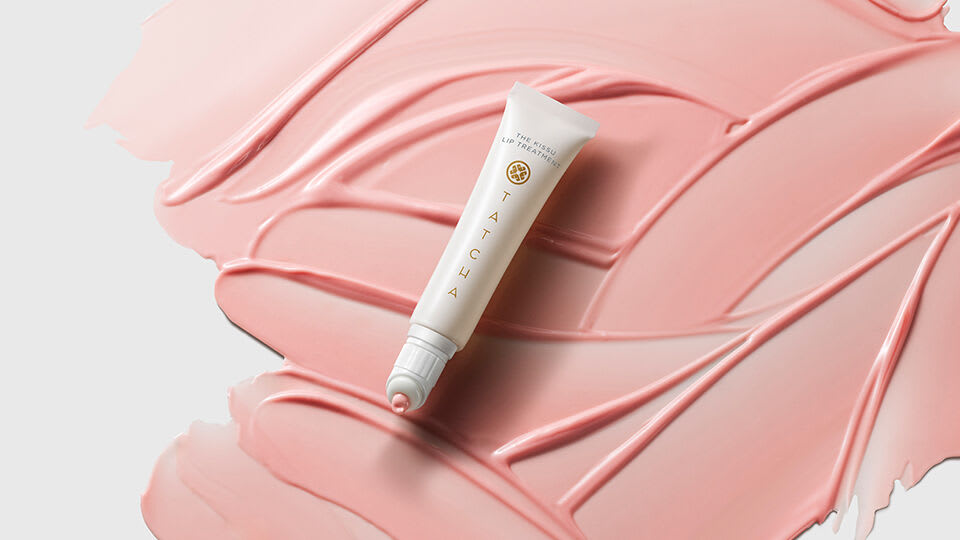
Somewhere between a gloss and a balm lies a relatively new kind of product, called a lip serum, capable of delivering souped-up benefits—from plumping wrinkles to exfoliating dryness—to delicate lip skin. The skincare market has a lot to offer—with more and more options being invented every day. For most of history, people have used topical formulas to care for their skin, with evidence that even the ancient Egyptians moisturized with scented oils and used ointments to cleanse their skin of makeup. Centuries later, the industry has only become more sophisticated, constantly inventing new ingredients and delivery methods for them—ever active, ever effective. This is how the skin serum was born. Skin serums are a skincare category unto their own. Designed to be applied to skin after cleansing but before moisturizing, these formulas are made with powerful active ingredients that deliver targeted benefits to the skin, from redness relief to pore cleansing. Serums provide an opportunity to customize your routine to your unique skin goals. There are serums for your face, there are serums for your body, and there are serums for your lips. It’s a good thing, too: The skin on our lips is unlike the skin anywhere else on our body—it’s constantly in use, and lacks the sebaceous glands that help skin self-moisturize. As a result, it needs a little extra TLC from us, who often employ skincare, like lip balms or masks, to do the job. Lip serums are a slightly different breed. Not quite like lip balms, lip serums also include active ingredients that do more than just moisturize; by plumping skin, or protecting from the sun, or doing something else entirely. What is lip serum? Lip serums are a fairly young category of beauty product, and are much younger than their cousins for the face. Unlike lip sticks or glosses, these are firmly a kind of skincare product—better designed to nourish lips than tint them. But lip serums are also distinct from other common skincare products applied to lips, if you compare them side by side: Serums vs. balms We know lip balms and love lip balms, perhaps the most common skincare product of all. Lip balms lay down a seal of moisture atop dry lip skin. But serums are designed to reach deeper than surface level, ferrying any number of benefits or particular ingredients to where they’re needed. They often are lighter in weight, too—more like a glaze than a jelly, and never a balm, though layering a serum under a balm may help amplify the benefits of both products. Serums vs. oils As the product term suggests, lip oils are lightweight in consistency. Considering that many balms are oil-based, you can think of lip oil as a balm in a different shape. Though it may not be as moisturizing as a heavier formula, oils both moisturize and sink down into lip skin, and some are even tinted with hints of refreshing color. They work similarly to serums, but may lack some of the specialized skincare ingredients usually found in lip serum. Serums vs. gloss Also in the lightweight class: Lip glosses. These products are based in thick, slippery materials, like waxes or jellies, and when applied to lips, they refract the light brilliantly, making them look almost wet. Many glosses are pigmented, or blended with particles like fine glitters. But despite their medium-heavy texture, lip gloss is typically considered closer to makeup than skincare, for its cosmetic effects. By contrast, a lip serum is unlikely to be worn on its own as makeup, and may require an added tint or texture before it’s visibly apparent. Types of lip serums and their benefits The chances are, if you have a particular skincare goal for your lips, there is a formula or ingredient out there uniquely suited to help you reach it. The challenge is finding it. There are an abundance of lip serums out there, and while some are similar, there’s a much wider breadth of difference than among lip balms. You can winnow down your search to a couple commonly-seen categories of lip serum, whose intended benefits suggest the types of ingredients that may be found within them. Plumping serums. Perhaps the most commonly seen (and sought-after) form of lip serum, these formulas endeavor to make lips look and feel fuller after application by employing proprietary peptides or humectants that bind water molecules. Smoothing serums. These formulas may not promise volume, but are instead trained to target fine lines and lip wrinkles using ingredients like retinol, and may be found tucked within “anti-aging” skincare ranges. Exfoliating serums. You can think of these as the more sophisticated sibling of lip scrubs: Exfoliating lip serums use chemical exfoliants such as acids or extracts to refine the texture of chapped, flaky lip skin. The best lip serum Lip serums are typically sought out for their specific benefits, which often correspond to a particular lip-related concern. For example, those who worry about lip volume may find a plumping formula that gives them a helpful boost. A good place to take your lip-related observations would be your local dermatologist’s office, where a local expert can recommend ingredients and formulas suited to your skin goals. Some skincare brands have taken up the lip care mantle, devoting entire categories of their product lines toward the unique skin on our lips. Tatcha, the Japanese-inspired label whose lip care has gained a cult following, has spent years building its Kissu lip ritual, a collection of lip skincare. The latest addition is The Kissu Lip Treatment, a concentrated dosage of lip hydrating and moisturizing ingredients. A combination of sea fern and the brand’s proprietary blend of actives work to plump lips, aided by a peptide-like carob fruit extract. Its effects were studied on a group of users over time, and after a week of daily use, 97% noticed an increase in lip plumpness.* The recently-launched Kissu Lip Tints distills lip skincare benefits into a curated wardrobe of floral shades. More than simply makeup, these tints are designed to smooth and moisturize lips with a combination of botanical lanolin and biosimilar silk protein. They also provide SPF 25 ultraviolet protection, to shield them from the degenerative effects of sun overexposure. Drier lips, or those in search of a little extra plumpness, may combine a lighter-weight lip serum under a heavier-weight balm or mask, especially overnight. The Kissu Jelly Lip Mask works best during those twilight hours to restore fullness and softness to lips—thanks to a mix of moisturizing squalane and camellia oil, plus a juicy peach extract (that is also a centuries-old secret beauty ingredient). In a consumer study, 100% of participants showed improvement in plumpness, softness and suppleness after using The Kissu Lip Mask overnight.** And who doesn’t want a kiss before bed? *Based on a clinical study on 40 panelists using The Kissu Lip Treatment **Based on a clinical study of 41 panelists using The Kissu Lip Mask

How to Restore Your Natural Lip Color
Each person is blessed with a unique shade of natural lip color. So why does it fade as we get older, and how can we restore it to its former luster? The skin on our lips is unique in a few ways. For one, our lips don’t have pores, which means they also lack the sebaceous glands and hair follicles found almost everywhere else on the skin.For another, the skin on our lips is much thinner than the skin on our cheeks and arms and legs and feet. While facial skin may be around 15 to upwards of 30 cell layers deep, lips only have about four or five. The skin here is more translucent, shaded by the blood vessels beneath—and giving them their natural hue.It’s human nature to paint our lips, and it’s a human pastime to make, market, buy, and wear lip sticks and tints. But at the end of the day, after we wash our makeup off, we go to bed in our natural lip color. Our natural lip color varies according to things like our complexion and undertones, and even indicates certain health conditions. Studies have also shown that, as we age, the number of blood vessels under our lips diminish, and they become less red over time.It’s hard to notice color loss, and yet so easy to wonder: Are they as red as they used to be? But lip color can be restored, using a variety of means—both skincare, cosmetic, and downright physical. The many colors of the lipThe most specific term available for lip color might be vermilion—an orange-pink red shade derived from the natural color of cinnabar ore—that refers to the skin on our upper and lower lips. Additionally, the lip line is known as the vermilion border, where the skin on our lips meets the skin around our mouths.One’s natural vermilion shade is determined by, among other things, their genetics and the thickness of their lips. As one study, commissioned by the luxury conglomerate LVMH (who manufacture various cosmetics), determined, natural lip color is highly variable. A lip may carry tones of yellow, or red, or blue, or all of the above; these changes can be observed both within and across ethnicities, indicating that our lip color may just be as personal as our fingerprint.This is not to say that one’s lips remain the same color throughout their life, or even throughout the day. In fact, lip color can be subject to many changes in gradation, in response to many different things: Lips can seem redder when you’re overheated, or pale during times of dryness, or weakened immunity. Paying attention to your lip color is a diagnostic technique that dates back to ancient East Asian medicine, the idea being that one’s lips—and the window into the circulatory system they offer, via their natural color—can give clues as to what’s going on inside someone’s body. Natural lip color over timeAs time wears on, so does natural lip color wear out.It’s a fact of life: Age causes some of our body’s regenerative processes to slow, including ones that replenish the skin. This becomes obvious to the naked eye as structural proteins like collagen and elastin denature, leading to skin sagging and wrinkling. With time, lips become thinner and drier. Their natural color also becomes less intense, as a result of decreasing vasculature, or disappearing blood vessels.It’s possible, if difficult, to notice the slow drain of natural color from lips, but it’s one of the many different ways that our bodies—and the way they look—change with time. And, even if its effects can be vexing, aging is a privilege, and something we’re always happy to do. But it’s not the only thing we can do, when it comes to our lip color. Skincare to restore lip colorFirst of all, it’s important to ask: Can one restore natural lip color?The answer is: Yes and no. To start with the affirmative, it’s true that natural lip color can be restored. Over time, and due to a variety of factors—ranging from hardwired genetics to softer lifestyle habits—our lips can become hyperpigmented. This is a skincare issue that can be treated with the right lip care routine, lip-safe ingredients and techniques. An intensive lip serum can provide potent, targeted care that goes beyond a balm to address specific concerns. The Kissu Lip Treatment gives lips new life, restoring lost lip color and definition with sea kelp (wakame) over time. In clinical tests, 92% of panelists showed an improvement in lip color after 2 weeks of use.*The same number of people also agreed their lips looked more defined.* A decadent lip mask can help skin regenerate by forming a protective moisture barrier over top that “seals” in and helps lips retain necessary hydration. The Kissu Jelly Lip Mask, a cult-favorite lip moisturizer, uses a form of squalane that mimics some of the components that make up the skin barrier and instantly absorbs into lip skin. It also utilizes a juicy peach extract that has been used in Japan for centuries to repair damaged lips. Lips can also become paler due to a build-up of dead skin, and using a lip exfoliant is a good way to keep lips clear and bright. Dull lips are no match for the Kissu Lip Scrub, which suspends a konjac scrub in an oil-based moisturizer. If lips are looking suddenly lackluster, try a lip scrub, and see if you don’t like the results.Makeup to restore lip colorWhat’s the best way to restore your natural lip color? Using a nude lipstick, of course. There are thousands of nude shades to choose from, each with different overtones and undertones and consistencies and ingredients. All you have to do is find the right one, and your natural lip color is restored!…If only it were that easy. Of course, many makeup products can “restore” natural lip color by painting over lips. But what about choosing a makeup product containing active ingredients that actually benefit lip skin on the cellular level? In this light, it’s possible to choose a product that not only lends a little color to lips, but helps restore them to fullness of shape and color in the long run. The Kissu Lip Tint was created to span this hybrid category of lip skincare-and-makeup. Not only does it dispense a hint of color—in a wardrobe of wearable shades—but it’s also dosed with ingredients that moisturize lips, like botanical lanolin and silk protein. Most importantly, it’s made with SPF 25 UV filters that protect delicate lip skin from the degenerative effects of UV overexposure. The only way to prevent photoaging is sunscreen; if you don’t apply SPF to lips, but are worried about the symptoms of skin aging, it may be a good idea to incorporate lip sunscreen into your routine. And what better way, than a highly wearable lip tint? A trick to restoring lip colorHere’s a tip from behind the scenes: When makeup artists are looking to match models to their best natural lip colors, they rub them with a slightly abrasive surface, like a lip scrub or a towel. Then the blood vessels expand, and the natural color shines through. You can imitate this trick at home by learning how to exfoliate your lips in a healthy way.It’s a short-term solution, but a useful one. Increasing blood flow to the lips will help restore natural lip color. You can do this over time by practicing good skincare, including exfoliating and moisturizing lips regularly. But in a pinch, just massage your lips, and watch them flush. And take note, in case you need to match the shade.*based on a clinical study of 40 panelists

What Does Vitamin C Do for Your Skin? | Tatcha
Vitamin C is endlessly impressive. Here is everything you need to know about what vitamin C does for your skin, product efficacy tips, and expected results. Vitamin C is one of the most impressive (and science-backed) ingredients in skincare. The dermatologist-recommended antioxidant is renowned for its remarkable ability to brighten skin, improve the appearance of fine lines and dark spots, and leave a radiant glow. But vitamin C can also do so much more. Here is everything you need to know about what vitamin C does for your skin, product efficacy tips, and expected results. What is Vitamin C? Vitamin C is a potent, water-soluble antioxidant that neutralizes the free radicals that occur from sun exposure, which can encourage premature aging. Vitamin C also assists in your skin’s natural regeneration process, which helps your body repair damaged skin cells. What Does Vitamin C Do For Your Skin? The list of vitamin C skincare benefits is highly intriguing. Here are the most impressive and scientifically proven benefits when consistently utilizing topical vitamin C. Improvement in the Appearance of Fine Lines Vitamin C has been clinically studied and proven to improve the appearance of fine lines and wrinkles. In one 2017 study, consistent and daily use of vitamin C noticeably improved the look of fine lines and wrinkles on the face and neck. Improvement in Skin Texture and Tone In one double-blind dermatological study, daily use of vitamin C improved the overall appearance—particularly the texture and tone—of skin. Increase in Collagen Production and Hydration In that same double-blind study from 2002, biopsies showed an increase in collagen production, an improvement in hydration, and zero evidence of inflammation. Collagen production is directly linked to the firmness of skin, so this noticeable increase in the skin’s collagen production is impressive. Reduction in the Appearance of Dark Spots The appearance of dark spots can be improved with consistent vitamin C usage, suggests one clinical trial. The majority of participants in the trial saw a noticeable reduction in dark spots, with Vitamin C not only lightening the pigmentation, but also blocking the production of pigmentation altogether. Reduction in Acne (and Acne Pigmentation) Vitamin C can potentially help with the appearance of acne dark spots (as noted above), also known as post-inflammatory hyperpigmentation, which are patches of melanin released by the skin in response to acne inflammation. But additionally, vitamin C has shown promising results in helping reduce acne thanks to the antioxidant’s natural anti-inflammatory properties. In a 2010 clinical trial, participants saw a noticeable reduction in acne when vitamin C was applied morning and night. The study notes this improvement is likely from vitamin C’s anti-inflammatory properties that can potentially control sebum production within the skin. Improves Sunscreen’s Efficacy Vitamin C and SPF are best friends, a dynamic duo that, when worn together, can better neutralize free radicals from sun exposure. In a 2008 clinical study, vitamin C was shown to protect better from harmful UV rays when combined with broad-spectrum sunscreen. Long term, vitamin C can even prevent damage from sun exposure, noted another study. What to Look for in a Vitamin C Product Vitamin C is incredibly sensitive to sun, heat, and light. Any exposure to these elements will cause it to become unstable and ineffective, notes one study. Look for a product that is in protective packaging, including tinted or completely covered—this will shield the product from light. And a pump, versus a dropper (which will expose the formula to the elements) is great, too. Are There Skin Types That Should Not Use Vitamin C Serum? While almost all skin types can benefit from using vitamin C skincare products, those with sensitive skin may experience redness or allergies. Begin by spot testing to ensure no negative irritation occurs, then incorporate a lower concentration of vitamin C into your skincare ritual and concurrently build up to the suggested usage on the packaging. What Should You Use with Vitamin C Skincare Products? SPF is always the essential last step of any skincare regimen. Using vitamin C can potentially make your skin more sensitive to the sun and UV light, so applying sunscreen becomes even more important. We recommend our newest innovation, The Milky Sunscreen. This chemical SPF 50+ disappears on skin, helps visibly correct signs of UV damage, delivers cellular hydration, and soothes stressed skin. Also consider our Silken Sunscreen, which is a creamy sunscreen with broad spectrum SPF 35 that blurs the look of pores and blends effortlessly for a matte finish. Or try The Silk Sunscreen, our SPF 50 formula that hydrates, visibly evens skin tone, and protects against UVA and UVB rays with 10 percent zinc oxide for mineral, reef-safe filter. Best Vitamin C Products At Tatcha, we proudly have a handful of vitamin C products that work in tandem to provide a smoother, more radiant, and even-toned appearance. While many formulations on the market pride themselves in super high percentages, we aim for products that provide brilliant results, but don’t irritate or require weeks of integration or complications to use them. Take the fast track to brighter skin with these vitamin-C boosted skincare products. The Brightening Serum The first signs of aging can include a loss of firmness and unexpected dullness. Address both of these with the brilliant Brightening Serum. The formula has been perfected at Tatcha’s Tokyo Institute, where traditional Japanese ingredients are paired with cutting innovation to create the best of both worlds. The brightening and firming serum works overtime to brighten dull and uneven skin tone, visibly firm, and target hyperpigmentation for rapid results. Here are a few ingredients that make these impressive claims possible. Target dullness and unevenness with 12-hour time-release vitamin C which continuously brightens all day long for results that are impressive—with less irritation. Address hyperpigmentation and boost firmness and elasticity with ferulic acid and the cherished vitamin C-rich Japanese plum (beloved in Japan for not only its health benefits when eaten but also its brightening effects when applied to the skin). Support the skin barrier, which is beneficial for the health of all skin types, and alleviate hyperpigmentation with glutathione—a buzzy ingredient that is one of your skin’s most powerful naturally-occurring antioxidants. The Brightening Serum’s Pro-Glutathione Antioxidant Booster takes things a step further though, thanks to it being 13 times more powerful* than pure ascorbic acid (aka vitamin C). The ultra-light, non-sticky, and revolutionary serum will upend your beliefs about vitamin C: This new option is potent yet safe. The Brightening Eye Cream Dark circles making you look tired? Tatcha’s newest eye innovation The Brightening Eye Cream is here to brighten your day—and under eyes. Reduce the look of dark circles, while visibly firming, lifting, and depuffing with this multipurpose eye cream. Ultra-lightweight with a whipped texture, this cream can be used morning and night for around-the-clock care for rapid results. Also, the light-reflecting pigments illuminate the eye area to provide an instant awakened look (that also layers beautifully under concealer). The delicate eye area can be sensitive, which is why harsh, vitamin-C-boosted formulas may have irritated you previously. But The Brightening Eye Cream is in a league of its own, thanks to a bevy of effective yet kind ingredients. 12-hour time-release vitamin C ensures that the formula provides transformative brightening results, but the slow release mechanism allows it to not irritate the delicate skin. Japanese plum, naturally rich in vitamin C, aids in visibly reducing dark circles, while encapsulated niacinamide helps target hyperpigmentation, support the skin barrier, and reduce redness. If that wasn’t impressive enough, to top off the cream a unique Pro-Glutathione Antioxidant Booster targets hyperpigmentation and boosts the skin barrier. Glutathione is a unique and buzzy ingredient and the skin recognizes it easily because it's one of the most powerful naturally occurring antioxidants in our own skin (a potent antioxidant that decreases as we age). Reduce the look of dark circles, visibly firms, targets hyperpigmentation, strengthens the skin barrier, and leaves eyes looking more rested? What can’t the new Brightening Eye Cream do? Violet-C Radiance Mask This creamy, hydrating vitamin C face mask targets the signs of premature aging. In addition to the same brightening and resurfacing benefits as our Violet-C Brightening Serum, it contains Hadasei-3, our proprietary complex of double-fermented Uji green tea, Akita rice, and Okinawa algae to help reduce the signs of aging and leave skin feeling plump and supple. Leave on for 15 to 20 minutes, then wash off to reveal brighter skin and a more translucent, healthy-looking glow.
When to Use Exfoliants & How to Apply Them
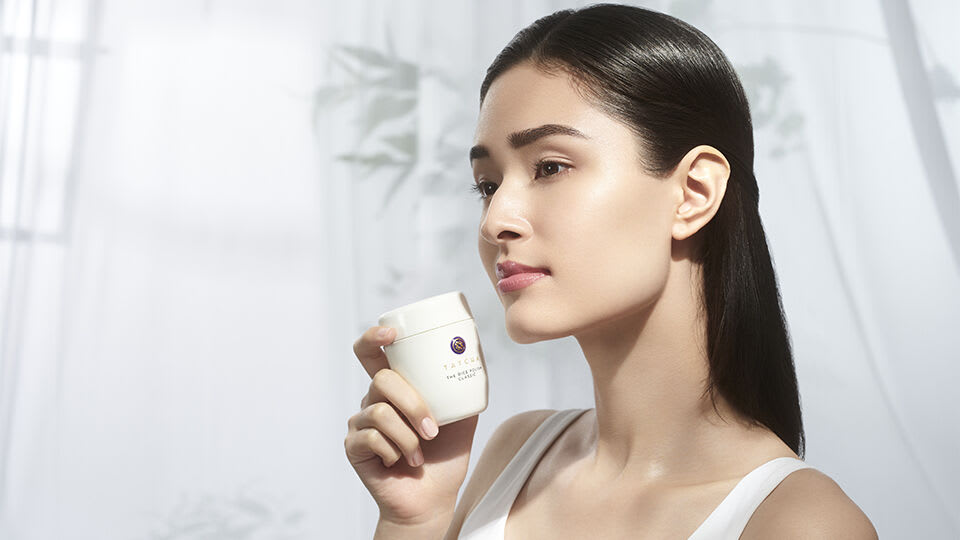
Exfoliation can be a powerful step in anyone’s skincare routine—and a daunting one, if not properly understood. This guide helps break it down, from acids to scrubs, and from head to toe. One of the basic elements of skincare is a good cleanse. So basic, in fact, that it’s a daily ritual. In order to keep our skin healthy, we rinse it of makeup, dirt, pollutants, or other impurities that may have collected on our faces throughout the day. The process of exfoliation takes cleansing to the next level by resurfacing the outermost layer of skin, purging dead cells to clear the way. But this step, which happens less often than daily, is just as basic.Your skin type and concern should dictate the frequency and format of your exfoliation. Below are some common questions about exfoliants—how to use them, when to use them, why to use them—and a few beloved recommendations. Why should I exfoliate?Exfoliation is highly beneficial for most areas of your skin. In the cutaneous sense, exfoliation describes the act of removing dead skin cells and build-up from the outermost layer of skin by one of a few means. When an exfoliant is applied, it reacts with this layer to dissolve bonds between old and new cells, and effectively resurfaces the skin, making it touchably softer, smoother, and in some cases more radiant than it was before.Skin builds up almost everywhere, which means you can exfoliate almost anything. There are face exfoliants, formulated for every skin type; there are even exfoliants for lips, some of the most delicate skin on our bodies. Our vast beauty market is filled with exfoliant options, distinguished by how they’re made and where they go. The ancient Egyptians would be astonished at how we’ve advanced the practice.The benefits of exfoliation are manifold, and include:Improved look and feel of skin. When dead skin builds up on the skin, it can make it look ashen or change its texture to something scaly and craggy. Dry skin can be moisturized, but dead skin needs to be exfoliated. Immediately after exfoliating, you’ll notice a softness and sheen, and over time, an improvement in skin texture.Stimulates skin’s turnover process. When you exfoliate, what you are doing is speeding up the “desquamification” process by which our skin naturally sheds its dead cells. Some exfoliants can also boost collagen production, or curb the production of extra sebum that caulks dead skin cells together. Many also boost circulation to the area they’re applied, especially in the case of scrubs.Better product absorption. By clearing away excess dead skin, you give the other steps in your skincare routine—be they actives for the face, lotion on the body, or anything—unimpeded access to nourish your healthy skin, which is why many experts recommend exfoliation as part of a full skincare routine.Improved makeup application. Those who wear makeup understand the difference between exfoliated and unexfoliated skin. Pigmented products, from concealers to lipsticks, get much better color payoff and wear on the smooth canvas of the former, making exfoliation a makeup lover's essential step.Are there different kinds of exfoliants?Exfoliants can typically be divided into one of two categories: Physical or chemical.A more common term for physical exfoliants are scrubs, those ancient bathing instruments. That’s because physical exfoliation describes the use of finely milled particles, like the seeds-in-oil of yore, to slough away built-up dead skin. We use these kinds of scrubs all over; some are even gentle enough to apply to lips.Meanwhile there are chemical exfoliants, which rely less on friction and more on reactions. These water-weight formulas often contain acids, like alpha hydroxy acid, which dissolve the bonds between healthy skin cells and dead ones. Many people who exfoliate choose their desired product based on their skin type, and their preference. The result is the same, even if the mechanism is different.There is a third type of technique, known as mechanical exfoliation. Rather than employing a store bought product, like a scrub or acid, mechanical exfoliation uses tools like handheld blades or machines that can provide targeted resurfacing. But this kind of exfoliation is unlikely to be found outside of a dermatologist’s office or medical spa, given the skill required to perform it. For all of your at-home exfoliating needs, a physical or chemical formula will get the job done. When do I use an exfoliant? Exfoliants like The Rice Polish should be used after your cleanse, but before your serum or moisturizer. We wash our skin every day because it gets reliably dirty every day. Be it makeup, dirt, or particles in the air, stuff gets into your skin. And when you arrive to the mirror at night, it’s the first step of your skincare routine to rinse it away so it doesn’t get stuck in your pores. Then you exfoliate for a deeper clean.Dead skin doesn’t build up so quickly, though you can see when it does. Skin that is paved in dead skin might appear grayer than usual, and be rough to the touch. On our faces, dead skin can become visible when it gets trapped in a pore and becomes a blemish. Exfoliation can help immediately improve the look and feel of skin, but continued exfoliation can help sustain skin’s health and appearance over time. Your dermatologist can help you suss out the right formula for your skincare goals. How do I apply exfoliants?How to apply your exfoliant depends on what kind of exfoliant it is. Here are a few common exfoliant types, how to apply them, and where they usually fit into a skincare routine.Face scrubs can be applied after cleansing and before using a serum and moisturizer. Usually a pea size of product is enough for the whole face and neck. Some face scrubs are activated with a little water. All require rinsing. Body scrubs can be applied in the shower on wet skin after body wash. Rinse thoroughly before applying lotion. Lip scrubs can be gently applied to lips, rinsed, and followed with balm or mask. Exfoliating acid toners can be pat onto freshly cleansed skin with fingers or a cotton pad. No rinse necessary. Exfoliating acid masks can be applied to clean skin and left on for as long as directed. After rinsing, they can be followed with a moisturizer or hydrating mask. How often should I exfoliate?Most exfoliants, be they physical or chemical, are only recommended up to a few (1–4) times each week. This ensures you’re getting the benefits of regular exfoliation without over-exfoliating your skin and subsequently damaging your skin barrier.Though exfoliation is an essential step in countless skincare routines, dermatologists note that it’s not for everyone. Some, including those with sensitive skin, might find exfoliation too harsh. (As the American Academy of Dermatology Association notes, improper exfoliation can do more harm than good.) Though there are gentle forms of exfoliation, you should talk to your own dermatologist to figure out if exfoliation (and which form of exfoliation) is right for you. They can also give you more specific recommendations on frequency. How long have we been exfoliating? Exfoliation isn’t a newfangled skincare concept. There’s evidence in the historical record that suggests the ancient Egyptians made some of the earliest exfoliators known to man from ground seeds and stones suspended in luxurious oils and balms. In 18th century Japan, geisha performers, the “it-girls” of their time and place, took meticulous care of their skin by cleansing and exfoliating it. Their ministrations were recorded in a three-volume series called the Miyakofuzoku Kewaiden or Capital Beauty and Style Handbook, which was published in 1813. While some of its tips are outdated—like the lead-based oshiroi white face paint it recommended—others are simply timeless, like their use of camellia oil as a cleanser and skin-softener.The Handbook described how geisha performers and their trainees would not only paint their makeup, but also care for the skin beneath it. If skin was treated properly and consistently, it could begin to take on the bouncy qualities of rice confections—in Japanese, “mochi hada,” or mochi skin. Cleansing and moisturizing are essential to achieving this level of softness, but a little exfoliation can also help you get there, too, if you know how to choose the right one. What are some of the best exfoliants?The best exfoliants will offer you noticeable benefits to your skin right after using. It may include ingredients that have worked for centuries, or newfangled chemicals given to us by modern science. But the most important quality of an exfoliant is something you will routinely use, as consistency begets the most benefits.When she was working on developing the Tatcha skincare range, founder Vicky Tsai looked back in time: to the Capital Beauty and Style Handbook, and the beauty routines of Japan’s pre-Meiji It girls. It was there she discovered a beloved exfoliant from antiquity, in rice bran. This powerful ingredient is a diet staple for a reason, including a host of vitamins and antioxidants, as well as compounds known to hydrate and repair skin.When it’s ground up into a fine scrub, rice bran’s benefits can be applied and amplified. This inspired the Rice Polish, Tatcha’s best-selling gentle exfoliant. When mixed with water, the Rice Polish lathers into a cloudlike foam. Rice bran helps to smooth the skin, while added papaya enzymes—a natural acid alternative—provide further exfoliation and help coax out skin’s glow. It’s so popular that it has inspired other versions tailored to different skin types, from dry to oily. There’s a rice polish for every face. Those curious about chemical exfoliation might be more interested in the Texture Tonic, an exfoliating toner powered by fruit-derived alpha hydroxy acids. Inspired by the watery lotions Japanese women traditionally applied to cool, tighten, and balance skin, the Texture Tonic also reduces redness and visibly tightens pores. Exfoliants can’t do everything, but they can do a lot.
The Best Lip Scrub & Lip Exfoliator
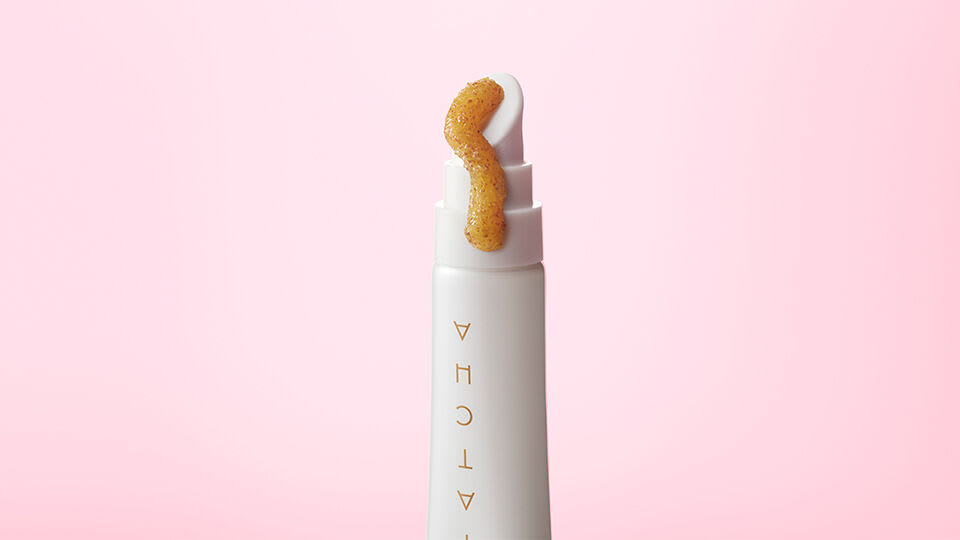
Lip scrubs can be almost-instant game changers for your lips—improving the look, volume, and hue in just 30 seconds. But not all lip exfoliators are alike—here’s what to look for in the best lip scrub. Chapped, flakey, rough, and dry lips? Blame harsh weather, extensive sun exposure, dehydration, and also your lips’ genetics. Not only is the skin on your lips thinner and more sensitive than the rest of your body (says the Cleveland Clinic), but it also doesn’t contain any oil glands so it cannot self-hydrate—making it the perfect recipe for dry and chapped lips. While lip balms and masks are a great—necessary—step in avoiding chapped lips, dryness can still occur even for the most diligent users. This is where a lip exfoliator (and it’s proper use) steps in to save the day (and your lips). The best lip scrub can help address the look of dry, chapped lips in just 30 seconds. The trick is finding the best lip exfoliator for you and then incorporating the product into a larger lip care routine. We dive into the best lip scrub for lips and how to effectively use one.What Is a Lip Scrub?A lip scrub is an exfoliating formula specifically made to be gentle enough on delicate lip skin but effective enough to remove dead skin cells. Almost all lip scrubs are composed of two ingredients: an exfoliant and an emollient. The physical exfoliant – which can be made from multiple sources including sugar, coffee grounds, ground fruit seeds, or other natural ingredients – buffs. While the emollient hydrates and softens lips, and the most common emollients are oils (like coconut, avocado, jojoba, and grapeseed) and butters (including shea, coconut, and cocoa). When the two base ingredients are combined, a lip scrub can accomplish several things, from the appearance to the health of the delicate lip area.A lip exfoliator buffs away flakiness and dryness, plain and simple. However, it can also have multiple other benefits, too, including:Helping Other Lip Products Apply BetterJust as a facial scrub clears away dead skin cells and debris, thus helping the following products absorb and work more efficiently, a lip scrub works similarly. Using a lip scrub can help your lip treatment, mask, or balm work even deeper and more effectively. Temporarily PlumpingA scrub can stimulate blood circulation to the lip area, giving lips a temporary plumped appearance. Plus, this additional blood flow can also give your pout a flushed appearance, temporarily mimicking the look of a lip tint.Smoother Lipstick Application Speaking of lip products, a lip scrub can help you achieve a more even lipstick (or lip tint, etc.) appearance. After all, dry lips can allow a lip tint or lipstick to settle into lines and cracks, so using a lip scrub before a colored lip product can create a perfect base for better-looking and longer-lasting resultsRemoving Stubborn Lip ProductsWhile all of the above benefits are great before a night on the town, a lip scrub can also be helpful in your evening lip care routine. Stubborn, long-lasting lipstick not budging? A lip scrub can work like a lip makeup remover, especially because it usually contains both an exfoliant and an oil component. It can work its way into every single line, crevice, and corner of lips to remove all obstinate lip products.How To Use a Lip ScrubAs we’ve discovered before, there is a proper—aka the safest and most beneficial—way to use a lip scrub. While using a scrub is a fairly simple process, there are a few tricks that take it to the next level. Follow this four-step process for how to use a lip scrub and achieve a perfect pout every time.Step One: Wet LipsThe friction of an exfoliant on dry lips can be too abrasive. So wet your lips first before applying your scrub to ensure a more gentle experience. While it might feel tempting to get the most intense scrub possible, wetting lips beforehand helps prevent ripping or tearing delicate dry skin.Step Two: Get Scrubbing Apply a generous amount (a pearl-sized is ideal) of your lip scrub and work in small circular motions, softly massaging the product into the skin with a finger. Some products even have an applicator that doubles as a massager to encourage this step. Aim for about 30 seconds of exfoliation for best results, working it into every inch of the lips.Step Three: RinseSome scrub formulas are so effective that they can be a bit burdensome to remove. To get the scrub quickly off, we recommend removing the product with a damp cloth in short, light strokes. Take care with this step as lips are in a fragile state, so aim for gentleness over quickness when removing a scrub from the skin.Step Four: Moisturize and ProtectThe skin has just been exfoliated, so lips crave moisture immediately after. Lock hydration in your freshly exfoliated lips by using your favorite lip balm, treatment, or mask. Is it still daytime? Add the additional step of a lip product with sunscreen protection, too—an often overlooked yet vital step.Best Lip Scrub IngredientsMost scrubs accomplish the same basics, but the best lip exfoliators can take the benefits to the next level. One way to ensure you have the best lip exfoliator for dry lips? Check the ingredient list to make sure your product is packed with the best ingredients for lip scrubs. That way the product isn’t too harsh that it could rip and tear the delicate skin, but also not too gentle that it accomplishes nothing. Here are a few ingredients to seek out when it comes to choosing the best lip scrub.Natural Exfoliants Look to nature and her infinite wisdom when it comes to correctly exfoliating. A formula that includes natural ingredients – like sugar, konjac scrub, and fruit seeds – is a great place to start. The added benefit is that many ingredients, like peach seed scrub, have been used for centuries to restore dry lips, meaning they are tried and tested.Soothing Oils and Butters An emollient is needed in a mask to cushion the scrub. While some formulas can use low-quality options, seek out a scrub that puts care into their emollient, like camellia oil or shea butter, which can soothe and linger long after the scrub is removed.While we’re talking about ingredients, what’s not in the formula is just as important as what is. Here are a few ingredients that are best to avoid. As always, a lip scrub should never be used on compromised, cracked, sunburnt, or bleeding skin and shouldn’t be used too often (which can cause even more irritation).Flavorings and FragranceFlavorings and fragrances can be irritating in a lip scrub. Scents and flavors, most commonly mint, citrus, and cinnamon, are still to be avoided in a lip scrub, just as they are in a lip balm. This is particularly important because the scrub is exfoliating lips, so we’re aiming for as gentle of a product as possible.Powerful Natural IngredientsEucalyptus, menthol, and camphor are powerful natural ingredients, but should absolutely be avoided in lip products. They can sometimes crop up in lip scrubs because of their ‘refreshing’ sensation – but they are far too harsh for the delicate area and will only cause discomfort and irritation with use on the lips.The Best Lip ScrubLip scrubs are potent: you can buff away roughness and reveal softer, more supple lips in just 30 seconds. Here is our favorite pick for the best lip scrub for your precious pout.The Kissu Lip Scrub There are many worthy lip scrubs on the market, but we’re especially partial to a brand-new option. Meet The Kissu Lip Scrub, Tatcha’s first foray into lip scrubs. We were inspired by ancient Japanese practices, harnessing the power of timeless natural ingredients to create a simple daily ritual that polishes, plumps, and protects lips. The Kissu Lip Scrub gently scrubs with two exfoliating ingredients: konjac and peach seed. Konjac refines and smooths skin for a brighter appearance, while peach seed removes flakes for more hydrated and refined lips. When it comes to the emollient, we selected one of the most extraordinary and treasured ingredients available, and one that’s a Tatcha signature, too: Japanese camellia oil. The intensely hydrating oil seals in moisture, while also soothing tired lips. Together, The Kissu Lip Scrub effectively sloughs away flakiness and removes dullness while sealing in moisture for smooth, supple lips.Now that you’ve discovered the best lip scrub, that’s just the beginning of your lip care journey. To ensure you eradicate dry, chapped lips for good, follow this step up with a lip treatment, lip balm or mask, and lip SPF. Put the care back into your lip care routine.