







T-House

How to Exfoliate Your Lips - And What to Use
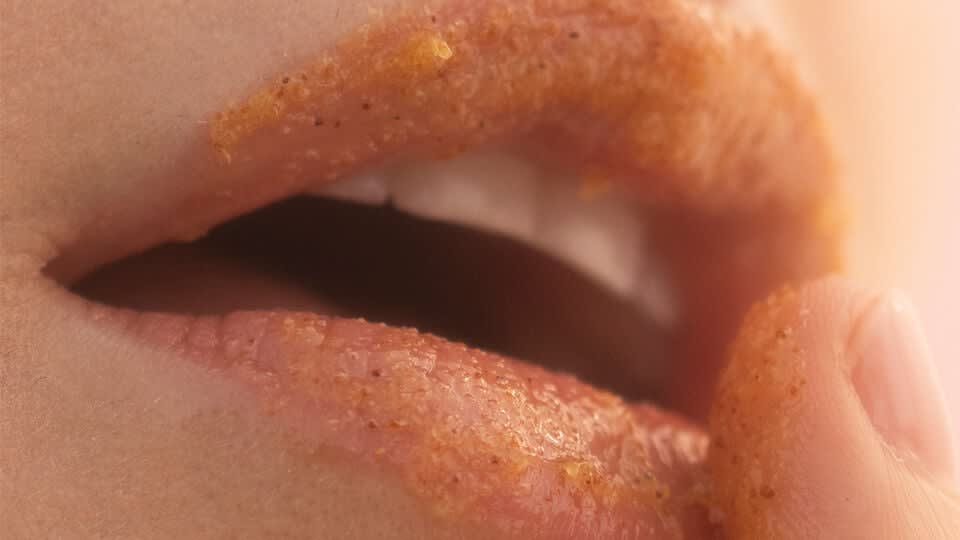
We exfoliate our skin to help purge dead skin cells, clearing the way for healthy skin. But when it comes to the skin on our lips, the question of how to exfoliate becomes a little trickier. Exfoliation and moisturization are uniquely important when it comes to caring for the skin on your lips, which may require more skincare attention than the skin elsewhere on your body. But exfoliating your lips isn’t just good for the skin: It can also help you better apply common makeup products, like lip tints. This guide will not only share recommendations for the best lip exfoliant, but also information on how to exfoliate lips (and how often, too). About the Skin On Your Lips Part of skin’s form and function is as a protective layer, so it makes sense that it would be exposed to the elements—and its own mechanisms for supporting its own health, longevity, and continued renewal. But the skin on our lips is more exposed than we think. In addition to all of the things we use our lips for, they provide a border between the inner and outer linings of our bodies. Unlike the skin elsewhere on our faces and bodies, the skin on lips is also a fraction of the thickness—four or five cell layers, as opposed to the 15 or more on our cheeks. Lips also don’t produce oil, due to a lack of sebaceous glands. This means that our lips can’t moisturize themselves, relying on us—and our trusty lip balms—to do the job when we can. Everybody is familiar with what happens when lips become dry. The skin can be quick to turn flaky and scaly; they can become pale and rough in texture. Lips are also resilient, and regenerative: Beneath even rough, chapped lips, is always new and healthy skin. In order to get to it, you’ll need to exfoliate. What Are Lip Exfoliators? Lip exfoliators are lip care formulas made to effectively remove dead skin cells but still be gentle on the delicate lip skin. Types of Lip Exfoliators The current skincare market has developed to provide a range of options when choosing an exfoliant. Some exfoliants utilize fine particles and friction, while others rely on acids that dissolve bonds between old and new cells; some facialists also use fine blades to “mechanically” exfoliate dead skin. Most exfoliants, but particularly ones for lips, fall into one of two categories. Chemical Lip Exfoliants Chemical exfoliants may also be known as acids, or peels, because of their primary active ingredients: Acidic molecules designed to encourage gentle cell turnover. Alpha hydroxy acid is one such molecule, commonly dusted into all sorts of chemical exfoliants, from masks to toners. These acids are understood to dissolve the bonds between dead and living cells, leaving fresh, glowing skin behind. Physical Lip Exfoliants Physical exfoliants tend to be made by suspending small particles in a product matrix, and skincare scrubs are a common example. The friction caused by massaging these particles into skin helps remove dead skin and build-up. While chemical exfoliants are popular for all sorts of face and body products, most lip exfoliators tend to be finely-milled, gentle scrubs, given the relative fragility of lips. When you exfoliate your lips, odds are you’ll reach for—or be recommended—a lip scrub. How to Exfoliate Your Lips Maybe your lips just need some weekly maintenance, or maybe they’re chapped and are in dire need of a clearing. In any case, there’s an order of operations you’ll want to follow for the best results. Below you’ll find a step-by-step guide enumerating how to exfoliate your lips. Cleanse & Pat Dry The first step for lip skincare—or any skincare—involves a good, gentle cleanse. Using your preferred face wash, make sure your lips are free of makeup or other build-up, and then pat dry. Scrub Your Lips (Gently) It’s time to use your lip scrub. After wetting your lips, apply a pearl-sized amount of lip scrub and work in small circular motions, softly massaging the product into the skin with a finger. 30 seconds of exfoliation is all you need for best results. If lips get a little tingly or numb, it’s part of the process. (If you feel any lip-related pain, make sure to stop scrubbing and talk to your dermatologist.) If you need a little extra pressure, a dry toothbrush or washcloth may help the process along. Rinse Well Lips can be rinsed as soon as you’re done scrubbing—and should look a little brighter and more colorful than when you began. Moisturize & Treat Remember what we said about exfoliation and moisturization going hand in hand? If you do, you probably saw this step coming: You can finish your lip routine by sealing the new skin in a layer of balm or other moisturizer (and can even add a lip treatment like a serum beforehand for extra hydration). Benefits of Exfoliating Your Lips There are a few important reasons why you should exfoliate your lips, including: Improves moisture retention The best benefit of exfoliating lips is how it maximizes the other skincare steps you take. By clearing away dead skin, it makes it easier for products like lip balm to hydrate lips and seal in moisture. Primes Them for Lipstick If you’ve ever worn lipstick on dry lips, you know that it might as well be a futile task. Regular exfoliation helps to ensure a smooth surface on which to paint. (Your favorite lip color will thank you!) Maintains lip health You can go your whole life without exfoliating your lips, but it might be uncomfortable. Dry, unexfoliated lips can harden until they begin to crack and open up, increasing the potential for infection. How Often to Exfoliate Lips An exfoliation session can last as little as half a minute, but how many times can you repeat the process throughout the week? The surface of the lips can build up with dead skin faster than skin elsewhere on the body, especially if you live in a dry climate or have lips prone to chapping. Still, experts recommend limiting lip exfoliation to once or twice a week to ensure you’re not damaging the surface of lips. They may require a little extra TLC, but they’re still a sensitive area. You can also help show them love by choosing an exfoliant that’s effective, but easy on skin. The Best Lip Exfoliating Scrub Given how delicate the skin on lips can be, it’s good to choose a lip exfoliator that you know will get the job as gently as possible. This can be a challenge when it comes to scrubs, which are often intended to pack more punch than your average skincare. But one way to choose a great lip exfoliant is to look within brands and collections that are already known for their superior lip care, and see what kind of exfoliants they offer. Tatcha’s Kissu lip lineup recently welcomed a newcomer: the Kissu Lip Scrub, a gently effective exfoliant that buffs, nourishes, and conditions in one step. True to the brand’s inspiration of using time-tested Japanese botanicals, the exfoliating agent itself comes in part from konjac, a root vegetable native to Japan and commonly used in medicine and cuisine, and in part from peach seeds. They meet in a base made with camellia oil, a featherweight moisturizer prized by geisha performers for centuries. Follow it up with the complementary Kissu Lip serum and lip mask for smooth, exfoliated, moisturized lips at all hours—day and night.
The Many Benefits of Lip Scrub
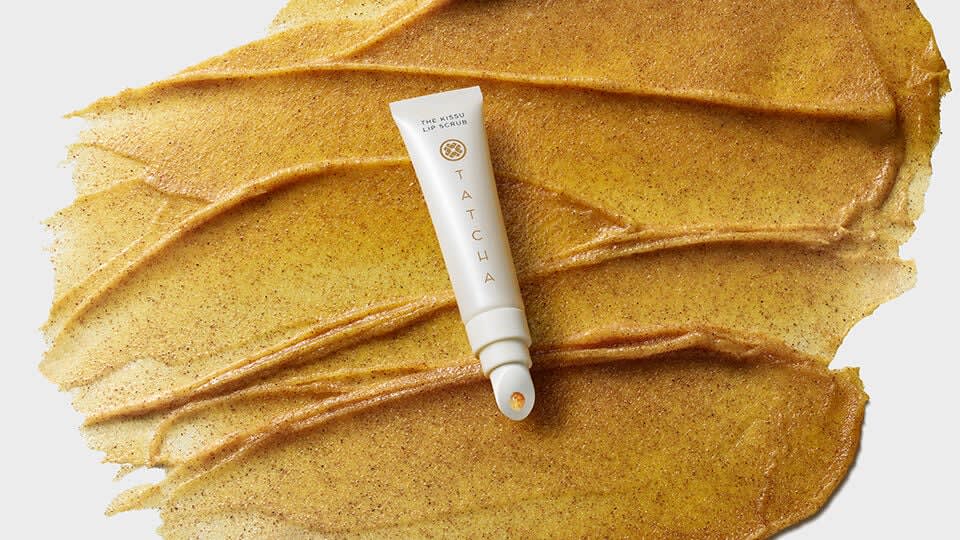
The benefits of lip scrub are undersung compared to their balmier cousins, but no skincare formula can refresh and revitalize lips quite like these physically exfoliating formulas. We have scrubbed our skin for centuries. Evidence abounds that ancient cultures, like the Egyptians, used ground up materials from seeds to stones suspended in oils and lotions to smooth and resurface their skin. In this light, our tendency to scrub our skin today dates back to the bathing rituals of African princesses. The royal treatment, indeed.As time has worn on, scrub technology has only become more sophisticated—not to mention widespread. Hundreds of years before today, and hundreds of years after Ancient Egypt, geisha performers in Japan had to be trained in the arts of makeup and skincare as a part of their greater vocation. Their goal was mochi hada, or superlatively soft and clear skin. They maintained mochi hada by regularly purifying their skin after melting off their stage makeup—a technique we might call a “double-cleanse” today was in fact their standard. First, a light and lovely oil lifted off makeup; then, a fine powder of rice bran exfoliated the skin’s top layer.We scrub our bodies to keep them clear of dead skin, and we scrub our faces to rinse out and refine pores, and these two kinds of scrubs are formulated differently for the area they treat. There’s also a third kind of scrub, made just for the skin surrounding our mouths. They’re called lip scrubs, and their benefits extend beyond merely exfoliating the lips. They also prime for makeup, assist with hydration and moisturization, and are specially designed for delicate lip skin—which is unlike any other skin on our bodies. What is a lip scrub?A lip scrub is a physical exfoliant made with fine granules suspended in a solid matrix. When applied to lips, the friction from these particles removes dead skin gently.Exfoliants typically come in one of two categories, chemical or physical. Chemical exfoliants utilize acidic molecules designed to encourage gentle cell turnover by dissolve the bonds between dead and living cells. For this reason, they’re sometimes called acids, or peels. Alpha hydroxy acid is a popular active ingredient in chemical exfoliants.But whereas chemical exfoliants are popular for face and body skincare formulas, they’re not so commonly used to exfoliate the lips, which require a gentler approach. The skin on our lips is much thinner than that on the rest of us. On our cheeks, for example, we have a thick stratum corneum made up of dead skin that protects the inner epidermis and dermis from the environment, but this layer is quite thin on the lips. This is in part why our lips have a natural tint to them; the thin skin offers a glimpse of the blood vessels that lie below.Enter the lip scrub, a physical exfoliant made for lip skin. Distinct from their Chemical counterparts, physical exfoliants use particles instead of acids to resurface skin, and exfoliating scrubs are the best-known example of this category.Why do I need a lip scrub?Lip scrubs are essential for clearing away build-up and dead skin cells, helping to reveal fresh lip skin below.According to popular thought, there are two basic elements of a skincare routine: Cleanser and moisturizer. An exfoliant is often left off this list, or only prescribed to specific skin types. But there’s an argument to be made for an exfoliant being a critical part of any skincare routine. Not only does exfoliation perform a task that cleansers or moisturizers cannot—the clearing away of dead skin—but when used correctly, the step can improve the efficacy of your routine’s other steps, too. There’s another argument to be made that exfoliating the lips is extra critical, thanks to another unique trait of the lip’s skin: A complete lack of sebaceous glands. These glands help our skin self-moisturize on its own. Without them, our lips tend to dry out faster than the skin elsewhere on our bodies. This is why many people carry lip balms with them, especially in drier times and climes. When lips get too dry, and dead skin builds up, they can become chapped lips.Lip scrubs are essential for clearing away build-up to reveal fresh skin below. By removing this interference, they also ensure that other products, like lip serums or balms, are able to reach the lip skin and do their job. This is one of the benefits of lip scrubs: That they improve the efficacy of moisturizers. But there are other lip scrub benefits, too. The benefits of lip scrubA lip balm can do a lot for helping lips feel better, especially when they’re dry, rough, or chapped. But there’s only one solution that can actually refresh and restore lip skin: The lip scrub. Here are 4 of its benefits:1. More hydrated lips. One of the best benefits of lip scrubs is how they maximize the other skincare steps you take. Only when dead skin is removed can a lip serum or balm work to the best of its ability.2. Better makeup application. Applying lipstick to unexfoliated lips is a bit like applying paint to an unprimed wall. It’s not impossible, but the finish may not be exactly what you—or the lipstick itself—intended. Lips that are scrubbed smooth are much easier to layer with color, and ensure better payoff and longer wear.3. Good oral health. All this talk about when lips are exfoliated obscures what happens when they go un-exfoliated: Skin can get so dry and rough that it begins to crack open, increasing the possibility for infections of the skin or mouth. Keeping lips soft, elastic, exfoliated and moisturized minimizes this possibility.4. Gorgeous lips over time. There is evidence to suggest that regular, gentle lip exfoliation improves lip circulation and the health of the skin surrounding the lips, leading them to look better, brighter, and more radiant over time. Some say that consistent scrubbing has even improved the look of fine lines and wrinkles around the lips.The best lip scrub with benefitsWhen it comes to lip exfoliation, one word cannot be repeated enough: Gently. Embracing a gentle skincare routine with gentle exfoliation is key. Exfoliating skin too harshly anywhere can cause the skin barrier to weaken and welcome other issues, but this rule takes on new urgency for the lips, which are too delicate and prone to breaking. With this in mind, the best lip scrub is one that won’t damage your lips, and will be enjoyable enough for you to use regularly. Along with the Kissu Lip Serum and mask, the scrub creates a quick and lovely ritual for smooth, soft lips, and a little bit of everyday decadence; from African princesses, to geisha performers, to you.

How to Heal Chapped Lips
Chap happens. Throughout our lives, and regardless of our skin type, our skin may be prone to dryness in some areas, especially in arid climes or winter times. Dryness doesn’t always mean a lack of hydration in the skin, but usually refers to our skin barrier, that outermost layer of the cutaneous system tasked with keeping necessary moisture inside the skin, and minimizing water loss in the process. Everybody has had dry skin, and seen the many expressions it can take on, from redness to flakiness to scaliness. On certain areas of the body, skin’s texture is different, and shows dryness in varied ways. Take the skin on your lips. Unlike elsewhere on your face, the skin on your lips is poreless and lacks the sebaceous glands that help skin self-moisturize. This, along with the constant use of our lips—to eat, to speak, to kiss, to breathe—makes them dry fast. This leads to chapped lips, which is what we tend to call lips that have dried out to the point of flaking, hardening, and lightening in color. Chapped lips aren’t just dry, they’re inflamed. Chapped lips, also known as cheilitis, come in many different forms, and some of them are treated differently than others. Many can be solved in part by adopting a lip balm or mask. But you may be surprised to learn that there are a few other ways to heal chapped lips, too. What Are Chapped Lips? Lips that are dry and cracked are chapped, according to the American Academy of Dermatology Association. The skin on our cheeks may secrete sebum, a waxy substance we often liken to oil, in order to shore up the mortar-like binding between dead skin cells that make up our skin barrier. But without sebaceous glands, lips can’t automatically self-moisturize, leaving the task to us. There is evidence all over the historical record that chapped lips have been a source of frustration—and a locus for moisturization—for at least centuries. Some say that the ancient Egyptians, those cosmetic pioneers, used beeswax for lip balm. Others cite the appearance of lip ointments in 16th-century English texts that describe different ingredients or an “odiferous and sweet smelling grease that keeps the lips and hands from chinks and chaps.” Only in the past century or so have Chapstick, named for a petrolatum-based wax invented by an American, and similar balms been the go-to topical formulas for chapped lips. But chapping doesn’t always just mean everyday dry lips. There can be a number of reasons your lips are chapped, beyond a simple lack of sebum. What Causes Chapped Lips? Chapped lips can be caused by a variety of external and internal factors, from where you’re located to what you’re doing. A few common causes of chapping include: Weather. A common culprit of chapped lips, the weather and climate can influence moisture levels in skin, which is why it’s not uncommon to consider a lip routine that applies more moisture than usual. If you’re a traveler, dry climates—or the plane rides it takes to get to them — can also dry out lips. Sun damage. Every skincare devotee knows about the effects of sun on skin, and the risk applies to lips, too. The American Academy of Oral Medicine warns of solar cheilitis, or a premalignant degenerative condition of the lip’s skin tissue, as a particularly severe example of UV-induced chapping. It’s relatively rare, but another good reason to apply SPF everyday and everywhere, including on lips. Topical irritation. Dry, flaky skin anywhere can be a sign of irritation, and the same is true of our lips. Contact dermatitis (or eczema) and allergic reactions from products can cause lips to become chapped. Some medications, like oral Accutane, can also cause chapping as a side effect. If you notice your lips becoming chapped in response to certain products, alert your dermatologist before you go solving it for yourself. Infection. The Cleveland Clinic lists a few common types of chapped lips, including two caused by infections: Angular cheilitis, which is caused by a fungus, and infective cheilitis, caused by a virus or bacteria. (Herpes simplex is one example.) These cases tend to look a little more serious than regular chapping, and require a dermatologist’s advice to effectively care for. Personal behaviors. Notice that you nervously lick your lips? Or do you have a job that requires frequent lip use, like a translator or reed player? These sorts of occupational hazards may contribute to dryness—and may necessitate a lip balm on hand. How to Heal Chapped Lips The best way to heal chapped lips is to prevent them from chapping in the first place. If it’s too late for that, a lip treatment can provide a seal of moisture over lip skin, and is one of the surest ways to prevent chapped lips. But it’s not the only way to care for or heal chapped lips. Here are a couple other considerations that can deliver you to soft, supple lips: Stay Hydrated There is some debate on if water consumption truly helps hydrate or moisturize the skin, and the jury is still out. Some experts say it doesn’t matter, even as organizations like the American Academy of Dermatology Association specifically recommend increased water intake for chapped lips. While a tall glass of water, or even a gallon, is unlikely to take your lips from chapped to not, it’s always a good idea to maintain hydration, especially when dry skin is present. It can only help. Gently Exfoliate Just as we exfoliate the skin elsewhere on our face and body, making use of a lip scrub can help clear away the dead skin and bio-debris that builds up on lips. Not only does gentle lip exfoliation smooth out and resurface lip skin, but it also makes it easier for lip balms or other moisturizers to work better, unimpeded by chapping. Keep Lip Service to a Minimum It’s a tic that follows us from our first years and well into adulthood: The need to put things in our mouth. If you find yourself absent-mindedly gnawing on pen caps, nails, or anything at all, the fact that it's contributing to your chapped lips may help you kick the habit. Moisturize A lip balm or a topical emollient provides a seal of moisture over lip skin, and is one of the surest ways to keep chapped lips at bay. But gone are the days of simple balms. The best lip balms not only moisturize but also provide other lip care benefits, from sun protection to superpowered ingredients. Talk to Your Dermatologist Dry lips are easy enough to diagnose on their own, but chapped lips come in many different causes. How do you distinguish between a fungal infection and too much sun exposure? If you can’t answer that question with confidence, it’s a good idea to consult your dermatologist on what you can do to moisturize your lips, especially if they’re chronically dry or chapped, or get drier in response to certain product or environmental stimuli. Moisturizers for Healing Chapped Lips For Day: Protect With Lip SPF One popular type of lip balm is the lip tint, which, as the name suggests, adds color to lips in addition to moisturizing them. Not all lip tints are lip balms—some are oils, or serums, or are more makeup than skincare altogether—which is why it’s critical to find a lip tint with moisturizing power. The main ingredients in The Kissu Lip Tint include silk protein and botanical lanolin to form a moisture seal, and the tint comes in a wardrobe of wearable shades, from a bright pink to a jammy berry. Best of all, it provides SPF 25 sun protection to lips, making it perfect for all-day wear. For Night: Treat With a Lip Mask You can think of lip masks just as you might face masks: These thicker formulas offer more moisture than their everyday counterparts. Tatcha’s best-selling overnight balm, The Kissu Lip Mask supercharges lips with moisture with a combination of Japanese botanicals, like juicy peach extract, and tried-and-true powerhouses like natural squalane, one of the most effective emollients used in contemporary skincare. For Both: Seal In Moisture With Lip Balm Our Japanese skincare is endlessly inspired by time-tested botanical ingredients, and some are incorporated across multiple categories. Camellia oil is one such ingredient: This centuries-old botanical has long been revered for its moisture-sealing powers and its featherweight texture. It’s used in our best-selling oil cleanser, but finds its way into other formulas, like The Camellia Gold Spun Lip Balm—an actual pot of gold, for your lips, thanks to a dusting of 23-karat gold flakes. A floral softness paired with a metallic shimmer for radiant lips that feel happy, healthy, and hydrated—all day and night.
The Best Face Polish for Radiant Skin
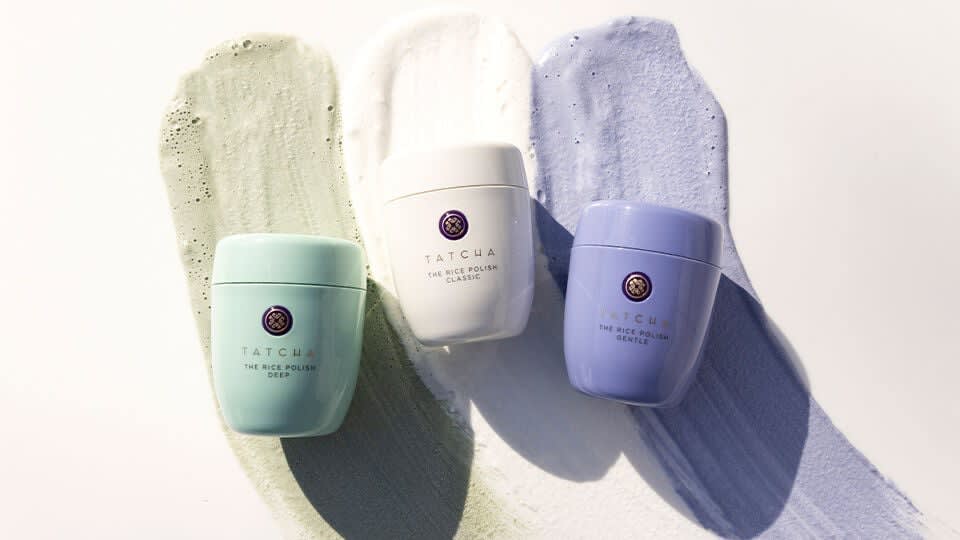
You cleanse, you moisturize, you protect—but do you polish? Polishing skin might sound like some frivolous modern invention, but its roots go back centuries. But what is a face polish? And why does it differ from toners or liquid exfoliators, face scrubs, and standard physical exfoliation? We explore both of those questions and also discover the best face polish for your skin type. What Is Face Polish? Composed of delicate, yet powerful ingredients, a face polish promotes natural skin turnover. It is classified as a ‘non-abrasive exfoliator’—meaning it improves the texture, radiance, softness, and appearance of skin, but doesn’t strip the face of essential moisture or disrupt the delicate skin barrier. How does face polish differ from your everyday, run-of-the-mill drugstore exfoliant? While face polishes provide a form of exfoliation, they are intentionally crafted to be gentle enough for everyday use. Some of our beloved Japanese exfoliants, while gentle, may not be ideal for all skin types for everyday use, but individuals with oily skin will likely love the feeling of an exfoliant daily. And many standard drugstore exfoliants contain harsh abrasives that make them only appropriate for weekly use. The benefit of daily non-abrasive exfoliation is that they transform the texture and tone of skin, without the irritation and redness associated with more harsh exfoliating formulas. The Heritage of Face Polish Face polishes are at the core of Tatcha’s heritage, but also of Japan’s. As our founder Vicky Tsai wrote in her bestselling book Pure Skin, “Years ago, on a trip to Kyoto, I serendipitously discovered the classical skin polish that transformed the tone and texture of my skin…As I browsed the narrow aisles, geisha came in and shopped with purpose. They knew exactly what they needed and I watched many of them pick up strawberry-sized pouches of powder, tucked between rows of lacquer-handled lip brushes and sleek pots of pigment. I had to know more about these dainty satchels. A geisha explained to me that they were filled with finely milled rice powder for exfoliating the skin. Intrigued, I bought a few.” “That night, once I rinsed away the powder, I was amazed by my skin’s glow and newborn-like feel. In that moment, I realized that the luminous visage I sought with makeup, prescription topical ointments, and other treatments could be achieved with a commonplace and often overlooked ingredient like rice.” And the rest, as they say, is history. This fateful interaction with a rice-based face polish led to Tatcha’s modernized version, which has sold countless jars and won numerous awards. One through line from these ancient Japanese face polishes and Tatcha’s modern iterations is Japanese rice bran, also known as komenuka. When activated with water, rice powder not only decongests the pores, but also brightens, softens, and enables skin to better absorb the next steps in your ritual. “Many conventional Western exfoliants contain seeds, salt, or ground shells that can tear and tug at the skin—even weekly use can cause irritation,” notes Tsai. However, face polishes with rice powder are beloved because they can be used every day without stripping or pulling at the skin. Instead, the foam delicately removes the dead skin cells that make your complexion appear dull. Rice bran plays a big part in this delicate dance between gentleness and effectiveness. Tatcha’s rice powder is especially beneficial, as it uses a special milling process to grind it extremely finely so it gently exfoliates, softens, and smoothes skin. How to Choose a Face Polish Individuals in Japan care for their skin with a mindful ritual that is as elegant as it is simple, delicately polishing their skin to a jewel-like luster daily. Mimic this practice at home with Tatcha’s variety of face polishes, each perfected for your specific skin type. The Rice Polish The Rice Polish is a water-activated exfoliant made with Japanese ingredients that transforms into a creamy, cloud-like foam. Finely ground rice bran and papaya enzymes promote natural skin turnover, leaving the skin soft and supple. The formula is also boosted with Tatcha’s proprietary Hadasei-3, a trio of fermented Japanese superfoods - green tea, rice, and algae - that help restore healthy-looking radiance. In consumer studies, 100 percent of users showed an immediate improvement in skin texture, radiance, softness, and the appearance of pores.* 100 percent of consumers also showed an immediate improvement in hydration, as well.** Classic Rice Polish: Silk proteins condition and nourish, making the Classic formula ideal for combination to dry skin. Calming Rice Polish: Natural Japanese indigo soothes visible irritation, and is perfect for exfoliating sensitive and mature skin. This formula is made without papaya enzymes to make it extra gentle. Deep Rice Polish: Wild rose helps tighten the look of pores and clarify skin, making it a great fit for exfoliating combination to oily skin. Gentle Rice Polish: Licorice root extract prevents flakiness and tightness, and is great for exfoliating dry skin. How to Use a Face Polish Now that you understand the magical properties of face polish, here’s how you best use them. Cleanse with a cleanser chosen to match your skin type Exfoliate with a face polish Hydrate with an essence and serum (if using) and the best moisturizer for your skin type Polish after cleansing, as it will make following treatments more effective and able to target dead skin cells more efficiently. While a polish can be used daily—either in the morning or evening—listen to your skin and assess how it feels after the creamy exfoliant. Ensure you’re taking enough time and care when using a face polish, too. Wet your palms and splash a handful of warm water onto your face. Pour approximately half a teaspoon of powder (the size of a small coin) into one hand and gently rub your palms together to create a creamy, luxurious foam. Massage gently with your fingertips onto your face in circular motions for 10 to 20 seconds, avoiding the eyes. Rinse well and pat your skin dry with a soft face cloth. Face polish has come into popularity in modern years with the rapid rise of the double cleanse, also known as The Kyoto Cleanse. This two-step protocol, originally favored by geisha for centuries and now popularized throughout the world, purifies with a cleansing oil and polishes with an enzyme powder (aka face polish). The two steps remove surface impurities, sunscreen, and makeup, but also unclog pores and prep skin for hydration. If using the double cleanse method, it’s best at nighttime only. While high-tech skincare regimes are wildly popular, sometimes it’s nice – and best – to go back to the basics. At Tatcha, we believe in embracing heritage, and few formulas are as steeped in Japanese history than face polish. Consider turning back time—both on the appearance of your skin and your skincare rituals with The Rice Polish. *Based on a clinical study of 25 women after a single use of The Rice Polish: Classic. **Based on a bio instrumentation study conducted on 25 people after using The Rice Polish: Classic.
The Benefits of Exfoliating: Why Exfoliation Is So Important
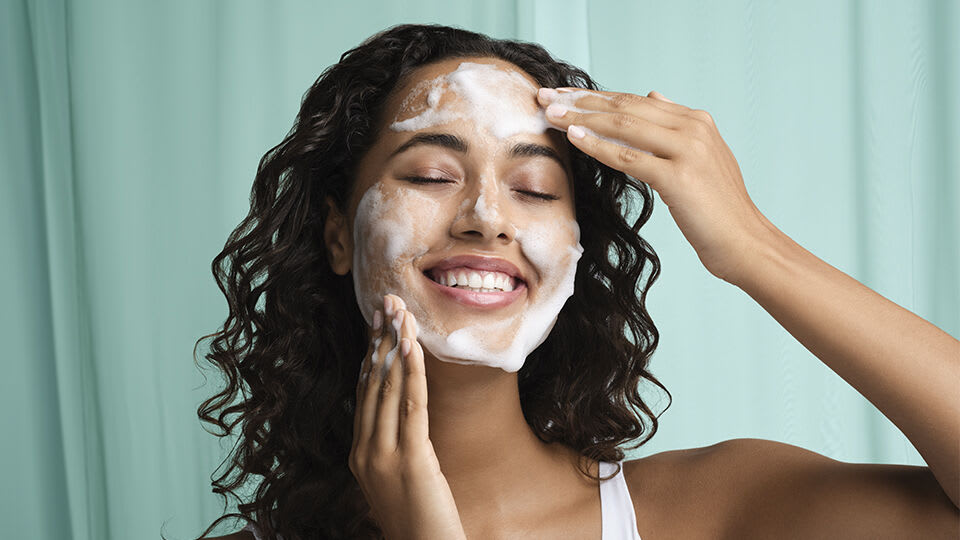
Exfoliation was once a niche topic, whispered about in hushed tones by those strictly in the know. But today, exfoliation has gone mainstream. However, it’s also been on a rollercoaster of popularity. From the rise of ‘90s harsh, walnut-based scrubs (and its notable backlash) to the subsequent rise of chemical exfoliants, exfoliation has finally hit its stride. Why? Because of the formulation of the best Japanese facial exfoliators that actually work, plain and simple. The benefits of exfoliating are significant, clinically proven, and game-changing. We uncover exactly what exfoliation can do for your skin and how to start incorporating it into your daily skincare routine today. The Importance Of Exfoliation Precisely why does everyone adore exfoliation? Before we dive into every single way the step can benefit the skin, let’s first define it. Exfoliating is the process of removing dead skin cells from the surface of your skin using a chemical or physical exfoliant. Chemical exfoliants are acids that dissolve the bonds that hold dead skin cells together. The most common types of chemical exfoliants are AHA, BHA, and PHA. Physical exfoliants, or exfoliating scrubs, mechanically buff off dead skin cells. They often contain, as the name suggests, physical ingredients, like sugars or rice bran, to buff skin. Using Japanese beauty tools, such as a silk washcloth or brush, also count as a physical exfoliant, too. Exfoliating Benefits The benefits of exfoliation run deep. When you exfoliate your skin, the process of desquamation—aka your skin’s natural exfoliation process—accelerates. By using an exfoliant to remove the dulling, dead skin cells, you remove the stubborn outer layer, thus allowing for a bevy of benefits. Here are all the proven benefits of exfoliating. Softer, Smoother Skin As we age, it’s been shown that the epidermal cellular turnover rate slows down, resulting in a buildup of dead skin cells and giving the skin an appearance of roughness, dryness, enlarged pores, and dullness. Sloughing off dull and rough skin via exfoliation promotes cellular renewal, notes one academic paper. This process naturally promotes softer, smoother, and even more “translucent” looking skin. Increased Hydration Aggressive exfoliation can damage the skin and its barrier. But thoughtful exfoliation actually can increase the skin’s hydration levels. Some exfoliants can even help to strengthen the skin’s barrier function altogether. Reduction of Fine Lines and Wrinkles It’s been shown that exfoliation can help reduce the appearance of fine lines and wrinkles, too. Not only by eliminating layers of dead skin cells for a more rejuvenated appearance, but chemical exfoliants can stimulate elastin and collagen production, helping to stave off the appearance of fine lines and wrinkles. Brightening Exfoliation has been linked with an overall brighter complexion and a reduction of hyperpigmentation, but has even shown promise in more stubborn cases of melasma and post-inflammatory hyperpigmentation. Studies have linked chemical exfoliation with an “improvement” and perhaps even complete reduction of both melasma and PIH in some cases (although more studies are needed for more severe cases). Decreased Blemishes Chemical exfoliation has especially shown benefits for unclogging pores and addressing blemishes. Many studies have noted that these exfoliants are “very effective” when used in skincare routines that clear acne. This is in part because some research demonstrates certain chemical exfoliants can weaken acne-causing bacteria by disrupting bacterial cell membranes. More Effective Skincare Routine If all of these benefits weren’t impressive enough, exfoliation also helps the active ingredients in the rest of your skincare routine to work more efficiently and penetrate the skin more deeply. This is because it clears away the debris and dead skin cells, allowing the formulas to be more readily absorbed. Exfoliation 101 These exfoliation results are deeply impressive, but can only be achieved after learning how to exfoliate your face responsibly. The American Academy of Dermatology has a few tips to keep in mind before reaching for your exfoliant. Assess Your Skincare Some medications and products don’t interact well with exfoliating, leading to skin sensitivity, dryness, and irritation. The AAD specifically flags prescription retinoid creams and products containing retinol or benzoyl peroxide as products that can interfere with exfoliants. Check with your dermatologist to be safe and consider switching to a retinol-alternative. We discovered that plant-based retinol alternatives, like upcycled cranberry extract and sea fennel found in The Silk Serum, can act on the same factors as retinol to support natural skin turnover and give the look of collagen-rich skin—without the irritation and negative product interaction. Consider Your Skin Type Consider your skin type first and foremost. With that knowledge, the AAD suggests selecting the best exfoliant for your skin’s individual needs. A skincare routine for dry or sensitive skin should include a mild exfoliant or just a simple tool, like a washcloth. A skincare routine for oily skin could include chemical or physical exfoliants. However, no matter your skin type, be gentle. Apply the product as instructed on the packaging and never exfoliate if skin is irritated, sunburned, or wounded. The best skincare routine for sunburned skin includes an exfoliation step later, when the skin has healed. And be careful not to over-exfoliate, as this could lead to skin that is red and irritated. Follow with Moisturizer Exfoliating is beneficial, but certain formulas can also be drying to the skin. The AAD recommends choosing the right moisturizer for your skin type and applying it immediately after exfoliating to keep the skin healthy and hydrated. Best Exfoliating Products If your exfoliant interest is piqued, here are the best products that provide the most impressive exfoliating benefits. Best Chemical Exfoliant The Texture Tonic Tatcha’s liquid exfoliant, The Texture Tonic, is a game-changing chemical exfoliant suitable for most skin types. The AHA-powered formula is gentle enough to be used daily and offers more benefits than a simple toner. But that doesn’t mean it’s not effective: It’s specifically formulated to reduce excess oil and sebum, while also improving skin’s moisture levels. The formula has niacinamide and Japanese mugwort to reduce the look of discoloration, while also calming the skin, reducing redness and irritation. Best Physical Exfoliant The Rice Polish This water-activated physical exfoliant with Japanese ingredients transforms into a creamy, cloud-like foam. Finely ground rice bran and papaya enzymes promote natural skin turnover, leaving the skin soft and supple. The formula is also boosted with Tatcha’s proprietary Hadasei-3, a trio of fermented Japanese superfoods – green tea, rice, and algae – that help restore healthy-looking radiance. In consumer studies, 100 percent of users showed an immediate improvement in skin texture, radiance, softness, and the appearance of pores.* 100 percent of consumers also showed an immediate improvement in hydration, as well.** There’s also a variety of Rice Polish options available, customized for your specific skin type. The Classic Rice Polish is ideal for combination to dry skin. The Calming Rice Polish is perfect for exfoliating sensitive skin. The Deep Rice Polish is a great fit for exfoliating combination to oily skin. And the Gentle Rice Polish is ideal for dry to mature skin. Best Exfoliating Face Wash The Matcha Cleanse This daily clarifying gel cleanser decongests pores without stripping skin, while also rebalancing skin’s natural oil production for smoother skin and reduced makeup slip-off. The refreshing watery-foam formula includes premium Kyo-matcha (sourced directly from the famed Uji region in Kyoto), powerhouse coix seed (used in herbal medicines for centuries to purify pores), BHA-alternative willow bark (to provide gentle chemical exfoliation) and Japanese mugwort (to support & repair skin barrier function). The benefits of exfoliating are deeply impressive. If you missed it, chemical exfoliants help to brighten the surface of the skin, eliminate dead skin cells, and curb excess oil for most skin types, while physical exfoliation stimulates collagen production, unveiling smoother skin, and creating a luminous, healthy glow. No matter what exfoliant you use, consider starting thoughtfully and carefully to ensure your skin remains as healthy as possible. *Based on a clinical study of 25 women after a single use of The Rice Polish: Classic. **Based on a bio instrumentation study conducted on 25 people after using The Rice Polish: Classic.

The Best Chemical Exfoliants for Your Skin Type
Choosing the right chemical exfoliants isn’t one-size-fits-all; your perfect formula depends on your skin type. In this quick guide, you’ll learn how AHAs, BHAs, and PHAs work, which acid suits each skin type best, and how to work exfoliation safely into your routine for smoother, brighter results. There are just a few steps that make up the best skincare routine, which begins with cleansing, continues with exfoliation, and ends with moisturizing. As simple as it sounds, figuring out the product regimen that works best for you is another matter entirely.Skincare differs widely, because skin differs widely. Each of us has a unique skin type that is a combination of our genetics, our environments, and day-to-day choices like our beauty product diet. These skin types may have similar needs—moisturizing your face is essential to reducing transepidermal water loss whether your skin is oily or dry—but often respond best to different formulas. This is one of the reasons that people with dry faces love oil-based cleansers that wash their skin without stealing away necessary moisture, but those with oily faces may want a squeakier clean. It comes down to preferences, and the natural properties of your skin.Chemical exfoliation can be particularly tricky step. This deeper clean, which probably occurs less frequently than face washing, helps speed up the skin’s own renewal process by purging away dead skin and build-up. There are a few ways in which chemical exfoliation can occur, and some products are gentler or harsher than others. If you’re looking to incorporate chemical exfoliation into your routine, it’s a good idea to chat with your dermatologist or licensed aesthetician first. But the following guide can help you understand how certain skin properties affect exfoliation—and choose the best chemical exfoliant for your skin type. Why We ExfoliateWhere cleansing provides a wash, exfoliation provides a purge. These skincare products employ ingredients from acids to granules that have shown to help break the bonds between healthy skin cells and dead ones. The American Academy of Dermatology Association defines exfoliation as “the process of removing dead skin cells from the outer layer of your skin.” Sometimes, we can see the benefits of exfoliation immediately after application—our skin looks extra glowy, and feels superlatively smooth to the touch.But even as some skincare enthusiasts recommend exfoliation, it’s important to exercise caution; too much exfoliation is not a good thing. Skin is good at renewing itself on its own, and doesn’t always need the extra encouragement. At the same time, when exfoliation is done correctly it offers specific benefits to a few common skin types. Those with oily skin might be able to use the extra cleansing power when it comes to unclogging pores, while those with aging skin may appreciate products that boost cell turnover—which slows with age. The key to unlocking your ideal chemical exfoliant is choosing one designed for your skin type—and using it as directed. Physical vs. Chemical ExfoliationToday’s exfoliant aisle spans a wide array of options that can be arranged into three categories. The first, mechanical exfoliation, refers to techniques like dermaplaning that use tools to resurface the skin. While there are some dermaplaning devices available to the public, it’s a form of exfoliation that’s safest when practiced in a doctor’s office or medspa.At-home exfoliants, by contrast, are usually physical or chemical. Physical exfoliants use finely milled scrubs to buff the skin clear of dirt and debris. They have a rough, sandy texture. Chemical exfoliants use acids to dissolve the bonds between old and new cells. These are lightweight, and can be watery or jelly in texture. Some more concentrated versions of chemical exfoliants are performed by licensed pros—these are typically called peels, and are not for the faint of heart.The acid-based formulas that are available in the skincare aisle have usurped scrubs as some of the most popular exfoliants in the beauty conversation. Innovations in skincare technology have produced some of the most effective and gentle chemical exfoliants seen yet. More and more, chemical exfoliators are being formulated for all skin types, even sensitive or sensitized skin. No matter your skin type, there’s a chemical exfoliant that is perfect for it. Major Types of Chemical ExfoliantsThe term “chemical exfoliant” is a misnomer, as nearly every ingredient used in skincare is a chemical—even water. But the term is often used to describe one of several acids commonly used in exfoliant formulas, including:Alpha Hydroxy Acids (AHAs)Alpha hydroxy acids were some of the first effective exfoliating acids discovered, and have become highly popular in all sorts of formulas. Derived from fruits or sugars, these AHAs not only exfoliate, but can help skin remain moisturized and hydrated, even plump, with regular use.Beta Hydroxy Acids (BHAs)In comparison to AHAs, BHAs have a reputation for their small, pore-penetrating size, which makes them a common recommendation for oily skin; few chemicals can reach down into skin the way BHAs do. But they can also be strong, and aren’t always recommended for all skin types. (BHA alternatives, which mimic their benefits but are far gentler, have been gaining steam in recent skincare formulations.)Poly Hydroxy Acids (PHAs)The newest acids on the scene are called PHAs, or poly hydroxy acids. These are like AHAs cousins; their large molecular size makes them work mostly at the surface level, and as a result, they are less likely to irritate than other acids.Chemical Exfoliants by Skin TypeThe key to choosing the best chemical exfoliant for your skin type is in its ingredient list. Some acids work better for some skin types than others, and by figuring out your perfect match, you can winnow down the options—and take your pick.For Normal to Dry Skin: An AHA-Filled Toner Meet The Texture Tonic, a new kind of toner designed to fit chemical exfoliation into a daily skincare routine. Applied just after cleansing, these toners not only refine skin, but can also prepare the skin for moisturizer to come. The Texture Tonic comes loaded with fruit-derived AHAs that smooth skin, as well as the skincare hero niacinamide, which reduces redness with each swipe.For Oily Skin: An Exfoliating Cleanser Less is often more when it comes to skincare—the fewer things to upset the skin barrier, the better. With oily skin, which is categorized by an abundance of skin’s self-soothing sebum, too much skincare won’t just make skin extra slick, but could even kick sebum production into further overdrive. Products like The Matcha Cleanse, which combine a cleanser and an exfoliant into a single step, help to pare things down. In addition to botanicals that reinforce and nourish the skin barrier, it also contains several known BHA alternatives shown to increase skin surface turnover, decongest, and rebalance skin.For Sensitive Skin: An Enzymatic Polish Sensitive skin is defined by its tendency to get angry, or generally react, to substances that usually don’t cause skin to react. (And it’s super common, with more than half of all skin-havers having sensitive skin.) Some chemical exfoliants are liable to scorch sensitive skin, but some physical ones are too rough to use. So why not try something with a little bit of both? For those needing a gentle exfoliant to incorporate in their sensitive skincare routine, try The Rice Polish Calming. This is a version of our best-selling gentle scrub, but dosed with Indigo extract, which has shown to soothe even the most sensitive skin. As the beauty legend goes, the wife of a Japanese indigo grower discovered the properties of this legendary botanical while researching ways to calm her husband’s lifelong skin ailment. It’s a time-tested ingredient—with a new application.

The Best Sunscreen for Dry Skin
Daily facial sunscreen is non-negotiable, but many conventional formulas leave dry skin feeling itchy or irritated. Fortunately, modern sunscreens are now crafted to hydrate as they protect. Use the tips below to find the perfect moisture-rich sunscreen for your dry complexion. We know daily sunscreen is non-negotiable, but those with dry skin can find many sunscreen formulas irritating and drying. This can lead individuals with dry or dehydrated skin to avoid sunscreen altogether—which is not a solution. But there are formulations specifically designed to soothe and hydrate, you just have to be on the lookout for certain ingredients and keywords. Keep reading to uncover the best face sunscreen for dry skin, plus other important details to consider.Why Sunscreen Feels DryingSlathering on sunscreen and immediately feeling dry, tight, or red? You’re not imagining things, it is certainly possible your sunscreen formula is to blame. Some sun filters naturally reduce or block the skin’s natural sebum production and absorb excess oil, which is fantastic for those with combination, acne, and oily skin. However this occurrence can possibly make dry and sensitive skin feel dehydrated or flaky, which is likely what you are experiencing. It’s also possible, but more rare, that you might have a negative reaction to certain SPF filters. If skin feels red, hot, itchy, and inflamed after application, you might have an allergy and, if so, please consult with your dermatologist.With all this in mind, it might feel tempting to skip sunblock altogether, but that is certainly not the answer. Remember that sunscreen is the single most important product you can apply to your skin—not only for fighting premature aging (including fine lines, wrinkles, and hyperpigmentation) but also dangerous illnesses (like skin cancer). Instead, grab a face sunscreen for dry skin that pairs mineral or chemical coverage with a creamy base and hydrating ingredients (keeping reading for specific ingredients to look out for!).What Makes a Sunscreen Good for Dry SkinThe best sunscreen for dry facial skin is one that you love to use everyday; that won’t cause further dryness, itching or irritation; applies easily within your overall skincare and beauty routine; and is easy to re-apply.How to Choose a Sunscreen For Dry SkinStruggling to choose the right sunscreen for your skin type? It can feel incredibly discouraging to continually test out sunscreen after sunscreen, only to feel the drying effects from each formula. However, not all sunscreens are created equal—in fact, there are specific sunscreens that are crafted with dry skin in mind. For those looking for a sunscreen for dry skin, seek out these specific qualities in your next sunscreen purchase. A Creamy TextureWe’re spoiled for choice when it comes to sunscreen formulas: creams, gels, sprays, and tints. While gels and sprays are a great sunscreen option for oily skin, creams and liquids are a fantastic choice for dry skin as they naturally feel more nourishing and hydrating. Look for a creamy and luxurious-feeling sunscreen that promotes its moisturizing benefits and ingredients. They also will make the application process easier and more soothing, which is always an added plus when it comes to dry and sensitive skin. Hydrating ProtectionAn effective sunscreen can work like a moisturizer booster, helping to increase hydration levels while also protecting from UVA and UVB rays. Look for hyaluronic acid, glycerin, squalane, peptides, and ceramides, all which help to replenish, nourish, and drench skin in hydration. Hyaluronic acid, squalane, and glycerin will specifically add hydration back into the skin, while peptides and ceramides boost hydration, inhibit further moisture loss, and strengthen and repair the skin barrier. The best face sunscreen formulas for dry skin will proudly state these revitalizing ingredients either on their description list or packaging. Any of these ingredients are a fantastic addition to your daily skincare routine, especially for a hydrating sunscreen. Other Skin-Benefiting IngredientsMake your sunscreen work overtime by using a formula that also includes additional skin-benefiting ingredients, like niacinamide. Niacinamide is a form of vitamin B3 that helps visibly reduce the appearance of enlarged pores and prevent oil and debris from getting backed up in the pores, which can lead to clogged and enlarged pores. Niacinamide is also anti-inflammatory, meaning it’s great for those that are acne-prone (skin can absolutely be both dry and acne prone). Plus, it’s been shown to improve the overall health of your skin, thanks to aiding in more ceramide production, which in turn increases the well-being of the skin barrier. All this means it’s a great boost to your sunscreen, no matter your skin type. Broad Spectrum CoverageIf it doesn’t proudly state its broad spectrum status, quite simply don’t use it. According to the FDA, the term broad-spectrum sunscreen means a product that can protect from the sun’s harmful ultraviolet A (UVA) and ultraviolet B (UVB) rays. For a sunscreen to receive the broad-spectrum label means it is FDA-tested and -approved. The American Academy of Dermatology recommends only using a broad-spectrum sunscreen, as it protects skin more thoroughly, from both UVA (which ages skin) and UVB (the rays responsible for burning) rays. SPF 30+ ProtectionSPF, which means sun protection factor, identifies how well sunscreen can protect from a sunburn, specifically by filtering out UVB rays. The AAD recommends a sunscreen have an SPF of 30 or higher. This ensures the sunscreen can shield you properly from the sun, providing UVB protection as promised. Anything lower cannot provide the full coverage needed and will need to be reapplied more often and thoroughly. Speaking of reapplication, if you find yourself out in the direct sun, aim to reapply sunscreen every two hours.The Best Sunscreens For Dry SkinYou’re mindful about how you cleanse, tone, exfoliate, and moisturize—and your sunscreen needs just as much thoughtfulness. At Tatcha, we’ve perfected two sunscreen products that are ideal for dry skin. Both are creamy, have broad-spectrum protection, and are boosted with skincare ingredients so they not only offer coverage but also feel great on your skin. Here are two of the best face sunscreens for dry skin. A Hydrating, Mineral SunscreenThe Silk Sunscreen. Tatcha’s newest sunscreen innovation is this silky, lightweight, and nearly invisible formula. The 50+ coverage protects with 10 percent zinc oxide (a soothing active ingredient) for a mineral, reef-safe filter. While the protection may feel impossibly light, it’s packed with skin-benefitting ingredients, like hyaluronic acid, squalane, niacinamide, and silk extract—designed to hydrate, soothe, and reduce redness (making it one of the best sunscreens for dry, sensitive skin, too). The addition of silk is unique because silk extract closely parallels the amino acid structure of human skin, which provides a smoothing, protective veil of hydration, almost like a second skin without weighing it down.The Silk Sunscreen is also the best mineral sunscreen for dry skin because it includes another rather rare and high-tech ingredient: the trademarked, high-transparency zinc oxide KLEAIR†. This reef-safe filter is proven to be over two times more effective at free-radical protection than regular zinc oxide. Plus, while mineral filters can be difficult to blend into all skin tones, the high transparency of this specific zinc oxide helps Tatcha’s formula blend into skin more easily. This special ingredient takes it to the next level, making it the best mineral sunscreen for dry skin.Don’t just take our word for it though. In clinical studies, 56 percent of users saw an immediate improvement in skin moisturization**, while 100 percent of participants demonstrated an improvement in skin softness and suppleness*. A Lux Hybrid SunscreenSilken Pore Perfecting SPF 35 Sunscreen. If you prefer a matte texture sunscreen, try our bestselling Silken Pore Perfecting sunscreen. With both mineral and chemical protection, this formula features skin-loving ingredients that not only protect the skin, but also help reduce the appearance of pores, smooth skin texture, and calm visible irritation. The multitasking dry skin sunscreen includes lightweight silk extract, as well as pore-minimizing wild rose for a hydrated, yet balanced feel. The fast-absorbing cream formula blurs pores with SPF 35 protection and dries down flawlessly, making it an ideal option for those with dry to combination skin that are looking for a matte finish.Which is Best for Dry-Sensitive Skin? For those that have dry skin that is also sensitive, finding a sunscreen that both hydrates and doesn’t irritate the skin can be a tall order. The best sunscreen for dry sensitive skin includes formulas that don’t include added fragrances or dyes, both of which can be potentially irritating. Also, for dry sensitive skin, seek out sunscreens with hydrating ingredients, like hyaluronic acid and niacinamide, and formulas that proudly tout their hydrating benefits. The Silk Sunscreen, which has hyaluronic acid, squalane, niacinamide, and silk extract, will be especially soothing and non-irritating for dry sensitive skin.*based on an expert grader study conducted on 40 panelists over 2 weeks**based on a bio-instrumentation study conducted on 40 panelists over 2 weeks†KLEAIR™ is under license from Solésence LLC
The Healthiest Anti-Aging Skincare Routine
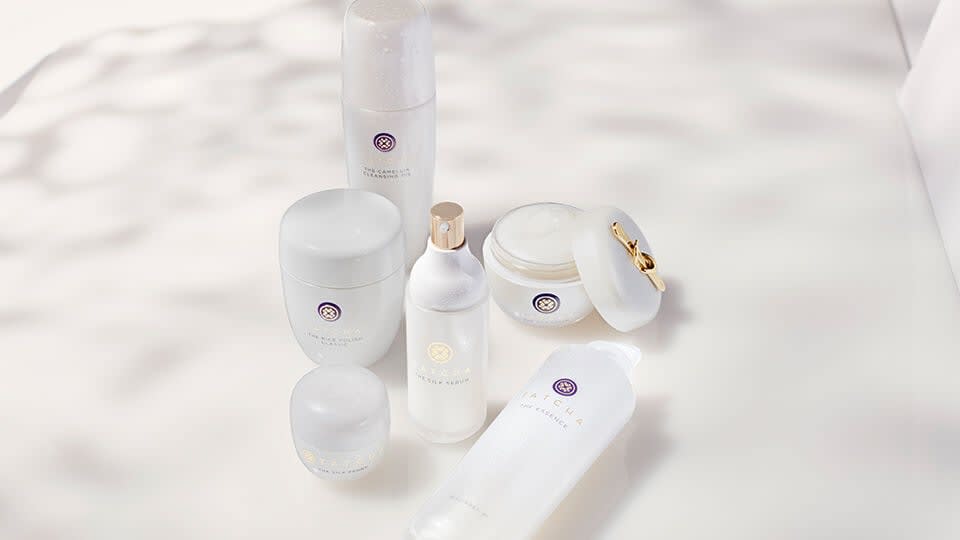
Aging skin requires different formulas, geared towards nourishing, hydrating, and addressing early signs of fine lines and wrinkles. We dive into the best products for the most effective anti-aging skincare routine. In Japan, aging is viewed as a gift. The goal is not to look perpetually 20 years old, but rather to have the healthiest and best skin of your life, at any age. One of the most important elements of healthy skin? Embracing gentle skincare, along with everyday healthy living, including limiting sun and pollution exposure, not smoking, managing stress, and eating a skin-nourishing diet. But a proper skincare ritual is also vital. The best anti-aging skincare routine includes a particular set of skincare must-haves, like innovative serums, creamy moisturizers, and reparative overnight treatments. Read on to uncover the best tips to care for both your skin and self to promote lasting longevity. Tips to Maximize Your Healthy-Aging Skincare Routine Routines are important—but so is your general well-being. Before we dive into the best skincare routine for aging skin, there are also a few tips to improve the skin’s overall health. Prioritize Well-Being Our skin is a reflection of our inner health. There is a saying in Japanese, ‘hinou dokon’, which translates to ‘skin-mind same root'. “It comes from the belief that caring for the skin is caring for the mind,” says Tatcha founder Vicky Tsai. “This is biologically true: our skin and brain develop along the same stem cell line so that our skin both affects and reflects our internal state, even how we think and feel,” she adds. “From goosebumps and blushing to stress breakouts and eczema, our skin is constantly talking to us about what’s happening under the surface.” Reduce Stress Well-being also extends to our mental well-being—don’t underestimate the destructive powers of stress. A 2020 scientific study found that people exposed to chronic stress age more rapidly. This skin-to-soul connection emphasizes the importance of incorporating stress-reduction habits, well-being rituals, and mindfulness practices into your daily routine. As Tsai succinctly says, “Serums and creams can only go so far if you aren’t attentive to your well-being, because caring for your skin requires caring for all of you.” Practice Healthy Sleep Rituals Sleep is vital for every aspect of our bodies, but good-quality sleep is even linked to a stronger skin barrier, a healthier-looking appearance, and less wrinkles. In a 2015 study, participants classified as good sleepers had significantly lower intrinsic skin aging compared to poor sleepers. Individuals with consistent quality sleep even had greater skin hydration levels, too. Pair a good night’s sleep with a silk pillowcase, which is clinically shown to visibly improve skin hydration, radiance, texture, and smoothness.* Tatcha is such a fan of silk pillowcases that we created our own with Slip, in our signature hue, naturally. The Mind-Skin Connection In a 2022 Tatcha study on skincare and self-care, nearly 50 percent of those surveyed regarded their skincare routine as just another task in their day — or worse, a source of stress. Perhaps we can re-envision our daily skincare routine into a moment of mindfulness, taking inspiration from many of Japan’s centuries-old traditions, like ikebana and tea ceremonies, which take daily activities we think of as routine and turn them into meaningful rituals through intention and care. Skincare is necessary to keep your complexion looking healthy, but it doesn’t have to be a chore. When we reimagine that time to quiet our minds and reconnect with ourselves, we reclaim it from being a task to a moment of self-care and thoughtfulness. Aging Skincare Routine Aging is a privilege. Skincare can help support this journey, alleviating common woes that come with aging skin, like dehydration, fine lines, and a dull complexion. While aging is beautiful, it also doesn’t always stop your natural skin type from continuing, so you can still have oily, sensitive, or dry skin, too. Keep reading as we give the best anti-aging skincare routine, and specific products for each skin type—plus add-ons that can support specific skin needs. 1. Cleanse The first and arguably most vital part of any skincare routine, especially one for aging skin, is cleansing. In the morning, most skin can simply be cleansed with a gentle cleanser or splashed with water. For oily skin, it helps to understand the cause of your oily skin before proceeding, and then a clarifying cleanser that primes skin for the day ahead is a fantastic option, too. But in the evening, skin needs deep and thoughtful cleansing. We believe every skin type, especially aging skin, can benefit from the Kyoto Cleanse—also known as the Double Cleanse. It is the two-step protocol favored throughout Japan, beloved for its ability to help reduce the look of pore size, diminish the appearance of fine lines, refine surface texture, and prep skin for the next steps in your routine. It also is just one of the most effective ways to remove every stitch of makeup, sunscreen, and debris from the skin, too. To do this two-step process, first use an oil cleanser, like the Camellia Cleansing Oil, which gently melts away impurities, leaving behind pure, silky-soft skin. The key to using a cleansing oil effectively is to apply it with dry (clean!) hands onto a dry face. Massage the oil into skin with soft circular motions, then add a few drops of water and continue to dissolve makeup, sunscreen, and the day away. The second step in the Kyoto Cleanse allows for customization. Any type of cleanser or face polish will work beautifully, but choose a cleanser that best suits your skin type, as seen below. Best Cleansers for Aging Skin A cleanser can be used morning and night, although nighttime is particularly important. Here are the best cleanser options, based on your skin type. Dry/Mature: Dry skin can use The Rice Wash, which leaves skin feeling soft and nourished. The hydrating nature of this cleanser is equally beneficial for mature skin, as well. Sensitive: While cleansing sensitive skin can be an impossible task, The Indigo Cleansing Balm actually improves and repairs the skin barrier’s function for stronger skin over time. This is also a fantastic option for those who have aging skin and want to be ultra-gentle when cleansing. The Indigo Cleansing Balm can also be used as the first step in your Double Cleanse, in place of the Camellia Cleansing Oil, especially if you have dry skin or eczema. Oily: Oily and/or acne-prone skin will treasure The Matcha Cleanse, a formula that decongests pores and balances oil without stripping away essential moisture. This cleanser is particularly beneficial for aging skin that is oily, as the formula is designed to be as gentle as possible, while still addressing long-term oiliness. Best Exfoliants and Face Polishes for Aging Skin While some skin types need a stronger exfoliant like a scrub, maturing skin needs a gentler touch. Learning how to exfoliate your skin type is key. At the Tatcha Institute in Tokyo, our researchers have found that using the Kyoto Cleanse with the Camellia Cleansing Oil and then a face exfoliant or polish can provide some of the most benefits for skin, especially dry or oily aging skin. Face polishes, like our award-winning Rice Polish, are a unique water-activated exfoliant that gives your skin a fresh start through Japanese ingredients that transform into a creamy, cloud-like foam. The non-abrasive formula of The Rice Polish makes it safe to use in your daily skincare routine, even for aging skin. Finely ground rice bran and papaya enzymes promote natural skin turnover, while the pH-neutral, amino acid-base formula provides effective cleansing without stripping skin of essential moisture or breaking the skin barrier, leaving skin baby soft and supple. There are a few different iterations of the Rice Polish, designed for your specific skin type. Mature: When in doubt, grab the Gentle Rice Polish, which is perfect for mature skin that feels a bit more sensitive at times. Tatcha’s Gentle iteration of the Rice Polish includes licorice root, an ancient ingredient known as “the king of natural medicines” that helps prevent flakiness and tightness, while calming and evening skin tone. Dry/Combination: The Classic Rice Polish is ideal for mature faces with combination to dry skin. This Classic formula also includes silk proteins to condition and nourish, leaving skin more balanced. Sensitive: The Calming Rice Polish is ideal for exfoliating sensitive skin, thanks to Japanese indigo, a historic and powerful ingredient that is clinically proven to calm and soothe. It’s also formulated without papaya enzymes to make it even gentler. Oily: The Deep Rice Polish is a great fit for exfoliating combination to oily skin. The formula includes wild rose to help tighten the look of pores and clarify skin. 2. Plump The second step of your aging skincare routine is using a multi-purpose essence. Essences work to reveal softer, more healthy-looking skin, while also replenishing moisture, and increasing radiance. It is also proven to make the other products in your skincare routine more effective. (A miracle worker, right?) Best Essence for Aging Skin After cleansing, dab a few drops on the palm of your hands, then tap and press into the skin. It’s helpful to do this both morning and night. All skin types: Every type of skin will adore The Essence, a brilliant plumping, softening, and resurfacing liquid. This bestselling product is made entirely (100 percent!) from Tatcha’s proprietary Hadasei-3, a trio of fermented Japanese superfoods, including Akita rice, Uji green tea, and Okinawa algae. The three ingredients work synergistically to support the skin, while promoting natural skin surface turnover for brighter, beautiful skin at every age. 3. Serum One of the most common signs of aging is hyperpigmentation caused by sun damage, but aging can also show up as fine lines, increased dryness, and a loss of skin elasticity. Serums are particularly helpful at targeting these common aging signs because they are highly potent skincare solutions that work to increase the overall effectiveness of your entire skincare ritual. Using a serum is one of the best tricks to maintaining healthy-looking skin all day long, making it one of the most important tools in your aging skin arsenal. Best Serum for Aging Skin Mature skin will soak up a serum, so be sure to choose the right serum for your skin type and follow the package directions, as certain formulas can overwhelm or irritate aging skin. 4. Moisturize Moisturizers are the one step you should never skip. The right moisturizer for your skin type will work to help your skin attract and hold onto water, as well as repair the skin barrier to rejuvenate and restore hydration. A nourishing and intensely hydrating cream can even help boost healthy-aging. Those with aging skin should consider reaching for options packed with antioxidants and ceramides to protect, nourish, and support the skin’s barrier. Another common aging skin focus? The neck. Our necks work constantly throughout each and every day, commonly forgotten until they begin to show signs of aging. For an all-encompassing skincare routine for aging skin, you can grab a neck cream for a targeted treatment, or simply apply your face cream to your neck, too. Best Moisturizer for Aging Skin Apply a moisturizer morning and night, directly after a serum (or if keeping things minimal, after cleansing). Mature: Mature skin will drink up the intensely rich, hydrating Ageless Enriching Renewal Cream, which nourishes the skin with botanical extracts. This is our richest formula, which is ideal for addressing the advanced signs of aging. Dry: Visibly plump and seal in moisture with The Dewy Skin Cream, which has hyaluronic acid, red algae, and squalane. This formula has a more rich cream texture. Dry/Combination: The Silk Cream toes the line between deeply hydrating and balancing skin, thanks to its rich yet weightless gel-cream formula, featuring silk extract. The formula is designed for softer, smoother, and firmer-looking skin, but is lighter than The Dewy Skin Cream or the Ageless Enriching Renewal Cream. Sensitive: Colloidal oatmeal and Japanese indigo extract make The Indigo Calming Cream a soothing salve for sensitive skin. The cream provides visible redness and itchiness relief with lasting hydration. Oily: Many moisturizers can exacerbate oily skin, even with aging skin. In comparison to the Dewy Skin Cream, The Water Cream, a refreshing gel-cream, is clinically proven to refine pores, thoughtfully hydrate, and smooth skin’s texture. This water-based formula balances skin and imparts radiance with a lightweight feel. 5. Protect There are two types of sun rays: ultraviolet-A (UVA), which causes premature aging, and ultraviolet-B (UVB), which causes burning. Look for sunscreens that offer broad-spectrum coverage so you’re protected against both types of rays. You might find it beneficial to also wear a wide-brimmed hat, sun-protective clothing, and larger sunglasses if you’re anticipating extensive sun exposure, too. Best Sunscreen for Aging Skin UV rays and free radicals cause damage to the skin, leading to loss of skin elasticity, fine lines, and wrinkles. Fight signs of early aging by choosing the best sunscreen for your skin type and proceeding with daily SPF use, applying it every morning and reapplying every two hours while outside. All skin types: Our newly updated Silk Sunscreen features superior protection with broad-spectrum SPF 50, yet has a weightless feel and a sheer, radiant finish. It also features powerhouse ingredients, including niacinamide and hyaluronic acid, and a patented zinc oxide that is proven to be over two times more effective at protecting against free radicals than standard zinc oxide. For a matte, silky-smooth finish, grab the Silken Pore Perfecting Sunscreen, which provides broad-spectrum SPF 35 coverage and blends effortlessly and invisibly for a smooth, matte finish. Skincare Routine for Aging Skin Whether you’re a skincare novice or a master of a routine, a daily ritual will not only ease your skin, but also can help to ease your mind. But be realistic with your routine—if you're a minimalist, having a 10+ product regimen might feel overwhelming. Adversely, if a lengthy routine gives you peace of mind, shortening it to a few steps might leave you wanting more. Here are the best skincare routines for aging skin—bare minimum and maxed out. And a few products to add on to your ritual if you’re a maximalist. Morning Routine for Aging Skin – Minimalist Cleanse Essence Moisturize SPF Evening Routine for Aging Skin – Minimalist Double Cleanse Essence Moisturize Morning Routine for Aging Skin – Maximalist Cleanse Essence Serum Eye Cream Moisturize Seal with Face Oil SPF Evening Routine for Aging Skin – Maximalist Double Cleanse Essence Serum Eye Cream Moisturizer Seal with Face Oil Best Add-Ons for Aging Skin If you want to add a few additional beneficial ingredients and products to your routine, here are a few proven formulas that will boost your skin. Eye Cream Applying an eye cream both day and night is deeply helpful to maintain the health of your under-eye area and eyelids, which are one of the thinnest areas of skin on your body. Regular use of an eye cream will help keep this area looking firm and elastic over time. Best Eye Cream for Aging Skin Take care to tap it on gently with your ring finger, as this ensures you won’t pull the delicate skin too harshly while applying. Also, a rice grain-sized amount of product is plenty enough for most formulas. Apply an eye cream before or after your moisturizer. All skin types: Our richest eye cream is the Ageless Revitalizing Eye Cream, which is a velvety eye treatment packed with antioxidants. For a lighter formula that still deeply hydrates, grab the Silk Peony Melting Eye Cream, which melts into skin with moisture-locking silk protein and Japanese white peony. If puffiness is an issue, consider the Luminous Deep Hydration Firming Eye Serum, which visibly firms and reduces puffiness to diminish the look of fine lines. Face Oil Face oils seal in moisture, which means they work to keep in all of the prior products and ingredients in your skincare routine. A face oil also targets signs of aging and lends your skin a vibrant glow. As no products can penetrate an oil, they are ideal to be applied at the end of your routine both day and night. Best Face Oil for Aging Skin After applying a moisturizer (and before sunscreen during the day), apply two to three drops to the palm of the hand, massage together, and dab onto the face. All skin types: Try our Gold Camellia Beauty Oil for an instant boost in nourishment. Composed of extra virgin Japanese camellia oil, the formula not only locks in moisture, but also adds instant radiance thanks to the glow of the 23-karat gold flakes in the rich oil. Caring for yourself—body, mind, and soul—as well as your aging skin is a privilege, and part of promoting healthy longevity. Skin is first and foremost an organ that protects us, carries us through life, and connects our inner and outer worlds. The best skincare regimen for aging skin will treat skin kindly and attentively, working with the skin, never against it. *Based on a study (clinical grading and consumer perception) of over 100 women, aged 35-65, who were regular users of cotton or synthetic (non-silk) satin pillowcases. Clinical grading showed statistically significant improvement. Individual results may vary.