





T-House


What Causes Bumpy Skin? (+ 8 Bumpy Skin Treatments)
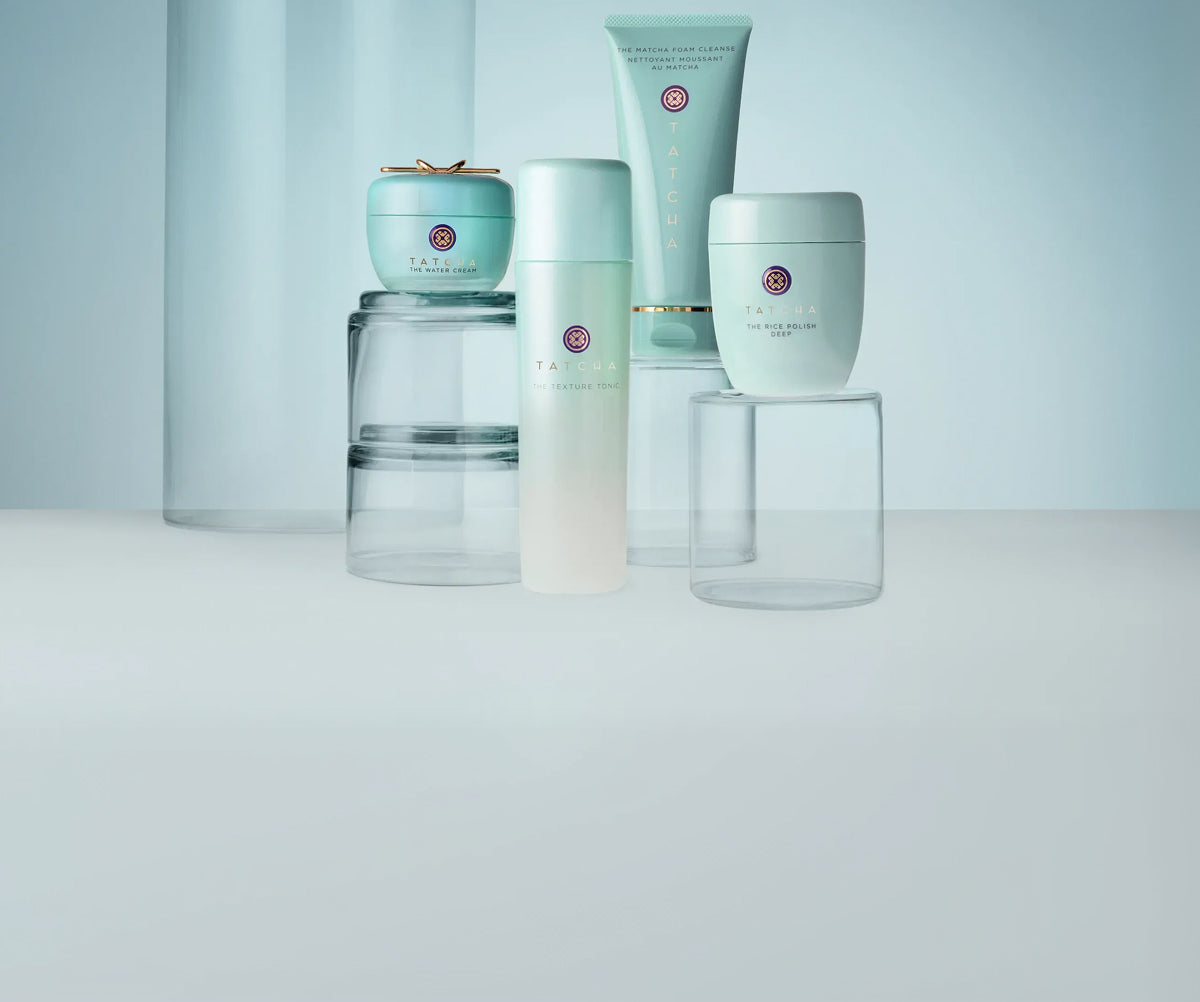
Like any journey, the road to healthy skin contains more than a few bumps. But they shouldn’t stop you in your tracks, especially if you know bumpy skin’s causes and the treatments that can smooth things over. For many people, skincare is something like a journey. We all start somewhere, whether we do it as tweens or at a later stage, and as we learn things as we go along. Finally, we arrive somewhere that is the culmination of the work we’ve put in. And, along the way, bumps are inevitable.Some of these bumps get more attention than they’re worth. In fact, “bumpy skin” and what to do with it is a huge topic of skincare conversation—on message boards, in magazines. Like cracks and scales, dry patches or oily ones, bumps are a natural occurrence in skin. Sometimes they’re simply evidence that your skin is doing its job. At other times, they can be evidence of an imbalance, infection, or other skin ailment.That doesn’t mean bumpy skin is a cause for serious concern. Bumps are nothing your local dermatologist hasn’t seen, and their office should be your first stop if you’re having difficulty diagnosing a particular case of bumpy skin. To add a little background, we’ll look at some common causes of bumpy skin, as well as some potential treatments associated with them. What causes bumpy skin and skin texture changes?Skin is more than just a membrane separating our innards from our outers, but a dense and multilayered fabric that self-sustains using a variety of processes. Bumpy skin is bound to appear at one point or another. Sometimes, these bumps are signs of something else under your skin, but experts say most of the time these are totally natural and not worth the worry. Bumpy skin may be caused by:Build-upSometimes, skin that is congested—with dead skin, excess oil, or any other kind of organic skin material—can become bumpy. Some of these bumps become acne, but not all of them. Choosing the right exfoliant and learning how to exfoliate can ensure that skin remains clean and clear.Weak skin barrierRegular cleansing, moisturizing, and applying SPF is a good way to keep your skin barrier—that sheet of dead skin cells caulked together to make up the outermost layer of skin—intact. Damaged skin barriers can cause bumps on your skin and lead to a host of other complications, from acne to psoriasis to eczema.AgingSkin changes happen—especially to children and infants, and anyone who has gone through puberty—but as you get older, too. As skin matures, it gradually loses some of the structural integrity it once had, leading to texture changes like roughness, sagging, or wrinkling.Infection, inflammation, or otherIn addition to the many benign causes of bumpy skin, some cases of inflamed skin or other infection manifest as a series of bumps. In the next section, we’ll discuss a few types, and what they typically indicate. Common kinds of bumpy skinShould you wake up one day with bumpy skin where there once was none, the second most important thing is not to sweat it. (Especially because stress can exacerbate skin issues.) But the most important thing is to have a dermatologist check it out and give an informed diagnosis. A few common causes behind bumpy skin include: Dry skinHydration and moisturization are both essential to keeping skin healthy—the former makes sure water gets to the skin, and the latter makes sure it stays there. Skin that is dry is kind of like a machine without fuel: Without water, its function breaks down, and it can become flaky, cracked, and bumpy. Dry skin may also be a symptom of another imbalance, but may be responsible for texture changes in and of itself, including acne.Acne Perhaps the most infamous kind of skin bump, acne is defined most simply as a clogged hair follicle. Sometimes these hair follicles can house infections that brew beneath the skin. These can be called pimples, zits, or blemishes. Experts usually distinguish between six kinds of blemishes, which can range from comedones (whiteheads and blackheads) to painful cysts or nodules. Clogged PoresNot all clogged pores become acneic, but they can become bothersome in other ways—like creating bumps along the skin. Bumpy pores could be caused by sebum or dead skin buildup, and can usually be addressed with more attention paid to cleansing or exfoliating your skin. BoilsLike acne, boils occur within hair follicles or sebaceous glands, and can be a sign of an infection. But unlike acne, which is caused by certain types of bacteria, boils are caused by the bacteria associated with staph infections. Boils are also usually larger and more painful than acne, and they can be contagious, so you should see your dermatologist right away.BlistersSome bumps feel like nothing at all, and others are painful to the touch. Some are itchy, and these tend to be known as blisters, which are bumps filled with a clear liquid. These can be caused by any number of causes, from friction to dryness to stress. Blisters are usually harmless. Though it’s tempting to pop, try to fight the urge: An open blister is much more prone to infection than a closed one.Folliculitis When a hair follicle becomes inflamed, it’s referred to as folliculitis, and the hair follicle turns into a red bump. These are often caused by infections, according to the Mayo Clinic, and are commonly associated with improper shaving. Ingrown hairs, in which body hair finds itself trapped under the skin, can be a cause of folliculitis. Keratosis pilarisSometimes, bumpy skin is the result of an excess of something. In the case of keratosis pilaris, it's too much keratin, a structural protein that helps form our skin, says the Cleveland Clinic. Genetics, as well as some comorbidities like obesity, can increase your risk of keratosis pilaris, but it’s typically little more than annoying and unsightly—no infections or inflammation to be found. Bumpy skin treatmentsWhen bumps appear, the best place to take them is a dermatologist, who can help devise a treatment tailored to your diagnosis. Only when you understand the cause behind your bumpy skin can you effectively treat it. In some cases, the solution to bumpy skin is a step in your routine that you’re already performing. It may just be a matter of recommitting to the regimen, or choosing a more effective product for the job. 1. How to treat skin bumps caused by parched, dry skin: More moisture If any part of your routine leaves your skin feeling tight and thoroughly clean, like a dry blackboard, you may be stripping skin of essential moisture, and may also benefit from switching to kinds of products that are gentler on skin. Oil based cleansers, like the Camellia Cleansing Oil, and cream-based face washes, like The Rice Wash, are a great addition to any dry skin skincare routine. Choosing the right moisturizer will aid in hydrating parched skin. Regular masks, which can supercharge skin’s hydration used on a more sparing basis, can be especially helpful for keeping dry skin at bay: The Luminous Deep Hydrating Lifting Mask uses a coconut-derived sheet to pack moisture into skin, boosts skin’s moisture content by up to 200% in about 15 minutes. 2. How to treat skin bumps caused by congested, acne-prone skin: Alpha hydroxy acids To purge skin of the kind of build-up that can lead to acne or other bumps, we rely on physical or chemical exfoliants of all kinds—some are exfoliating scrubs and others are acid-packed exfoliating liquids. In general, they are designed to use only a few times each week, but there’s a relatively new kind that uses new and sophisticated formulation to turn exfoliation into a daily practice: the acid toner. The Texture Tonic is one such product, but unlike others, it benefits from the brand Tatcha’s extensive know-how of botanical ingredients. Its alpha hydroxy acids (AHAs) come from a variety of fruits, while Japanese mugwort and wild rose visibly even skin tone and texture. 3. How to treat skin bumps related to dull, uneven skin: Viva vitamin C Surely you’ve heard of the powerhouse skincare ingredient known as vitamin C, which is recommended to nearly everyone with skin. In addition to improving the appearance of lines, vitamin C skincare products can work wonders for skin texture, and even stimulate the production of collagen. It’s simply amazing. What’s less simple is finding it in the right formulation. Tatcha’s Violet-C collection combines vitamin C with alpha hydroxy acids for maximum brightening and smoothing. There’s The Violet-C Brightening Serum that sits between your cleanser and moisturizer, as well as The Violet-C Radiance Mask that can be used up to a few times a week. Over time, with consistent use, vitamin C can lead to visible improvements in skin. But like any journey, it takes time—and commitment.4. How to treat skin bumps caused by sensitive, inflamed skin: Sensitivity trainingThere are many ways to tell if skin is having a reaction, and yet not all reactions look the same. A common sign is a sudden change of texture, like flaking, or indeed bumps. Bumpy skin related to inflammation is a symptom of common ailments like eczema, but it can also signal an allergy or reaction to the environment. Usually, your first line of defense for this kind of bumpy skin is at a dermatologist’s office. An expert can help you understand the difference between sensitive and sensitized skin, and can put you on the right path toward calming things down.5. How to treat skin bumps caused by ingrown hairs or folliculitis: Cut carefullyWe know it, and we don’t love it: That familiar pattern that appears after a shave done less-than-well. Razor bumps happen when our shaved hairs curl back in on themselves, and are enough to deal with; ingrown hairs and folliculitis describe when these hairs become inflamed. Proper shaving minimizes the chance they’ll happen, and this involves cleansing the area before and after, shaving with the grain, and keeping your razor sanitized. There are also a few tips and tricks to avoiding ingrowns, from using a cleansing oil as a shaving cream to using rice powder as an exfoliant.6. How to treat skin bumps caused by clogged pores: Wash wellBumpy pores happen to all of us. A clog can not only make a pore into a bump, but can also make it appear larger. An exfoliating treatment, like a scrub or mask, can help clear things up when your pores feel clogged. But the best way to treat a clogged pore is to prevent it in the first place, and cleansing your skin daily and consistently ensures that dirt, oil, dead skin, or other debris is rinsed down the drain—and doesn’t end up in a pore.
How to Avoid White Cast From Mineral Sunscreen
Mineral sunscreens are wonderfully beneficial, yet they still carry a few outdated stereotypes—the most prominent being the dreaded white cast. Fortunately, not all mineral sunscreens are created equal. Here's the best no-white-cast option. While we all understand the importance of sunscreen, it’s still underutilized. This is perhaps most likely because some formulas are downright unpleasant: feeling heavy on the skin and leaving behind a sticky, white-cast when applied. But not all sunscreens feel this archaic – some versions, like Japanese sunscreens, are beautifully lightweight, impressively formulated, and include ingredients that can even better skin during the day. We discover the best mineral sunscreen—with no white cast or oily residue in sight. What Is Mineral Sunscreen? There are two types of sunscreen: physical and chemical. What makes a sunscreen chemical or physical is the active ingredient in the formula that provides UV protection. Physical sunscreen, also known as mineral or natural sunscreen, has ingredients that block and scatter the rays (like a shield) before they penetrate your skin, notes the Skin Cancer Foundation. This is different from a chemical sunscreen, which absorbs the UV rays. Mineral formulas often include, as the name implies, minerals as the active ingredient, like titanium dioxide and zinc oxide. Mineral sunscreen also protects your skin from the sun as soon as it’s applied—you do not need to wait for it to take effect like you do with chemical sunscreens. Mineral Sunscreen Benefits The best mineral - or natural sunscreen - has an enthusiastic fan base because of its numerous benefits. According to some, these are the reasons why mineral sunscreen is better than chemical. For Sensitive Skin Chemical sunscreens can be irritating for some users with sensitive skin because of the chemical active ingredients (like avobenzone and octisalate). Additionally, the fact that chemical sunscreens work by absorbing UV rays (like a sponge) can trigger dark spots in those prone to melasma. That said, the Skin Cancer Foundation stresses that both chemical and physical sunscreens have been tested and proven to be safe and effective. It's Effective Immediately Mineral sunscreens begin protecting the skin from the moment of application, while chemical sunscreens need time to be absorbed and become activated (around 15 to 20 minutes) to provide full protection. Why (Some) Mineral Sunscreens Leave a White Cast One general con associated with mineral sunscreen is the white cast that can linger after applying the product. This traditionally comes from the minerals titanium dioxide and zinc oxide, which naturally have an alabaster tone to them. However, this is a problem of yesteryear. Today’s modern mineral sunscreens are wildly advanced, with formulas that are tinted or perfected so any skin color can happily swipe on the SPF without the visible and unappealing white cast. How to Apply Mineral Sunscreen Outdated mineral sunscreen formulas required a lot of maneuvering, having to massage in the white-tinted formula for 30 to 60 seconds to get it to blend into the skin. However, today’s advanced formulas blend in seamlessly and instantly. Ensure that you’re using the full recommended amount of sunscreen though. To get proper coverage, aim to use about a nickel-sized dollop to cover the face and neck—usually the equivalent of two finger lengths of the product (meaning you’ll apply the SPF directly onto the length of two full fingers to achieve the correct amount). Incorporating a broad-spectrum, SPF 30+ mineral sunscreen into your daily skincare ritual is the perfect morning routine, just apply it after your daily moisturizer. If spending any additional time in the sun, reapply sunscreen every two hours. How to Remove Mineral Sunscreen Removing mineral sunscreen can take extra planning because the formulas tend to be more water- and sweat-resistant. This is additionally important for days spent outside when sunscreen is continuously reapplied. The best, gold-standard way to remove mineral sunscreen is the double cleanse method. As we’ve learned previously, the double cleanse involves two products: one oil-based formula that melts stubborn makeup and sunscreen and one cleanser that matches your skin type. This two-step methodology is so effective because the first product cuts through surface-level impurities, while the second formula cleanses and conditions the skin. Do All Mineral Sunscreens Leave a White Cast? No! While many mineral sunscreens do indeed leave a visible white cast on the skin, many updated formulas do not. Cosmetic chemists have worked tirelessly to create SPF iterations that not only protect from UVA and UVB rays, but also blend into all skin tones seamlessly. The trick to finding your perfect undetectable mineral sunscreen is testing out formulas at your local beauty shop—or try one formula that has been tested tirelessly and perfected already… A Mineral Sunscreen That Doesn't Leave a White Cast Reintroducing Tatcha’s newly repackaged mineral sunscreen: The Silk Sunscreen. The SPF 50 sunscreen provides a weightless feel and a sheer, radiant finish with a light-as-air liquid formula. Featuring silk extract, patented mineral filters, niacinamide, hyaluronic acid, and Tatcha’s proprietary Hadasei-3, the Silk Sunscreen blends skin-bettering ingredients with powerful sun protection for an unmatched superior experience. The climate-adaptive formula is sweat-resistant, non-comedogenic (to minimize breakouts), and gentle on sensitive skin. It also instantly hydrates and evens skin tone over time with niacinamide (a form of vitamin B3 that helps visibly firm and even skin tone and redness) and hyaluronic acid (which helps skin retain moisture for a more hydrated, plump appearance). However, the broad-spectrum coverage is perhaps the most impressive aspect of The Silk Sunscreen. The formula features the breakthrough, patented, and trademarked KLEAIR™ zinc oxide, which is over two times more effective at protecting against free radicals than standard zinc oxide.* This means it’s better at protecting against UVA rays, which are shown to cause fine lines and wrinkles and accelerate the loss of skin elasticity. The packaging has received a modernized update, made out of recyclable polypropylene with a flake-free bottle—no second guessing or measuring required. Suncare meets skincare with a light-as-air formula, a radiant, sheer finish, and powerful photoaging protection? The future of mineral sunscreen is here, all you need to do is swipe it on. *KLEAIR™ is under license from Solésence LLC
The Best Lip Balms & Moisturizers
Dry lips are a fact of life, thanks to the lips’ uniquely delicate skin. Plenty of remedies promise relief—but when it’s time to choose, which lip balm or moisturizer really works best? It comes often, and is never welcome. You feel it slowly at first—a roughing that proceeds to a hardening. Then, suddenly, what once was soft and vital now feels plastic, peeling, and painful. The discomfort is actually visible on your face: Your lips are chapped.Chapping, or dryness of the lips, happens to everyone. Literally: No matter your skin type, be it oily, dry, or combination, the skin on lips is prone to dry out regularly as a side effect of being a living and breathing human person. For one, the skin on your lips doesn’t behave the same as the rest of the face: it is structurally different. But even more crucially, there are few other parts of skin that see so much day to day action, from speech to sustenance. In other words, many things cross the threshold of our lips. Why wouldn’t you give them special care?Fortunately, there are remedies that both repair and prevent terrible lip dryness: The lip balm. They are easy to use, and widely accessible—to the extent that it may require some guidance to find the best one. What Is Lip Balm?If the great cosmetic inventions of our time were to be collected in a museum, lip balms would have their own wing—so important are they to skincare. This is only a little bit of an overstatement. Lip balm is, according to dermatologists, one of the main necessary steps in a skincare routine. Lip care is especially in the winter season for reasons we’ll discuss below. But they are one of the few beauty products that are found in the bags, pockets, and makeup kits of most of us, even those who profess to not care about beauty at all.According to internet historians, ancient peoples kept their lips moisturized using a variety of different substances, some cruder than others. In the Middle East, there was livestock fat. In the Mediterranean, there was olive oil. Some women in ancient Japan used an extract of peach kernel to keep their lips soft.But the contemporary lip balm, defined as a mixture of waxes and other emollients that moisturize lips, is a bit younger, and was invented just before the turn of the century. As the story goes, an inventor named Charles Browne Fleet mixed up camphor, petrolatum, wax, and other ingredients, distilled it into a tin, and called it “ChapStick.” He sold the formula to his friend, whose wife suggested the tube shape that endures in the lip balm category today.Though many lip balms come in tubes, you can also find them in tins—and jars, pots, and even tiny compacts. You can also find them cast with different colors, or formulated with different ingredients. A lip balm is simply an emollient that prevents lip dryness. And though you may notice commonalities between balms, there’s just as much variety. Finding the best lip balm for chapped lips takes a little help. Do I Need Lip Balm?Dermatologists say: You should use lip balm.Of course, they also recommend a daily skincare routine, in which the skin on your face is properly cleaned and moisturized. It makes sense that they’d also recommend applying that moisture to your lips. But their advice is more emphatic when you consider the differences between the skin on your face and the skin on your lips.Cutaneously speaking, the lips provide the border between the outer stratum corneum layer of skin and the inner mucous membrane that lines our mouths. Compared to the skin on your cheek, the skin on your lips is much thinner. It’s also absent of oil glands that allow other parts of the skin to self-moisturize. The moisturization has to come from somewhere else.One thing that unites all skin on the body, including that of the lips: It ages naturally. Proper lip skincare, including moisturizing the lips and protecting them with SPF and reparative skincare ingredients can help delay the formation of wrinkles and folds, as well as keep dryness at bay. Lip Balm vs. Lip MoisturizerThe terms “lip balm” and “lip moisturizer” both describe products used to moisturize the lips, and are sometimes used interchangeably. If a lip balm moisturizes lips, isn’t it a lip moisturizer? The answer is yes, but it’s important to understand how the terms refer to different things.Like the famous one invented by Charles Fleet, lip balms are generally thick, emollient formulas that get much of their texture from waxy substances like petroleum jelly. When applied to skin, they form an occlusive barrier that helps trap moisture in lips—in other words, it moisturizes them.All lip balms are lip moisturizers. But not all lip moisturizers are balms. Lips can be moisturized by creams, oils, and jellies. They can even be moisturized by animal fat. This much wider category of lip skin care provides different textures to play with. Thicker balms tend to be more popular because their high efficacy reduces the need for reapplications. But if you’re looking for the best lip moisturizer, and not preferential to a balm, you may be curious about these other forms of lip care. Types of Lip BalmsBelow are a few varieties of lip balm that you’re likely to encounter at the beauty aisle. All of these can be described as lip balms (and thus lip moisturizers), but exactly how they work—and when they’re applied—may depend on what particular shape they take.Petroleum Jelly-BasedA topical byproduct of petroleum refining, petroleum jelly has been a staple of the American moisturizer diet since the Industrial Revolution. This colorless, slippery, highly emollient gel makes for a very popular lip balm, but is also applied to other areas where skin dryness is common, like elbows and knees.Overnight Lip MasksTo compare lip balms vs. lip masks, a lip balm is waxy and meant to seal in lip moisture, while a lip mask is something like a souped-up moisturizer. Instead of letting it sink into the skin, the point of a lip mask is to let it sit on top, which is why they’re often recommended to be worn as you sleep. If you’re particularly prone to dryness, a light layer can also be worn in the daytime, too. Tinted Lip BalmsAs the name explains, these lip balms apply a subtle tint to lips—usually one that is less intense than can be provided from a makeup product like a lipstick or lip stain. For natural makeup lovers, the best tinted lip balms offer the perfect low maintenance skincare-makeup combination.The Best Lip Balms & MoisturizersIn 2018, the skincare brand Tatcha launched its Kissu lip line with a juicy jelly mask. Recently, it expanded to comprise a curated collection of lip care essentials for both daywear and night repair. Time-honored Japanese ingredients meet contemporary skincare technology; together they also happen to make some of the very best Japanese lip balms and moisturizers. For Day: Lip Balm With SPF Does your lip balm have sun protection? Among its other recommendations, the Skin Cancer Foundation advises applying a lip sunscreen with an SPF of at least 15 before heading out into the day. Tatcha’s brand-new Kissu Lip Tint SPF 25 makes this a lovely ritual — and also makes reapplications easy; its botanical moisturizers, silk and lanolin, help the stick to glide on, dressing lips in one of three buildable shades. For Night: A Healing Lip Mask The best-selling Kissu Lip Mask distills the timeless lip-healing power of Japanese peach extract into a round pot of gloss. Alongside peach, the mask is also made with squalane, a common and high-performing natural hydrator, and camellia oil, a lightweight, vitamin-rich skin-sealant; together, they harmonize into maximum moisture. The best lip mask should be easy to apply and provide overnight results. As one beauty editor noted, the Kissu Lip Mask puts in the work: “It glided along my lips without feeling sticky, tacky, or too oily and left behind a shine on par with a lip gloss. When I woke up the next morning, my lips felt soft and pillowy.” And it lasted, too.

The Best Lip Mask & How to Use It
The skin on our lips is unique—and highly sensitive—which is why you might want to consider adding a lip mask to your skincare lineup. Here’s how to find the best lip mask for hydrating dry lips, and learn how to use it, too. Did you know that red lipstick is about as old as human civilization? According to historians, it was the ancient Sumerians, who lived more than 5000 years ago, who initially crushed red rocks into a lip tint. In light of this fact, it’s easy to see how the mouth—particularly, the lips that surround it—has become one particular locus of our beauty attention for as long as we’ve attended to beauty.Of course, we’ve come a long way in the intervening five millennia or so. The options for tinting one’s lips could span into an infinitesimal assortment of shades far outside the geological palette—from reds to pinks to blues to prismatic glosses. We shade our lips, we line them, we shellac them, and we have fun doing it.Skincare has caught up, too. Indeed, while the ancient Sumerians probably had techniques for lotioning their skin, and protecting it from the sun, today’s skincare offerings promise to specifically target unique areas of skin on the body. This is why we have different moisturizers for our bodies than for our faces. But have you ever considered a lip care routine with special skincare for your lips? This highly sensitive, special area of exposed skin on the body has long been a focus of makeup. But why not skincare, too? What is a lip mask?Beauty lovers are doubtless familiar with face masks, which take potent skincare formulas and dole them out into more than effective formulas. Because of their potency, these products are likely to be used only a few times a week, as opposed to in your daily skincare routine.Many of these masks offer additional hydration to areas of the skin. Unlike a typical hydrator or moisturizer, a mask is intended to be left on the skin for a short period of time. Sometimes, these are also applied to sheets that trap, in the manner of a greenhouse, the ingredients between the mask and the skin, to amplify its effectiveness. In occlusive creams, these can provide a seal of moisture that allow the product to sink into skin beneath. Some masks are made for daily use, but most often they are employed once or a few times per week as a helping hand to the rest of your skincare attentions.While most of us are familiar with the need to moisturize our lips—and this is why a lip balm may be the first beauty product many of us ever use—this skincare step often feels insufficient, or at least it requires multiple applications. By contrast, the best lip mask can be used to supercharge lips with moisture—keeping them healthy, hydrated, and comfortable for longer periods of time. Do my lips need a mask?It is hard to think of a part of the skin that sees more action from day to day than the skin on our lips.The skin on our lips is unlike the skin anywhere else on our body. In contrast to the 16 or so layers that comprise the skin on our face, the vermillion of our lips—the part of your lips that are naturally tinted—are between three to five cellular layers, making them exceptionally thin. Our lips are free of the hair follicles and oil glands that appear elsewhere on skin. Crucially, they also provide a boundary between the skin on the outside of the body and the mucous membrane that lines our innards, from our mouths on down.Think about what the lips accomplish in a day. For many, spoken language and consumable sustenance cross this threshold multiple times a day. Unlike our delicate mucous membranes, the skin on our lips is also exposed to the elements, and susceptible to sun damage or other environmental stresses. Common allergic reactions, inflammatory responses, or even stress can also contribute to lip dryness, or chapping.Keeping our lips hydrated, and using moisturizer on them regularly, is the official advice from the American Academy of Dermatology Association on how to keep them healthy. For very dry lips, a “thick ointment,” like petroleum jelly can help seal moisture in. A bit of trend marketing has rebranded applying petroleum jelly as something called slugging, but this is really an act of masking: Leaving a concentrated product on for a short duration up to a few times a week. While lips may not need a mask, mask treatments have shown to help stay skin moisturized for longer. (And applying them infrequently is easier than carrying a lip balm on you at all times!)What are the benefits of a lip mask?Our lips need hydration and moisturization, two things which masks excel at. But how, exactly, do they do that? The best lip masks provide many benefits; here are a few things they can do.Hydrate and moisturize delicate lips. The long lasting effects (and often more potent ingredients) that masks employ are specially suited to care for the lip area. Due to lips’ unique properties, notably a lack of oil glands that help other parts of skin self-moisturize, it’s necessary to reapply hydrators and moisturizers, and masks allow you to go longer between applications.Repair environmental damage. Like the skin on our cheeks, arms, or feet, our lips are also susceptible to stress induced by the environment around us—some pollutants can cause oxidative stress, for example, and of course ultraviolet radiation from sun exposure can accelerate aging. Thickly applied masks not only help trap moisture that skin needs to keep itself healthy (and naturally repair itself against stress), but they can also have a protective quality, too.Prime and prep for makeup. Few things help to prepare skin to apply makeup than a base of good skincare. While makeup primers can help pigments adhere to the skin on your face, they’re unlikely to work on dry skin. And when it comes to lips, which can easily chap and flake, the moisturizing power of a lip mask makes for a perfect primer. (They also turn the quotidian act of applying lipstick into a slightly more decadent affair.) The best lip mask & how to use itThe best kind of lip mask is one that you like enough to use frequently, but that also feels something like a treat—it is, after all, more of a treatment than a daily skincare product. This is why the world’s most beloved lip masks feel like something of an indulgence. Unlike other indulgences, this one is pretty good for you. Tatcha’s Kissu Lip Mask is a best-seller for a reason: It distills Japanese skin superplants into a dense, gel texture that restores lushness to lips. One of the main ingredients, Japanese peach extract, is a traditional Japanese beauty secret used centuries ago to help repair damaged lips—and delivers a slight peachy kiss. Camellia oil, rich in oleic acid, vitamins, and nourishing Omegas 3, 6, and 9, makes a superb moisturizer. A pearl-sized amount can be applied to lips whenever necessary—a few times a week, or anytime in a pinch. It’s your nighttime BFF: Go to bed, and wake up with a more perfect pout.

The Best Japanese Lip Balms
Not all lip balms are created equal. The best Japanese lip balms manage to fulfill the task of hydrating and moisturizing lips, while also adding benefits like antioxidants and sun protection. Consider the lips, and everything they do: they help us to eat and allow us to express ourselves. They say so much, even when they’re not speaking. It’s little wonder that the mouth has been a locus of attention for as long as people have been alive—there is evidence of lipsticks used in some of the earliest records of civilization. In contemporary times, with our slightly more sophisticated cosmetic culture, it’s also become an area of acute care. We open our mouths for our doctors, brush our teeth, and moisturize our lips.In some cultures, even the smallest gesture of self preservation takes on a greater significance—when they’re mindfully employed. When you witness the ritual that Japanese geisha performers employ to take off their thick stage makeup, you grasp this completely: The precision and care imbued into this simple act of hygiene seems to refresh on a level deeper than skin. In this light, it’s possible to see a link between the regimented and the ritualistic.In many Japanese beauty routines, the idea of skincare is analogous with the idea of self-care, which is why every part—from cleansing and renewing to moisturizing and protecting—is thoughtfully performed. Sure, the scattered moments spent applying lip balm probably fall short of a true meditation. But how else are we to care for this part of us that does so much, if not give it meaning? We can start by elevating our lip care with the best Japanese lip balm. The philosophy of Japanese skincare One thing about skin in Japan: It’s not about looking young, but about having the best skin of your life at whatever age you may be and regardless of your skin type.What does this actually look like? Many Japanese skincare routines focus on nourishing and hydrating the skin, sometimes using multiple steps and solutions, as well botanicals with time-tested benefits. Silk has a long history in Japanese cultural products, but also skincare: Geisha used to wash themselves with silk, as if they could transfer its smooth, liquid quality directly to their skin. Now we know that silk extracts are easily absorbed into the skin, and carry powerful antioxidants and amino acids that help promote cell regeneration. Take it from a centuries-old beauty secret. Why Japanese lip balms workSkin is thin, and in some places more than others: Our lips have a third or less of the cell layers found on the rest of our facial features. A lack of oil glands means that our lips also can’t self-moisturize, which is why you notice dryness faster on your lips than anywhere else. Most lip balms will do the bare minimum for you, by forming a protective seal over your lips. But some Japanese lip balms are thoughtfully designed to do even more: Restoring and protecting delicate lip skin. Here’s why they make some of the best lip balms:They have SPF. In Japan, skincare is also suncare. Japanese women have long understood that sun protection is critical for every part of the body, including—and especially—on the lips. Sun exposure not only damages lip skin, but accelerates aging. In many of the best Japanese lip balms, an SPF lip protectant is more than an added feature: It’s a non-starter.They’re lightweight, but effective. Those who aren’t as familiar with Japanese lip balms often remark on their texture, which feels more lightweight than the waxy-jelly they might be used to. By contrast, Japanese lip balms have an elegant feel that makes them a delight to use—and reapply.They’re made with high-quality ingredients. Some of the skincare you may encounter in Japan is older than it looks, and many ingredients have histories that date back to pre-modern times. Silk, for one, is still not only widely used in Japanese craft but also finds its way into skincare formulas. Rice, a staple of the Japanese diet, but also unclogs pores—and makes an excellent exfoliant. The best Japanese lip balmsThe skincare brand Tatcha, which incorporates Japanese ingredients and inspiration into highly effective and luxurious topical formulas, calls its lip care collection Kissu—the Japanese word for kiss. It’s an apt name that helps describe the brand’s goal of combining skincare with ritual elements—turning a small act of moisturizing into a small act of love. Tatcha makes some of the best Japanese lip balms, which you can browse depending on when you’re most likely to wear it: For day: The Kissu Lip Tint SPF Tatcha’s brand-new tinted lip balm formula provides lips with a moisturizing veil that lasts all day. Its key ingredients, lanolin and silk protein, work to hydrate lips and seal them against water loss while UV filters protect lips from the sun and harmful photoaging. Each shade of lip tint is named for a bloom cherished in Japanese culture, and captures a different hue of Japan’s scenery: The soft pink “ume”, a first sign of spring; the classic red “tsubaki”, a symbol of strength, and the deep berry “kuroyuri”, that rare and romantic bloom. For night: The Camellia Gold Spun Lip Balm When was the last time you encountered a lip balm suffused with 23-karat gold? The Camellia Gold Spun Lip Balm is thick and intensely hydrating thanks to the power of camellia oil, a featherweight moisturizer used for centuries in Japanese beauty routines. Nourishing antioxidants and essential fatty acids help keep lips protected and sealed against water loss all day or night. Then there’s the gold: A fine dust lends a subtle metallic shine to lips. It makes the perfect barely-there lip gloss for a night out—or a decadent mask for a night in. Or try: The Kissu Lip Mask The overnight period is when most of us get all of our rest, and it’s also when skin goes into its own repair mode. This is why dermatologists recommend layering on skincare products before bed, so they can help the process along—and it’s why we have lip masks in addition to lip balms, a category which takes the lip balm to new moisturizing heights. Tatcha’s best-selling Kissu Lip Mask, made with juicy Japanese peach, feels practically weightless thanks to the emollient squalane, but it’s enough to restore lips to full lushness by morning—just in time to apply your day balm.

The Best Lip Tint for Hydrated, Natural Color
The best lip tint is a color product that falls somewhere between makeup and skincare on the beauty product spectrum—but which one is it, exactly? Let’s explain lip tint, and how it differs from stains, balms, and sticks. Eyes, lips, face: Together, they assemble the trinity of major makeup categories. Each word describes a dizzying amount of product options all used in self presentation, from the creamy concealers or dusty blushes on our cheeks to the pencils or markers or powders we use to sketch our brows.Lips in particular have always been a popular application site. It’s a small way to show them some care. There’s a phenomenon named for this: The “Lipstick Effect”, describes an economic theory that even in times of recession, humans will still purchase affordable luxuries, like lipstick, even though their benefits are mostly tied to vanity. It’s less about the lipstick, and how lipstick makes us feel.Contemporary innovations in makeup have given rise to a number of other lipstick-like products, which provide near endless ways to wear lip color—and near endless options, too. Take lip “tints”—are they sticks, or balms, or both? It turns out, some products can seamlessly marry the categories of makeup and skincare. Which one describes a lip tint? What is a lip tint? It won’t shock you to learn that the phrase “lip tint” is not a regulated one, meaning there are few guidelines about what a lip tint should look like or be composed of. As the same suggests, these products are intended to add slight color to the lips. But that usually isn’t all they can do.A lip tint is, by definition, a makeup product, but one that is unlike other lip colors. Rather than simply pave over skin, tints usually come in a slippery texture, like an oil or gel-cream, that provide sheer washes of different shades that still allow for the natural lip color to come through. These softer textures can even help moisturize skin, which makes for longer, more comfortable wear in the process. Because of these combined factors, lip tints are typically regarded as more natural and long-lasting lip color options than their companions in the makeup aisle. Especially if you’re looking for a subtle makeup look, a lip tint might be your holy grail. What’s the difference between lip tint and lip balm?Lip balms are ubiquitous. There’s a good chance there’s one near to hand right now. There’s also a good chance that it was one of the first skincare products you ever owned.We’re familiar with lip balm because there is no place we need balm more than on our lips. Skin has the ability to self-moisturize using oil glands buried in its outer layers that secrete waxy sebum—but on the lips, these oil glands are absent, which is why the skin in this delicate area is prone to chapping. Lip balms use waxes or emollients which act as moisture seals. They are typically worn throughout the day and at night, but are frequently translucent, without color.Some lip balms do carry a bit of color, and these are commonly called tinted lip balms. These might function similarly to lip tints—and even look nearly identical—but are probably, like their untinted cousins, skincare products, while lip tints are makeup products. What’s the difference between lip tint and lip stain?In your shopping adventures, you may encounter the term lip stain, which refers to long-wearing lip color that clings to lips like a stain to fabric. You can read more about the difference between lip tint vs. lip stain vs. lipstick here, but in short, like lip tints, stains are makeup products. Look closely and you’ll notice a difference in texture: While tints usually have a hydrating, jelly, luminous quality, stains are inky and matte. Both products offer a slighter change to the lips than a lipstick, but in two different finishes. A lip tint is a little closer to a balm than a stain, which may have more in common with lipstick. Is a lip tint right for me?Why add a lip tint to your makeup wardrobe? It’s not dissimilar to adding a pair of jeans to an outfit: They’re an easy, everyday way to flatter your features. But a lip tint might also benefit you if you’re a person who…Is prone to lip dryness. Dry skin can be caused by all kinds of factors, from your skin type to the outside environment to inflammation in our bodies, but moisturizing ingredients in lip balms and lip tints can help form a seal over lips that inhibits water loss. If your lips are chronically dry, you probably have a good lip balm or two up your sleeve; A lip tint, or a tinted lip balm, allows you to incorporate them into your makeup look, too.Hates the feeling of lipstick. It’s a common question at the makeup counter: Will this lipstick dry me out? Some lipsticks go on creamy, only to crust over as the day wears on, but a lip tint will stay juicy between reapplications.Opts for minimalist makeup. If your makeup look is little more than mascara and lip color, a lip tint may help collapse steps in your routine. Lip tints are easy to use and their versatility as a hybrid skincare-makeup product makes them highly convenient for a simple, natural makeup look—any time, any wear. The best lip tint For half a decade, the skincare brand Tatcha’s best-selling Kissu Lip Mask has restored thousands of lips to full lushness using the power of Japanese peach extract, a powerful plant moisturizer. Lately, they’ve expanded Kissu into a collection of some of the best lip tints for long-wearing, natural lip color: Please welcome the Kissu Lip Tints. The Kissu Lip Tints come in three shades, each inspired by time-treasured Japanese botanicals—the pink plum blossom, the red camellia bloom, and the berry midnight lily—to assemble a curated lip color wardrobe. Regardless of your choice of tint color, each one builds with applications, too. One swipe gets you a sheer wash of color, or you can load it up for a higher-impact look. But it’s more than just makeup: the Kissu Lip Tints are also fortified with UV filters that protect lips from the aging rays of the sun, as well as silk protein and botanical lanolin, for optimum moisturization. This smooth, elegant formula keeps lips comfortable while gliding on effortlessly. It’s a kiss of color, and one that keeps lips well-loved.

The Best SPF Lip Balm
Sunscreen is important: Every day, every wear. That includes on your lips, too. This short guide will help you select the best lip balm with SPF, which moisturizes lips while protecting them from UV light. If there’s one true beauty essential that exists in the world, it’s sunscreen. You probably already know this, but it bears repeating: Sun protection is an important part of your skincare routine and should be applied every day. If you’ve ever been a kid on a beach, you can understand why.What’s more difficult to understand is how to apply sunscreen, so that it can protect skin with its intended (and rigorously-tested) efficacy. Unlike your moisturizer, a single application won’t get you very far—reapplication is key. And you may remember to wear it on exposed areas outside of the face, like the hands, neck, even the tops of the ears. SPF should be applied anywhere the sun hits, and that includes lips.In fact, the skin on the lips is some of our most delicate skin, regardless of your skin type. No wonder it requires our protection. But once again, unlike choosing a moisturizer (which comes in many different textures and formulas) or the right sunscreen for your skin type, it’s an easy task to find adequate lip sunscreen: All you need to do is locate the best lip balm with SPF. What sun does to skinThe sun is a powerful, sustaining life force; We wouldn’t be here without it. That power can even be felt from some 92 million miles away, if you spend a little too long outside on a bright and clear day.The sun is an effective heater and illuminator thanks in part to ultraviolet radiation, or UV rays, which arrive to Earth in three types. UVC, the most harmful to us, is absorbed entirely by our planet’s atmosphere. Most UVB is absorbed, too, but most UVA rays reach the Earth’s surface. These UVA and UVB rays are what we’re protecting ourselves from when we apply sunblock.What happens if we don’t? The process of photoaging, or aging as a result of sun overexposure, can occur. UV light travels from the sun directly to our skin, where it can reach the dermis and cause DNA changes at the cellular level, according to Yale Medicine. Photodamage begins as early as in our teens, though its telltale signs—sun spots from hyperpigmentation, wrinkles from structure loss—may not reveal themselves until later on. This is why sunscreen is more than just a way to skip a sunburn—it’s also one of the most effective anti-aging products in existence.But aging, in any form, is a privilege. A more grave argument for sunscreen centers on the proven link between UV radiation from sun overexposure and skin cancer. One of the most common cancers, having five or more sunburns doubles one’s risk for developing melanoma, according to the Skin Cancer Foundation. In light of this, the idea of sun protection takes on a new urgency. Do lips need SPF?The skin on our lips is unlike anywhere else on the body. For one, it’s hard to imagine another patch of skin that sees more action than the one just beneath our noses. We use our mouths to breathe and communicate. We use them for expression, for sustenance, and so much more. Is it any wonder we sometimes paint them, too?The lip vermillion, otherwise known as where you apply lipstick, borders your facial skin and the inner mucous membrane. But unlike the skin on your face, it is much thinner, and lacks glands that produce sebum—skin’s own self-moisturizing fluid. This is why lips are so prone to getting chapped, why lip balms are so beneficial, and why lip balm is its own category of product. They need all of the moisturization help they can get, which is why there are specific lip care routines for winter. They also need sunscreen.It’s possible that your face sunscreen would make a fine SPF if applied to lips. But it also might taste unpleasant, and could certainly dry your lips out, which might keep you from using it and cause sunburned lips. Some of the formulas that make sunscreen nicer to wear on your face aren’t made to wear on your lips. An SPF lip balm, by contrast, is designed for lips’ unique skin. The best lip balms offer ample moisturization alongside sun protection. Bonus points if it adds a little tint, too.The best SPF lip balmLip SPF, like anywhere-else SPF, needs to be frequently reapplied—every two hours, according to the Skin Cancer Foundation, even when you’re indoors. The best sunscreen for you is not only one that can be easily reapplied, but one that you enjoy using, which can help solidify the habit. SPF for the face can be tricky to reapply, especially over makeup. SPF for lips is easier; we already reapply it, even when SPF isn’t included.Then there are the best tinted lip balms with SPF, which make sun protection for lips as simple as applying lipstick. These hybrid makeup-skincare products are formulated with ingredients that moisturize skin, with an added wash of wearable color. Add UV filters, and this single product condenses three different skincare steps into one slim tube. The Kissu Lip Tint SPF 25, from Tatcha, is one such multitasker. It’s foremost a skincare product, made with emollient plant-derived lanolin and silk protein for a weightless moisturizing skin finish. The shades assemble an edited wardrobe of lip tint colors, from coral pink to deep berry, and can be built up for higher intensity color. But most importantly, The Kissu Lip Tint is made with SPF 25 sun protection to help prevent photoaging while keeping lips hydrated. (In a trial, 100% of respondents reported feeling moisturized instantly and an hour after application.*)We at Tatcha take inspiration from Japanese beauty culture, which places an emphasis on SPF. Japanese women have long understood that sun protection is essential to maintaining healthy-looking lips. This creamy, hydrating lip tint makes it easy, too.††Based on bio-instrumentation (TEWL) clinical study of 42 panelists.

How to Heal Sunburned Lips
Sunburned lips can not only be painful, but can also lead to more serious issues. Discover how to heal sunburned lips and how to prevent them in the first place. Wearing sunscreen daily is a must. You (hopefully) apply broad spectrum SPF on your face and body frequently throughout the day—but do you extend that due diligence to your lips, too? Sunburned lips are a common woe with excessive sun exposure, which can lead to not only discomfort and irritation, but also premature aging (including fine lines around the lips) and even skin cancer. Here’s how to heal sunburned lips with home remedies and after-sun skincare products—and how to protect lips from sun damage altogether.Sunburned Lips 101Can your lips get sunburned? (Really?!) Yes, the sun can easily burn the lip area, especially because the lips have thinner skin than the rest of the body, making it even more delicate and burn-prone. Additionally, the sun can burn dry, chapped lips more easily, says the American Academy of Dermatology.Sunburned lips often mimic the telltale signs of sunburned skin: redness, heat radiating from the burn, dryness, itching, and discomfort. In more severe cases, bleeding, blisters, and peeling can occur. Burns can even trigger cold sores for some, notes the AAD.How To Heal Sunburned LipsTreating a sunburn on the lips is similar to preventing peeling from sunburn and requires some basic products, many of which you likely already have at home. Healing sunburned lips begins with applying a cool compress to ease the burning sensation and swelling instantly, while hydrocortisone cream, found at any drugstore, can address redness and swelling, too. Aloe will help calm, cool, and hydrate the area as well—bonus points if it’s kept in a cool place for an additional boost of soothing.Sunburned Lips TreatmentThe ultimate method for avoiding sunburned lips is prevention, either by applying a lip balm with SPF sunscreen or protecting your skin from sun exposure altogether using hats, UPF clothing, and more. Slather on a non-irritating lip mask or balm with SPF 25 or higher before going outdoors and reapply every two hours or after eating or drinking.The Kissu Lip Tint SPF 25 Perhaps you’re searching for the ultimate lip formula: a moisturizing, SPF-boosted lip product with a flattering flush of color? Look no further because Tatcha’s Kissu Lip Tint SPF 25 is finally available. Made with silk protein and botanical lanolin, this brand-new unscented formula hydrates lips and seals in moisture while protecting from UVA and UVB rays with SPF 25. Available in three universally flattering shades, The Kissu Lip Tint is unique in that the formula is customizable and builds from sheer to medium coverage in just a few easy swipes.The smooth, non-sticky formula keeps lips moisturized and comfortable, and clinical studies agree. 100 percent of panelists agreed that the Kissu Lip Tint seals in moisture* and after one week of use, 97 percent of users noted their lips felt protected when outside in the sun.***Based on a bio-instrumentation (TEWL) clinical study on 42 panelists.**Based on self-assessment questions within a clinical study on 42 panelists.The Kissu Lip Mask Also, because we now know dry, chapped lips burn more easily, it’s important to keep lips hydrated. Grab the bestselling Kissu Lip Mask, which features plant-based squalane, Japanese peach extract, and camellia oil to nourish, calm, and restore lips’ lushness. This uniquely textured jelly treatment melts into lips, locking in moisture and repairing parched lips. Massage a generous, even layer onto clean, dry lips day or night and leave it on to soak in indefinitely.Sunscreen – whether it be for the face, body, or lips – is an investment in the health of your skin and overall well-being. Ensure you keep your skin as healthy as possible by following sunscreen best practices—including slathering on SPF-included lip products as needed. Your plump, hydrated, tinted, and protected lips will thank you.