





T-House


The Best Tinted Lip Balm
The best tinted lip balms are multipurpose: deeply hydrating, while also leaving behind a flattering wash of color. But not all are created equally. We discover the best tinted lip balms to swipe on daily. Tinted lip balms have seen a rapid rise in popularity in recent years—and for good reason. The best tinted lip balms are multipurpose: deeply hydrating, while also leaving behind a flattering wash of color. They enhance the lip’s natural hue, while also hydrating and nourishing the delicate skin. While some versions are more subtle and others more buildable and customizable, all tinted lip moisturizers hydrate. But that doesn’t mean all tinted balms are created equal.Tinted lip balm: Makeup meets skincareA tinted lip balm is one of those packaged goods that blurs the lines between categories. A foundation product is distinct from a face moisturizer, even though both are applied to the skin on the face; they’re designed to achieve chemically different ends. A lipstick is made to shade lips, not moisturize them. For that, you'll need a lip balm.As the name suggests, a tinted lip balm is closer to its skincare cousin. You can use a tinted lip balm to hydrate and moisturize your lips throughout the day—the color is an added benefit, and one that helps simplify your makeup routine, too. You can save your heavier, untinted lip balm for your nightly skincare ritual.Here are the best tinted lip balms, including the best SPF-boosted options and the most ideal balms for dry lips.Best Tinted Lip BalmThe Kissu Lip Tint Made with silk protein and botanical lanolin, this brand-new unscented formula hydrates lips and seals in moisture while protecting from sun damage. Available in three universally flattering shades, The Kissu Lip Tint SPF 25 is unique in that the formula is customizable and builds from sheer to medium coverage in just a few easy swipes.Not only is it a beautiful lip tint, but it’s also one of the best SPF tinted lip balms, with SPF 25 coverage from UVA and UVB rays to prevent sun damage and age healthfully. Lips can burn in direct sunlight, and there are routines for how to heal sunburned lips, but they can also simply age just like the surrounding skin, with fine lines and dark spots. Bottom line, lip balm with sun protection helps shield your pout from the devastating effects of photoaging.Another reason The Kissu Lip Tint SPF 25 is extraordinary? The thoughtful and one-of-a-kind ingredients, including the aforementioned silk protein and botanical lanolin. Silk protein, which is featured in some of Tatcha’s favorite formulas, smoothes and nourishes, while also providing a veil of weightless hydration. Botanical lanolin is a comforting emollient that not only seals in moisture, but also helps lips naturally retain moisture and color for a smoother and more pigmented look.The smooth, non-sticky formula keeps lips moisturized and comfortable, and clinical studies agree. 100 percent of panelists agreed that the Kissu Lip Tint SPF 25 seals in moisture.* This tinted lip balm has been shown to apply smoothly** and improve lip moisturization*** with 100 percent of panelists. Additionally, after one week of use, 97 percent of users noted their lips felt protected when outside in the sun.*****Based on a bio-instrumentation (TEWL) clinical study on 42 panelists.**Based on a bio-instrumentation (Novameter) clinical study on 42 panelists.***Based on an expert grading clinical study on 40 panelists.****Based on self-assessment questions within a clinical study on 42 panelists.Not to mention the hues! The three tints were intentionally designed and selected for their universality. The future classics are:Plum Blossom: These resilient flowers, or ume as it’s known in Japan, symbolize patience. This soft pink, buildable tint is inspired by the Japanese plum blossom, whose petals announce the first sign of spring.Camellia: Already a beloved ingredient and inspiration for Tatcha, this vibrant red tint is as gorgeous as it is wearable. Camellia, or tsubaki in Japanese, is an ancient botanical that blooms in the winter and early spring. The fresh red petals symbolize strength, just like the striking image of the bold red flowers peeking out of the white snow-covered surroundings.Midnight Lily: The deep berry tint is inspired by the Japanese midnight lily, known as kuroyuri, which symbolizes love and admiration. The rare and mystical flower impossibly blooms in high elevation mountains and its rarity is thus linked to the rarity of true love.Best Hydrating Lip TintThe Kissu Lip Mask Just like how a face mask delivers a concentrated dose of potent ingredients to the skin, a lip mask works similarly, flooding the lips with hydration. A lip mask deeply replenishes a dehydrated pout, softens the look and feel of the skin, and can oftentimes give lips a juicy, plumped appearance. Grab the bestselling Kissu Lip Mask, which features olive-based squalane, Japanese peach extract, and camellia oil to nourish, calm, and restore lips’ lushness.The lip mask that launched thousands of enthusiastic fans, this uniquely textured jelly treatment melts into lips, locking in moisture and repairing parched lips. Massage a generous, even layer onto clean, dry lips and leave it on to soak in indefinitely. While the original, untinted treatment can be used any time of day and particularly right before bed, the tinted hue is designed for daytime use. It’s ideal for those seeking a tint of color while also deeply hydrating the delicate lip area.Why are my lips dry?First, let's talk about the skin on your face. Skin is a matrix made up of multiple layers, some suffused with networks of blood vessels and neurons, others densely packed with dead skin cells. Skin works as a barrier, keeping us protected from the environment around us, and its sophisticated layered system allows it to traffic other substances, like sweat and sebum, up and out of skin. Beneath the thick stratum corneum, the dead skin layer that forms our outermost skin barrier, the skin on our face could have between 15-20 cell layers.By contrast, the skin on our lips spans about three to five cell layers. This skin also lacks the hair follicles and oil glands that are found elsewhere, and as a result, it lacks the ability to self-moisturize. This is why the skin on our lips is prone to dryness, chapping, and cracking—and why regular moisturization is necessary, at least according to the American Academy of Dermatology Association. Their advice: Apply a non-irritating lip balm throughout the day, especially right before bed.A short history of lip balmIt’s possible, more than likely, that forms of lip balm have existed as long as humans have—and indeed, there is plenty of evidence that we’ve been moisturizing our lips for centuries. In our contemporary beauty market, the history of lip balm dates back to just before the turn of the 19th century. A Virginian pharmacist made a small tin of petrolatum, waxes, aromatic oils specifically for chapped lips and called it ChapStick. In 1912, a tin of ChapStick cost as much as a suit, but the product flew off shelves anyway: Dry lips needed a salve.A century plus later, it seems we still can’t get enough lip balm. There are waxes, oils, creams, tinted lip balms, even masks we wear on our lips. Why is this? It has a lot to do with the unique texture of the skin on our lips, which, while similar to the skin found elsewhere on the body, is crucially different in a few ways.No matter which tint color you choose, a tinted lip balm is one of the most useful products in your skincare routine and makeup arsenal. In fact, it might be helpful to have a handful of tinted lip balms, one in your go-to bag, one at the office, and one in your car—ready to go wherever the day may take you.

How to Choose a Lip Tint Color
One of the most versatile products, lip tints are perfect for adding a flattering wash of color while also hydrating your pout. The only problem? Selecting which lip tint color is best for you. Considering swiping on a lip tint? The rapidly rising product is beloved for not only its wonderful versatility but also for its beautiful ease of use. What makes for the best lip tint? A lip tint adds a needed dose of moisture to the lips, while also imparting a flattering wash of color to the lips. While lip tints are more subtle vs. lip stains and lipsticks, a lip tint can also be built up for a more opaque appearance. Another reason it’s popular is for its seamless use—because a lip tint is (at its most understated application) just a hint of color, it doesn’t require a precise application method. Just like a balm, you can continuously reapply throughout the day as needed, without worry and sans mirror.Perhaps most importantly, a lip tint usually has a moisturizing benefit, with ingredients that are designed to nourish and hydrate the delicate lip area. Think of a lip tint as the best of both worlds: a super hydrating lip mask or balm, but with the added benefit of a flattering flush of color. The only thing you need to worry about when it comes to this category is how to choose a lip tint color. Keep reading to discover what lip color is best for you.What Lip Color Is Best For Me?Lip tints are intentionally easy to use, and while all colors are likely to look flattering, some hues might make your complexion sing even more than others. Here’s the quickest way to find the perfect lip color.Uncover Your Skin Tone No matter the hue of your skin, you have undertones, which is how to choose your lip color. The three undertones are cool, neutral, and warm. While it’s not a perfect science, the easiest way to discover your undertone is to analyze your wrist—no, really! Look at the veins on the back of your wrist and around your face and neck. If they appear blue, you have cool undertones. If they look more green, you have warm undertones. And you have neutral undertones if veins are neither blue nor green (or are a mix of both blue and green). Cool: Cool undertones love lip colors with blue and purple undertones. That includes blue-toned red lipstick and berry-colored lip tints. Warm: Warm undertones love warm tones, like brick red, orange-toned reds, corals, and pinks. Neutral: Neutral undertones are versatile! Because this undertone has both warm and cool elements, they tend to look wonderful in practically any shade. The Best Lip TintWhile there are innumerable lip tints on the market, one stands apart from the others… Introducing Tatcha’s Kissu Lip Tint.This brand-new unscented formula hydrates lips, seals in moisture, adds a pop of color, and protects from sun damage. Available in three universally flattering shades, The Kissu Lip Tint is unique in that the formula is customizable and builds from sheer to medium coverage in just a few easy swipes.The thoughtful and one-of-a-kind ingredients set it apart from others, too. The Tatcha Institute in Tokyo perfected the formula, including unique and powerful ingredients, like silk protein and botanical lanolin. Silk protein, which is featured in some of Tatcha’s favorite formulas, smoothes and nourishes, while also providing a veil of weightless hydration. Botanical lanolin is a comforting emollient that not only seals in moisture instantly, but also helps lips naturally retain hydration and color long term for a smoother and more pigmented look.But it doesn’t just hydrate and add a gorgeous flush of color, it also protects. The formula includes SPF 25 coverage, protecting from UVA and UVB rays to prevent sun damage. Lips can burn in direct sunlight, but they can also age just like the surrounding skin, with fine lines and dark spots. Bottom line, lip balm with sun protection keeps your pout from the devastating effects of photoaging.How To Choose A Lip Tint ColorLip tints leave a sheer, blendable kiss of color on your pout. But which Tatcha Kissu Lip Tint shade is right for you? The three tints were intentionally tested and selected for their universality, but here’s a guide to help narrow down your future favorite.Plum Blossom: These resilient flowers, or ume as it’s known in Japan, symbolize patience. This soft pink, buildable tint is inspired by the Japanese plum blossom, whose petalsannounce the first sign of spring. The coral pink tint would be particularly flattering on warm and neutral tones.Camellia: Already a beloved ingredient and inspiration for Tatcha, this red tint is as gorgeous as it is wearable. Camellia, or tsubaki in Japanese, is an ancient botanical that blooms in the winter and early spring. The fresh red petals symbolize strength, just like the striking image of the bold red flowers peeking out of the white snow-covered surroundings. This gorgeous, sheer rose hue is a must-have for cool, neutral, and warm tones.Midnight Lily: The deep berry tint is inspired by the Japanese midnight lily, known as kuroyuri, which symbolizes love and admiration. The rare and mystical flower blooms in high elevation mountains and its rarity is thus linked to the rarity of true love. While beautiful on everyone, the berry hue is especially lovely on cooler undertones thanks to its blue undertones.

Lip Tint vs. Lip Stain vs. Lipstick
These three lip products have definitive benefits, making each ideal for a certain user. We dive into what each product is, their benefits, and how to best use them throughout the day. While a lip tint, lip stain, and lipstick might seem like fairly interchangeable items within the lip category at first glance, they couldn't be more different. Each of the three products has definitive pros (and perhaps a few cons) that make them more ideal for certain users. Keep reading as we dive into the difference between a lip tint, lipstick, and lip stain—and which one is right for you.What Is A Lip Tint?A lip tint adds a beautiful wash of color to the lips. While a lip stain leaves behind an unbudgeable hue, a lip tint is a more sheer, blendable formula that can be applied with less precision than a lipstick, but can impart as little as a wash of color or built up for a more opaque appearance. It’s also seamless to use because a lip tint is just a hint of color, so it doesn’t require a precise application method. Additionally, a lip tint usually has a moisturizing benefit, with ingredients that are designed to nourish and hydrate the delicate lip area. Think of a lip tint as the best of both worlds: a super hydrating lip mask or lip balm, but with the added benefit of a flattering flush of color. Another huge advantage of a lip tint? They often have added protection with SPF coverage, which helps to protect the delicate lips from sun exposure. Take our game-changing Kissu Lip Tint for example. The buildable and blendable formula comes in three flattering hues, provides a creamy feel on the lips, and can be reapplied on the go. It also has SPF 25 coverage—shielding the delicate skin from both UVA/UVB rays and looking good while doing so.The only downside? Lip tints are not as long-lasting—and they’re not designed to be so. Just like a balm, you can continuously reapply lip tints throughout the day as needed (sans mirror).What Is A Lip Stain?As the name implies, lip stains stain the lips. Lip stains are usually water-based, allowing them to easily absorb into the skin and temporarily stain the area—from just a few hours to 12+, depending on the formula. They can also vary in opaqueness, with some stains giving a sheer hint of hue to other formulas imparting a deep opaque look in a single swipe. The main reason lip stains are so beloved is because of their longevity; they can outlast meals, meetings, and anything in between without smudging. One downside though is the application, which needs to be done precisely because once the stain touches the lips, it’s stuck there for hours.When it comes to a lip tint vs. lip stain—who wins? It’s solely based on personal preference. If you want a budge-proof, matte pop of color, consider a stain. If you prefer a hydrated, buildable, flush of color, grab a lip tint. Or, use both—start by layering a lip stain on clean, dry lips to your preferred color payoff, then top it off with a lip tint for a moisturized, customized, and modern look.What Is A Lipstick?Lipstick is a waxy formula designed to sit atop the lips, helping to achieve a specific color. Made of waxes, emollients, and oils, lipsticks come in a vast array of colors, finishes, and opacities. While each formula is different, they tend to provide a pop of color while also sitting on lips longer than a lip tint but not as long as a lip stain. Lipsticks can also be infused with hydrating ingredients, like botanical oils and vitamins, which not only slightly moisturize but make them feel more comfortable on the lips.On the other hand, lipsticks are famous for their smudge capabilities—eating, drinking, and even speaking can leave them smeared on your face, teeth, or cup. It usually needs to be frequently reapplied and touched up throughout the day and needs frequent check-ups in a mirror to ensure it hasn’t budged. Also, the application needs to be done precisely and carefully usually, if you’re looking for a flawless look.What’s the difference between a lip tint vs. lipstick? Lipstick gives a bold, chic appearance, but it also requires far more precision, fussiness, and touch-ups. A lip tint can also provide a pop of color, especially when building up opacity with multiple layers, but without any of the worry or carefulness. But both can happily live in a vanity and can be used to achieve whatever look you're aiming for that day.While a lip tint, lip stain, and lipstick are often pitted against each other, they can all happily coexist in your lipstick wardrobe. They can even be mixed and matched together to create a custom look that’s all your own.

The Ultimate Lip Care Routine for a Perfect Pout
Our lips require specific levels of care and focus to help keep them healthy, hydrated, and plumped. Here’s every product and tip you need to keep your pout happy. Our lips are always at work. They help us eat, speak, effectively breathe, and emote. However, the skin on the lips is one of the most delicate on our bodies. This juxtaposition between frequency of use and delicacy of skin is precisely why lips can often feel dry, irritated, or cracked. A simple and daily lip care routine can help keep your lips healthy, vibrant, and in smile-worthy shape. From the most effective lip care tips to the best products, like an overnight lip mask, here is everything you need to know about keeping your lips supple.Lip Care TipsGreat products are a brilliant way to nurture lips, but they’re only part of an effective lip care routine for dry lips. The other aspect is maintaining a healthy lip routine, much like you would with skin, including cleansing, exfoliating, and hydrating. Here are a few suggestions to keep your pout in tip-top shape.Cleanse While double cleansing at night, don’t skip your lips. The nourishing cleansing oil and subsequent cleanse of your choice can help remove any lingering lip products from the day. But they can also soften the lip skin.ExfoliateExfoliate…lips? Don’t knock it ‘till you’ve tried it. Try using one of the delicate exfoliants you use on your face on your lips, too. That can be as simple as a soft washcloth or your favorite face polish. There are also lip-specific exfoliants, which are specifically designed to delicately – yet effectively – eradicate any dry skin. Grab the exfoliant of your choice and apply thoughtful pressure, softly buffing in tiny circular motions around the lip area to loosen up any dryness. Softly wash the exfoliant off after 20 to 30 seconds of exfoliation.Nourish Using an essence on your face? Spread that love to your lips, too. The deeply hydrating and reparative powers of an essence are just as potent on the lips, too. Doing this consistently (or even just a few times a week) can help address overall dehydration and dullness. It also can temporarily give lips a beautiful plumped appearance. Just dab a bit on a cotton square (or even your finger) and tap it into the lips for 10 to 20 seconds.Additionally, many hydrating serums can be used for the lips, too. However, mind the ingredients so they won’t irritate the sensitive skin and instead look for products with scientifically-proven hydrators, like hyaluronic acid and squalane. For example, The Serum Stick, which is made of 80 percent squalane, can be used on the lips for a dewy feeling anytime, and The Dewy Serum, which includes both hyaluronic acid and squalane, can be used morning and night on the lips for an extra dose of hydration.Moisturize Just as moisturizing is vitally important to skin, it’s just as crucial to the lips. Lip balms and masks are effective, but are designed for consistency. You can’t swipe on a lip balm once every other day and expect it to keep your pout juicy and hydrated all the time. Find a balm you enjoy using and always have it on hand, even if that means having a spare at the office, car, bag, etc. This will encourage you to reapply as often as needed. Make it a ritual, like, for example, after you brush your teeth, you apply a lip balm.Best Lip Care ProductsSome of our earliest product launches were in the lip category, a genre we’ve invested countless research into. We’ve perfected a handful of products that we deem as ‘game changers’ and we hope you agree.Best Lip BalmCamellia Gold Spun Lip Balm Feel free to massage on as often as you’d like because our Camellia Gold Spun Lip Balm seals in moisture with camellia oil, renowned for centuries in Japan for its ability to curb dehydration. The formula is also packed with antioxidants and essential fatty acids to help nourish and protect. Additionally, the balm gives lips a hint of shimmer with 23-karat gold flakes.Best SPF-Boosted Lip Tint The Kissu Lip Tint SPF 25 Want your lip product to do it all? Swipe on the Kissu Lip Tint SPF 25, which hydrates lips and seals in moisture with silk protein and botanical lanolin, protects the delicate skin from sun damage with SPF 25 coverage, and provides a buildable flush of color (available in three shades). What can’t this creamy, hydrating lip tint do?Best Lip Mask The Kissu Lip Mask The myth, the legend, the Kissu Lip Mask. Forget everything you think you know about lip masks if you haven’t yet tried this unique iteration. The luscious, jelly texture (yet never sticky) melts into lips to plump, hydrate, smooth, and soften. Perfect for overnight use, but beautiful any time of day, the Kissu Lip Mask features moisture-sealing squalane, revitalizing Japanese peach, and hydrating camellia oil for a revelatory experience.Best Lip Care RoutineMorning and night require two different types of products. In the a.m., seek out products that will provide your pout with SPF protection. For the evening, give lips some much-needed hydration in the form of a lip mask. Follow these lip care routine steps for a happy pout all year long. Morning Good morning! After washing your face and brushing your teeth, apply a lip balm. This will send moisture into the lips first thing in the morning, before you apply any makeup or expose your skin to drying natural elements. Our Camellia Gold Spun Lip Balm is particularly effective in the a.m.If you’d like to take things a step further, feel free to apply some of the techniques we’ve learned, including exfoliating and nourishing lips (with an essence and serum) while also subsequently using those steps on your skin, too. An added bonus? Exfoliating lips can help temporarily give them a flushed and plump appearance. Then apply your lip balm or mask.If you’re a fan of lipsticks or lip tints, choose a formula that touts its hydrating qualities. Some formulas can actually steal moisture away from your skin and make dry lips worse. Or try a lip stain and then apply a balm or mask atop it for the best of both worlds.All Day Reapply your hydrating lip product throughout the day, especially after eating, which can naturally wipe any formula from the lips.Evening Good evening! Indulge in your lip care routine (including double cleansing and nourishing with an essence and serum), if you choose to participate. Then, hydrate with a lip mask for deeper hydration. Unlike balms, which can work quickly and fade quickly, a good mask delivers eight hours of continuous hydration. The Kissu Lip Mask was created for exactly this purpose, providing moisture all night long.Winter Lip Care RoutineWhile dry lips can occur any time of year, they are particularly prevalent in the winter. In the face of dry winter conditions, the delicate skin on the lips may start to crack and chap. Fortunately, you can keep your lips healthy-looking and supple with a nurturing ritual, no matter the season. Harsh weather calls for extra-hydrating options, like swapping out a lip balm for a lip mask when lips are extra sensitive or dry. Additionally, stay on top of reapplication, aiming to apply a hydrating lip product every hour or two to coat lips in moisture. Or try one of the following proven lip techniques to stave off a dehydrated pout.Lip BastingYou can also try a technique called ‘lip basting’, which became well known in the last years after dermatologist Dr. Shereene Idriss sang the method’s praises for her plump, hydrated lips. After exfoliating lips, she uses a rich ointment as a lip mask, applying a hefty dose so lips are coated in the treatment. She allows this to soak in for as long as possible, usually around 10 minutes as she applies her makeup routine in the morning. Then wipe the excess ointment off and admire your hydrated pout.Lip SluggingOr, just try lip slugging if the skin is cracked or irritated. This popular technique involves using a lip mask, like Tatcha’s Kissu Lip Mask. To truly slug lips, you’d then apply petroleum jelly over the lip mask to lock in hydration. However, the Kissu Lip Mask is so emollient and rich, it doesn’t require layering Vaseline over it. It’s a one-and-done product.Whatever products you choose, we hope you treat your lips with extra gratitude and care, no matter the time of day or season. Put some love and focus into your routine, and you’ll feel the results. Plus your lips and their healthy appearance will be something worth smiling about!
The Best Ingredients for Lip Balms, Lip Scrubs & More
Slathering on lip products consistently and still have dry, chapped lips? You’re certainly not alone, this catch-22 situation can occur to any of us due to no fault of our own. Instead of blaming yourself, zero in on the supposed solutions: lip balms, scrubs, and more—and their sneaky ingredient list. For example, many people make the mistake of confusing a burning, stinging, or tingling sensation as a sign that the active ingredient in your lip product is working—but that couldn’t be further from the truth. Instead, this discomfort is actually proof that your lip product is irritating your lips and you should stop usage immediately. We compiled everything you need to know about your lip product’s ingredient list, specific ingredients to avoid, and the best formulas to soothe lips instantly. Lip Balm Ingredients Why would any lip balm contain ingredients that could irritate lips? Unfortunately, this can occur often, for numerous reasons. Firstly, some ingredients that irritate you personally might not be as irritating for others. You personally could be triggered by ingredients that the mass public has zero reaction to, whether that may be from genetics or allergies. Secondly, some brands love using certain formulas, but those key ingredients (like strong flavorings, including cinnamon and peppermint) can burn or sting. In today’s packed market, some formulas rely on clever packaging or eye-catching ingredients, many of which can be bothersome. What to Look For in a Lip Balm Looking for the best ingredients for lip balm? The American Academy of Dermatology has a few thoughts. Here are a few of their preferred ingredients to have in a formula to help soothe and heal your pout. -Oils and Butters Seek out oils and butters, which can linger and seal in moisture for longer. Examples of effective oils include camellia oil (a favorite of Tatcha’s), castor seed oil, or mineral oil. One particularly brilliant butter often seen in lip products is shea butter, which is proven to nourish and soothe dry lips. -Ceramides Ceramides are fats, or lipids, naturally found in high concentrations in the uppermost layers of our skin. Basically, ceramides help the skin function properly, working to protect and restore the skin barrier, while keeping skin looking and feeling hydrated and radiant. The AAD recommends finding lip balms that feature ceramides because they can protect the skin, increase hydration, and soothe irritation. It’s a great product in many skincare formulas, but especially a lip product. -Hydrators Make your lip balm work harder for you (and thus your lips) by finding a balm that features super hydrating ingredients, like squalane, glycerin, and hyaluronic acid. These are scientifically proven lip balm ingredients that not only hydrate but also heal and repair dry skin. What to Avoid in a Lip Balm One sure-fire way to ensure you’re not further irritating lips? Check your lip balm ingredients for potential irritants. The AAD suggests avoiding the following ingredients in lip balms when lips are chapped or irritated. -Flavorings and Fragrance Common flavors like mint, citrus, and cinnamon can be especially irritating. And oddly enough, especially commonplace in lip balms. If you are experiencing irritation, remove these flavorings first and foremost from your lip care routine. Secondly, many scented products can also be an issue. While they are fun, they can cause issues for individuals with sensitive skin. -Powerful Natural Ingredients Eucalyptus, menthol, and camphor are common ingredients in herbal remedies, but they shouldn’t be featured in your lip balm. While we hate to villainize anything, these are bad lip balm ingredients. They are powerful, potent ingredients that are sure to enrage even the most hardy of lips. Another ingredient that is alarmingly popping up in lip formulas is salicylic acid. The AAD strongly recommends avoiding this in any lip product, as long-term exposure can be too harsh on the delicate skin. Tatcha's Derm-Approved Lip Picks Tatcha has taken the utmost care when it comes to formulation in our lip care category. From soothing lip masks to supple-revealing balms, here are our favorite lip products with derm-approved ingredients. Best Lip Balm Camellia Gold Spun Lip Balm Feel free to massage on as often as you’d like because our Camellia Gold Spun Lip Balm seals in moisture with camellia oil, renowned for centuries in Japan for its ability to curb dehydration. The formula is also packed with antioxidants and essential fatty acids to help nourish and protect. Additionally, the balm gives lips a hint of shimmer with 23-karat gold flakes. Best SPF-Boosted Lip Tint The Kissu Lip Tint SPF 25 Swipe on the Kissu Lip Tint SPF 25, which hydrates lips and seals in moisture with silk protein and botanical lanolin, protects the delicate skin from sun damage with SPF 25 coverage, and provides a buildable flush of color (available in three shades… here’s how to choose a lip tint color!). Best Lip Mask The Kissu Lip Mask The myth, the legend, the best lip mask: the Kissu Lip Mask. The luscious, jelly texture (yet never sticky) melts into lips to plump, hydrate, smooth, and soften. Perfect for overnight use, but beautiful any time of day, The Kissu Lip Mask features moisture-sealing squalane, revitalizing Japanese peach, and hydrating camellia oil for a revelatory experience. Lip Scrub Ingredients You’ve scoured your lip balm collection to ensure there aren’t any famously irritating ingredients present—but have you done the same for your lip scrubs? If irritation still persists, look at your lip scrub and assess its ingredient list. What to Look For in a Lip Scrub Ensuring your lip scrub is packed with the best ingredients is as vital as learning how to use it—too harsh and it could rip and tear the delicate skin, but too soft and it won’t accomplish anything. Here are a few ingredients to seek out when it comes to choosing the best lip scrub. -Natural Exfoliants Look to nature and her infinite wisdom when it comes to correctly exfoliating. A formula that includes natural ingredients – like sugar, konjac scrub, and fruit seeds – is a great place to start. The added benefit is that many ingredients, like peach seed scrub, have been used for centuries to restore dry lips, meaning they are tried and tested. -Soothing Oils and Butters An emollient is needed in a mask to cushion the scrub. While some formulas can use low-quality options, seek out a scrub that puts care into their emollient, like camellia oil or shea butter, which can soothe and linger long after the scrub is removed. What to Avoid in a Lip Scrub If a lip scrub is feeling more painful than rejuvenating, consider your frequency of use and the ingredient list. Additionally, a lip scrub should never be used on compromised, cracked, sunburnt, or bleeding skin and shouldn’t be used too often (which can cause even more irritation). Here are the top lip scrub ingredients to avoid. -Flavorings and Fragrance Having deja vu? Just as flavorings and fragrances can be irritating in a lip balm, they can equally be triggering in a lip scrub. The common scents and flavors of mint, citrus, and cinnamon are still to be avoided in a lip scrub, just as they are in a lip balm. -Powerful Natural Ingredients Yep, we’re repeating ourselves because it’s worth reminding you that eucalyptus, menthol, and camphor are powerful natural ingredients—and should be avoided in lip products. They can sometimes crop up in lip scrubs because of their ‘refreshing’ sensation – but they will only cause discomfort and irritation with use on the lips. Best Lip Scrub Lip scrubs are potent—you can buff away roughness and reveal softer, more supple lips in just 30 seconds. Here is our favorite pick, which features the best ingredients for a lip scrub. Best Lip Scrub The Kissu Lip Scrub The Kissu Lip Scrub gently scrubs with two exfoliating ingredients: konjac and peach seed. Konjac refines and smooths skin for a brighter appearance, while peach seed removes flakes for more hydrated and refined lips. When it comes to the emollient, we selected one of the most extraordinary and treasured ingredients available, and one that’s a Tatcha signature, too: Japanese camellia oil. The intensely hydrating oil seals in moisture, while also soothing tired lips. Together, The Kissu Lip Scrub effectively sloughs away flakiness and removes dullness while sealing in moisture for smooth, supple lips. A Word on Lip Plumpers While we’re on the topic of lip products, let’s highlight lip plumpers. Featuring the best ingredients for lip plumpers is tricky because most are filled with formulas that are intentionally designed to irritate the lips, which causes a temporary swelling or plumped appearance. Rather than seeking out ingredients that intentionally irritate, grab a lip treatment that works to not only naturally plump lips, but also restore natural volume and definition over time. Best Lip Treatment The Kissu Lip Treatment Say hello to your newest obsession, The Kissu Lip Treatment. This daily lip serum is clinically proven to instantly plump, while also restoring natural volume, reviving lip color, and improving lip’s natural definition over time. It’s the best lip treatment, in our humble opinion.
How to Use Lip Tint
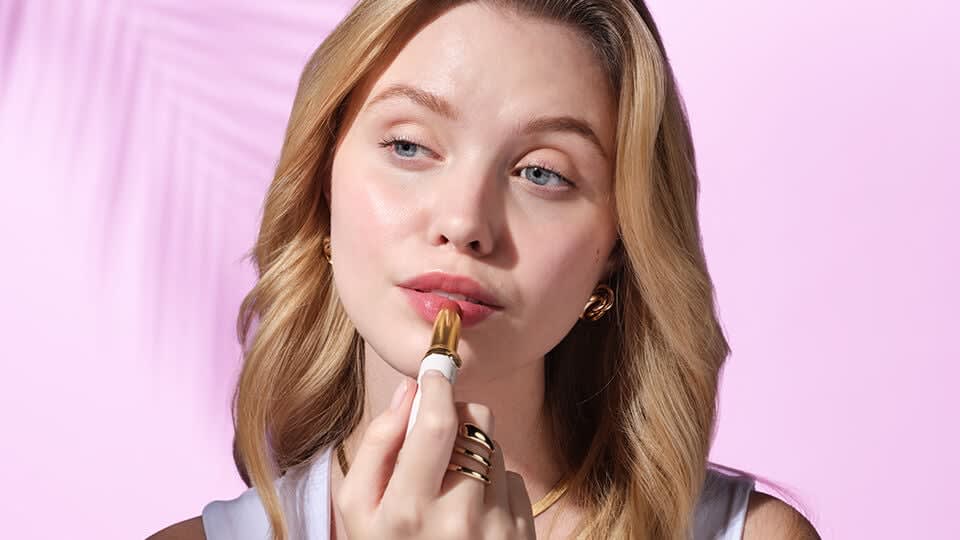
There is no shortage of lip options available when it comes to painting your pout. But one category often overlooked is lip tints. Foolproof, comfortable to wear, and universally flattering, lip tints deserve a place in your lip arsenal. But what is a lip tint and how do you use one? We discover the tricks of the trade below. What Is A Lip Tint? A lip tint adds a beautiful wash of color to the lips. While a lip stain leaves behind an unbudgeable hue, a lip tint is a more sheer, blendable formula that can be applied with less precision than a lipstick, but can impart as little as a wash of color or built up for a more opaque appearance. It’s also seamless to use because a lip tint is just a hint of color, so it doesn’t require a precise application method. Additionally, a lip tint usually has a moisturizing benefit, with ingredients that are designed to nourish and hydrate the delicate lip area; the trifecta of the best lip care routine for winter. Think of a lip tint as the best of both worlds: a super hydrating lip mask or balm, but with the added benefit of a flattering flush of color. The only downside? Lip tints are not long-lasting—and they’re not designed to be so. Just like a balm, you can continuously reapply throughout the day as needed (sans mirror). How to Use a Lip Tint While it might seem obvious how to apply a lip tint (they are foolproof, after all), there are a few insider tricks that make them more effective and flattering. 1. Exfoliate A step makeup artists never skip? Exfoliating the lips before applying any lip product, whether that’s a stain, lipstick, or lip tint. This helps to gently buff away any dry spots, flakes, or makeup debris. You can use a dedicated lip scrub to accomplish this. Another failsafe option is a damp washcloth, like our Kinu Exfoliating Silk Face Cloth, which was designed to delicately polish the face (even lips) for baby-soft skin. An added bonus of this step? It boosts blood circulation around the lips, temporarily increasing their fullness and imparting a natural flush to the lip color. 2. Hydrate While lip tints are naturally hydrating, prime the lips first with a generous amount of lip balm or a lip mask. Follow this step directly after exfoliation, when lips are renewed and ready for a hefty dose of nourishment. This next part is entirely optional, but some experts prefer to wipe away the balm/mask after 5 to 10 minutes so the lip product can adhere to the lips better. This is vital for a lipstick or stain, but when it comes to a lip tint, you can simply swipe the tint directly atop the moisturizing treatment for an added hue of color. This second step is only effective if you layer on a moisturizing product that actually repairs lips. If you prefer a lip balm, which seals in moisture and protects lips, consider our beloved Camellia Gold Spun Lip Balm. If you’d rather have a more restorative, hydrating, and plumping treatment, grab a lip mask, like our bestselling and cult-status Kissu Lip Mask. 3. Apply Your Lip Tint Now that your lips are prepped, it’s time for your lip tint. Start at the middle of your bottom lip and apply the product directly from the applicator, filling in to the edges of the bottom and top lips. Since lip tints are so carefree, have fun with them! You can mix and match colors, apply as little or as much as you’d like, and wear with or without a lip liner. You can perfect the coverage with your fingers or a lip brush, there is no wrong way to apply your lip tint. Lip Tint Options The Kissu Lip Tint Now that you know how to properly use a lip tint, let’s get to swiping on one of the best options. Look no further than Tatcha’s new Kissu Lip Tint, which hydrates, seals in moisture, protects from sun damage, and provides a flattering wash of color. Made with silk protein and botanical lanolin, this unscented formula keeps lips hydrated and nourished all day without pesky side effects, like stickiness or drying. And the lip tint features SPF 25 coverage to shield from damaging UVA and UVB rays, preventing photoaging. Available in three universally beautiful shades, The Kissu Lip Tint is unique in that the formula is customizable, building from sheer to medium coverage in just a few easy swipes.
How to Treat Dry Skin
Experiencing dry skin? Take comfort in knowing you are not alone. According to the American Academy of Dermatology, nearly everyone will experience dry skin within their lifetime, occurring for various reasons. Keep reading as we discover what the condition is, how to treat dry skin, and the best products to soothe dryness. Dry Skin 101 What technically is dry skin? Dry skin is skin that doesn’t have enough moisture in it to keep it feeling soft, says the Cleveland Clinic. It’s usually due to water loss from the outer layer of skin. The condition can make skin look and feel rough, itchy, flaky, or scaly, adds the Mayo Clinic. While it may only be temporary or seasonal, it can also be frustratingly chronic or long-term. Dry Skin Causes While skincare can help treat dry skin, getting to the root cause of the issue is helpful, too—but the causes of dry skin are as varied as its appearance. Here are some of the most common reasons for dry skin. Extreme Temperatures Extreme temperatures can be incredibly drying on the skin, whether that be the harsh cold of winter or the intense heat of summer. According to the Mayo Clinic, cold, windy conditions, along with central heating, wood-burning stoves, space heaters, and fireplaces are all environments with reduced humidity, which can be incredibly drying to the skin. The AAD recommends a humidifier, which can be ideal year-round to combat the dry air associated with both A/C and heating units. Additionally, temperature-specific skincare needs can be addressed with a winter skincare routine, or one for humidity. Overdoing Your Showers While cleansing is vital to the skin, taking it too far can be detrimental to skin’s natural moisture levels. Too long or too hot of a shower can be irritating, as can harsh soaps and cleansers used within the shower. Aim for warm, quick showers with gentle products. The AAD suggests seeking out products labeled fragrance-free if skin is particularly sensitive and inflamed. Aging Aging is a gift, but it does come with a few downsides, including dry skin. “As people age, the skin thins and produces less of the oils needed for the skin to retain water,” notes the Mayo Clinic. Following a skincare routine for healthy-aging will help mitigate dry skin associated with the gift of growing older. Moisturizing Incorrectly We’re all trying our best to nurture and care for our skin, but dry skin needs a little more TLC. The AAD recommends slathering on a moisturizer immediately after washing the skin (directly after drying off). “Ointments, creams, and lotions (moisturizers) work by trapping existing moisture in your skin,” says the AAD. “To trap this much-needed moisture, you need to apply a moisturizer within a few minutes.” This extends to the hands and face, too. However, not all moisturizers were created equally. There are even specific moisturizers for each skin type. The AAD suggests an ointment or cream for very dry skin, particularly one with hyaluronic acid, lactic acid, glycerin, and shea butter (to name a few). These ingredients can hydrate more effectively and longer term. Dry Skin Treatment In addition to taking the steps above to eliminate the most common causes of dry skin, using skincare for dry skin—made from ingredients that can not only hydrate but also soothe redness and visible irritation—is key to an effective dry skin treatment. Here are the most important products to consider on your journey to get rid of dry skin. A Calming Cleanser A calming, nurturing cleanser (that still effectively cleanses) is necessary for dry skin. We know harsh formulas can strip the barrier’s natural oils, leading to more damage and dryness, so a gentle cleanser is a crucial first step in your dry skin-healing regime. A double cleanse can help remove impurities while adding back much needed moisture and oils. Consider one of Tatcha’s newest innovations: The Indigo Cleansing Balm. This skin-strengthening formula instantly calms visible irritation, while also supporting and transforming the barrier. The dermatologist-tested and fragrance-free formula was crafted with weakened, sensitized skin in mind, knowing traditional cleansing can be painful and damaging. This is why the balm is designed to reduce friction while cleansing, helping to soothe while cleansing. It still effectively cleanses though, efficiently removing even waterproof makeup. The formula includes Japanese indigo to calm visibly irritated skin, lipids, and ceramides to replenish the barrier, Japanese lotus root to soothe, and mondo grass root to balance the microbiome. The results are stunning, too: In clinical studies, 100 percent of participants demonstrated an improvement in barrier function after just one week of use.* But unlike harsh cleansers, the Indigo Cleansing Balm also soothes visible irritation and replenishes moisture—strengthening the skin barrier so it can help prevent future damage for smooth, plump, and radiant-looking skin. *Based on bio-instrumentation (TEWL) clinical study on 40 panelists. A Hydrating and Repairing Cream Not all moisturizers are created equally when it comes to soothing hydration. A moisturizer rich in ceramides, lipids, and fatty acids (all of which are already present in the barrier) is superior. This is because it’s been scientifically shown that hydration is significantly increased when a moisturizer’s formulation mimics the skin’s natural barrier, helping to replace nutrients lost throughout the day. It’s also helpful if the moisturizer includes humectants and emollients, which address hydration levels. Dry skin loves pampering, so restore it with a deeply nourishing formula, like The Dewy Skin Cream. The rich, moisturizing cream plumps skin for a dewy, healthy-looking glow—thanks to the antioxidant-packed Japanese purple rice, algae, hyaluronic acid, and our superpowered Hadasei-3 Complex (a trinity of Japanese superfoods that restore healthy radiance). The rich texture increases hydration, radiance, plumpness, and overall texture and firmness—perfect for dry skin. An Overnight Treatment To boost your skin’s hydration overnight, try a treatment or mask with supercharged ingredients. Consider Tatcha’s award-winning Indigo Overnight Repair, a fragrance-free soothing serum-in-moisturizer treatment that visibly calms irritation, strengthens skin’s barrier, and balances the microbiome. The formula includes Japanese indigo, red sage root, ceramides, hyaluronic acid, and mondo grass root for an immediate improvement in moisture, smoothness, and radiance. In clinical studies, 100 percent of users saw an improvement in their skin barrier strength within four weeks.** **Based on a 4-week clinical study on 25 participants. A Healing Lip Balm The AAD recommends finding a lip balm that feels good on the lips—if it tingles or stings upon application, find a different option. Our game-changing, bestselling Kissu Lip Mask is a decadent treat for the pout any time of day. Made with squalene, Japanese peach, and camellia oil to nourish, calm, and hydrate, this jelly-like leave-on mask restores lips to lushness. A Hydrating Sunscreen We know sun exposure is dangerous, but it’s also particularly harmful to dry skin. The Cleveland Clinic says sun exposure can evaporate oils and moisture from the skin, causing even more dryness. Ensure that you’re always prioritizing UV protection with a broad-spectrum sunscreen every day. But if you have dry skin, sunscreen options can often be difficult to find, as many can trigger irritation, redness, or more dryness. Here’s how to choose the best sunscreen for dry skin. Try The Silk Sunscreen, a broad-spectrum formula that both hydrates and protects against UVA and UVB rays with 10 percent zinc oxide for a mineral, reef-safe filter. The formula includes niacinamide to reduce redness, visibly even skin tone, and firm the look of pores, and hyaluronic acid helps to immediately boost skin’s natural moisture levels, softness, and skin tone. Experiencing dry skin can leave you feeling (both emotionally and physically) frustrated. You’ll likely spend hours searching “how to treat dry skin” with countless tips and tricks. But the simplest tip is also the easiest to implement: put the ‘care’ back into your skincare routine. Grab gentle, soothing products that hydrate, provide relief, and are easy to use. With consistency and care your skin (and hopefully your mind) can be filled with ease, too.

How to Smooth Lip Wrinkles & Lip Lines Naturally
Everyone gets lip lines eventually, but you can soften—and even help prevent—them with a few simple products rooted in Japanese ritual combined with mindful daily habits. Fine lines and wrinkles are a sign of life well lived. While we often associate wrinkles with other areas of the face, the lips can sneakily begin to form lines—blame the constant movement from speaking, drinking, eating, and smiling. While they do not look unsightly, some may wish to address their appearance. For help with that and more – including what causes and how to get rid of lip lines and lip wrinkles – we compiled a list of everything you need to know about them.What Are Lip Wrinkles & Lip Lines?Lip lines are vertical wrinkles that develop along and above the upper lip, according to the Cleveland Clinic. They can be subtle and contained to the lip area, or become deeper creases and extend to the bottom of nostrils. Lip wrinkles, or lip lines, are a perfectly normal occurrence and a natural part of the aging process.Causes of Lip Wrinkles & Lip LinesWrinkles begin when we lose collagen and elastin, two proteins that help to create skin’s supple and smooth appearance. But lip lines occur for a plethora of other reasons, too. To get rid of lip lines and lip wrinkles, we must understand their most common causes, which are: Genetics As with many things on your face and body, lip wrinkles and lip lines could be genetic. If your parents or grandparents had pronounced lip lines, you might have a possibility of developing similar lines.LifestyleSun damage and a chronic lack of sleep are damaging to many aspects of your face and body and that especially includes lip lines. Smoking and excessive alcohol consumption can also be directly linked to lip wrinkles.Repetitive MovementsPursing your lips to sip through a straw is fine—but doing it all day long for 20+ years is considered a repetitive movement, which might be a potential cause of lip lines.How to Smooth Lip Lines & Wrinkles At HomeWhile lip wrinkles are nothing to worry or be embarrassed about, some may want to address and decrease their appearance through means other than surgery. There are a handful of products, treatments, and tricks that are helpful in your journey on how to get rid of wrinkles on your lips naturally. They are not only great for potentially reversing lines, but also work as preventative measures. Here are the best lip line treatments for getting rid of vertical lip lines naturally.Treat With a Fine-Line Serum A fine line serum can work wonders on upper lip lines…but proceed with caution. Many of these serums are powered by harsh retinol, which shouldn’t be near the delicate lip area. Instead, choose a serum with a retinol alternative containing cranberry extract and sea fennel, which is still equally effective but not as intense on sensitive skin areas, like the upper lip. A serum targeting fine lines can support natural skin turnover and give the look of collagen-rich skin—even to the upper lip area. Try: The Silk Serum The Silk Serum is the best product for upper lip lines because it is specially formulated to be potent, yet non-irritating. It toes the line between supporting skin health while also addressing fine lines and wrinkles. The milky serum delivers the wrinkle-smoothing power of retinol, but in a hydrating, foolproof alternative. The Silk Serum also includes silk proteins, which nourish and soften for a healthy-looking complexion, as well as our beloved Hadasei-3 complex to hydrate and support the skin barrier. Together, the serum delivers the power of retinol without compromising, making it one of the best treatments for lip lines.Hydrate Your Entire FaceJust how hydrating the skin with a moisturizer can not only give skin a healthy, radiant glow, but also aid in and support its long-term health—hydrating the lips can do the same thing. Keeping the lip area hydrated can most definitely address the appearance of fine lines and wrinkles. This can be accomplished with a lip balm or mask, applying as often as needed. But, surprisingly, a hydrating serum can also work wonders on the upper lip and the surrounding area—after all, the lips are just another type of skin and will drink up the moisture. An underrated hack for addressing lip lines (and plumping their appearance) is flooding the upper lip and surrounding area with hard-working hydration, from both essences and hyaluronic acid serums.Try: The Essence Tatcha’s proprietary essence is comprised of a simple—yet miraculous—formula of 100 percent Hadasei-3, a fermented complex of the very superfoods core to the Japanese diet: rice, algae (aka seaweed), and green tea. This potent formula resurfaces and hydrates for primed, plump, petal-soft skin—flooding the lip area with all of these brilliant benefits.Try: The Dewy Serum If you’re seeking plumper and dewier skin around the lips (and who isn’t?), consider this game-changing formula that resurfaces, floods the skin with hydration, and locks in moisture. The blend includes our proprietary Hadasei-3 complex, hyaluronic acid, and squalane for hydration that sticks around all day long (and helps keep upper lip lines at bay).**Based on bio-instrumentation study conducted on 25 peopleFacial Massage Massaging the face can be endlessly beneficial, helping to bring blood flow and flush out lymphatic drainage. In a 2017 study, researchers found that using a massaging device noticeably improved the appearance of skin elasticity and tone around the face, including the lip area. When used with a skincare routine, including a wrinkle-smoothing formula, the device was shown to even amplify the benefits of the product.Try: The 24K Gold Akari Massager Our beautiful and hand-crafted massager is perfect for getting in smaller, harder-to-reach areas, like the eyes and lip area. This device, which doubles as a work of art, can help visibly lift and tone the skin, while also simultaneously improving the results of the other skincare products on this page.Hydrate Your LipsTry: Camellia Gold Spun Lip Balm Don’t forget your lip balm, of course. Massage on as often as you’d like because our Camellia Gold Spun Lip Balm seals in moisture with camellia oil, renowned for centuries in Japan for its ability to curb dehydration. The formula is also packed with antioxidants and essential fatty acids to help nourish and protect. Additionally, the balm gives lips a hint of shimmer with 23-karat gold flakes.Try: The Kissu Lip Mask The luscious, jelly texture melts into lips to plump, hydrate, smooth, and soften. Perfect for overnight use, but beautiful any time of day, The Kissu Lip Mask features moisture-sealing squalane, revitalizing Japanese peach, and hydrating camellia oil for a revelatory experience.Restore With a Plumping Lip SerumLip plumpers can surprisingly help disguise the look of lip lines temporarily by pumping up the lips and making the pout look fuller and lines less noticeable. But this is only a temporary benefit. Instead, for a more long-term solution, grab a lip treatment, which works to plump lips, but also restores the lips’ color, hydration, volume, and definition over time. Think of lip treatments as a super-charged lip balm, helping the overall health and look of lips with continued use—making it the best lip treatment for lines.Try: The Kissu Lip Treatment Say hello to your newest obsession, the best treatment for lip lines, The Kissu Lip Treatment. This daily lip serum is clinically proven to instantly plump, while also restoring natural volume, reviving lip color, and improving the lip’s natural definition over time. It’s packed with botanical ingredients (including sea fern, sea kelp, and carob fruit extract) that help smooth the look of fine lines and support healthier-looking lips with continued use.Exfoliate Your LipsDead skin cells can dull the look of lips, just as it does for the rest of the face. Not only does exfoliating the lips alleviate dry patches and chapping, but it also can minimize the appearance of fine lines. This is because the gentle scrub first removes dryness, which can make fine lines less visible, and then stimulates the skin by both increasing circulation and boosting new cellular growth. You could use the same exfoliant you use on your face, but it’s really ideal to utilize a lip-designated scrub, which is specifically designed with ingredients for the delicate lip area.Try: The Kissu Lip Scrub Tatcha’s first foray into lip scrubs, The Kissu Lip Scrub gently scrubs with two exfoliating ingredients: konjac and peach seed. Konjac refines and smooths skin for a brighter appearance, while peach seed removes flakes for more hydrated and refined lips. The formula also includes intensely hydrating camellia oil to seal in moisture. Together, The Kissu Lip Scrub effectively sloughs away flakiness and removes dullness while locking in moisture for smooth, supple lips.Preventing Lip Lines & Lip WrinklesLife is for living! But…there are a few conscious choices you can make to lessen the chance of lip lines appearing prematurely. Protect With SPF Arguably the most important thing you put on your face every morning is sunscreen—and that’s no different for the delicate lip area, too. This is especially important if you’re looking to get rid of lip wrinkles because the most direct cause of lines anywhere on the face is sun exposure. UV radiation damages the skin’s collagen and elastin, which leads to premature aging and wrinkles (or even much worse things, like skin cancer). Protect the area with SPF—use facial sunscreen on the upper lip and an SPF-included lip product on your pout. Sunscreen-included lip products have been rising in popularity in recent years – thank goodness – and have become multipurpose, often including other benefits like hydration and a flush of color.Try: The Kissu Lip Tint SPF 25 Want your lip product to do it all and provide SPF coverage too? Swipe on the Kissu Lip Tint, which hydrates lips and seals in moisture with silk protein and botanical lanolin, protects the delicate skin from sun damage with SPF 25 coverage, and provides a buildable flush of color (available in three shades). Keeping lips shielded with SPF is endlessly beneficial, and this new lip tint makes protecting your pout easier – and prettier – than ever before.Try: The Silk Sunscreen SPF 50 Don’t forget the often-overlooked upper lip, which is quick to burn (or even get dark spots or melasma, if you’re prone). Find a facial sunscreen you enjoy wearing and it’ll be a pleasure to apply (and re-apply) as often as you’d like. We’re partial to The Silk Sunscreen for a silky feel and the Silken Sunscreen SPF 35 for a soft matte finish.Drink Plenty of WaterAvoid drinking from straws, which can lessen that repetitive daily movement that leads to lip lines. Stay In the ShadeReduce your time in the sun or use items that shield the sun when outside for long periods of time, like wide-brimmed hats.Prioritize Quality SleepAim for 7–9 hours each night; adequate rest supports collagen repair and keeps lips smoother longer.Skip SmokingCigarette chemicals break down collagen and the repetitive pursing motion deepens vertical lines—quitting is one of the quickest ways to safeguard lip skin.Limit AlcoholExcessive drinking dehydrates tissues and accelerates wrinkle formation; moderate intake and follow with plenty of water.