







T-House

The Best Cleanser for Oily Skin
When it comes to oily skin, experts say there’s nothing more important than cleansing your skin. But before you do, you’ll need the right product for the job. The goal of any face wash worth its molecular weight is to cleanse the skin—ridding it not only of makeup, dirt, or impurities it has collected throughout the day, but also rinsing away byproducts of skin’s natural processes, like excess sebum or dead skin flakes. Across each and every skin type, the main function of these skincare products doesn’t change. But how they achieve that end result—skin that is clean, nourished, and ready-for-what’s-next—depends on a few key formulation elements. Just as the cleaning products you use for your home might change depending on the particular surface you’re working with, so might your face cleanser be chosen depending on the properties of your skin. This is why dry skin, for one example, might benefit from an oil cleanser, or even a double cleanse, which can supply skin with lipids that will help it retain moisture. On the other side of the skin spectrum, things can get trickier. The American Academy of Dermatology Association recommends those with oily skin wash their face twice a day only using gentle, foaming formulas. “Many people believe that they need to use a strong face wash for oily skin in order to dry out their skin,” their advice reads. “However, using a face wash that is too harsh can irritate your skin and trigger increased oil production.” In fact, caring for oily skin with a face wash is a bit of a balancing act. But it’s easy once you understand how oily skin works—and how balance can be achieved. What is oily skin? Of the major skin types, the term “oily skin” is applied to those whose skin produces more sebum than usual. This production occurs deep within pores and hair follicles in areas known as sebaceous glands. Sebum is good for our skin, and, in fact, it’s necessary to its structure and function. This uniquely waxy and fat molecule-rich substance helps to seal moisture within our skin—it’s kind of like a caulk that holds together our skin barriers. Of course, when our skin overproduces oil, it can lead to imbalances that may manifest as a slick facial appearance or bouts of acne. It happens. And because it happens, a wide assortment of skincare options have been brought to market with the specific aim of balancing sebum in skin. Because of their cleansing function, and their place at the beginning of every skincare routine, face washes are often up to the task. The best cleanser for oily skin should not only keep excess sebum in check, but should also prime skin for a lightweight moisturizer to follow. What causes oily skin? Oily skin is extremely common. Some faces simply produce more sebum than others. Many people go through distinct periods of over-oiliness, particularly in adolescence. Some studies have estimated that as many as 75% of pubescent young adults have oily skin. But there are a number of reasons why one’s skin might be oily at any given time. Oily skin from genetics A fun fact about your sebaceous glands: They might be heirlooms. As a dermatologist once pointed out to Women’s Health, oily skin can be hereditary. From hormones In the highly specialized field of dermato-endocrinology, physicians and researchers observe how hormones affect our skin. Some hormones have a direct influence on certain aspects of skin’s function, like sebum production, which is why times of hormonal turbulence—from medications, or puberty—can be accompanied by oily skin. From stress The hormone cortisol is deployed in times of stress, and one of its many effects on the surrounding metabolism happens in the skin: Sebum production ramps up. (Not only does it help shore up our skin barrier, but sebum can provide other anti-inflammatory and anti-bacterial benefits, too.) As a result, water levels in the skin are depleted, and balance is thrown out of whack. From skincare If oily skin is a balancing act, so is skincare in general. Topical formulations can be hugely beneficial for a wide variety of applications, but too much skincare can be irritating to our skin barriers. The more damaged one’s skin barrier is, the more they might be prone to inflammatory reactions. This is why it’s always important to start a new skincare routine slowly—and to consult your dermatologist before switching up your routine. From your diet Some medical sources insist that there is little, if any, link between diet and sebum production. A 2009 report posited that a diet of low-glycemic foods like fruits, veggies and lean proteins was associated with fewer acne breakouts, but also noted that more research was needed to establish a clear link. A 2019 study of 84 Korean adults found that “specific dietary patterns were associated with sebum content, skin hydration, and pH.” All in all, diet should probably rank low on the list of oily skin considerations The best cleanser for oily skin “The most important thing you can do for oily skin is to keep your skin clean,” say the dermatologists at University of Florida Health. A good face wash is imperative. But which one is the best cleanser for oily skin? Lighter than oils and wetter than creams, gel textures are typically recommended for those with oily skin. These water-based cleansers are slippery to the touch, often translucent, and tend to foam with a gentle lather. On an invisible level, they’re able to dip down into skin’s oil reserves. Many dermatologist-recommended gel formulas also include exfoliating ingredients like alpha and beta hydroxy acids (AHAs and BHAs) or their alternatives. This year, Tatcha added a brand-new gel formula to its best-selling cleanser assortment: The Matcha Cleanse. Formulated without fragrance or soap, it’s ideal for oily, blemish-prone skin. But the key ingredients tell a skincare story, each one a highly potent botanical of Japanese origin. A powdered green tea, long prized for its quality and the care of its harvest, lends antioxidant nourishment, while BHA alternatives from coix seed and willow bark help detoxify and smooth out skin. Mugwort, known as ‘Queen of Herbs’, is a powerful folk remedy used to treat the body from the inside out—and its antibacterial properties have been well-noted. After a lather and rinse of the Matcha Cleanse, skin feels fresh, nourished, and primed for other skincare steps, even makeup. A fresh start is just what oily skin needs.
Skincare Routine for a Humid Climate
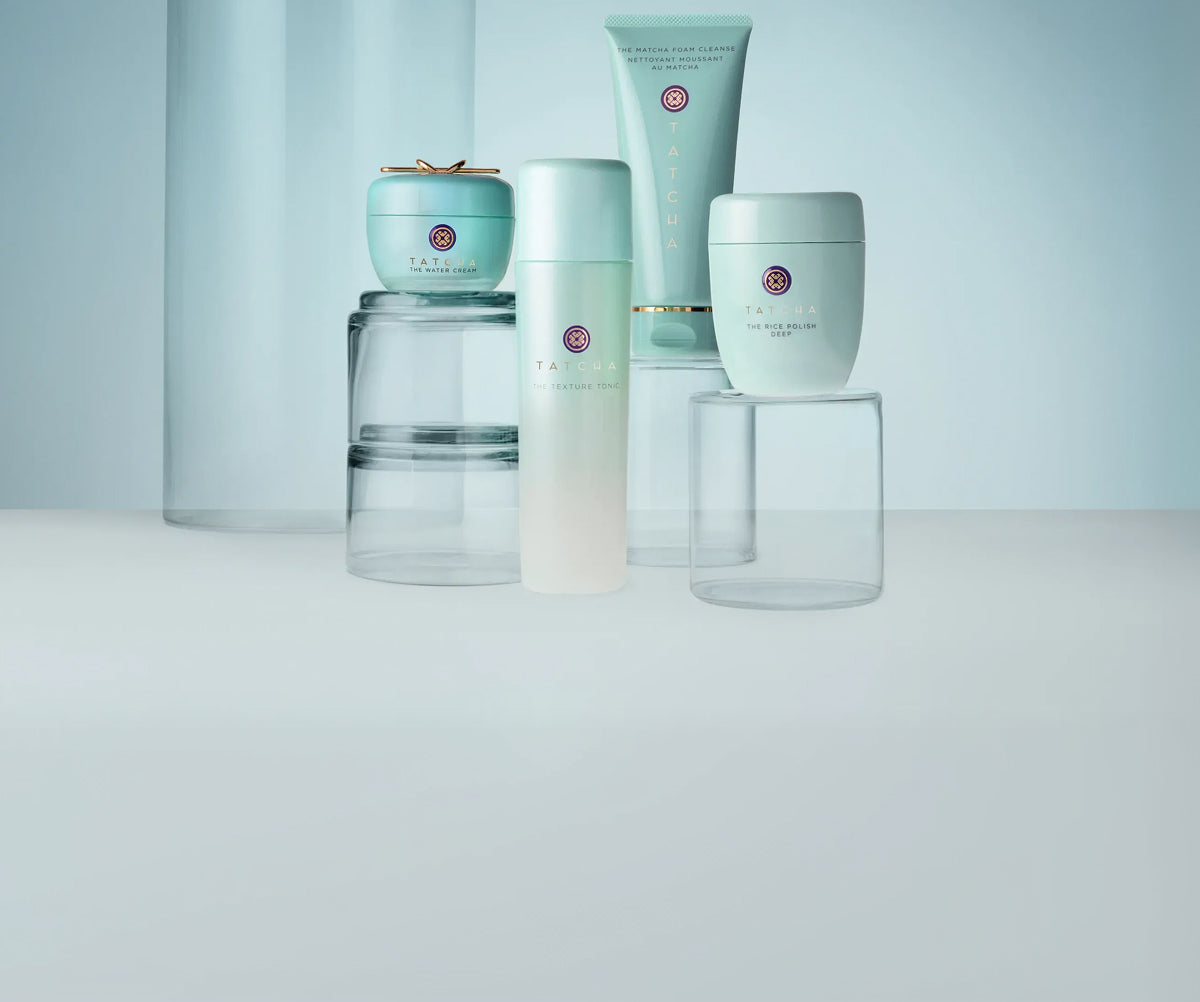
You change your clothes in warmer weather, so why wouldn’t you switch up your skincare routine in more humid climates, too? Discover the best skincare routine for humid weather. A humid climate might equate to warmer temperatures, but the welcomed respite of warmth can also trigger skincare woes that can wreak havoc on your face, including clogged pores and breakouts, increased oil production, and makeup sliding off. A thoughtful update to your usual skincare routine can alleviate these symptoms and help skin feel fresher for longer, even in high temps and humidity. Keep reading for the best skincare routine for a humid climate, plus the most effective products to control excess oil, even at mid-day.Humidity WoesWith rising temperatures comes rising humidity and that can mean a whole host of issues for hair, skin, and more. While the direct link between humidity and frizzy hair is well documented (caused when the humidity in the air is greater than the level of water in your hair), we take into consideration the direct correlation between humid climates and skin woes far less often. The increase in sweat, sebum, and oil production can cause blemishes, an excessively oily complexion, and the feeling of skincare and makeup being too heavy or constricting, especially if your skin type tends to run oily. But fret not, there are a few upgrades in your daily skincare ritual that can help support skin when humidity rises.Best Skincare Routine for a Humid ClimateYou alter your clothes for warmer, more humid temperatures, so why wouldn’t you also update your skincare routine, too? These clever upgrades can help support your skin each and every day, from controlling excess oil to curbing makeup slip-off, here are the most effective and best skincare products that defy humidity.A Deeper CleanseCleansing is absolutely vital every single day—particularly in humid climates. Not all cleansers are created equal though, especially when facing high humidity. When choosing a cleanser, reach for an option that is specifically designed to reduce makeup slip-off, curb excess oil, and prevent breakouts. Consider embracing the double cleanse. And, as always, cleansing twice a day with a non-irritating cleanser will help support healthy-looking skin. Try: The Matcha Cleanse This clever daily clarifying gel cleanser decongests pores without stripping skin, while also rebalancing skin’s natural oil production for smoother skin and reduced makeup slip-off. The refreshing watery-foam texture balances skin pH, primes skin for makeup, and addresses the skin’s texture for a smooth appearance. The formula includes premium Kyo-matcha (ceremonial grade and sourced directly from the famed Uji region in Kyoto), powerhouse Japanese coix seed (used in herbal medicines for centuries to purify pores), and Japanese mugwort (to support skin barrier function). While this cleanser is ideal for oily complexions year-round, it’s an excellent choice for all skin types when dealing with high humidity. After all, it purifies and primes skin for a more visibly clear, matte canvas. In clinical tests, 90 percent of participants showed a visible reduction in pores after just one use.* Also, 97 percent demonstrated better makeup wear after 8 hours and 91 percent demonstrated continued shine control.***In a test evaluated via expert grading on 40 panelists**In a test evaluated via expert grading on 36 panelistsAn Exfoliating TreatmentA gentle chemical exfoliant is perfect for humid weather, as it helps keep oil and sebum production in check and removes debris and dead skin cells that can accumulate from SPF, sweat, and makeup. If not regularly exfoliated, skin can quickly build up dirt and bacteria that can cause enlarged pores and blemishes. The trick to starting a routine that includes an exfoliant is starting slow—reach for a low-percentage formula that touts its gentle nature and follow the suggested use directions. Try: The Texture Tonic This AHA-powered formula was designed for all skin types and is gentle enough to be used daily. Thanks to the ingredients, which are specifically formulated to reduce excess oil and sebum, it’s ideal for humid climates. The Texture Tonic has niacinamide and Japanese mugwort to reduce the look of discoloration, plus it improves skin’s moisture levels and visible calms redness and irritation. It’s designed to be a sensory experience as well, as the liquid exfoliant is scented with a functional fragrance blend of sweet fennel and rosemary – two botanicals known to increase focus and mental clarity, too.A Gel MoisturizerIt might be tempting to overlook moisturizers when the weather includes high humidity, but applying a lotion—albeit a lightweight, thoughtful formula—is essential. Look for one that states it’s non-comedogenic, which means it won’t clog pores or cause acne. Try: The Water Cream An effective moisturizer is one of the most difficult products for any skin type, especially in a humid climate. Too thick and it drowns skin in hydration, too light and it might cause skin to produce excess sebum. But this lightweight, clarifying, water-based formula is the ideal moisturizer for oily skin all year or for any skin type in high humidity. The gel cream releases a burst of hydrating nutrients and pore-refining botanicals for healthy-looking, balanced skin. Plus, the cream employs a few powerful botanicals—including wild rose to minimize the look of pores and leopard lily to soothe—to deliver weightless hydration, without leaving skin sticky or greasy.A Modern SunscreenSunscreen is non-negotiable. However, they weren't always fun to wear, due to their goopy and thick textures. But today, the best sunscreens are lightweight and packed full of skin-benefiting ingredients. No matter the weather, it’s important to wear sunscreen every day, as it helps to prevent UV and sun damage that could lead to wrinkles, age spots, and even skin cancer. When choosing the right sunscreen for your skin type, aim for a formula that has an SPF of at least 30 and always reapply when outside. Try: Silken Pore Perfecting Sunscreen Our Silken Pore Perfecting Sunscreen has weightless broad-spectrum SPF 35 coverage that blends effortlessly and invisibly for smooth, matte skin. The non-comedogenic and non-irritating formula features skin-loving ingredients that not only protect the skin, but also help tighten the appearance of pores, smooth skin texture, and visibly calm irritation. This is one SPF formula that won’t slip off come high temps and humidity.Controlling Excess Oil InstantlyBlotting papers are instantly effective, helping to absorb excess oil without irritating the skin or makeup. But they’re nothing new: ancient Japan has been singing the praises of abaca leaf papers for centuries. Centuries ago in Kyoto, gold artisans used the soft, strong, and absorbent paper to protect their gold leaf. Geishas discovered the papers were brilliant at wicking away traces of oil without stripping moisture from the skin or disturbing their intricate makeup—and that’s how the legend of blotting papers began. Try: Aburatorigami Japanese Blotting Papers This ancient innovation is still just as simple yet revolutionary as it was centuries ago. The soft leaflets are made of just natural abaca leaf and gold flakes. They instantly absorb excess oil without disturbing makeup for petal fresh skin anytime, anywhere.

Meet the Faces of Friends & Family
Our annual Friends & Family Event is highly anticipated every year, and to make it extra special, we made our Tatcha Family the stars. Read on to meet the team, then shop their favorite formulas 20% off! Shannon “I am the Senior Email and Retention Manager, and I’ve been with Tatcha for 8 months. My absolute favorite Tatcha formula is the Silk Cream - it keeps my skin so smooth and soft - although The Matcha Cleanse is quickly becoming a new holy grail product! One of my favorite things to do with my family is TRAVEL - in fact, my one-year-old daughter will get her first passport stamp next month on our family trip to Costa Rica. I love bonding with my friends and loved ones over delicious food and drinks, amazing sites, and shared new experiences!” –Shannon Sarina “I am the Email Marketing Assistant Manager and have worked at Tatcha for over a year. My favorite product that I cannot live without is The Water Cream. It gives the perfect amount of lightweight hydration for my skin & makes makeup go on flawlessly! If I’m not cooking dinner with my family or going out for drinks with friends, I love taking my two English Labradors, Buster Brown & Tucker, to the beach for a fun day out.” – Sarina Priscilla “I work as a Manager on the Product Marketing team and am proud to have been with the brand for almost 3 years! My desert island TATCHA formula would hands-down be The Silk Sunscreen because I’m trying to age as well as my beautiful Mom, and love that it’s a mineral SPF 50. My favorite activity to do with my family is travel - I’ve been to 9 countries with different family members and we look forward to visiting many more.” – Priscilla Cynthia “I’m a proud TATCHA ‘Mom-ager’ of Priscilla on the Product Marketing team - and I can’t live without The Dewy Skin Cream. As I get older, I want my skin to be as moist as a slice of cake - so more is more when it comes to Dewy! My favorite family activity is going shopping with my daughter - we have the best memories getting to the mall early for Black Friday sales.” – Cynthia David “I’ve been with Tatcha for 5 amazing years. The Silk Cream is my all-time favorite, it’s weightless texture and rich hydration makes it perfect for summer. I enjoy using The Deep Hydration Lifting Mask while indulging in a glass of wine and sharing the highlights of my day with my loved ones.” – David Alec “I’ve been a part of the Tatcha family for 11 years(!), currently as a member of the People Team. The Rice Polish: Gentle, The Essence and Ageless Renewal Cream are my essentials—they’re the perfect trio for my dry, sensitive skin. My favorite way to spend time with family is exploring all our city has to offer, from museum exhibits and botanical gardens to city strolls and restaurant crawls. I especially love getting our young kiddos together to build the next generation of family and friends.” - Alec Mia “I’ve worked at Tatcha for 5 years and currently work on the Ecommerce team as a Sr. Marketing Manager. The Serum Stick is my all-time fave and a product I can’t live without. I love it because it’s tiny and can be tossed in any bag, and it’s good for a quick swipe of moisture on your face when you need it. It’s the Friends & Family season and my current hobbies include breadmaking with my nephews and playing Nintendo Switch while the bread rises!” - Mia Candace “I’m the Senior Editorial Director and I’ve been with Tatcha for four and a half years. My favorite Tatcha formula (and the one I never knew I needed!) is The Essence. As someone with very dry skin, I love how deeply it hydrates and helps my skincare absorb better. I can definitely tell the difference when I don’t use it! I love to cook (and eat!) so sharing a meal with friends and family is always my favorite way to connect.” - Candace Aly “I’m Aly and I'm the Director of Education and Events at Tatcha. I’m celebrating 5 years with this beautiful brand. It's hard to choose a favorite formula! But the one that changed my skin for the better and what made me a lifelong customer before being an employee is The Rice Polish: Classic. After 2 weeks of using it, I noticed a huge difference in my skin’s texture! My skin definitely changed when I gave birth to my daughter 18 months ago, so I have been changing up my moisturizers between The Water Cream, The Dewy Skin Cream and Indigo Overnight Repair. Food is my love language - so I love cooking a delicious meal or sharing one at a restaurant with friends and family. I always love how there are different tastes and flavors - but even more so the laughter and memories shared around the table with the people you love the most.” - Aly
Tatcha Deep Cleanse vs. Matcha Cleanse
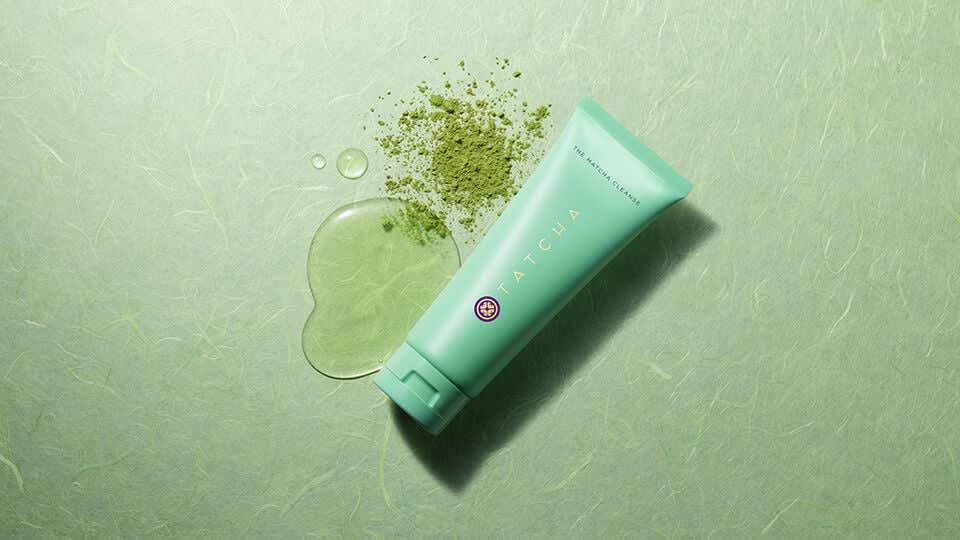
The two Tatcha cleansers might appear nearly identical at first glance, but the formulas are vastly different. Keep reading to learn which face wash is right for you. Cleansers are perhaps the most important tool in your daily skincare routine. They remove irritants, bacteria, sebum, oils, and everything else (including makeup, pollution, and sunscreen) from the skin, allowing for a clean base to absorb the powerful next ingredients and formulas in your ritual (like serums, moisturizers, and face oils). No longer are they one size fits all, facial cleansers have become, thankfully, hyper niche, allowing you to find the most ideal cleanser for your specific skin (and skin type).At Tatcha, we’re ever-innovating, and one of our newest and most exciting formulas is The Matcha Cleanse. This game-changing formula took years to perfect and is designed for a very specific type of skin. However, at first glance, it may look fairly similar to one of our bestselling cleansers, The Deep Cleanse. But the two formulas are vastly different. Keep reading to discover more about each facial cleanser and uncover which formula is right for you.The Matcha Cleanse We’ve listened to our beloved consumers' thoughts and suggestions since the origin of our brand and we’ve heard the same thing over and over again for years: It’s impossible to find a daily cleanser for oily and combination skin that doesn’t overstrip or make breakouts worse. Which is where The Matcha Cleanse steps in. The new formula is designed to purify, balance, and refine oily, combination, and breakout-prone skin—without stripping or irritating. With a unique watery-foam texture, the refreshing cleanser is gentle enough for daily use (even twice a day), helping to control oil and rebalance skin’s moisture level for a more hydrated complexion without makeup slipping or melting off during the day. Speaking of gentle, The Matcha Cleanse is fragrance-free and soap-free, so it can cleanse with unmatched pore-priming purification without irritating the skin.The Matcha Cleanse IngredientsThe Matcha Cleanse’s ingredients are quite unusual and extraordinary, too, focused on celebrating the best of historic and time-tested Japanese ingredients, with a modern point of view. Here are a few of the ingredients that make The Matcha Cleanse stand out from the crowd.Japanese MatchaSourced directly from Uji Tahara in Kyoto, this premium powdered green tea is prized for its quality in Japan and is grown under cover for weeks prior to harvesting. Our matcha is also ceremonial grade, meaning it’s the highest quality of matcha made. To this day it’s an essential part of the Japanese diet and is believed to help you live longer. Also, matcha has been scientifically linked with a significant reduction in acne when applied topically, thanks to the tea’s anti-inflammatory and antioxidant properties.Japanese Hatomugi (Coix Seed)A traditional cosmetic ingredient and superfood widely trusted in Japan, hatomugi, or coix seed, has been used in herbal medicines for centuries. Coix seed extract has potent anti-inflammatory properties, which are scientifically linked to reducing redness, swelling, and irritation. When used topically, coix seed can have a BHA-like effect, helping to decongest pores and support skin cell turnover. Additionally, the ingredient has double the protein of rice, is rich in vitamins B1 and B2, and is high in iron, calcium, fiber, and amino acids—making it a highly beneficial ingredient within your diet and skincare.Willow BarkWillow bark has been used for medicinal purposes for over 3500 years, when individuals chew on the bark of the tree to reduce their fever and inflammation. When used topically, the natural beta hydroxy acid alternative is known to support the skin’s turnover cycle, revealing a smooth and more balanced complexion. Willow bark is also known to balance the complexion and oil production, as well as gently exfoliate and soothe irritation.Japanese Yomogi (Japanese Mugwort)The beloved ancient medicinal herb known as the ‘Queen of Herbs’, yomogi, or Japanese mugwort, is a sacred botanical that has been used to treat both the skin and body for centuries. It’s also known for its effective healthy-aging properties and is used to calm and cleanse the skin.Who Is The Matcha Cleanse Right For?Searching for a daily cleanser for oily, acne-prone, and/or combination skin that won't overstrip or make breakouts worse? Traditional cleansers can strip too much moisture, causing the skin to overcompensate with excessive oil, leading to clogged pores and potential blemishes. Try The Matcha Cleanse, which cleanses and keeps skin hydrated without being oily. After just one use, users showed a visible reduction in the appearance of pores, a reduction in oil, and an improvement in moisturization instantly.*Tired of harsh ingredients? While potent ingredients might seem like the quickest way to target blemishes and oily skin, the harsh formulas can strip the delicate face, leading to long-term issues with excessive oil and dryness. Consider The Matcha Cleanse, which harnesses time-honored ingredients, including matcha, coix seed, and willow bark to decongest pores and support gentle surface turnover. The fragrance-free and soap-free formula has a gel texture that transforms to a refreshing watery foam to cut through excess oil and remove buildup but leaves skin feeling comfortably clean.Sick of makeup slipping or melting off midday? Traditional formulas with unbalanced ingredients can make skin look and feel greasier and shinier, leading to makeup slip-off or separation. Reach for The Matcha Cleanse, which controls oil for better and longer makeup wear throughout the day. In clinical studies, 97 percent of users demonstrated better makeup wear even after 8 hours, while 91 percent noticed a continued visible reduction in pores and shine control.***Evaluated via bioinstrumentation on 40 panelists**Evaluated via expert grading on 36 panelists The Deep Cleanse A bestseller for years, The Deep Cleanse is a face wash doing double duty, working on the skin as both a cleanser and physical exfoliant at the same time. Geared towards oily skin, the gel-to-creamy-foam formula includes natural luffa fruit for purifying and exfoliation, but also wild rose and leopard lily to minimize excess oil and visibly calm skin. While it is designed for oily skin that doesn’t mean it’s harsh or drying. The formula includes amino acids derived from silk extracts to balance, while also leaving skin comfortably hydrated.The Deep Cleanse IngredientsWild RoseIn traditional Eastern medicine, wild rose is used to bring the body back into balance, improve circulation, and even calm the spirit. In The Deep Cleanse, the antioxidant-rich fruits of this fragrant blossom can balance skin, reduce the appearance of pores, and also improve skin tone and texture.Leopard LilyFound on the cool hillsides of Japan, this bright bloom has been prized for its numerous benefits for centuries. Used to decorate the streets of Kyoto’s geisha district during the Gion Festival, leopard lily has earned the name “the flower of Kyoto.” In skincare, the leopard lily can visibly calm skin, helping to soothe instantly.Luffa FruitUsed for centuries as a natural beauty multitasker, the ground fibers of the luffa fruit help to exfoliate skin. Additionally, the powerhouse ingredient helps to delicately turn over dead skin cells, deeply purifying and decongesting pores.Who Is The Deep Cleanse Right For?Searching for a daily cleanser that improves skin’s texture, radiance, softness, and hydration? In clinical studies, 100 percent of users* showed improvements in all of these impressive and noticeable benefits after just one use of The Deep Cleanse. The same study found the cleanser also showed improvement in the appearance of pores, too.Looking to exfoliate and cleanse in one single step? Reach for The Deep Cleanse, which sufficiently minimizes the daily skincare ritual, combining the purify and polish steps into one satisfying creamy foam experience.Seeking a reduction of that midday oil slick feeling on your face? The Deep Cleanse has been shown to reduce excessive oils in 100 percent of users in a clinical study.** But compared to harsh cleansers, the cleanser leaves skin soft and hydrated with amino acids.*Based on a clinical study of 25 women after one use**Based on a bioinstrumentation study conducted on 25 peopleThe Matcha Cleanse vs. The Deep CleanseWhile we treasure all of our creations equally, there are reasons why you might prefer one cleanser over the other. Here is a quick way to assess which formula is best for your skin.Use The Matcha Cleanse if…You don’t want to exfoliate with every face wash. The Deep Cleanse has a slight physical exfoliant to minimize steps, but for those seeking a gentle yet effective gel cleanser (sans exfoliation), reach for The Matcha Cleanse. This is particularly true if you are a fan of the award-winning Rice Polish: Deep. It’s ideal not to use The Rice Polish: Deep and The Deep Cleanse together, as that’s likely too much exfoliation for one ritual.You prefer a non-exfoliating gel cleanser. The Matcha Cleanse is a gentle-yet-effective cleanser, which provides a transformative sensorial experience. The soap-free formula allows for a more gentle experience, while also targeting excessive oil and addressing the overall congestion of the skin and the pores. Additionally, if you’re a fan of fragrance-free formulas, you’ll love The Matcha Cleanse. The Deep Cleanse has a slight natural scent, which may be not ideal for some users.You want a cleanser that’s ideal for all skin types. The Matcha Cleanse is perfect for oily, combination, and acne-prone skin, but it also is compatible with other skin types, too. The daily formula is specifically formulated to be gentle, yet effective—and that’s true for any skin type.You live in a humid climate. Whether you live in a more humid climate year around, or just a few months out of the year, The Matcha Cleanse is right for you. The formula targets excessive oil production, helping to curb and manage oiliness that leads to that oil-slick feeling and look during the day.No matter what cleanser you reach for, we’re always here to help you along the way in your skincare journey. Need help narrowing down your ideal ritual beyond a cleanser? Consult The Ritual Finder to uncover your perfect skincare ritual in mere moments.
How to Improve Skin Texture
Your skin’s texture and even your skin type can change slowly throughout our life, and then sometimes all at once. This can be a source of minor annoyance when it comes to skincare, but this relative changeability is what allows skin’s complex systems to function at their best. Human skin is composed of three layers, each one its own matrix of biological matter. The deepest layer of skin, the hypodermis, is composed of fatty adipose tissues, connective tissues like collagen, and blood vessels. (One of the roles of the hypodermis is to adhere skin to muscles and bones beneath.) The middle layer, or the dermis, is mostly composed of collagen and elastin, along with nerve endings, blood vessels, and a clear, gel-like substance made of glycosaminoglycans like hyaluronic acid. But when we think of skin texture—or the part of skin we can touch—we’re mostly talking about the epidermis, or the outermost layer of skin. Understanding the structure and function of your skin’s epidermal layer is key to understanding how skin is subject to change; then, you’ll be well-equipped to improve and smooth your own skin texture. What is the epidermis? The epidermis is the outermost of the three skin layers. You can think of the epidermis almost like bubbles in a glass of sparkling water: From the bottom, or basal, section of the epidermis, new skin cells are created that float up the various strata, adhering to another one like bricks. Our epidermis protects our precious insides from the harsh elements—things like UV light, or pollution. Keratin and melanin produced in basal skin cells contribute to the color of our skin and the luster of our hair. Epidermal thickness varies from person to person, and as well as the body, according to the Cleveland Clinic. The epidermis of one’s heel could be the thickness of two credit cards, while their eyelids may be only as dense as a sheet of paper. It’s an important part of one of our most important organs, and it's constantly exposed. The first line of defense between the dermal structure and planet Earth is the stratum corneum, or skin barrier, the outermost layer of the epidermis. At the top of the skin cell’s upward cascade, this is where most dead skin cells reside, caulked together by a mortar of lipids, proteins, and fats. Just because these cells are dead doesn’t mean the layer is purposeless; in fact, the stratum corneum is integral to the skin’s ability to retain water. As one 2011 journal article concluded, “maintenance of [stratum corneum] hydration, including assisting the SC in self-repair when conditions are adverse, is vital to sustaining healthy function and appearance of the skin.” The epidermis and skin texture Skin is highly complex, and the naked eye can only see one part of it: The stratum corneum, or skin barrier. This visible layer is the target of most of our skincare attentions; it’s also the target of texture concerns. Dead skin cells help compose our skin barrier, but too much of them can be a bad thing. Most of what we consider to be skin texture issues, from visible dullness to touchable roughness, is due to an excess of dead skin buildup. But natural aging and environmental aggressors can also cause these changes in skin texture. At its baseline, healthy skin should feel comfortable and look relatively clear. Potential imbalances can show up as skin texture symptoms. An overabundance of oil can cause skin to look slick, for example. Chronic dryness can manifest as scaly patches. Most inflammatory skin issues, from acne to eczema, appear as changes in the fabric of skin. Keeping the skin barrier in balance—and the epidermis clean, moisturized, and protected from the sun—is as good defense as any against future skin issues. Ways to resurface skin texture When it's time to tackle texture, take it to the skin barrier. Here are a few ways to augment your current skincare routine with steps that can smooth out roughness or otherwise uneven skin texture: Gentle scrubs. A step up from a good cleanse, a physical exfoliant containing a refining scrub can easily polish away excess dead skin, leaving soft, glowing skin behind. Peeling acids. Another form of skin resurfacing, called chemical exfoliation, uses acids that dissolve the bonds between dead skin cells. Some of these acids can be found in gentle formulas, like daily exfoliating toners, or in heavier-duty concentrations, like in-office peels. Mega moisturizers. Many moisturizers incorporate ingredients that are naturally found in skin—one study found visible improvements in texture of the stratum corneum when a product containing ceramides were applied to legs—which is another reason why it’s good to layer on the moisture. The best skincare for improving skin texture In the cases of inflammatory skin conditions, like eczema or psoriasis, it’s a good idea to talk to your dermatologist to iron out a treatment plan. Other tests of texture, like those merely caused by dead skin buildup, can be aced by incorporating just one new skincare product or active ingredient, like one of these: The Rice Polish Just as we might use friction to polish a household surface, lightly scrubbing—dermatologists warn against scrubbing too vigorously—can help polish our skin texture. The verb itself in appears in the name of one of Tatcha’s best-selling exfoliants, The Rice Polish, a finely milled blend of Japanese rice bran and silk protein. Additional papaya enzymes promote natural skin turnover to instantly reveal a smooth, primed, makeup-ready canvas. The Texture Tonic Recent decades have seen the invention of new and exciting exfoliating chemicals that are increasingly effective and safe for skin. Some of these are gentle enough to incorporate into a daily routine. The Texture Tonic, a lightweight toner, is infused with fruit-derived alpha hydroxy acids that resurface skin, as well as niacinamide, a form of vitamin B3 that evens skin tone and tightens the look of pores. The Matcha Cleanse Oily skin is a texture unto itself, and can express itself through slick patches of skin or areas where pores seem enlarged. Returning skin to a state of balance is the idea behind The Matcha Cleanse, which performs the task with Japanese superplants that refine and resurface skin. The formula is centered around a form of green tea powder with a high antioxidant level that has been applied as a revitalizing face mask for centuries. Now in a lightly foaming gel cleanser, it’s one rinse to soft, pure skin. The Indigo Overnight Repair An intensive treatment can provide major smoothing benefits to skin—especially if it’s left on for a little while. The Indigo Overnight Repair combines a serum and moisturizer into one jar. Bolstered by the anti-inflammatory properties of Japanese Indigo (a centuries-old botanical used for wound healing), this powerful product visibly calms irritation, strengthens skin’s barrier, and balances the microbiome, so you can awaken with skin as strong as you are.
How to Choose a Pore-Purifying Cleanser
Every face has pores, and every face pore needs to be properly cleansed. Keeping pores clear is a good way to keep breakouts and oily skin away. Here are some ingredient and product suggestions for the job. Each day, our skin gets thicker. Or, rather, it accrues build-up on its surface—certainly made of skin byproducts like sweat and sebum, maybe makeup, probably airborne dirt from the world outside. This is a natural process, and one that necessitates a basic skincare routine, which begins by clearing the day away.Chemically, a face wash is little different from any other kind of wash. It requires the use of surfactants such as micelles—molecules capable of attracting oil and dirt, pulling it all from the skin so they can be rinsed down the drain. There’s often a visible difference between washed and unwashed skin: the latter can display its buildup conspicuously, in pools of makeup, or less so, in dull patches of dead skin. But the work of a good face cleanser is largely unseen to us. It works on a deeper, microscopic level, by reaching down into pores, where skin’s oil reserves are located. This is why so-called pore purifying cleansers can especially be helpful for managing oily skin types.Not every cleanser is up to the task of cleansing pores. In general, dermatologists recommend gentle formulas that are able to lift dirt without disruption to the skin's strong but vulnerable barrier. But when a deep clean is necessary, what’s a face to do? They look to pore-purifying cleansers, but only after understanding how—and why—they workWhat are pores?Pores are tiny, and yet they occupy a huge share of the skin care conversation. The term pore refers to one of millions of tiny openings in the epidermis, or the outermost layer of skin, that channel down into the dermis. At the bottom is an oil-secreting sebaceous gland, a term we’ll encounter often when discussing pores. One of the basic functions of a pore is to expel excess materials, like oil, from skin, as well as allow the traffic of substances throughout the skin’s topmost layers.It’s a truth that should comfort some: Pores are largely invisible, and to inspect them requires significant magnification, or the use of a microscope. But it’s also true that pores can, and will, enlarge with time. And though you may have heard about the promise of pore shrinkage, such a thing is, unfortunately, impossible. Our pores are our own, from birth and onward. The best way to approach your own is to first remember that nobody else thinks about them nearly as much as you do. From there, if you notice pore-related irregularities, it might be a good idea to have your dermatologist take a look. With their guidance, it’s possible to perform gentle pore maintenance at home—with the right tools and techniques. Can you cleanse inside pores?Regardless of your skin type, everyone has pores. Pores make skin porous, and that’s a good thing: The better skin can effectively move sebum or sweat up from sebaceous glands and out of the dermis, the better it can self-regulate. But as with any thoroughfare, roadblocks occur; these substances can build up in the pore to the point of clogging. Dermatologists call these comedones, a type of acne, and sort them into two major types: Open comedone, or blackheads, are characterized by an accumulation of dark skin pigment, called melanin. Closed comedones, or whiteheads, occur when a follicle has been completely blocked off. It’s a good idea to talk to a dermatologist when these occur, but regularly and properly cleansing skin can clear out pores, which helps keep comedones at bay.Women’s Health once compared pores to plastic shopping bags. When they’re empty, they scrunch up, but when they’re full, they expand to accommodate their cargo. Ensuring that they remain empty, or at least keeping their load light, is a matter of keeping skin washed—which itself is a matter of making the right choices. The best pore-cleansing skincare ingredientsA wide assortment of cleansers await you. But whether you deal with oily skin or just want some extra TLC for your pores, a brief overview of common types of pore-purifying ingredients may help you narrow down your choice.A fine scrub, like rice powder. The keyword is “fine”, as in: Very gentle. Dermatologists recommend scrubs to refine skin texture and even minimize the appearance of pores, but at the same time caution against overscrubbing. It’s important to choose an exfoliant that works without irritating. The skincare brand Tatcha uses rice bran, which is rich in nourishing minerals and vitamins, and makes an excellent scrub.A tried-and-true acid, like AHA or BHA. On the other side of the exfoliation spectrum from scrubs are acids, or chemical exfoliants, that chew away the bonds between dead skin cells, and can cut through oil, reaching down into skin to purify pores. Alpha hydroxy acids, or AHAs, also help ingredients applied afterward penetrate deeper into the dermis.Superpowered plants, like wild rose. Some plant extracts can offer amazing benefits for skin—when they’re applied correctly. One ingredient that Tatcha loves for pores is wild rose, which has a long medicinal history in Asia for everything from headache tinctures to wound healing. In topical skincare, it can even reduce the appearance of pores. The best pore-purifying cleanserOne of our best recommendations for a daily pore cleanser is The Matcha Cleanse, a new gel formula that lathers into a soft foam to decongest and purify skin. Specially suited towards oily skin types, the lightweight formula is designed to cleanse and balance skin, without stripping away essential moisture. Coix seed, a Japanese superplant, lends its abundant vitamin B and amino acids to nourish the skin while encouraging skin surface turnover. Meanwhile, willow bark extract, a BHA alternative, is known to gently exfoliate and rebalance skin—purifying pores in the process. Another pore refining formula is The Rice Polish, made with rice bran ground to a fine dust; Just add water, and it lathers into a cloudlike foam. Proteins from silk help moisturize skin, minimizing dryness and flaking. But it’s the addition of papain, exfoliating enzymes from papayas, that work similarly to a chemical exfoliant in refining the top layer of skin. After a rinse, you’ll notice your pores look tighter—if you notice them at all.

The Best Gel Cleanser
Cleansers come in all sorts of formats and textures—and gels in particular come recommended for oily and acne-prone skin. But why do gel cleansers work best for these types? And what is the best gel cleanser? A skincare routine might be two steps or twelve. It might be better suited for oily skin or dry skin, or vice versa. But one consistent feature of all skincare routines is a good cleanse. More often than not, cleansing will be found at the very beginning.Face wash is step one for a reason. Clearing out excess oil or removing dirt collected on your skin during the day allows the following parts of your routine—your essence, serums, and especially your moisturizer—to work unimpeded. If our skin barriers are shields against our outside environments, a proper cleanse helps not only to preserve these shields, it introduces ingredients that fortify them, too. Cleansing is also useful in the treatment of dermatologic disorders from acne to eczema to sun damage.As your skin goals get more specific and sophisticated, so, too, can the skincare you use to achieve them. For example, those treating oily skin tend to opt for gel formulas that can help balance out their skin’s water-oil levels. But these formulas can sometimes do their job too well, and throw the balance off in the other direction; skin feels parched in the process. The best gel cleanser stops short of disrupting skin’s own moisture reserves; it cleanses and rinses and leaves skin nourished, hydrated, and ready for the rest of your routine. This guide will help you understand why the best gel cleanser might also be the best option for your skin. The many types of cleansersTo suit a wide array of routines and skin types, cleansers come in all sorts of textures—dense and watery, oily and jelly.Chemically, this is achieved by choosing the right base. Some cleansers are based in oil, which allows them to nourish very dry skin—as well as melt makeup. Others are more lightweight by comparison, which helps them sink down into the outermost layer of skin. The best base for your cleanser may simply depend on your own preferences. But they’re also often recommended based on specific skin properties, like how much oil your skin naturally produces.A few common types of cleansers you’ll encounter in the skincare aisle include the following, from most lightweight to heaviest:Micellar water. This very lightweight kind of cleanser is named for the micelles within its formula, which help the body absorb lipid and fat soluble vitamins. When applied to skin, these micelles can glom onto outside dirt and impurities and pull them away from the skin. Micellar water is especially good at removing makeup, but is usually not recommended to cleanse skin on its own; Other cleansers can more effectively cleanse deeper into the skin.Gel cleanser. Heavier than a micellar water, these water-based cleansers take on a slippery, translucent shape. Gel cleansers are recommended for oily skin types due to their ability to reach down into the layers of the skin, where oil resides; they also have been noted to shrink the look of pores.Cream cleanser. It may look like your moisturizer at first blush, but a cream cleanser is different by design; the main goal of these formulas is to cleanse the skin without stripping it of natural moisture. But with added moisture-binding ingredients like hyaluronic acid, these can also help hydrate and moisturize your skin in the process. The gentleness of cream cleansers often makes them great for sensitive or reactive skin, but they’re a safe bet on all skin types.Oil cleanser. Many cleansers make use of plant-based oils, but oil-based cleansers, as the name suggests, are nothing but. If you remember that skin is an oil-water matrix, you can see how oil cleansers are uniquely suited to work with the natural composition of skin. They help shore up skin’s natural barrier against water loss, which is probably why oil cleansers are often recommended to those with dry skin.Waterless cleanser. Recently, a new cleanser category has risen in popularity—and one without any liquid at all. These cleansers, be they solid bars or finely milled powders, are activated when the user combines them with a small amount of water. These cleansers can benefit all skin types, and be especially useful for exfoliation. They’re also very air travel-friendly. The benefits of gel cleanser But let’s zoom in to one particular type of cleanser: Gel. Why are gel cleansers so good for those with oily or acne-prone skin?Historically, these kinds of cleansers have been known to provide a squeaky-clean, tight sensation to those who use them. For faces that are typically slick with oil, this can seem like a good thing. But dermatologists disagree. According to the American Academy of Dermatology Association, a good face wash shouldn’t leave skin feeling stripped bare. It’s important to use products that will respect the integrity of the skin barrier—not wear it down.As a result, many gel cleansers have been formulated to include ingredients that hydrate and/or moisturize the skin. Their unique texture still provides a relatively lightweight cleansing experience—they slide onto skin, and may gently foam when lathered—that manages to unclog pores by ridding them of unwanted dirt and debris. The best gel cleansers will also carry ingredients that offer other benefits, from chemically exfoliating the skin to repairing unseen oxidative damage. How to wash your face with gel cleanserThough a gel cleanser behaves differently when applied compared to other cleanser textures, the order of operations is pretty much the same.Apply one to two pumps of gel cleanser. Dermatologists typically advise cleansing twice daily, in the morning and in the evening, but you should always talk to your own dermatologist or licensed skincare pro about what works for your skin. A pump or two will do you for each cleanse. (Specific dosing advice will be printed on the packaging’s directions.)Lather and massage the gel cleanser gently into the skin. While you may have the urge to scrub your skin clean, especially at the end of a long (and potentially grimy) day, it’s in your skin’s best interest to resist. The best way to cleanse your face is with light pressure and gentle hand motions. This is true for any and every skin type. Imagine your skin as a fine fabric, like silk, and treat it accordingly.Consider a double cleanse. This popular (and dermatologist-endorsed) skincare trend involves using two formulas of complementary texture to get the most effective wash possible. It’s entirely optional—but worth learning about.Rinse, pat dry, and follow with toner or serum. With the same soft hand you’ve been using throughout this process, rinse your skin and pat it dry with a soft, clean towel. Now your skin is clean—and optimized for your next skincare steps. The best gel cleanserA gel cleanser can effectively clean skin, down to its innermost reaches where excess oil resides. The best gel cleanser should do even more, using thoughtful formulation to get the most out of your skincare routine’s first step.The newest addition to the skincare brand Tatcha’s best-selling array of cleansers fits the bill perfectly. The Matcha Cleanse is ideal for oily, blemish-prone skin, formulated without fragrance or soap that has potential for irritation. It’s a gel cleanser that, with a little water, transforms into a refreshing watery-foam that purifies even congested pores without stripping skin. This is achieved thanks to powerful Japanese botanicals. Powdered green tea, for one, has excellent antioxidant capabilities, helping to repair cellular damage from within. BHA alternatives help to gently exfoliate the skin, while providing vitamin nourishment. Beyond the daily benefit of cleaning your slate, regular use will beget more benefits over time. In other words, it’s a cleanser that does more.
Skincare Routine for Large Pores
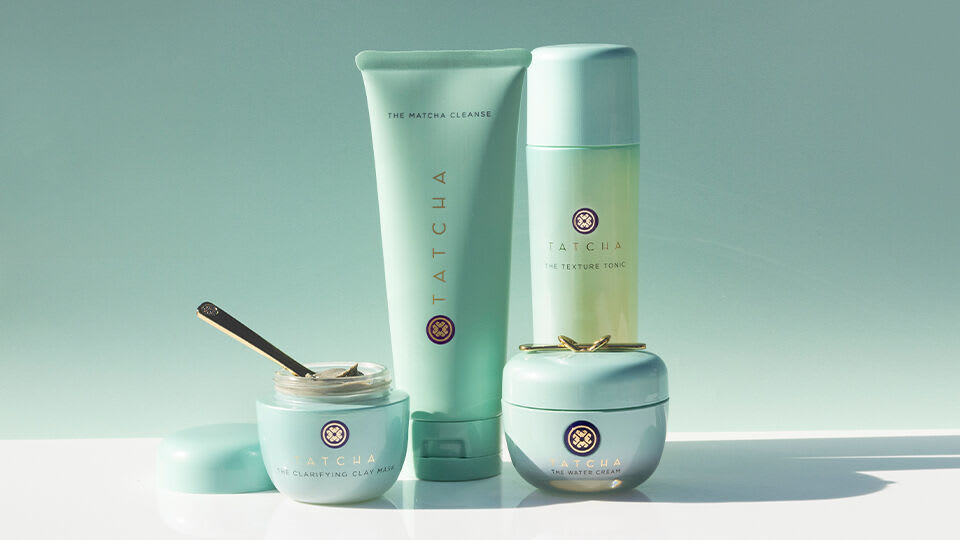
Pore size is a part of our genealogy that we cannot change, no matter what we do. But the right skincare routine can help improve the appearance of large pores, blackheads, and more facets of oily skin. Your fingerprints, your irises, the sound of your voice—all of these things are unique to you. Genes may be borrowed from your ancestors, but the way they express themselves in every body gives us our unique human signatures. The pores on your skin are no different.The word “pore” refers to one of the many millions of small openings on the outermost layer of your skin (the epidermis) that channel into a lower layer of skin (the dermis). Some of them contain hair follicles, and many contain sebaceous glands—the source of oil production. A pore’s main function is to expel sebum, or oil, and sweat from the skin; like other channels, they can be subject to clogs, and sometimes require the deft hand of a skincare professional to effectively extract from within.It’s common for pores to become a focus of our attention, as a large concentration of our body’s pores are on the face. (Cue the scene from Mean Girls when Regina George is staring in the mirror, whining about her huge pores.) But it’s worth pointing out that many of the pores on our body are invisible, according to dermatologists. Technically, those pores that we can see qualify as “large” pores. And though you may be disappointed to hear that their size cannot be changed, their visibility certainly can—and is the key to unlocking the best skincare for large pores. Can you shrink large pores?For all of our pore fascination, there is quite a bit of misinformation and junk science when it comes to these important (and omnipresent) parts of our skin. Have you heard the one about how exposing skin to cold water can shut one’s pores? Well, pores cannot physically open or close. And they can’t be shrunk, either.As we said at the top, our pores are genetically predetermined, meaning that, like our fingerprints, we can’t simply change them. Some people are born with smaller pores than others. Even the American Academy of Dermatology Association advises on ways to make pores less noticeable, rather than disappear completely. But there are other factors that can affect how visible pores appear, such as an overabundance of oil, or dead skin, or the natural effects of skin aging. (In fact, all pores get larger with age, dermatologists say.) So while pore size can’t be changed, all of these other factors can be treated using skincare, which will help large pores appear smaller, too. How to take care of large poresWhile too much attention can be a bad thing, it’s a good idea for all skin types to be aware of their pores—no matter their natural size. Dermatologists have established how pores can clog, and how those clogs can lead to the development of acne. By keeping things clean and clear, you can unclog pores and keep clogged pores infrequent—or entirely at bay.Exfoliating acids or scrubs. As any dermatologist will tell you, exfoliation is key to minimizing the appearance of large pores. There are a few ways to do this. One is by using a gentle scrub that can buff away dead skin, leaving pores looking tightened in the process. The other is employing a chemical like a beta hydroxy acid, which will dissolve the bonds holding dead skin cells to the skin’s surface. Whichever way you go, don’t overdo it: Over-exfoliation of any kind can be harsh on the skin.Gel-based cleansers. Effective skin cleansing is one of your best defenses against clogged or enlarged pores. Applying heat—via steam or a warm washcloth—is a good way to loosen up any gunk that might be sitting in your pores. Then follow up with a lightweight gel cleanser, one that can reach down into skin for a deeper clean, is likely to ensure clean and clear pores.Regular facials. As skincare technology has improved, so have in-office procedures for treating large pores. A dermatologist or licensed aesthetician might be able to recommend a stronger exfoliating treatment, like a peel, that can help minimize pores. But these professionals can also perform extractions, in which they manually express clogged pores. Talk to your trusted skincare expert to see if any of these options might be right for you.Sunscreen. It all goes back to good sun protection. Sun damage contributes to a loss of firmness over time, which can make pores appear more noticeable. Just another reason to apply SPF every single day—even if you aren’t leaving the house.In defense of large poresHere’s another point worth making: Your pores are your own. You can’t change them, so you might as well learn to love them.It helps to think of pores not as facial annoyances, but as powerful skin tools, and another one of skin’s many exquisite mechanisms. When a sebaceous gland secretes sebum, the pore makes it possible for that sebum to travel upward, where it can lubricate the outer layer of skin. They can also help expel other substances like sweat. These pores do more than help skin—they are necessary to its function.Treating your pores with proper skincare—gently cleansing, exfoliating, and moisturizing—can and will have a visible benefit, by making these openings less pronounced and noticeable. This kind of skincare won’t shrink them, and certainly won’t erase them, but it can help diffuse and soften the look of large pores. Bonus points if it primes the skin for makeup that can provide additional blurring benefits. The best skincare for large poresA good skincare routine that can benefit large pores should focus on properly cleansing and exfoliating the skin. It would be wise to look for a face wash that has exfoliating ingredients as well as a texture suited to oily skin—these formulas are known for a deeper clean than some of their market counterparts.The skincare brand Tatcha, which designs its award-winning formulas around powerful active Japanese botanicals, recently launched The Matcha Cleanse, a cleanser specifically suited for oily skin and the large pores that can accompany it. The gel cleanser lathers into a soft foam that decongests pores without stripping skin. Its main ingredient, Kyo-Matcha, is an antioxidant-rich strain of green tea and a staple in the Japanese diet—one of the ultimate life-giving plants. BHA alternatives from coix seed extract and mugwort help to loosen dead skin cells, clearing the way for skincare to follow.A few times each week, you may be inclined to add an exfoliant to your routine. Tatcha’s Rice Powder Deep, made from finely milled rice bran, is beloved by oily faces for its ability to cleanse deeply and gently—and its oil-balancing and pore-tightening effect, thanks to Japanese wild rose. For those who prefer chemical exfoliation, the Texture Tonic combines wild rose with fruit-derived alpha hydroxy acids that refine skin and encourage cell turnover. (Plus, it’s gentle enough for daily use.) A lightweight moisturizer will provide the final seal to keep pores smooth and skin soothed—and there’s no better choice than Tatcha’s best-selling Water Cream, clinically proven to refine pores with a BHA alternative. Keeping it light and clean is the best skincare routine to follow when dealing with large pores. They still won’t shrink, but with regular care, you’ll marvel at how they seem to disappear from view.