


T-House


Winter Skincare Routine - 10 Tips to Combat Dryness
10 Tips to Soothe Dry Skin During the Winter Wintertime can be especially harsh on skin — cold and dehydrating air, freezing dips in temperatures outside mixed with dry heat inside, and winds that can leave skin blisteringly uncomfortable. Regardless of your skin type, winter is when most of us need to adjust our skincare routines. The change of seasons is a perfect time to call for a reevaluation — recalibrating or enhancing the usual ritual to fit your skin’s new needs. Safeguard and cold-proof skin with a few quick swaps, all in the name of staving off winter woes. Whether you adapt your routine with a few of these tips (or all of them), the hope is to combat dryness and soothe skin come wintertime. Discover your best winter skincare routine with these 10 tips to fight dehydration and irritation this chilly season. A Creamy Cleanser Shelf that harsh cleanser, and replace it with a soothing, calming option. Morning and evening, wash with a gentle cleanser. This is particularly important in the evening, when removing the day’s SPF, excess sebum and dirt, and makeup (if applying). Our founder Vicky Tsai has perfected her cleansing oil application. “To use a cleansing oil, always begin with dry hands and a dry face,” she says. “Fill your palm with a shallow well of oil and, using your fingertips, gently massage it onto your face – including around the eyes, plus lids – for 15 to 20 seconds. (Not all cleansing oils are safe for use around the eyes, so be sure to check the label.) Splash water onto your face and watch the oil quickly emulsify into a milky layer and effortlessly melt away makeup and debris. Rinse off with a few handfuls of warm water or softly wipe away with wet cotton pads. Oil cleansers are gentle and effective for all skin types.” Also, a word of caution for those who experience blemishes: “Avoid cleansing oil formulas with mineral oil, which is known to clog pores, especially if you’re prone to breakouts,” notes Tsai. Try: Massage on our bestselling Camellia Cleansing Oil, which is formulated with camellia oil to gently remove stubborn makeup (even waterproof formulas), melt away excess oil, and nourish skin to feel softer than silk. A Gentle Exfoliant It can seem counterintuitive to exfoliate when skin is dry, but a gentle exfoliant helps naturally shed the buildup of flaky dead skin cells. And that exfoliation will help your essence, serum, and moisturizers work much better too. Try: Our natural enzyme exfoliant, The Rice Polish, removes impurities while also providing potent antioxidants and nourishing moisturizers. Many exfoliants contain harsh abrasives and can only be used weekly, but The Rice Polish is gentle enough to be used every day and is a perfect addition to your winter skincare routine. Wet your palms and splash a handful of warm water onto your face. Pour half a teaspoon of powder into one hand and gently rub your palms together to create a creamy, luxuriant foam. Massage gently with your fingertips onto your face in circular motions for 10 to 20 seconds, avoiding your eyes. Rinse well and pat your skin dry with a soft face cloth. “When activated with water, rice powder not only decongests your pores, but also brightens skin tone, diminishes hyperpigmentation, and enables skin to better absorb the next steps in your ritual,” says Tsai. “Many conventional Western exfoliants contain seeds, salt, or ground shells that can tear and tug at the skin — even weekly use can cause irritation. Rice powders are beloved because they can be used every day without stripping or pulling at your skin. Instead, the foam delicately removes the dead skin cells that make your complexion appear dull.” A Soothing Essence It may appear like the classically delicate, almost water-like liquid is insignificant when it comes to fighting chronically dry skin, but looks can be deceiving. Essences are one of the most beneficial additions to your daily skincare ritual, especially during the winter. “A water-light essence floods skin with hydration and amplifies the performance of any treatment – including sheet masks and serums – by channeling it into the skin,” says Tsai. “The essence, which is patted to the skin twice daily after polishing, should always precede any ritual enhancements like brightening serums, deep moisture treatments, or beauty oils,” she adds. “You may be so enamored with the plumpness of your skin and its resulting luster that you’re tempted to skip the next step. Don’t. The most important job of the essence and its primary function is to make the skin ready for whatever treatment follows. The essence is the first act of giving back to your skin after you have shed impurities by purifying and polishing. Though it takes only seven seconds to apply essence, the act reminds me that many major life events happen in mere moments. Now that I am a devout believer in the plumping power of essence, I look forward to this part of my ritual the most.” To amplify the benefits, use the essence twice daily on a dry face, after cleansing and before applying any additional skincare steps. Pour a shallow well of essence into one hand, press your palms together, and then gently pat the essence into the skin of your face, neck, and décolletage. Try: The Essence which boosts the effects of skincare, resurfaces, and hydrates for primed, plump, and petal-soft skin. Not all liquids are created equal though — look for essences with skin-replenishing ingredients and avoid drying, sensitizing ingredients (like clays, essential oils, and denatured alcohol). A Hydrating Serum Layering on extra hydration during colder seasons will restore lost moisture and relieve dry, thirsty skin. And a super-boosting serum can deliver a much-needed dose of hydration to return skin to the supple, bouncy radiance lost over the wintertime. Morning and evening, apply a skin-replenishing serum to the face and neck, no need to rinse. Using your fingertips, massage serum into your skin in upward circular strokes. Try: The Dewy Serum is beautifully restorative and replenishing, and particularly great for achieving smoother, plumper, and dewier skin. A Rich Moisturizer A richly restorative moisturizer is a no-brainer when it comes to soothing itchy skin in the winter. Dry skin loves pampering, so hydrate with a rich cream that rejuvenates. When it comes to moisturizer application, place a pearl-sized amount of moisturizer onto your palm and dot to each cheek, your chin, and your forehead. Then, using your fingertips, massage gently in upward and outward strokes. “My rule for choosing a moisturizer is to look for an antioxidant-rich form that suits your skin type,” says Tsai. “If your skin is dry, opt for a rich cream or beauty oil. If your skin is more oily in profile, try a lighter gel or lotion.” Try: Grab a plumping, hydrating rich cream, like the award-winning Dewy Skin Cream. The antioxidant-rich formula not only hydrates (thanks to hyaluronic acid), but also combats the effects of free radicals, protects the skin, and strengthens the skin barrier. Have oily skin or acne-prone skin? Managing it during cold and dry winter months doesn’t necessarily mean loading up on heavy-duty moisturizers. Aim for a series of lightweight products (think essence, serums, and a gel moisturizer) that provide replenishing ingredients without weighing skin down. Try The Water Cream, a clarifying water-based moisturizer that releases a burst of hydrating nutrients and pore-refining botanicals for balanced skin. A Nourishing Face Oil Seal the series of moisture-loving products by applying a face oil immediately after a moisturizer. This acts as a protective shield, keeping all the moisture-boosting layers intact and preventing product evaporation. Apply two to three drops to your fingertips and rub them together to warm the oil. Gently pat the oil all over your face, pressing it into your skin. Choose non-comedogenic oils, like macadamia nut oil, rice bran oil, and camellia oil. Try: Our Gold Camellia Beauty Oil is formulated with extra virgin Japanese camellia oil and 23-karat gold, locking in moisture, adding instant nourishment, and infusing your skin with radiance. A Lip Treatment If you seem to suffer from chronically flaky and parched lips in the winter, restore your pout with a leave-on treatment. Try: Grab the bestselling Kissu Lip Mask, which features squalene, Japanese peach, and camellia oil to nourish, calm, and restore lips’ lushness. Massage a generous, even layer onto clean, dry lips and leave it on to soak in indefinitely. The treatment can be used any time of day, but particularly right before bed is ideal. An Overnight Face Treatment If you want to ramp up and enhance your beauty sleep and give your skin a super-hydration boost overnight, apply a mask to your face, eye area, and neck as the last step in your nighttime ritual (use in place of your usual evening moisturizer). You’ll awake to unbelievably glowing, smooth skin. Try: The new Indigo Overnight Repair treatment, which visibly calms irritation, strengthens the skin’s barrier, and balances the microbiome. After a single night, the intensive treatment makes skin appear more radiant and supple, softer, and even visibly less red and irritated. A Hydrating Sunscreen Sunscreen is not just a summer must-have. You need SPF year-round. But not all sun protection is created equally — grab a formula that has hydrating ingredients, like niacinamide and hyaluronic acid. Try: Our newest SPF innovation, The Silk Sunscreen, which has both power-house hydrating ingredients of niacinamide and hyaluronic acid, plus a fluid, silky texture that invisibly melts into the skin. And most importantly, the formula has SPF 50 protection from both UVA and UVB rays. A Moisture-Locking Eye Cream The delicate area around your eyes is one of the most sensitive spots on your entire body. The skin doesn’t have as many oil-producing glands or collagen as the rest of the face naturally produces, so it needs some extra TLC, especially come winter. Nourish the precious area with a rich, hydrating balm. Try: The Silk Peony, the bestselling cushiony cream is known for its ability to deeply moisturize while also visibly diminishing fine lines. Ideal for anyone, but particularly those in need of a deep hydration boost. Sense a theme with these 10 products? Gentleness, hydration, and protection. Winter is no time for harsh treatments or barely-there moisturizers. For the best winter skincare routine, cocoon skin in layers of juicy moisture — from your eye area to your lips, ensuring your skin looks not only healthy but also happy this winter season.
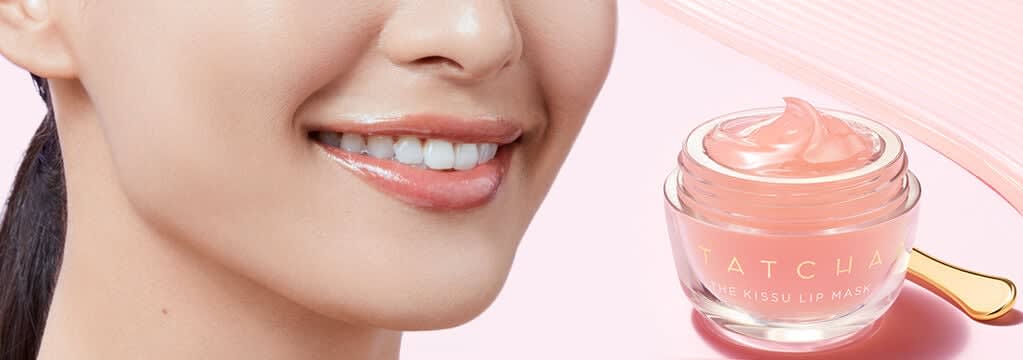
Lip Masks vs. Balms: What’s the Difference?
Did you know that the skin on your lips is thinner and more sensitive than the skin on the rest of your body? The delicate area is wholly unique because lips don’t contain oil glands, meaning they cannot self-hydrate. Without a lip-focused treatment, our fragile pouts can quickly become dry, chapped, or worse yet – cracked. Utilizing a lip balm or lip mask will salve the area, providing hydration, as well as a protective coating. But lip balm or lip mask – which product is best for you? Below we break down the difference between a lip mask vs. lip balm – and how often to apply each for hydrated, healthy-feeling lips. What is a lip balm? A lip balm contains waxes that help to provide hydration, as well as restore dry skin. The waxes, like beeswax, help to seal in moisture and prevent evaporation, protecting lips from dryness. What is a lip mask? Just like a face mask is a concentrated dose of hydration for skin, lip masks work similarly. A lip mask deeply replenishes hydration, softens the look and feel of the skin, and can oftentimes give lips a juicy, plumped appearance. The formula is usually comprised of rich butters, like cocoa butter, healing oils, and additional healing ingredients, like hyaluronic acid. What are the benefits of a lip mask over a lip balm? A lip mask has multiple benefits over a lip balm. From the texture to the effects, here are four reasons to consistently swipe on a lip mask. More Powerful Ingredients: A lip mask formula is a lip balm superpowered. Usually, a mask includes emollients, antioxidants, and occlusives to provide a trio of benefits. Emollients, like plant oils, smooth and soften the skin. Super-hydrating ingredients, like Vitamin E, squalane, and hyaluronic acid, achieve deeper levels of moisturizing for more effective healing. And occlusives, often a wax-like product like petroleum or beeswax, provide a protective barrier on the skin, sealing in moisture. Longer-Lasting Effects: A lip balm delivers moisture until it sinks into skin, usually within an hour or two, or as soon as you eat or drink something. But a lip mask is designed to last overnight (or all day long), softening skin for as long as eight to nine hours. Richer Texture: An overnight lip mask goes on thicker than a balm, allowing more emollient ingredients to sink into the skin. The prolonged skin contact allows a lip mask to work more effectively than a standard lip balm. Overnight Repairing: Did you know the skin repairs itself at night? The skin has its own circadian clock, repairing damage and rebuilding cells and tissues while you sleep. It’s ideal to enhance skin’s repairing process by providing it with healing nutrients (which is why it’s important to always go to bed with clean, hydrating skin). Help boost the lips’ repair process with a nurturing lip mask that supports your body’s natural healing. How To Use A Lip Balm and A Lip Mask It might seem as simple as dabbing on a sheer coating of a lip balm or lip mask – and it can be! But you can also help those deliciously rich ingredients work even better by prepping lips ahead of time. Step One: Exfoliate Exfoliating helps the lip product soak in deeper. But not all exfoliation is appropriate for the lips. Remember it’s some of the most sensitive skin on your body, so gentle is key. You can use a sensitive skin-friendly scrub, focusing on the lip area. Apply on dry lips, softly working in small circles. Next, get your fingers damp and keep massaging for an additional 15 to 30 seconds, then rinse off and dab dry. Or, if you prefer, you can manually exfoliate lips with a soft washcloth, like this Kinu Pure Silk Polishing Face Cloth. Get the cloth slightly damp, then work it around lips in soft circles for 30 seconds. Step Two: Hydrate Time for the star of the show: your lip product. Swipe on your lip balm for a healing experience. If you’re using an overnight lip mask, apply a thick coating right before bedtime and catch some reparative zzz’s. Alternatively, many makeup artists and dermatologists love using a lip mask prior to makeup application. Apply a layer of the lip mask, letting it soak in for as long as possible. Then wipe away with your washcloth or cotton pad. Lipstick will apply much more flawlessly on lips with a hydrated base. Which Is Best: Lip Mask vs. Lip Balm? Lip balms and masks both have their place in a skin-softening, hydration-boosting routine. Whatever option you’re more likely to use is the best option for you. A lip balm has a lighter feel, which some users might prefer. While a lip mask has a richer, more luxurious feel on lips that heals as it soaks in. Lip Balm and Lip Mask Recommendations - Best Lip Balm: Camellia Goldspun Lip Balm For a hydrating, richly comfortable, and even slightly decadent experience, massage on our beloved camellia oil-boosted lip balm. The antioxidant-enriched formula has 23-karat gold flakes for a luxurious and gleaming appearance. - Best Overnight Lip Mask: The Kissu Lip Mask The lip mask that launched thousands of enthusiastic fans, this uniquely-textured jelly treatment melts into lips, locking in moisture and repairing parched lips overnight. The non-sticky and lush mask contains Japanese camellia oil, Japanese peach extract (for extra repair), and olive-based squalane for weightless moisture. No matter your lip mask vs. lip balm preference, discovering a formula you not only will consistently use, but actually enjoy applying is vital. Massage onto lips and take a moment to appreciate the healing powers of your lip product.
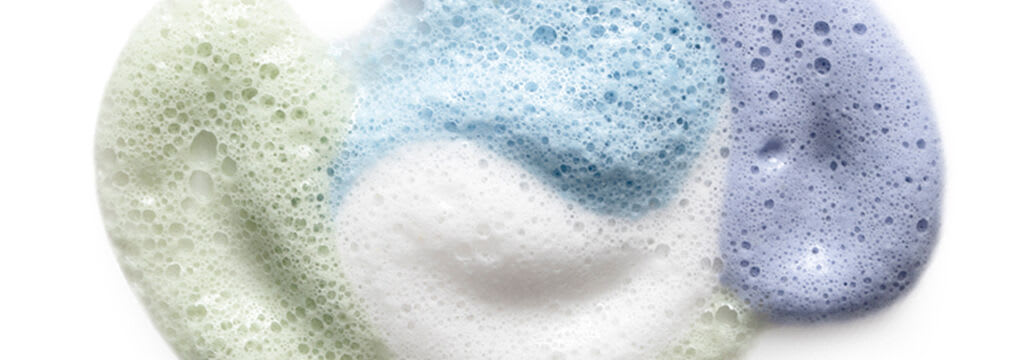
The Best Products & Treatments for Uneven Skin Tone
We can treasure our skin, nourishing it with the utmost care daily – but still experience uneven skin tone. From dark spots to dry patches to redness, uneven skin tone can unexpectedly occur without much notice. The causes are as vast as the symptoms, too, from genetics to harsh products, so understanding the triggers of uneven skin tone can help you get to the root cause. But fear not, we’ve compiled this guide to understanding uneven skin tone – what is it, what causes it, and ways to improve it. All in order to restore your skin to a youthful, radiant glow. What Is Uneven Skin Tone?Uneven skin tone is characterized by skin discolorations and changes in skin texture. It is an umbrella term for multiple issues, including (but not limited to) dark spots, hyperpigmentation, dry patches, blotchiness, redness, and even blemishes. No matter your skin type, anyone can experience uneven skin tone.Uneven Skin Tone AppearancesBecause uneven skin tone is a broad term, there are multiple ways that the issue can present itself on the skin’s surface. Here are a few signs you may be experiencing uneven skin tone. Acne: Clogged pores that lead to blackheads and whiteheads may become inflamed, red pimples. Acne is caused by many sources, but irritation in your pores is one cause. Dark spots: Light brown or darker spots that develop on the skin after sun exposure and sunburn. Melasma: Brown or gray patches on the nose bridge, upper lips, cheeks, and forehead. This is usually caused by hormonal changes and is a type of hyperpigmentation. Dark circles: These are also known as periorbital hyperpigmentation, and can often be accompanied by under-eye bags. Post-inflammatory erythema (PIE): Red or pink patches that appear due to inflammation or damaged blood vessels. Post-inflammatory hyperpigmentation (PIH): Brown spots that form in response to skin inflammation or trauma. Rosacea: A skin condition characterized by redness and pimple-like bumps on the face. Dry patches: Rough, flaky, and/or inflamed patches on the skin that are triggered by external (skincare products, allergies) or internal factors (dehydration, chronic skin conditions). Uneven Skin Tone CausesJust as there are multiple ways that uneven skin tone can appear, there can also be multiple causes. Hormonal changes: Melasma is often linked to increased levels of estrogen and progesterone, which appear as brown or gray patches on the skin. This also frequently occurs during pregnancy. Hence why melasma is often referred to as “the mask of pregnancy.” Aging: As part of your skin’s natural aging process, you may discover age spots, fine lines, and wrinkles. Genetics: Certain skin disorders are hereditary, including psoriasis, rosacea, and eczema. Drinking alcohol and eating spicy foods: This can lead to flare-ups of rosacea, which results in facial redness. Lack of sleep: This can cause the skin to appear dull and dark circles under your eyes. Chronic sun exposure: Spending too much time in the sun without adequate sun protection can increase the risk of sun damage and lead to dark spots, fine lines, and wrinkles. Brown spots occur as a result of too much melanin being produced to help protect your skin from UV light. Pollution: Particles and gasses from traffic-related air pollution can penetrate the skin and lead to brown spots, especially on your face. How To Fix Uneven Skin ToneTo treat uneven skin tone, it is important to begin by putting together your ideal skincare routine. This includes using both products that help improve visible conditions, such as hyperpigmentation and fine lines, and products that help minimize the appearance of uneven skin tone.Sun ProtectionAlways use SPF. While sunscreen is the last step in your morning skincare ritual, it is so vital to combating uneven skin tone that we are listing it first. Look for a broad-spectrum sunscreen that protects against harmful UVA and UVB rays, as unprotected sun exposure is the leading cause of hyperpigmentation.ExfoliationIf you have noticed uneven skin tone, the best course of action is to introduce an exfoliator into your skincare ritual. This allows you to slough off dead skin cells dulling the appearance of the skin’s surface. It also lets the hero ingredients in your skincare products work more efficiently and effectively, and deeply penetrate the top layers of skin. Even hyper-sensitive skin can benefit from exfoliation, albeit a very, very gentle formula.Brightening SerumsSerums are packed with high concentrations of beneficial ingredients for your skin. A brightening face serum is especially important for uneven skin tone because it can help reveal a more radiant skin tone. Look for brightening ingredients, like Vitamin C and niacinamide.MoisturizeHydrating and soothing the skin with a moisturizer is vital to repairing and preventing the appearance of uneven skin tone. Whether you need a gel-based hydrator or an intensely rich cream, there is a moisturizer out there that can nourish your skin, helping skin not only feel better, but also look more radiant, too.Best Products For Uneven Skin ToneSPFSunscreen is vital. Try our Silken Pore Perfecting Sunscreen. The weightless sunscreen with broad-spectrum SPF 35 blends effortlessly and invisibly for matte, poreless-looking skin. Or try our newest SPF innovation: The Silk Sunscreen. Formulated with niacinamide and hyaluronic acid, The Silk Sunscreen is specifically designed to visibly even skin tone. The weightless, hydrating formula also provides broad-spectrum SPF 50 protection.ExfoliatorExfoliating uneven skin tone is tricky. Try our beloved Rice Polish, which is a water-activated exfoliant for a transformative – but gentle experience. The creamy, cloud-like foam is made of finely ground rice bran and papaya enzymes to promote natural skin turnover, while the amino acid-base formula provides effective cleansing without stripping skin of essential moisture or breaking the skin barrier, leaving skin baby soft and supple. The non-abrasive formula is also safe for daily use.Brightening SerumA brightening serum is a must for uneven skin tone, but many are too harsh or not efficacious enough. But try our Brightening Serum. The formula includes two forms of Vitamin C and is stabilized by antioxidant-rich Japanese beautyberry, helping to reveal brighter skin and a more translucent, youthful glow. Mild fruit alpha hydroxy acids (AHAs) resurface dullness and uneven skin, while Japanese angelica root helps to reduce the look of dark spots, discoloration, hyperpigmentation, and post-acne scarring.MoisturizerAll of our moisturizers include our proprietary Hadasei-3 complex, which is a blend of time-tested Japanese superfoods. The trinity of double-fermented Akita rice, Uji green tea, and Mozuku algae deliver hydration for healthy-looking skin. But not only does the skin look healthier, but the complex also helps promote natural skin turnover for brighter, more radiant, and smoother skin.Try The Silk Cream, which is a rich yet weightless gel cream that gives skin the look and feel of pure silk. It hydrates the skin with a new complete liquid silk protein that parallels the amino acid structure of human skin to form a whisper light, moisture-binding veil.Experiencing more sensitivity? Try our award-winning Indigo Cream. It’s so soothing and hydrating for even the most irritated skin that it’s been awarded the coveted National Eczema Association Seal of Acceptance.How To Help Uneven Skin Tone At HomeIn addition to using specific products in your skincare ritual, there are also a few changes you can seek to incorporate into your lifestyle.Hydrate: We have all heard the time-old adage that drinking water helps to hydrate the skin and promote overall skin health. We recommend drinking 8-10 glasses of water a day to flush out toxins and free radicals, hydrate dry skin, and improve your skin tone and texture.Sleep: One way to improve your skin’s dull appearance and the look of fatigued skin, including dark circles under the eyes, is to increase the amount of sleep you get each night. You should aim for 7-8 hours per night.Patience: Uneven skin tone is one of the most stubborn skin issues to address, and unfortunately there’s no single solution or quick fix. As with any brightening or transformative skincare product, give treatments at least 30 days to start seeing progress. 45 to 60 days is even more realistic.Uneven skin tone is perfectly normal – but it can still be a frustrating experience. Getting to the root cause of your uneven skin tone triggers is a journey unto itself – remember to be patient and kind to your skin on its path to healthy-looking luminosity.

Toner vs. Liquid Exfoliator: What's the Difference?
Toners have been a staple in skincare for millennia. But long gone are the astringent, moisture-sucking, skin-burning iterations of the past, now replaced with modern-day balancing and hydrating options, as well as high-tech exfoliating toners. There’s a significant difference between a toner and a liquid exfoliant though – they both have similar base ingredients, but a toner will balance the pH of the skin, while an exfoliant eliminates dead skin cells. As complicated, 10+-step regimes have begun to go out of vogue in the last few years, replaced with pared-down, more efficacious skincare rituals – you may question a toner’s (or liquid exfoliant’s) place in your medicine cabinet. Does your skin actually need a toner or liquid exfoliant? And if so, which modernized version is right for you? Below, find a crash course on toners vs exfoliators – which formula is best for your skin type, the benefits of each, and our favorite product recommendations. What Is A Toner? A toner is a liquid solution used after cleansing to remove any remaining makeup, dirt, oil, and sebum. Toners can also rebalance the skin’s pH, which may be upset after using a harsh cleanser (gentle is the way to go!). Toners can range from gentle, rose-water-based options to more astringent-like alcohol and witch hazel formulas. What Is A Liquid Exfoliant? Liquid exfoliants are similar to toners, but often have a chemical acid, whether that’s AHAs, BHAs, and PHAs. The inclusion of a liquid exfoliant in your ritual can help to brighten the surface of the skin, eliminate dead skin cells, and curb excess oil. What Are AHAs, BHAs, and PHAs – and What Can They Do In A Liquid Exfoliant? Great question – let’s break it down. AHAs: Stand for alpha hydroxy acids. The most common AHAs are glycolic, citric, mandelic, and lactic acid. AHAs help address the appearance of skin, targeting dark spots, acne scars, and any other form of hyperpigmentation. AHAs exfoliate the skin’s surface, but they also help ingredients applied afterward penetrate deeper into the layers of the skin (thus boosting the product’s overall effectiveness). This form of acid is great for almost any skin type, although any type of acid should be used cautiously at first to assess skin’s interaction. BHAs: Beta hydroxy acids are best known for their most popular iteration: salicylic acid. BHAs are synonymous with acne-fighting because they’re oil-soluble and incredibly small molecules, making them capable of penetrating inside the pore, addressing bacteria, sebum, and debris at the root of the problem. BHAs can be irritating for some because they work so deeply and effectively – so use caution when incorporating them into your regime. PHAs: Polyhydroxy acids are commonly seen as gluconolactone, galactose, and lactobionic acid. While those acid names don’t have quite the star-following of AHAs or BHAs, PHAs have a major benefit over their cousins: less irritation. The molecular size of PHAs are quite large compared to the other acids, making them ideal for sensitive skin. PHAs work very similarly to AHAs, addressing the surface of the skin for a more even-toned appearance. Benefits Of Using A Liquid Exfoliator vs. Toner Toners are beneficial, but liquid exfoliants can be game-changing. Here are a few reasons to incorporate an exfoliant into your ritual today. Makes Your Skincare Work Better By removing dead cells and debris from the skin’s surface, a liquid exfoliant clears the way for all of your other skincare to be more readily absorbed, making your entire routine work more efficiently. Improves Skin Texture An exfoliant, particularly one with AHAs or PHAs, smooths the surface of the skin, addressing uneven, dull, and dry sections for a more smooth, radiant appearance. Immediate results may be evident, but be consistent – liquid exfoliants work best with consistent usage. Unclogs Pores Seeking fewer blackheads, clogged pores, and blemishes? There are no miracle products for this type of outcome, but a liquid exfoliant is as close as we’ve got in skincare. They can help reduce excess oil and sebum to cleanse the pores, while also helping to remove surface debris and dirt. How To Use Liquid Exfoliants Who are exfoliants right for? Liquid exfoliants are suitable for all skin types (you just have to find your ideal acid), but how frequently you use one might change based on your skin type. While most liquid exfoliants can be used daily, it’s ideal to introduce them to your ritual slowly to prevent irritation. For sensitive skin, that means one or twice a week at first to assess how your skin handles it. Best Liquid Exfoliant We might be a tad biased, but we’re really proud of our liquid exfoliant, The Texture Tonic. The AHA-powered formula was designed for all skin types and can be used daily. It’s specifically formulated to reduce excess oil and sebum, while also improving skin’s moisture levels. The formula has niacinamide and Japanese mugwort to reduce the look of discoloration, while also calming visible redness and irritation. Another major aspect of The Texture Tonic is the mind-skin connection. The liquid exfoliant is scented with a functional fragrance blend of sweet fennel and rosemary – two botanicals known to increase focus and mental clarity. Rather than punishing the skin with harsh ingredients, The Texture Tonic invites you to put the care back into skincare.
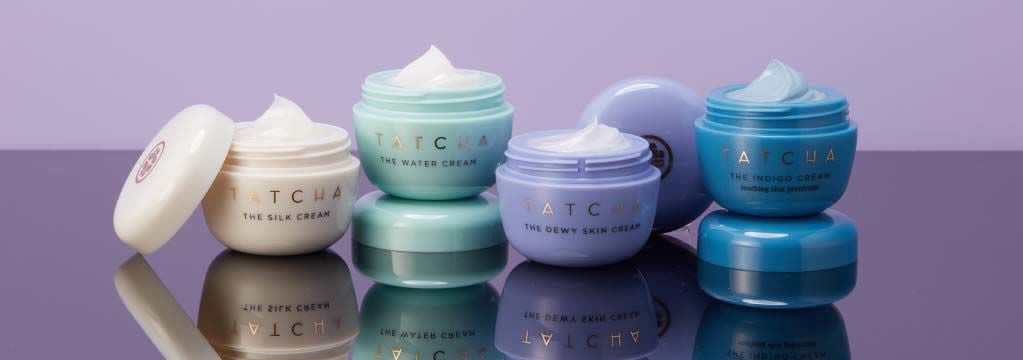
The Best Face Moisturizer for Your Skin Type
No matter your skin type, everyone can benefit from a moisturizer. Whether it be a richly hydrating cream or a light, gel-based moisturizer, there’s an option for you. Your dream product should on the most basic level accomplish one major goal: deliver an optimal level of moisture for your healthiest-looking complexion. Below, you’ll find an in-depth guide to your perfect face moisturizer — determined by your skin type. Best Face Moisturizer — Key Ingredients Whatever your skin type, there are a few ingredients to look out for when it comes to selecting a moisturizer. Hydration-boosting superstars: These include hyaluronic acid, glycerin, and ceramides. Hyaluronic acid “traps” water in the skin, helping to increase the skin’s moisture levels. Glycerin boosts hydration and ceramides support the skin’s barrier strength. These ingredients are a cornerstone of almost any moisturizer, but especially so for those with dry skin. Emollients: These super-hydrators are another moisturizer must-have. They include shea and cocoa butter, coconut oil, and plant oils. These ingredients thwart water loss, increase skin softness, and give a silky, radiant look. Antioxidants: Antioxidants protect and heal skin from environmental factors, and can even potentially prevent skin from future damage. We so deeply believe in the protective powers of antioxidants that all Tatcha moisturizers include them. Best Face Moisturizer — How To Apply Morning and Night Now that your face moisturizer interest is piqued, make sure you’re applying your hydrator correctly. Morning and night, after cleansing, using an exfoliating liquid or essence (if using), and applying a serum (if you partake), use a pearl-size amount of moisturizer and place it onto your palm. Apply a dot to each cheek, your chin, and your forehead. Then, using your fingertips, massage gently into the skin. Our founder Vicky Tsai recommends applying moisturizer with clean fingertips or a soft brush, and always applying with upward and outward strokes on the face. Without any further ado, here are the best face moisturizers for you, based on your skin type. The Best Moisturizers for Balanced Skin If you tend to not be either dry, oily, or sensitive, your ideal moisturizer is most likely a hydrating gel cream. This will provide comfortable hydration, but won’t coat the skin in rich creams. Try: Our bestselling The Silk Cream is perfect for almost any skin type, thanks to a trinity of fermented Japanese superfoods, which restores healthy-looking radiance. The visibly firming moisturizer also has a complete liquid silk protein, which parallels the amino acid structure of human skin to hydrate your skin’s surface. The Best Moisturizers for Dry Skin Those with dry skin need extra emollients, ceramides, and peptides to soften the skin’s surface and drench it with hydration. Dry skin loves pampering, so restore it with hydrating moisturizers, rich masks, and protective facial oils. Try: The Dewy Skin Cream is the best moisturizer for dry skin. The rich, moisturizing cream plumps skin for a dewy, healthy glow — thanks to the antioxidant-packed Japanese purple rice, algae, hyaluronic acid, and our superpowered Hadasei-3 Complex (a trinity of Japanese superfoods that restore healthy radiance). The rich texture increases hydration, radiance, plumpness, and overall texture and firmness. The Best Moisturizers for Sensitive Skin If you have sensitive skin, it most likely reacts to certain products or environments, creating itchy, uncomfortable, irritated flare-ups. Or you may find particular ingredients chronically trigger discomfort and redness. Those with sensitive skin may even experience common skin conditions, like rosacea, eczema, psoriasis, and hives. When you have sensitive skin, it can feel like your skin’s entire identity, but you still may have oily, dry, or balanced tendencies. No matter your skin type, sensitive skin ideally needs to avoid synthetic fragrances and aggressive treatments. Your ideal moisturizer is most definitely fragrance-free and hypoallergenic. Try: The Indigo Cream, which was awarded the coveted National Eczema Association Seal of Acceptance, making it one of the best moisturizers for sensitive skin. This multitasking, fragrance-free, and velvety-rich cream delivers therapeutic relief and long-lasting hydration for sensitive skin. The advanced, cushiony texture helps relieve skin, leaving it visibly softer and smoother, thanks to colloidal oatmeal. Colloidal oatmeal is a FDA-designated skin protectant, which helps relieve minor skin irritation and itching caused by sensitivity, eczema, and rashes. The formula also includes Japanese indigo, which is proven to calm and soothe skin. This silky cream is ideal for all skin types, but particularly great for skin that shows signs of eczema, dermatitis, rosacea, and/or allergies. The Best Moisturizers for Oily and Acne-Prone Skin Moisturizers probably aren’t top of your list if you have oily skin or acne-prone skin, but hydrated skin is healthy skin, even for those with acne or excess oil. A lightweight, non-comedogenic formula is the best moisturizer for both skin types. Try: The Water Cream is balancing and lightweight, making it great for those with acne or oily skin. The clarifying gel-cream releases a burst of hydrating nutrients and pore-refining botanicals for healthy, balanced skin. The unique formula delivers deep hydration, without leaving skin sticky or greasy. And the cream employs a few powerful botanicals, including wild rose (for visibly smoothing texture) and leopard lily (to control excess oil and clarify skin). It also has the trademarked Hadasei-3 to weightlessly restore skin’s radiance. The Best Moisturizers for Mature Skin A nourishing and intensely hydrating cream can help boost healthy aging. Look for rich creams that revitalize very dry skin, as well as options packed with antioxidants and ceramides to protect, nourish, and support the skin’s barrier. Try: Tatcha’s newest moisturizing innovation can practically do it all. The Indigo Overnight Repair is a cushiony cream that visibly calms irritation, strengthens the skin’s barrier, and balances the skin’s natural microbiome. Even after just a single night of use, the treatment has been shown to improve skin’s radiance, softness, and suppleness, as well as improve texture and tone. It’s ideal for mature skin, but has been shown to strengthen and hydrate any skin type, too. Whether you need a moisturizer for sensitive, oily, mature, or dry skin, there is a face cream that will provide nourishing protection for you. The key is to first discover your skin type, thus unlocking your dream formula. From there, just apply twice a day, morning and night, and get glowing.
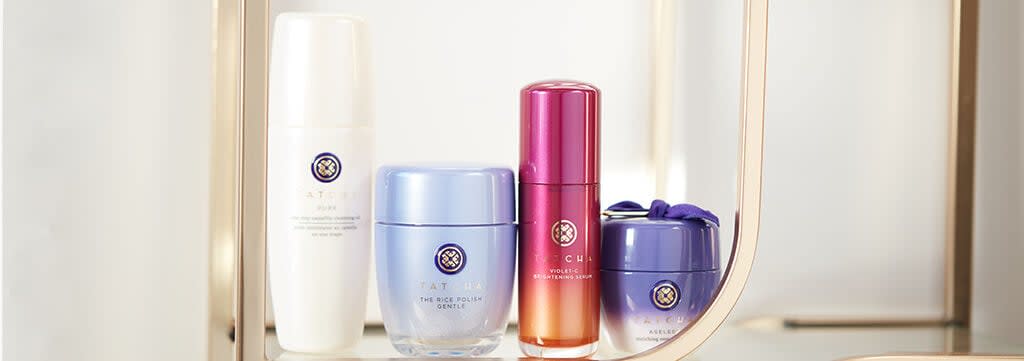
How to Know If a Skincare Product Is Working
How do you know if your skincare routine is working? For beauty enthusiasts, the journey to discovering the perfect skincare ritualis often filled with experimentation. But while seeking treasures that reveal your skin’s best potential, it can often feel hard to discern whether or not a product is truly working for you. The confusion can be puzzling and even frustrating when investing in products that don’t deliver the intended results. Whether it’s a lack of immediate visual results, an unexpected reaction, or simple curiosity that has you wondering, we’ve created the ultimate guide that answers all of your skincare efficacy questions. Say goodbye to the days of “Is my skincare working?” and hello to your future as an informed beauty lover mdash; it all starts here. How to know if a skincare product is working The best sign of a skincare product working is that it feels comfortable on your skin. In some cases, so comfortable that you might not even notice it’s there! You might wake up in the morning and notice that your skin feels softer or smoother than usual, or you might look in the mirror and notice that your complexion seems a bit brighter and more radiant or you have fewer dark spots on your face— but sometimes, it takes a while (weeks to three months) to notice these differences. After all, when you look in the mirror multiple times daily, tiny changes might be lost on you. If you want to see solidified proof that your skincare is actually working well with your skin, there are two easy ways to gauge progress with a new skincare treatment. Photographic Proof: Take a “before” picture of your skin on the first day of use. Take another on day seven, then after two weeks, then after a month. These visual progress reports should reveal the subtle changes in your skin. Pro tip: Take the photos in identical setups – the same lighting, background, etc. so you have infallible data. Mindful Awareness Method: This option is less scientific and requires a bit of mindfulness and awareness, but nobody knows your skin and its changes like you do. Try noting a specific area of concern, then monitor it throughout your treatment. Do you have a specific bumpy area on your forehead or an intense dry patch near your nose? Consider that your “test” zone for noticing changes or improvements after introducing a product. Should you “feel” skincare products working? Can products be effective without burning? The western beauty world teaches consumers that they need to feel burning for a product to work, but this is one of the biggest untruths in skincare. Your skin exists to protect you, and it communicates when it likes (or dislikes) something. Burning and itching are loud and clear indicators that your skin is unhappy with what you’re doing to it, so be sure to heed those warnings. You don’t need to feel any prickling, itching, or burning sensations. In fact, experiencing such effects while using a new product is a clear sign that it's either too strong for your skin, or the wrong format of a treatment for you. Itching and burning are signs of barrier disruption. Your skin is naturally meant to protect you — maintaining a good skin barrier is fundamental to good skincare, so you should always be mindful of harsh products. Avoid extreme formulas, which can create micro-tears in the skin, to avert this type of barrier disruption in your everyday ritual. The only time you should seek to purposefully disrupt your skin’s natural barrier is under supervised medical treatment; this type of dermatological treatment is not ideal for at-home use because you can end up overly sensitizing your skin. We like to use the phrase “beauty without the burn” to describe our goal when formulating treatments: formulas that are both effective and kind to the skin. How to tell if your skin barrier has been disrupted and the skin has been sensitized Unfortunately, it’s quite easy to tell when your skin has been sensitized, because — as you might’ve guessed based on the term — your skin generally becomes more sensitive. Because it exists to protect you, healthy skin doesn’t react to its everyday environment. However, when your skin’s barrier has been compromised, everything can cause it to react. Your skin will feel much more affected by weather conditions and temperature, and you’ll be far more reactive to sun exposure when your barrier has become disrupted. Even water can burn sensitized skin, and old beauty favorites can suddenly cause reactions. How long does it take to see results from a skincare product? The best skincare is preventative, which — by definition — helps avoid issues instead of solving them. Taking vitamin C doesn’t cure a cold, but it does prevent a lengthy illness and severe symptoms. Skincare often operates in the same fashion. The idea of overnight transformation is an extremely western attitude toward beauty, and shouldn’t be what we seek from skincare. With that being said, however, here’s what you can expect to see when introducing a new treatment. Any results’ timeline truly depends on the type of product you’re introducing into your ritual: some skincare has instant results, some products provide both instant results and effects that develop over time, and other skincare treatments only work over time. Cleansers and sheet masks, for example, should work instantaneously. Exfoliants and essences typically make an instant tactile difference in skin, but visual results usually won’t show until you’ve used them for a while. Generally, when it comes to skincare results, you can feel a difference sooner than you can see it. To notice a visual difference in skin, it should take at least 30 days. A brightening treatment (like our beloved Violet-C Brightening Serum) needs daily use and at least four weeks to see noticeable results. Brightening products specifically need consistent and long-term outlooks because they go hand-in-hand with skin cell turnover. After a full cycle of skin turnover, you can observe whether the skin that’s resurfacing looks and feels healthier than it did before. When using this sort of vitamin C treatment, it’s important to maintain daily use in order to experience visible results and provide the routine nourishment necessary for general skin health. How long before giving up on a new skincare product Try to give your new product the appropriate trial period listed above. And most importantly, don’t introduce any other new products simultaneously to ensure an accurate assessment. After the 30 days — or the 45-60 days depending on the intensity of your treatment — evaluate how your skin looks and feels, then make your determination about whether to continue use. All that said, if you don’t feel satisfied with a new product or treatment, you shouldn’t feel obligated to continue using it. Find what works best for you and complements your unique beauty. How to know if a skincare product is not working Beware of immediate negative effects, such as redness or irritation, which can quickly signal that you’re reacting to a new product. If you’re seeing any dramatic changes that don’t feel good for your skin, it’s probably not the right treatment for you. It’s important to note that, even if a product has been clinically and dermatologically tested to be non-irritating and non-sensitizing, it doesn’t mean that you won’t have a personal sensitivity. Generally, ice cream is great for most people! But even with the tastiest scoop, you won’t enjoy how it feels for your body if you’re lactose intolerant; the same concept holds true for skincare. A good rule of thumb when introducing new skincare is to patch-test — we recommend somewhere hidden, like the neck near your ear, or on your inner forearm — for a day or two before applying to the face. Personal sensitivities will usually make themselves known shortly after application. Is there anything you can do to make a new skincare product work more quickly and effectively? Ensuring that you keep skin at its most optimal level, both healthy-feeling and -looking, is the most vital step you can take to make your products work more effectively. Not over-complicating your skincare routine with multiple new formulas at once, as well as being gentle and mindful when touching your skin, are equally important, too. There are a few products that will help your skin perform at its best. Exfoliation Gentle exfoliation – emphasis on gentle first and foremost – can help you stimulate skin turnover and accelerate visible results in your new treatment. Try an ultra-sensitive option, like The Rice Polish: Calming, for a weekly treatment (or up to two or three times a week). This will help you remove excess dead skin cells, ensuring the product you’re testing out works even more effectively. Essence Proven to make your skincare more effective, essences are a beautiful formula to incorporate into your routine. Ideal for absolutely all skin types, the hydrating and plumping product primes the skin, helping to enhance the performance of skincare that follows. Apply our softening Essence before a new treatment to help super-boost the results. In skincare, as in life, it’s about the journey, not the destination. It may take weeks, or even months, to discover your perfect skincare ritual. Be patient and kind – not only to your skin, but also to yourself.

The Health Benefits of Forest Bathing
Ever noticed how good you feel after spending time in nature? Our founder, Vicky Tsai, learned that being connected to nature not only lifts your mood, but has a proven impact on your overall well-being. On her visits to Japan, she fell in love with the Japanese ritual of shinrin-yoku, or forest bathing, which is scientifically proven to decrease stress, lift mood, and improve concentration simply by engaging the five senses in nature. Through extensive research, forest science experts like Tatcha partner Dr. Qing Li of the Nippon Medical School in Tokyo, have found that seeing greenery, hearing birdsong, tasting wild vegetables, touching tree trunks, and smelling the forest’s natural aroma can set off a myriad of health benefits. After studying shinrin-yoku and feeling its effects first-hand, our founder Vicky Tsai and team set out to discover whether these benefits could translate to skincare. While each sense plays an important role, research shows that 50% of the benefits of forest bathing come from “smelling,” or breathing the forest air, which is rich in phytoncides: airborne compounds emitted by trees’ essential oils to ward off mold, bacteria, and insects. When these compounds are released into the forest air and inhaled into the body through the lungs, they’re proven to boost immune function, decrease stress, lower blood pressure and provide a relaxing effect. “This scent stimulates the brain through the olfactory nerve, and has a relaxing and calming effect on the brain, and also has a positive effect on memory,” Dr. Li told us. But, exactly how do phytoncides accomplish all this? Studies have shown that forest bathing for three days and two nights increases what are known as natural killer cells: immune cells that defend against bacteria, viruses, and tumors, as well as anti-cancer proteins. “If you take a forest bath once a month, your body will always remain at a high level of immune function. This is very important preventative medicine,” says Dr. Li. But you needn’t visit the forest to obtain these benefits. Through his research, Dr. Li has found evidence that inhaling essential oils or applying them to the skin can reduce stress levels and increase natural killer cell activity and anti-cancer proteins in the cells. “I used a humidifier to diffuse [hinoki] essential oil evenly into the air in a hotel room, and had the subjects stay in the room for three nights,” says Dr. Li. “The results showed that inhalation of phytoncides increased immune function, decreased stress hormones, and improved sleep.” Informed by Dr. Li’s research, we created the Forest Awakening body care collection. Rooted in the proven power of trees, all three formulas contain our essential oil blend of hinoki, hiba, and cedar, to deliver the benefits of forest bathing to your home. Our Hinoki Body Wash, Milk, and Oil are each steeped in the citrusy wood scent of hinoki to awaken your senses and calm your mind while cleansing, smoothing, and moisturizing your skin from head to toe for holistic care.

Enhancing Your Meditation Practice with a Bell
Sound is a form of energy that can be heard and felt through the skin and mind, and has long been incorporated into healing practices. In Japan, sound is often used to open and close meditation practices; the clear song of a singing bowl or the pure ring of a bell can instantly refocus a wandering mind. This practice inspired us to offer The Meditation Bell—a tool to help you return the present moment with a single ring. We turned to Nousaku, an esteemed copperware purveyor in Japan, to craft this timeless instrument. Based in Takaoka in Toyama Prefecture—which is responsible for 90% of copperware production in Japan—Nousaku has designed brass and bronze treasures like Japanese tea ceremony utensils, bells, and flower vases since 1916. Their advanced casting techniques, expert knowledge, craftsmanship, and creativity have been passed down through generations. Heard most often through trumpets and horns, brass was the ideal material to create The Meditation Bell, as it is prized for its clear and beautiful sound. Each Nousaku piece is finely shaved by experienced craftsmen, which accentuates the beauty of the brass itself. In a world that is filled with motion, noise, and distraction, this gentle pause invites you to reconnect with yourself. It has also been proven to have a profound effect on your mood, and even your well-being. In a study on the effects of singing bowls in meditation, participants reported significantly less tension, anger, fatigue, and depressed mood following the sound meditation, as compared with pre-meditation.* It’s no wonder that bells have been incorporated into meditation practices for centuries in many parts of the world. We asked our Global Well-Being Mentor, Toryo Ito, how bells are used in his daily life, at his temple in Kyoto: “The healing ring of a bell is used to signal the beginning of activity or a shift between tasks. At our temple, for example, a bell is rung to wake the monks, or when we start reading the sutra. We also like to ring the bell before making a wish.” Informed by his own experience, Toryo Ito crafted a unique meditation practice that you can recreate with The Meditation Bell. To mentally prepare yourself for using the bell in your practice, Toryo Ito recommends ringing the bell during relaxing activities, like when you’re having tea or watching your favorite show. This will help your mind associate its sound with relaxation. For Meditation Step 1: Find a comfortable position. Step 2: Ring the bell to enjoy the reverberation until it fades. Step 3: Meditate for the desired amount of time. Mentally engage with all of your senses. Step 4: Ring it again and enjoy the reverberation until it fades. Step 5: Slowly and naturally go back to daily life. *Goldsby, Tamara L et al. “Effects of Singing Bowl Sound Meditation on Mood, Tension, and Well-being: An Observational Study.” Journal of evidence-based complementary & alternative medicine vol. 22,3 (2017): 401-406. doi:10.1177/2156587216668109