


T-House


Mother's Day Skincare Gifts & Gift Sets
Treasure the mother in your life—whether you’re shopping for your mom, grandma, mother-in-law, or a mother figure, find the perfect gift to make them feel special. From skincare sets to luxurious facial tools, we’ve got the gifts that shower them with gratitude and love. The Dewy Skin Cream - Limited EditionIf dewy skin is their top priority, give more glow with our value-size Dewy Skin Cream. This limited-edition jar is beautiful too—just like her. The Water Cream - Limited Edition Gift mom clarifying (and lightweight!) hydration with this value-size Water Cream. This long-lasting moisturizer is clinically proven to refine pores and smooth skin texture. The Kissu Lip Tint SPF 25Let her pamper (and protect) her pout with our SPF lip tints. Coming in a variety of flattering shades, she can try them all with this luxe set. The Silk Sunscreen SPF 50Keep her skin powerfully protected with our newly repackaged SPF innovation: The Silk Sunscreen. This broad-spectrum SPF 50 mineral sunscreen not only provides powerful protection, but also visibly evens skin tone over time. Plus, it feels light-as-air leaves a sheer, radiant finish behind. Get ready for her to give you rave reviews! The Kissu Lip MaskNeed a gift that will surprise and delight every mom? Give their lips some extra TLC with our restorative leave-on mask, which hydrates, nourishes, and smooths all year long. Akari Gold MassagerFor moms that love to indulge in a touch of luxury and self-care, give this handcrafted 24k gold face massager. The luxurious tool is multipurpose: it can be heated or cooled to awaken skin, release tension, and reduce puffiness. The Silk SerumHas mom mentioned she’d like to visibly firm and smooth her skin? The Silk Serum was practically made for her then. Silk, upcycled cranberry extract, and sea fennel act like a retinol to visibly firm and smooth the look of deep wrinkles without visible irritation. Ageless Revitalizing Eye CreamDark circles and dry undereyes are a common occurence, but our Ageless Eye Cream is here to retvitalize. The rich, velvety eye cream nurtures the delicate skin around the eyes with antioxidants, while also visibly firming and smoothing fine lines and wrinkles. Ageless Enriching Renewal CreamOur most intensely rich and hydrating cream is perfect for any mom that craves hydration. Let her moisturize and nourish skin with the Ageless Renewal Cream. The RobeDoes she love Tatcha? Allow her to wear her affection on her sleeve with this soft, light-as-air robe. It’s the ultimate spa-day-from-home accessory.
The Best Cleanser for Acne & Blackheads
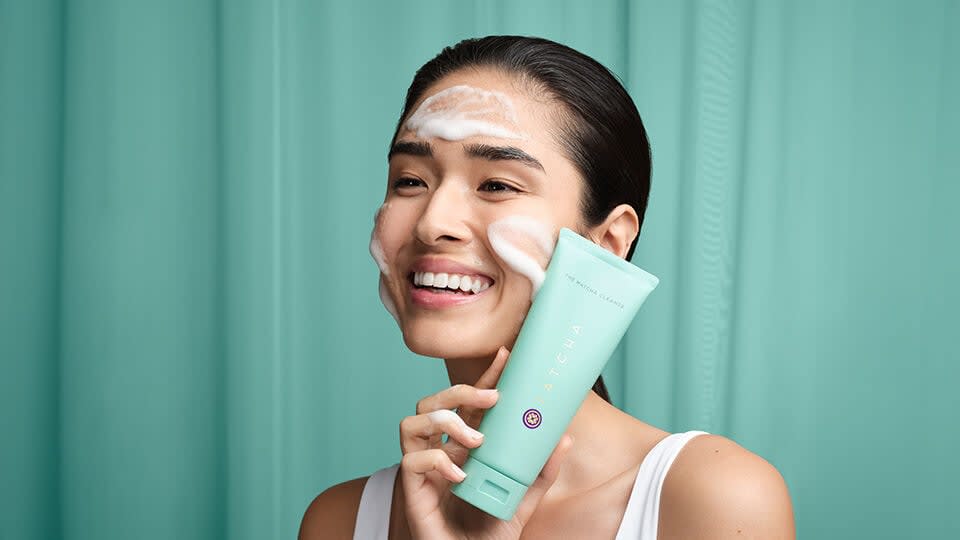
The importance of washing your face can often be overlooked, but it couldn’t be more vital for oily and acne-prone skin. With countless formulas on the market, it can be overwhelming to narrow down the best facial cleanser for acne. From cleansing techniques that can secretly sabotage skin to the best cleanser for acne, here’s everything you need to know about the first (and most valuable) step of your skincare ritual. Best Facial Cleanser for Acne 101 You may have found a cleanser you enjoy using, but are you washing your face correctly? Frequency Twice a day—once in the morning and once in the evening—is ideal. The morning wash helps cleanse excess oil accumulated overnight and the evening cleanse rinses away debris, makeup, dirt, and sebum that accumulated during the day. The only exception would be after excessive sweating, like exercising. “You don’t want to allow sweat and sebum to sit on the skin after working out, so this situation sometimes necessitates an additional cleanse during the day," said Dr. Rebecca Marcus to Real Simple. Cleanliness Ensure that your hands and towels (and anything else that touches your face) are clean. This will eliminate additional forms of bacteria interacting with your skin. This also applies to pillowcases—we’re a fan of luxurious and beneficial silk pillowcases—which should be changed weekly for maximum cleanliness. Gentle Is the Key One thought process behind acne is if you scrub intensely enough, it can unclog pores—but that couldn’t be further from the truth. Gentle is the best way to go. “It's important to use a gentle cleanser that is designed for acne-prone skin and avoid scrubbing or using harsh exfoliants, which can irritate the skin and exacerbate acne,” Dr. Dusan Sajic told Real Simple. The Skin Barrier and Acne The skin barrier is your outer layer of skin, composed of dead cells, lipids, proteins, and fats. It’s crucial because it keeps harmful things (like chemicals, allergies, and bacteria) away from the delicate skin beneath the surface, while also maintaining the skin’s hydration levels. Another reason for prioritizing skin barrier health? The health of skin is directly linked to acne: it’s been scientifically shown that a damaged skin barrier can lead to more persistent acne. What does it look like if the skin’s barrier is damaged? If you’re experiencing chronic disturbances with your skin (including acne, burning or stinging, itchiness, inflammation, hyperpigmentation, irritation, dryness, scaly/flaky/rough skin, or general tenderness and sensitivity), your skin barrier potential has sustained some damage, says the Cleveland Clinic. It’s a catch-22 occurrence with the skin barrier and acne—the more the skin barrier is damaged, the higher potential for more acne; and the more acne, the more likely the skin barrier can become damaged. If you’re experiencing both concerns, consider a nourishing and reparative ritual with a few acne-safe products, like a cleanser, serum, and moisturizer. Best Face Cleanser Ingredients for Acne Salicylic acid and benzoyl peroxide are clinically proven to be beneficial in targeting acne. (Ask your dermatologist if either is right for you.) Salicylic acid is a form of BHA (or beta hydroxy acid), which goes into pores and clears out debris and oil, while benzoyl peroxide can kill acne-causing bacteria. But these two powerhouses can often be a little too intense for everyday use for some. There are still beneficial but milder ingredients on the market that target acne but also soothe skin, like green tea and fruit-derived AHAs (alpha hydroxy acids), which remove pore debris more gently. Best Cleanser for Acne While a harsh soap might seem like the most ideal way to target acne and blackheads, these types of intense formulas can dry out the skin—and potentially even trigger more acne. Instead, seek out formulas that not only effectively cleanse skin, but also soothe. Here are a few of the best face cleansers for acne (and the best cleanser for blackheads, too). Best Calming, Reparative Cleanser The Indigo Cleansing Balm Sensitive skin and acne are not mutually exclusive. If you find yourself dancing between these two woes, consider a fragrance-free and skin-strengthening cleanser. Harsh formulas can strip the skin barrier’s natural oils, leading to more damage and even more acne, so a gentle cleanser is a crucial first step in your regime. The Indigo Cleansing Balm is designed to reduce friction and soothe while cleansing, but it still effectively cleanses though (efficiently removing even waterproof makeup). The formula includes Japanese indigo to calm visibly irritated skin, lipids, and ceramides to replenish the barrier, Japanese lotus root to soothe, and mondo grass root to balance the microbiome. The results are stunning, too: In clinical studies, 100 percent of participants demonstrated an improvement in barrier function after just one week of use.* Unlike harsh cleansers, the Indigo Cleansing Balm soothes visible irritation and replenishes moisture—strengthening the skin barrier so it can prevent future damage for smooth, calm, and radiant skin. *Based on bio-instrumentation (TEWL) clinical study on 40 panelists. Best Cleanser for Oily Skin The Matcha Cleanse Those with acne-prone and oily skin often believe they need to over-wash their faces to rid themselves of excessive oil and prevent breakouts—but this skin-stripping step can actually do the opposite, causing skin to produce even more oil and trigger potentially more acne. This is where The Matcha Cleanse steps in to save the day (and skin). The daily clarifying gel cleanser purifies and decongests pores without stripping skin, while also rebalancing skin’s natural oil production. The refreshing watery-foam texture smooths the skin while also addressing the skin’s texture. The formula includes premium matcha (sourced directly from the famous Uji region in Kyoto), powerhouse coix seed (used in herbal medicines for centuries to detox pores), and Japanese Mugwort (to support barrier function).
Essence vs. Serum: What's the Difference?
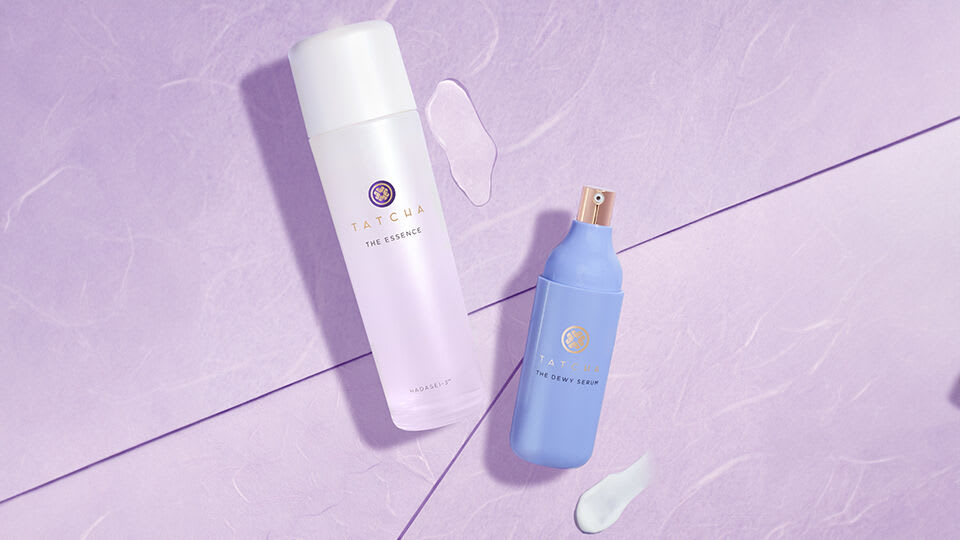
An essence and serum go perfectly together, helping one another work even more effectively on the skin. But what is the difference between an essence and a serum and how do you best utilize each? We explore the answers. When you see the words ‘essence’ and ‘serum’, do you think of complicated, 10+ step skincare rituals? While Japanese skincare routines can sound complex, they are usually centered around the idea of simplicity and effectiveness. And an essence and serum go perfectly together, helping one another work even more effectively on the skin. But what is the difference between an essence and a serum and how do you best utilize each? We uncover the answers below, as well as the best serums and essence for you.What Is An Essence?The Japanese skincare ritual has long been centered around botanical-infused essences. These thin and fragrance-free “beauty waters" are a fundamental step in softening and brightening skin. While it might seem like an unnecessary step in your daily ritual, this game-changing product can transform skin in mere seconds. The water-light essence floods skin with hydration and amplifies the performance of any treatment by channeling it into the skin, notes Tatcha founder Vicky Tsai.And while the majority of Japanese individuals today use an essence as part of their daily routine, the product has been heralded for centuries. Before essences were bottled, the botanicals were harnessed with a distillation technique of tiered tea kettles. Boiled and steamed flowers were expertly extracted into potent essences, which were then delicately applied to the skin for radiance and softening.Today, essences can be packed full of complex ingredients, but at Tatcha we believe in a simple, pure, and fermented formula that was developed in our Tokyo lab many years ago. Our proprietary blend of green tea, seaweed, and rice work together to provide plump, baby-soft skin instantaneously. The secret is our fermented nutrients that produce lactic acid, which helps with cellular turnover and improves skin’s texture. Also beneficial are green tea (regarded as one of the most powerful antioxidants), which targets free radicals, and seaweed, which replenishes skin’s natural water reservoir and increases its capability to retain moisture.Since an essence is basically nutrition for the skin, look for products that do not list water as the first or major ingredient, advises Tsai. Also, avoid essences that note alcohol as a primary ingredient, because alcohol will dry the skin.An essence, which is patted into the skin twice daily after cleansing, doing a double cleanse, or polishing, should always precede any ritual enhancements like serums, moisturizers, or facial oils. You may be so enamored with the plumpness of your skin and its resulting luster that you’ll be tempted to skip the next step—but don’t. The most important job of the essence and its primary function is to make the skin ready for whatever treatment follows. The essence is the first act of giving back to your skin after you have shed impurities by purifying and polishing.How to Apply An EssenceYou might be tempted to treat an essence like a toner by utilizing the formula on a cotton pad—but don’t use this with an essence. Don’t waste this precious formula by letting half of it soak into a cotton round. After cleansing or polishing, pour a shallow well of essence into one hand, press your palms together, and then gently pat the essence into the skin of your face, neck, and décolletage. Then, immediately follow with a serum and/or moisturizer.What Is A Serum?Serums are highly potent skincare treatments that work to increase the overall effectiveness of your entire skincare ritual. These liquid or gel formulas contain high concentrations of ingredients, which are able to penetrate into your skin more deeply. At night, these concentrated and nutrient-dense formulas can also help to aid in skin repair while you sleep.There are countless formulas that target innumerous focuses, from brightening to hydrating to smoothing. Anyone can benefit from introducing a facial serum into your skincare ritual—whether you are in your 20s or your 70s, skin can always use an added boost of nourishment, especially in drier months and drier climates. Depending on the strength of the formula and the focus, the frequency of application will vary. But, usually, serums should be applied directly after an essence twice a day and then a moisturizer will directly follow the application of a serum.How to Apply A SerumUsing your fingertips, massage serum into your skin in upward circular strokes. Because serums are known for their active ingredients, double-check formulas for safety and frequency of application. It’s ideal to do a spot test first to check for possible irritation in an inconspicuous area, like behind the ear or side of the neck.Essence vs. SerumWhile some skincare products can be marketed as either or both—essences have a water-like texture that instantly soaks into the skin to soften and hydrate, while a serum is thicker and more viscous and targets specific concerns. That said, an essence and a serum work harmoniously together, helping to make each other more effective and beneficial. In fact, using both an essence and a serum together has been shown in studies to support overall skin hydration, firmness, and elasticity, while also reducing water loss throughout the day.The Best Essence For All-Day Hydration One of the most vital and transformative products to accomplish the nourishing task of hydration is The Essence. Tatcha’s treatment essence is comprised of a simple—yet miraculous—formula of 100 percent Hadasei-3, a proprietary fermented complex of the very superfoods core to the Japanese diet: rice, algae, and green tea. This potent formula resurfaces and hydrates for primed, plump, petal-soft skin. But one of the most important functions of The Essence is to make the skin ready for whatever treatment follows, so it’s ideal to apply the water-thin formula morning and night after cleansing and prior to serums and moisturizers.The Best Serums For Fine Lines and Wrinkles Looking to target the look of fine lines and wrinkles without harsh products and complicated formulas? Try Tatcha’s Silk Serum, which visibly firms skin and boosts radiance with an innovative mix of plant-based ingredients including upcycled cranberry extract and sea fennel.For Skin Brightening To reduce hyperpigmentation, refine skin texture, and boost elasticity, try The Brightening Serum. The formula contains a potent blend of 12-hour time-release vitamin C and ferulic acid, an antioxidant that defends against free radical damage and while boosting SPF protection.For Hydration If you’re seeking plumper and dewier skin, consider The Dewy Serum, a milky formula that renews, resurfaces, floods the skin with hydration, and locks in moisture. The blend includes our proprietary Hadasei-3 complex, hyaluronic acid, and squalane for hydration that sticks around all day long.**based on bioinstrumentation study conducted on 25 people.For Hydration On-the-Go If you’d like to start your day with a boost of hydration—or reapply on-the-go as needed—grab the portable Serum Stick. The concentrated solid serum, made of squalane and Japanese lemon balm, targets signs of aging and dryness instantly and over time, keeping skin and makeup fresh throughout the day.For Soothing & Calming If calming irritation and soothing skin is top of mind, consider Tatcha’s groundbreaking Indigo Overnight Repair. Unlike the Indigo Calming Cream, the Indigo Overnight Repair is a soothing serum-in-moisturizer treatment that visibly calms irritation, strengthens skin’s barrier, and balances the microbiome with indigo extracts and ceramides. The unique formula has been shown to improve skin radiance, softness, suppleness, skin texture, and tone in just one night.**Based on a 4-week clinical study of 41 participants.It’s a misconception that skincare rituals have to be intensive, time-consuming regimens. It can be quite the opposite, as classic rituals that are short and effortless can be just as transformative for the skin and soul alike. The secret is finding formulas that are multifaceted and beneficial when paired together, like an essence and serum. These few simple steps will translate into beautiful skin, not just for today, but for a lifetime.
The Best Clarifying Cleanser for Clear, Balanced Skin
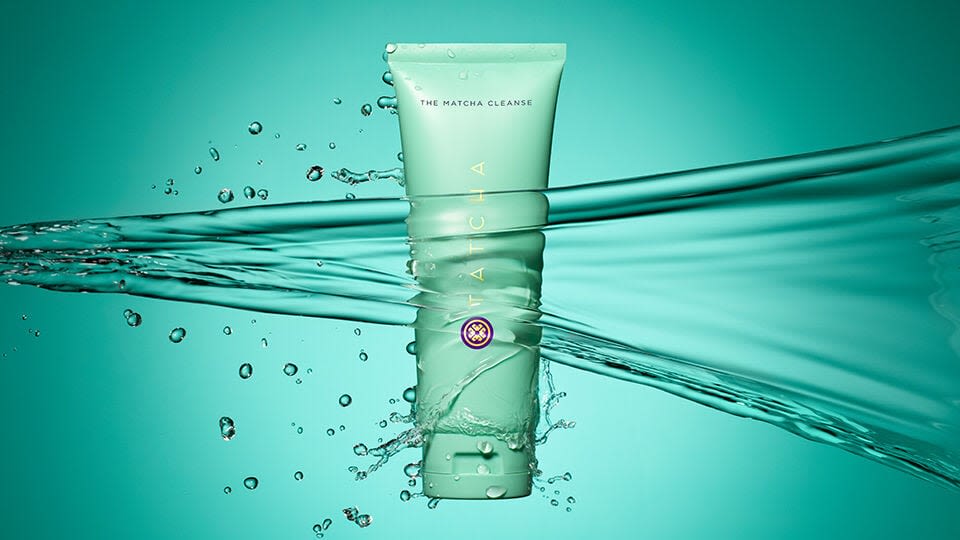
Cleansing can help with the overall health and appearance of the skin, but a clarifying cleanser can take it one step further, addressing and targeting blemishes, blackheads, and excess oil. Facial cleansers are undisputedly important, but particularly for individuals with oily and acne-prone skin. Removing dirt, oil, makeup, sweat, debris, and dead skin cells from the face with a clarifying cleanser helps not only maintain the overall health and appearance of skin, but also addresses blemishes and blackheads by decongesting pores. Keep reading as we discover the origins of cleansing, what makes a facial cleanser clarifying, and the best clarifying cleanser to add to your skincare routine. The Origins of Cleansing The idea of cleansing dates back to the origin of the human race, notes a 2011 dermatologic study. In the earliest times, cleansing was done with a stone or piece of bone and scraping the skin (a process also later popularized by the ancient Greeks and Romans). But soap can be found as far back as 2000 BC, made with materials found in nature, including tree ash, animal fat, and mineral-rich clay. As the study notes, skin cleansers were originally created to solve issues still prevalent today: remove surface impurities that are not water soluble with an active substance (whether that be emulsifiers, detergents, surfactants, or soaps) that can remove dirt, sebum, and oil on the skin’s surface. What Is A Cleanser? As we researched in depth in The Best Japanese Facial Cleansers and Exfoliators, facial cleansers come in many different textures, from balms and creams to oils and lightweight foams. They work—quite literally—at the molecular level, encasing dirt, debris, and other build-up and allowing them to be washed off the skin’s surface. They are the first step in any skincare routine and arguably the most important, too. What Is A Clarifying Cleanser? A clarifying cleanser is focused on penetrating deep into the pores, dissolving excess oil, and addressing acne-causing bacteria. They often have an active ingredient that targets impurities while also cleansing the skin. Who is a clarifying cleanser ideal for? Because the formula is designed to balance the skin, remove dead skin cells, and control oil production, it’s designed for oily and blemish-prone skin. However, those with occasional breakouts or just desire a deep cleanse can also utilize a clarifying cleanser. How to Wash Your Face According to the American Academy of Dermatology, how you wash your face can make a difference in its appearance. Here are a few dermatologist-approved suggestions. Use Warm Water Hot water can strip the skin, so only use lukewarm water (same for showers, too). Gentle A non-abrasive cleanser is particularly important for skin, even with oily and blemish-prone skin. “The myth associated with acne that vigorous scrubbing of the skin with soap and water several times a day will reduce the oiliness; however, only leads to an aggravation of acne,” says the 2011 study. This gentle skincare routine also extends to the pressure applied when washing skin: resist the temptation to scrub the skin, which can irritate, says the AAD. Order Is Important The sequence in which you apply your skin care products affects how well the products work, says the AAD. Here is their recommended order of application. Wash your hands first and then cleanse the skin. Follow up with a treatment, whether that be an essence, serum, and/or prescription from your dermatologist. After that, apply a moisturizer. Then finish it off with sunscreen during the day. Twice a Day Washing the face twice a day and immediately after sweating is all the cleansing it needs, notes the AAD. Once in the morning and once at night is effective, but another cleanse after sweating heavily is also recommended. Best Clarifying Cleanser The Matcha Cleanse Those with oily and combination skin often believe they need to over-wash their faces to rid themselves of excessive oil and prevent breakouts—but this skin-stripping step can actually do the opposite, causing the skin to produce even more oil and potentially lead to more breakouts. This is where The Matcha Cleanse steps in to save the day. The refreshing watery-foam texture is packed with unique and powerful ingredients. The formula includes ceremonial-grade matcha (sourced directly from the famed Uji region in Kyoto), which has been clinically proven to reduce the appearance of blemishes. The cleanser also has coix seed, a potent ingredient used in herbal medicines for centuries to decongest pores, and Japanese mugwort to support skin barrier function. With continuous usage, the daily clarifying gel cleanser can purify and decongest pores without stripping the skin, while also rebalancing the skin’s natural oil production.

Can Dry Skin Cause Acne?
Experiencing dry skin and blemishes can be difficult and frustrating. But with a few, effective products, you can not only address acne, but also support the skin’s overall well-being. The concept of acne-prone skin often conjures up images of oily skin—but dry skin can experience acne, too. Keep reading to understand why dry skin can cause acne, and how to help reduce possible breakouts on dry skin.Can Dry Skin Cause Acne?Plain and simple: yes, dry skin can cause acne. “Dry skin is irritated skin,” says the American Academy of Dermatology. “Anytime you irritate your skin, you risk getting more acne.”While the AAD is referring to drying out skin with aggressive astringents and acne treatments until skin is desert-level dry, naturally dry skin types can also deal with acne. This is because your skin naturally wants to live in equilibrium, but consistent dryness can cause pores to overcompensate and produce excessive oils and sebum, which can lead to breakouts.Additionally, as skin ages, it’s been shown that increased transepidermal water loss leads to dry skin and reduced barrier function. This natural process can also increase acne due to a lack of moisture and a compromised barrier.How to Address Acne with Dry SkinWhile oily skin types can have success targeting blemishes with traditional acne treatments, those with dry skin can experience even more dryness with these products, thus making it nearly impossible for dry skin to consistently use. But with a few best practices, dry skin can safely utilize tips to address blemishes.HydrateWhen employing products that target acne, it’s important to consistently utilize other products that nourish, calm, and hydrate the skin. Reach for gentle formulas when it comes to cleansing and moisturizing, so you can add moisture back to the skin whenever possible. Cleansing can be particularly harsh on dry skin, so grab a calming face wash that soothes the skin’s barrier, rather than aggressive formulas that can damage it.Additionally, those experiencing acne may be tempted to shy away from moisturizers, fearing it will cause further blemishes—but that couldn't be further from the truth. A well-formulated moisturizer can help the skin feel balanced, control excessive oil production, and leave skin looking radiant and luminous. Support the Skin BarrierAs we’ve previously highlighted, the skin barrier is basically just your outer layer of the skin and a healthy barrier equates to healthy skin. To repair and support your skin, aim for a gentle cleanser, a thoughtfully crafted moisturizer, a broad-spectrum sunscreen, and a healthy lifestyle. While a healthy life is an internal focus, using a simplified ritual that supports the barrier is not only simple but also effective.Use Acne Treatments SparinglyWhile it’s tempting to use a hefty dose of blemish-focused treatments as frequently as possible to rid spots quickly—you’re far more likely to not only cause severe damage to the skin (and barrier), but also get more blemishes in the process (from the damaged barrier and excessive dryness). The best course of action is to follow a product’s usage recommendation and go slow and steady, says the AAD. They also suggest applying a moisturizer made for acne-prone skin, twice a day to address dryness.Best Products to Address Dry Skin and AcneThe tricky combination of dryness and blemish can be difficult to address, but paring down the routine into a few, effective products will help not only address acne, but also support the skin overall.Barrier-Supporting CleanserCleansing is vital for the health of the skin, but harsh formulas can strip the barrier’s oil, leading to more damage. A calming, nurturing cleanser (that still effectively cleanses) is necessary. Try one of Tatcha’s newest innovations: The Indigo Cleansing Balm. This skin-strengthening formula instantly calms visible irritation, while also supporting and transforming the barrier. It still effectively cleanses though, efficiently removing even waterproof makeup. The results are stunning, too: In clinical studies, 100 percent of participants demonstrated an improvement in barrier function after just one week of use.* Unlike harsh cleansers, The Indigo Cleansing Balm also soothes visible irritation and replenishes moisture—strengthening the skin barrier so it can help prevent future damage for smooth, calm, and radiant-looking skin.Hot (but not literally) tip: The Cleveland Clinic suggests cleansing with warm – not hot – water. Hot water strips the natural oils, too.*Based on bio-instrumentation (TEWL) clinical study on 40 panelists.Pore-Minimizing Liquid ExfoliantAn exfoliant can make pores appear less noticeable, says the AAD. It can also help to ease excess oil, sebum, and dead skin cells—all causes linked to blemishes. But, famously, exfoliants can be irritating—until now. Consider The Texture Tonic, a liquid exfoliating treatment that has AHAs to address dead skin cells and clogged pores, as well as niacinamide and wild rose to visibly even skin tone and texture—without stripping skin’s essential moisture. The formula is still gentle enough for dry and sensitive skin types, helping to visibly calm redness and irritation with Japanese mugwort, while addressing skin’s appearance. Lightweight Hydration The best face cream for dry skin can often be a cream or ointment—but that’s not always the best fit for acne-prone skin. Try The Water Cream, which addresses both hydration and excessive oil in a single lightweight, clarifying cream. In a consumer study, 95 percent of users noted their skin looked brighter and more moisturized and 85 percent of users noted their pores appeared smaller.** **Based on a twice daily use for four weeks, in an independent consumer study of 20 women.A Hydrating SunscreenPrioritize UV protection with a broad-spectrum sunscreen every day. After all, it’s been shown that sun exposure can trigger or worsen acne. That said, if you have dry skin that’s acne prone, sunscreen options can often be difficult to find, as many can trigger dryness, blemishes, or even irritation. Try The Silk Sunscreen, a non-comedogenic, broad-spectrum formula that hydrates and protects against UVA and UVB rays with 10 percent zinc oxide for a mineral, reef-safe filter. Not only does the Silk Sunscreen feel impossibly light, but the formula also includes niacinamide to reduce redness and visibly even skin tone and firm the look of pores. Also, to address dryness, hyaluronic acid helps to immediately boost skin’s natural moisture levels, softness, and skin tone. While experiencing acne with dry skin can feel impossible and frustrating to treat, sticking to a healthy lifestyle and routine—and being patient and consistent—is the key. Putting the care back into your skincare routine is the first step to addressing both dryness and blemishes.

The Truth About Tatcha Dupes
If you believe the hype, dupes are a great way to get premium skincare products at a sliver of the original price. But are they worth the risk? You’ve heard about them on social media, or in the whispers of your beauty-obsessed friends: The promises of the dupe, or duplicate. For most of the English language, a duplicate has referred to an exact copy of something. But in the context of the fashion and beauty markets today, the term “dupe” relates not to exact copies of particular products, but inferior replicas made to resemble the original product. A dupe can copy the design of a handbag, or the texture of a moisturizer, while actually being a distinct product. Dupes are not a new concept, and have existed for about as long as contemporary commerce. It was the rivalry between the companies Gillette and Schick—and the shaving technology they created and expanded on between each other —that helped birth the safety razor industry. A century later, hyperconsumerism has thrown the industry into overdrive. Not only have beauty products of all kinds flourished, but so have copies of those beauty products, vying for a piece of the pie. Without some form of duping, would we have such a big beauty market today? It’s not uncommon for one brand to adopt the technology of another, or take inspiration from existing products when trying to formulate their own. The crucial difference is intent. Some dupes are designed to closely mirror other products—the hope being that a potential customer will confuse them, or think they’re paying a lot less for a premium product. But there’s reason for caution. This guide will help you understand how to tell dupes apart from the real thing, and what you’re buying into when you shop for dupes. What are Tatcha dupes? Consider a different kind of dupe: The handbag. A premium handbag might be assembled by hand according to an intricate, proprietary design, using high-quality materials. A dupe of that handbag might look awfully similar to the real thing, but it isn’t guaranteed to be made to the same exactingly high standards that make the handbag premium quality. (Cheap materials, machine assembly, and obvious imperfections are hallmarks of handbag dupes.) Tatcha dupes are quite similar. Where the craftsmanship of a handbag is evident in the way it looks and feels, so, too, is a premium Tatcha product created. But whereas accessories are often duped to replicate the look of the product, most beauty products look the same. The question is: What are you buying when you buy a Tatcha dupe? “One of the most important questions to ask yourself before getting a Tatcha dupe is: ‘What aspect of the high-cost product am I attempting to replicate?’” asked the South China Morning Post last year. Some oft-duped Tatcha products have a high price point because of proprietary technology or rare ingredients that are, in turn, expensive to source or manufacture. Dupes are cheaper by design, which is how they’re able to be sold at low, low prices. Essentially, a Tatcha dupe is a replica of an existing Tatcha product made with cheaper materials and ingredients. A handbag dupe may look nice at first, but start coming apart after the first wear. This lower standard of craftsmanship is less immediately visible with beauty products. That can be a dangerous thing. What are the pros of Tatcha dupes? There is one unimpeachably irresistible trait of Tatcha dupes: Their price. Who among us wouldn’t want to shop premium skincare at a drugstore price? It just seems like an economical decision. Unfortunately, the cost is more than just the one on the tag. As a dermatologist once explained to Byrdie, “The difference between an affordable moisturizer versus an expensive moisturizer can be a few things: marketing, packaging, and possibly proprietary ingredients.” Many moisturizers, for one example, have a carefully calculated price to reflect the cost it took to make, as well as a number of other factors. Whether expensive is always higher quality is a question to be applied on a case-by-case basis, but by and large, the price is high for a reason. There are ways for price-conscious consumers to get premium skincare benefits affordably. One simple trick is shopping for travel sizes, which package products into substantial samples. Alternatively, larger, economy sizes can give you more bang for your buck. And shopping for your beauty from a large retailer can increase your chances of getting rewards and discounts. What are the cons of Tatcha dupes? The cons of dupes far outnumber the pros. What’s at stake is your skin. Many skincare companies invest in testing their products and formulating for optimal skin health. (To bring a product to market is costly, but to bring one to market with proven benefits is even more challenging.) They might perform clinical trials, or consumer perception studies, or both. This is to ensure a high level of integrity in their skincare formulas—a level not typically associated with inexpensive dupes. When using Tatcha dupes, it’s possible to notice differences in texture, unpleasant odor, or residue after application. Without the same consideration for overall skin health, Tatcha dupes can produce adverse reactions and/or less dramatic results. People with some skin types, like those who have sensitive or reactive skin, should be especially cautious around dupes. There’s also the fact that dupes crowd the market without adding innovation, or by playing fair. Allure investigated the wide world of fragrance dupes, and made the point that perfumers, who are craftspeople just like carpenters and ceramists, are the ones who hurt the most. In general, dupes can do harm not just to individual consumers, but the industry as a whole. Why can’t Tatcha products be duped? Since the brand’s launch in 2009, Tatcha has become a beloved skincare brand with fans all over the world. This has led to growth into other countries and new categories. It has also fostered dupes of Tatcha products. Rest assured: Tatcha products are unable to be duped. One big reason why is the Tatcha Institute, otherwise known as our in-house research and development team. All formulas are made from scratch—a stark contrast to the wider skincare industry, where brands often work with multiple manufacturers to create their products. Using manufacturers makes minting products easier, at the expense of less oversight and consistency among formulas. There’s also Hadasei-3, our proprietary complex which amplifies the performance of powerhouse ingredients within our formulas. This cannot be found in non Tatcha products—even purported “Tatcha dupes.” Our approach is rooted in classical Japanese skincare, which is about respecting the skin barrier first and foremost. We believe that potent formulas should never sacrifice skin barrier health for the sake of results, which makes one more reason to be wary of Tatcha dupes. Brands like Tatcha make it easy to see the ingredients and discover the processes behind your favorite formulas. After all: Nothing beats the real thing.

Bifida Ferment Lysate in Skincare
The name might be confusing, but its impressive benefits are not. We uncover what the fermented ingredient is, how it transforms skin, and the best skincare products featuring it. Bifida Ferment Lysate: A long, complicated name with powerful, skin-bettering benefits. This probiotic ingredient may be under the radar now, but get familiar with the reparative product because it’s about to be a household name. We uncover what the fermented ingredient is, how it transforms skin, and the best Japanese skincare products featuring it. Happier skin starts now.What is Bifida Ferment Lysate?Bifida Ferment Lysate is a probiotic ingredient found in skincare obtained from fermenting bifidobacterium. What makes this specific bacteria so special is that it is one of the most important microbes in the gastrointestinal tract that exerts positive effects on us—aka it’s one of the famed ‘good bacteria’ found in probiotics that support a healthy gut. Why would you want a probiotic, fermented ingredient in your skincare? Just as a thoughtfully crafted probiotic strengthens the flora of your stomach, a carefully fermented skincare ingredient can drastically strengthen and improve the health of your skin.What Does Bifida Ferment Lysate Do for the Skin?While it is an emerging ingredient, scientific studies have already shown impressive results when Bifida Ferment Lysate is present in skincare formulas. One in vitro study from 2023 found that Bifida Ferment Lysate is effective in reducing acne and improving skin barrier function. Another 2022 study found that the probiotic ingredient had strong antioxidant properties on the skin and confirmed that it did indeed strengthen skin barrier function.Why is supporting the skin barrier function important? A healthy skin barrier literally equates to healthy skin. According to a 2018 study, the skin barrier is “important to human life” due to its vital tasks of protection (from external threats and water loss internally). The study added that the “importance of skin barrier cannot be overemphasized.”In addition to barrier support, Bifida Ferment Lysate has been linked to a reduction in dryness, redness, and skin sensitivity. The probiotic has also been shown to encourage skin to visibly repair itself and provide a mild exfoliating experience, which can give the face a healthier-looking appearance.Best Fermented Skincare ProductsFermented skincare ingredients have been shown to have one major thing in common: they help to strengthen the skin’s natural moisture barrier regardless of your skin type. Here’s one of our favorite fermented skincare products that is shown to improve skin’s hydration and overall appearance.The EssenceSimilar to Bifida Ferment Lysate, Tatcha has a proprietary double-fermented ingredient: Hadasei-3. The bestselling and revolutionary Essence is made up of 100 percent Hadasei-3—a trio of fermented Japanese superfoods, which has been clinically proven to resurface, hydrate, and impressively boost the potency of skincare products applied afterward. To create the magical Essence, the Tatcha Institute in Tokyo perfected the formula with Akita rice, Okinawa algae, and Uji green tea. The rice is fermented with a specially selected yeast strain, similar to Bifida Ferment Lysate, which helps to deliver these probiotic benefits and nutrients directly to the skin. The moisture-retaining algae is then added to help replenish the skin barrier, as well as the green tea to provide antioxidant protection and support. This harmonious trio is then fermented once more, boosting their potency and providing amino acids and AHAs, which support the barrier and provide natural surface cell turnover for smoother skin.In consumer studies, The Essence demonstrated a +621 percent improvement in skin moisturization* and a 100 percent improvement in softness, suppleness, smoothness, and radiance**.While curating your specific skincare ritual is a personal journey, consider adding a fermented skincare ingredient, whether that be the emerging Bifida Ferment Lysate or a similar formula like The Essence. Not only will your barrier appreciate the TLC, but your skin’s overall radiance will too. *Based on an instrumentation study conducted on 30 panelists in 2022**Based on an expert grading study on 30 panelists in October 2021

The Benefits of Moisturizer Sticks in Your Skincare Routine
A moisturizer-meets-serum in a convenient stick format? Dreams do come true with a lotion stick. Read what to look for in a formula, how to best use them, and more. Are complicated, heavy, and cumbersome moisturizers weighing you down (literally and figuratively)? Try an on-the-go moisturizer stick, which not only is wonderfully convenient but also packs a hydrating punch no matter where your day takes you. Keep reading to discover the ease of incorporating a lotion stick into your routine, ingredients to look out for, and more.What is a Moisturizer Stick?A moisturizer stick is a compact face balm that might easily be confused for a lip balm—but it’s vastly different. While they both hydrate, a moisturizer stick is designed to be a clever serum-meets-moisturizer formula, all in a convenient, to-go stick. A lotion stick, as it’s also known, is also inherently multipurpose: you can swipe it anywhere and anytime to hydrate, refresh, and address anything, from dry under eyes and makeup settling into fine lines to brightening mid-day dullness and enhancing radiance instantly. Think of a moisturizer stick as your do-it-all skin buddy, there to help support you in any way needed. Basically, it’s dewy skin on demand.Things To Consider In A Moisturizer StickWith the rising popularity of a lotion stick, it’s easy to think they’re all created equal. But some formulas stand out from the crowd with extraordinary ingredients, clinical claims, and multi-purpose benefits.The Serum StickThis concentrated solid serum targets signs of aging and dryness instantly and over time, rehydrating skin and makeup throughout the day. While stick moisturizers from other brands may appear nearly identical to Tatcha’s OG hydrating treatment, The Serum Stick stands above the rest for a few specific reasons. Zero Percent WaterSimilar hydrating formulas contain water as the first ingredient, but The Serum Stick has a grand total of zero percent water. Instead, it contains 80 percent purified squalane, which richly moisturizes and supports the skin’s barrier function while also locking in hydration all day, helping to minimize dryness instantly. This ingredient is particularly treasured in the formula because the weightless emollient absorbs easily without clogging pores or leaving behind an oily residue. In clinical studies, 95 percent of users demonstrated an instant improvement in dryness immediately.*Low Molecular Weight Hyaluronic Acid Many other brand’s formulas contain hyaluronic acid, a potent hydrator. But Tatcha’s Serum Stick includes a specific low molecular weight formula to help draw moisture into the skin, helping to plump and hydrate while on the face.Healthy Aging Bonus IngredientsHydration is a necessity in any moisturizing stick, but what else does the formula accomplish? When it comes to The Serum Stick, Japanese lemon balm is strategically included to reduce the appearance of fine lines and creases from dehydration. While it might sound like a modern ingredient, lemon balm, or kousui hakka as it’s known in Japan, has been used for centuries to help calm inflammation. Another innovative ingredient that’s all our own? Our proprietary Hadasei-3 complex, which nourishes, hydrates, and supports skin in a single swipe. Users found their dry skin instantly smoother after applying, but it also has impressive long-term benefits: 95 percent of users demonstrated an improvement in the look of fine lines after four weeks.*Immediate RadianceThere are many reasons to swipe on a moisturizing stick, but an immediate improvement in brightness is an unexpected bonus. In clinicals, The Serum Stick was shown to improve skin’s radiance immediately in 91 percent of users.**Based on once-daily use in an independent expert grader (or consumer) study of 23 women. Individual results may vary.How to Use a Moisturizer StickThe brilliance of a stick lotion is its multipurpose usage. Swipe on anytime, anywhere. But here are a few additional uses and benefits.The Eye Area The Serum Stick smooths dryness and addresses fine lines instantly and over time, which makes it perfect for the delicate eye area. Perk up the skin around the eyes before applying the right sunscreen for your skin type or mid-day to help minimize lines and crepiness when dehydration creeps in.Makeup-Related Dryness Matte formula makeup paired with dry air and sensitized skin can equate to makeup dryness, leaving skin looking more flat than usual. Glide on The Serum Stick to soften, comfort, and hydrate dry spots.Prime Skin Create a dewy, seamless, and primed face with The Serum Stick. Simply melt into clean skin to prevent makeup from settling into fine lines, while also improving makeup’s blendability. Feel free to apply over makeup mid-day, too, to refresh and add a natural glow.Given its endless versatility, a moisturizer stick belongs in your skincare ritual—no matter your skin type, daily routine, or makeup preferences. The only question left to ask is ‘How many different ways will you find to utilize your dewy-on-demand moisturizer stick?’