







T-House

How to Prevent Peeling From a Sunburn
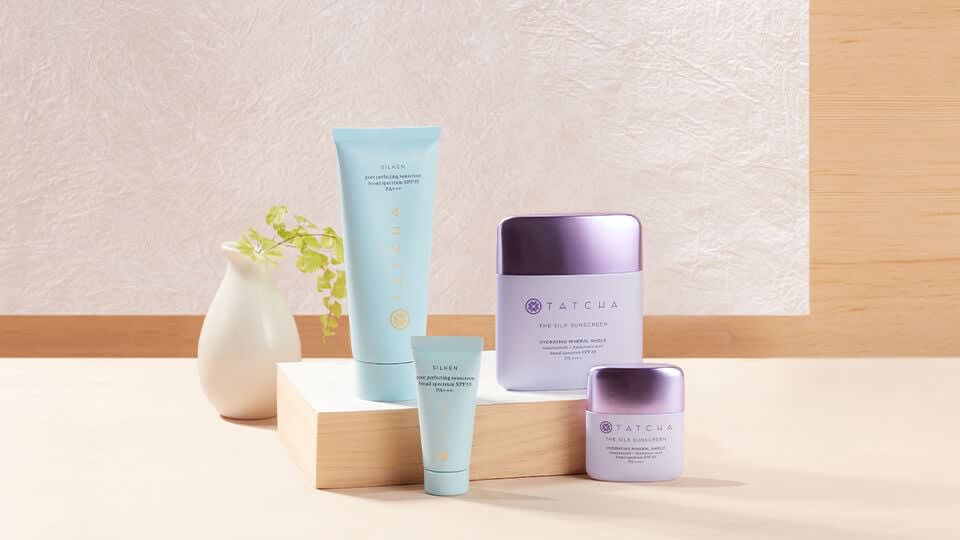
After a sunburn comes the healing process, which can be uncomfortable, as red, irritated skin begins to flake and peel off. Here’s how to see yourself back to healthy-looking skin with a little product assistance. Do: Understand sunburns & peeling. Sunburns are a largely inevitable, and often painful, part of being human. When we expose our skin to the sun without adequate protection, we often develop patches of rough, red, warm-to-the-touch skin to show for it. Sunburns are the result of ultraviolet radiation causing an inflammatory reaction in the outer layers of the skin. Serious exposure can cause serious damage, ranging from scarring to premature aging to the development of skin cancers. But sun overexposure is also pretty common. The National Cancer Institute once estimated that about a third of adults receive at least one sunburn a year, with higher figures for kids—more than half. Most sunburns heal on their own, thanks to our body’s natural regenerative abilities. The process is also partly visible: A few days after skin is singed, you’ll notice patches of dead skin in the affected areas flaking off and giving way to fresh skin underneath. It’s amazing. It’s also, frankly, uncomfortable. Peeling skin can be itchy and tender, and just because the skin is gone doesn’t mean the sunburn has completely healed. It may still look red and feel raw well into the healing process. If you’ve arrived to the peeling stage, the good news is: It’s almost over. You may just need a little help getting through it. There are plenty of ways to support your skin’s healing with skincare products, but this guide focuses particularly on peeling, and how to minimize it. Here’s what to do—and what not to do—when you’re trying to prevent peeling from a sunburn. Don’t: Forget SPF. When should you apply sunscreen? According to The Skin Cancer Foundation: Every day. (And not just once—you should reapply every two hours that you spend in the sun.) If you’ve sustained a sunburn, applying sunscreen is even more important. Allowing your skin to heal means preventing it from taking on any additional damage. Exposing an unprotected sunburn to the sun is akin to pausing skin damage and then resuming it. Choose your favorite sunscreen formula, and don’t forget to reapply it every day, especially when you’re healing from a sunburn. But be forewarned… Do: Stay out of the sun. …just because you have the right protection on hand doesn’t mean it’s a good idea to hit the beach while your burn is still healing. Give your skin some time to heal by taking it easy in the shade, and don’t forget to layer with protective clothing—be it long sleeves or a wide-brimmed hat—when you absolutely have to go out. Experts say a sunburn’s healing process can range from anywhere between three and 10 days (the latter in more severe cases). Rest assured, you’ll be back at the beach in no time. Don’t: Let your skin dry out. In addition to redness and sensitivity, sunburns also often have a dry, flaky texture that is usually evident of dehydration. One of the ways the sun’s rays can damage the skin is by depleting its water content, according to dermatologists. It’s imperative to make sure your skin is getting more than enough water to counteract this process, which may also help minimize peeling time. This is why the American Academy of Dermatologists recommends cool baths and showers, which can have calming effects on uncomfortable sunburns. They also recommend allowing water to sit on your skin post-bathing. This can help ease some of the symptoms of dryness, and it’ll also help with the next step in the process of preventing peeling from a sunburn: Moisturizing. Do: Moisturize with calming skincare. Another way you can make sure your skin stays hydrated after a sunburn is to use a topical product that can help it seal and retain moisture. In other words: Use a moisturizer. If you’ve ever gotten a sunburn and used an aloe vera-based product to help soothe it, you know the power of a good moisturizer. Aloe vera is one of many natural botanical ingredients that bind water to the skin, which is why it's often recommended as an after-sun lotion. Different ingredients can have different palliative effects on sunburn. It’s a good idea to look into products that not only effectively moisturize the skin but also impart skin-soothing benefits. Tatcha’s Indigo Soothing Body Butter is one such skincare formula. Centuries ago, during Japan’s Edo period, it’s said that samurais wore a layer of indigo-dyed cotton beneath their armor to help heal injuries—a testament to its healing legacy. Infused into a rich lotion with other skin-savers like squalene and colloidal oatmeal, the Soothing Body Butter offers impressive relief anywhere its applied. And here’s a pro tip, care of Real Simple: Your moisturizer is likely to work better if you apply it on wet skin. Don’t: Pick with your fingers. If a sunburn is peeling, and the peeling skin is already dead, surely you’re helping the process along by picking off the dead skin yourself… right? Dermatologists say: Wrong. In fact, picking at a sunburn with your fingers can do much more harm than good, and could result in scarring or blistering. Skin will flake off when it’s ready to do so, and not a moment before. You can risk damaging the new, healthy skin growing beneath the burn, as well as the healthy skin surrounding the sunburn. It’s a golden rule not to pick at your skin in general, but the rule takes on new urgency when it comes to peeling from sun damage. Do: Gently exfoliate. Overall, the most important thing to do for a sunburn is actually something you shouldn’t do; Further irritate the skin. Those who deal with sensitivity know that certain ingredients or products can cause their skin more harm than good. Think of sunburned skin as some of the most sensitive skin of all: Skin that is actively in the process of healing itself. It’s important to let that process happen at its own pace. But just like sensitive skin types seek out certain products that can improve their skin quality, certain products, like moisturizers, can help keep things calm without interrupting the process. Towards the end of the sunburn healing process, as skin begins to peel off, it may even be beneficial to use a gentle exfoliant that can safely remove dead, flaky skin. It’s wise to avoid strong chemical exfoliants or harsh scrubs. Look for something like Tatcha’s Calming Rice Polish, which employs non-abrasive ingredients like finely-milled rice bran to softly resurface even irritated skin. It also employs enzymes that help to erode the bonds between dead skin cells and healthy ones—as well as soothing indigo extract. It’s formulated for sensitive skin and easy exfoliation. Perhaps the most important ingredient in healing a sunburn and preventing peeling is patience. Time heals all burns. But when the symptoms of sun are causing you discomfort, a little extra care can go a long way.
Tatcha Indigo Cream vs. Overnight Repair: Which Is Right For You?
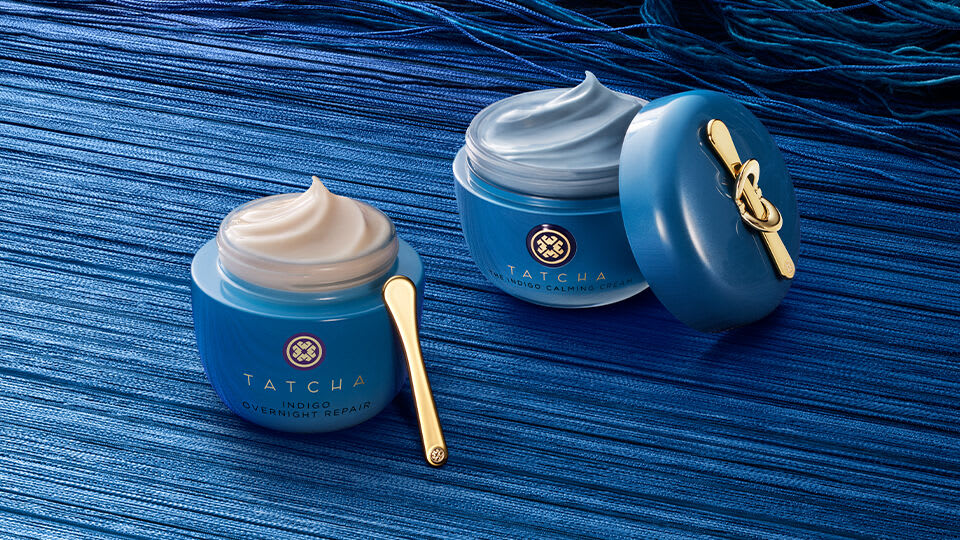
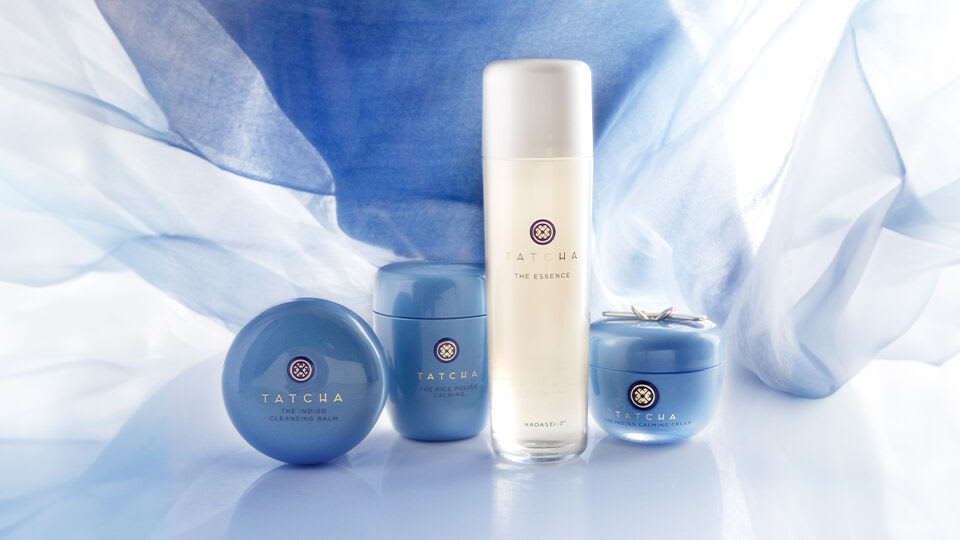
Two of our most beloved formulas—the Indigo Calming Cream and the Indigo Overnight Repair—are often compared interchangeably. But they differ in a few, notable ways. Read on to discover which formula is right for your skin. In Japan, skin is considered a conduit to the world: It perceives temperature, touch, light, and even time. It then sends those messages to the brain to distinguish how we feel and think. Our brain and skin work in tandem, which helps to synchronize our intelligent facial skin. But, this symbiotic relationship can often lead to trouble when chemical and hormonal interactions come to play, like adrenaline, inflammation, and cortisol. Pair that with external stressors like pollution, sun radiation, and poor nutrition and you might have a damaged skin barrier.The skin barrier’s primary job is to keep moisture in and harmful substances out (including allergens, irritants, and pathogens). When it’s damaged, skin is out of sync, showing signs of dryness, redness, sensitivity, itchiness, flakiness, dullness, hyperpigmentation, and fine lines. This is where Tatcha comes into play. The Tatcha Institute has been studying and perfecting skin barrier repair for nearly a decade. Keep reading to see two products (and what makes them different) that calm and visibly relieve damaged skin.Stressed Skin SolutionsIrritated and stressed skin can occur frustratingly easily. Thankfully there are a handful of Tatcha products that are designed to strengthen skin just as quickly. Two of our most beloved products for this very task are the Indigo Calming Cream and the Indigo Overnight Repair, but which is right for you? Read on as we uncover Tatcha Indigo Cream vs. Overnight Repair.Indigo Calming CreamTransform stressed skin to strengthened skin with the newly updated Indigo Calming Cream. Our beloved fragrance-free cream has been proven to calm visible irritation and relieve itchy skin, thanks to Japanese indigo and colloidal oatmeal (an FDA-designated skin protectant). What sets this innovative cream apart from others (and even the Indigo Overnight Repair) is the addition of colloidal oatmeal, which has helped earn it the coveted National Eczema Association seal of approval for its ability to soothe irritated, eczema-prone skin on the face and beyond. Whether as a face cream or spot treatment, The Indigo Calming Cream offers a luxurious way to heal visibly stressed or eczema-prone skin for a calmer, stronger skin barrier.100 percent of panelists in a clinical study saw an improvement in softness and suppleness immediately, an improvement in the appearance of the skin barrier after one week, and an improvement in visible redness and evenness of skin tone after four weeks. The emotional benefits of using the new Indigo Calming Cream are worth noting, too. In a clinical study self-assessment questionnaire, 86 percent of panelists noted that the product left them feeling like their skin was healthier after just one week.Benefits: Soothes dry and irritated skin Relieves redness and itchiness Long-lasting hydration Texture: Velvety rich creamUse: Morning and nightIngredients: Japanese indigo Colloidal oatmeal Hadasei-3 Indigo Overnight RepairTatcha’s award-winning Indigo Overnight Repair is a fragrance-free, soothing serum-in-moisturizer treatment. The formula, which includes Japanese indigo, ceramides, and hyaluronic acid, provides an immediate improvement in moisture, smoothness, and radiance. What truly sets the Overnight Repair apart from other treatments is the formula’s ability to balance the microbiome, helping to cultivate good bacteria so skin performs at its optimal, symbiotic level. The cushiony treatment is ideal for evening use, where the luxurious application can be used as an act of mindfulness and sensorial skincare moment, helping to bring comfort and peace of mind while unwinding at the end of the day. In clinical studies, 100 percent of users saw an improvement in their skin barrier strength within four weeks.Benefits: Visibly calms irritation and redness Strengthens skin barrier Balances skin’s microbiome Texture: A cushiony creamUse:Night onlyIngredients: Japanese indigo Ceramides Hyaluronic acid Mondo grass root Suggested Skin-Soothing RitualWhile it’s tempting to pit Tatcha Indigo Cream vs. Overnight Repair—the two products truly work best together. Here’s our suggested daily ritual that’s proven to soothe, calm, and visibly repair skin.Morning Ritual Purify with The Indigo Cleansing Balm Polish with The Rice Polish Plump with The Essence Nourish with The Indigo Calming Cream Evening Ritual Purify with The Indigo Cleansing Balm Polish with The Rice Polish Plump with The Essence Nourish with The Indigo Overnight Repair
The Best Fragrance-Free Skincare Products
What are essential oils? Is fragrance bad for our skin? And what is the best fragrance-free skincare? When it comes to scents, a little skin-sensibility goes a long way. Fragrance is easily one of the beauty industry’s greatest pleasures—but is also a topic of some debate. On one hand, you have perfumes that artfully assemble different notes into symphonies of scent that evoke far flung beaches or time periods in the distant past; you have shampoos and conditioners practically bursting with the aroma of fresh fruit.Skincare and makeup products are also commonly made with added fragrance—and the sensory experience they offer are often a reason why a customer will choose one product over another—but their use in these formulas can spell trouble for some, especially those with sensitive skin. At one point in recent history, the American Academy of Dermatology declared fragrance allergy to be the leading cause of contact dermatitis in the US from product exposure. Overall, fragrance ranks in the top 5 causes of contact dermatitis, a list that includes known skin irritants like poison ivy.That doesn’t mean your skin will automatically go red and bumpy if you apply a fragranced product to it—many people use fragranced products multiple times daily without incident. But if your skin is reactive, and you find yourself often battling breakouts, a little caution and ingredient know-how can help you make the best choices for your skin when it comes to fragrance. Know Your FragrancesThere are a few different types of fragrance that you are likely to encounter in product formulations. They all perform the same function—imparting a bit of scent to a moisturizer, or foundation, or blush—but they are far from the same. They can largely be defined in three categories: Essential oils, natural fragrance, and synthetic fragrance.Essential oils. You’re likely familiar with essential oils, “complex mixtures of terpenes and other aromatic or aliphatic compounds” that are created by aromatic plants as by-products of other metabolic processes, according to a 2021 report defining their use in cosmetics. And there are about 300 essential oils, derived from 3000 plant species, on the current fragrance market. Essential oils are the most concentrated forms of natural fragrance.Natural fragrances. Natural fragrance is derived from plants, and may include essential oils, but probably include a bunch of other things, too. The International Fragrance Association has strict guidelines for fragrances that are marketed as natural. They have to be composed of ingredients recognized by the IFA’s own standardization, and these ingredients must be “physically obtained from plants using distillation, expression and extraction.” A natural fragrance might include a little essential oil along with isolates and resins from other natural sources, but rest assured that it’s all plant-derived.Synthetic fragrances. Synthetic fragrances might have both the simplest and most complex definition of all three categories. A synthetic fragrance utilizes one or more ingredients made in a lab. It could be composed mostly of plant derivatives, but if at least one synthetic compound or ingredient is present, it’s a synthetic fragrance. These fragrances are popular for their customizability as well as for their ease of manufacturing and wide availability. Fragrance-Free, Not Unscented The terms “fragrance-free” and “unscented” seem like they’d mean the same thing. But each term is related to a specific formulation—and one that doesn’t always indicate a lack of added perfume.Fragrance-free products do not include fragrance of any kind. Because some consumers cannot or prefer not to use fragrance, fragrance-free formulas offer an alternative.By contrast, unscented products do not have a discernible scent, but may use fragrance ingredients to mask an existing scent. These kinds of formulations can be indistinguishable from fragrance-free products at first sniff, but their ingredient lists tell different stories.It’s important to label the difference, so the Environmental Protection Agency offers certification for products that are fragrance-free. If you’re someone who has reactive, sensitive skin, it could be a good idea to seek out fragrance-free formulas that are less prone to irritate skin. Is Fragrance Really That Bad?It’s worth saying over and over again: Fragrance is not bad for you. Just because fragrance can cause contact dermatitis doesn’t mean you should avoid it completely in every area of your life. But it’s important to be cautious when you see fragrance on a skincare ingredient label. Unlike other ingredients, the Food and Drug Administration allows for companies to simply list “Fragrance” or “Parfum” instead of enumerating the specific ingredient contents of their fragrances. This is ostensibly to protect companies from having to spill their precious perfume recipes, which are regarded as trade secrets. But it can make it difficult to know what exactly is in that product you’re using.If you have sensitive skin, it’s wise to be wary of the products you choose, and double check with your dermatologist if you’re unsure. If a favorite product has an opaque “Fragrance” on its ingredient label, it might be worth your time to send a note to their customer service and see if they’ll disclose the ingredients, or even part of them, so you can shop smarter.The Best Fragrance-Free Skincare ProductsAs fragrance-free skincare has gained in popularity, there are many options on the market for products without added fragrance. A wonder wash. What could be better than a two-in-one cleanser and exfoliator that is made from superplants and is supremely gentle on skin? One that does all of that, with no added fragrance. Such is Tatcha’s The Rice Polish, a best-seller with a cult following. It resurfaces skin with rice bran and papaya enzymes while also shoring up the skin’s natural barrier with moisture and radiance. If skin tends toward dryness or sensitivity, a balm like the Indigo Cleansing Balm can melt away makeup and cleanse the skin beneath in a single step.An excellent essence. Essences can be hugely beneficial for skin. They’re applied after cleansing, but before moisturizing, with the aim of hydrating skin. Tatcha’s Essence is made without fragrance, sulfate detergents, and other common irritants; instead, it features Hadasei-3, Tatcha’s proprietary blend of Japanese botanicals that work in tandem to moisturize skin against water loss. Skin is primed, plumped, petal-soft, and ready for the next step in your routine.A dream cream. Even the most sensitive skinned among us will love the Indigo Calming Cream, a richly textured cream shown to soothe skin. It’s made with anti-inflammatory colloidal oatmeal as well as Japanese indigo extract with tryptanthrin and indirubin, plant compounds proven to demonstrate skin-calming properties. And, of course: It’s totally fragrance-free.A super sunscreen. The Silk Sunscreen is beloved for many reasons—it’s a powerful SPF 50 that feels weightless on skin, and it also primes skin beautifully for makeup—but chief among them might be its total lack of fragrance, which makes it a great alternative to other Japanese sunscreens, many of which contain a hint of scent. It’s not always easy to sleuth out which products contain fragrance and which don’t, especially when “unscented” formulas are thrown into the mix. But if you do your homework, it’ll pay off, with reliably healthy-looking skin.
Best Moisturizer for Rosacea & Redness
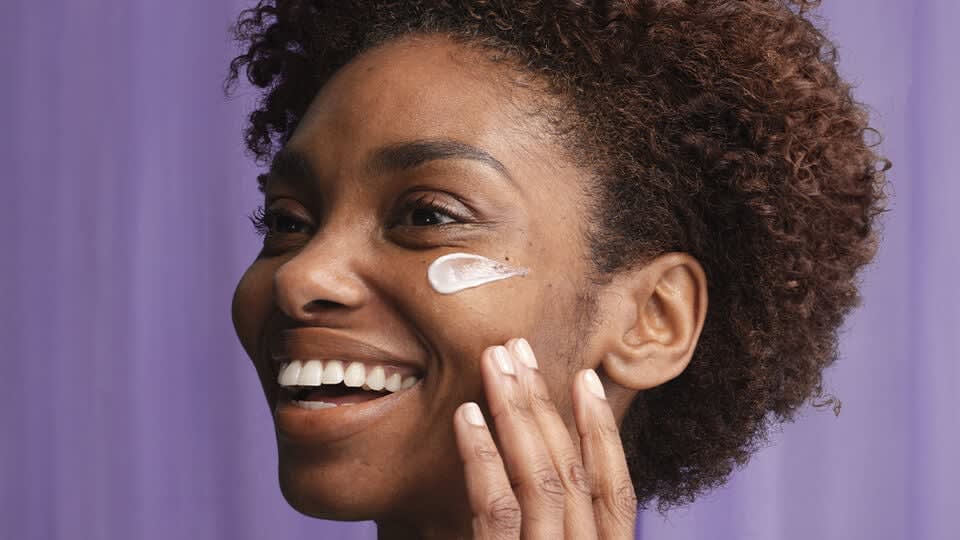
When redness shows up, it can be tough to calm things down. Choosing the right moisturizer or face cream can help keep things clear—if you know what ingredients to look for. When the blood vessels that lay beneath the skin widen or break, it can cause redness to bloom across cheeks in patches and spots. This kind of redness happens to everyone, and can be caused by anything from spicy noodles to garden variety embarrassment. And it’s perfectly human to blush: A little color looks good on all of us. But when facial redness is chronic, it may be a sign of rosacea, an inflammatory condition that affects 14 million Americans, according to the Cleveland Clinic. The word rosacea comes from the Latin rosaceus, a turn of the century term for something rose-colored; the word resurged in the 2000s as interest in skincare bloomed (and nomenclature for its various issues proliferated). But the issue has affected people for centuries. An article in the European Journal of Dermatology identified one of the first doctors to identify the skin condition; in the 14th century, a French surgeon observed a case of "goutterose", which expressed itself in red patches “particularly on the nose and cheeks.” Today, rosacea looks much the same as it did back then, but our understanding of it is more than skin deep. As the Mayo Clinic’s definition of rosacea explains, the exact causes aren’t known, but “could be due to an overactive immune system, heredity, environmental factors or a combination of these.” Even longer is the list of potential aggravators, which range from sun to stress to spice to skincare. Those with rosacea or persistent redness may even be wary of certain skincare products, for fear that they’ll bring out their blood vessels. It’s true that, when caring for rosacea and redness, a certain amount of caution is well-advised. But certain skincare products and ingredients can actually help to soothe and calm skin, including the best moisturizer for rosacea. Why is my skin so red? Like other inflammatory skin conditions, such as eczema, experts aren’t exactly sure what causes rosacea, but various studies have revealed patterns about who is and isn’t affected. For example; women are 3 to 4 times more likely than men to develop rosacea, but men who are affected often suffer worse symptoms. Rosacea also tends to run in families. There are a few stages of a rosacea flare-up. First, in the vascular stage, blood vessels expand and break. Skin flushes, the result may appear like a facial rash. This redness might also be accompanied by small bumps or pimples in the inflammatory stage. Men who experience rosacea may also experience rhinophyma, in which the skin on the nose thickens and oil glands enlarge, according to Johns Hopkins Medicine’s classification of rosacea. Rosacea can even spread to the eyes and cause itching, watering, and, of course, redness. If any of these symptoms sound typical of your skin, it’s possible you have rosacea, or redness-prone skin. A visit to your dermatologist can help you rule out other possibilities, and will help you on your way to starting a treatment plan. Can skincare products help redness? Skincare products can be enormously helpful for redness and rosacea. The American Academy of Dermatology Association has published guidelines for caring for red skin and rosacea that emphasize a gentle approach. Finding a mild cleanser, applying it using your fingertips, rinsing with cool or lukewarm water, and then drying your skin with a soft, clean cloth is the best way to wash rosacea or redness-prone skin. You can skip the astringent toners or abrasive towels. Another way to be gentle to your skin is by moisturizing regularly. The term “moisturizer” describes a wide category of products that work by helping skin retain water, which is necessary for skin’s health. Even a skincare routine consisting of just a mild cleanser, a hydrating moisturizer, and a sunscreen is enough to give your skin what it needs—and protect it from what it doesn’t. But like many other factors, some skincare formulations could cause reactions. What works for you depends on your unique skin type. Stick to products and ingredients that are tried-and-true—and if you decide to try something new, don’t forget to patch test it first. Which skincare ingredients help rosacea and redness? As rosacea has emerged as a breakout skincare topic in the past few decades, many new skincare technologies have been developed with the aim of soothing and calming skin—from lasers to topical applications. And yet, much like rosacea itself, many of the ingredients used to help reduce redness have long histories. Ceramides. Of course ceramides are good for skin—up to 50% of our epidermis is made up of these fat cells. There, they help our skin retain water and perform its barrier function, keeping good stuff in and bad stuff out. Added into skincare formulations, they have been shown to help soothe visible irritation and prevent dehydration. Colloidal oatmeal. The calming oatmeal variant has been used for centuries to relieve itch and irritation—the Egyptians used to pour oats into their baths to relieve inflamed skin. Today, many formulas with colloidal oatmeal are recommended for issues like eczema and rosacea. Green tea. The extract from green tea is rich in polyphenols, which are known to have strong antioxidant and anti-inflammatory properties. Japanese indigo extract. A supremely soothing superplant. Indigo has a more famous reputation for the beautiful dye it produces, but its medicinal benefits are well-recorded throughout history. In Japan, indigo was also used for traditional firefighter uniforms to protect against burns, and presented to newborns in the form of an indigo-dyed blanket—a testament to its protective qualities. (Did you know that indigo is green at first, until it reacts with oxygen to give it its distinctive deep blue?) Sea fennel extract. Long renowned for its culinary applications, sea fennel also works wonders on skin. The marine botanical impressively toes the line between zero inflammation and big, retinol-like results, making it a great choice ingredient for those with redness or rosacea. Silk. There is simply no fabric that is softer on skin than silk. Liquid silk proteins find their way into many formulas for their skin nourishing benefits, but pure silk fabric is also a source of particular inspiration for Tatcha, as seen in our Kinu Pure Silk Polishing Face Cloth. If you’re looking for an easy way to make your routine more gentle, consider switching to silk wash cloths and pillowcases. What is the best moisturizer for rosacea and redness? Hydration is essential for our skin’s health: Water is the one of the most important fuels that keeps our skin barrier in proper form. And the best way to hydrate your skin is by using a moisturizer. Most skincare users tend to match their moisturizer to their skin type. Oily skin types sometimes go for powerful gel formulas that help clear away excess sebum, whereas dry skin types might slather on a thick cream that gives them an extra boost of hydration. For those dealing with rosacea or redness, the goal is to keep things calm and under control; the easiest way to that goal is to choose a moisturizer fortified with ingredients proven to help redness. One such moisturizer is Tatcha’s Indigo Overnight Repair, which features skin-soothing Japanese indigo along with ceramides. The unique product composition also helps to regulate the skin’s microbiome (studies show a link between a disrupted microbiome and inflammation) and visibly calms skin irritation—after just one night, about 90% of participants saw improvements in skin redness, texture, and tone.* The serum-in-cream is also the finale in Tatcha’s best-selling Soothing and Calming Skin Ritual, a full four-step redness routine in one kit. What about my eczema? Redness happens to be a common symptom of inflammatory eczema. Eczema’s other signs vary to include dryness, itchiness, bumps, and even changes in texture. Luckily, many ingredients that soothe redness and rosacea are also known to help with eczema. The National Eczema Association makes finding these moisturizers a little easier by assigning seals of approval to formulas that meet calming criteria. That seal can be found on Tatcha’s Indigo Calming Cream, formulated with indigo and colloidal oatmeal. It soothes redness with long-lasting hydration, but it also works overtime, as both a daily moisturizer and a soothing skin treatment. Apply it to the face, neck, or anywhere irritated skin appears. Rosacea and redness can also be a source of stress, which happens to be a common trigger for rosacea and redness. It can seem like a never-ending cycle. But a consistent skincare routine can help, and provides a daily opportunity to reflect on your progress and skin’s goals. The process will definitely soothe your skin; it may soothe your mind, too. *Based on a 4-week clinical study of 41 participants.
The Best Face Washes for Sensitive Skin
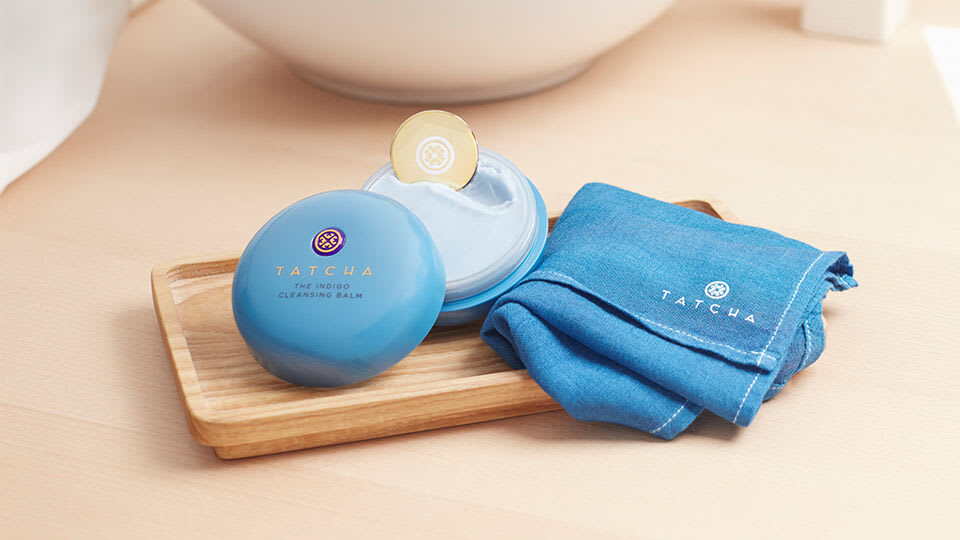
One of the most essential skincare steps can be tricky for those dealing with sensitive skin and its attendant issues, from acne to eczema. Choose your cleanse wisely. Sensitive skin can express itself in a variety of different ways, from redness to dryness to patches of scaliness. Sensitive skincare is much less variable. But the needs of skin are the same across all skin types. The American Society of Plastic Surgeons defines a proper skincare routine as including cleansing, moisturizing, and applying sunscreen among its list of basic skincare steps — a simple framework upon which anyone can build an effective skincare routine.Step one: A good wash. This first part of your skincare routine sets the stage for the following steps. A face wash should remove makeup, dirt, and other buildup as gently as possible, so that treatments like serums or creams can reach the dermis. Nowadays, many cleansers are formulated to do more than simply cleanse with the addition of hydrating or exfoliating or brightening ingredients. New technologies are introduced constantly, and adopted into the market quickly.Just as sensitive skin needs to be washed, sensitive faces need to be careful about the kinds of face washes they use. Sensitive skin is defined by its tendency to react to materials and substances that don’t usually cause reactions. If you have sensitive skin, the odds are that you pay close attention to the things your skin comes into contact with, and your cleanser is probably no exception. But there are plenty of formulas that are designed to fit your sensitive skin, and whatever expressions come with it.How do I wash my sensitive skin?The most basic rule of sensitive skincare could be described in one word: Caution! If it seems like you’re using too much pressure, or product, or stinging, or heat, then chances are it is. The American Academy of Dermatology warns against scrubbing the skin — instead, try massaging skin gently with your fingertips. Try not to overwash, or cleanse too frequently, either. Most people wash their face twice each day, most importantly before bed.Those with sensitive skin usually have a good idea of what potential irritants don’t work for them, and choose products accordingly. For some, it’s fragrance; for others, it’s acids; for everybody, it’s a little different. Patch test products, pay attention to your skin’s reactions, and always talk to your dermatologist about the products you use. The best face wash for sensitive, acne-prone skinWhen dealing with acne, it’s tempting to want powerful cleansers that make skin squeaky clean, or utilize strong exfoliants. Add sensitivity to the mix, and these sorts of cleansers can spell disaster. Or worse: Reaction.But the instinct isn’t wrong. Acne is often caused by bacteria from leftover makeup or unwashed pollutants, so the need for a good—and gentle—cleanse is paramount with this unique skin type. Our skincare was inspired by Kyoto’s geisha, who would perform beneath layers of makeup and took meticulous care of their skin. According to some of Japan’s earliest beauty-related texts, geisha used tsubaki, or oil from the camellia flower, to remove their makeup while also respecting their soft, silk-like skin. That ritual inspired the Camellia Cleansing Oil, which melts makeup, cleanses skin, and imparts skincare ingredients in a single step. Oils may seem counterintuitive on acneic skin, which often exhibits an oily texture, but dermatologists love them for how easy they are on skin’s acid mantle. The best face wash for sensitive skin and rosacea From a dermatologist’s perspective, there are different types of rosacea, from vascular rosacea to ocular rosacea. But most people are familiar with how rosacea generally appears: As a red, inflamed rash. Unlike acne or eczema, which often arrive with texture symptoms—in bumps or scaly patches—rosacea looks much less serious at first. Left untreated, however, it could cause bumps or skin-thickening.Rosacea is caused by inflammation beneath the skin. Like eczema, another skin issue caused by an inflammatory response, experts aren’t sure exactly what causes rosacea, but according to the Mayo Clinic, the reaction “could be due to an overactive immune system, heredity, environmental factors or a combination of these.” Dermatologists advise twice-daily cleansing and moisturization, and patch testing all products. They also recommend looking into rosacea-friendly skincare ingredients, and avoiding potential irritants. At Tatcha, we make frequent use of Japanese indigo extract for its powerful palliative benefits. In Japan, the plant is prized for its anti-inflammatory and antibacterial benefits. Indigo’s active ingredients lend themselves to soothing skin—Tryptanthrin is a nitrogen-rich compound that helps flush away toxins and irritants, and Indirubin supports the skin’s natural barrier function. The ingredient is included in many of our soothing formulas, like the Calming Rice Polish, which infuses Japanese botanicals—like indigo, Okinawan red algae, green tea, and more—to nourish and maintain skin’s health, and keep reactions at bay. The best face wash for sensitive skin and eczemaEczema, like rosacea, is caused by inflammation—but it looks a little different. In addition to redness, eczematous skin often becomes dry, itchy, and bumpy, at least according to the Cleveland Clinic. The roots of eczema aren’t clear, but it’s a common issue affecting just over 10% of Americans. The National Eczema Association often issues seals of recommendations to products that have proven to be effective on eczematous skin. (The Indigo Cream has earned this designation for its ability to soothe skin—in ancient Japan, samurais wore inner layers of indigo-dyed cotton beneath their armor to help speed their healing, and the dye was also lent to the uniforms of firefighters to help protect against burns.) Some other ingredients that are great for eczema include colloidal oatmeal, algae, and squalane, and many of these are commonly found in face wash formulas. The Indigo Cleansing Balm was formulated with sensitive skin top of mind. It’s crafted with Japanese indigo to visibly calm as it cleanses, replenishing the skin's moisture barrier for smooth, soothed skin. It melts makeup with ease—and keeps even reactive skin calm in the process.The most important way to care for eczema, rosacea, acne, or sensitive skin in general is to go easy. Though it’s necessary to properly wash skin, harsh active ingredients or abrasive applications can do more harm than good. If you treat sensitive skin with tender care, glow will certainly follow.

The Best Skincare Products for Sensitive Skin
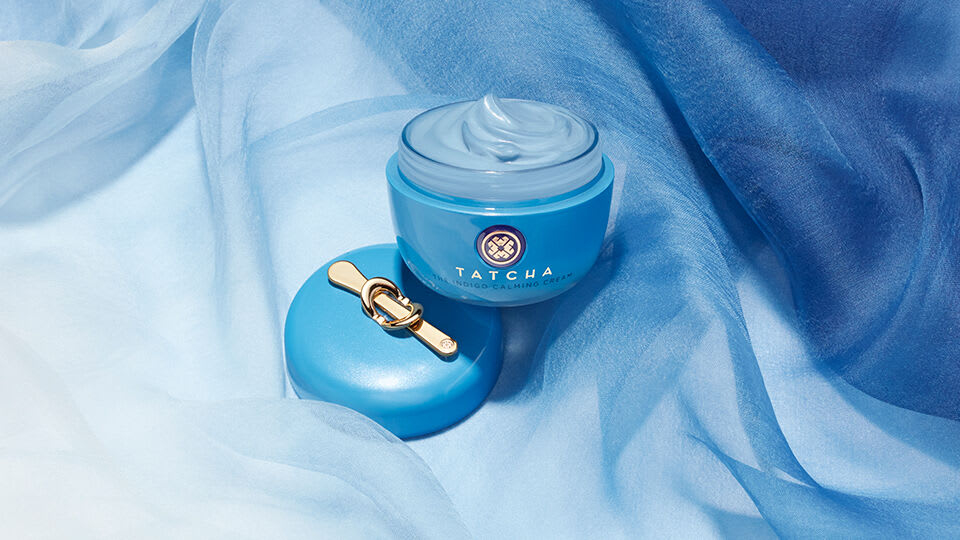
Sensitive skin can be a source of frustration, from irritating ingredients to rageful reactions, but it’s easy to overcome if you have the right tools and know the correct techniques. Sensitivity in skin is defined by reactions to other substances, like skincare products or environmental aggressors, as opposed to its natural state. This can be vexing for skincare lovers who want to try different products or incorporate new steps into their routine. Meanwhile, their skin might overreact to even slight changes, or ingredients billed as non-irritating.Some people are born with sensitive skin, and might not realize it until they get older and begin to expose their skin to different stimuli. Others may develop sensitive skin, or their skin may sensitize, over time and exposure to different irritants or allergens. But no matter what type it may be, your skin requires proper care, which can be a source of stress for the sensitive skinned among us. How do you navigate necessary skincare if your skin is wary of products at large?The key to cracking sensitive skin is to learn what your skin needs, and the products and ingredients that can help it keep calm under pressure. But the best skincare for sensitive skin starts with education. Here’s what you need to know.Before we start: What is sensitive skin? Sensitive skin is reactive skin. Dermatologists often define sensitive skin simply as skin that is prone to more reactions than other skin types. These kinds of reactions express themselves in various ways, from dryness to redness to full-blown rashes.If these sound like common issues, it doesn’t necessarily mean you have sensitive skin. The catalyst for these sorts of reactions are almost always outside stimuli, a broad category that includes everything from skincare products to the sun and wind outside your front door. If skin seems irritated on its own, it could be a sign of sensitive skin, but also may point to another skin type, or an issue like eczema.Instead, if you notice your skin frequently reacting to certain products or ingredients, sensitive skin could be a likelier reason. Step 1: Learn about your skin. The skin is a magnificent organ, with many highly complex structures and functions included therein. Short of going to medical school, it can be difficult to wrap one’s head around skin and its needs. It’s much easier to study your own skin, and there are a few ways to do that.Take notes. If you think you have sensitive skin, it could be beneficial to take a practical approach to documenting your skin habits. Make like a detective and solve it like a mystery: What ingredients did I put on my face today, and how did my skin react? What was the weather or climate like? Over time, you should be able to observe patterns in your skin reactions, and identify certain irritants.Talk to an expert. It’s usually not too difficult to recognize if your skin is sensitive—Are you very cautious about trying new products? Does your skin break out with seemingly no effort at all?—but you should always ask your dermatologist or primary care physician for their opinion.Research ingredients. There are plenty of skincare ingredients that are excellent on sensitive faces—and more that are being discovered and tested every day. For now, it’s easy to find formulas that are designed in accord with sensitive skin types, and are easier on faces than other, more abrasive skincare products. Step 2. Cleanse your skin gently.Dermatologists advise washing one’s face twice daily. But how does that figure square with those whose faces fear abrasive skincare?A proper cleanse is an important part of your skincare routine, no matter your skin type. But some washes are better (read: less harsh) than others. The ingredients list is the first place to look for trouble. Is your face wash made with potentially irritating ingredients? For example, sulfates, which help cleansers remove dirt and impurities more effectively from skin and hair, can also dry out skin and potentially cause irritation, according to dermatologists. Sulfates aren’t bad for you, but they may not agree with reactive skin.Tatcha’s Indigo Cleansing Balm is a gentle cleanse epitomized. It's plush at first lather, then emulsifies into a silky oil that melts away makeup, dirt, and the rest of the day. But the main attraction comes from Japanese indigo extract, a botanical prized for centuries for its anti-inflammatory benefits. (Did you know that samurai used to wear garments of indigo for their wound-healing properties?) Another common ingredient that is known to be largely beneficial but can have adverse effects on sensitive faces: Exfoliating acids, like salicylic or glycolic acids. These ingredients are proven to help exfoliate the skin, by dissolving bonds between healthy skin cells and dead ones. Many exfoliants are useful and even necessary for exfoliating sensitive skin, but it’s advised to be wary of strong acids or scrubs, and run them by your dermatologist before you adopt them into your routine. Gentle acids, like lactic acid, or finely-milled scrubs, like Tatcha’s Calming Rice Polish, come recommended for reactive skin. Step 3. Use calming products. After cleansers come essences, serums, and moisturizers. Sensitive skin types are often careful not to overload their faces with substances that can potentially irritate, but they’ll be happy to know that many of these products include steps that can help soothe sensitive skin.Think about your skincare order of operations as beginning with a proper cleanse, and then building up products by their textures, from most watery to most creamy or oily. Essences, lightweight hydrating formulas that follow washes but precede serums and moisturizers, can be hugely helpful with hydration—Tatcha’s Essence, for one, is made with a trio of Japanese superfoods that are fermented to produce amino acids (that support the skin barrier) and AHAs like lactic acid (that gently exfoliate). A daily cream can also help keep things calm, if that cream is made with soothing ingredients. Colloidal oatmeal is a popular choice for sensitive skin-inclined formulas—it helps skin rehydrate, and has demonstrated powerful anti-inflammatory benefits. It’s paired with Japanese indigo and other nourishing superplants in the Indigo Calming Cream, formulated to provide soothing relief of redness and itchiness with long-lasting hydration. (It’s also earned a coveted seal of acceptance from the National Eczema Association.) Moisturizing is also an important step in shoring up your skin’s barrier function. Many experts believe that skin becomes more reactive as its lipid barrier weakens. With a weak barrier, skin can’t hold on to water as well, which leads to dryness, which can exacerbate acne or inflammation. An overnight treatment like the Indigo Overnight Repair, with its two-in-one serum-in-cream texture, can provide necessary nourishment to any skin type, even those prone to reactions. Step 4. Always wear sunscreen. Always! It’s one of the most important steps in your skincare routine. And this urgency only increases if you find your skin to be sensitive: Those with sensitive skin are at greater risk for environmental aggressors like ultraviolet light damage, according to some dermatologists.But there are many, many sunscreens out there, and some do have the potential to irritate. Experts warn against the popular two-in-one moisturizer-with-SPF formulas by and large for sensitive skin—packing all of those ingredients into one formula might have a greater potential for irritation. And while chemical sunscreens can be very effective for many skin types, some experts prefer mineral sunscreens, made with zinc or titanium dioxide, for reactive skin. (Think of it this way: UV rays simply bounce off mineral filters, but with chemical filters, they react and are made inert. This reaction can spell trouble for sensitive skin types, but always talk to a doctor when choosing an SPF.) Some prefer the texture of chemical SPFs to physical ones, which can be chalky and heavy, which is why Tatcha created the Silk Sunscreen, which is as smooth as it sounds: A feathery, floaty formula, fortified with a zinc filter and skin-soothing ingredients like hyaluronic acid and silk extract. Maybe the best thing for sensitive skin isn’t nothing, after all. It’s proper care and protection, and a little peace of mind.
How to Know if You Have Sensitive Skin
Sensitive is one of the most common skin types, leading many to wonder, “Do I have sensitive skin?” Even before you see a dermatologist, your skin might answer that question for you. Sensitive skin might be the most common skin condition that isn’t actually a skin condition, or at least according to dermatologists. Unlike eczema or acne, which are diagnosable, “sensitivity” describes a skin type. And yet unlike other skin types like oily or dry or combination, sensitivity isn’t something you see on your face every day. It’s not noticeable at all—until a reaction occurs.These reactions are what define sensitive skin. According to a 2017 article that polled a panel of experts, sensitive skin is “defined by the occurrence of unpleasant sensations in response to stimuli that normally should not provoke such sensations.” These sensations can resemble anything that isn’t normal skin —and may be visual, with increased redness or bumpiness or rough texture, or felt, through stinging or burning or itching. Sensitive skin is likeliest to appear on the face, though it can appear elsewhere, too.Just because you’ve had a reaction to something doesn’t necessarily mean you have sensitive skin. And just because you haven’t had a reaction to something doesn’t mean your skin won’t become sensitive later on. But if you think you might have sensitive skin, it’s important to identify it correctly. If your skin is reactive, it helps to be proactive.Why is my skin sensitive?There’s a slight difference between skin that is sensitive and skin that is sensitized. Both will look similar, and may react negatively to certain products or irritants. The latter word describes skin that may not have always been reactive, but has become reactive over time.The distinction is important. Many people who wouldn’t define their skin as generally sensitive might one day find their skin reacting unusually to something or other. Vicky Tsai, who founded Tatcha, was once alarmed to wake up one day and find that her normally non-reactive skin was red, bumpy, and irritated; her experience with atopic dermatitis took her on a skincare journey that eventually resulted in Tatcha’s founding. She found relief using gentle, time-honored botanical ingredients, and from listening closely to her skin.Experts aren’t sure exactly what causes sensitive skin. Sometimes, sensitive skin is caused when the nerve endings in the top layer of skin become irritated. This can happen in many ways—from sun, stress, or abrasive skincare—but you’re unlikely to be aware of your skin becoming sensitized. You’re more likely to see sensitive skin reveal itself with a reaction to something else.If the idea of a new skincare product worries, rather than excites, you—for fear that it might break you out—it may be a sign that you’re used to dealing with sensitivity.How to tell if you have sensitive skinIf you’re unsure whether you have sensitive skin, rest assured: It will make itself known. In the meantime, there are more than a few ways you can find out whether or not your skin is sensitive. Consider your skin type. Imagine you have to describe your skin in as many words as possible. What words come to mind? It’s natural to tend towards oiliness or dryness, as well as to experience the occasional breakout. But if your breakouts are more frequent than not, or if you notice that new products or changes in weather cause skin to become irritated, it may be a sign of sensitive or sensitized skin. Think about your product diet. Are you somebody who likes to collect many skincare and makeup products? Or do you tend to stick to the same routine, for fear of damaging your skin? The latter person is more likely to have sensitive skin. Do you burn, or tan? Those who burn in the sun, versus those who tan, have a tendency to have more sensitive skin, but be forewarned: With too much sun exposure, any skin type can become sensitized. Keep a notebook. It doesn’t have to be a physical notebook—a Notes app page works fine!—but checking in on your skin and noting its appearance and how it feels can, in time, become a record of your skin barrier. Talk to your dermatologist. Once you’ve developed an understanding of your skin, you can share what you’ve learned with your doctor, who can definitely classify your skin type. What to do if you have sensitive skinIf you have sensitive skin, don’t fret—you might be in the majority of skin-havers overall. One study posits that about 60-70% of women and 50-60% of men report some kind of skin sensitivity. The most important thing of all is consistency. Sensitive skin doesn’t take well to change, but by simplifying and sticking to a routine, you can keep breakouts away.The building blocks of your routine will be: A gentle (but effective) cleanserIf you have sensitive skin, you want to make sure you are washing it well. Leftover makeup, or dirt and impurities accumulated throughout the day, can cause unwanted skin reactions. You’ll want to wash your face with something that won’t strip moisture away from your skin barrier, but will also get all of the gunk off. An oil based cleanser like Tatcha’s Indigo Cleansing Balm transforms on skin from a soft, cushiony-balm to a silky oil, and melts away even stubborn makeup. It’s supremely gentle on all skin types, but is formulated for sensitive faces in particular. A hydrating moisturizerRemember when we said that sensitive skin could be caused by a weakened skin barrier? A hydrating face cream or moisturizer is a great way to nourish and maintain that barrier. Bonus points if that face cream contains ingredients that work especially well for sensitive skin, like Japanese indigo, a botanical extract with a long history of soothing skin. Centuries ago, it helped samurai heal from their wounds; Today, it forms the centerpiece for Tatcha’s sensitive skincare in products like The Indigo Calming Cream. It’s a daily moisturizer and a skin soothing treatment in one velvety cream made with indigo extract, colloidal oatmeal, and other superplants. A sunscreenAlways. There are few things, if any things, more damaging to skin than ultraviolet rays. Whether you choose a chemical or physical filter, make sure to choose one, wear it every day, and reapply every two hours. Your skin will thank you. What not to do if you have sensitive skinImagine, in your fridge, there was a chemical that you knew to be highly reactive. Unless it was absolutely necessary, you’d probably rarely touch it, right? Sensitive skin can also be highly reactive. But it’s impossible to leave it on its own completely. How would you apply sunscreen, or dry a tear?The key is to minimize the amount of interactions you have with your skin. Staying to a consistent routine, and keeping your product diet to a minimum of tried-and-true staples, can help keep things under control. And when you do introduce a new product, try to do so slowly, by patch testing on a small area of skin first. Some products can be hugely beneficial to sensitive skin, but too many can spell disaster. The most important thing is to be kind to your skin—no matter its type.
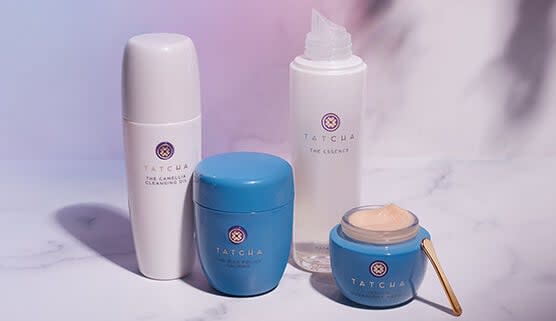
The Best Skincare & Routines for Dry Skin, Eczema, and Psoriasis
Seeking relief from dry skin, eczema, or psoriasis? Everyone experiences occasional skin discomfort, but it can be particularly frustrating (and physically uncomfortable) when bouts of dry skin and eczema seem to show up unprompted. Worry not, though. Whether you are managing your natural skin type or navigating a specific condition, there are tried-and-true options that will help soothe, restore, and balance your complexion. Below, we'll dive into the best skincare routine for dry skin, the most effective eczema skincare options, and a soothing ingredient for psoriasis. Skincare Routine For Dry Skin Do you have dry skin? Dry skin is a common skin type, where the skin lacks oil. If your skin seems to be perpetually flaky, rough, and itchy, no matter how much moisturizer you slather on , you might be struggling with dry skin. Dry skin often occurs when the skin loses the ability to naturally replenish itself, often resulting from a microbiome barrier disruption, harsh products, abrasive over-exfoliation, or unprotected sun exposure. Your skin might even chronically revert to its uncomfortable state – no matter how many creams you massage on. The good news? Dry skin loves to be pampered. Nourish and drench skin with silky essences, plumping serums, and rich creams. The trick to breaking the dry skin cycle is to address the root problem and use the correct skincare that nourishes and calms skin. A soothing cleanse First and foremost, try and gentle, soothing cleanser. It might feel tempting to skip cleansing altogether when dryness is top of mind, but a creamy, silky cleanser will cleanse the skin from dirt and daily buildup, without stripping the delicate surface. For a gentle cleanser that washes away impurities without stripping skin, try The Rice Wash. Gentle exfoliation It might sound counterintuitive, but incorporating an exfoliant - albeit a very, very gentle one - into your routine can transform skin, washing away dead skin cells to reveal a healthy-looking glow. Once a week (or whatever your preference is), try The Rice Polish, which has finely ground rice bran and papaya enzymes to promote natural skin surface turnover. A hydrating essence Drench skin in a hydrating essence, which plumps and makes all products applied afterward work more effectively. This potent ingredient hydrates for primed, plump, and petal-soft skin. Our Essence has been clinically shown to increase hydration, it'll be perfectly nourishing after cleansing or exfoliating. A treatment sealed with moisture Pairing a serum and rich cream is the hydration duo dry skin craves. A serum provides active ingredients that can target skin deeper than moisturizers, helping to address the signs of dryness more effectively. Dry skin doesn't ease in discomfort with just any basic moisturizer. Instead, you'll need a boosted moisturizer that's rich in texture, but also packed with skin-loving ingredients, like ceramides, plant botanicals, and anti-oxidants. Our Dewy Serum is a bestseller, thanks to its hefty dose of hyaluronic acid and squalane. Lastly, follow up with a creamy moisturizer, like The Dewy Skin Cream, which is packed with antioxidants and ceramides to replenish skin's natural moisture reserves, but also help with the reduction of future moisture loss. About Eczema & Psoriasis What is eczema? Eczema is a condition that causes the skin to become itchy, inflamed, or have a rash-like appearance. There are seven types of eczema and it’s a very common condition – over 31 million Americans have some form of eczema, says the non-profit National Eczema Association (NEA for short). It can begin during childhood, adolescence, or adulthood and it can range from mild to severe. While there is no cure for eczema, there are treatments that can help soothe and calm skin. Those experiencing eczema can often feel defeated by their skin. The inflamed, often painful flare-ups can be caused by numerous factors, including the immune system, genetics, environment, and even stress. Discovering an eczema skincare routine can be tricky and frustrating, but consult the NEA and specifically their Seal of Acceptance products, which are proven to be suitable for eczema or sensitive skin. What is psoriasis? Psoriasis is a very common skin condition that causes itchy, scaly rashes. The inflamed, red patches can be triggered by infections, stress, or environment. Often seen on elbows, knees, and the scalp. Eczema and psoriasis can look pretty similar and can be caused by the same triggers – but there are telltale signs to tell the difference between the two. Psoriasis tends to have scaly patches, caused by an overreaction of new skin cells that form too quickly. These cells pile up on the surface of the skin, causing thick scales or plaques that can be dry, flaky, and painful. Skin tends to be thicker, raised, and more inflamed than with eczema because psoriasis is caused by an excess buildup of skin cells that the body can’t shed quickly enough. While it’s best to consult with your doctor, as most treatments are usually provided by a dermatologist, there are products available without a prescription that can supply some much-needed relief. Skincare For Eczema & Psoriasis At Tatcha, we have a handful of eczema- and psoriasis-friendly products. Try Tatcha’s Calming line, which is boosted by the ancient healing powers of Indigo. The soothing active ingredient provides powerful anti-inflammatory relief, while also promoting skin’s natural healing abilities. A calming cleanser Cleansing and exfoliating can feel especially frustrating (albeit painful) for eczema-prone skin. But a gentle, calming cleanser can actually provide some much-needed relief. Part of the trick to cleansing delicate skin is in the method of application. Massage into skin – but gently – think as softly as washing silk or the whisper of butterfly wings. For cleansing, try The Indigo Cleansing Balm. This skin-strengthening formula instantly calms visible irritation, while also supporting and transforming the barrier. The dermatologist-tested and fragrance-free formula was crafted with weakened, sensitized skin in mind, knowing traditional cleansing can be painful and damaging. This is why the balm is designed to reduce friction while cleansing, helping to soothe while cleansing. It still effectively cleanses though, even efficiently removing stubborn and waterproof makeup. The formula includes Japanese indigo to calm visibly irritated skin, lipids, and ceramides to replenish the barrier, Japanese lotus root to soothe, and mondo grass root to balance the microbiome. The results are stunning, too: In clinical studies, 100 percent of participants demonstrated an improvement in barrier function after just one week of use.* But unlike harsh cleansers, the Indigo Cleansing Balm also soothes visible irritation and replenishes moisture—strengthening the skin barrier so it can prevent future damage for smooth, plump, and radiant-looking skin. *Based on bio-instrumentation (TEWL) clinical study on 40 panelists. Unscented moisture Hydration is vital for all skin types, but especially for eczema sufferers. Look for unscented creams that utilize healing ingredients, like ceramides, peptides, and hyaluronic acid. Bonus points if the moisturizer includes famed calming ingredients like indigo, colloidal oatmeal, and humectants. For hydration, test out the newly updated Indigo Calming Cream. Our beloved fragrance-free cream has been proven to calm visible irritation and relieve itchy skin, thanks to Japanese indigo and colloidal oatmeal (an FDA-designated skin protectant). What sets this innovative cream apart from others (and even the Indigo Overnight Repair) is the addition of colloidal oatmeal, which has helped earn it the coveted National Eczema Association seal of approval for its ability to soothe irritated, eczema-prone skin on the face and beyond. Whether as a face cream or spot treatment, The Indigo Calming Cream offers a luxurious way to heal visibly stressed or eczema-prone skin for a calmer, stronger skin barrier. 100 percent of panelists in a clinical study saw an improvement in softness and suppleness immediately, an improvement in the appearance of the skin barrier after one week, and an improvement in visible redness and evenness of skin tone after four weeks. The emotional benefits of using the new Indigo Calming Cream are worth noting, too. In a clinical study self-assessment questionnaire, 86 percent of panelists noted that the product left them feeling like their skin was healthier after just one week. A rich, hydrating nighttime treatment If you’re searching for a nighttime treatment, try the Indigo Overnight Repair treatment, which visibly calms irritation and strengthens the skin’s barrier. The formula features the soothing Japanese indigo, but also includes red sage root to calm irritation, ceramides to boost moisture reserves, and hyaluronic acid to deeply hydrate. Bodycare For Eczema & Psoriasis Look for products that incorporate anti-inflammatory and non-irritating ingredients that can provide soothing properties. Try using an unscented body wash, then follow up with gentle, calming body lotions and creams. Both The Indigo Soothing Hand Cream and The Indigo Soothing Body Butter are fantastically soothing experiences, both rich in anti-inflammatory Japanese indigo, which has been shown to soothe and ease. The body butter can be utilized all over the body, while the hand cream is a thicker healing balm. Either can be used as needed, designed to provide a transformative experience.