






T-House

How to Layer Skincare Products for Maximum Benefits
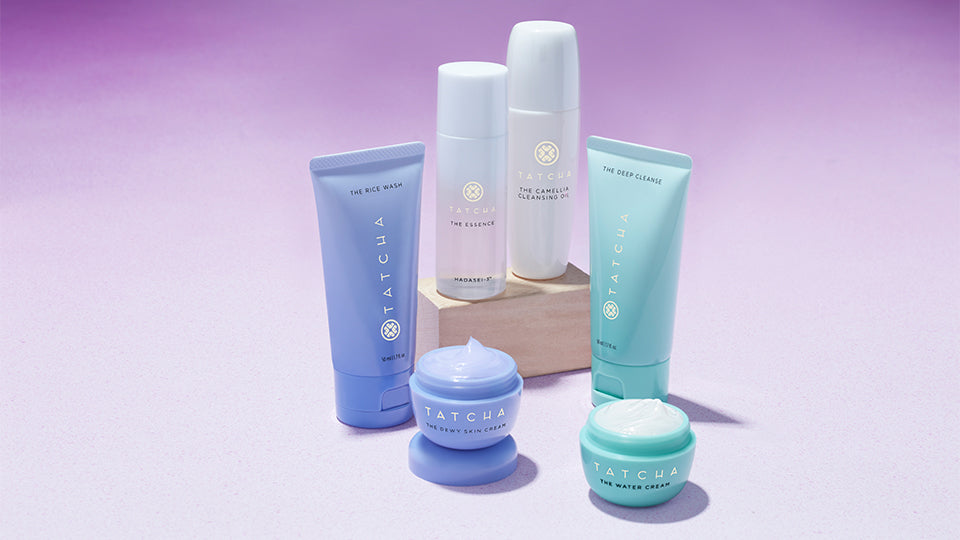
Layering skincare products helps you maximize your daily skincare routine, allowing you to boost your formulas with products that work well with one another (and your skin). Cleansers, exfoliants, serums, moisturizers, and more can all be layered — albeit strategically and intentionally. We help you learn how to layer which products below, but when in doubt, aim for the thinnest to the thickest texture and water-based products before oil-based formulas.
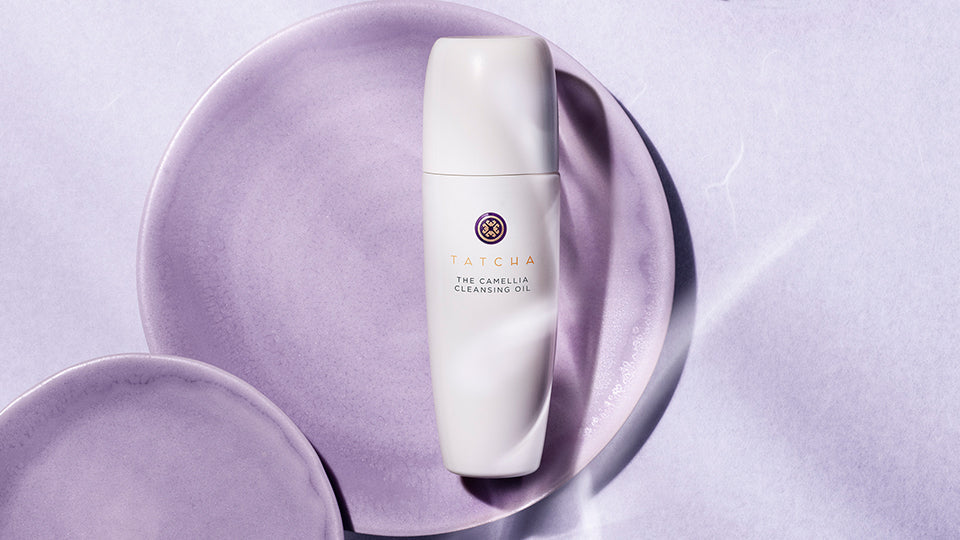
The Benefits of Cleansing Oil For Your Skin
While there are many ways to cleanse your skin, a cleansing oil is one of the most effective (and gentle) options. An oil cleanser not only efficiently removes makeup, sunscreen, and debris, but also works to break down the sebum on the skin, which can cause breakouts if left unchecked. Benefits of oil cleansing include moisturizing and supporting your skin barrier, delivering nourishment where your skin needs it, and that it works for every skin type. The trick to getting all the benefits of oil cleansing is to use it on dry skin with dry hands and massage it into the skin thoroughly – this technique allows the cleansing oil to break down debris.
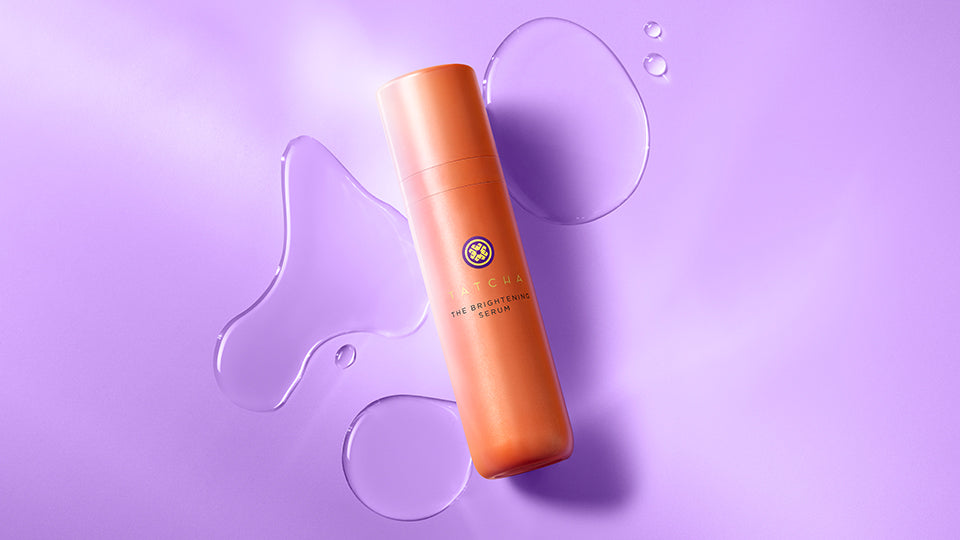
What a Brightening Serum Does for Your Skin: Science-Backed Benefits
A brightening serum helps reduce hyperpigmentation, refine skin texture, boost elasticity, and enhance radiance while providing deep hydration and antioxidant protection. Unlike harsh brightening treatments, a well-formulated serum uses gentle yet effective ingredients like vitamin C, ferulic acid, and glutathione to brighten without irritation. The ideal brightening serum is lightweight, fast-absorbing, and effortlessly integrates into any skincare routine, delivering both immediate glow and long-term skin benefits.

How to Repair Sun Damaged Skin
Every time you go outdoors without sun protection, UV light damages your skin. This damage builds up, and you see noticeable changes to your skin, like wrinkles, fine lines, age spots, unexpected loose skin, and/or blotchy and uneven skin tone. This repeated sun exposure is called photoaging, and it isn’t just potentially unsightly, it can also be dangerous, leading to skin cancer. While sun damage can at times be more permanent at the cellular level, some products and treatments can help reduce some signs of sun damage. This includes exfoliants, vitamin C serums, and reparative sunscreens. It can also include more advanced treatments at the dermatologist's office, including lasers, peels, and microdermabrasion.
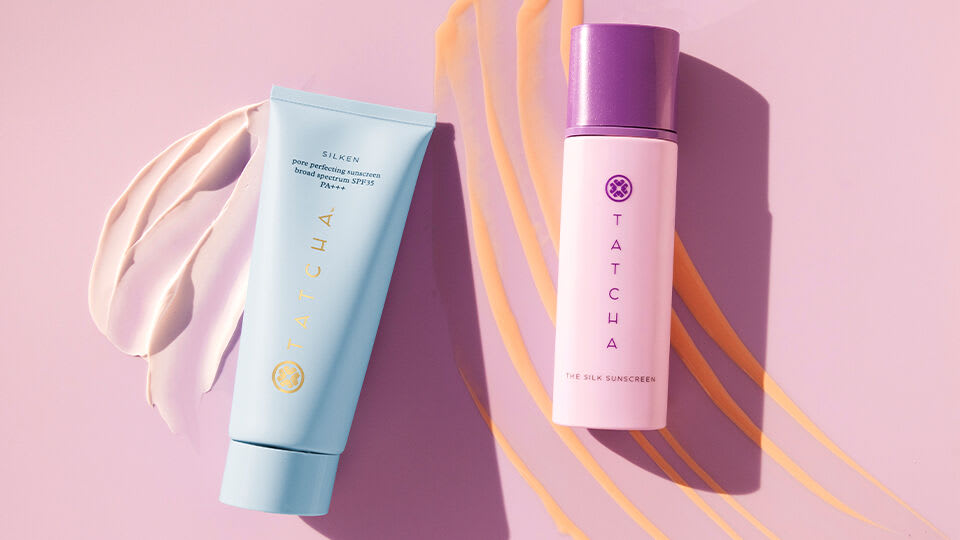
Chemical vs. Physical Sunscreen: Which Is Better for You?
There are two types of sunscreen: chemical and physical (also known as chemical). But there is also a third type: hybrid, which is when chemical and mineral sunscreens combine. While physical and chemical sunscreens are often pitted against each other, no filter is better than the other; it’s simply a matter of personal preference. There are major differences, pros and cons with all options, the most important factor is to weigh all the info and determine which is right for you. Because after all, if you want to have healthy skin, you must wear sunscreen daily, which means you must enjoy the feeling of it.
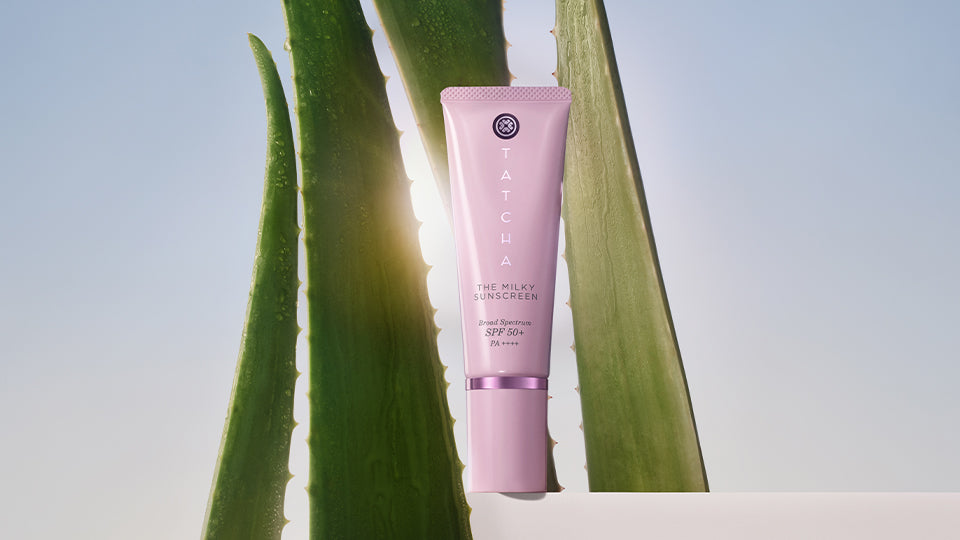
The Most Impressive Aloe Vera Benefits for Skin
Aloe vera is well known for its ability to soothe a sunburn, but the humble ingredient does far more than address skin post-sun. The ancient plant is naturally anti-inflammatory, antibacterial, anti-viral, antiseptic, and contains wound-healing properties. Aloe vera extract has been clinically shown to deeply hydrate, minimize the appearance of wrinkles (yes, really!), reduce acne, relieve skin irritation, heal wounds, and soothe redness and swelling. There are many different types of aloe vera (nearly 400), each with its own benefits and properties, plus the pure form of the extract can be incredibly sticky. This is why it’s ideal to get the benefits of aloe from a clinically-tested skincare product. All the pros, none of the tacky sensation on the skin.
Ectoin Heals, Hydrates, and Soothes The Skin — Here’s How to Use It
Ectoin is an up-and-coming skincare ingredient that is produced by microorganisms classified as ‘extremophiles.’ An extremophile is a microorganism that can live in extreme and harsh conditions due to ectoin’s stress-shielding properties. On skin, ectoin has been shown to be a potent hydrating, soothing, and pore-minimizing antioxidant. Look for formulas that allow ectoin to remain on the skin for long periods of time, like serums, moisturizers, and sunscreens, so you can soak in the benefits all day or night.

The Milky Sunscreen vs. The Silk Sunscreen
Tatcha is becoming synonymous with effective sunscreens (we are honored!), but with multiple options to choose from, it can be difficult to choose which one is right for you. The Milky Sunscreen and The Silk Sunscreen are both beautiful options, but they do differ in notable ways. The Milky Sunscreen is the newest option, featuring SPF 50+ chemical coverage with a prestigious PA++++ rating (meaning it’s as high on the UVA protection scale as possible), has a natural finish, and contains a satisfying milky lotion texture that quickly absorbs into skin. The Silk Sunscreen is our beloved mineral SPF 50 formula, with a light-as-air feeling that is sheer and hydrating. It has a radiant finish for an instant glow and includes niacinamide to address uneven skin tone (for long-term, naturally glowing skin).