


T-House


What Is Combination Skin?
When you blend two or more skin types, you get combination skin. But what is combination skin? As it turns out, it’s a lot simpler to care for than it is to describe. In addition to the three major skin types is another that, actually, incorporates all three into one. It’s known as combination skin.What is combination skin? The simplest definition of combination skin is when you have dry skin in some areas and oily skin in other areas (most often your T-zone), and yet caring for it is a matter of much more complexity. You can think of this unique skin type as offering a little bit of everything, like a diverse topography—arid here, temperate there, slick over there. Dermatologists use slightly less evocative terms. Unlike skin that exhibits all-over signs of sebum overproduction or underproduction, combination skin has both dry spots and oily spots, coexisting on one face.Combination skin is a prevalent skin type and many people consider combination skin to be the new “normal”, with some studies positing that more than half of all people will go combination at one point or another. It happens for a variety of reasons, from the weather around us to the products we use. It’s typical to experience dryness across the cheeks and oiliness in the T-zone that stretches across the forehead and down the bridge of the nose, but combination skin can look a few different ways. Some have even wondered whether combination skin exists as a skin type, or if most of us are simply caught in an oily-dry binary. Even those of us who identify with a particular skin type may find ourself feeling elements of both at once.Perhaps it’s a matter of beauty philosophy. In reality, combination skin is its own type because it has different needs than skin that is all-over dry or oily. Mostly, it’s about finding balance between the two, as well as understanding what sorts of factors contribute to your skin’s texture. Some dermatologists have hypothesized that a damaged skin barrier can lead to skin behaving erratically.If you have any questions about your skin type, the best place to take them is your local dermatologist, who can offer specific diagnoses and treatment options. This guide can’t administer a dermatologic examination, but it can help provide an understanding of how some skincare products and ingredients can be beneficial for combination skin types.All skin types, but especially combination types, may find a high concentration of sebum-secreting pores in their T-zone, which gives the area a wet feeling and a waxy shine—even as other areas, like on the chin or cheeks, feel dry to the touch. They might experience a breakout in one quadrant and a scaly dry patch in another. They may also be cautious of using certain products, from moisturizer to makeup, all over their face, lest it behave differently wherever it goes.So how do people deal with combination skin? Usually with a mixture of products that absorb oil and others that blanket skin in moisture. Still, it’s important to exercise care when introducing new products into your routine, which is why you should always run these changes by an expert, like a trusted dermatologist or aesthetician. Misusing products is one of the things that can aggravate skin, throwing combination skin into risky imbalance. What causes combination skin? Combination skin can be caused by genetics, the environment, and the choices you make in your day-to-day life. Hormones can also play a role in skin texture and thus skin type—testosterone, for one, has been shown to regulate sebum production.Where one is located also plays a role in how oily or dry (or both) their skin might be. Things like weather, climate, even the sheer humidity in the air can have an effect on your skin type, which can be managed with a specific skincare routine for humid climates.If you’re not sure of your own skin type, you can get some clues using one of two at-home methods. The first involves washing your face, then watching your face. After 30 minutes, examine; after another 30 minutes, examine again. If a noticeable shine has collected on your nose and forehead, you may have a combination skin type. Another way is to use a blotting sheet, or two, to figure out which areas of your face are naturally oily and which ones aren’t. (The blotting paper turns translucent with oil, giving you something like a sebum map of your face.) Can I change my combination skin? While skin types can (and do) change in response to genetics, aging, and external stimuli, it’s unpredictable, improbable, and probably easier to embrace whatever skin type you have—even if its combination. However, there are a few considerations you can keep in mind in order to keep those oil-dryness levels in near-perfect harmony.Respect the skin barrier. The skin barrier, the layer of dead cells, proteins and fats that provides the outermost shell of the epidermis, is a hugely important membrane for ensuring that bad stuff stays out of our skin while good stuff stays in. It may sound simplistic, but it’s true, and many skin imbalances are increasingly becoming associated with damaged skin barriers. Damage can happen with overly stripping formulas, like high-powered acid peels or squeaky-clean cleansers; combination skin types should steer clear.Localize your skincare applications. If one moisturizer is unlikely to satisfy the different needs of your one face, why not opt for more? Experts recommend using different formulas to do the same thing on different areas of the face. For example: A hyaluronic acid serum may feel heavenly on dry skin, while one that promises to shrink pores could be more appropriate for your oily areas.Don’t skip out on moisture. In addition to avoiding overly stripping products, you’ll want to make sure those hydrators and moisturizers that come toward the end of your routine are doing their jobs well. Moisturized skin is healthy skin, period. A powerhouse all-over moisturizer (or rotation of moisturizers) can help ensure balance even for combination skin types. How do I care for my combination skin? It’s our opinion that one of the best ways to care for combination skin involves choosing products suitable for both dryness and oiliness—products that nourish, hydrate, and moisturize skin, things that every skin type needs. A good skincare routine for combination skin created with these core goals in mind can help bring the disparate climes of your skin type closer together, toward a balanced state. A lightweight cleanser Cleansing combination skin simply means not stripping it of its moisture. This is probably easier to do on the oily areas of the face than the dry ones, but it’s good to keep in mind: A gel cleanser- or cream-based formula will effectively remove gunk and dirt but still rinse away to bouncy, soft skin. (No tight feeling here.) Our new Matcha Cleanse cuts through oil with a soap-free superplant-enhanced gel formula, and includes ceramide-rich Japanese mugwort for extra cushion. But even an oil, like the Camellia Cleansing Oil—a featherweight cleanser made from a lipid-rich natural oil—will work wonders on combination skin.A gentle exfoliant If you haven’t already, it’s a good idea to add an exfoliant into your combination skincare routine. These exfoliants can do a better job than your cleanser of decongesting pores, smoothing skin texture, and removing dead skin, build-up, and excess oil from the face. There are two paths to stroll down: Physical exfoliants, like the Rice Polish Deep, use finely milled granules (of rice bran, in our case) to tenderly slough skin’s surface, while chemical exfoliants like The Texture Tonic use acids to achieve the same goal. (Both include pore-shrinking ingredients, too.) You can choose based on your product preferences or ask an expert for a little more guidance. A team of moisturizers For combination skin, reach for gel-weight moisturizers in the summer and heavier ones in the winter in order to maximize skin’s moisture. To that end, The Water Cream makes a perfect warm weather companion, bursting with hydration on the surface of skin but feeling like no more than a veil. In colder climes, you can rely on something like The Silk Cream, which uses proteins from the fabric itself to mimic skin’s texture and “seal” the skin barrier. Either are lightweight enough to use for combination skin on their own, but together they comprise the perfect year-round duo. A clay mask Masks can provide all sorts of extra benefits to skin, as they’re left on longer but are used less frequently. Clay masks, in particular, have been used for centuries to purify the skin; clay helps to draw out impurities, and even expunge pores. The Clarifying Clay Mask includes ingredients that detoxify and exfoliate the skin, and can be used all over—or just wherever you find oil pooling. Sun protection Combination skin is most noticeable at its most chaotic; when dry skin is irritatingly dry and oily skin is slick with sebum. A weakening of the skin barrier, caused by reactions to skincare products or interactions from the environment, will only widen the gulf. It’s yet another reason that combination skin needs daily sun protection to help protect skin at the cellular level. But a sunscreen with the right skin-smoothing texture, like The Silk Sunscreen, can also help as a finishing skincare step to balance out combination skin—especially if it contains a weightless zinc oxide and biosimilar silk proteins. A little something extra Oily skin happens. And when it does, it’s nothing to stress about. But if excess oil leaves you feeling less than your best, a blotting paper goes a long way. This unique category of beauty accessories uses small pieces of paper that hoover up oil. Our Aburatorigami papers are made of a pressed abaca leaf that wicks away oil gently, inspired by a geisha beauty secret. All it takes is a sheet or two to balance things out on your own.

Tatcha Moisturizer Dupes: Are They Worth It?
It might seem tempting to consider a Tatcha moisturizer dupe, assuming it’s the same quality just at a more svelte price point. But you get what you pay for—Tatcha’s products come with time-honored ingredients and testing, unlike these dupes. Searching for a Tatcha moisturizer dupe? We’re all looking for a deal these days and it’s hard to pass up a dupe that promises all the benefits of a product at a much lower price. But in skincare,you get what you pay for—from cost-cutting to a lack of proven quality and testing. At Tatcha, we are honored to have beloved products, especially our award-winning moisturizers. They’re often imitated, but never duplicated—meaning dupes can try to knock off our formulas, but they can never hold a candle to the value of the original. Here’s why a Tatcha moisturizer dupe can’t compare to the real thing.The Real Cost of DupesBrands offering dupes claim their products are similar in quality, if not identical. But that couldn't be further from the truth. Tatcha moisturizer dupes often lack the strict testing, careful ingredient sourcing, and rigorous quality control of the original. It’s like buying a fake designer bag; it might feel good at the moment, but the product will fall apart quickly, leaving you wishing you had spent the money on the real thing. Product dupes sacrifice both the sensorial experience and results. Customers may notice a stickiness to the texture, a less pleasant odor, or even feel residue after application. Without the same careful formulation, Tatcha moisturizer dupes may even produce adverse reactions and less dramatic results.Investing in Tatcha’s Formulation and PhilosophyWhen you purchase a Tatcha moisturizer, you’re buying into a long and historic Japanese-inspired approach. Our formulas are rooted in classical Japanese skincare, melding time-honored beliefs and processes with modern ingredients and breakthroughs. You’re also ensuring the safety of your skin. Our approach is rooted in products that respect the skin barrier first and foremost. Skincare will not work properly if the skin barrier is disrupted, which is why every formula is made to support the delicate barrier.Why Tatcha Moisturizers?While we may be a tad biased, we believe Tatcha moisturizers are un-dupeable. Each and every formula is created and perfected at the Tatcha Institute in Tokyo. Our in-house research and development team craft every moisturizer from scratch, a stark contrast to the wider skincare industry.. We create our products in-house, while many other brands creating dupes often work with multiple manufacturers, making products with less oversight and consistency.In A League of Our OwnOur moisturizers also have something no other Tatcha moisturizer dupe can claim: our proprietary Hadasei-3 complex. The powerhouse trio of fermented Japanese superfoods improves the efficacy of the rest of your skincare, boosts skin’s radiance, and deeply hydrates for a plumped suppleness. How does it work so effectively? Its deeply hydrating and barrier-supporting properties help retain moisture and active ingredients in the skin longer than water to improve their penetration and extend performance.Another Tatcha formulation that sets us apart? Our dedication to emollients, which is the impressive ingredient that forms a protective barrier on the skin, helping to relieve dryness, itching, and scaling, says the Cleveland Clinic. While many brands rely on just one or two emollients in their formulations, Tatcha products are thoughtfully optimized to blend a complex of emollients. Our experts carefully craft products with multiple weights of emollients: Low-weight emollients penetrate layers of the skin; while high-weight emollients help seal the skin barrier to retain moisture and prevent irritation. When blended together in our moisturizers, these emollients work in harmony to optimize the penetration of actives and repair the skin barrier.The Best Tatcha MoisturizersEvery single Tatcha moisturizer is formulated for optimal effectiveness, here is what makes every moisturizer in our collection so extraordinarily special—and un-dupeable.The Dewy Skin Cream One of our most popular products, this rich moisturizer is packed with a symphony of ingredients, including antioxidants (Japanese purple rice), hydrators (Okinawa algae and hyaluronic acid), and botanical extracts (ginseng, wild thyme, and sweet marjoram), leaving skin dewy (as the name suggests), hydrated, and glowing.The Water Cream The Allure ‘Hall of Fame’ winner, this clever lightweight moisturizer is often replicated but never matched. Designed to perfectly balance oily and combination skin, the unique clarifying cream releases a burst of hydrating nutrients and pore-refining botanicals for healthy hydration.The Indigo Calming Cream Approved by the esteemed National Eczema Association, this fragrance-free moisturizer has a one-of-a-kind blend of Japanese indigo and therapeutic colloidal oatmeal to address redness, itchiness, and dehydration. Ideal for the most sensitive skin, even eczema.Indigo Overnight Repair This groundbreaking formulation is unlike any other product on the market. A serum-in-moisturizer, this overnight treatment visibly calms irritation, strengthens skin, deeply hydrates, and diminishes the appearance of fine lines and wrinkles. The un-dupeable formula includes powerful Japanese indigo extract, replenishing ceramides, and balancing mondo grass root.The Silk Cream Perfected for dry and mature skin, this firming cream harnesses liquid silk protein to form a light, moisture-binding veil on the skin for restorative hydration and healthy-looking radiance.Ageless Enriching Renewal Cream Our most intensely rich face cream, this moisturizer is a soothing salve for dry and very dry skin. The nourishing formula hydrates and firms with a blend of botanical extracts, including peony flower and gardenia fruit.While considering a Tatcha moisturizer dupe might seem tempting, your skin deserves better. Purchase the real thing because you’re worth the investment.

The Best Moisturizer for Combination Skin
Of all of the major skin types, combination skin may be one of the most misunderstood. There’s dry skin, and oily skin, and yet here’s another distinct type that involves both at once. The simple definition of combination skin is skin that is simultaneously dry somewhere and oily elsewhere. Dermatologists say that it’s more common than you might think, with more than half of all people having combination skin at some level and at some point in their lives. Many of us, even those who complain of excessively dry or oily skin, have felt our skin spanning the entire moisture spectrum at once, leading some to wonder if combination skin exists at all. In short: It does. In longer: The goal of combination skin is to achieve a balance between those two equal but opposite states. This skin type can be genetic, but it can also be brought on slowly by changes in the environment or one’s lifestyle. In some cases, dermatologists have even posited a link between combination skin and a weak or damaged skin barrier. Indeed, an overabundance of skincare product use can make matters worse. But the right products and a skincare routine for combination skin that uses thoughtful ingredients can turn things around. It’s a good idea to talk to your dermatologist or licensed aesthetician before you make any changes to your skincare routine, and these pros can also help elucidate what combination skin means for you. In the meantime, you can learn how a strategically-selected moisturizer can actually help you best your combination skin. What is combination skin? Combination skin is a little bit of everything. The most common definition, and the one used by the American Academy of Dermatology Association, is skin that is dry in some areas and oily in others. But there are discernible patterns to combination skin. One of the first places to look is the T-zone, named for the skin across the forehead and down the nose. A high concentration of sebum-secreting pores are normally found here, but those with combination skin typically notice oiliness in their T-zone, and may find enlarged pores there. By contrast, their cheeks, chin, or neck may feel dry. Those who find themselves getting breakouts and dry patches at the same time may be doing so as a result of a combination skin type. This presents a vexing problem to combination skincare users: To moisturize, or not to moisturize? Even after a layer of a skin-sealing occlusive formula, dryness may be soothed, but oil soon runneth over. On skin-focused corners of Reddit, some users wrestle with the options: Let my combination skin run free, or carry powder and blotting papers on hand at all times? There is, of course, another option—seeking out the best moisturizer for combination skin. What causes combination skin? Like all of the other skin types, combination skin can be influenced by genetics, the environment, and the choices you make in your day-to-day life. Some doctors link skin oiliness to the endocrine system, as sebum production is influenced by testosterone. One last thing to check: Where are you? The oily-dry interplay common to combination skin can also be caused by changes in the weather. Even the humidity in the air can have an effect on your skin type, which can be managed with a specific skincare routine for humid climates. To determine your skin type and get a sense for how your skin performs at baseline, try washing your face and then watching your face in your home bathroom. After 30 minutes, examine; after another 30 minutes, examine again. If a noticeable shine has collected on your nose and forehead, you may have a combination skin type. What to look for in skincare for combination skin As our understanding of this skin type has expanded, so have the options tailor made to them. The key to combination skin is in choosing products that can address the needs of both dry and oily skin at the same time. Though a product may not have “combination skin” printed on its label, the following include a few product preferences among these skin types. Lightweight formulas Heavy creams or dense oils may feel like heaven on dry skin; they also might slide off your T-zone if you have combination skin. Looking for products with lightweight textures, like gels and serums, play well applied to all corners of the face—and can be build up in areas where you need extra moisture. Balancing ingredients There are a few ingredients commonly seen in combination or oily skin-forward formulas—like exfoliating alpha hydroxy acids (AHAs) that are able to reach down into pores and unclog them, or humectant hyaluronic acid that binds water to the skin barrier. But there are also rare botanicals noted to help balance out skin’s oil and water levels. (Tatcha’s own Balancing Ritual, which spans four products, features an array of ingredients that benefit combination skin, from wild rose to rice bran.) Pinch hitters For moments of unavoidable oil, there are in-the-moment skincare solutions called blotting papers. Tatcha’s aburatorigami papers, inspired by a Japanese geisha beauty secret, are made of abaca leaf that wicks away oil gently, leaving nothing but matte skin behind. Which moisturizer helps combination skin? When it comes to conquering combination skin, a solid moisturizer is a good thing to have. These necessary skincare products are the last step (before applying the best sunscreen for combination skin) in our routines, stretching a seal over our clean, hydrated skin. But a moisturizer’s texture can be a tricky issue, particularly for combination skin. Too light and it’s ineffective on dry skin; too heavy and it doesn’t stand a chance against oil. You’d need something gentle and purely hydrating, almost akin to water. And you’d find it in The Water Cream, one of Tatcha’s best-selling formulas—widely beloved for its oil-free formula that works on even very oily skin. The product’s unique texture features a waterburst effect when applied to skin, for an intense infusion of moisture typical of a heavier cream. In addition to the brand’s proprietary complex of skin-superfoods, the Water Cream features a pore-minimizing wild rose, and the antioxidant-rich herb known as heartleaf, a natural alternative to exfoliating azelaic acid. It’s a favorite of the makeup artist Daniel Martin, who uses it before he works to create a smooth, even canvas on which to paint. If that’s not an endorsement for the best moisturizer for combination skin, what else could be?

How to Determine Your Skin Type
The most important step in caring for your skin is first understanding your skin type. Learn how to determine your skin type, the products that are best for you, and more. The Importance of Determining Your Skin Type The most important step in caring for your skin is first understanding your specific skin type and how it adapts to certain circumstances or seasonality. Your skin is your body’s largest organ, as complex and intelligent as your heart, lungs, liver, and other vital organs. While skin is adaptable, misunderstanding your skin type has real, visible results. For example, using cleansers and exfoliating scrubs that are too harsh may irritate the face, or even send the signal to your skin to produce more oil because it’s being stripped of necessary moisture. Conversely, applying a face moisturizer that is too thick or heavy can result in decreased natural oil production, resulting in even drier skin. Taking the time to learn your skin’s specific needs will help you to choose the right options that will balance skin, which will result in a healthier, more radiant complexion. The Most Common Skin Types Every person’s skin is unique, but there are a few common skin types that may help you to identify where your skin fits in the most. The most common skin types are oily, combination, dry, sensitive, and mature—you can also be a mix of several types (like sensitive and dry or mature and oily). Dry Skin Experiencing dry skin? You’re in good company, as it’s one of the most common skin types. According to the American Academy of Dermatology, nearly everyone will experience and need to treat dry skin within their lifetime, whether it’s only temporary or seasonal or frustratingly chronic and long-term. Dry skin (in comparison to dehydrated skin) is skin that doesn’t have enough moisture in it to feel comfortable and it’s usually due to water loss from the outer layer of skin. The condition can also make skin look and feel rough, itchy, flaky, or scaly. Dry skin is largely due to genetics, environmental factors such as lifestyle and diet, hormonal changes, and climate. Dehydration is also a leading cause of dry skin, so drinking plenty of water and avoiding diuretics, like alcohol and caffeine, can make a significant difference in how your skin feels and looks. Combination Skin Combination skin simply means that your skin is a combination of different skin types. You likely experience oily skin in some areas of your face and dry skin in others. Most often, you will find dry patches on your cheeks, while your T-zone (your forehead, nose, and chin) will be the more oily areas of your face. Combination skin can be attributed to a variety of different factors. In many cases, it is genetic, but it can also be caused by dehydrated skin (where the skin creates more oil and sebum to create balance, but unknowingly leads to excess oil, irritation, and breakouts). Those with combination skin can find that it is exacerbated if you are unknowingly using the incorrect skincare products in your morning or evening skincare routine too, as harsh ingredients can trigger dry patches and excessive oil. Oily Skin Do you often find your skin slick with oil and excessively shiny, even within hours of cleansing? You might have oily skin. Oily skin is common and has many positive aspects, as well as a few issues that might be considered less desirable, like enlarged pores and acne, which may require treatment. Naturally oily skin is caused by sebaceous glands overproducing sebum, but it can also be caused by genetics, weather (particularly humid, hot temperatures), and hormones. Skincare products can also sneakily increase oiliness levels, like harsh astringents, which cause those pesky sebaceous glands to overcompensate and produce even more sebum. While oily skin needs to be carefully managed to minimize excess oil production, that bounty of sebum can also preserve the skin, allowing people with oily skin to have fewer wrinkles as they age. Sensitive Skin Sensitive skin is characterized by frequent skin reactions due to stimuli, like weather, genetics, or irritating products. These sorts of stimuli don’t usually cause reactions in skin that isn’t sensitive, but if your skin is sensitive or sensitized, it can be hard to know which formulas, ingredients, materials, or weather conditions will aggravate it—until they’re introduced (an often frustrating experience). Sensitive or reactive skin isn’t rare, in fact, it’s estimated that between 50 to 70 percent of adults have sensitive or reactive skin. Moreover, sensitivity can be layered over other common skin types, like oily, dry, or combination. Managing sensitive skin can be challenging, as it takes considerable time and effort to determine which ingredients cause inflammation and irritation. Mature Skin Like sensitive skin, mature skin can also be oily, dry, or combination. But unlike these other types, mature skin happens to every one of us. The collagen and elastin proteins that make up our skin gradually denature with age, causing changes in appearance (like wrinkling), tone (from broken capillaries), and texture (a loss of elasticity). It is unavoidable, and happens to everyone—but there is a routine and plenty of healthy-aging products and tips that will help make skin feel and look more radiant. Normal Skin The term “normal skin” is a bit outdated—it simply means there are no pressing concerns to address. We believe that when it comes to skin, however, there is no such thing as normal—just what’s normal for you. Skin types like oily, dry, or combination are helpful categories, but real skin needs are personal and ever-changing. As such, we believe that normal skin should be should be treated like combination skin, with combination skincare products designed to be effective for both oily and dry skin types. Ways to Determine Your Skin Type #1: The Bare-Faced Method Cleanse your face thoroughly with a mild cleanser and gently pat dry. Use a cleanser that doesn’t leave any type of residue or film behind, like a gentle foaming cleanser (The Rice Wash or The Matcha Cleanse are perfect options). Leave skin bare and do not apply any moisturizers, serums, or treatments. After 30 minutes, examine your cheeks, chin, nose, and forehead for any shine. After another 30 minutes, evaluate whether your skin feels parched, especially if you smile or make any other facial expressions. If your skin feels tight, your skin is likely dry. See a noticeable shine on your nose and forehead? Your skin is most likely combination. If there is shine on your cheeks in addition to your forehead and nose, you most likely have oily skin. If you feel irritation or see redness, you likely have sensitive skin. #2: The Blotting Sheet Method This blotting method is much faster and often an excellent differentiator between oily and dry skin types. Mid-day, gently pat a blotting paper on the different areas of your face. (It’s okay to do this method over makeup, although products that help absorb excess oil, like primers or powders, may alter the results, so be mindful of that.) Hold the sheet up to the light to determine how much oil is visible. If the sheet picked up little to no oil, you most likely have dry skin. If the blotting sheet reveals oil from the forehead and nose areas, your skin is combination. Finally, if the blotting paper is saturated with oil, it is extremely likely that you have oily skin. #3: Dermatologist Consultation Looking for an expert opinion or confirmation? Ask a board-certified dermatologist to help you figure out your skin type; either in person or through photos. Your derm will not only be able to help you zero in on how to tell your skin type, but they’ll likely have tips, tricks, and care suggestions to help support it, too. What Determines Your Skin Type Many factors contribute to skin type, but here are a few of the most common reasons why you have the skin type you do. Genetics Many of our skin’s most beautiful traits are inherited from our parents and ancestors. In most cases, our skin type is genetic, meaning this skin type has been passed down from the generations that came before you. It’s kind of poetic to know that your skin type is part of a bigger story about your heritage and family. Lifestyle What we eat, the medications we take, the stress we’re under, and our hormones are all factors that can alter our skin type, too. These important elements are why many experts stress the importance of eating a well-balanced diet, prioritizing sleep, reducing stress (try making your skincare routine a mindfulness ritual!), managing hormones, and talking to your doctor about any health issues. Your Current Skincare Routine Finding your skin is drastically changing its skin type or becoming unusually sensitive? It might be worth assessing your skincare routine. For example, harsh or aggravating ingredients (like overly intense exfoliation) can cause a number of issues, including excess oiliness, flakiness, redness, and dryness—which can make you feel like your skin type is changing on a daily basis. Incorporating the correct products for your specific skin type, and treating your skin gently, will allow the face to look and feel healthier. Environmental Factors Extreme weather, dramatic shifts in humidity, pollution, and damaging UV rays can all drastically affect your skin type. It can keep the skin out of homeostasis, making it continually guess and alter to try and find comfort. While many of these factors are out of our control, using skincare that shields from some of these elements can help protect your skin and keep it comfortable. Here are some winter tips for managing dry skin when it gets cold outside. Also, never skip your sun protection step. Regardless of your skin type, you should be wearing sunscreen everyday, applied in the correct order within your overall skincare routine. Can Your Skin Type Change? As we’ve alluded to above, your skin type can absolutely change, whether that is from external factors (like dramatic weather) or internal reasons (like diet or hormonal changes), your skin type is not set in stone. The best thing you can do is support your skin with daily cleansing, treating (with your favorite serums), hydration, and protection (aka sunscreen with an SPF of at least 30). One major factor that will affect us all eventually, and in Japan is considered a gift: aging. As you get older, your skin will alter. For most, that means becoming drier and losing elasticity. The most important thing to do is to meet your skin where it’s at: if it feels drier, layer more hydration products; if it feels oilier, use lightweight gel-cream moisturizers; if it feels more sensitive, seek out products with ingredients that are made for treating sensitive skin. The Best Products for Your Skin Type Dry Skin There are specific products designed for dry skin havers, which surprisingly include exfoliants. It might seem like the last product that dry skin needs, but daily exfoliation with gentle, non-abrasive ingredients can help promote skin cell turnover without removing skin’s natural oils. Without an additional layer of dry, dead skin (which can also cause acne), serums and treatments will be absorbed more easily. Another vital product for a well-rounded dry skin care routine is an effective moisturizer. Seek out extra hydrating products that contain hyaluronic acid, glycerin, and marine actives (like algae)—all of which are wonderful because of their ability to attract water and deliver it directly to skin cells. Additionally, emollients, including squalane and camellia oil, help smooth and hydrate your skin evenly and effectively. Want more information? Here are more of our top Japanese skincare picks for dry skin. Combination & Normal Skin Caring for combination skin can feel tricky, but we’re here to help make it easy and simple. Begin by embracing a skincare routine designed for combination skin. Gentle, daily exfoliation is important to keep the T-zone and cheek areas balanced. The trick to this exfoliation is to ensure it’s not too harsh, so it doesn’t irritate the dry areas, while also being effective enough to lift up dead skin cells. For hydration, moisturizers for combination skin should have a gel-like texture, which is absorbed more quickly and less likely to clog pores and cause breakouts. Start with a small amount and increase as needed to avoid over-moisturizing and stressing the skin. For sun protection, the best sunscreen for combination skin will be an SPF formula that lightly nourishes and hydrates without clogging pores. Have combination skin? Shop our top picks. Oily Skin It can feel overwhelming to treat oily skin, but here are a few tricks to keep the face looking healthy, happy, and a little more matte. Opt for using both chemical and physical exfoliants. Daily enzymatic exfoliation with a chemical exfoliant or a toner is essential to promote cell turnover and prevent sebum buildup in pores. A gentle physical exfoliant (that does not use abrasives such as crushed nuts or seeds that can cause tiny tears in the dermis) is also useful for balancing the tone and texture of your skin. Additionally, oilier skin is also prone to PIH (post-inflammatory hyperpigmentation), a condition which leaves dark spots on the skin after a breakout has healed. Exfoliation helps lighten hyperpigmentation and dark spots by polishing away the uppermost layers of skin and revealing new cells. Those with moderate to severe acne breakouts should consider using an exfoliator that includes antibacterial ingredients like licorice root to speed healing and prevent future blemishes. Additionally, don't forget the moisturizer! You may feel tempted to skip a moisturizer altogether, but hydrating (albeit with lightweight products) is just as important for oily skin as it is for dry skin. Here is the ideal skincare routine for oily skin as well as product suggestions for those with oily skin. Sensitive Skin Sensitive skin and exploring new products do not always go hand-in-hand. To make this process easier, introduce only one new formula or product at a time. This rule applies to both skincare and cosmetics. Patch testing a new formula on your inner forearm is an excellent way to minimize potential reactions on the face. If your skin shows no sign of flaring up, apply the formula to the area behind one of your ears before using it on your face. Also, look for labels that identify formulas as non-irritating and non-sensitizing and free of parabens, synthetic fragrances, mineral oil, sulfate detergents, and phthalates—these ingredients can result in redness and itchiness. Here’s more information on which ingredients are best for sensitive skin, as well as an example skincare routine for sensitive skin. And here are a few of our overall top picks for sensitive skin. Mature Skin For those with mature skin, it’s important to focus on hydration by using healthy-aging skincare products that incorporate water-binding ingredients to shore up and even repair your skin barrier. There are plenty of serums that specifically treat fine lines and wrinkles, often using therapeutic ingredients like retinol or its alternatives to support collagen production. Based on the other elements of your skin—dryness or oiliness, sensitive or not—you can build a mature skin regimen that works for you. Discover our top skincare products for mature skin. Adjust Your Skincare Routine As Needed Our skin’s needs can change over time, and taking steps to best identify its needs is essential for it to function and look its best. Keeping the health of your skin in mind and “checking in” regularly to determine whether any adjustments to your current ritual are needed will keep it balanced and beautiful.
The Best Moisturizer for Aging Skin: Hydrate, Nourish, and Rejuvenate
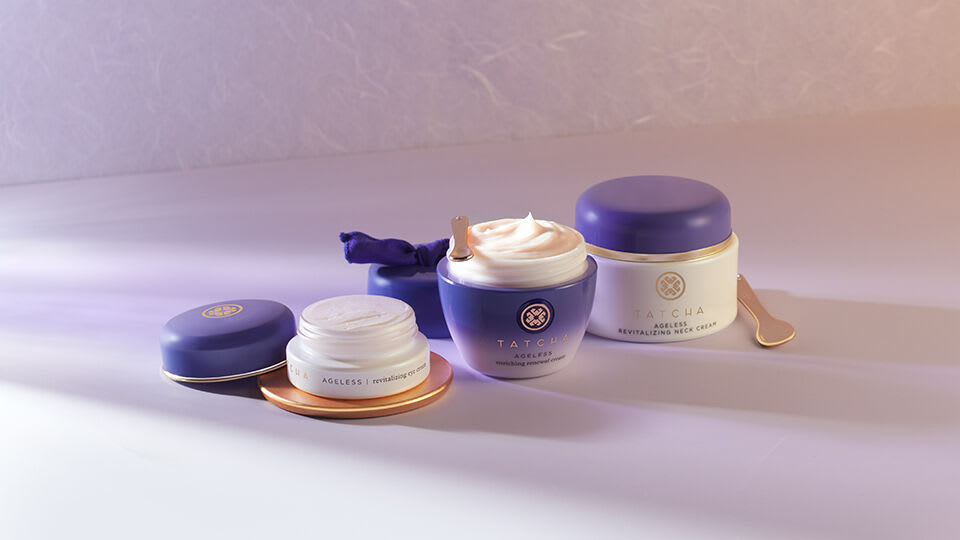
As the saying goes, ‘Youth is wasted on the young.’ However, at Tatcha we believe aging is both a privilege and a gift. That doesn’t mean growing older is all smooth sailing, especially regarding your skin. Skin naturally becomes thinner, more fragile, and drier with age, so it requires a certain set of ingredients to support its mission to look and feel wonderful. One of the most important tools in your skincare arsenal is a facial moisturizer. The best moisturizer for aging skin will have specific formulas that support, repair, and nourish your skin. To simplify things, we’ve compiled the best face moisturizers for aging skin, from tightening neck creams to hydrating facial balms—here’s how to support your skin no matter your age. Aging Skin 101 Ever wonder why fine lines, wrinkles, and loss of volume occur? This is perfectly normal and happens because as we age, we produce less collagen, elastin, and hyaluronic acid in the skin, which makes facial lines and sagging skin more apparent. Some research has shown that this loss of collagen and elastin production starts as early as the mid-twenties and is one of the main causes of looser, sagging, and more fragile skin as we age. This change is often seen as unfortunate in Western culture, but in Japan, aging is viewed as a gift rather than something to dread, says Tatcha’s founder Vicky Tsai. “The Japanese approach is about having the best skin of your life, at any age,” she writes in Pure Skin. The Japanese perspective is about simple but proven things, like maintaining a proper skincare ritual, a healthy lifestyle, and diet. While a healthy lifestyle and diet are solely in your hands, we can help advise on a helpful skincare routine, particularly the best facial moisturizer for aging skin. Ingredients to Look For Are face creams specifically marketed for aging skin really that different from any other types of moisturizers? Yes, actually, for a few reasons, including ingredients and texture. Ingredients are especially important as aging skin craves certain formulas that we naturally lose over time. Here are a few things to seek out when it comes to your healthy-aging face cream. Humectants Humectants attract and retain water in the skin, which translates to skin that looks and feels more hydrated, plump, and comforted. The most famous humectant is also naturally found in our skin: hyaluronic acid. Other popular and worthy humectants include glycerin, aloe vera, peptides, and algae. Occlusives Occlusives create a barrier on the surface of the skin, locking in moisture. Humectants and occlusives work hand-in-hand, helping to attract moisture and then lock it in for long-term hydration. Popular occlusives are squalane, petrolatum, waxes, and oils. Antioxidants Antioxidants are potent substances that can prevent or slow cell damage and aging. They’re helpful for all skin types, but can help aging skin reduce inflammation and free radicals — two common issues that can expedite premature aging. The most common and celebrated antioxidants are vitamins C and E, niacinamide, and retinol and its gentler alternatives. Peptides Peptides are short chains of amino acids, which are naturally occurring in our skin. They help the resilience and structure of our skin—basically skin’s health and appearance. What makes them so impressive is that they can absorb into the skin easily when applied topically and can directly communicate with our skin’s cells, telling them to accomplish a task. That task can be varied, from increasing skin’s hydration and improving the skin barrier to reducing the appearance of wrinkles and dullness. Ceramides Ceramides are fats, or lipids, found in high concentrations in the uppermost layers of our skin. How important are they to our skin? It’s estimated that up to 50 percent of our skin is composed of ceramides and they perform the vital tasks of creating a protective barrier on the skin, preventing water loss, and restricting the entry of external stressors. Basically, ceramides help the skin function properly, working to protect and restore the skin barrier. Skin barrier protection is arguably their most important quality, as a healthy barrier keeps skin looking and feeling hydrated and radiant. Skincare Routine for Aging Skin Before we dive into the best moisturizer for aging skin, let’s first highlight the most ideal skincare routine for aging skin. After all, if you’re not using the right products (and in the correct order), your moisturizer won’t work at its most effective potential. Here is the best skincare routine for aging skin. Cleanse The first and arguably most vital part of any skincare routine, especially one for aging skin, is cleansing. In the morning, most skin can simply be cleansed with a gentle cleanser or splashed with water. But in the evening, skin needs deep and thoughtful cleansing. We believe every skin type, especially aging skin, can benefit from the Kyoto Cleanse—also known as the Double Cleanse. It is the two-step protocol favored throughout Japan, beloved for its ability to help reduce the look of pore size, diminish the appearance of fine lines, refine surface texture, and prep skin for the next steps in your routine. It also is just one of the most effective ways to remove every stitch of makeup, sunscreen, and debris from the skin, too. Plump The second step of your aging skincare routine is using a multi-purpose essence. Essences work to reveal softer, more healthy-looking skin, while also replenishing moisture, and increasing radiance. It is also proven to make the other products in your skincare routine more effective. Serum Aging can also show up as fine lines, increased dryness, hyperpigmentation, and a loss of skin elasticity. Serums are particularly helpful at targeting these common aging signs because they are highly potent skincare solutions that work to increase the overall effectiveness of your entire skincare ritual. Using a serum is one of the best tricks to maintaining healthy-looking skin all day long, making it one of the most important tools in your aging skin toolkit. Moisturize The star of the show! Moisturizers are the one step you should never skip. The right moisturizer for your skin type will work to help your skin attract and hold onto water, as well as repair the skin barrier to rejuvenate and restore hydration. A nourishing and intensely hydrating cream can even help boost the appearance of healthy-looking skin. Protect There are two types of sun rays: ultraviolet-A (UVA), which causes premature aging, and ultraviolet-B (UVB), which causes burning. Look for chemical or physical sunscreens that offer broad-spectrum coverage so you’re protected against both types of rays. You might find it beneficial to also wear a wide-brimmed hat, sun-protective clothing, and larger sunglasses if you’re anticipating extensive sun exposure, too. Moisturizers for Healthy Aging We all have a skin type—find yours here. As we age, our skin might alter or adapt, but likely you are either oily, dry, normal, or combination. With that in mind, here are the best facial moisturizers for aging skin, curated exclusively for your skin type and needs. Moisturizer for Chronically Dry Aging Skin Ageless Enriching Renewal Cream Can’t seem to ever hydrate your skin enough? Is it always craving deeper moisture? This formula was made just for you! This intensely rich, hydrating cream nourishes the skin with botanical extracts and proprietary Hadasei-3 complex. This is our richest formula, which is ideal for addressing the advanced signs of aging and dehydration. Moisturizer for Oily Aging Skin The Water Cream Aging skin can still be oily. For those experiencing both, reach for this refreshing gel-cream, which is clinically proven to refine pores, thoughtfully hydrate, and smooth skin’s texture. This water-based formula, featuring glycerin and wild rose, balances skin and imparts radiance with a lightweight feel. Moisturizer for Dry Aging Skin The Dewy Skin Cream Dry skin can be frustrating. Defy it by hydrating with this rich cream texture, which provides antioxidant protection and improves barrier function. Visibly plump skin and seal in moisture with the beloved formula that features hyaluronic acid, red algae, and squalane. Moisturizer for Sensitive Aging Skin The Indigo Calming Cream Experiencing irritation, discomfort, or sensitivity? Grab this one-of-a-kind treatment that relieves redness, itchiness, and visible irritation and has been endorsed by the National Eczema Association. Featuring clinically proven colloidal oatmeal and Japanese indigo extract, the soothing cream acts as a soothing salve for sensitive, aging skin. Moisturizer for Combination Aging Skin The Silk Cream Toe the line between deeply hydrating and balancing combination skin with this rich yet weightless gel-cream formula. Proven to boost elasticity for firmer-looking skin, the formula includes silk extract, squalane, and the famed natural retinol alternative Bulgarian rose. Moisturizer for Aging Neck Skin Ageless Revitalizing Neck Cream It’s easy to overlook our necks (although they need just as much TLC as the rest of our faces). Nourish and brighten the neck and décolletage with this firming cream that has vitamin C and potent botanical extracts to address fine lines and wrinkles. No matter your moisturizer of choice, make sure it’s part of a larger routine (whether it’s a minimalist or maximalist regimen). Aging skin loves consistency, especially when it comes to a nourishing and hydrating moisturizer every single day.
The Ideal Skincare Routine Order for Morning & Night
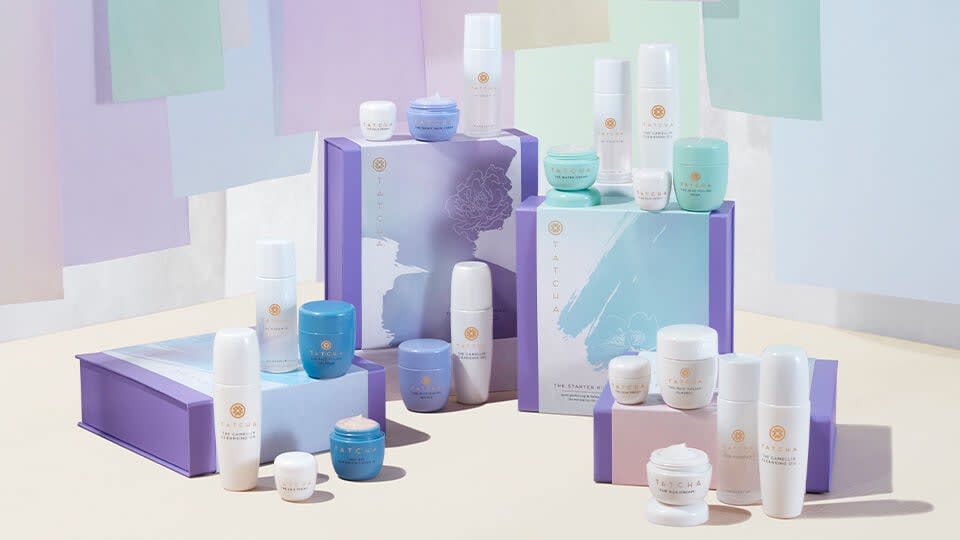
You might have invested in beautiful skincare products—but they aren’t working as well as they should if you don’t use them in the correct order. Here’s the ideal skincare routine order for your happiest skin ever. Why Order Matters in Your Skincare RoutineYour skincare routine doesn’t begin in the bathroom—it starts in the skincare aisle (literally or digitally). Determining which formulas are best for you is the first essential step in building your skincare routine. However, even if you have the best products for your skin type, it’s important to follow the most ideal skincare routine order. Applying and layering your skincare products in the correct skincare routine order means that you are encouraging them to work to their most effective levels, allowing you to drastically transform your daily ritual. Keep reading as we discover the ideal order of a skincare routine, the difference between morning vs. night skincare routine, and the best products for your unique skin.Why Your Morning and Night Routines Should DifferFirst, it is important to know that your morning skincare routine can and should be different from your night skincare routine. It’s not just a ploy to sell you more skincare, we promise. In the morning, skin will love products that both nourish and protect it for the day. At night, skin seeks repairing and restoring products that help to heal itself overnight. While many products can be utilized for both morning and night, there are a few formulas that are designed for particular times of day (like sunscreen for daytime and retinol and its alternatives for night).Skincare Order Best PracticesWhen in doubt, there are a few best practices to keep in mind when learning to apply products within your skincare routine. It is always best to apply your products from the thinnest to thickest texture. For example, essences, chemical exfoliants, and toners have a liquid, water-like texture, thus they’re applied after cleansing and before serums; serums are applied after essences because they tend to have a slightly thicker, more viscous feel. Additionally, moisturizers usually have a more significant and thicker texture than serums, and thus are applied afterwards. Moisturizing facial oils buck this trend though, but only because of the next rule… Any water-based products should be applied before those with an oil base. While a face oil might have a liquid-like texture, it’s (obviously!) an oil — and oils prevent absorption of products applied afterward. Think of oil as a very effective (and moisturizing) barrier, blocking products from penetrating it. This is beneficial to maintain moisture and protect skin, but any serums or moisturizers applied atop an oil won’t be able to penetrate the skin’s surface. This is why we always recommend applying a face oil as one of the last steps, after moisturizer and before sunscreen. Consider the product's pH levels. The term “pH” means “potential of hydrogen” and it refers to the activity of hydrogen molecules in formulas. The numeric scale runs from 0 to 14 — anything under seven is acidic and anything greater than seven is alkaline. Skin is naturally acidic (averaging around 4.7 pH), and loves products closer to skin’s natural pH level. Using products that have a high pH can irritate, thus you can apply products in sequential order. Some products list pH on the labels, but a good rule of thumb is to at least use a cleanser that is gentle and pH-friendly so you can leave skin balanced before applying additional products. Morning Skincare Routine OrderGood morning! Starting the day off with your a.m. skincare routine can be refreshing and rejuvenating. Here’s the ideal morning skincare routine order to get your day started on the right foot.Step 1: CleanserWashing your face is a wonderful way to start your morning fresh—and surprisingly, skin can accumulate dirt, sebum, and impurities while you are sleeping. But what constitutes “washing” will be different for each person. Dry and mature skin types might find a splash of water good enough, while oily skin might love a refreshing cleanser to purify skin. In fact, some cleansers are designed to control oil, making morning use the perfect skincare prep. Test out several options to assess how your skin feels after each cleanse to zero in on your ideal a.m. cleansing routine.Step 1 Tip: If using a cleanser in the morning, a double cleanse is not necessary (as there isn’t makeup or sunscreen to remove). Simply massaging a cleanser delicately into the skin for at least 15 to 30 seconds will help to effectively wash the face.Best Morning Cleanser:Oily: Oily and/or acne-prone skin will treasure The Matcha Cleanse, a formula that decongests pores and balances oil without stripping away essential moisture. Plus it’s proven to act like a primer of sorts, helping to minimize makeup slip-off and shininess throughout the day. Dry/Combination: Dry and combination skin can use The Rice Wash, which leaves skin feeling soft and nourished. However, it’s perfectly fine to just use water in the morning, if your skin prefers it. Sensitive: While cleansing sensitive skin can be an impossible task, The Indigo Cleansing Balm actually improves the skin barrier’s function for stronger skin over time. Mature: If you’re looking for any chance to incorporate moisture into your routine, consider The Camellia Cleansing Oil, which nourishes skin. Of course, splashing the face with water is also a great option – choose the option that makes your skin feel its best. Step 2: EssenceEssences help to plump, balance, and prep your skin for the remainder of your routine—an ideal reset for the a.m. A resurfacing essence works to reveal softer, youthful-looking skin, replenish moisture, and increase radiance. After cleansing, dab a few drops on the palm of your hands, then tap and press into the skin. Some skin might love morning exfoliation or a toner, if so, exfoliate after cleansing and before using an essence, but assess how your skin feels after each to narrow down your ideal step two.Step 2 Tip: Wetness can be used as a powerful tool in your routine—applying a product to damp skin allows it to penetrate better (which can be a positive thing or negative if the product is famously potent, like retinol). This is helpful to utilize with hydrating products, for example, allowing them to penetrate better by pressing an essence into the skin and then immediately layering a hydrating serum atop it while skin is still damp from the essence.Best Morning Essence:All skin types: Every type of skin will adore The Essence, a brilliant plumping, softening, and resurfacing liquid. It also proven to make the other products in your skincare routine more effective. Step 3: SerumSerums are highly potent skincare solutions that work to increase the overall effectiveness of your entire skincare ritual. Utilizing a serum is one of the best tricks to maintaining dewy, hydrated skin all day long. Or perhaps addressing issues, like smoothing wrinkles or dryness, is an issue—both things a serum can target.Step 3 Tip: Consult the formula’s packaging for suggested usage recommendations. Some products can be used twice a day, while others are just once a day, or even only a few times a week. More is not always better when it comes to skincare, especially with powerful serums.Best Morning Serum:All skin types: Seeking hydration? Try the Dewy Serum, which works to nourish and plump the skin. This is thanks to its deeply hydrating blend of squalane and hyaluronic acid—the latter of which is one of the most important hydrating ingredients to incorporate into any skincare routine. If you’re looking to target fine lines and wrinkles, consider The Silk Serum, a retinol-like serum that visibly firms and smooths the look of deep wrinkles without the visible irritation often associated with retinol. Step 4: Eye CreamApplying an eye cream both day and night is a vital part of any skincare routine. Incorporating one into your ritual will help to maintain the health of your under-eye area and eyelids, which are one of the thinnest areas of skin on your body. Regular use of an eye cream will help keep this area looking firm and elastic over time.Step 4 Tip: Take care to tap it on gently with your ring finger, as this ensures you won’t pull the delicate skin too harshly while applying. Also, a rice grain-sized amount of product is plenty enough for most formulas.Best Morning Eye Cream:All skin types: From The Silk Peony Melting Eye Cream (an antioxidant-rich eye cream that melts to release a double shield of hydration with line-smoothing liquid silk and moisture-locking Japanese white peony) to our Ageless Revitalizing Eye Cream (a rich, velvety eye cream packed with antioxidants), Tatcha’s eye creams work to bring nourishment and hydration to the area around your eyes both day and night. Is puffiness an issue? Grab the Luminous Deep Hydration Firming Eye Serum, which visibly firms and reduces puffiness to diminish the look of fine lines. Step 5: MoisturizerMoisturizers are the one step you should never skip. No matter your skin type, you need a moisturizer—the trick is finding a formula that works best for you. Moisturizers help your skin attract and hold onto water, as well as repair the barrier and penetrate deep into the skin to rejuvenate and restore hydration. While some formulas might work universally and all year long, some skin might need their moisturizer to shift with each season (and perhaps even day and night), depending on how skin feels.Step 5 Tip: Many prized moisturizers come in precious jar packaging, including all Tatcha formulas. To keep things as sanitary as possible, use the beautiful gold spoon included to scoop up the desired amount of cream.Best Morning Moisturizer:Oily: Oily skin and moisturizers don’t always play nice together. Grab The Water Cream, a refreshing lightweight cream that is clinically proven to refine pores and smooth texture. Dry: Visibly plump and seal in moisture with The Dewy Skin Cream, which has hyaluronic acid, red algae, and squalane. Dry/Combination: Balance and hydrate skin with The Silk Cream, a rich yet weightless gel-cream with silk extract. Sensitive: Colloidal oatmeal and Japanese indigo extract make The Indigo Calming Cream a soothing salve for sensitive skin. The cream provides visible redness and itchiness relief with lasting hydration. Mature: Mature skin will drink up the intensely rich, hydrating Ageless Enriching Renewal Cream, which nourishes the skin with botanical extracts. Step 6: Face OilFace oils seal in moisture, which means they work to keep in all of the prior products and ingredients in your skincare routine. A face oil also targets signs of aging and lends your skin a vibrant glow. As no products can penetrate an oil, they are ideal to be applied at the end of your routine both day and night. Apply two to three drops to the palm of the hand, massage together, and dab onto the face. This is not a necessary step for daytime, as some skin won’t need the moisture boost. But for those with dry, sensitive, or dehydrated skin, a face oil will bring some much-needed hydration.Step 6 Tip: Remember how damp skin can help skincare absorb better? Try this trick with a face oil, too, to help it absorb more effectively. You can add a few drops of an essence to the drops of face oil in the palm or spritz on a facial mist before massaging a face oil into the skin.Best Morning Face Oil:All skin types: Try our Gold Camellia Beauty Oil for an instant boost in nourishment and radiance in your skincare routine. As a reminder, you might find it unnecessary for daytime usage if you have more oily skin, but drier skin will soak up the hydration. Step 7: SunscreenDuring the day, physical or chemical sunscreen should always be the last step in your skincare routine—last, but certainly not least as it is one of the most important steps in your entire regimen. Since it works to shield your skin, it should be layered over your face oil, if using, to make it the most effective. Sunscreen is also important whether or not you go outside, as harmful rays can stream in through your windows throughout the day. How much SPF should you use? The general rule of thumb is half a teaspoon to cover both your face and neck.Step 7 Tip: Sunscreen not only protects skin, but it also addresses aging. UV rays and free radicals cause damage to the skin, leading to loss of skin elasticity, fine lines, and wrinkles.Best Morning SPF:All skin types: Our newly updated Silk Sunscreen features superior protection with broad-spectrum SPF 50, yet has a weightless feel and a sheer, radiant finish. It also features powerhouse ingredients, including niacinamide and hyaluronic acid, and a patented zinc oxide that is proven to be over two times more effective at protecting against free radicals than standard zinc oxide. For a matte, silky-smooth finish, grab the Silken Pore Perfecting Sunscreen, which provides broad-spectrum SPF 35 coverage and blends effortlessly and invisibly for poreless-looking skin. Night Skincare Routine OrderGood evening! Unwind from the day with the proper nighttime skincare routine order, which can nourish and repair skin while you sleep. Here’s the ideal night routine skincare journey.Step 1: CleanserBegin your evening ritual with cleansing, which allows you to wash away impurities, restore balance, and condition the skin. Cleansing is important, but properly cleansing is absolutely vital. At Tatcha, we believe in the ancient art of double cleansing, which is a beautiful way to not only cleanse the skin but mindfully reflect on the day. Double cleansing, also known as the Kyoto Cleanse, is the most effective way to cleanse — the first step will remove makeup, sunscreen, and oils; the second step will cleanse the skin. Double cleansing involves two products: an oil cleanser (which is different from a face oil) and a cleanser (any type of cleanser you enjoy using).Step 1 Tip: While double cleansing is quite simple, there are a few tricks to make it more effective. Starting with your cleansing oil technique. Apply a few pumps of a cleansing oil and begin massaging it onto dry skin with dry, clean hands. Massage in circular motions, then add a few drops of water and continue to massage the milky elixir into skin. This will ensure you remove every ounce of sunscreen, debris, and makeup from the day. Best Evening Cleanser:Cleansing Oil All skin types: The Camellia Cleansing Oil is the perfect start to your double cleanse. This formula is gentle enough for any skin type and effective enough to melt away the most stubborn makeup. CleanserOily: Oily and/or acne-prone skin will treasure The Matcha Cleanse, a formula that decongests pores and balances oil without stripping away essential moisture. Dry/Combination: Dry and combination skin will love the cream-to-foam Rice Wash, which leaves skin feeling softer, more hydrated, and nourished than before thanks to a blend of algae and hyaluronic acid to restore moisture. Sensitive/Mature: While cleansing sensitive skin can be an impossible task, The Indigo Cleansing Balm actually improves the skin barrier’s function for stronger skin over time. This is also a fantastic option for mature skin as well. Step 2: ExfoliatorThe benefits of an exfoliant are multifaceted. Scrubs and exfoliators work to remove dead skin cells and impurities from the outermost layer of your skin’s surface, which stimulates collagen production to unveil smoother skin and create a luminous, healthy-looking glow. An exfoliant is a worthy addition to both your morning and night skincare routine, or just your skincare night routine occasionally. While exfoliating your skin daily is not necessary for all skin types—and could lead to irritation if done too often—we recommend using an exfoliator 2-3 times per week (you might find it leaves you with such a glow that you prefer to use it in the morning, which is perfectly fine).Step 2 Tip: It’s best to ease into the use of an exfoliator by incorporating it into your skincare ritual slowly, and increasing as your skin becomes more accustomed to its use. This will help minimize irritation, which is the goal of any and all skincare products.Best Evening Exfoliator:Oily: The Deep Rice Polish is a great fit for exfoliating oily skin. The formula includes wild rose to help tighten the look of pores and clarify skin. Dry/Combination: The Classic Rice Polish is ideal for combination to dry skin. Finely ground rice bran and papaya enzymes promote natural skin turnover and this Classic formula also includes silk proteins to condition and nourish, leaving skin more balanced. Sensitive: The Calming Rice Polish is perfect for exfoliating sensitive skin, thanks to Japanese indigo, a historic and powerful ingredient that is clinically proven to calm and soothe. Mature: The Gentle Rice Polish is ideal for dry to mature skin. Tatcha’s Gentle iteration of the Rice Polish includes licorice root, an ancient ingredient known as “the king of natural medicines” that helps prevent flakiness and tightness, while calming and evening tone. All skin types: If you prefer liquid exfoliants, try The Texture Tonic. The liquid treatment has AHAs to address dead skin cells and clogged pores, as well as niacinamide, Japanese mugwort, and wild rose to visibly even skin tone and texture—without stripping skin’s essential moisture. Step 3: EssenceAt night, essences work to help balance your skin's pH, deliver antioxidants, and restore moisture. Ideally, The Essence is best for both day and night because of its impressive ability to reveal soft, moisturized, and radiant skin.Step 3 Tip: Use your essence after cleansing and exfoliating to help usher back in moisture and prep skin for the powerfully nourishing formulas that follow.Best Evening EssenceAll skin types: Every type of skin will adore The Essence, a brilliant plumping, softening, and resurfacing liquid. It is also proven to make the other products in your skincare routine more effective. Step 4: SerumAt night, a serum’s concentrated and nutrient-dense formula can really get to work, helping to aid in skin repair while you sleep. Tailor your serum according to skin’s current needs, whether that be hydrating, brightening, or addressing fine lines. Additionally, some serums work better when applied at night, like vitamin C.Step 4 Tip: Some serums can be layered atop one another if you’re looking for multiple benefits. For example, a hydrating hyaluronic serum can be used in conjunction with a brightening serum. However, double check before using that the ingredients don’t interfere, which can cause irritation.Best Evening Serum:All skin types: Those seeking hydration will love the Dewy Serum, which works to nourish and plump the skin with squalane and hyaluronic acid. If you’re looking to target fine lines and wrinkles, consider The Silk Serum, a retinol-like serum that visibly firms and smooths the look of deep wrinkles without the visible irritation often associated with retinol. For brighter skin, grab The Brightening Serum, which has 20 percent vitamin C and 10 percent AHAs to soften, boost radiance, and provide a more even-toned appearance. Step 5: Eye CreamIt might seem tempting to skip an eye cream to pare down your routine, but the delicate skin around your eyes desperately loves nourishing, healing hydration. At night, a rich, creamy formula will sink into skin, allowing the product to get to work addressing dehydration and fine lines overnight.Step 5 Tip: You can use the same formula for both morning and night, but you may prefer a thicker treatment for night, allowing it to work almost like an antioxidant-rich overnight mask for the tender eye area.Best Evening Eye Cream:All skin types: If addressing puffiness and the look of fine lines is a priority, consider the Luminous Deep Hydration Firming Eye Serum, a weightless gel formula. If you’d like an eye cream that melts into the skin and visibly addresses wrinkles for a smoother and more radiant eye area, grab The Silk Peony Melting Eye Cream. The Ageless Revitalizing Eye Cream is our richest formula, a velvety cream that revitalizes and brings a visibly firmer look to eyes. Step 6: MoisturizerIf you truly had to, or wanted to, narrow down your p.m. skincare routine, making it into a simple skincare routine order, it would simply include cleansing and moisturizing. These two steps are absolutely not skippable, particularly in the evening. At night, a moisturizer repairs skin while you sleep – giving new meaning to the term ‘beauty sleep’ – making it invaluable in your regimen and worth turning into its own ritual.Step 6 Tip: Moisturizers are a personal experience, so find a formula that works best for your skin type and one that you enjoy using. This might differ from a daytime moisturizer, as nighttime you may prefer a thicker and more emollient texture.Best Evening Moisturizer:Oily: Many moisturizers can exacerbate oily skin. But The Water Cream, a refreshing gel-cream, is clinically proven to refine pores, thoughtfully hydrate, and smooth skin’s texture. Dry: Visibly plump and seal in moisture with The Dewy Skin Cream, which has hyaluronic acid, red algae, and squalane. Dry/Combination: The Silk Cream toes the line between deeply hydrating and balancing skin, thanks to its rich yet weightless gel-cream formula, featuring silk extract. Sensitive: Colloidal oatmeal and Japanese indigo extract make The Indigo Calming Cream a soothing salve for sensitive skin. The cream provides visible redness and itchiness relief with lasting hydration. Mature: Mature skin will drink up the intensely rich, hydrating Ageless Enriching Renewal Cream, which nourishes the skin with botanical extracts. Step 7: Face OilFace oils are especially fantastic for the evening, helping to seal in moisture and allowing all of the prior products and ingredients to get to work on your skin. While it might be unnecessary for some skin types during the day, a face oil is beneficial for all come evening.Step 7 Tip: Many face oils, especially our beloved Gold Camellia Beauty Oil, are multipurpose and can be used on the face, neck, body, and even hair for instant nourishment and radiance.Best Evening Face Oil: All skin types: Seal in your beautiful nighttime skincare routine with a face oil, like the Gold Camellia Beauty Oil. This oil is made of extra-virgin Japanese camellia oil from the seeds of the camellia flower. A few drops are all that’s necessary to hydrate, add a radiant glow, and protect your skin.
Lip Discoloration Treatment
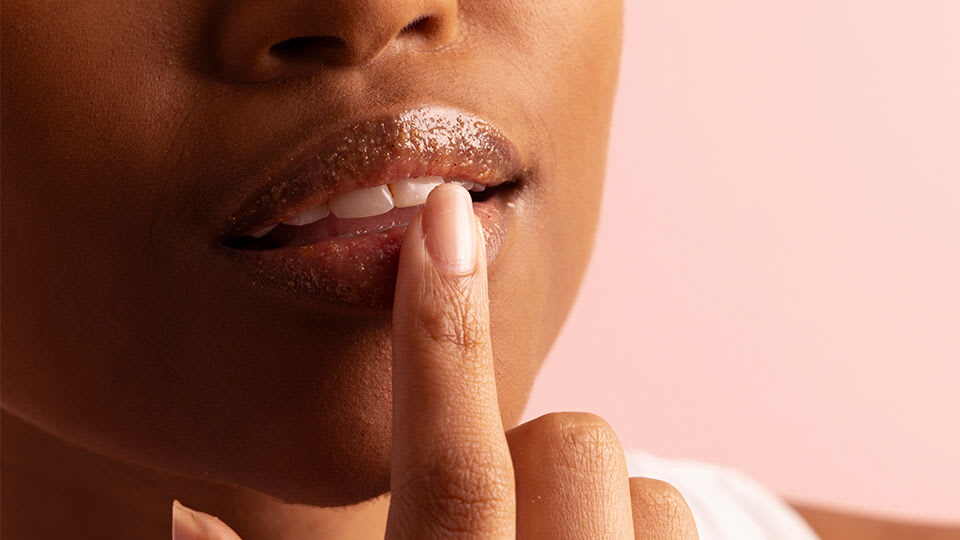
In a way, we’re born with a bit of makeup on: Our natural lip color. But it doesn’t stay forever. Here are a few reasons why lip discoloration occurs, and how to restore and prolong natural lip color over time. For many of us, lip color provides the very first entry into the world of beauty. As kids, we watch, captivated, while our mothers or movie stars or siblings paint their mouths—and as soon as we get our hands on our first tinted lip balms, we try to emulate them.Makeup can be a tool for enhancement or expression, but in most cases, it builds on top of the beauty we were born with. Lip color is no exception. The skin that lines our lips is unique for many reasons, not least because it comes with its own natural color. And though this color can look similar when compared between people or similar complexions or genetics, each of us have a singular lip color custom to our bodies, shaded by biology, the environment, and our behaviors; our own built-in nude lipsticks.As our bodies age, so does the skin on our lips, leading to changes in texture and appearance—particularly color. There are many reasons why lip discoloration happens, but the most important thing to know is that it’s inevitable. If getting older is a privilege, so are the changes to the fabric of skin that naturally occur over time. But it’s just as natural to want to hold on to your color for as long as you can, and luckily for you, there are lip discoloration treatments you can adopt to keep lips vibrant for longer. What is lip discoloration?The skin on our lips is different from the skin elsewhere on our faces and bodies in a few critical ways. For one, a lack of sebaceous glands makes it difficult for lips to self-moisturize, which is one of the reasons why our lips can quickly become noticeably dry and chapped if not regularly moisturized.Another key difference is that the skin on our lips is thinner compared to the skin on our cheeks, chests, or elbows by between a third and a half of its cell layers. This makes lips more delicate, but it also gives them their unique natural color by being on the translucent side, giving view to the blood vessels that web beneath the skin. When our faces are flushed, you can sometimes notice your lips look brighter than usual.Lip discoloration can broadly be defined as the loss of natural lip color over time. This can happen for a variety of reasons, and at any level of the skin on our lips; as a result of under-exfoliation on the surface, or a decrease in blood vessels, or changes to the very cellular structure of skin on a deeper level. If noticeable lip discoloration is one of your skincare concerns, a dermatologist can help you identify its root cause. The following can help you understand some general engines of lip discoloration in the meantime. Can I fix lip discoloration? Depending on the root cause of lip discoloration, the answer is yes and no. In some cases, a little skincare can help to revive lips; in others, the intrusion of new products can complicate things further. This is why it’s imperative to consult an expert if you’re not sure exactly what is causing your lip color to change. Their advice might involve some of the following: Regular moisturization. All year round, and especially in winter, the basis of lip care is moisturizing, which means using emollient skincare ingredients to create a moisture-trapping seal over lip skin. This helps keep lips from overdrying and becoming chapped. Incorporating exfoliation. Just like we exfoliate dry skin on our body, we can exfoliate the skin on our lips to clear away dead skin. Not only does this act restore and resurface lips, but the gentle friction can help lip color bloom. But if your lip discoloration is caused by irritation, you may want to be careful with this step—and ask your dermatologist about the best approach. Trying a targeted topical or treatment. Moisturization and exfoliation are the building blocks of a skincare routine, but they’re unlikely to help much in the way of hyperpigmentation, which may necessitate a stronger effort. Beauty editors and experts point to certain tried-and-true ingredients, like vitamin C, and laser treatments that work on a level beneath the skin to fade spots and bring out your lips natural vibrancy. The best lip discoloration treatments The singular needs of the lip region has inspired nearly endless skincare formulations designed specifically for lips. But only a handful have combined multiple benefit mechanisms into a single tube (or jar), allowing users to treat lip discoloration from a few angles.A lip tint with sun protection.The easiest way to “restore” lip color might be to add a little extra, in the form of a lip tint. Especially for hyperpigmented lips, some added color can help to smooth out or blur discoloration. But if you’re wearing it in the daytime, it’s imperative to include SPF to ensure lips are protected from UV exposure, which can not only discolor lips, but ages them over time, too.Try: The Kissu Lip Tint in Plum Blossom with SPF 25 and silk protein. A gentle resurfacing scrub. Frequent—but not too frequent—exfoliation does a pair of lips good, and lip scrubs provide an easy way to get the job done. Unlike scrubs for the face, these are typically made with finer particles that are gentle on delicate lip skin, and may even be supplanted with other lip-hydrating or moisturizing ingredients.Try: The Kissu Lip Scrub with konjac, peach seeds, and camellia oil. A treatment with powerful actives. Somewhat recent technological advancements in skincare have given rise to the burgeoning serum category, which are often more potent and targeted formulas used to specific ends. Now it’s not so uncommon to find lip serums that are designed to improve lip texture, and even restore color, with regular use. (Don’t forget to follow with a lip balm, just like you would follow a face serum with a moisturizer!)Try: The Kissu Lip Treatment with peptide-like fruit extracts and Tatcha’s proprietary Hadasei-3 superplant blend. A balm with maximum moisture. It all comes back to the benefits of a lip balm, and for good reason: Regular moisturization is the surest way to keep lips hydrated and healthy over time. By shoring your skin barrier, you’re also adding a layer of protection to your natural lip color, ensuring that it doesn’t get covered up by dull, dry, chapped skin. It’s important to keep lips moisturized all of the time, but especially at night, when skin enters its repair phase. Otherwise, a touch of balm is always a chic look for those looking to wear their natural lip color in lieu of makeup.Try: The Kissu Lip Mask with peach extract and biomimetic squalane. Why are my lips discolored? Our skin changes for many reasons, and in response to many things; biological signs from within our body, environmental stressors from without, daily wear and tear, and changes in our skincare routines. Our lips are no exception, and in fact, the changes here can be more noticeable due to the delicate skin on the lips—and their pink, pouty prominence on our faces. A few common causes of lip discoloration include:DrynessDry skin can often be recognized, and felt, by its temporary or chronic changes to the nature of skin. On lips, this dryness can appear to change the color of lips—making them lighter in color and tougher in texture. Adopting a lip balm or mask might be all that’s required to keep dry lips at bay. Chapping When lips become too dry, they become chapped, and most of us know the feeling: Cracked, crusted, uncomfortable. Chapping occurs when dry, dead skin has overtaken the lips. A combination of daily moisturization and weekly lip exfoliation can bring them back from the brink. HyperpigmentationOn the cellular level, lip discoloration can occur due to an abundance of melanocytes, the cells that naturally give skin their pigment. These cells are also found in the lips, though in a lesser concentration than the skin on our faces and bodies. According to researchers and dermatologists, lip hyperpigmentation can be caused by reasons ranging from UV exposure to excess licking or biting, and even aggressive skincare. Which brings us to another root cause of lip discoloration…Bad habitsOur lips are the gateways to the rest of our bodies, and can reveal how well—or how unwell—we take care of ourselves. Be they licking or biting our lips too much, smoking cigarettes, or eating nutrient-deficient foods: All of these can contribute to lip discoloration over time, according to dermatologists. Lip diseaseIn rare but severe cases, lip discoloration can be evidence of underlying disease. Cold sores and canker sores are painful symptoms of inflammatory conditions that often appear on the lips or around and inside the mouth. Some genetic disorders, like Peutz–Jeghers syndrome, indicate themselves with dark colored spots that appear on the lips. Lip cancer can also cause changes in lip color.
How to Get Rid of Dark Circles Under Eyes
Dark circles are perfectly normal but that doesn’t mean they are unpreventable. If you’re looking to get rid of dark circles, keep reading to learn the best tools, tips, and products to brighten the under eye area. As the time-old adage goes, the eyes are the window to the soul. Among the most delicate on your entire body, the skin around your eyes requires special care—and has a specific set of issues. One common occurrence is dark circles, which can be caused by a number of factors, including aging, genetics, fatigue, and lifestyle. How to get rid of the dark circles under your eyes? Well, we have a handful of tips, from quick massages to increase blood circulation to the best treatments for dark circles—keep reading to learn everything about the dark circles around the eyes.Causes of Dark Circles Around the EyesDark circles under your eyes, which can look darkened with tones of purple, brown, black, or blue, have many possible root causes. While they’re not usually a cause for concern and are perfectly normal, you may want to brighten their appearance for a more rested, healthier look. But before we brighten, let’s understand some of the most common reasons for dark circles. Genetics Your hair color, eye color, and many genetic traits are inherited from our parents and the same can be true about the darkness under your eye area. If your family has darkened under eyes, you are more likely to develop them too.HealthOur skin can communicate a lot with others without saying a word, and dark circles around the eyes can say that we perhaps have a minor (or major) health issue. That can include allergies (a big factor for dark circles during high allergy times), hormone changes, poor circulation, or malnutrition. It’s also important to check with your doctor if dark circles under eyes seem to chronically remain, no matter how you care for them.Well-beingAre you not getting enough sleep? Not drinking plenty of water? Eating more processed food instead of a well-balanced diet? None of these basic wellbeing factors are revolutionary, but they do significantly help increase the appearance of dark circles when repeated consistently. Speaking of well-being, limiting tobacco and alcohol use are also two things that have been noted to minimize the dark circles under your eyes.AgingWhile aging is a gift, it does affect the skin around the eyes. Skin thins as we age, making it more prone to sagging and wrinkles around the orbicularis oculi muscle. Also, the blood vessels around the eyes can become more visible making dark circles and puffiness more consistent and noticeable.How To Get Rid Of the Dark Circles Under Your EyesDark circle treatments include skincare products, but also include everyday easy remedies. Here are a few of our favorite tips to improve the look of dark circles under your eyes. Sleep A foolproof way to not only improve the darkness around the eyes, but also your mood and overall well-being is getting enough sleep. For some that means seven to eight hours, but for others that can be as much as eight to 10, depending on your specific needs. Experience puffiness around your eyes when you awake? While you're sleeping, try to elevate your head with a few pillows to curb fluid from pooling around the eyes.Facial Massage Some people awake with fluid and darkness around the eyes chronically, no matter what tips they incorporate into their routine. If that’s you, try awakening with a “Mezame” eye massage, which literally means “awakening” in Japanese. This helps to reinvigorate the look of tired eyes and visibly reduce puffiness.1. Using the smaller point of a cold massager, place the tool at the outer corner of the eye. Applying almost no pressure, slide the massager inward towards the nose. 2. Move the massager to the inner corner of the eye and, applying a bit more pressure, slide outward along the browline. Repeat five times on each side.Lifestyle ChangesIt’s always easier said than done, but try to implement everyday lifestyle changes that can only improve the appearance of dark circles, but also the rest of your face and body. This includes significantly reducing the stress in your life, adding mindfulness practices daily, and minimizing alcohol and tobacco consumption.Optimize Your Skincare Routine Healthy, cared-for skin looks it: radiant, naturally glowing, and plump. This lit-from-within appearance can translate to the under eye area, too, with an ideal skincare routine. Proper cleansers, treatments, and moisturizers can benefit the look, feel, and health of all skin—from aging skin to teenagers just beginning their skincare journey. First determine your skin type and then find products that help not only your skin but also your under eyes look brighter and healthier.Wear Sunscreen EverydayWe now know that sunscreen should be worn every single day. But do you need another reason to wear your favorite sunscreen daily? Excessive sun exposure can potentially cause dark circles to form under your eyes, a post-inflammatory pigmentation reaction that occurs when the melanin in the skin increases, giving you darker circles. A great reminder to never skip sunscreen (and to apply it correctly).Consider Allergy MedicationDo the dark circles under your eyes tend to worsen when your seasonal allergies are high? You are possibly experiencing a very common occurrence. The body releases histamines to fight allergens, which can cause the eyes to become swollen, which in turn slows blood flow to the under eye area, causing them to look darkened and puffy. Consult with your doctor if allergy medication is right for you, which might help address the chronic dark circles that are paired with your allergy symptoms.Dark Circle TreatmentsWhile the skin is designed to take care of itself and technically needs only a few products if you wanted to pare down your daily routine—but the delicate eye area is the exception: It lacks oil glands and thus the ability to hydrate itself, so it needs eye creams that can hydrate and plump. A few treatments and tools can tackle the appearance of dark circles around the eyes when used consistently.Akari Gold Massager While you can enjoy the benefits of an ancient Japanese facial massage with just your fingertips, you can also take the benefits one step further. Try our Akari Gold Massager, which is designed in partnership with Kyoko Getz, a Kyoto native and expert esthetician. The tool is inspired by classic Japanese acupressure tools, and with consistent usage, the massager is designed to release tension, reduce puffiness, and visibly lift the face—this is especially true for dark circles and around the eye area. The 24-karat gold-covered tool can be used either hot or cold, depending on your preference.The Brightening Eye Cream Tatcha’s newest innovation is a brightening eye cream that targets multiple types of dark circles, depuffs, and visibly lifts for a well-rested look instantly. Creamy, lightweight, fast-absorbing, and non-sticky, The Brightening Eye Cream was designed to reduce visible dark circles.The clever formula includes a few revolutionary ingredients, designed to tackle the complex issues plaguing the under eye. Here are a few remarkable highlights.12-hr Time-Release Vitamin CVitamin C is extremely beneficial for the skin, and is known for its skin-brightening benefits. This new eye cream has 12-hr time-release vitamin C to extend the potency on skin and lessen the potential for irritation. This vitamin C is “crafted through an enzymatic technology here in Japan that helps it to gradually release where your skin needs it most, brightening and targeting hyperpigmentation while still being gentle,” according to the Chief Scientist of the Tatcha Institute, Masato Tagawa.Encapsulated NiacinamideNiacinamide is a powerhouse ingredient, beloved for its ability to hydrate, even skin tone, reduce redness and irritation, and improve the look of lines. The Brightening Eye Cream uses encapsulated niacinamide, alongside a pro-glutathione antioxidant booster, to target hyperpigmentation and improve the skin barrier.Japanese Plum Naturally rich in vitamin C, Japanese plum is also known as nankou ume and ‘Queen of the Plums’ in Japan, where it is an essential food to the Japanese diet. Cherished for its holistic ability to noticeably brighten, this plum works alongside bioferments to help The Brightening Eye Cream visibly reduce dark circles, firm, lift, and de-puff for brighter, more even-toned skin.Ideal for use both morning and night, The Brightening Eye Cream has a whipped, ultra-creamy texture that absorbs instantly and illuminates the eye area with a soft-focus finish while improving concealer application and wear. How to get rid of dark circles under your eyes? Turns out it’s as easy as dabbing on an eye cream twice a day. Unveil your glow—both inside and out—with The Brightening Eye Cream.