







T-House

How to Wash Your Face
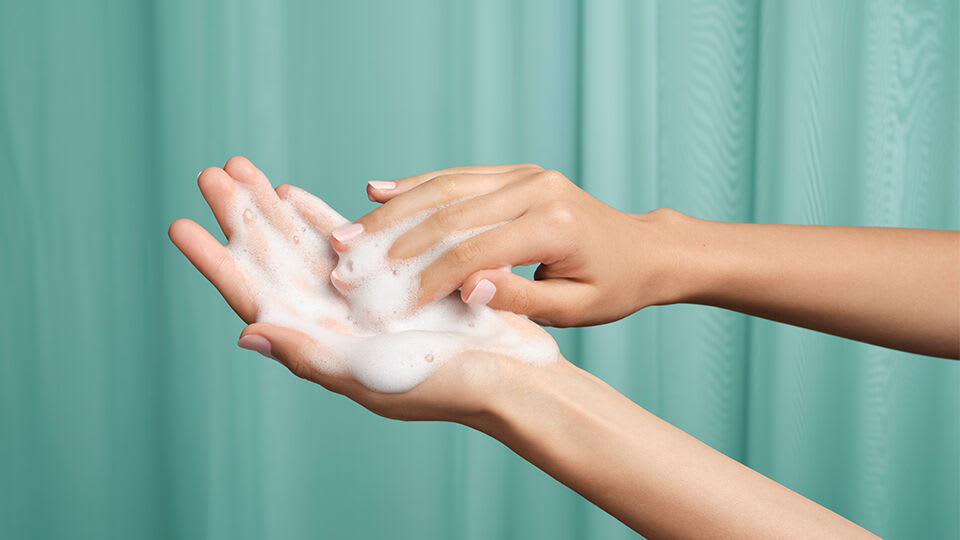
A proper cleansing technique sets your skincare routine off of the right note. This guide will show you, step-by-step, how to wash your face, and offer some product recommendations to help get the job done. The very simplest, most basic skin advice involves simply two steps: Cleansing and moisturizing. From this perspective, it’s possible to see the act of washing one’s skin as of equal importance to moisturization. This is misleading; It might actually be more important than any other part of the skincare process.The best skincare routines could be any number of steps long, but every one starts the same: By washing skin. Not only does this step ensure the removal of build-up, but it should also leave skin in a neutral state, ready to let whatever comes next—be it a juicy hydrating serum or skin-sealing moisturizer—work to its optimal potential.Before it began looking into cleansing technology, the skincare brand Tatcha has been interested in cleansing techniques. It was the face washing routines of geisha that inspired Tatcha’s own collection. They named the “Kyoto Cleanse'', after the two-step protocol they observed watching these performers caring for their skin backstage, first with a makeup-lifting oil, then with a skin-polishing powder. As a result, their skin remained luminous. It was well-cared for, which is to say, well-cleansed. This guide will help you understand how to wash your face according to a similar strategy, one that cares while it cleanses. Why wash my face?Why wash anything? In our own lives, other cleansing rituals abound. We cleanse our bodies after workouts, our clothes after wearing, our kitchens after cooking. All of these are acts of care for the people, places, and things that keep our lives going—acts that we all partake in. A proper wash is required in the maintenance of many kinds of things, from pets to products; we cleanse them to ensure their longevity.One of the main reasons for washing your face regularly follows the latter logic. Dermatologists agree that cleansing your face at least once daily is necessary to maintain your skin’s health, by purging environmental aggressors like dirt or pollution as well as excess sebum and sweat from the skin’s surface. A regular cleansing practice can also help minimize acne breakouts, even decrease inflammation, by keeping the environment atop the skin clean and clear. Keeping the skin on your face clean is also recommended by the Centers for Disease Control and Prevention.But another reason for washing your face is to show care to your own skin—and, by extension, your self. A skincare routine, even employed once daily, can offer a short but significant amount of time for an act of mindfulness. The necessary act of washing skin can provide clarity in more ways than one. How to wash your face: Step-by-stepAll you need on hand is a gentle face cleansing formula, plus a clean and dry towel—extra skincare is entirely optional, and it’s recommended that you consult your dermatologist before finalizing your routine. The below steps, adapted from the official recommendations put forth from the American Academy of Dermatology Association, should give you an idea of what constitutes best practices in a face washing routine. Here’s a step-by-step guide on how to wash your face:Step 1. Wash your hands. If our goal is to ensure skin cleanliness, it’s a good idea to start by washing our trusty applicators.Step 2. Remove makeup. Residual makeup can get in the way of our skincare, which is why we want to clear it all away before the cleansing can officially start. This step is often the first part of a double cleanse, but keep in mind that some cleansers, like oils, can remove makeup while they wash the skin.Step 3. Apply cleanser to wet skin. Most face wash formulas will offer specific recommendations for how they’re best used, and more often than not, the directions will specify applying to wet or damp skin.Step 4. Gently lather and massage. Though scrubbing won’t get you nowhere—it could make things worse by pulling and tearing at skin. Consider softly massaging skin for a full minute while the cleanser works its magic.Step 5. Optional exfoliation. If your skin needs a little more gentle cleansing power, it could be a good idea to double up on formulas, in the manner of the Kyoto Cleanse. Following your cleanser with an exfoliant may help improve the results of your skincare routine, as well as the quality of your cleanse.Step 6. Rinse with lukewarm water and dry. A soft touch is key to cleansing, which is why it’s generally advised to rinse using not-too-hot water and pat dry with a soft, clean towel.The best face washes for every skin typeNeed help choosing a cleansing formula? Your skin type can help determine which face wash might be best for you. Just as skin is a matrix of water and oil, so, too, are there various formulations—each defined by its own oil and water content—to best navigate it. For normal or combination skin: The Rice Wash Cream cleansers sit towards the middle of the oil to water spectrum, often based in water with thickening ingredients—like plant butters—to make them creamier. This best-of-both-worlds makes them exceptionally gentle on skin, and perhaps is why The Rice Wash is one of Tatcha’s best-selling cleansers. An effective cream cleanser for a soft, luminous complexion, every time. For dry skin: The Camellia Cleansing Oil This cleansing oil borrows its namesake ingredient from a geisha beauty secret — tsubaki, or camellia oil, with its molecular weight that is nearly identical to that of human skin. The vitamin rich oil lifts away dirt or residual makeup, and supplies essential amino acids and gentle AHAs like lactic acid to resurface as they hydrate. For oily skin: The Matcha Cleanse Tatcha’s answer to oily skin was inspired by the ingredient Kyo-Matcha, a centuries-old strain of green tea native to Uji, Japan noted for its anti-inflammatory, anti-microbial, and antioxidant prowess. Enshrined with other skin-refining botanicals, it comprises the skin-balancing engine of The Matcha Cleanse, a water-based gel that lathers into a sensorial foam. One cleanse washes away dirt, oil, and makeup while lightly hydrating for a feeling of refreshment, not one of dryness typical of other gel cleansers. For sensitive skin: The Indigo Cleansing Balm When it comes to the gentlest of cleanses, few formulas do it better than balms. These oil-dense cleansers cushion skin into relieving itself of daily-build up. It’s no wonder that Tatcha’s choice for sensitive skin, the Indigo Cleansing Balm, follows this formula. The addition of soothing Japanese indigo helps this balm to visually calm skin while cleansing lipids effectively remove long-wear makeup, waterproof mascara, and daily build-up, and restore moisture in the process. It’s the power of a good cleanser: Skin is strengthened, and the rest of your routine hasn’t even begun yet.
AHA vs. BHA (Alpha Hydroxy Acid vs. Beta Hydroxy Acid)
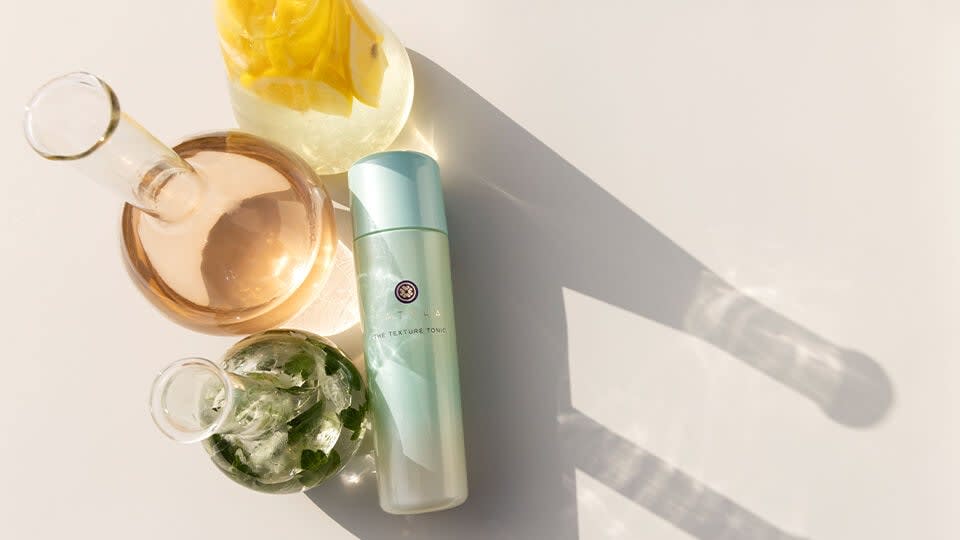
AHA and BHA are two types of tried-and-true acids, and they’re widely used for chemical exfoliation. But what’s the difference, and which one is right for your skin? Of the wide variety of ingredients used in skincare, some are much more scrutable than others. Rice bran, for one example, can make for a gentle and nourishing scrub. Betahydroxy acid is, by contrast, a little more confusing at first blush. And yet this is one of many chemicals that can exfoliate the skin, as gently as rice, or as any other ingredient. (We tend to call them BHAs, a term that requires less of a mouthful.) Betahydroxy acids are one example from a larger category of hydroxy acids. Alphahydroxy acids, or AHAs, work in a similar fashion, but are crucially different, too. Both are abundantly used in skincare, and one may suit your skin better than the other, but either are sure to upgrade your routine, by amplifying skin’s natural resurfacing process. The difference between alpha- and betahydroxy acids may be microscopic, but it means a world of difference for your skin. The below guide will both help you understand the unique benefits of AHA vs. BHA as well as help you pick the right one. What are AHAs and BHAs? Scientifically speaking, these acids are carboxylic compounds, a structure of molecule where a carboxylic acid is connected to a substituent. They also have a hydroxyl carbon attached in one or more of a few places, and where that carbon is attached determines what kind of hydroxy acid it is. AHA and BHA are often derived from natural sources, and can be found in fruits, milk, and some leaves and barks. There are betahydroxy acids that come from pineapples, and alphahydroxy acids that come from red apples. When applied to skin, both types of acids help to resurface the skin. When acids are involved, this process is known as chemical exfoliation. By contrast, physical exfoliation uses fine particles to scrub away dead skin. Both types clear the way to encourage new skin—and to make your other skincare products more effective. What is the difference between AHAs vs. BHAs? Put simply, the difference between AHA and BHA is one of oil and water. AHAs are water-soluble molecules. Because they react with water, they perform at the surface level of skin, where they dissolve the bonds between old and new skin cells. BHAs, which are oil-soluble, reach down deeper into pores, where our skin’s sebum reserves are located, and purge oil and dirt. For this reason, the latter are usually recommended for oily and acneic skin, while the former are known to work for all skin types. BHAs have also in particular been noted for their anti-inflammatory properties. The sources of specific AHAs and BHAs also differ. Glycolic acid, a popularly used (and proven effective) AHA, comes from sugarcane; Salicylic acid, the most common BHA, is derived from willow tree bark, and contains a chemical similar to aspirin. What are the benefits of AHAs vs. BHAs? You can think about AHA and BHA as a kind of dynamic duo, each working in tandem at different layers of the skin to perform essential chemical exfoliation. Many dermatologists and aestheticians recommend exfoliation as a way to maintain cell turnover as you age. A chat with your own dermatologist should reveal which hydroxy acid is right for your skin, but a short inventory of the benefits of each may help you get the conversation started. AHA Benefits Good for all skin types, great for drier skin Smooths out rough texture Can help with sun damage Anti-inflammatory BHA Benefits Good for all skin types, great for oilier skin Mops up excess sebum Can help with acne Anti-aging What is a good AHA or BHA product? The best AHA or BHA product is one that works with your skin type, which means formulating its acid content to a level that will effectively exfoliate without causing irritation. Perhaps most importantly, it’s going to be a product that you’ll use over and over again. The most important skincare ingredient is consistency. Those looking to ease AHA or BHA exfoliation into their routine could incorporate a product like a mask. Some, like hydrating masks, can be used daily. Others are more effective spaced out to two or three times per week, and provide a lower-commitment way to try new ingredients. This is also recommended for masks with potent actives, like Tatcha’s Violet-C Radiance Mask. It’s made with 10% AHAs, derived from a variety of fruits, that clear away dead skin cell debris and buildup. (Plus: Two different types of pure vitamin C supply brightening and anti-aging benefits.) For those looking to level up their current chemical exfoliation situation, a product like The Texture Tonic allows for daily dosage. This lightweight toner can be used between a cleanser and serum or moisturizer, and is made with fruit AHAs, plus niacinamide, Japanese mugwort and wild rose. A few swipes visibly evens skin tone and texture without stripping essential moisture. (It can be used morning or night.) Can you use AHAs & BHAs together? When it comes to mixing skincare ingredients, you’d be wise to be careful—and the advice applies doubly to acids. But according to dermatologists, AHAs and BHAs can play well together. You just need to use them wisely—and keep a few tips in mind. Try not to layer products Some products are formulated with both AHAs and BHAs, and these ones are going to be your best bet if you want to get the benefits of both—they’re likely formulated for a safe and effective combination of both. Consider alternating Why not use a BHA in the morning and an AHA at night, or when skin is feeling one way or another (oily or dry)? This is one way to get the benefits of both without risking irritation. Stay single Sure, it’s fine to use AHA and BHA together carefully. But if one works best for your skin, it’s more than OK to use it alone without feeling like you’re getting less. The benefits of using both don’t outweigh the benefits of using one. When you find an acid you like, stick to it.
The Best Pore Minimizer
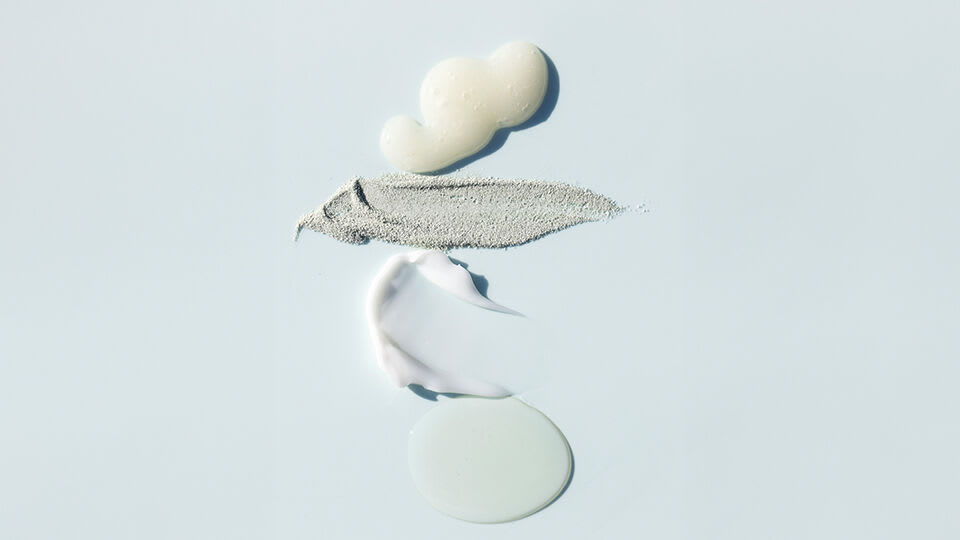
Our skin’s pores work hard. Pores are tiny openings in your skin that release oil and sweat from glands, helping to keep skin moisturized and comfortable. But sometimes pores can easily become clogged and enlarged, which is where pore-minimizing products come into play. A pore minimizer can deep clean these hard-working pores, helping to minimize their appearance in the process, too. Keep reading to explore the best pore minimizers and how to properly use them. What Causes Enlarged Pores? Clogged pores and enlarged pores are often used interchangeably, but they are not the same thing. “Clogged pores can be the result of your glands producing too much oil,” they report. While, “lots of other things can lead to enlarged pores, including age, skin products, hair follicles, and sun damage.” Enlarged pores don’t always lead to clogged pores but it is possible to experience both circumstances simultaneously. It’s important to note that you cannot rid yourself of your pores, you need each and every one of them! Nor can you permanently alter their size. But you can minimize their appearance with pore-minimizing products. What Are Pore Minimizers? “Pore minimizers refer to products that improve the overall appearance of the pores, making them appear smaller,” explains dermatologist Dr. Marisa Garshick to ELLE.com. What causes pores to become enlarged? Dr. Garshick says that oil and dead skin are two major factors that lead to clogged and enlarged pores. Using products like facial cleansers, exfoliators, and clarifying face masks can help remove impurities and naturally diminish the appearance of pores. The Best Pore Minimizing Products To help minimize the appearance of pores, consider adopting the following products and techniques into your daily skincare routine. And remember consistency is key: the beauty of a skincare ritual is in the practice itself. But the results can be rewarding, too. A Pore-Minimizing Cleanser Cleansing is so important because it can not only remove the day’s impurities, dirt, and sebum, but it can also help with the overall health and appearance of the skin. A clarifying cleanser can take it one step further, addressing and targeting excess oil and dead skin cells, thus helping with the overall appearance of pores. Cleansing twice a day is most ideal, helping to cap the beginning and end of the day with a mindful cleanse. Try: The Matcha Cleanse Those with enlarged pores often believe they need to over-wash their faces to rid themselves of excessive oil—but this skin-stripping step can actually do the opposite, causing the skin to produce even more oil and potentially lead to breakouts. This is where The Matcha Cleanse steps in to save the day. The refreshing watery-foam texture is packed with unique and powerful ingredients. The formula, which includes premium matcha (sourced directly from the famed Uji region in Kyoto), has been clinically proven to reduce the appearance of pores. The cleanser also has coix seed, a potent ingredient used in herbal medicines for centuries to decongest pores, and Japanese Mugwort to support the skin barrier. With continuous usage, the daily clarifying gel cleanser can purify pores without stripping the skin, while also rebalancing the skin’s natural oil production. A Glow-Enhancing Exfoliant There are two forms of exfoliation: physical and chemical. Physical exfoliants, like our award-winning Rice Polish, can help restore skin to a healthy-looking glow with a non-abrasive polish. Liquid exfoliants, which are similar to toners, often have a chemical acid, whether that’s AHAs, BHAs, or PHAs, or their alternatives. The inclusion of a liquid exfoliant in your ritual can help to brighten the surface of the skin, eliminate dead skin cells, and curb excess oil. It’s a personal preference which form of exfoliant you prefer, both can have pore-minimizing benefits. Try: The Texture Tonic This AHA-powered liquid exfoliating treatment was formulated for daily use, helps reduce excess oil and sebum, and can improve skin’s moisture levels. The formula has niacinamide to reduce the look of discoloration, and Japanese mugwort to help calm visible redness and irritation. But the formula doesn’t just work wonders on the skin, it also has emotional benefits, too. The liquid exfoliant is scented with a functional fragrance blend of sweet fennel and rosemary–two botanicals known to increase focus and mental clarity. Try: The Rice Polish If you prefer enzymatic exfoliation, grab a reliable and non-irritating option, like the bestselling Rice Polish. The finely ground powder of rice bran and papaya enzymes lathers to a cloud-like foam with just a few drops of water, helping to promote natural skin turnover to instantly reveal a smoothed, polished, and healthy-looking glow. A Clarifying Mask Weekly self-care sessions with a face mask aren’t just relaxing, they can be beneficial for the clarity of your pores. A clay mask is especially helpful in managing the appearance of pores because it helps draw out excess oil and sebum. Try: The Clarifying Clay Mask This pore-targeting mask harnesses Japanese konjac, volcanic ash, and Okinawa kucha clay to minimize excess oil and sebum for smoother and clearer skin in mere minutes. Each ingredient has a specialized purpose: Japanese Konjac exfoliates dead skin cells to reduce pore congestion; Japanese volcanic ash creates a natural warming sensation, helping pores open to better allow sebum, oil, and dirt to be drawn out; and Okinawa kucha clay helps to detox the skin and minimize the appearance of pores. In clinical studies, 100 percent of users noticed a reduction in sebum and noted that skin felt less oily after just a single week of usage.* *Based on a bio-instrumentation study conducted on 40 panelists after 3 applications over 1 week. A Broad-Spectrum Sunscreen Using sunscreen helps minimize pores? Actually, yes. UV exposure can lead to larger pores, some studies have noted. This link is perhaps due to prolonged exposure, which decreases collagen and elastin in the skin, causing the pore openings to stretch and enlarge. Just another reason to reach for a broad-spectrum sunscreen of at least SPF 30 every single day. Try: Silken Pore Perfecting Sunscreen SPF 35 This non-comedogenic and non-irritating sunscreen features skin-loving ingredients that not only protect the skin, but also help improve the appearance of pores, smooth skin texture, and soothe. The Silken Pore Perfecting SPF also features our beloved silk extract for a silky feel, allowing the sunscreen to apply seamlessly. A Pore-Refining Primer A primer with pore-minimizing ingredients can not only create a smooth canvas and mattify the skin, but it can also protect the overall health and appearance of pores. They can also create a barrier between your skin and potentially irritating makeup, shielding delicate skin from harsh and drying ingredients. Try: The Liquid Silk Canvas This brilliant primer is designed with skin in mind. It instantly diminishes the look of pores and fine lines, helps makeup apply better and last longer, plus shields skin from makeup and pollutants that can lead to enlarged pores and breakouts. It’s even helpful for days you don’t feel like wearing makeup, helping to protect skin from pollutants and imparting a soft-focus finish and a slight pink and gold pearlescent glow for a brightened and more even-toned appearance. If the appearance of your pores has you feeling down, remember that we all have pores—around 20,000 on your face to be exact. They are vital to our skin and their appearance is perfectly normal. Addressing the look of pores takes consistency and time—be patient with yourself and your skin. And as always, aim to put the ‘care’ back into your daily ‘skincare’ routine.

How to Get Rid of Redness from Acne
Even after acne has subsided, redness can still persist. As it turns out, there’s a name for this particular pinkness—and skincare solutions for it, too. Sometimes, our skin gets red. Capillaries webbed just beneath the skin may dilate in an area, resulting in a visible local reddening. Dermatologists call it erythema, but we call it blushing or flushing. It’s a beautiful thing.In most cases, redness is harmless. It can be caused by an emotional stimulus, like shame or stress—one of the many ways in which our skin telegraphs the state of things—or merely have to do with genetics. Other times, redness can be a sign of an underlying imbalance, like an infection or allergy.Redness commonly accompanies skin issues. It’s usually easy to distinguish redness caused by sun damage and erythema despite their similar appearance, as the former is much more uncomfortable to the touch. Eczema and psoriasis also produce red, dry, flaky skin. And acne is almost always associated with redness. If you had to close your eyes and imagine a zit, what color would it probably be?On top of the regular considerations of skincare for acne-prone skin, dealing with redness can seem not worth the effort. But the truth is that it’s as easy as simply discovering new ingredients that are known to calm skin, reducing acne-related redness in the process. Where does redness come from?The Human Phenotype Ontology defines erythema as “redness… caused by hyperemia of the capillaries in the lower layers of the skin.” When these channels receive a sudden rush of blood, the areas of skin above them take on a pinkish hue.There are nearly countless reasons our skin might be red. Maybe it’s too cold outside, or too hot inside. Maybe you have eczema, or an embarrassing memory. Whatever the reason, redness is usually nothing of concern—until it accompanies other visible or tactile changes to skin. Changes in skin texture may be a sign of inflammation or imbalance. More often than not, redness is a sign that your body’s circulatory system is doing its job. When it comes to your skin, it merely says “pay attention!” to wherever zone it appears. Does acne cause redness? Redness is typical of acne. But when skin turns red, what’s going on under the surface? Acne is usually red because its arrival triggers skin’s wound healing response. Imagine that, as bacteria rages in the confines of a blocked pore, an alarm goes off throughout the body; suddenly, blood is sent to triage the pore, causing the area to become red and hot.It’s not uncommon for this inflammation to leave redness in the skin even after the issue has been quelled. This is known as post-inflammatory erythema, or more specifically, post-acne erythema. Like any other infection, acne takes time to heal, and a lot of the healing is not immediately visible. In other words, it can take longer than it might seem for the inflammation from a breakout to heal even if the bumps themselves have long gone. How can I relieve redness? Dermatologists and other skin experts recommend soothing solutions for relieving redness. These can come from a variety of sources, from household hacks to rare plant extracts. Some are likely in your medicine cabinet right now.Calming treatments, like cold compresses. In fact, a little ice can go a long way: Vogue interviewed dermatologists who recommended applying ice cubes (wrapped in a towel or cloth) to clean skin as a means to quiet down red, angry skin.Nourishing vitamins, like niacinamide. A form of vitamin B3, niacinamide is a popular ingredient noted for its anti-inflammatory abilities. This helps it visibly even skin tone, though it’s also been known to improve the appearance of pores, too.Common superplants, like aloe vera. There is plenty of research that backs up the skin-soothing properties of plants like aloe vera and witch hazel, which is probably why these ingredients are found in all sorts of skincare formulations that moisturize and protect skin.Rare botanicals, like Japanese indigo. Other plants are harder to find, but their benefits are all the more treasured. Indigo extract, more famous for its applications as a dye, is regarded for its deeply soothing and restorative powers. (Centuries ago, warriors even used indigo-dyed textiles to dress their wounds.)A skincare routine to reduce redness from acneIn general, a good approach to avoiding redness is to keep things calm. A streamlined, twice-daily skincare routine can help ensure your skin remains clean and moisturized, minimizing potential for breakouts in the first place—but you can also tailor-make your regimen to keep soothing redness a top priority by choosing the right ingredients and skincare steps. (Before switching up to your routine, it’s a good idea to talk to your dermatologist or licensed aesthetician about what might work for your skin type.)Take Tatcha’s collection of skincare formulas, inspired by Japanese ingredients and beauty rituals—such as the camellia oil that geisha performers would use to lift makeup from their petal soft skin, or the rice bran that could polish cheekbones to glowing. These two steps assemble the Kyoto Cleanse, a process that can benefit any skin type. First, the Camellia Cleansing Oil helps to clear the skin and remove excess oil. Then, the Rice Polish can slough away lifeless skin cells, so skin is ready to receive care. Following that, a calming moisturizer is your best bet for reducing redness. The Water Cream, a lightweight formula made for oilier faces, can smooth out skin tone (and refine pores in the process). But those with drier or sensitive skin might opt instead for the Indigo Calming Cream, which pairs Japanese indigo with superlatively-soothing colloidal oatmeal. The Indigo Calming Cream also provides powerful relief, and boasts a seal of acceptance from the National Eczema Association. To top it all off, don’t forget the most important part of your routine: Sunscreen. Sun damage may not seem to have a lot to do with redness from acne, but when it comes to skin, it tends to make everything worse. Especially if you’re prone to redness in the first place, make sure you keep a high SPF on at all times. All the better if it includes calming ingredients like Tatcha’s Silk Sunscreen, with niacinamide and hyaluronic acid, and SPF 50. Sunburn is one form of redness we can avoid completely—and we’d better, too.
What Are Peptides in Skincare?
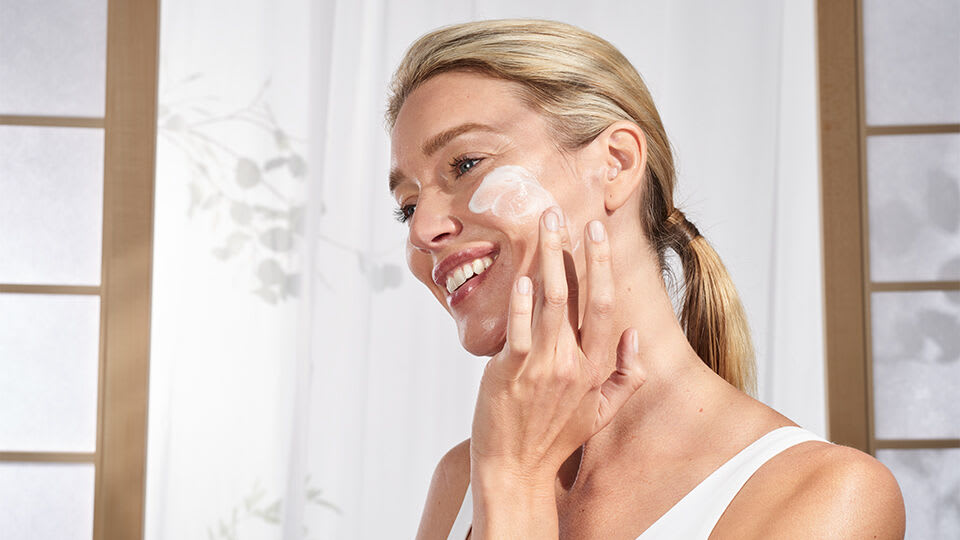
Peptides are some of the most scientifically proven and notable ingredients in skincare—but what about for your skin? We investigate. Peptides have gone viral in recent years, with hashtags, users, and products singing their praises. But what are peptides in skincare? What do they do for your skin? Also, what skincare products include them? Keep reading as we dive into peptides in skincare and everything you need to know about them.What Are Peptides?Peptides are short chains of amino acids, which are naturally occurring in our skin. What makes peptides so important? They help the resilience and structure of our skin—basically skin’s health and appearance. There are several different types of peptides, with each accomplishing different tasks.What Are Peptides In Skincare?Peptide-infused skincare is everywhere, and for good reason. Unlike its friend collagen (which has a large molecule), peptides can absorb into the skin easily when applied topically. Beyond the benefit of their small size being easily penetrable, the other advantage is that peptides can directly communicate with our skin’s cells, telling them to accomplish a task. As mentioned before, there are numerous different types of peptides, so the task could be producing more collagen or elastin, or they could even temporarily block muscle contractions (like Botox in a bottle). You’ll likely see them in a handful of formulas, but look for leave-on products, like serums, moisturizers, and masks (versus cleansers or toners). Bottom line, impressively, peptides in skincare actually work.What Are the Benefits of Peptides In Skincare? We know what peptides are but what can they do for our skin specifically? Here are a handful of proven benefits.Increases Collagen and Elastin Production At age 20, our skin begins to produce less and less collagen with each progressing year, which can lead to a loss of firmness, dehydration, fine lines, and dullness as we age. Peptides can boost collagen and elastin production, helping to give a more healthy-looking complexion. It also can increase the hydration of the skin, too. (A much-appreciated bonus.)Addresses the Appearance of Fine Lines and Wrinkles Peptide’s ability to stimulate collagen and elastin can give skin a more firm, plump, and healthy-looking visage. Additionally, nerve-inhibiting peptides can temporarily prevent muscle movement and soften fine lines. One four-week study found that skincare products containing peptides were able to decrease wrinkles by 14.07 percent and increase elasticity by 8.79 percent.Heals and CalmsPeptides that contain antimicrobial and anti-inflammatory properties can address irritation on the skin, helping to soothe, calm, and potentially even heal inflammation (addressing the health of skin from the inside out).Strengthens Skin Barrier Speaking of antimicrobial peptides, they’re also directly linked to skin barrier health. It’s said these peptides contribute immensely to repairing barrier function, helping to fight free radicals and pathogens, as well as balance the overall health and resilience of the skin.Peptide Skincare ProductsThe Silk Serum Want all the benefits of retinol without any of the irritation, stress, or complication? Try Tatcha’s Silk Serum. The peptide-boosted formula delivers wrinkle-smoothing powers without complicated skin cycling or ramp-up time—instead, use The Silk Serum up to two times daily starting on day one. The formula includes a clever mix of botanical extracts, perfected by the R&D team at the Tatcha Institute in Tokyo. They found the most impressive results with a highly effective duo of plant-based retinol alternatives: upcycled cranberry extract and sea fennel, which act on the same factors as retinol to support natural skin turnover and give the look of collagen-rich skin. The upcycled cranberry extract goes through a high-tech process of cold-press and eco-extraction to ensure their highest potency, helping retain beneficial peptides, amino acids, and proline, a key component of collagen.This formula also contains biomimetic tetrapeptide, which mimics peptides in the skin to visibly firm while reducing the look of lines and wrinkles.Peptides are multi-beneficial, from increasing skin’s hydration and improving the skin barrier to reducing the appearance of wrinkles and dullness. No matter your skin type or focus, consider adopting a peptide-boosted skincare product into your daily skincare routine.
Apricot Oil Benefits for Skin
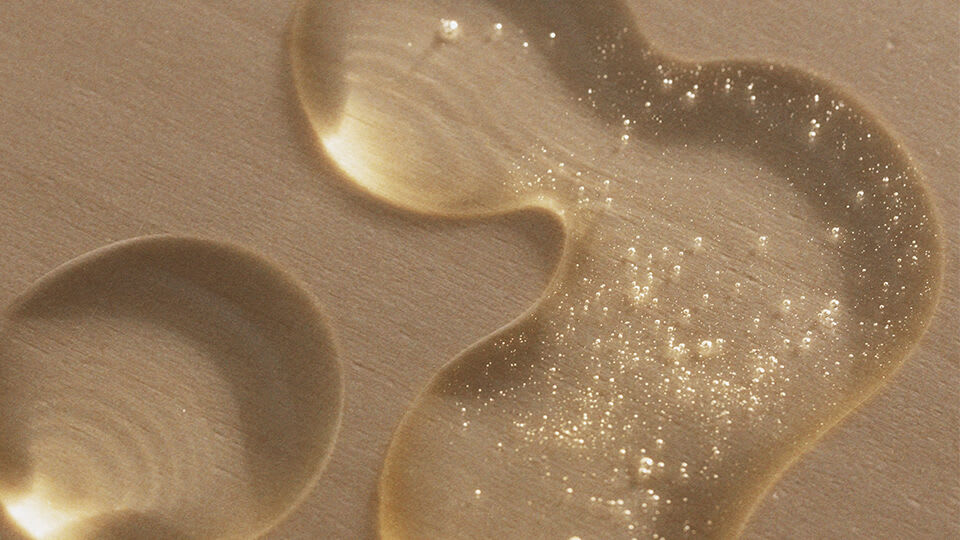
For such a little known ingredient, apricot kernels appear in a variety of skincare products—from exfoliants to moisturizers. Here’s a little more about the benefits of apricot kernel oil, a powerful skin soother and softener. The Earth lends us many of its treasures—and few of them are sweeter than its fruits. Of course, we’re not talking purely about their taste, though the term sometimes applies; fruits can be sour, bitter, even savory, and yet they give our lives flavor in other ways. More than just delicious snacks, fruits are the source of myriad vitamins and minerals, including antioxidants, those superhero molecules that help repair our bodies from the ravages of pollution and inflammation. They keep us nourished in more ways than one, which is why the U.S. Department of Agriculture recommends a daily serving of fruit in the diets of all humans ages one and up. Some benefits of fruit need not be ingested to be acquired. In fact, various fruit parts, byproducts, and extracts have been used in topical skincare formulations: Ascorbic acid, otherwise known as vitamin C, is a popular skincare compound sometimes sourced from citrus foods, and various other fruit-derived ingredients have shown to affect all kinds of skin benefits. One such example, apricot kernel oil, is gaining in popularity. Could apricot kernel oil be good for your skin? The following guide outlines the basics of the ingredient, what it can do, and where to find it. What is apricot kernel oil? Apricots are stone fruits, like plums, peaches, and nectarines. Structurally, they are a series of concentric elements: A seed is surrounded by a shell, that is surrounded by a fleshy “hull” and then a thin layer of skin. At the center of the apricot itself is an apricot kernel, which, unlike its delicious surroundings, is inedible. We use apricot kernels for other things, instead. One of their most notable uses is in skincare. These kernels can be ground into a fine scrub and used to physically exfoliate skin. Pressed into an emollient plant oil, it’s shown to have skin-smoothing benefits. As a result, the ingredient is commonly found in moisturizers for the face and lips, according to data from the Environmental Working Group. But their cosmetic applications comprise just a sliver of what apricot kernels can do; a recent survey of the ingredient described its “anti-cancer, antioxidant, antimicrobial, antiasthma, inflammatory, atherosclerotic, anti-analgesic, and antihyperlipidemic” medicinal qualities. What does apricot kernel oil do for skin? The apricot kernel is a superlative skin-smoother: Ground up, it helps to refine skin texture; turned to oil, it soothes, strengthens, and repairs the skin barrier. Below are just a few of apricot kernel oil’s commonly noted skincare benefits: Deeply moisturizes. Similar to other non-fragrant plant oils, apricot kernel oil acts as an emollient, softening skin when applied, and helping to seal it against moisture loss. It also has a soothing effect, especially on “chapped” or over-dried skin. Rich in antioxidants. Antioxidants operate on the skin's cellular level. When skin cells are stressed, they’re susceptible to “oxidizing” reactions that can result in other skin complications. Ingredients with antioxidants, like ascorbic acid or apricot kernel oil, are often added to skincare products to help repair this kind of damage, from the inside out. Adds glow to skin. Blame the antioxidants, or the high content of hydrating and moisturizing fatty acids, but apricot kernel oil has also been praised for its ability to confer a visible glow to the skin—making it a perfect addition to all sorts of skincare formulas. Is apricot kernel oil good for my skin type? All faces have the same needs: to be cleansed, moisturized, and protected from the sun. But your approach to these steps probably depends on which unique skin type you identify with. Somebody with an oily complexion, for example, might opt for a gel-based cleanser to something heavier, while somebody on the drier side would prefer a little heft to their wash, like a cleansing oil or cream. But either could use apricot kernel oil, which is suitable for all skin types. How apricot kernel oil fits into your routine will depend on which product it appears in, such as a cleanser or serum. (It’s a good idea to ask your local dermatologist or licensed aesthetician for their advice before identifying your skin type and changing up your routine.) Where to find apricot kernel oil Given its benefits, it’s easy to see why apricot kernel oil is found in formulas that not only moisturize the skin, but specifically smooth and soothe. Skin that gets chapped, like the lips, as well as delicate areas, like the undereyes, often need the kind of extra skin-TLC that apricot kernel oil can provide. We’ve added apricot kernel oil to our Luminous Deep Hydration Firming Eye Serum, a treatment for under eye skin. The weightless gel-serum dispenses onto a cooling ceramic applicator that glides onto skin, leaving a veil of moisture that is enhanced with Okinawan red algae to plump, caffeine to depuff, and apricot kernel oil to smooth out. (A brightening dust of 23 karat gold doesn’t hurt, either.) You can almost think of the kernel’s benefits by comparing them to the structure of the apricot itself: Like fruit flesh to tough seed, the oil provides a soft protective barrier. Skin is bundled up, and ready for anything.

The Cold Girl Makeup Trend: How to Get the Look
Makeup trends come and go, but the “cold girl” makeup has proven it has staying power. Here’s how to get the look and why apricot oil is the key to nailing the trend. Today, beauty trends are as cyclical as they are short-lived. However, although they only have a brief lifespan on social media, some of their worthy tips and concepts have proven to have lasting effects. Take the “cold girl” makeup trend for example, which mimics the look of a brisk walk on a chilly day with darling flush across the cheeks and nose along with shimmery highlights. The faux-cold look has outlived its trending hashtag, likely because it’s so universally flattering. Here’s how to get the look and why apricot oil is the trick to nailing the trend.“I’m Cold” Makeup—ExplainedFirst rising to popularity on TikTok in late 2022, the “cold girl” makeup look has continued to see spikes in popularity, seemingly trending whenever the weather dips into chilly temperatures worthy of a winter skin care routine. The look is centered around flushed, frostbitten-like cheeks (that extend to the bridge of the nose, too), ‘frosted’ highlights (ideally on the tip of your nose, inner corners of the eye, and high points of the cheekbones), and finished off with a nude-pink lip and a shiny gloss. The reason this makeup trend has become so viral and yet so timeless is because of its universal appeal: it looks great on everyone (regardless of skin type), is easy to accomplish, and is a tad nostalgic and festive.“Cold Girl” Makeup: How to Get the LookWe could muse all day about this complimentary makeup trend, but let’s get to the tutorial. Here is everything you need to get the look.Step One: PrepAny makeup look is only as good as your skincare routine and skin prep, so invest time and energy into ensuring your skin is hydrated and protected first and foremost. Moisturizer Bathe skin in a deep well of hydration with an effective moisturizer based on your skin type. Dry skin will drink up The Dewy Skin Cream; combination skin will feel balanced with The Silk Cream; oily skin will adore the lightweight and mattifying benefits of The Water Cream; and sensitive skin will feel soothed with The Indigo Calming Cream. Apply morning and night, after cleansing for both immediate and long-term moisture. Eye Serum Hydrate, reduce puffiness around the eye area, and visibly firm the skin with an eye cream or serum. Tatcha’s Luminous Deep Hydration Firming Eye Serum is the unsung hero of the “cold girl” makeup trend. The formula includes a handful of potent ingredients, including Okinawa red algae, honeysuckle leaf, and caffeine, but also features one rising star: apricot oil. Finally receiving the praise it rightfully deserves, apricot oil is an emollient oil pressed from the seeds of apricots. Known for its skin-smoothing and antioxidant properties, apricot oil in the Luminous Deep Hydration Firming Eye Serum helps to hydrate and nourish the eye area, while also cocooning the delicate skin from harsh winter conditions. Before you apply any “cold girl” makeup, apply this eye serum first. Sunscreen Speaking of necessary skincare products, don’t forget sunscreen. While it’s commonly overlooked and forgotten mid-winter, SPF is a necessity every day regardless of the season. Aim for a formula that is at least SPF 35, is classified as a broad spectrum sunscreen, and it wouldn’t hurt if the formula also included skin-improving ingredients. Consider Tatcha’s newly updated Silk Sunscreen, which has weightless SPF 50 physical coverage and the patented (and trademarked) KLEAIR™ zinc oxide. This breakthrough zinc oxide is proven to be 2.45 times more effective at protecting against free radicals than standard zinc oxide.* This is impressive because free radicals are shown to cause a loss of elasticity in the skin and are directly linked to fine lines and wrinkles, too. Step Two: MakeupAnother reason this trend is so wonderfully long-lasting is that it’s not only easy, but also can be accomplished with just a few simple makeup products. CoverageConceal and utilize foundation if you’d like. Ideally, the look sings more with a matte finish, but use whatever you’d prefer—after all, flexibility is the name of the game when it comes to the “I’m cold” makeup look. Blush The star of the show: blush. The look is more realistic with a rosy pink hue, but whatever is most flattering on your skin tone is great. Apply to the highest points of the cheekbones and then blend upwards. Also, have the blush touch the bridge and tip of the nose to make it appear more ‘I’m on the top of the Alps’ realistic. HighlightTo make the look more alive and dynamic, apply a frosted highlighter to the high points of the face and corners of the eyes, which can mimic the ‘caught in a snowball fight’ glow. Finishing Touches Mascara can give the face a more romantic, doe-eyed feel. Don’t forget a lip product, too. A nude-pink lip can tie the look together. Grab a foolproof lip tint, ideally Tatcha’s Kissu Lip Tint SPF 25, which is easy to use and hydrates lips, seals in moisture, adds a pop of color, and protects from sun damage. Available in three universally flattering shades, The Kissu Lip Tint is unique in that the formula is customizable and builds from sheer to medium coverage in just a few easy swipes. While all three hues would fit beautifully with this “cold girl” look, the soft pink tint of Plum Blossom (known as Ume in Japanese) would be particularly perfect. Top it off with The Kissu Lip Mask for a plumped, juicy look that seals in moisture and can help soothe sunburned lips. While makeup trends come and go, the “cold girl” makeup has proven it has staying power. Whether you’re actually in the middle of frosty temperatures or just pretending to be, “I’m cold” makeup is worth replicating.*KLEAIR™ is under license from Solésence LLC

Mother's Day Skincare Gifts & Gift Sets
Treasure the mother in your life—whether you’re shopping for your mom, grandma, mother-in-law, or a mother figure, find the perfect gift to make them feel special. From skincare sets to luxurious facial tools, we’ve got the gifts that shower them with gratitude and love. The Dewy Skin Cream - Limited EditionIf dewy skin is their top priority, give more glow with our value-size Dewy Skin Cream. This limited-edition jar is beautiful too—just like her. The Water Cream - Limited Edition Gift mom clarifying (and lightweight!) hydration with this value-size Water Cream. This long-lasting moisturizer is clinically proven to refine pores and smooth skin texture. The Kissu Lip Tint SPF 25Let her pamper (and protect) her pout with our SPF lip tints. Coming in a variety of flattering shades, she can try them all with this luxe set. The Silk Sunscreen SPF 50Keep her skin powerfully protected with our newly repackaged SPF innovation: The Silk Sunscreen. This broad-spectrum SPF 50 mineral sunscreen not only provides powerful protection, but also visibly evens skin tone over time. Plus, it feels light-as-air leaves a sheer, radiant finish behind. Get ready for her to give you rave reviews! The Kissu Lip MaskNeed a gift that will surprise and delight every mom? Give their lips some extra TLC with our restorative leave-on mask, which hydrates, nourishes, and smooths all year long. Akari Gold MassagerFor moms that love to indulge in a touch of luxury and self-care, give this handcrafted 24k gold face massager. The luxurious tool is multipurpose: it can be heated or cooled to awaken skin, release tension, and reduce puffiness. The Silk SerumHas mom mentioned she’d like to visibly firm and smooth her skin? The Silk Serum was practically made for her then. Silk, upcycled cranberry extract, and sea fennel act like a retinol to visibly firm and smooth the look of deep wrinkles without visible irritation. Ageless Revitalizing Eye CreamDark circles and dry undereyes are a common occurence, but our Ageless Eye Cream is here to retvitalize. The rich, velvety eye cream nurtures the delicate skin around the eyes with antioxidants, while also visibly firming and smoothing fine lines and wrinkles. Ageless Enriching Renewal CreamOur most intensely rich and hydrating cream is perfect for any mom that craves hydration. Let her moisturize and nourish skin with the Ageless Renewal Cream. The RobeDoes she love Tatcha? Allow her to wear her affection on her sleeve with this soft, light-as-air robe. It’s the ultimate spa-day-from-home accessory.