


T-House


The Best Japanese Sunscreen
Not all sunscreens are created equal, and Japanese sunscreens are famous for feeling great on skin. But which one is the best? Sunscreen might be the most important aspect of a skincare routine. The main function of any sunscreen is the same: Each formula uses active ingredients to keep harmful ultraviolet rays from damaging skin. How this is done depends on where you are in the world and which type of sunscreen is right for your skin type. In Japan, as with many Asian countries, sun protection is tantamount to the idea of beauty itself. Unlike in the United States, in Japan it’s not uncommon to see women carrying parasols on afternoon strolls, or donning long black gloves on a hot summer day, in effort to protect skin from the sun without using sunscreen. When it comes to topical sun protection, Japan has a reputation for producing some of the most elegant formulas on the sunscreen market—cost-effective, high SPF, with no dry-down or absorption time. Some of the best sunscreens in the world are Japanese, which begs a natural follow-up question: What is the best Japanese sunscreen? But before we get into the best Japanese sunscreen for the face, let’s talk about the importance of using them and the ingredients to look for. Why Is Sunscreen Important? Any dermatologist worth their MD will tell you sunscreen is one of the best beauty products you can use—not only for cosmetic reasons, but for overall health. According to The Skin Cancer Foundation, prolonged exposure to ultraviolet (or UV) radiation is a major risk factor for skin cancer. But even a small amount of exposure can cause lasting problems. There are two specific types of UV radiation. The first, UVB, causes sunburns requiring a specific after sun skincare routine. These rays have longer wavelengths, and are best associated with the damage they cause at the skin’s surface – reddening, blistering, charring – and they’re strongest when it’s sunniest. The second, UVA, causes skin aging. These rays have a shorter wavelength and go deeper into the skin, and they’re around all of the time, even when it’s cloudy. (This is why you have to wear sunscreen every day, even when the sun isn’t shining.) When protecting yourself from the sun, you have to consider both UVA and UVB rays. Most sunscreens offer “broad spectrum” defense. But not all sunscreens, even all broad-spectrum sunscreens, are created equal. Why Are Japanese Sunscreens So Good For Skin? If you have ever seen a lifeguard in a movie with a band of chalky, thick sunblock painted across their face, then you know what a Japanese sunscreen isn’t. What lifeguards might be used to is called mineral sunscreen. These formulas use ingredients like zinc oxide to physically block the sun’s rays. (Hence the name “sunblock.”) By contrast, many popular Japanese sunscreens are chemical sunscreens, which use ingredients that absorb and neutralize UVA and UVB rays. (On Asian SPF labels, you’ll often see “PA”, or Protection Grade of UVA, to indicate UVA protection, while the SPF number indicates UVB protection. The more plus signs, the better PA coverage.) These kinds of formulas tend to absorb into the skin faster—often within seconds, without needing to rub them in and then wait for them to set. A few minutes after applying a Japanese sunscreen, it's easy to forget you applied one at all. Both mineral and chemical sunscreens are safe and widely used. But the reason Japanese or Asian sunscreens are considered best is that the lightweight formulas make them easier to use regularly, and the most effective kind of sunscreen is the one you want to use as often as possible. The fast-absorbing quality also makes them some of the best sunscreens for faces. It can be hard to layer makeup over some mineral formulas—but chemical formulas make this easy. And because they lack the white cast of a zinc oxide or titanium dioxide formula, they are flattering on all skin tones. Why Are Japanese Ingredients So Beneficial? Japanese sunscreens are beloved for many reasons, but their ingredient lists are at the top of the list. While their coverage is superior, the ingredients present in the formulas also intentionally support and benefit the skin. These skin-bettering ingredients can improve the skin tone, hydrate, and even visibly firm skin while protecting from UVA and UVB rays. Here are a few notable ingredients in Tatcha sunscreens. Niacinamide A form of vitamin B3, niacinamide is an essential nutrient that helps visibly firm and even skin tone. It also has been shown to improve the look of dullness, strengthen and repair the skin barrier, restore moisture loss, and boost skin’s natural hydration levels. Hyaluronic Acid A polysaccharide that naturally occurs in the skin, hyaluronic acid helps skin retain moisture for a hydrated, plump appearance. In addition to restoring skin’s moisture and volume, hyaluronic acid can help stimulate the production of collagen, the skin-firming protein. By jumpstarting the body’s natural collagen-making processes, hyaluronic acid helps keep skin looking fuller and more supple. Silk Extract Rich in amino acids, silk extract closely parallels the amino acid structure of human skin. This extract provides a smoothing, protective veil of hydration, almost like a second skin without weighing it down. Wild Rose Japanese wild rose helps noticeably tighten the look of pores. Plus, both the bloom and fruits have natural antiseptic qualities to help clarify, as well as hydrating and soothing elements that smooth the skin. KLEAIR Zinc Oxide A high-transparency zinc oxide, KLEAIR is a trademarked revolutionary ingredient. This reef-safe filter is proven to be over two times more effective at free-radical protection than regular zinc oxide. While mineral filters can be difficult to blend into all skin tones, the high transparency of this specific zinc oxide helps Tatcha’s formula blend into skin more easily. What To Look For In A Japanese Sunscreen While Asian sunscreens are known for their brilliant advancements, not all formulations are created equal. Look for products that tout the following characteristics. Lightweight Sunscreen used to be synonymous with gloopy, thick formulas. But today’s modern iterations are silky and lightweight. However, some SPFs can still feel quite oily and thick when applied. A light-as-air sunscreen will not only apply more easily and evenly, but it will make reapplication–ideally, every two hours when spending excessive time in the sun–a breeze, too. Nourishes Skin Protection from UVA and UVB rays is first and foremost when it comes to SPFs. But if it could also include ingredients that nourish, hydrate, and even skin? Well, that’s just icing on the cake. Look for products that proudly list their skin-bettering ingredients. Plays Nice with Others Some ingredients are all-stars, so powerful and potent, they can change skin for the better quickly. However, many of these superstar ingredients do not play nicely with others, like retinol. (Which is another reason to consider using a retinol alternative.) Instead, look for sunscreens that feature ingredients that work with many other ingredients and skin types, including hyaluronic acid, niacinamide, and silk extract. Works Well Under Makeup Additionally, how the SPF is crafted and formulated will have a big impact on how well it works with other products in your skincare routine. While a sunscreen can be packed with beautiful ingredients, if it’s not tested and perfected to wear well (and work well with other products, like moisturizers, protective primers, and makeup), it’s likely you won’t enjoy wearing it and it will gather dust in your bathroom shelf. The Best Japanese Sunscreen For Oily and Acne-Prone Skin When we formulated Tatcha’s suncare products, we were inspired by lightweight, easy-to-use Japanese formulas, as well as the zinc-based physical sunscreens we grew up with. Our Silken Sunscreen combines a mineral block with a chemical filter for optimum sun protection. The fast-absorbing cream formula blurs pores with SPF 35 protection and PA+++ and dries down matte, making it an ideal Japanese sunscreen for oily skin. It also layers beautifully under makeup. It is one of the best Japanese sunscreens for acne-prone skin, too. The Best Japanese Sunscreen For Dry Skin Tatcha’s newly updated Silk Sunscreen feels like a Japanese sunscreen, but is made with zinc oxide for SPF 50 PA++++ physical sun protection. It’s also slightly tinted, but blends in sheer, eliminating the white cast sometimes found in other physical sunscreens. The light, liquid formula is chock full of humectants, like hyaluronic acid and squalane, that bind to water and provide a dewy skin finish. It’s good for all skin types, but can be extra helpful to those with dry skin who need a little extra hydration. The Best Japanese Sunscreen For Sensitive Skin Sensitive skin can be triggered by many sunscreens, causing irritation, redness, and itchiness. This is where our Silk Sunscreen steps in to save the day (and the skin). Made with ingredients that support and nourish the skin, the Silk Sunscreen is best for sensitive skin since it provides a veil of protection with broad-spectrum SPF 50 coverage with the highly effective KLEAIR™ zinc oxide (a mineral filter known for its skin-soothing properties). This is one of the best Japanese mineral sunscreens you can find on the market. The Best Japanese Sunscreen For Mature Skin Mature skin usually craves hydration, which the Silk Sunscreen proudly provides via hyaluronic acid, squalane, silk extract, and camellia leaf extract. Additionally, the formula addresses signs of uneven skin, a common woe with aging, thanks to niacinamide. Beyond the ingredients, the SPF 50 protection blends in sheer, making it one of the best sunscreens for mature skin by leaving a beautiful dewy finish. The Best Japanese Sunscreen For Combination Skin Supporting the mercurial nature of combination skin can be tricky for all products, as you want formulas that aren’t too rich but also provide a hefty dose of hydration. That can be a tall order for sunscreens, too. But the Silken Sunscreen is great for combination skin as it blurs pores and dries matte—great for excess oil – and also addresses hydration, calmness, and antioxidant protection with silk and loquat leaf extracts. The Best Japanese Sunscreen For Lips Sunscreen…for the lips?! Sunburned lips are surprisingly a common woe with excessive sun exposure, which can lead to not only discomfort and irritation, but also premature aging (including fine lines around the lips) and even skin cancer. Like sunscreen for the skin, sunscreen for the lips is one of the secrets to achieving healthy-aging. The ultimate method for avoiding sunburned lips is prevention: by using a lip balm formulated with SPF. Try the new Kissu Lip Tint, which features SPF 25, plus silk protein and botanical lanolin for a pout that is nourished and protected, making it one of the best Japanese lip balms. If that wasn’t great enough, the Kissu Lip Tint also features a flattering flush of color, coming in three universal shades, building from sheer to medium coverage in just a few easy swipes. Learn how to care for your lips and applying a tinted lip balm will be an easy and flattering step in your ritual. How to Apply the Best Japanese Sunscreen Once you’ve found the right Japanese sunscreen, consider adding an exfoliation step to your routine to help prepare your skin and be mindful of when to apply sunscreen in your skincare routine. The best sunscreen out there is the one that works for you. At the end of the day (or, really, at the beginning of the day, and even multiple times throughout the day) it just matters that you use it. Once you’ve found the right Japanese sunscreen, consider adding an exfoliation step to your routine to help prepare your skin and be mindful of when to apply sunscreen in your skincare routine. The best sunscreen out there is the one that works for you. At the end of the day (or, really, at the beginning of the day, and even multiple times throughout the day) it just matters that you use it.

Spot Spotting Guide: Blemishes vs. Acne vs. Dark Spots
A spot appears on your skin. What could it be? This short guide can help you understand the differences between a range of common blemishes, from acne to dark spots. You’ve surely heard the fact that skin is the largest organ on the human body. Measured on its own, it has about 1.5 to 2 square meters of surface area, or between 16 and 20 square feet—about the surface area of a twin-sized mattress.Across this vast plain of skin types lies a unique and varying topography. In some places, skin is thinner than in others; it may have a different color, texture, or altogether behavior. The skin on our lips is completely different from the skin on our elbows. And over time—slow and gradually, or quickly like the seasons—it changes (and likely so does our skincare routine). Once taut skin will lose elasticity, tone may change, and sometimes you find spots where there once were none.There are all sorts of reasons for spots, from acne to hyperpigmentation to scars to dark spots. Each dictates a different treatment plan, which is something a dermatologist or licensed aesthetician can tell you all about. The difference between blemishes vs. acne vs. dark spots, however, isn’t too tough to understand once you know the mechanisms behind each. What are blemishes?Technically, a blemish can be any undesirable feature. According to the Oxford English Dictionary, the word has roots in medieval times, and has historically been used to describe an imperfection—something that happens to something beautiful to make it less beautiful. While we might poetically call a raincloud a blemish on an otherwise gorgeous weather day, the word is more commonly associated nowadays with imperfections of the skin.Blemishes vs. AcneA blemish is a pimple is a zit: All are forms of acne, which are hair follicles or pores that become blocked. Infections can also stir in these blocked pores, though what causes these infections may vary, from stray bacteria to overactive sebaceous glands. The baseline level of oil, or sebum, that your skin produces also may have an affect on how prone to blemishes you are.Infected hair follicles, known as folliculitis, look similar to acne, and can also be caused by bacterial infections, though they are a different breed of blemish. In fact, there are 6 different types of acne or blemishes. How and why they form often gives hints to what kind of acne blemish it is. Blackheads & WhiteheadsBlackheads and whiteheads are called comedones, and are caused by sebum (or oil) buildup in the pore. Blackheads are “open” comedones, when dead skin and oil calcifies into a dark mass that sits in an open pore. (Melanin, when oxidized, turns a dark color.) Whiteheads, or “closed” comedones, have formed a seal over the blemish but appear as white dots sometimes ringed in red. They’re irresistible to pop, but experts say don’t: You can make things worse faster. Pustules and PapulesThe key term in “pustule” is “pus”, a thick fluid the body produces in response to an infection. Pustules contain pus, and may also appear red and inflamed. These are signs of an active infection. Like pustules, papules are also signs of infection, but form deeper down within the skin, so they don’t have a pus-filled surface. In fact, they may take on your skin’s color. Neither pustules or papules are contagious, but both should be checked out by a doctor. Nodules and CystsThe most severe forms of acne are nodules and cysts. Nodules form deep beneath the skin, and are hard and painful, like stones. Dermatologists don’t know exactly what causes nodular acne, but posit a combination of genetic and environmental factors. Cysts are softer than nodules, but can also be painful. Cystic or nodular acne should always be examined by a dermatologist who can recommend a treatment plan, as store-bought skincare solutions are unlikely to solve them—and could make things worse. What are dark spots? Put simply, dark spots are the result of hyperpigmentation, or a high concentration of melanin, skin’s natural pigment. They’re a natural byproduct of being alive, and are usually nothing to worry about. At the same time, some forms of dark spots, like freckles, can be signs of increased risk of skin cancer. (The Skin Cancer Foundation has advice for how to examine your skin at home.)There are fewer types of dark spots, and while most of them can be attributed to “clumped” melanin cells, there are some distinctions between what exactly causes them. Some dark spots are the result of exposure to sun, while others may be left behind from acne or other inflammation. And while hyperpigmentation cannot be “cured”, and they come and go as they please, there are many ways to help fade dark spots and prevent new ones from forming. FrecklesWe know them, we love them, and we have them from birth. Freckles are genetically determined, but can intensify with sun exposure. Age spotsAlso known as lentigines, “age spots'' are benign skin lesions that appear in darkened patches. They’re caused by sun exposure, and commonly appear on the hands and face. They are also more common to appear in mature skin, as their nickname suggests. MelasmaMelasma is a form of hyperpigmentation that occurs more commonly in women than in men, and especially during pregnancy, when estrogen and progesterone levels are high. It can also be caused by other things, like stress, sun exposure, or some medications. Melasma can be diagnosed by a dermatologist on sight, and may be treated with active topical ingredients or increased sun protection. Acne Blemishes vs. Dark SpotsThese two very common but very different skincare phenomena warrant different courses of treatments. Acne blemishes usually require more thorough cleansing and exfoliation, and unclogging pores of the sebum within them. Dark spots are a case of hyperpigmentation, and respond best to certain acids or other active ingredients. When in doubt, always talk to a dermatologist, especially when it comes to specific cases of areas of concern. The following should give you a clear idea of how acne blemishes vs. dark spots are managed using skincare.How to address acne: Clarifying skincare The good thing about acne is that, by the time it appears, your skin is already trying to contain and quash the issue. This is why it’s sometimes associated with an inflammatory reaction. But using the best skincare for acne-prone skin will help keep things clean and clear in an effort to minimize possible opportunities for blemishes. Gel cleansers like The Matcha Cleanse are popular among those with oily skin, not only for their ability to cleanse deep within pores but also to balance skin’s oil and water levels. Otherwise, a less frequent treatment, like a Clarifying Clay Mask, can be used to give a deeper clean from time to time. How to treat dark spots: Glow-inducing skincare For hyperpigmentation, simply cleansing pores won’t do much: This is, after all, a matter of melanin. Treating dark spots begins with prevention, either by avoiding sun exposure or by applying a broad spectrum sunscreen. Sunscreen should be worn everyday and applied at the right time. Here’s more about when to apply sunscreen in your skincare routine. In addition to proper sun protection, a hyperpigmentation skincare routine should include certain acids and antioxidants for fading dark spots. Vitamin C, for one, is a tried-and-true ingredient recommended to those with hyperpigmentation. Here at Tatcha, we incorporate two types of vitamin C derivatives, one derived from the Japanese beautyberry, in the popular Violet-C Brightening Serum. It also contains a bevy of exfoliating alpha hydroxy acids, as does the Violet-C Radiance Mask. Hadasei-3, our proprietary blend of Japanese superfoods, lends a symphony of amino acids to promote natural skin surface turnover—revealing a radiant glow that drowns out spots at any age.

6 Types of Skin Blemishes and What they Mean
They happen to anyone, anytime, anyplace. But handling a blemish can be an easy task, when you can correctly identify what kind of blemish it is. As sure as rainy days and technical difficulties, blemishes happen. Those luckiest among us experience them only rarely. But for most people, blemishes are as common as anything else. You reading this may even be experiencing one right now.In fact, blemishes are so common as to warrant almost no concern. They’re usually signs that your skin is doing its job. The complex, layered fabric of skin facilitates many processes that are crucial to protect us from environmental aggressors, and if a blemish is a breach in the system, it’s also a sign that the breach is being taken care of. Still, like rainy days and technical difficulties, blemishes can come at inconvenient times. But they can be markedly easier to treat, sometimes even using skincare products you already have on hand.The first step in treating a blemish is identifying it, which is easier said than done: Though there are only a handful of types of skin blemishes, some can closely mirror each other—and even be caused by the same underlying issue. The best way to ID a blemish is to take it to your local dermatologist, who can also advise on a specific treatment plan. The following guide can help you understand a little more about what blemishes are. A primer on blemishesWhat is a blemish? The word as we know it is practically ancient, dating back to the Middle English period as a verb, and crystallizing into a noun (meaning flaw) by 1500, according to the Oxford English Dictionary. It’s much older than its siblings pimple and zit, even besting acne by some two hundred years.Blemishes, pimples, zits, acne: They all describe the same basic thing, which is a blocked pore or hair follicle that becomes infected. This kind of infection can be caused by a variety of things, usually stray bacteria. As the skin’s defense system kicks into gear, the blockage causes an immune response, and becomes inflamed. Voila: A blemish. (From the French “blemiss”)But not all blemishes are the same, and their appearance can give clues about what kind of blemish they are—and, maybe, how to quell it. The six types of blemishesDermatologists typically distinguish between six types of blemishes. We’ll spare you the photographic imagery, and offer a brief description of the common traits of each kind.BlackheadsTrue to their name, blackheads appear as dark, tiny spots. They’re caused by sebum buildup in the pore, also known as oil, which is a light and waxy substance but turns dark when solidified and exposed to the air. Keeping that in mind, it’s easy to remember that these dark, black spots are caused by oil and they often appear in groups. WhiteheadsIn contrast to their similarly-named siblings, whiteheads appear as white dots, ringed in red. According to the Cleveland Clinic, they’re usually caused by a mixture of dead skin and sebum, and they seal up over and over to form a “comedone.” These are often commonly called closed comedones, while blackheads are open comedones. PustulesPustules look almost like angrier whiteheads. Often inflamed, accompanied by a filling of pus (rather than dead skin and sebum) and bright redness, they are usually signs of an infection. They are non-infectious, but should be checked out by a doctor. PapulesLike pustules, papules are a form of inflammatory acne. But their appearance is much quieter in comparison, mostly forming underneath the skin, sometimes even taking on the skin’s color (instead of an inflamed red). A papule is unlikely to have a pus-filled tip, says the Cleveland Clinic. The upper body, but especially the face, is where papules tend to form. NodulesNodules, or nodular acne, is a severe form of acne that occurs deep within the skin. While they can be seen and felt at the surface of the skin—they’re hard, and often painful—they don’t break the surface, and may be bound both above and below by otherwise healthy skin. Dermatologists don’t know exactly what causes nodular acne, but posit a combination of genetic and environmental factors. It’s wise to get any acne checked out by a doctor, but especially nodular acne. CystsCystic acne is referred to by the Mayo Clinic as the most severe form of inflammatory acne. These are softer than nodules, because they’re filled with fluid, and they occur within the skin, at the dermal level. Dermatologists are best equipped to diagnose and treat cystic acne. Skin can also play host to non-acneic cysts. Milia is a common type of cyst that appears as a small, hard bump but isn’t inflamed. The result of an abundance of trapped keratin, it doesn’t form in a pore, but appears lodged in the skin like a small pearl.Do you have blemish-prone skin?There are a few main skin types that categorize our skin’s intrinsic qualities, such as how dry or oily it is at baseline. Those with oily skin, whose faces are likely to produce more waxy sebum than it needs to self moisturize (and often feel slick or shiny as a result), are typically regarded as more acne- or blemish-prone than other skin types and should consider starting an acne skincare routine.To gauge how oily your skin might be, we recommend two tests. For the first, all you’ll need is your bare face and your cleanser. After cleansing your face, but without performing the rest of your skincare routine, wait 30 minutes and examine your skin for signs of oil. Now wait another 30 minutes and observe again. If your skin is oily in some places or all over, you may have combination or oily skin.The other test simply requires a blotting sheet, which you can tap on your skin to remove oil. You can use the blotting sheet on different areas of your face, and hold it up to the light to see how oily that area is. If the sheet is saturated with oil, you may be blemish-prone. But talk to a doctor to confirm your suspicions. Essential skincare for blemishesThere is no one-product-solves-all for blemishes, because there are many kinds of blemishes. (And many kinds of faces.) If acne is a concern, however, you might want to consider adjustments to your daily skincare routine that are more suited to oily, blemish-prone skin. A few common staples of blemish care include: Pore-clearing cleansing. Most face washes are formulated to strip away dirt and debris from skin—the same dirt and debris that could contribute to the formation of blemishes—but fewer are made with ingredients suited for oily skin. This was part of the brief behind Tatcha’s Matcha Cleanse, a soapless gel face wash that helps to balance skin’s oil levels. Its ingredient lineup includes matcha, known for reducing acne, and controlling oil and shine all day long. Acids all the way. Exfoliants are often divided up into two categories, physical exfoliants and chemical exfoliants, and both can be suitable for managing acne-prone skin. But acids, like alpha hydroxy acid, are especially good at breaking down bonds between old and new skin cells to resurface skin (and help keep pores unobstructed). The AHAs found in Tatcha’s Texture Tonic are derived from various fruits, and along with pore-tightening wild rose and niacinamide, help to smooth skin, and bring out its radiance. Water-weight moisture. A heavy, occlusive moisturizer is a dream for some skin types—and a nightmare for acne-prone ones. What these skin types want is something lighter, closer to water, and they can find it in The Water Cream. This unique moisturizer bursts on contact with skin, flooding it with essential hydration. A cocktail of pore-refining ingredients, including wild rose, make this moisturizer beloved by all, but is the best moisturizer for those with oilier skin. Blemishes are temporary; good skincare habits last a lot longer.

How to Get Rid of Blemishes
We can’t keep blemishes from happening, but we can make informed decisions about how we handle them when they come. This blemish treatment guide can help you get rid of them for now. Try as we might, we can’t avoid blemishes. Even those of us who devoutly observe skincare rituals, including proper cleansing and moisturization, are likely to deal with the occasional zit. These uninvited guests are inevitable; it’s easier to think of them like the weather, coming and going as they please.There are a few reasons why blemishes occur. The term blemish is a floral euphemism for acne, which is, at its most basic definition, inflammation of the sebaceous glands. These glands are tucked deep within the pores on our face, and are crucial to skin’s self-regulation. But like all mechanisms in our world, they can be subject to break downs or clogs.The good news is that acne itself is a sign that your skin has caught the problem, and is developing an immune response to take care of things. By the time you can see a pimple, it's well on its way to healing. But certain skincare choices can help calm down breakouts—or extend the time between blemish breakouts—if you know what to use, and when to use it. What are blemishes? Before we talk about blemishes, which are actually acne, we need to talk about oil, which is actually sebum—a waxy, slippery liquid made of fatty lipids that is secreted from within our pores. More specifically, sebum comes from sebaceous glands, and it’s here where the root of acne can usually be found. Sebaceous glands are all over our faces and scalps, but are absent from a few places where we don’t need constant self-moisturization—like our lips, or the bottoms of our feet.Acne occurs when dead skin cells or too much sebum clogs a pore. Usually, this results in a simple whitehead or blackhead. But an ill-timed infection located within a sebaceous gland, pore, or hair follicle can attract a more robust inflammatory response—and result in a more intense pimple. Knowing how to identify your blemish is the first step in getting rid of it. Are there different kinds of blemishes? ID’ing a blemish is easier said than done. The best and most foolproof way to identify a blemish on your skin is to take it to a dermatologist, where they can examine it and offer their advice, including recommendations for treatment. There are a handful of kinds of blemishes, but many of them can closely mirror one another in appearance, and can even be caused by the same underlying issue.Comedones, like whiteheads and blackheads. The most basic kind of acne is one you’re probably very familiar with: Open or closed comedones, or clogged pores, also known as whiteheads and blackheads. Blackheads are clogged pores that are open—the oxygen around us makes the dead skin and sebum clog appear dark—while whiteheads are clogged pores that are closed.Inflammatory acne, like pustules or papules. Pustules and papules, which may be redder than run-of-the-mill comedones, also signal a stronger inflammatory reaction—and may come filled with pus. These should always be checked out by a doctor.Deep acne, like nodules or cysts. The most intense form of inflammatory acne might be nodular or cystic, and occur deeper than at the skin’s surface—in the precious and delicate dermal layer. Nodules and cysts may be buried under a layer of inflammation in the skin, and can be hard to access on one’s own. All acne should be examined by a dermatologist if it becomes painful or otherwise concerning, and nodular and cystic acne should be no exception. Do I have blemish-prone skin?Blemish-prone skin is another term for oily skin, which is one of the major skin types. Oil is necessary for our skin, because it helps us seal in moisture, repairing our skin barrier. But too much of a good thing can be, well, not so good, as oily skin can result in more breakouts, according to the American Academy of Dermatology Association.Oily skin can be inherited by genetics, but it can also be influenced by extrinsic forces like the climate, or intrinsic forces like our diets, behaviors, and the skincare we use. Keeping oily skin in check means maintaining a healthy skin barrier, or repairing a damaged barrier with skin barrier repair products. If you want to check if your skin is oily or dry, there is a simple way to determine your skin type at homeHow to get rid of blemishes Here’s the thing about a blemish: By the time you see it, it's already arrived. There are ways to soothe existing acne, but the best thing you can do for a blemish is leave it alone, and have a dermatologist check it out. Good habits and an acne skincare routine—like proper face cleansing and choosing non-abrasive formulas—can help minimize acne breakouts. A few other best pimple practices include: Drinking water. Water makes up most of our body, including our skin. And while drinking tons of water won't send a blemish on its way, keeping yourself hydrated does in fact affect the hydration levels in your skin, which are directly linked to things like immune function. Washing your face consistently. When you're tired, sleeping in your makeup may seem like a better option than dragging yourself to the bathroom. It's also an invitation to pimples. Sticking to one routine. It may feel tempting to try all sorts of new treatments, especially if you feel like your acne situation is desperate. Dermatologists say: Don't. Consistency is key to skincare, but especially with treating acne. Slow and steady wins the race. Avoiding the urge to pop. The more you mess with a blemish, the angrier it gets, which is why they're best left alone. That means no popping, according to experts. Blemish-Prone Skincare Routine Rooted in time-tested Japanese ingredients and techniques, Tatcha’s skincare collection is full of sensorial, experience-based products formulated at the highest efficacy. Its belief is a simple one; that turning such acts of self care into rituals makes for good health, inside and out. Here are a few suggestions from their range suited for blemish-prone skincare routines.1. Cleanse properly. Most common acne is caused by pore blockages, which are less likely to occur by keeping things clean and clear. This means being diligent about removing makeup at the end of the day, and using a gentle cleanser to thoroughly cleanse the skin itself. The brand-new Matcha Cleanse is a uniquely suited cleanser for acne-prone skin, with its soap free formula and its ability to cleanse deeply, unclogging pores. But whatever cleanser you choose, make sure it doesn’t leave your skin feeling tight and dry afterwards. Dermatologists advise cleansing your skin at least once, usually twice, per day.2. Exfoliate regularly. If a face wash is your daily cleanse, exfoliation is something closer to a power wash, and often employs physical or chemical exfoliating ingredients like scrubs or acids to actually remove stubborn dead skin from the face—including in pores, where it's liable to cause trouble. Geisha performers have long relied on exfoliants made from things like rice bran to keep their skin blemish-free despite being layered beneath makeup for hours on end. Whatever exfoliant you choose—a physical exfoliant like this rice-based one with pore-tightening wild rose, or a chemical exfoliant like this waterweight one powered by fruit-based alpha hydroxy acids—consistency is key; you can use these up to a few times each week.3. Moisturize wisely. There’s a certain notion in skincare that the best way to deal with a blemish is to dry it out, starving it of moisture until it dehydrates and dies. Dermatologists say this isn’t so, and in fact, dry skin can exacerbate or even be a root cause of acne. Keeping skin moisturized is paramount, but those with acne-prone or oily skin might be wary of burying themselves beneath thick creams. Now there are moisturizers formulated for oily skin, like Tatcha’s best-selling The Water Cream, which are designed at every level to feel, as the name suggests, as light as water—with all of its hydrating and moisturizing potential. Using a moisturizer that feels comfortable on your skin is a good way to ensure you wear it regularly, building good habits—and better skin—over time. 4. Sunscreen daily. Perhaps you saw it coming, or simply had a hunch. It’s true: Unprotected exposure to ultraviolet light can trigger or worsen acne, according to a 2023 study that looked at three decades of research. It’s just another reason to choose the right sunscreen for your skin type and to apply it every day.
How to Make Your Lips Soft & Smooth
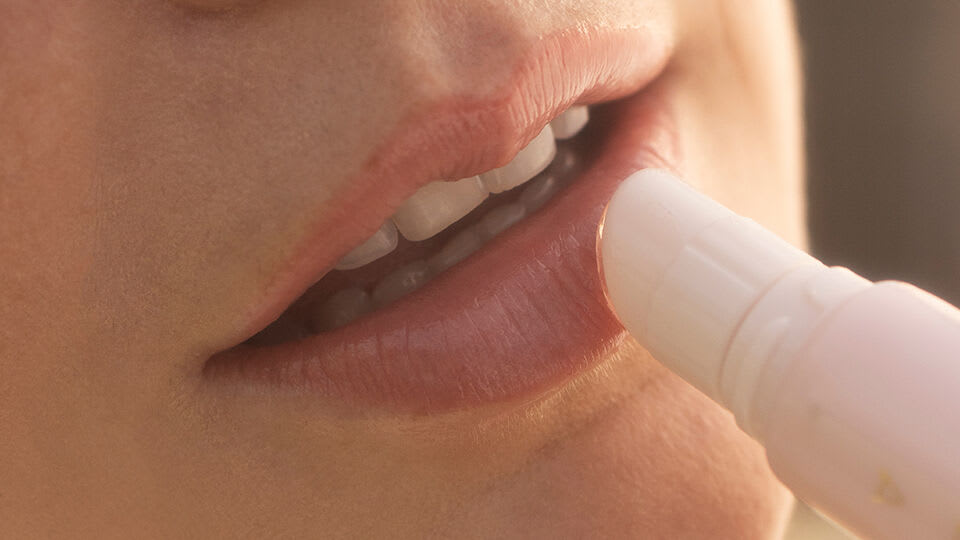
Achieving smooth and soft lips isn’t as simple as you might believe. But with these easy tips, you’ll have a shortcut to a plump, hydrated pout all year long. Wondering how to make your lips soft? You’re not alone and the task isn’t as simple as you might believe. While slathering on lip balms might feel like the only shortcut to smooth lips, there are many other beneficial steps to ensure you have a plump, hydrating pout year round. From exfoliating scrubs and treatments to balms and masks, here is your guide on how to get soft lips.Step One: ExfoliateExfoliating your face with a facial scrub? Of course. But exfoliating your lips with a lip scrub? Absolutely! While the niche product is often overlooked (unrightfully so), utilizing a lip-specific scrub can be tremendously beneficial on your journey for soft and smooth lips. A lip scrub is different from a facial scrub because it’s an exfoliating formula specifically made to be gentle enough on the delicate lip skin but effective enough to remove flakes, dry patches, and dead skin cells.A lip scrub is the perfect first step on your ‘how to get smooth lips’ path because not only will the exfoliant buff away dryness but the emollient component of the scrub will also instantly hydrate and soften lips.Step Two: TreatDid you know the skin on your lips is significantly thinner than the rest of your face? This is why the lip area can not only remain chronically dry but also be the first to show signs of aging, including a loss of volume, fine lines, and wrinkles. Normally solutions would come in the form of multiple steps and complicated products—until now. Lip treatments have recently become available, specifically made to hydrate, repair, and volumize lips. Lip serums or treatments can not only help with the health of lips, but also the cosmetic appearance. Just as the best facial serum for your skin type can deliver impactful ingredients deep into the skin, helping to address the appearance of the skin, lip serums can work similarly, working to deeply hydrate, repair, volumize, and revive the look of the lips. How to get soft lips? Try leveling up your routine with a lip treatment.Step Three: HydrateAs soon as you finish exfoliating and treating, immediately hydrate the lips. Those freshly scrubbed lips crave moisture, so lock in hydration with a soothing lip balm or lip mask. But before you apply any hydrating product to your lip, check the ingredient list. If you’re slathering on lip products consistently and still have dry, chapped lips, your lip balm (and its ingredients) is likely the issue. The American Academy of Dermatology suggests formulas that include oils and butters (which can linger and seal in moisture for longer), ceramides (they protect the skin, increase hydration, and soothe irritation), and super hydrating ingredients (like squalane, glycerin, and hyaluronic acid).If lips can’t seem to get enough moisture, try to swap out your lip balm for a lip mask, which has a thicker consistency, more hydrating ingredients, and is designed to linger on lips for longer than a lip balm.Hydrating inside and out is also important, so be sure you drink enough water. Chapped lips are a direct cause of dehydration, says the Cleveland Clinic.Step Four: ProtectMother Nature’s elements, like severe winter winds and the summer’s harsh UV rays, can do a number on the delicate lip area, causing chapped, dehydrated lips. But no matter the season, protect lips from UV exposure with SPF lip balm. Lips are just as prone to burning (or getting skin cancer) as the rest of the face, so hydrate and protect your pout with lip balms that include SPF. The best form of protection is prevention, so find a sunscreen-boosted lip formula that you enjoy reapplying often (and make sure you reapply often when in the sun).The Best Products to Make Your Lips Soft and Smooth While some skincare products are helpful but not always necessary, lip products are vital. The sensitive area cannot moisturize itself (like many other areas of the face can) and needs help to stay hydrated. The Tatcha Institute in Japan has tirelessly perfected formulas that not only make lips look healthy, but actually feel healthy, too. Here are the best products to achieve soft, smooth lips. Step One: The Kissu Lip Scrub The Kissu Lip Scrub gently scrubs with two exfoliating ingredients: konjac and peach seed. Konjac refines and smooths skin for a brighter appearance, while peach seed removes flakes for more hydrated and refined lips. When it comes to the emollient, we selected one of the most extraordinary and treasured ingredients available, and one that’s a Tatcha signature, too: Japanese camellia oil. The intensely hydrating oil seals in moisture, while also soothing tired lips. Together, The Kissu Lip Scrub effectively sloughs away flakiness and removes dullness while sealing in moisture for smooth, supple lips. Step Two: The Kissu Lip Treatment In the works for years, the new Kissu Lip Treatment will take your pout to a whole new level. This daily serum is clinically proven to instantly plump, while also restoring natural volume, reviving lip color, and improving lip’s natural definition over time. Packed with sea fern, sea kelp, and carob fruit extract, this formula gives kissable soft lips on demand. Step Three: Camellia Gold Spun Lip Balm Feel free to massage on as often as you’d like because our Camellia Gold Spun Lip Balm seals in moisture with camellia oil, renowned for centuries in Japan for its ability to curb dehydration. The formula is also packed with antioxidants and essential fatty acids to help nourish and protect. Additionally, the balm gives lips a hint of shimmer with 23-karat gold flakes. The Kissu Lip Mask If you’d like a deeper dose of moisture, grab one of the most awarded lip masks ever: the Kissu Lip Mask. The luscious, jelly texture (yet never sticky) melts into lips to plump, hydrate, smooth, and soften. Perfect for overnight use, but beautiful any time of day, The Kissu Lip Mask features moisture-sealing squalane, revitalizing Japanese peach, and hydrating camellia oil for a revelatory experience. Step Four: The Kissu Lip Tint SPF 25 The sun doesn’t take seasonal breaks and neither should your lip products. Swipe on the Kissu Lip Tint SPF 25, which hydrates lips and seals in moisture with silk protein and botanical lanolin, protects the delicate skin from sun damage with SPF 25 coverage, and provides a buildable flush of color (available in three shades so you can choose the best one).

The Best Lip Treatment (And How to Use It)
The exciting new world of lip treatments are showing powerful benefits. We uncover what a lip treatment can accomplish and why they work in tandem with your favorite lip balm or mask. Did you know the skin on your lips is significantly thinner than the rest of your face? This can lead them to be particularly sensitive to the elements, including UV exposure, harsh treatments, and extreme weather. Add to that the fact that lips are almost always in motion – whether it be speaking, eating, deep breathing, or kissing – and you’ve got the perfect storm of lip issues. Not only are lips one of the first areas of the face that show signs of aging (via fine lines, volume loss, and lack of definition), but they can become chapped, chronically dry, and irritated.One new and exciting innovation in the lip category is lip serums, which act like targeted treatments that nourish and address common woes. What can a lip treatment do for your lips and is one right for you? We uncover those questions and more (including discovering the best lip treatment) below.What Is a Lip Treatment?A lip treatment is a formula specifically made to hydrate, repair, and volumize lips. While at first glance, it might feel like a frivolous product, lip serums, also known as treatments, can be wonderfully valuable. The best lip treatments should not only help with the health of lips, but also the cosmetic appearance. Just as the best facial serum for your skin type can deliver impactful ingredients deep into the skin, helping to address the appearance of the skin, lip serums can work similarly. Depending on the formula, many can accomplish a bevy of beneficial results, from deeply hydrating and repairing skin to volumizing and reviving the look of the lips.What Are the Benefits of a Lip Treatment?In general, the best lip treatments can accomplish a few impressive tasks that other products, like a lip balm or mask, cannot. Here are a few of its most notable benefits.Hydrate DeeperMost lip balms and masks hydrate, but lip treatments can take things even further. The molecule size of ingredients is important. Lip balms usually rely on very effective emollients that sit on the surface of the skin and shield it from external factors, helping to soothe and hydrate the surface. But some lip treatment formulas have ingredients that can penetrate deeper, addressing the long-term hydration of the lip when applied consistently. Why is this important? While facial skin has the ability to self-hydrate with sebum and oils, lips do not naturally produce either one of these and can easily suffer from dehydration.Plump and Restore Volume The loss of collagen as we get older is perfectly natural, making your pout appear thinner looking. While some plumping lip glosses can temporarily volumize lips with (potentially irritating) ingredients, like pepper and cinnamon, lip treatments have the capacity to both naturally plump and restore the natural volume lost over time. This is why a treatment is one of the best lip repair products on the market. Revive Lips Natural ColorDid you know that lips naturally lose pigment as they age too? The same reason they become thinner – collagen loss – is also why they begin to appear less vibrant. A lip serum can help to restore lips lost color and definition due to aging and dryness, helping to make lips appear more vibrant and healthier looking. Smooths Fine Lip Lines Speaking of aging, lips are especially prone to fine lines. (Remember how lips are one of the thinnest skin on our face? That makes them quick to age.) This is where a lip treatment can really shine. A serum can help reduce the look of lip lines by plumping and boosting volume, while also helping with the appearance of lipsticks by curbing the feathering and bleeding that can occur with aging lips. Think of a lip treatment as a sort of lip primer meets serum meets long-term longevity booster.When To Use a Lip TreatmentIf you’re not following the ideal order of applying a lip treatment, you could be wasting precious product and not getting the full benefits of your best lip repair treatment. Here’s the ideal order to apply a lip treatment within your lip care routine.Step One: Exfoliate with a Lip ScrubJust as you exfoliate your face frequently to scrub away dead skin cells, your lips need the same step. A lip scrub can help remove flakiness and dryness, but also help your next step – the vital lip treatment – penetrate better and deeper. Learn more about how to exfoliate your lips (gentle is key!).Step Two: Repair with a Lip TreatmentIt’s time for the star of the show: the lip treatment. Now that the skin is freshly exfoliated, clean, and dry, squeeze a generous amount on and massage into the lips. The added massage helps to boost the powers of a lip serum even further by temporarily improving blood circulation.Step Three: Protect with a Lip Balm/MaskAfter allowing the lip treatment to absorb for a minute, lock it in with a lip balm or lip mask. A lip treatment does not replace a lip balm, but rather works in tandem with one. While the lip serum targets the appearance of the lip, the lip balm is beneficial because it creates a protective seal on the lips, allowing the treatment to work while also hydrating the surface of the skin. Also, if using during the day, don’t forget to use a lip product with SPF. As mentioned before, lips are very sensitive to the elements, including sun exposure. Protect your pout with an SPF product specially formulated for the lips. Try The Kissu Lip Tint SPF 25, which provides sunscreen protection, seals in moisture, and has a buildable kiss of color (in three flattering hues).Best Lip Treatment The Kissu Lip Treatment We’re overjoyed to share this special lip serum that we’ve been finessing for years. Want a lip serum that can do it all? Say hello to your newest obsession then, The Kissu Lip Treatment. This daily serum is clinically proven to instantly plump, while also restoring natural volume, reviving lip color, and improving lip’s natural definition over time. It’s the best dry lip treatment, in our humble opinion.A few lip care ingredients help take the Kissu Lip Treatment to a whole new level.Sea Fern This unique sea botanical impressively and instantly plumps lips, while also boosting volume—but without irritating the delicate lip skin with irritating ingredients. Instead, it accomplishes these results by increasing the lips’ lipid storage over time. Additionally, our proprietary Hadasei-3 complex is present, helping to reduce roughness, increase hydration, and soften lips.Sea KelpSpeaking of potent sea botanicals, sea kelp helps to improve lip definition and natural lip color for healthier-looking lips. Carob Fruit Extract The carob fruit, an ingredient often seen in food and medicine, acts like a peptide, which helps build a stronger skin barrier and smoothes the appearance of fine lines. The Kissu Lip Treatment is designed to work in tandem with the rest of the Kissu collection. This includes the brand new Kissu Lip Scrub, the SPF protectant Kissu Lip Tint, and the beloved and award-winning Kissu Lip Mask. To make things even easier – both on you and your lips – we’ve even created a new Lip Set Curator, where you can choose three lip formulas and receive a complimentary bag. It’s a foolproof ritual to polish, plump, and protect—all in the name of softer, fuller lips instantly.

Lip Balm Benefits: Hydration, Protection, and Soft, Smooth Lips
A good lip balm may be your go-to for keeping chapped and dry lips at bay, but there is so much more that the humble beauty product can do. Find the best lip balm and it’ll be one of your beauty kit staples. For makeup artists, lip balm is an essential part of every look they create, be it for a magazine cover or a runway show. And regardless of whether or not they wear makeup, every person uses a lip balm at one time or another. These products are as important as our cleansers and moisturizers—and we’re much likelier to take them on the go with us.The main use of a lip balm is one you’re probably familiar with: to prevent dry, chapped lips. But there are other benefits of lip balm worth considering as you’re picking your next one out. What is lip balm?The most essential element of a lip balm is an emollient substance that is thick, waxy, and able to provide a seal of moisture over delicate lip skin. Lip balms aren’t always balms, and can come in textures from creamy butters to slick jellies, but are always solid and spreadable. (Lip oils, stains, and glosses exist in another category entirely.)Humans have been moisturizing their lips for centuries, probably longer. According to beauty product lore, some of the earliest incidents of lip moisturization took place in ancient Egypt, with a mixture of beeswax and plant oils. But the idea of lip balm as we know it was born just before the turn of the century in Virginia, with a product called “ChapStick.” It wasn’t a stick, but a shallow tin caked with a mixture of oils and waxes—not unlike their Egyptian forebears—and petrolatum.A century and change later, lip balms abound. Advancements in skincare technology, like more sophisticated ingredients, and changes in greater cosmetic culture, like the realization that we should wear sunscreen everyday, have led to all sorts of different formulas, textures, and other ways to moisturize one’s lips. There are enough options out there to guarantee one suited to your preferences, as if tailor made for you. All you have to do is find it.Why do I need a lip balm?A lip balm is likely to be found in a makeup kit, or a medicine cabinet. But they’re commonly found in handbags and pants pockets, too. If you keep your lip balm on you, you know why: Lips get dry fast.The skin on our lips is unique, delicate, and almost constantly in use. Lip skin is as prone to exposure, contact, and general wear and tear as the skin on our palms, but is a fraction of the thickness. It also acts as a barrier between our outer skin and the mucous membrane that lines our mouths. The lips are the threshold of speech, respiration, and nourishment, and they need our help to stay healthy and functional.Another feature of the skin on our lips is the absence of oil glands, which help other parts of skin moisturize themselves. This is the main benefit of lip balm: Applying this moisture directly to the lips, and sealing the area against additional water loss, keeping lip skin hydrated for longer. Dermatologists have long advised balms for chapped lips, but there are other benefits lip balms can provide, too. The benefits of lip balmKnowing how the skin on our lips differs from the skin elsewhere on our body gives some clues as to the benefits of lip balm. Few other places on the body necessitate such specific skincare. Lip balms offer three chief benefits: Protecting, preserving, and priming the skin on the lips.Protecting. By forming a moisture seal, lip balm helps to protect lips from transepidermal water loss—and from becoming chapped. But newer lip balms take this protection to the next level, with ingredients like lip-safe sunscreen and reparative botanical extracts, for additional benefits.Preserving. It's no secret that skin loses moisture as it ages, making regular moisturization crucial for mature skin. The same is true of lips, which are faster to age, owing to their unique structure. Regular applications of lip balm helps lips preserve their vitality, natural color, and shape. Some newer lip balms also carry more sophisticated anti-aging benefits.Priming. Makeup artists always have it on hand for a reason: Lip balm is one of the first steps used to prime lips for the application of lipstick. Not only does it help protect and preserve the skin underneath, but it provides a smooth base for lip color, paving the way for better color payoff and longer wear. Try one of these superpowered lip balmsMaybe you need a lip balm, maybe you already have a lip balm, or maybe you’d be inclined to try a lip balm plus—something that takes the benefits of regular lip balm to the next level. Lip balm plus tint: The Kissu Lip Tint SPF 25 Not all lip tints are lip balms. The best lip tints are lightly-shaded products that also carry the beneficial moisturizing power of a lip balm. The Kissu Lip Tint imparts buildable color to lips and also hydrates them and seals in moisture while protecting from sun damage. The main ingredients include the skin-like silk protein and botanical lanolin, and the tint comes in a wardrobe of wearable shades, from pink to jam to berry. Lip balm plus mask: The Kissu Jelly Lip Mask Just as face masks amplify the benefits of serums and moisturizers, so do lip masks amplify the benefits of lip balm. The Kissu Jelly Lip Mask is an overnight leave-on treatment that supercharges lips with moisture, thanks to a combination of time-tested Japanese botanicals (like juicy peach extract) and natural squalane (one of the most effective emollients used in skincare). Lip balm plus gold: Camellia Gold Spun Lip Balm An actual pot of gold, for your lips. This decadent lip treatment is based in camellia oil, a centuries-old Asian beauty ingredient prized for its superb ability to help seal in moisture. But its most distinctive feature is the addition of 23-karat gold flakes, which shimmer suspended in the pot, but applied to lips simply add a soft glow. Luxurious but versatile, it can be applied in the day or at night to keep lips hydrated, happy, and good as gold.
How to Use a Lip Scrub
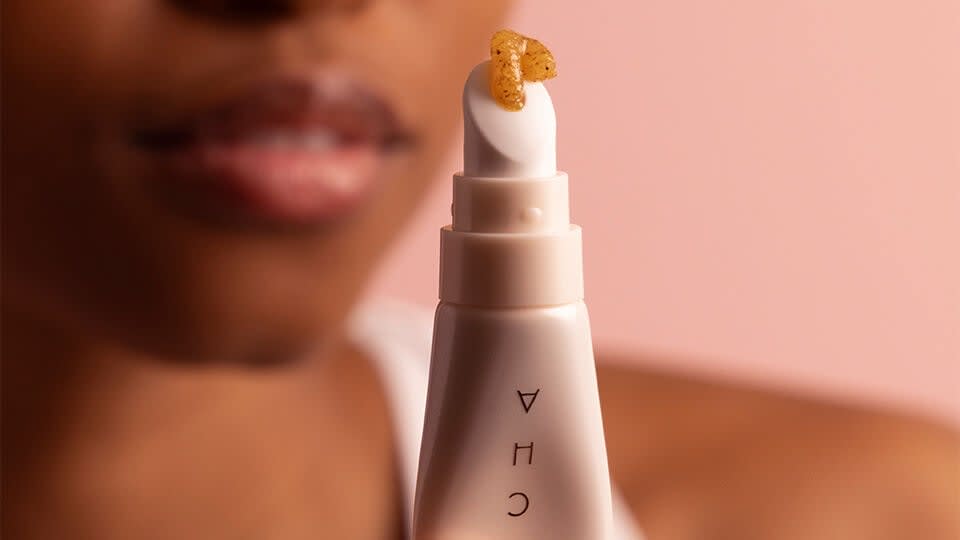
Lip scrubs are gaining popularity—and for many good reasons. They accomplish much more than just exfoliating lips. Keep reading to learn how to use a lip scrub. While body and facial scrubs are commonplace, lip scrubs are still somewhat obscure. The often – and unjustly – overlooked product definitely deserves a place in your skincare routine though. What is a lip scrub, what does a lip scrub do, and how to use a lip scrub? We dive into all these questions and more below.What Is a Lip Scrub?A lip scrub is an exfoliating formula specifically made to be gentle enough on the delicate lip skin but effective enough to remove dead skin cells. Lips need this extra care because they work overtime. They help us accomplish innumerous tasks, including eating, talking, breathing, and kissing. All that effort means they’re constantly in motion, which can quickly take a toll on your pout. Add to that the fact that the skin on the lips is one of the most delicate on the entire body and you have a recipe for disaster—aka dry, flaky, and dehydrated lips. An instant solution for these flaky lips? A lip scrub. A lip scrub is an exfoliating formula specifically made to be gentle enough on the delicate skin but effective enough to remove dead skin cells.Almost all lip scrubs are composed of two ingredients: an exfoliant and an emollient. The physical exfoliant – which can be made from multiple sources including sugar, coffee grounds, ground fruit seeds, or other natural ingredients – buffs. While the emollient hydrates and softens lips, and the most common emollients are oils (like coconut, avocado, jojoba, and grapeseed) and butters (including shea, coconut, and cocoa). When the two base ingredients are combined, a lip scrub can accomplish several things, from the appearance to the health of the delicate lip area.How To Use a Lip ScrubSo you’ve found a lip scrub you love and want to enjoy the beautifying effects of lip exfoliation? While using a scrub is a fairly simple process, there are a few tricks that take it to the next level. Follow this four-step process for how to use a lip scrub and achieve a perfect pout every time. Step One: Wet LipsThe friction of an exfoliant on dry lips can be too abrasive. So wet your lips first before applying your scrub to ensure a more gentle experience. While it might feel tempting to get the most intense scrub possible, wetting lips beforehand helps prevent ripping or tearing delicate dry skin.Step Two: Get Scrubbing Apply a generous amount (a pearl-sized is ideal) of your lip scrub and work in small circular motions, softly massaging the product into the skin with a finger. Some products even have an applicator that doubles as a massager to encourage this step. Aim for about 30 seconds of exfoliation for best results, working it into every inch of the lips.Step Three: Rinse Some scrub formulas are so effective that they can be a bit burdensome to remove. To get the scrub quickly off, we recommend removing the product with a damp cloth in short, light strokes. Take care with this step as lips are in a fragile state, so aim for gentleness over quickness when removing a scrub from the skin.Step Four: Moisturize and ProtectThe skin has just been exfoliated, so lips crave moisture immediately after. Lock hydration in your freshly exfoliated lips by using your favorite lip balm, treatment, or mask. Is it still daytime? Add the additional step of sunscreen protection for the lips, too—an often overlooked yet vital step.The History of Lip ScrubsIt’s natural to assume clever beauty products are modern inventions, but lip scrubs’ history goes back centuries. In ancient Japan, intensive treatments with natural ingredients were crafted with care to restore lips to their ideal soft, plump condition. Fast forward to modern Japan, where these beneficial lip care ingredients are still beloved, all in the name of achieving puru-puru lips (which means to jiggle and bounce like jelly).Why Should You Use a Lip Scrub?A lip scrub buffs away flakiness and dryness, plain and simple. However, it can also have multiple other benefits, too, which will become noticeable after you learn how to use a lip scrub appropriately.Helping Other Lip Products Apply BetterJust as a facial scrub clears away dead skin cells and debris, thus helping the following products absorb and work more efficiently, a lip scrub works similarly. Using a lip scrub can help your lip treatment, mask, or balm work even deeper and more effectively.Temporarily PlumpingA scrub can stimulate blood circulation to the lip area, giving lips a temporary plumped appearance. Plus, this additional blood flow can also give your pout a flushed appearance, temporarily mimicking the look of a lip tint.Smoother Lipstick Application Speaking of lip products, a lip scrub can help you achieve a more even lipstick (or lip tint, etc.) appearance. After all, dry lips can make a lip tint or lipstick appear bumpy, so using a lip scrub before a colored lip product can create a perfect base for better-looking and longer-lasting results.Removing Stubborn Lip ProductsWhile all of the above benefits are great before a night on the town, a lip scrub can also be helpful in your evening lip care routine. Stubborn, long-lasting lipstick not budging? A lip scrub can work like a lip makeup remover, especially because it usually contains both an exfoliant and an oil component. It can work its way into every single line, crevice, and corner of lips to remove all obstinate lip products.How Often Should You Use a Lip Scrub?With great power comes great responsibility. You can use a lip scrub as much as needed, but if lips are compromised in any way – whether they are sunburnt, raw from wind or cold exposure, or have open cuts – skip until lips are completely healed.Best Lip Scrub There are many worthy lip scrubs on the market, but we’re especially partial to a brand-new option. Meet The Kissu Lip Scrub, Tatcha’s first foray into lip scrubs. We were inspired by ancient Japanese practices, harnessing the power of timeless natural ingredients to create a simple daily ritual that polishes, plumps, and protects lips.The Kissu Lip Scrub gently scrubs with two exfoliating ingredients: konjac and peach seed. Konjac refines and smooths skin for a brighter appearance, while peach seed removes flakes for more hydrated and refined lips. When it comes to the emollient, we selected one of the most extraordinary and treasured ingredients available, and one that’s a Tatcha signature, too: Japanese camellia oil. The intensely hydrating oil seals in moisture, while also soothing tired lips. Together, The Kissu Lip Scrub effectively sloughs away flakiness and removes dullness while sealing in moisture for smooth, supple lips. The new scrub basically provides puru-puru lips on demand.